


The 1920s changed everything about how men dressed. After World War I ended, guys wanted something fresh.
Something bold. The Roaring Twenties brought jazz music, speakeasies, and a whole new attitude about style.
Men traded stiff, boring clothes for sharper suits and flashy accessories. Think pinstripe jackets, fedora hats, and two-tone shoes.
1920s men’s fashion wasn’t just about looking good; it was about feeling free. This era gave us icons like The Great Gatsby and the Peaky Blinders look.
Want to understand what made 1920s fashion so extraordinary for men? From three-piece suits to casual sportswear, you’ll learn how the 1920s male fashion style shaped the way men dress today. Let’s step back in time.
The Cultural Revolution Behind 1920s Fashion Male Trends
The 1920s didn’t just change fashion. It changed how men saw themselves. Significant cultural shifts drove these style changes.
World War I ended in 1918, and men came home wanting freedom and fun. Women gained voting rights in 1920, changing social dynamics, while the booming economy made stylish clothes affordable through mass production. Soldiers were done with military uniforms and craved color and personality.
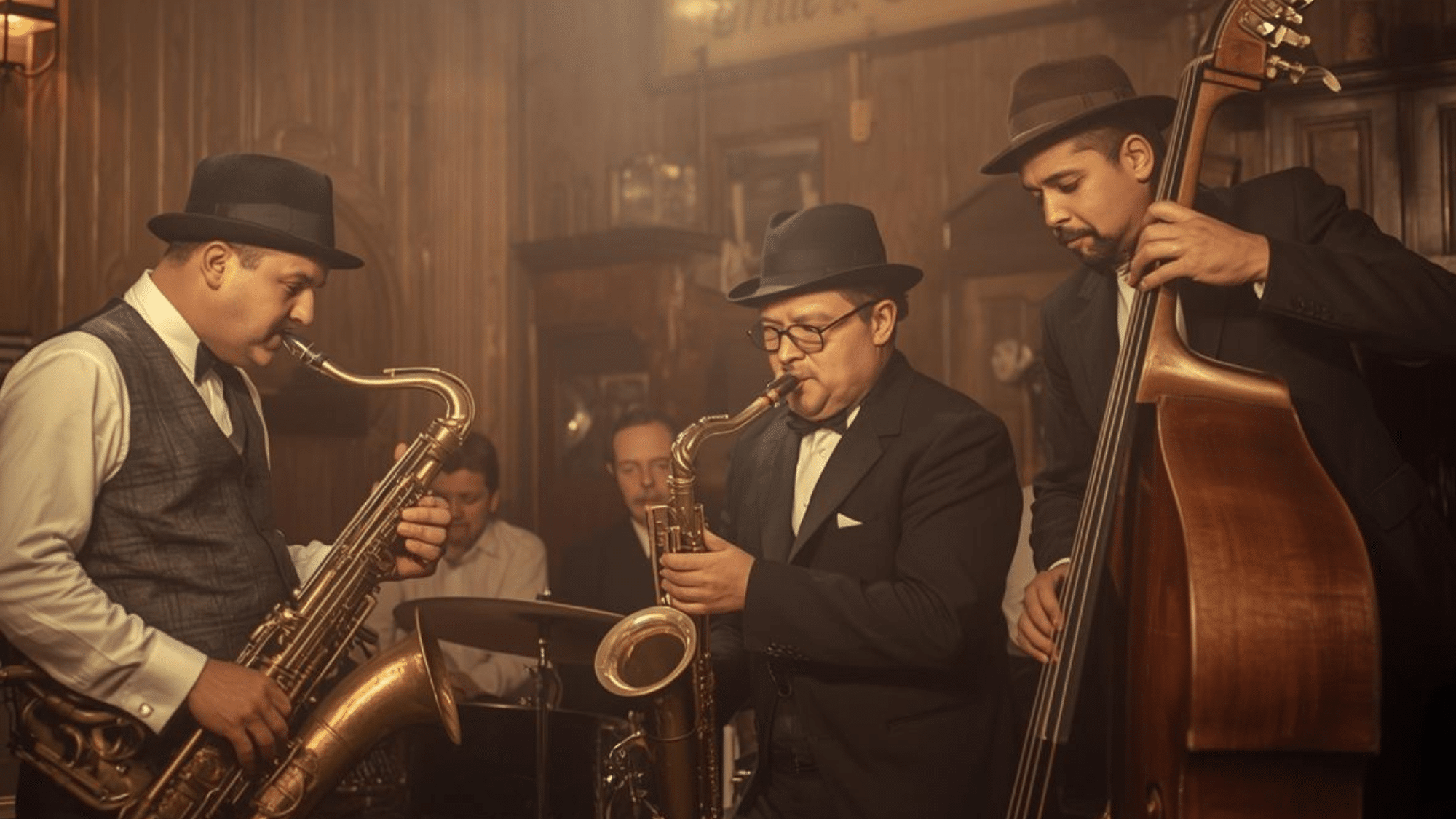
Jazz music exploded, bringing bold attitudes, while musicians wore flashy suits that fans copied. Prohibition started speakeasies, where fashion got experimental.
Before the 1920s, men dressed to fit in, but the Roaring Twenties changed everything. Men could finally show personality through colors, patterns, and accessories.
This freedom stuck 1920s fashion male culture proved clothes could express individuality, an idea that still shapes menswear today.
Essential 1920s Men’s Fashion Suits and Jackets
Suits defined 1920s men’s fashion more than anything else. The decade brought two completely different styles that transformed how men dressed.
The Jazz Suit: Slim-Fitting Early 1920s Style
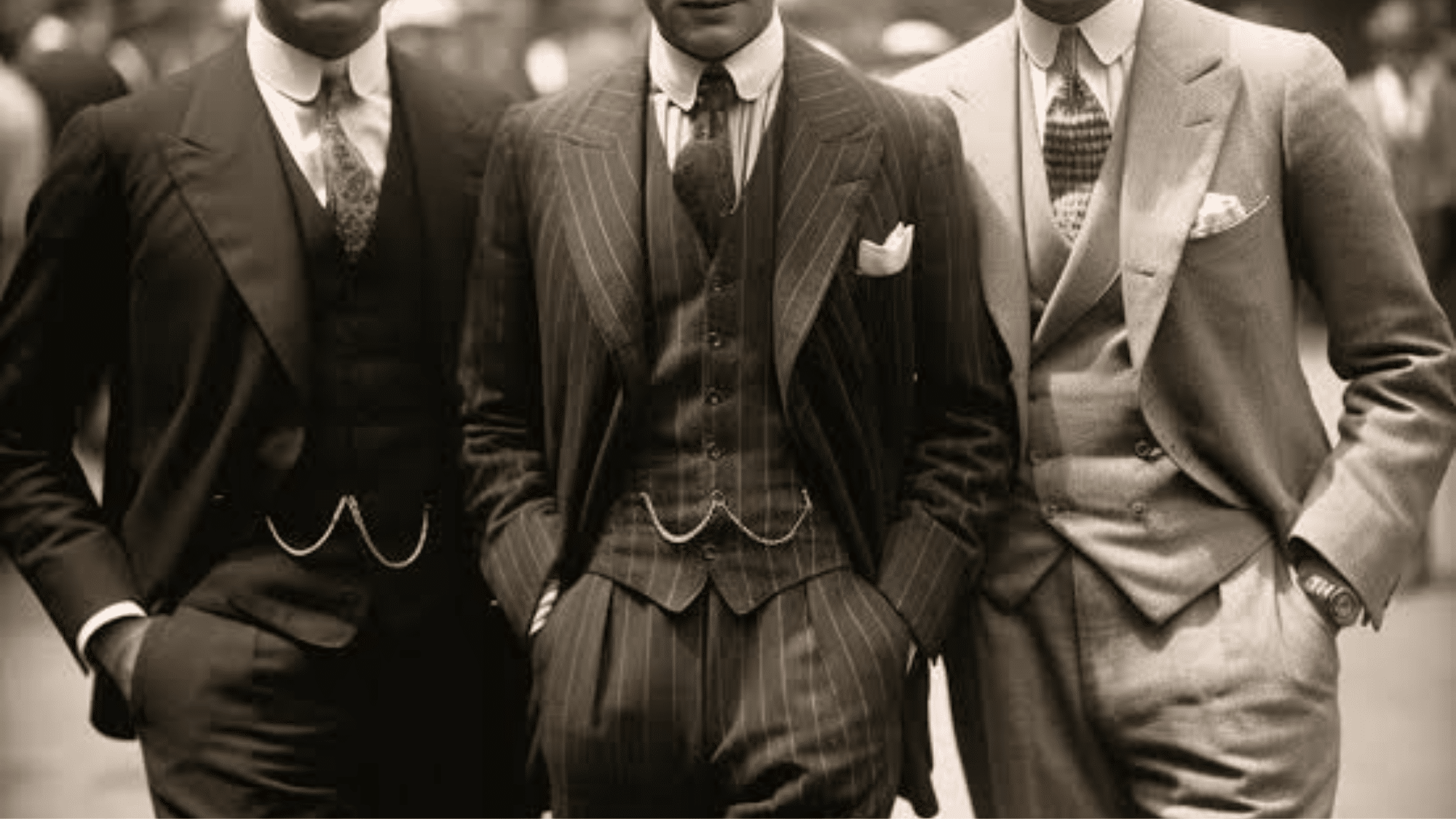
Jazz suits dominated early 1920s men’s fashion with slim, body-hugging fits.
These stylish jackets cinched at the waist with belts or seams, featuring 3-4 buttons placed close together near the chest. Narrow shoulders created a lean silhouette. Pipe-thin pants ended just above the ankle to show off socks.
Navy blue, medium gray, and soft brown were the most popular color choices. Heavy sheep’s wool formed the main fabric with luxurious silk jacket linings and durable cotton sleeve linings.
Recommended products:
The Lounge Suit: Classic 1920s Business Wear
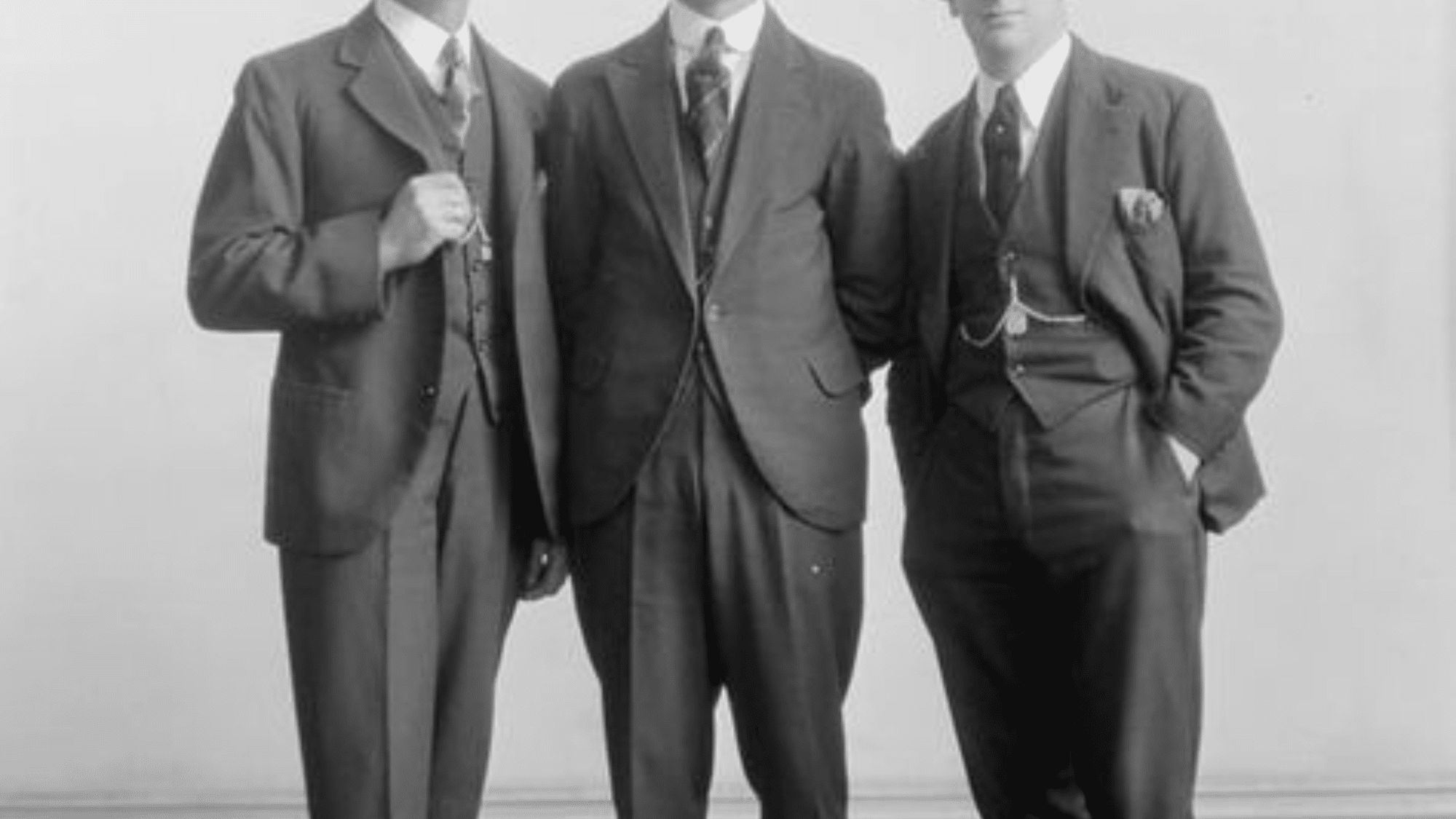
The lounge suit included a jacket, waistcoat (vest), and matching trousers. Jackets had wider notch lapels and 2-4 buttons. Waistcoats featured high V-necks with deep points. High-waisted trousers had twin pleats and cuffs. By mid-decade, men could skip the waistcoat in summer, a significant change from stricter earlier rules.
Single-breasted jackets had one row of buttons. They looked simple and worked for most occasions. Double-breasted jackets featured two rows of buttons crossing the chest. This style appeared dressier and more formal.
Recommended products:
Popular Suit Colors, Patterns, and Fabrics
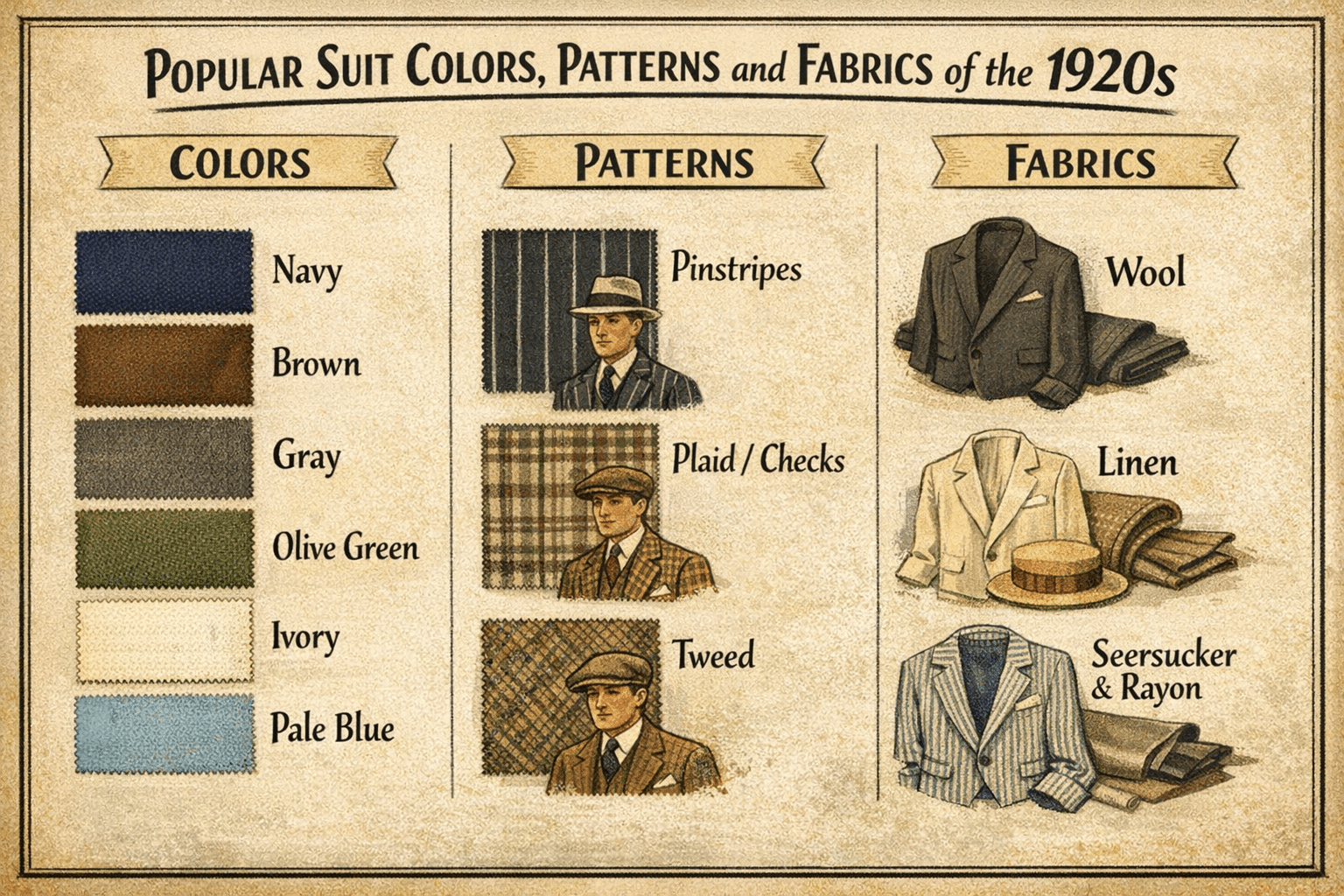
Pinstripes, plaids/checks, and tweeds were big in 1920s menswear. Pinstripes gave a taller look, while checks and plaids felt bolder, and tweed added a textured, multi-tone finish.
The core palette stayed navy, brown, and gray, with navy as an easy all-occasion choice.
Browns ran from tan to deep chocolate, and grays ranged from pale to charcoal.
Men also wore lighter shades like ivory, plus olive green and soft pastel blue at times.
Wool was the main suit fabric, with linen popular in summer for its breathability, often in cream or ivory.
Seersucker worked well in heat, and rayon helped make stylish clothing more affordable by the late 1920s.
1920s Fashion Men Wore: Shirts and Neckwear
Shirts and neckwear completed the 1920s men’s fashion look. These pieces added personality and style to any suit.
Dress Shirts with Detachable Collars
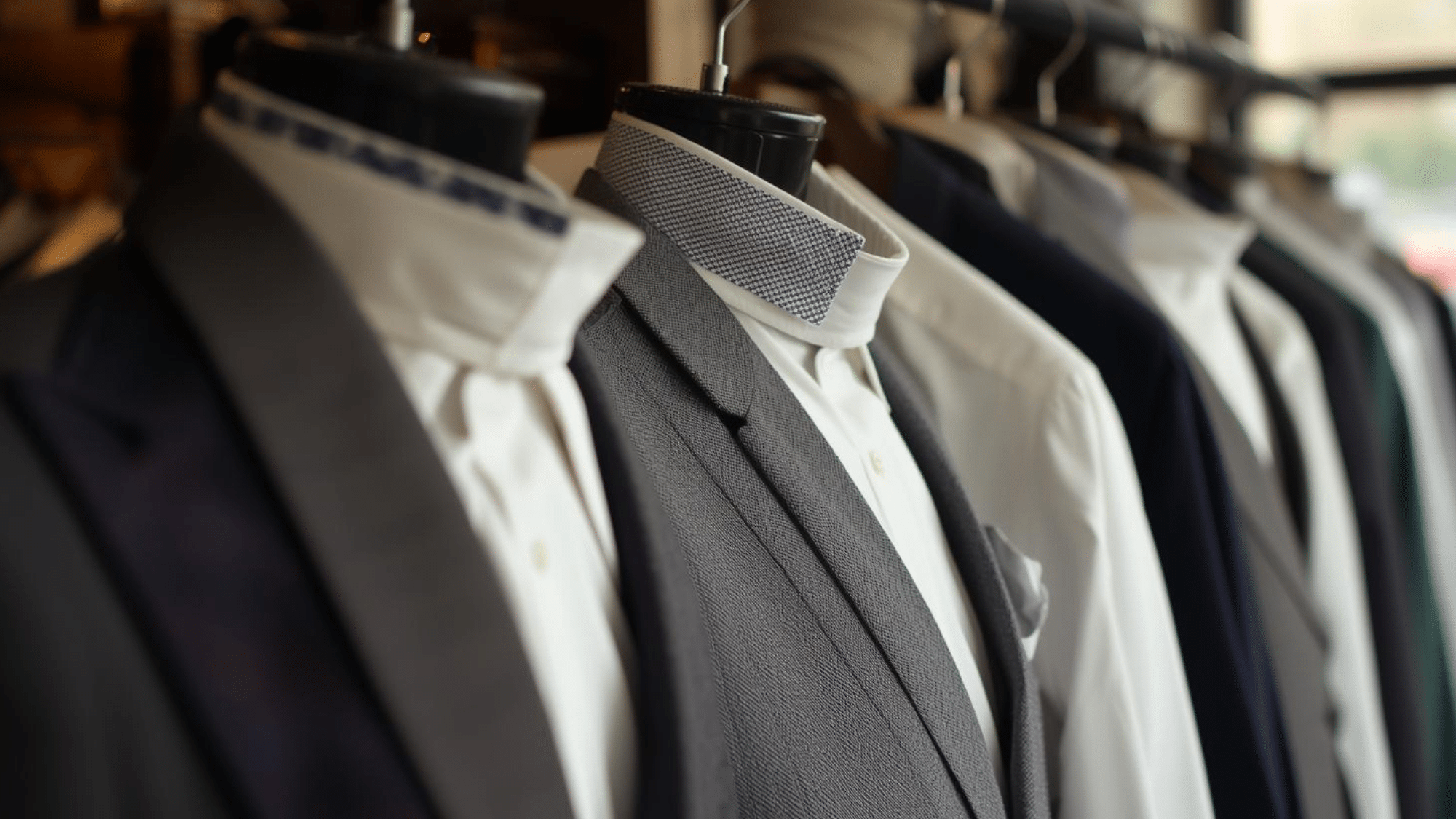
Detachable collars revolutionized 1920s men’s fashion. Men could unbutton and swap collars for different looks, pointed, rounded, or club-shaped styles attached at the neckband. This innovation simplified laundry since collars got dirtiest fastest.
White shirts remained popular for business wear. Thin vertical stripes in blue, gray, or tan gained popularity and looked sharp under suits. Solid colored shirts in cream, light blue, or pale gray worked well for casual occasions.
Recommended Products
Ties, Bow Ties, and Collar Accessories
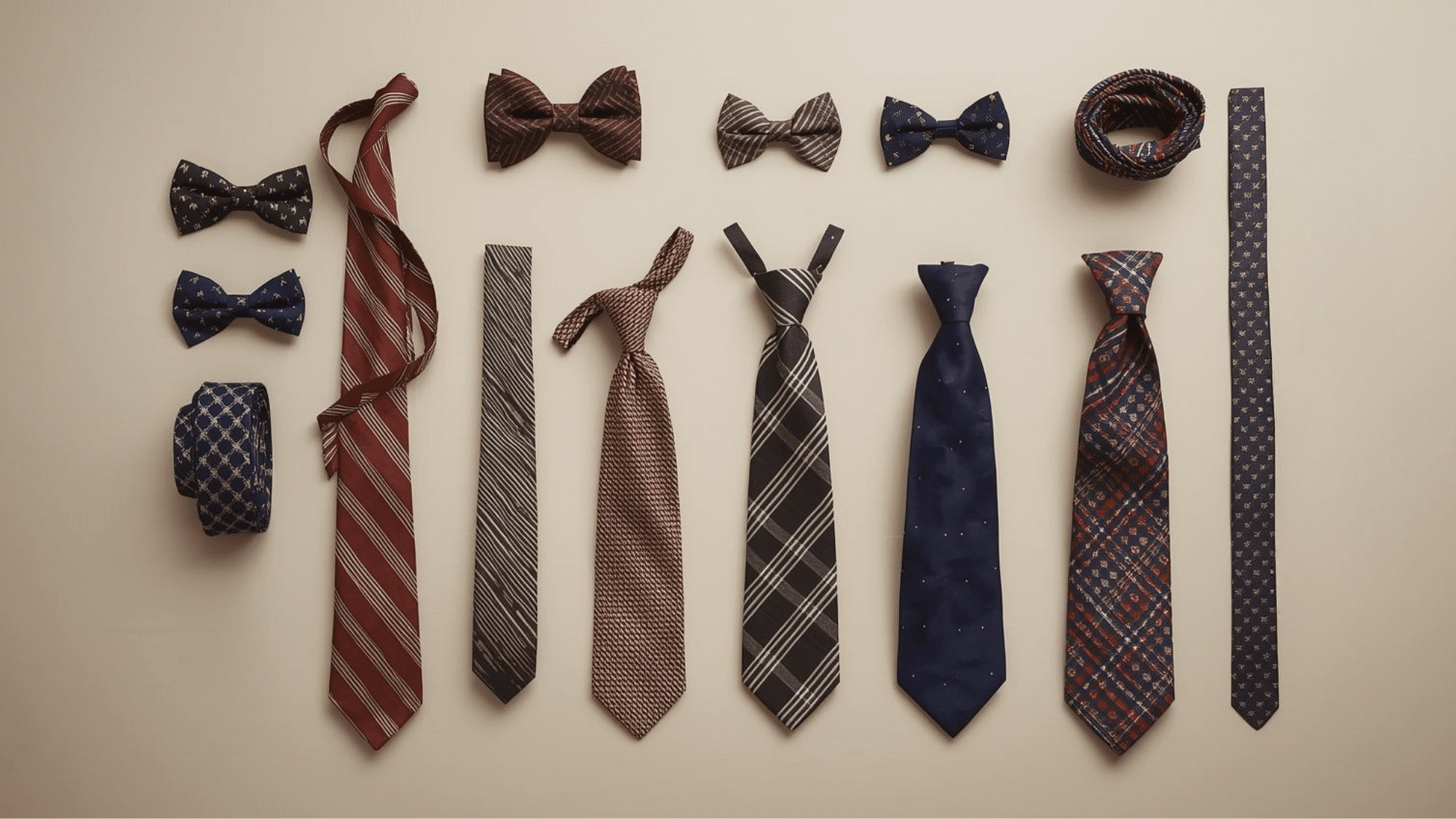
Silk ties dominated 1920s fashion men’s accessories. Bold geometric patterns reflected Art Deco style. Diagonal stripes ran across men’s ties; some featured dots or abstract designs. Colors got brighter as the decade progressed.
Bow ties offered a dressier alternative. They came in matching silk with similar bold patterns.
Collar pins became hugely popular. These small bars pinned both collar tips down and lifted the tie knot slightly. The look appeared polished and put-together. Many men wore them daily with their ties.
Recommended Products
Waistcoats and Vests
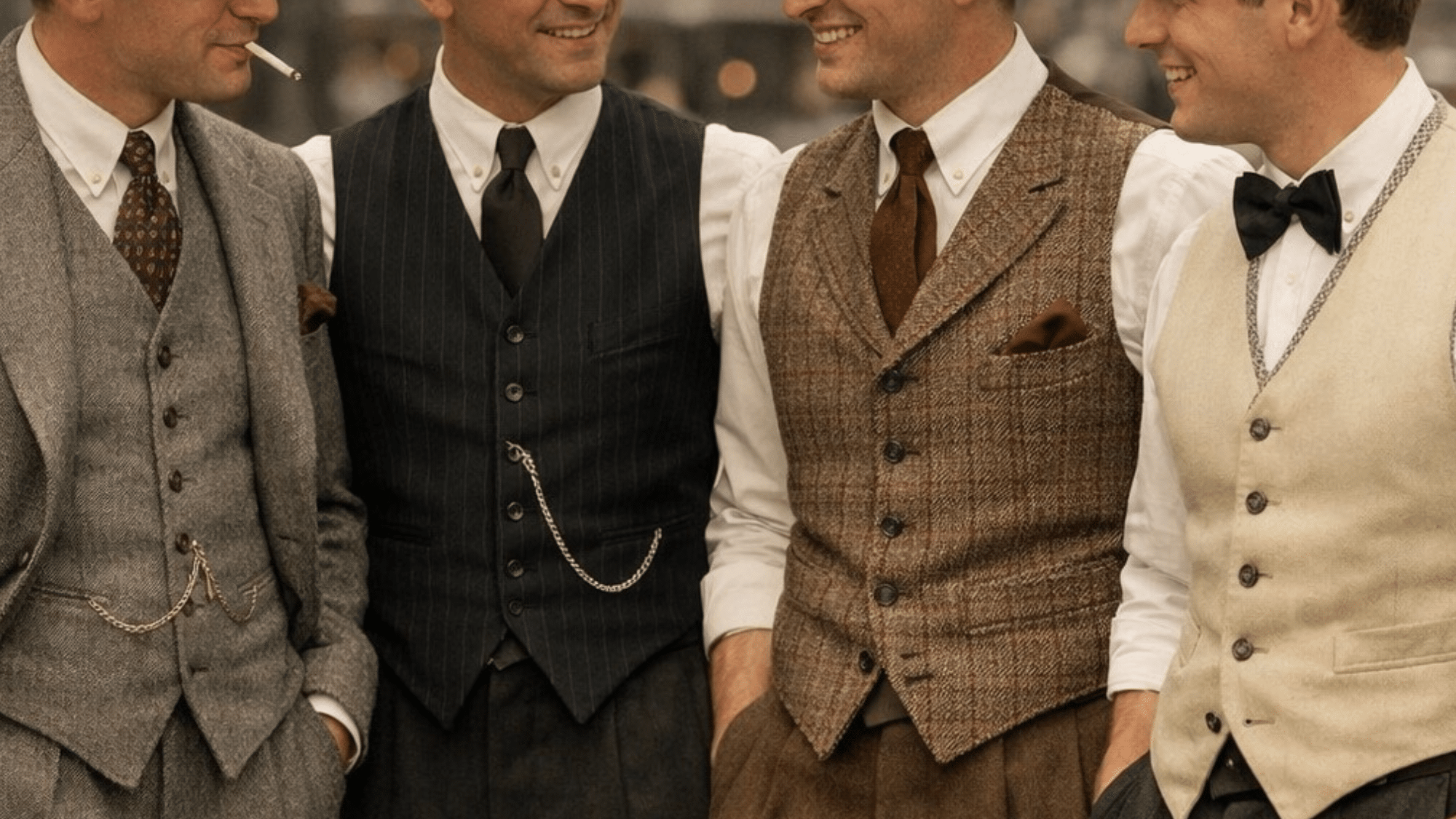
Waistcoats featured high V-necks that showed more of the tie and shirt. They had 4-5 buttons and four welted pockets. Deep points at the bottom created a sharp silhouette. No collars that would add bulk.
Three-piece suits were standard in early 1920s fashion male style. But by mid-decade, vests became optional. Men could skip them in summer for comfort. This flexibility was new and welcome.
Recommended Products
Trousers and Bottoms in 1920s Men’s Fashion
Trousers changed dramatically during the Roaring Twenties. The decade started with slim pants and ended with wide legs. This evolution defined 1920s men’s fashion from top to bottom.
High-Waisted Trousers with Pleats
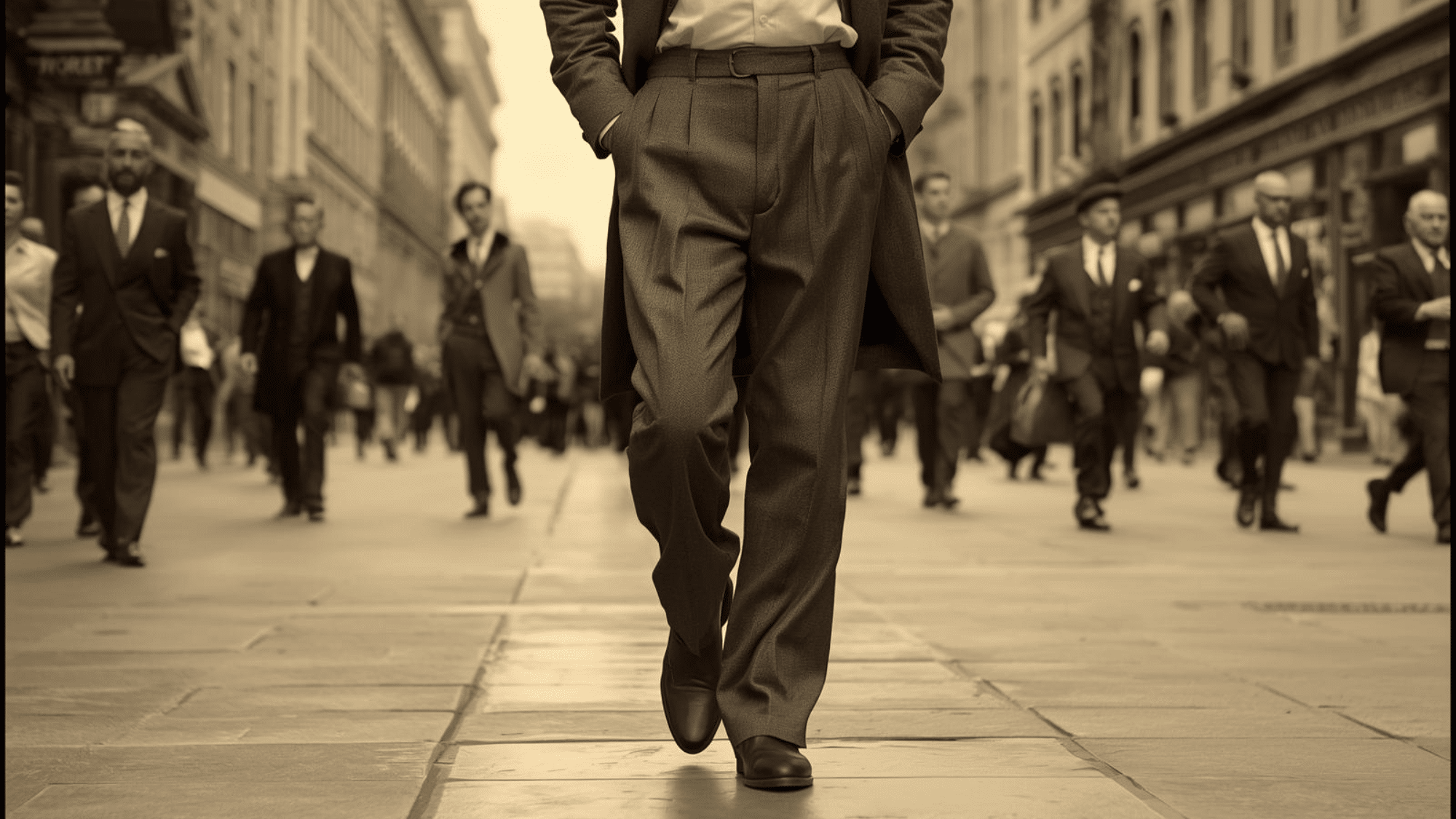
All 1920s men’s fashion featured high-waisted trousers sitting well above the natural waist, creating a long-legged look. Twin pleats at the front allowed movement while sharp creases ran down each leg. Pants ended above the ankle, intentionally showing socks and shoes.
Cuffs became a trend, and young men preferred the folded hems that added weight and helped pants hang straight. Older, conservative men chose plain,uncuffed hems. Both styles were acceptable.
Recommended Products
Oxford Bags and Wide-Leg Pants
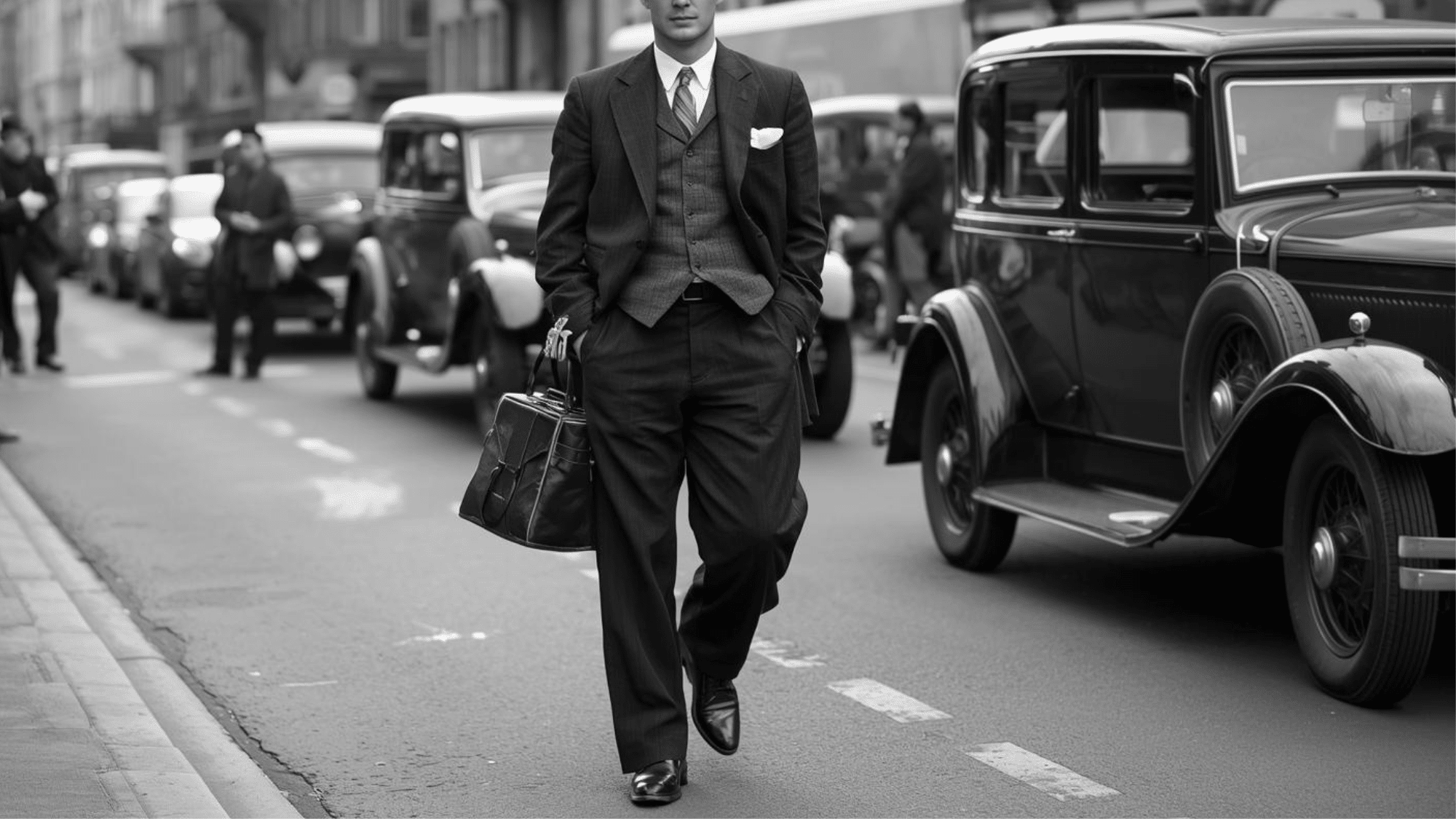
In the early 1920s, pants were narrow, sometimes only 13 inches at the ankle. By 1925, everything changed. Oxford bags appeared with legs 22 to 24 inches wide. College students started this trend. Soon, everyone wanted wider pants.
The shift happened fast. By 1929, slim pants looked outdated. Wide-leg trousers dominated. They were comfortable and made a statement.
Recommended Products
Suspenders vs Belts: What 1920s Fashion Men Preferred
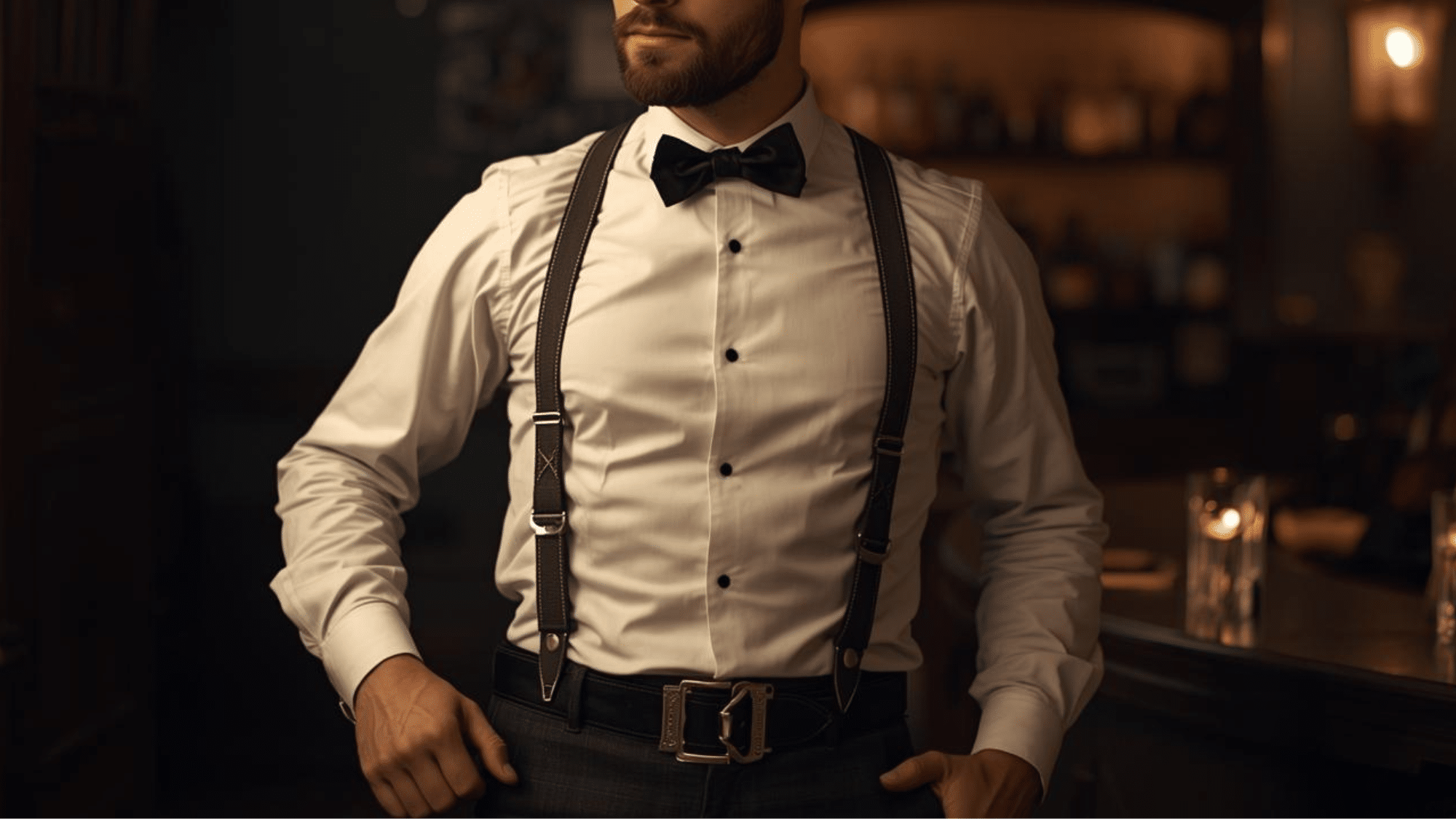
Suspenders (called braces) were more popular than belts. They held high-waisted pants securely without bunching the fabric. Suspenders came in various colors and patterns, some plain, others striped or patterned.
Belts existed but were less common. Men mostly wore them with casual or sports clothes. For business suits, suspenders ruled throughout the decade.
Recommended Products
Popular 1920s Men’s Accessories
Accessories completed every 1920s men’s fashion look. Men collected hats, shoes, and small details that showed personal style. These finishing touches separated well-dressed men from average dressers.
Hats Worn by Men in the 1920s
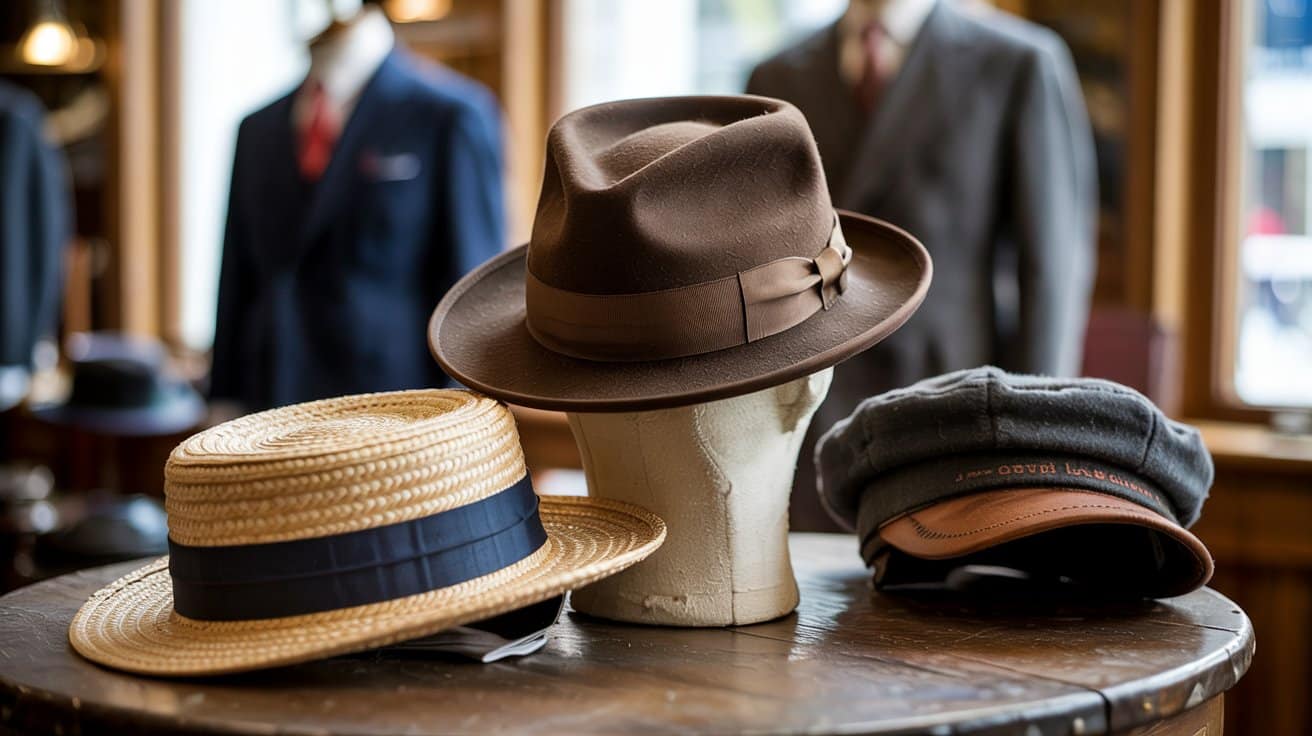
No man left home without a hat. Fedoras were the most popular choice of soft felt hats with creased crowns and medium brims. They worked for business and casual wear.
Flat caps (also called newsboy caps) suited working-class men and became trendy thanks to the Peaky Blinders. These caps had rounded shapes and small brims.
Boater hats appeared in summer. Made from stiff straw with flat tops and brims, they looked fresh with light-colored suits. Panama hats offered another warm-weather option.
Recommended Products
Shoes and Footwear in 1920s Fashion Male Trends
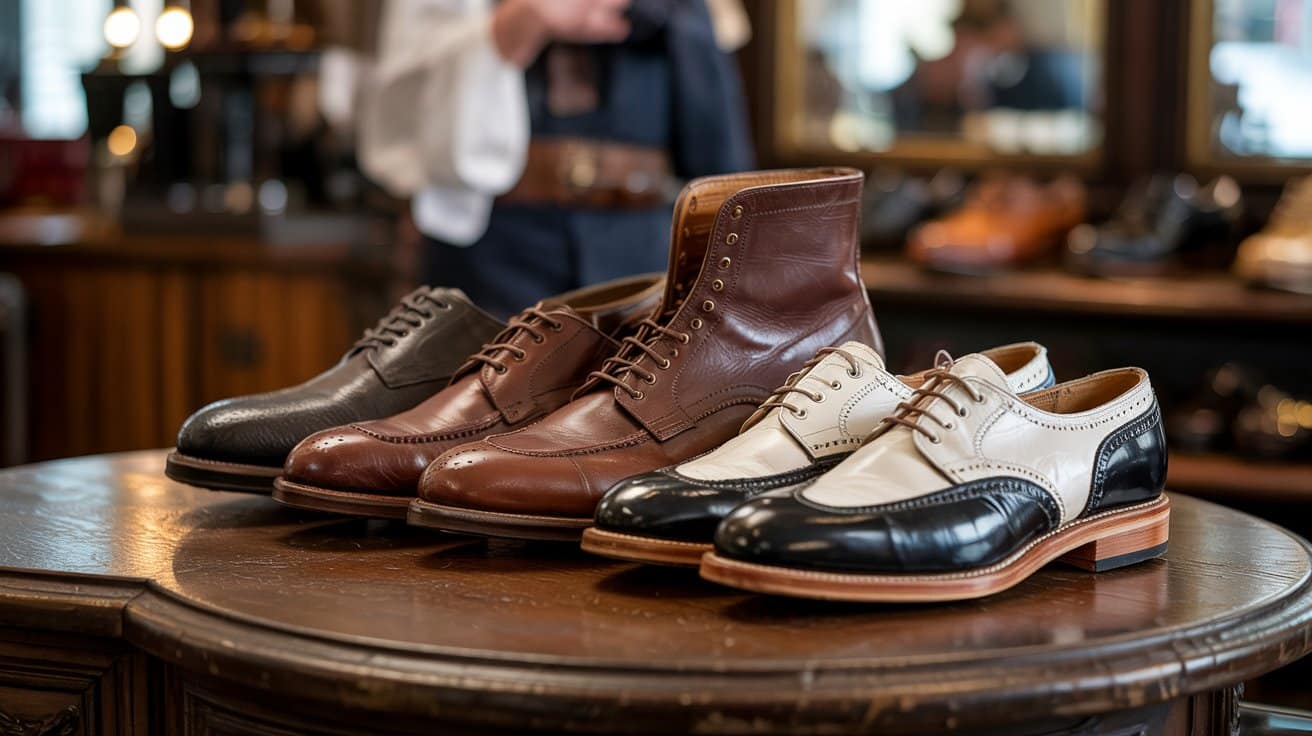
Oxford shoes were the standard dress shoe. These leather lace-ups came in black or brown. Brogues featured decorative perforations and wingtip designs.
Two-tone spectator shoes made bold statements. Usually black and white or brown and white combinations. These shoes showed confidence and style. Spats (fabric coverings over shoes) added extra flair for formal occasions.
Recommended Products
Other Accessories
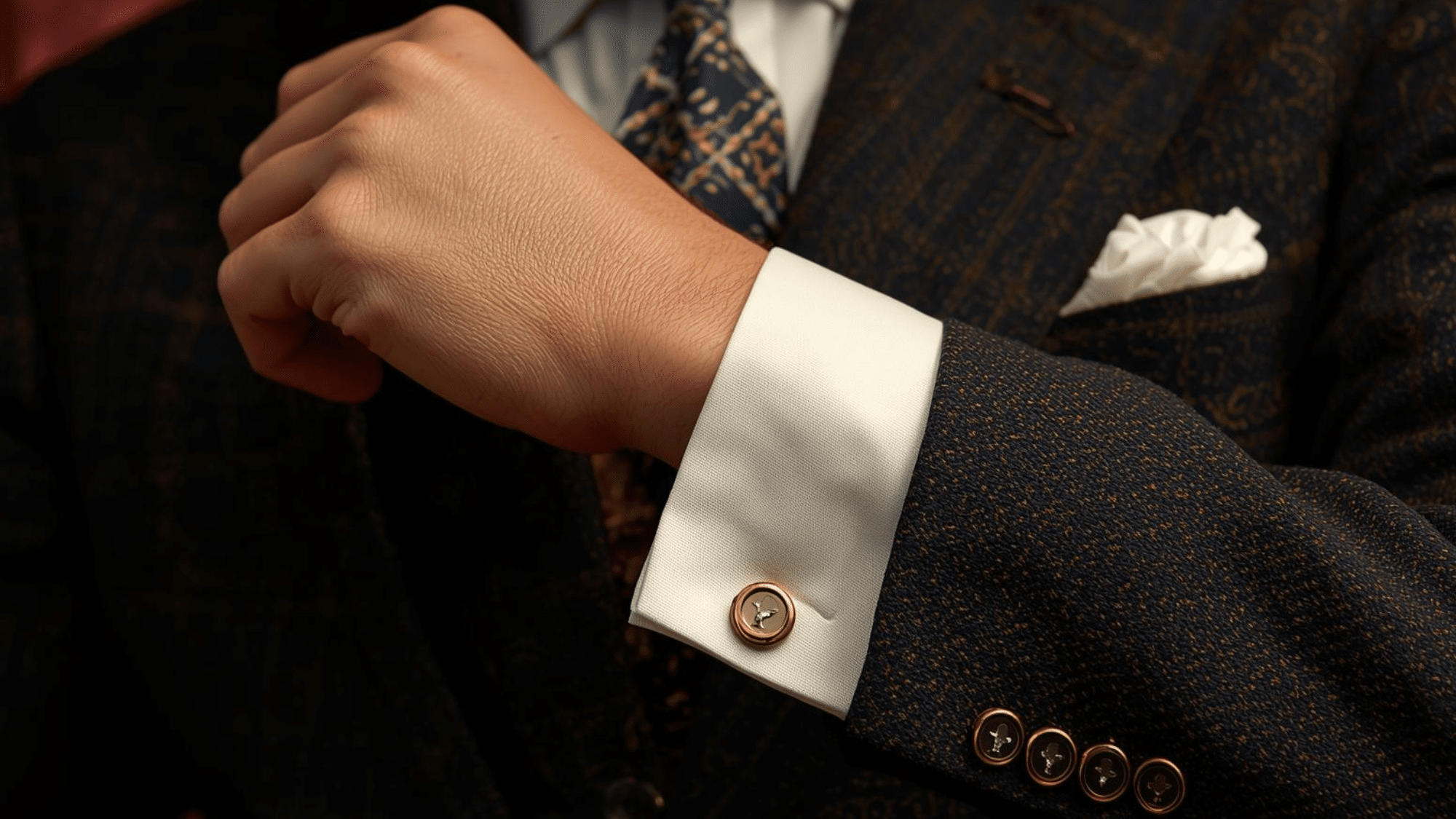
Silk neckties featured bold geometric patterns and Art Deco designs. They were wider than modern ties. Pocket squares added color pops to suit jackets. Silk squares in solid colors or patterns peeked from breast pockets.
Other essential accessories included cufflinks for dress shirts, pocket watches on chains, and decorative canes. Suspenders held up high-waisted trousers. These small details completed an authentic 1920s fashion that men appreciated.
Recommended Products
Casual vs Formal 1920s Fashion for Men
In the 1920s, clothing for men changed a lot depending on the situation. Casual outfits were relaxed and practical, while formal clothing was bright and elegant. Men’s wardrobes reflected daily life, work, and social events in 1920s men’s fashion.
| Style Type | Typical Clothing | Key Features |
|---|---|---|
| Casual Wear | Knit sweaters, polo shirts, sports jackets, flat caps | Comfortable fabrics, relaxed fit, good for leisure and daily activities |
| Business Attire | Tailored lounge suits, dress shirts, ties, and polished shoes | Classic three-piece suits with collars and neat accessories |
| Evening/Formal Wear | Tuxedos or dinner jackets, bow ties, patent leather shoes | Dark, elegant outfits for dinner, parties, and formal events |
| Sportswear & Leisure | Plus-fours, golf knickers, cardigans | Clothes made for sports and weekend fun |
1920s Fashion Men Icons and Style Influences
Real people shaped 1920s men’s fashion more than any rulebook. Movie stars, gangsters, musicians, and athletes became style icons. Men everywhere copied their looks.
Influence of Hollywood Actors
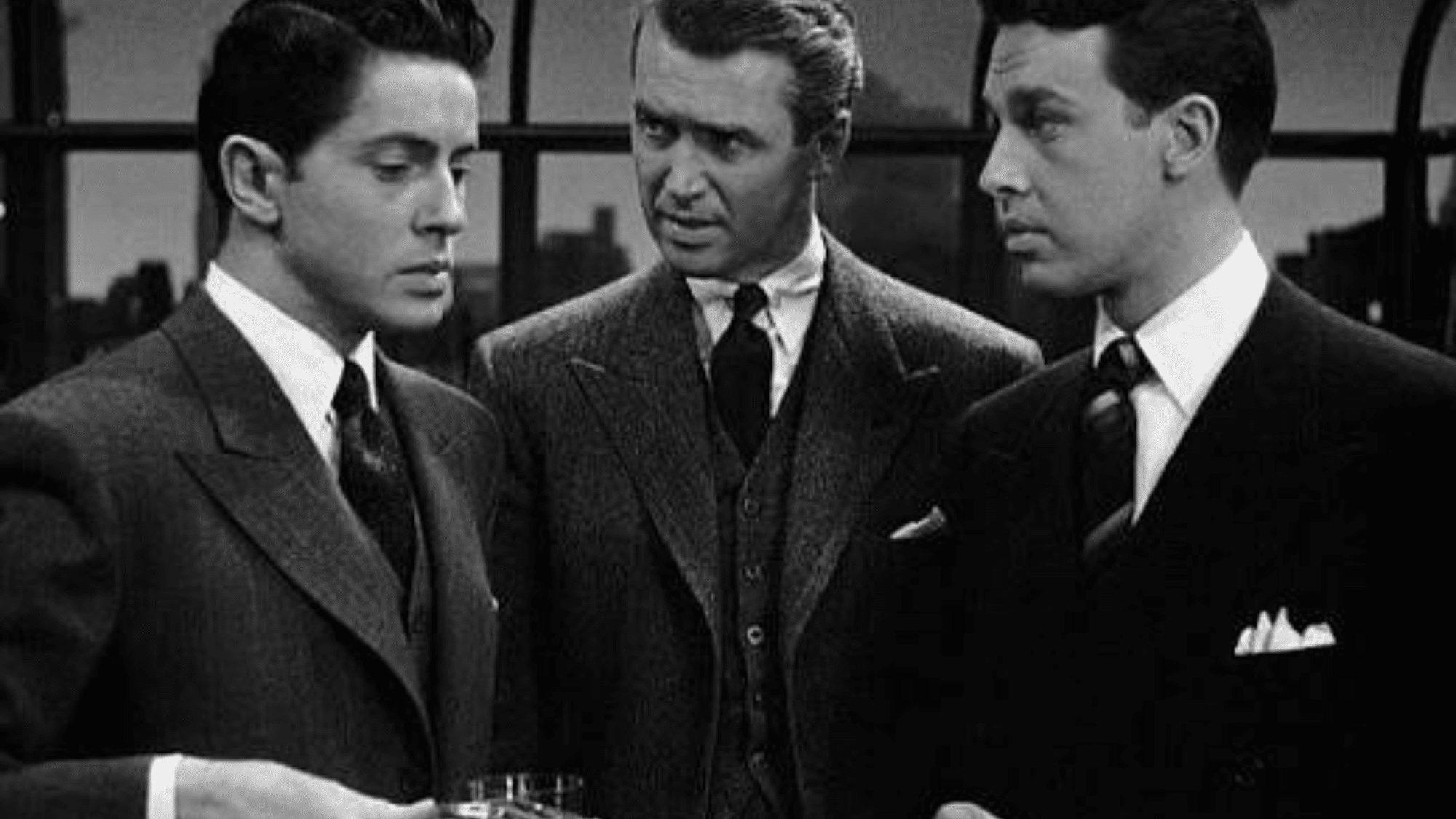
Hollywood created fashion superstars. Rudolph Valentino was the biggest. Women loved him, and men wanted his style. He wore slicked-back hair, sleek suits, and wide-legged trousers. His romantic look proved men could be stylish and masculine.
Douglas Fairbanks Jr. brought sporty style to film. His action movies showed sweaters, knickerbockers, and casual wear differently. Men realized fashion could be adventurous and practical.
The Great Gatsby (the book and later adaptations) popularized the wealthy East Coast style. Crisp white shirts, pastel suits, and polished accessories defined this upper-class look.
Gangsters, Jazz Musicians, and Athletes
Al Capone and mobsters made pinstripe suits, fedora hats, and two-tone shoes iconic through media coverage. The Peaky Blinders gang popularized three-piece tweed suits and flat caps, appealing to working-class men.
Jazz musicians wore flashy, bold clothing with bright colors and wild patterns that reflected the music’s energy. Young people copied this free-spirited style.
Athletes influenced sportswear through tennis and golf, creating demand for polo shirts, sweaters, and knickerbockers. These figures made 1920s men’s fashion more varied and expressive than ever before.
How 1920s Men’s Fashion Influences Modern Men’s Style
The Roaring Twenties still shape how men dress today. Many current trends started in this groundbreaking decade. Modern suits borrowed heavily from 1920s men’s fashion; wide lapels, high-waisted trousers, and three-piece suits all originated then.
To incorporate 1920s fashion male styles, add pocket squares to suits, try high-waisted trousers with suspenders, or wear fedoras and flat caps. Choose vintage-inspired patterns like pinstripes or tweeds. For casual looks, pair cardigans with dress pants or add collar pins to shirts.
The key is a balanced mix of one or two vintage pieces with modern clothing for a classic look without appearing costume-like.
Conclusion
1920s men’s fashion changed men’s wear forever by giving men the freedom to express themselves through clothing. Slim Jazz suits evolved into comfortable wide-leg styles while three-piece suits, bold patterns, and accessories became standards.
The Roaring Twenties remain iconic because they introduced seasonal wardrobes, self-expression through style, and mixing formal with casual wear. From fedoras to pinstripes, 1920s fashion men wore continues to inspire modern looks. This era transformed centuries of rigid dress codes into flexible, personal style.
The 1920s fashion male revolution proved men could be both respectable and expressive, a balance still sought today.
Frequently Asked Questions
What Did Men Typically Wear in The 1920s?
Men typically wore three-piece suits with high-waisted trousers, dress shirts with detachable collars, silk ties, fedora hats, and Oxford shoes.
Did All Men Wear Suits in The 1920s?
Not always. While suits were common for work and formal events, men also wore casual clothing like sweaters, cardigans, knickerbockers, and sportswear for leisure activities and weekends.
What Colors Were Popular in 1920s Fashion for Men?
Navy blue, brown, and gray were the most popular light shades, like tan, ivory, cream, and pale blue, which gained popularity.