


Healthy hair, glowing skin, and strong nails are often seen as beauty goals, but they also reflect how well your body is supported from within.
Shampoos, serums, and nail oils can help on the surface, but steady nutrition is still needed to support keratin, collagen, moisture, and everyday repair.
That is why hair, skin, and nail supplements have become so popular. The right formula may help fill nutrient gaps when diet, lifestyle, age, or health needs make key vitamins harder to get.
In this article, we break down the nutrients that may support healthier-looking hair, skin, and nails naturally.
Hair, Skin, Nails – What to Look for in Nutritional Supplements
The best hair, skin, and nail supplements are simple, balanced, and clear about their ingredients. Look for reasonable amounts of key nutrients such as biotin, vitamin C, vitamin D, vitamin E, and B-complex vitamins, which may support hair growth cycles, skin structure, nail strength, and normal cell function.
Third-party testing is also a good sign because it helps confirm product quality and label accuracy.
Avoid formulas that promise overnight hair growth, wrinkle reduction, or instant nail repair, since hair and nail changes usually take weeks or months.
Essential Vitamins for Hair, Skin, and Nails
Biotin (Vitamin B7)
Biotin is among the most popular vitamins used to treat hair, skin and nail conditions. Biotin is frequently associated with the structural protein keratin, which makes up hair and nails, and is present in the outer layer of the skin.
“Most studies have found no benefit to biotin supplementation unless laboratory confirmed biotin deficiency,” says Anthony Rossi, MD.
Eggs, salmon, nuts, seeds, sweet potatoes, and some vegetables are biotin-containing foods.
Vitamin C
Vitamin C is crucial in the production of collagen. Collagen is a structural protein that helps the skin maintain its firmness and supports connective tissues in the entire body.
Vitamin C acts as an antioxidant, too. Antioxidants are substances that prevent or neutralize the oxidative stress caused by the normal processes of the body, pollution, UV exposure, and stress.
Oranges, strawberries, kiwi, bell peppers, broccoli, brussels sprouts, and tomatoes are all good sources.
Vitamin D
In addition to supporting bone health, Vitamin D has been shown to have various other effects, including on immune function, inflammation balance, and cell growth.
There is some research connecting low vitamin D with some hair problems, but in cases of vitamin D deficiency, supplementation is most effective.
Fatty fish, fortified milk, fortified plant milks, egg yolks, and some fortified cereals are sources of food. Sunlight also provides a source of vitamin D in the body; however, safe sun habits are important.
Vitamin E
Vitamin E is another antioxidant nutrient. It is a natural antioxidant and aids immune function. Discussions about vitamin E’s effects on beauty-focused wellness come up as the skin and scalp are in constant contact with the environment.
If you are one of those who prefer food-first vitamin E intake, then it is a safer and more balanced option.
Sunflower seeds, almonds, hazelnuts, spinach, avocados, and vegetable oils like sunflower oil or safflower oil are all sources of food.
B-Complex Vitamins
These vitamins are involved in the conversion of food to energy and can maintain normal cell metabolism. B vitamins may be added to beauty supplements because hair, skin, and nails are constantly replaced.
Some vegetarians and vegans particularly need vitamin B12 and folate. Hypothyroidism can cause symptoms of low energy, poor red blood cell production, and overall poor health.
How These Ingredients Work Together
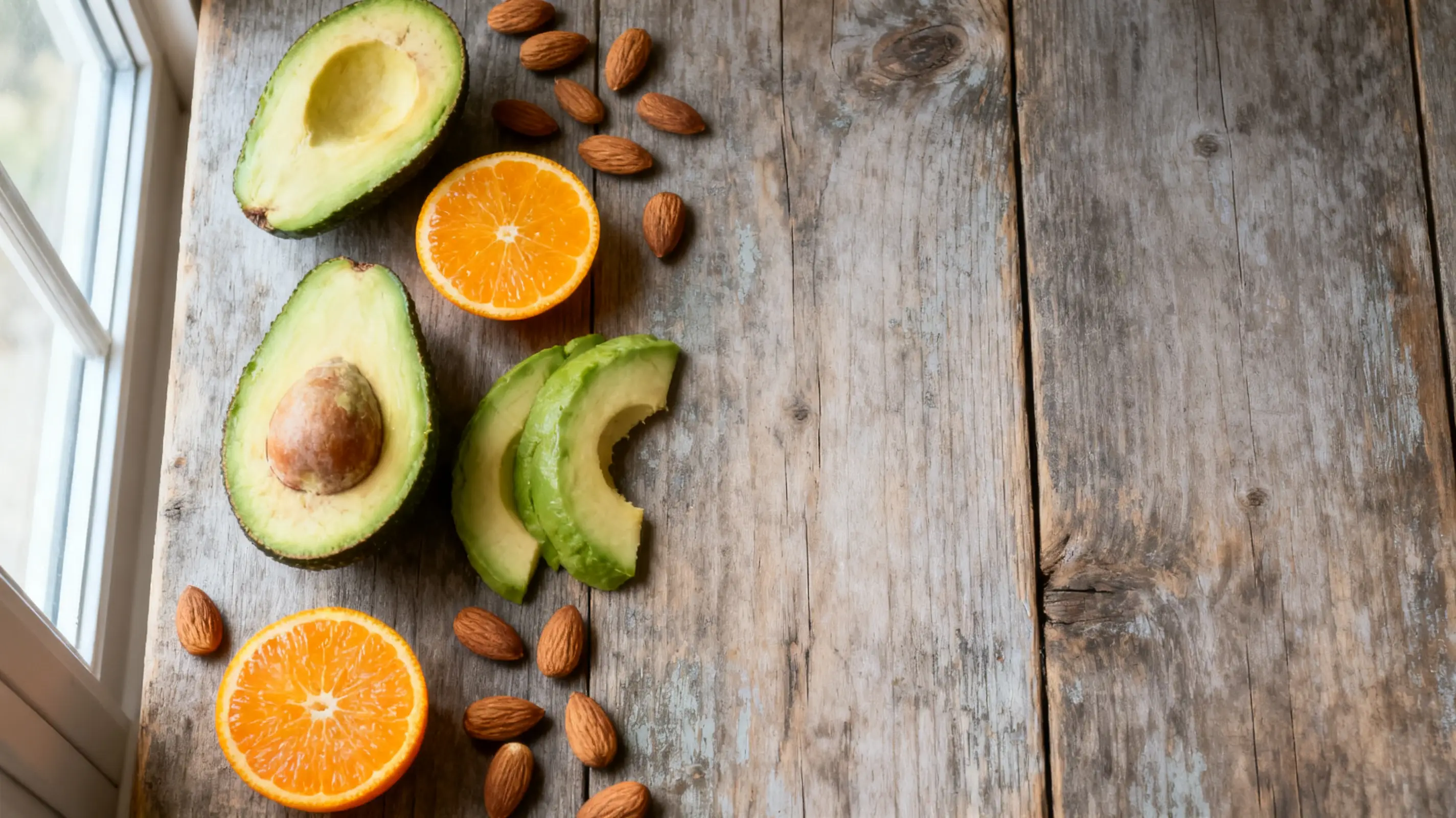
Several nutrients are involved in maintaining the health of hair, skin, and nails. Biotin and B vitamins are involved in normal nutrient metabolism, vitamin C in the formation of collagen, vitamin D in normal immune system and cell function, and vitamin E in providing antioxidant support.
When combined with adequate protein, colorful foods, healthy fats, hydration, sleep, and stress management, these nutrients can work together to promote healthy growth and repair.
Who Can Benefit from These Supplements?
Hair, skin, and nail supplements may be useful for people who struggle to meet nutrient needs through food alone. This can include the following people:
- People with restrictive diets may need extra nutrient support.
- Busy eating habits or low appetite can lead to small nutrient gaps.
- Digestive issues may affect how well the body absorbs nutrients.
- Stress, poor sleep, illness, or postpartum changes may affect hair health.
- Brittle nails, dull skin, or sudden hair loss should be discussed with a healthcare provider.
Safety and Considerations
- Check the dose and your health history before starting any supplement.
- Speak with a healthcare provider if you are pregnant, breastfeeding, taking medication, or managing a condition.
- Biotin may interfere with some lab tests, so mention it before bloodwork.
- Fat-soluble vitamins like D and E can build up when taken in excess.
- Sudden hair loss, patchy shedding, painful scalp symptoms, or unusual skin changes should be checked by a professional.
Lifestyle Habits That Support Hair, Skin, and Nail Health
Supplements are most effective when combined with healthy lifestyle practices.
- Eat enough protein to support keratin, the main protein found in hair and nails.
- Add colorful fruits and vegetables for antioxidants that help support skin health.
- Include healthy fats from avocado, olive oil, nuts, seeds, and fatty fish to support skin moisture.
- Stay hydrated, but remember that water alone will not fix dry skin or brittle nails.
- Use moisturizers, gentle cleansers, and cuticle care to support skin and nail health, according to Consumer Health Digest.
- Protect your skin with sunscreen and sun-protective clothing.
Comparison Table: Key Vitamins for Hair, Skin, and Nails
| Nutrient | Main Beauty Support | Helpful Food Sources | Best For | Safety Note |
|---|---|---|---|---|
| Biotin (B7) | Supports normal keratin-related processes and nutrient metabolism | Eggs, salmon, nuts, seeds, sweet potatoes | People with low biotin intake or confirmed deficiency | High doses may interfere with lab tests |
| Vitamin C | Supports collagen production and antioxidant protection | Citrus, strawberries, kiwi, bell peppers, broccoli | Skin firmness support and plant-based iron absorption | High doses may cause stomach upset |
| Vitamin D | Supports immune function, cell growth, and overall wellness | Fatty fish, fortified milk, egg yolks, sunlight | People with low sun exposure or low blood levels | Avoid high doses unless advised by a provider |
| Vitamin E | Helps protect cells from oxidative stress | Almonds, sunflower seeds, avocado, spinach | Skin and scalp antioxidant support | May interact with some medications at high doses |
| B-Complex | Supports energy metabolism and normal cell function | Whole grains, eggs, dairy, legumes, leafy greens | People with restricted diets or low B-vitamin intake | Some B vitamins can cause side effects in high amounts |
Conclusion
The best supplements and vitamins for hair, skin, and nails are the ones that support real nutrient needs without overpromising. Biotin, vitamin C, vitamin D, vitamin E, and B-complex vitamins can all play useful roles, especially when paired with a balanced diet and healthy daily habits.
For the best results, choose supplements thoughtfully, avoid extreme doses, and look at beauty as part of whole-body wellness. Stronger nails, healthier-looking skin, and better hair days often start with consistent care from the inside out.
References
- A Review of the Use of Biotin for Hair Loss:
https://pmc.ncbi.nlm.nih.gov/articles/PMC5582478/ - Best Hair, Skin & Nails Vitamin Supplements for Glowing Skin, Strong Hair & Healthy Nails | WOWMD:
https://www.wowmd.com/blogs/wellness/best-vitamin-hair-skin-nails-supplements
- The Role of Vitamins and Minerals in Hair Loss: A Review:
https://pmc.ncbi.nlm.nih.gov/articles/PMC6380979/