

City style is changing. For a long time, commuter dressing was mostly associated with offices, meetings, tailored outerwear, and shoes that looked appropriate for work. But for young city dwellers today, the day rarely revolves around one fixed place. The morning might start with answering emails at a coffee shop, move into a coworking space by lunch, include a few errands or store visits in the afternoon, and end with a gym class, an exhibit, dinner, or a last-minute plan with friends.
That kind of rhythm makes getting dressed more complicated, but also more interesting. Clothes need to do more than look good in photos or fit a single setting. They need to move. They need to work for walking, biking, public transit, short errands, weather changes, and the constant shift between one part of the day and the next.
The new commuter wardrobe is not simply formal or casual. It is a more flexible style system. It still leaves room for personal expression, but it also helps people move through the city with more comfort and freedom.
1. Why City Style Is Becoming More Movement-Oriented
Young urban lifestyles are increasingly mixed. Work, social plans, shopping, fitness, learning, and entertainment often happen in the same day, and the distance between those places is not always long enough to justify driving.
When an outfit only works while standing still, it can quickly become inconvenient in real life. Pants that feel too tight, shoes that are hard to walk in, bags that are too heavy, or outerwear that does not breathe can make a full day of movement feel exhausting. A truly city-ready outfit should help someone move naturally from one setting to another.
Movement-oriented style does not mean everything has to look sporty. It is more like practical design hidden inside the outfit: clothes with enough room, shoes you can actually walk in, a bag that holds daily essentials, a jacket that handles temperature shifts, and a full look that still feels intentional no matter how you get around.
This shift also shows that modern style is no longer defined by one occasion. A person may want to look polished while also being able to walk several blocks, take a short ride, sit down at a cafe, or meet someone somewhere else at the last minute. The focus of city dressing is moving away from “dressed for one place” and toward “dressed for the whole day.”
2. How an Electric Bike Fits Into Everyday Style
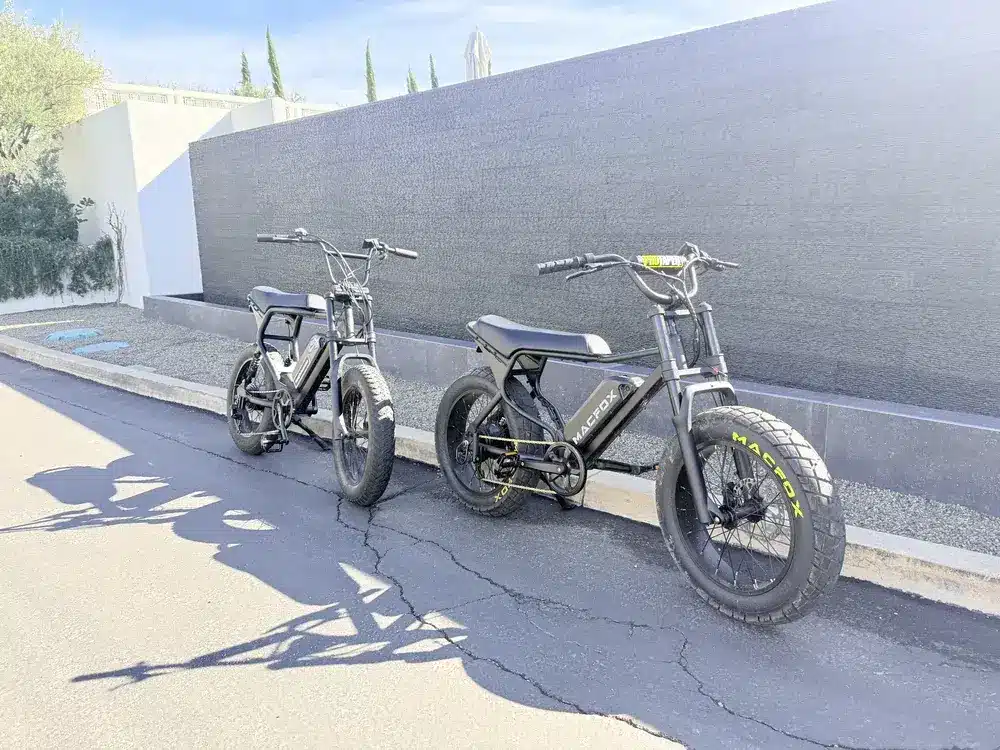
In that context, an electric bike starts to make sense as part of everyday style. It is not only a transportation tool. It also reflects a lighter, more flexible way to move through the city. For many young people, it fits the routes that feel a little too far to walk, too wasteful for a rideshare, and too inconvenient for driving.
Compared with a car, an e-bike is easier to park and easier to blend into the pace of a neighborhood. You can ride from home to a coffee shop, from work to a nearby store, or between a few connected neighborhoods without turning the trip into a parking and navigation problem.
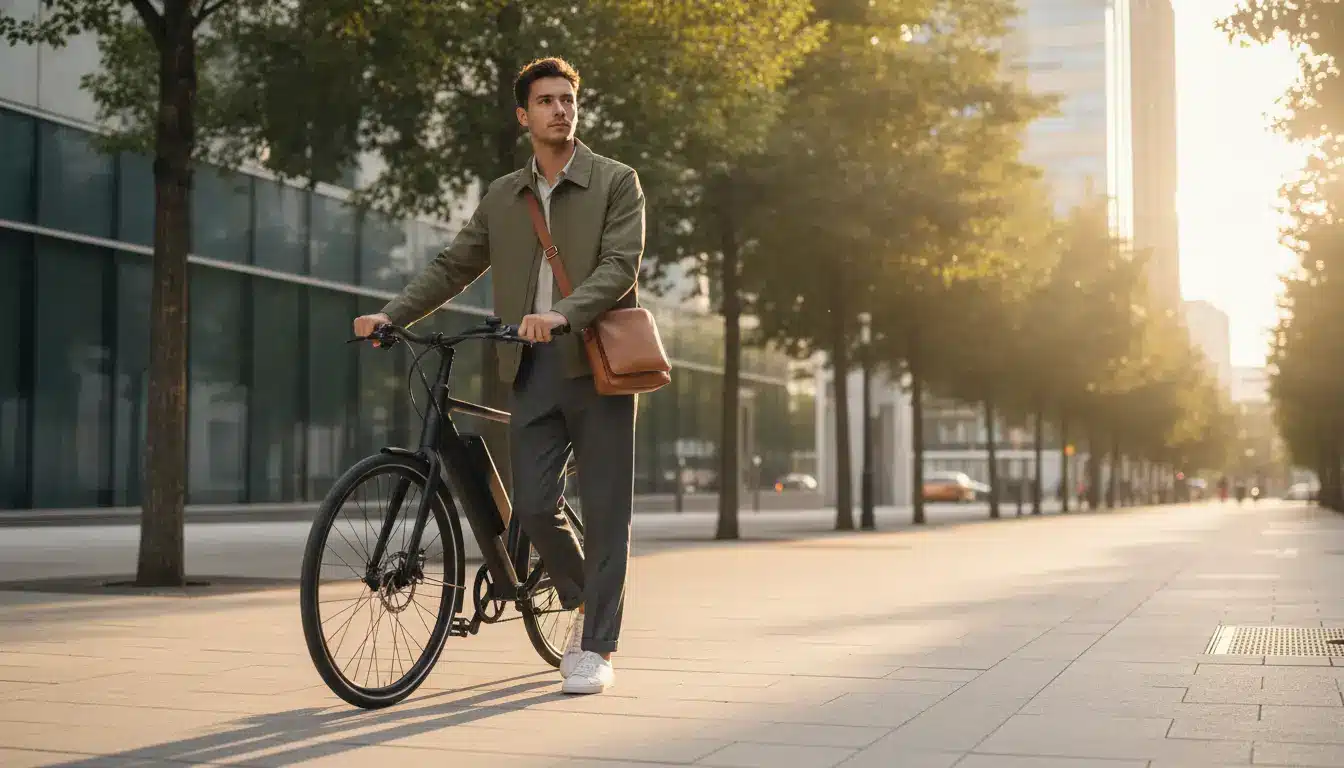
Compared with a regular bike, electric assist reduces the physical pressure of the commute. It means a short ride does not always have to feel like a workout, and your outfit does not have to be built entirely around cycling gear. You can still dress like yourself while paying a little more attention to fabric, shoes, bags, and outerwear that support movement.
That is where e-bikes connect with city style. They do not turn everyday dressing into activewear. They simply allow an outfit to cover more real-life situations. For young city dwellers, they offer a more natural way to move and make going out less dependent on cars or fixed routes.
3. Why Commuter-Friendly E-Bikes Fit Urban Life
The most common city trips are not always long commutes. More often, they are repeated short movements: home to a subway station, apartment to studio, coffee shop to store, office to lunch, gym to a friend’s place.
Those routes do not always need a car, and they are not always ideal for walking. For young urban riders, commuter-friendly e-bikes can connect those scattered parts of the day and make movement feel smoother.
A commuter-friendly e-bike is not about exaggerated speed. It is about stability, comfort, ease of use, and repeatability. It should make someone want to ride often, not just try it once on a weekend.
That has a direct relationship with how people dress. A more relaxed commute changes what clothing needs to do. Shoes need to be easier to walk in, pants need to allow movement, bags need to sit securely, and outerwear needs to handle wind without making the whole outfit feel overly technical.
In other words, commuter-friendly e-bikes bring city dressing into a more practical phase. Clothes are not just there to look good. They also help people move through the day better.
4. Functional Details That Matter in a Light Commuter Wardrobe
The key to light commuter dressing is making function feel built into the style, not making the whole outfit look like workout gear.
Start with shoes. City life involves a lot of walking and short-distance movement. A great-looking pair that cannot support a full day is not truly commuter-friendly. Lightweight, stable, walkable shoes that still work with different outfits are often more useful than shoes that only look good for a short amount of time.
Next, consider movement in pants and skirts. Whether someone is walking, getting on and off transit, riding, or sitting with a laptop at a cafe, the fit should not restrict the body too much. Straight-leg pants, relaxed tailoring, stretch fabrics, and skirts with the right length and shape can all make city dressing feel more natural.
Bags matter too. Daily essentials for young city dwellers often go beyond a phone and keys. They may include a laptop, headphones, water bottle, charger, makeup pouch, light jacket, or book. A city-ready bag should hold enough, stay comfortable, and avoid throwing off the whole look.
Outerwear and layers are another important part of the system. Morning and evening temperatures, indoor air conditioning, outdoor wind, and unpredictable weather can all show up in one day. Lightweight jackets, knit layers, wind-resistant fabrics, and packable pieces can make an outfit far more flexible.
Fabric is the final detail. Breathable, wrinkle-resistant, easy-care materials often work better for daily movement than fabrics meant only for static settings. A strong commuter wardrobe holds up while someone is moving, pausing, working, and socializing.
5. How to Keep Transportation From Disrupting Personal Style
Many young people do not want to give up personal style just to commute. Traditional workwear can feel too heavy, while overly sporty functional clothing may not fit the mood of work, dates, or social plans. The ideal city outfit can move naturally between different parts of the day.
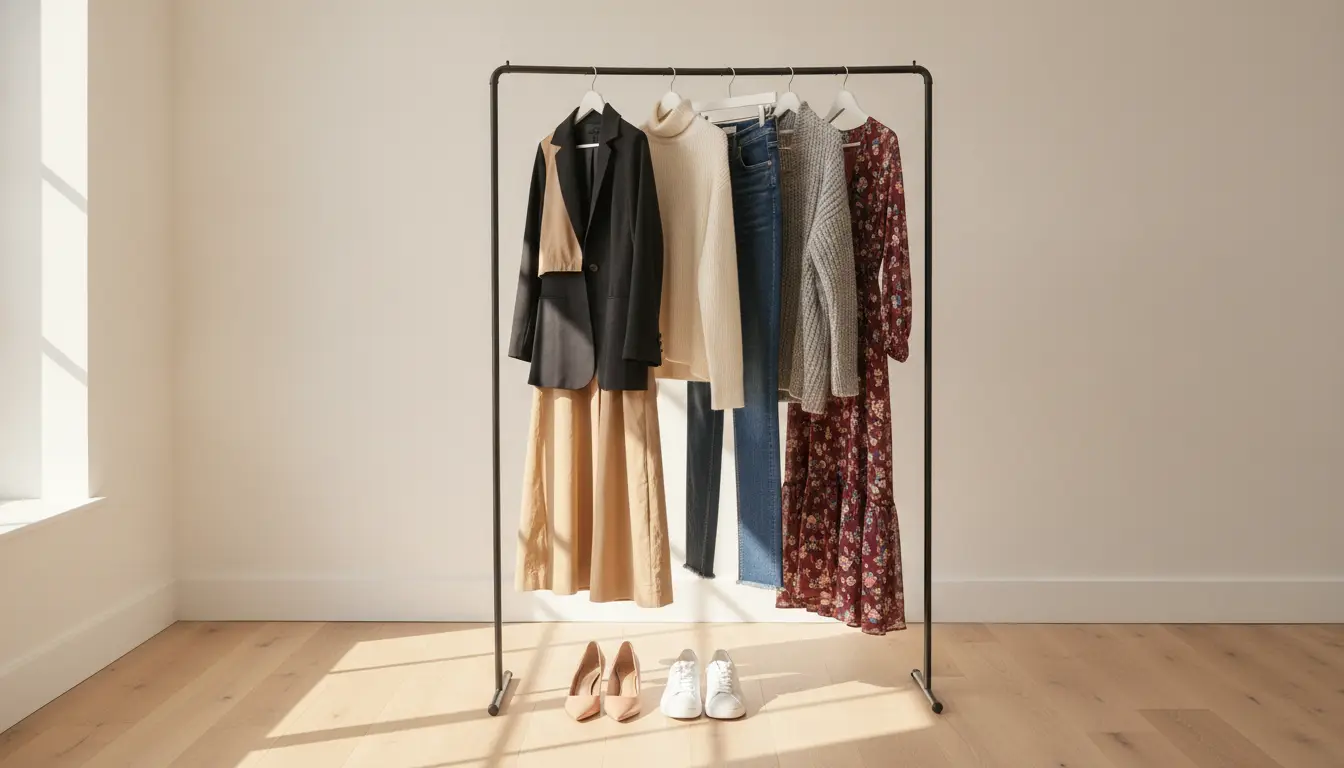
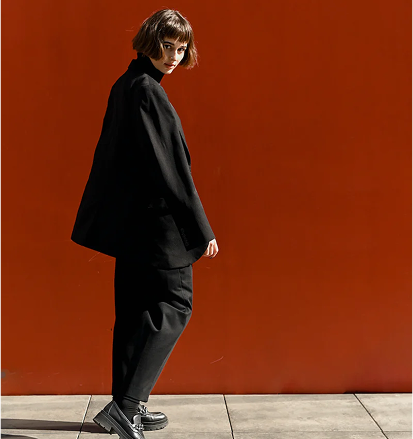
That requires a little flexibility. A cleanly cut jacket can work with sneakers or casual leather shoes. A comfortable pair of pants can handle a short ride and still look right in a cafe or office. A structured bag can carry daily essentials while still feeling like part of the outfit.
Transportation should not force someone into a completely different identity. Good style should support different ways of moving. Whether the day involves walking, transit, biking, or a short e-bike ride, the outfit should feel natural instead of forced.
The key is not hiding function completely. It is making function part of the look. Comfortable shoes, the right bag, a light jacket, durable fabric, and a clean silhouette can all belong to modern city style.
When movement becomes freer, personal style becomes freer too. People do not have to choose between looking good and feeling comfortable enough to get through the day.
6. The Future of City Style Is Freer, More Practical, and More Personal
The future of city style will place more emphasis on real movement. Young people do not only need clothes for one setting. They need a wardrobe system that can carry them through the day.
That system includes clothing, but it also includes transportation. Walking, public transit, rideshare, bikes, and e-bikes can all be part of city life. Each one serves a different distance and a different rhythm, and together they make style more layered.
For fashion, this is not a step backward. It is a sign that style is becoming more connected to real life. Truly modern dressing is not only ready for photos. It is ready for movement. It does not just express taste; it also makes the day easier.
Electric bikes and commuter-friendly e-bikes are only one part of that shift. They show that city life does not have to revolve around cars, fixed routes, or old ideas of commuting. Lighter, more flexible ways to move can influence what people wear and how they shape their daily rhythm.
When style, function, and mobility come together, the commuter wardrobe stops being a dull daily requirement. It becomes a more personal expression of city life.