



When it comes to healthy skin, salicylic acid and vitamin C are two popular ingredients that really work.
Salicylic acid fights acne and unclogs pores, while vitamin C brightens dull skin and evens out dark spots. Both ingredients are powerful on their own.
Can you use salicylic acid with vitamin C safely? These two can work together when used correctly.
However, mixing them the wrong way might irritate the skin. Understanding how to properly combine salicylic acid and vitamin C helps avoid problems and achieve better results.
Learning what these ingredients do and the right way to use them together protects the skin from damage.
What is Salicylic Acid?
Salicylic acid is a type of BHA, which stands for Beta Hydroxy Acid. This ingredient works deep inside the pores to clean them out.
It breaks down the oil and dead skin cells that get stuck in pores and cause acne. Salicylic acid also removes dead skin from the surface, making the skin look smoother and fresher.
People with oily or acne-prone skin benefit most from this ingredient.
However, it can be strong for some people. Those with dry or sensitive skin should start slowly and use small amounts.
Benefits of Salicylic Acid
Salicylic acid unclogs pores and removes dead skin cells, making the skin look clearer and healthier. This makes it perfect for anyone dealing with oily skin or frequent breakouts.
It also prevents future acne, including whiteheads and blackheads. This ingredient is found in many products, such as cleansers, serums, toners, and acne patches.
Risks and Side Effects of Salicylic Acid
Salicylic acid can irritate dry or sensitive skin types. Always do a patch test on a small area before using it on the entire face.
Using too much can cause redness, itching, or peeling. Wear sunscreen daily because salicylic acid makes skin more sensitive to sun damage.
What is Vitamin C?
Vitamin C is a powerful antioxidant that protects skin from damage caused by pollution and sun exposure. This ingredient brightens dull skin and fades dark spots, making the skin tone more even.
Vitamin C also helps the body make more collagen, which keeps skin firm and reduces wrinkles.
There are different forms of vitamin C used in skincare products. L-ascorbic acid is the strongest and most effective type, but it can irritate sensitive skin.
Other forms, called derivatives, work more gently but take longer to show results.
Benefits of Vitamin C
Vitamin C brightens dull skin and helps fade dark spots, freckles, and uneven skin tone. This makes the face look fresher and more radiant over time.
It also boosts collagen production, keeping skin firm and reducing fine lines and wrinkles. Plus, vitamin C protects the skin from damage caused by pollution, sun rays, and other harmful factors.
Risks and Side Effects of Vitamin C
Some people may experience tingling, redness, or irritation when using vitamin C, especially with stronger forms like L-ascorbic acid. Those with sensitive skin should choose gentler derivatives or lower concentrations.
Vitamin C can lose its effectiveness when exposed to light and air, so store products in dark, airtight containers. Always do a patch test before applying it to the entire face to avoid unexpected reactions.
Can You Use Salicylic Acid with Vitamin C?

Yes, salicylic acid and vitamin C can be used together, but doing it correctly matters a lot. The main problem is that both ingredients are strong and can irritate the skin when combined.
Salicylic acid works best at a lower pH level, while vitamin C also needs a low pH to work well. Using them at the same time might cause redness, dryness, or peeling.
Another risk is over-exfoliation, which happens when too many active ingredients remove skin cells too quickly.
Both salicylic acid and vitamin C need acidic conditions to work properly. Salicylic acid works at pH 3-4, while vitamin C needs a pH below 3.5, making them very similar in acidity.
When used at the same time, these ingredients can disrupt the skin barrier and cause too much exfoliation. Dermatologists recommend alternating their use to let skin recover between applications and avoid damage.
How to Properly Mix Salicylic Acid and Vitamin C

The safest way to use vitamin C and salicylic acid is to apply them at different times of the day. This method prevents irritation and helps both ingredients work better without damaging the skin.
1. Use Vitamin C in the Morning
Apply vitamin C on clean, dry skin every morning after cleansing. This ingredient provides antioxidant protection throughout the day and helps brighten the skin.
Vitamin C absorbs quickly into the skin, making it perfect for morning routines. Always use sunscreen to protect the skin from sun damage.
2. Use Salicylic Acid at Night
Apply salicylic acid after cleansing at night before bed. Nighttime use is best because salicylic acid can make the skin more sensitive to sunlight.
Using it at night allows the ingredient to exfoliate and clear pores while the skin recovers during sleep. This keeps the skin healthy without risking sun damage.
3. Start Slowly and Test First
Begin by using each product every other day to let skin adjust to the new ingredients. Daily use right away may cause redness or irritation.
Always do a patch test on a small area before applying products to the entire face. This confirms there will be no allergic reaction or unexpected problems.
4. Use Alternate Days if Needed
If using both products in a single day feels too intense, alternate between them on different days. Apply vitamin C one day and salicylic acid the next day.
This gives skin more time to adjust to both active ingredients. Gradually work up to using them on the same day once skin feels comfortable.
5. Always Wear Sunscreen Daily
Sunscreen with SPF 30 or higher is essential when using salicylic acid, as salicylic acid can make skin more sensitive to UV rays. Apply sunscreen every morning as the last step in the routine.
Protecting skin from the sun prevents damage and keeps the skin barrier healthy. Never skip sunscreen, even on cloudy days.
Do’s and Don’ts of Mixing Salicylic Acid and Vitamin C
Using both ingredients correctly keeps skin healthy and prevents irritation. Remember these important dos and don’ts.
| Do’s | Don’ts |
|---|---|
| Use a gentle, non-irritating cleanser | Don’t use high concentrations of both at once |
| Apply a good moisturizer after each product | Don’t skip moisturizer or hydration steps |
| Wear sunscreen every single day | Don’t forget sun protection during daytime |
| Start with one product at a time | Don’t add other strong actives like retinol |
| Wait a few minutes between applying products | Don’t layer them immediately on top of each other |
These simple rules protect skin from irritation and help both ingredients work better without causing problems.
Morning Skincare Routine with Vitamin C
Starting the day with vitamin C helps protect the skin from damage caused by sun exposure and pollution. The morning routine focuses on brightening the skin and providing antioxidant protection.
Follow these steps in order for the best results and healthiest skin throughout the day.
-
Step 1: Cleanse Your Face: Wash your face with a gentle, mild cleanser to remove overnight oil and dirt. Pat the skin dry with a clean towel.
-
Step 2: Apply Vitamin C Serum: Put 3-4 drops on your fingertips. Gently press and spread it across your entire face and neck.
-
Step 3: Wait for Absorption: Let the vitamin C serum absorb into the skin for 2-3 minutes before moving to the next step. Waiting helps the product work better.
-
Step 4: Moisturize: Apply a lightweight moisturizer to keep skin hydrated and protected throughout the day. Choose one that suits your skin type.
-
Step 5: Apply Sunscreen: Finish with SPF 30 or higher sunscreen as the last step. Reapply every 2 hours if going outside.
Night Skincare Routine with Salicylic Acid
Ending the day with salicylic acid clears pores and removes dead skin cells while the body rests. The nighttime routine focuses on exfoliation and repair without the risks of sun exposure.
Follow these steps carefully to let the ingredients work effectively overnight for clearer, smoother skin by morning.
-
Step 1: Cleanse Your Face: Remove makeup, dirt, and oil with a gentle cleanser or salicylic acid cleanser. Rinse thoroughly with lukewarm water.
-
Step 2: Apply Salicylic Acid: If using a serum or toner, apply a small amount to the face after cleansing. Let it sit for 1-2 minutes to work.
-
Step 3: Wait for Absorption: Allow the salicylic acid to absorb completely before applying other products. Patience prevents product mixing.
-
Step 4: Apply Hydrating Serum: Add niacinamide or hyaluronic acid serum to calm and hydrate the skin after exfoliation. Skip this step if skin feels fine.
-
Step 5: Moisturize: Use a richer night moisturizer to repair the skin barrier while sleeping. Night creams work well for this step.
-
Step 6: Spot Treatment (If Needed): Apply acne spot treatment only to active breakouts as the final step. Avoid applying it to the entire face.
Product Recommendations
Dermatologists recommend these trusted products for safely combining vitamin C and salicylic acid in your skincare routine.
1. Skin Ceuticals C E Ferulic
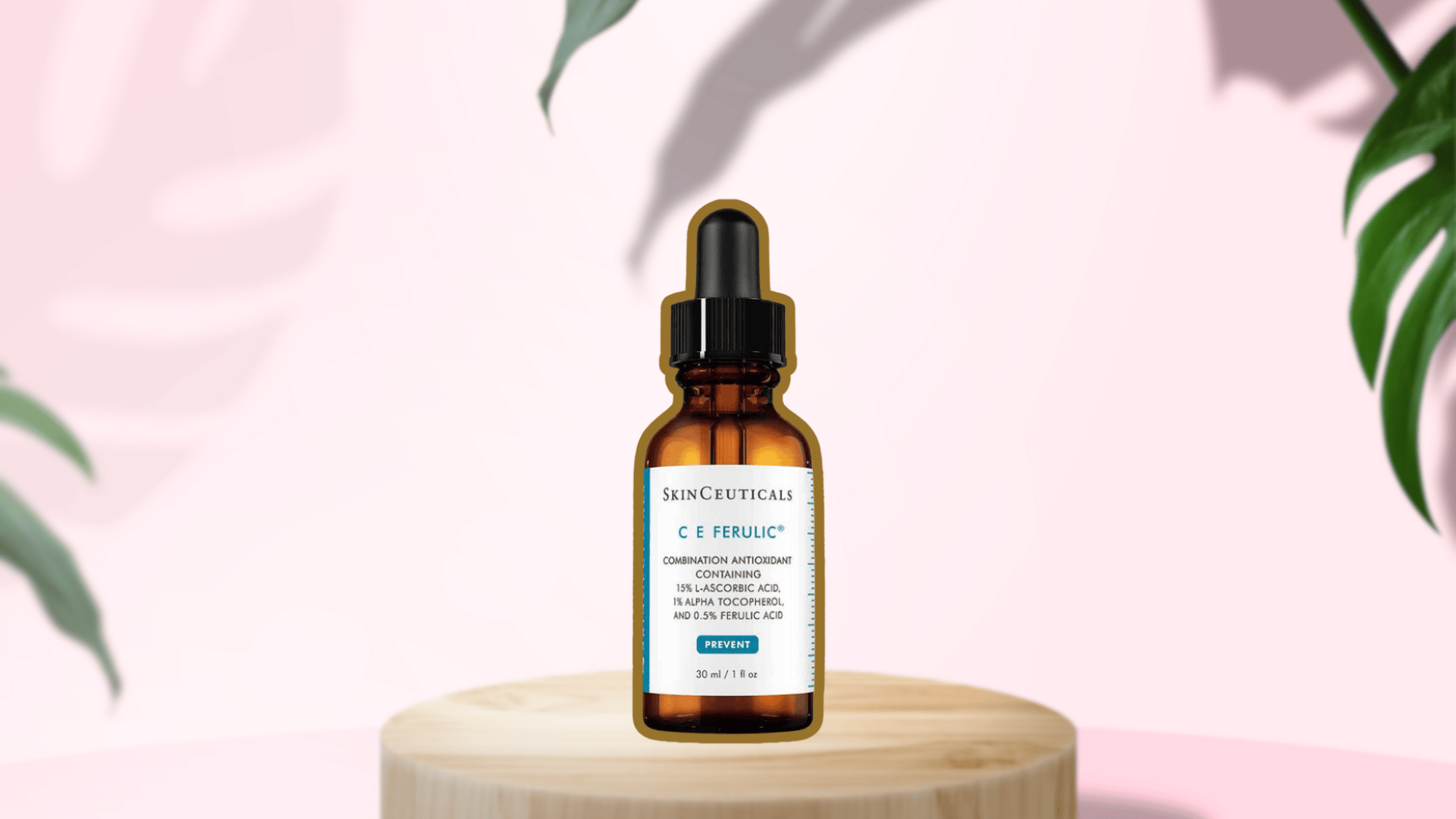
The serum contains 15% vitamin C along with vitamin E and ferulic acid for extra antioxidant protection. It shows fast results in improving skin brightness and reducing dark spots.
Many dermatologists recommend the product because it works effectively on most skin types. Apply the serum in the morning on clean, dry skin before sunscreen.
Where to buy: Skin Ceuticals, Dermstore, and Walmart
2. Cera Ve Skin Renewing Vitamin C Serum
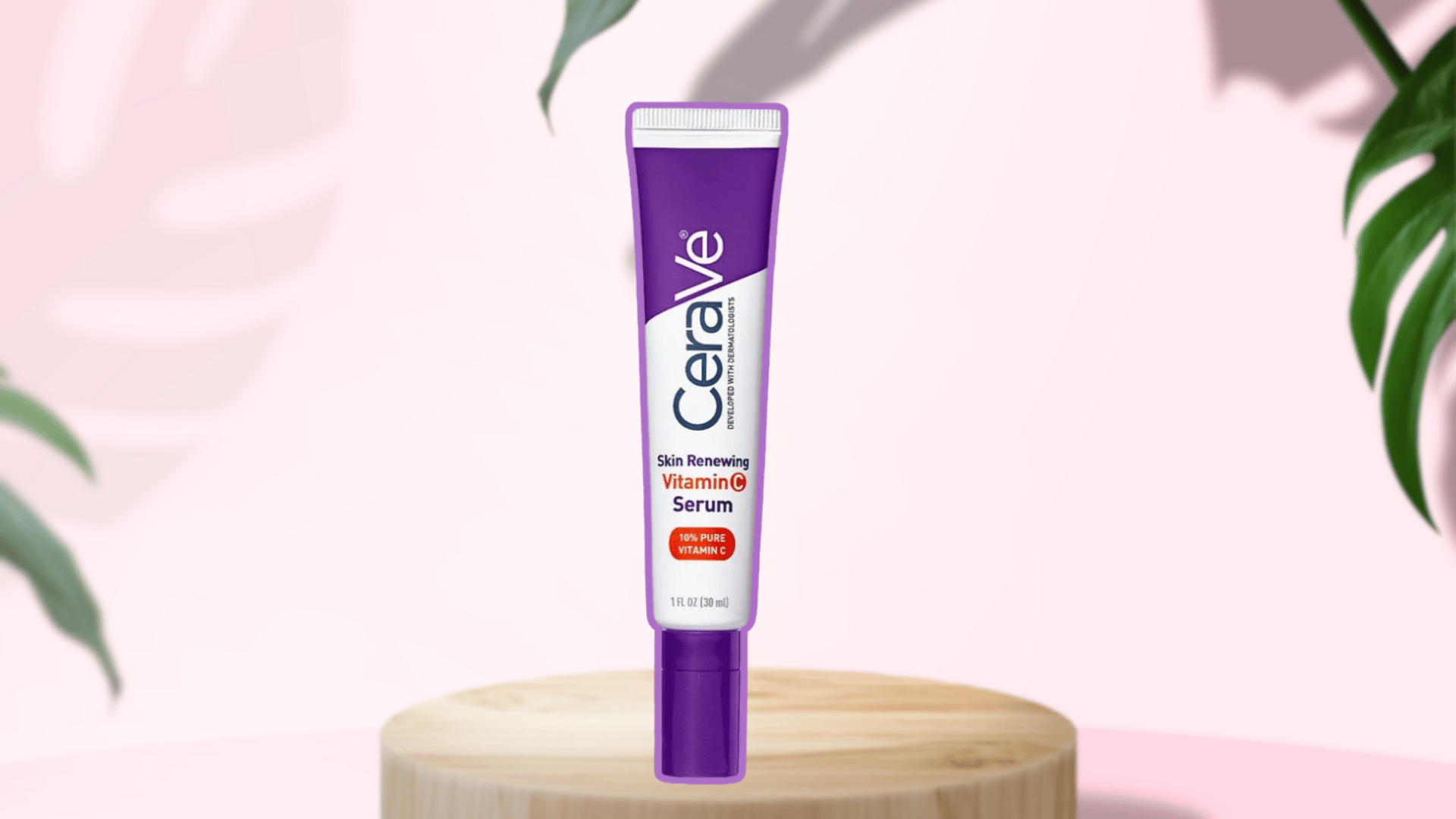
The affordable serum delivers 10% vitamin C and adds moisture while brightening the skin. It works well for all skin types, including sensitive skin, without causing irritation.
The gentle formula makes it perfect for people new to vitamin C products. Apply in the morning after cleansing and before moisturizer.
Where to buy: Amazon, Target, and Cera Ve
3. La Roche-Posay 10% Vitamin C Serum
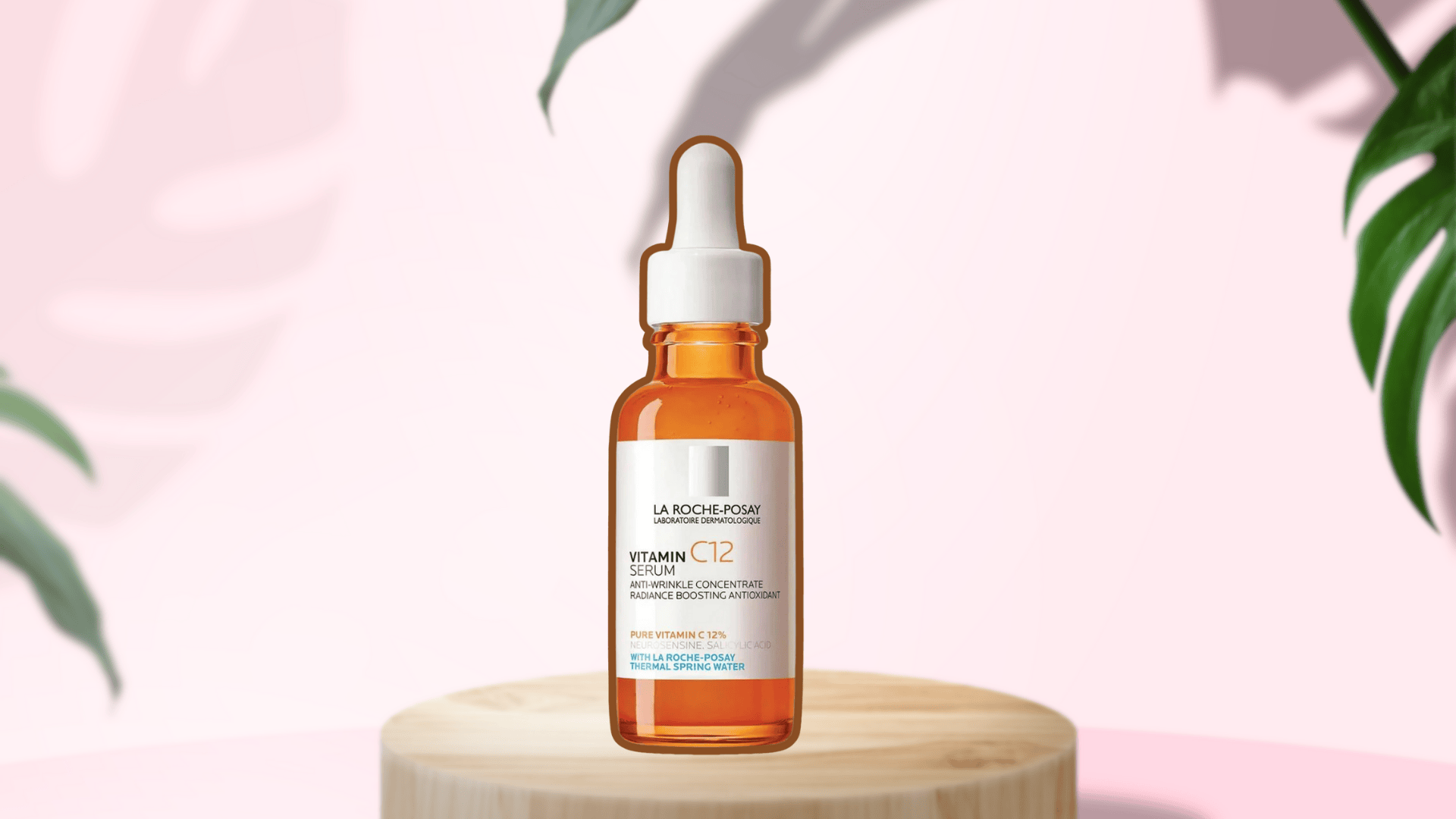
The product combines vitamin C with salicylic acid, making it perfect for acne-prone skin. It brightens the skin tone while also helping to clear pores and reduce breakouts.
The dual-action formula saves time by addressing multiple skin concerns at once. Apply in the morning for best results and always follow with sunscreen.
Where to buy: Amazon, Skin Elite, and Le Roche-Posay
4. La Roche-Posay Effaclar Pore-Refining Serum
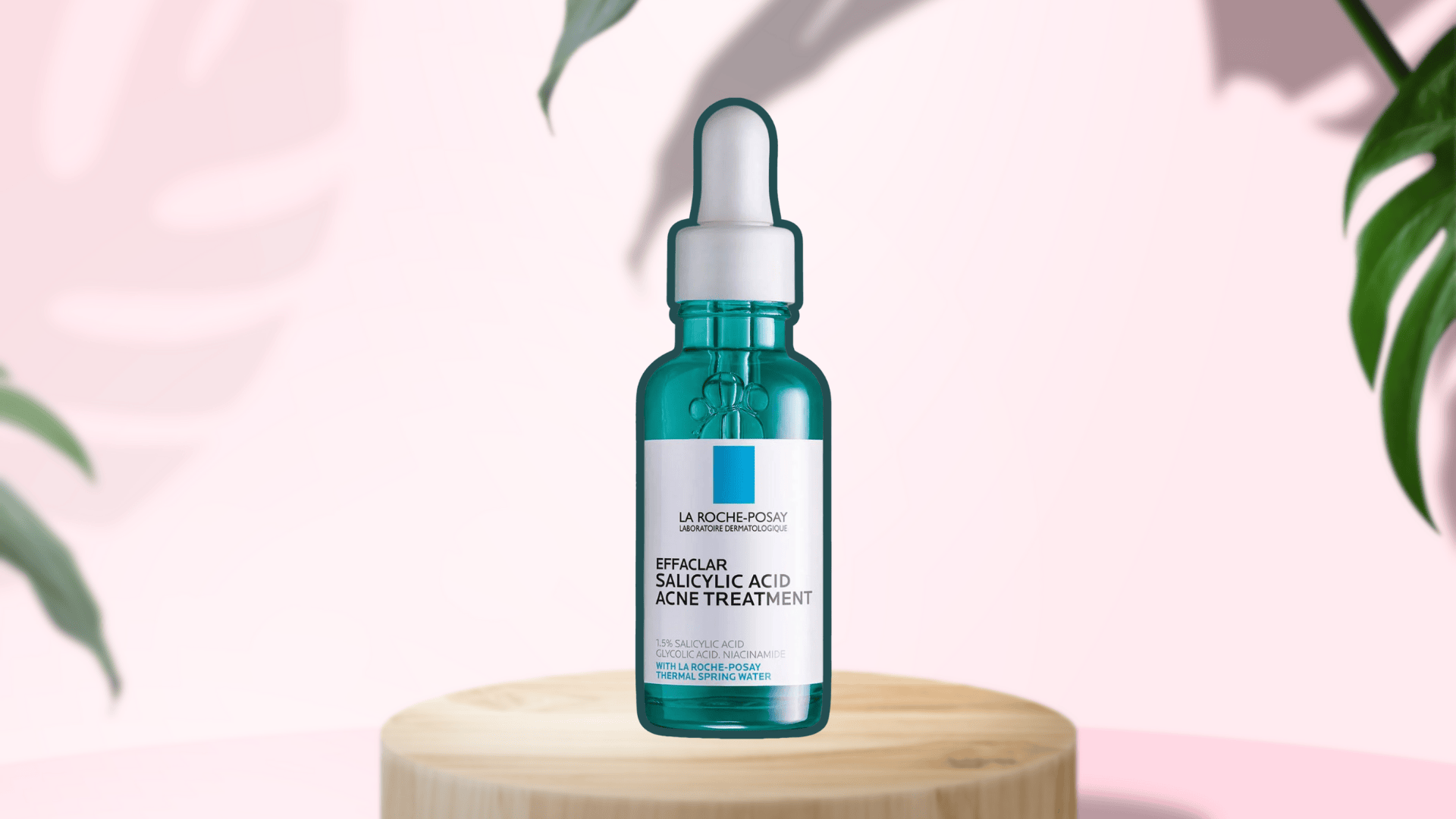
The nighttime serum contains 1.5% salicylic acid, glycolic acid, and niacinamide to gently exfoliate the skin. It refines pores, reduces breakouts, and calms irritation without being too harsh.
The combination of ingredients works together to improve skin texture overnight. Apply at night after cleansing to let it work while sleeping.
Where to buy: Amazon, Skin Elite, and La Roche-Posay
5. Cera Ve Acne Control Face Cleanser
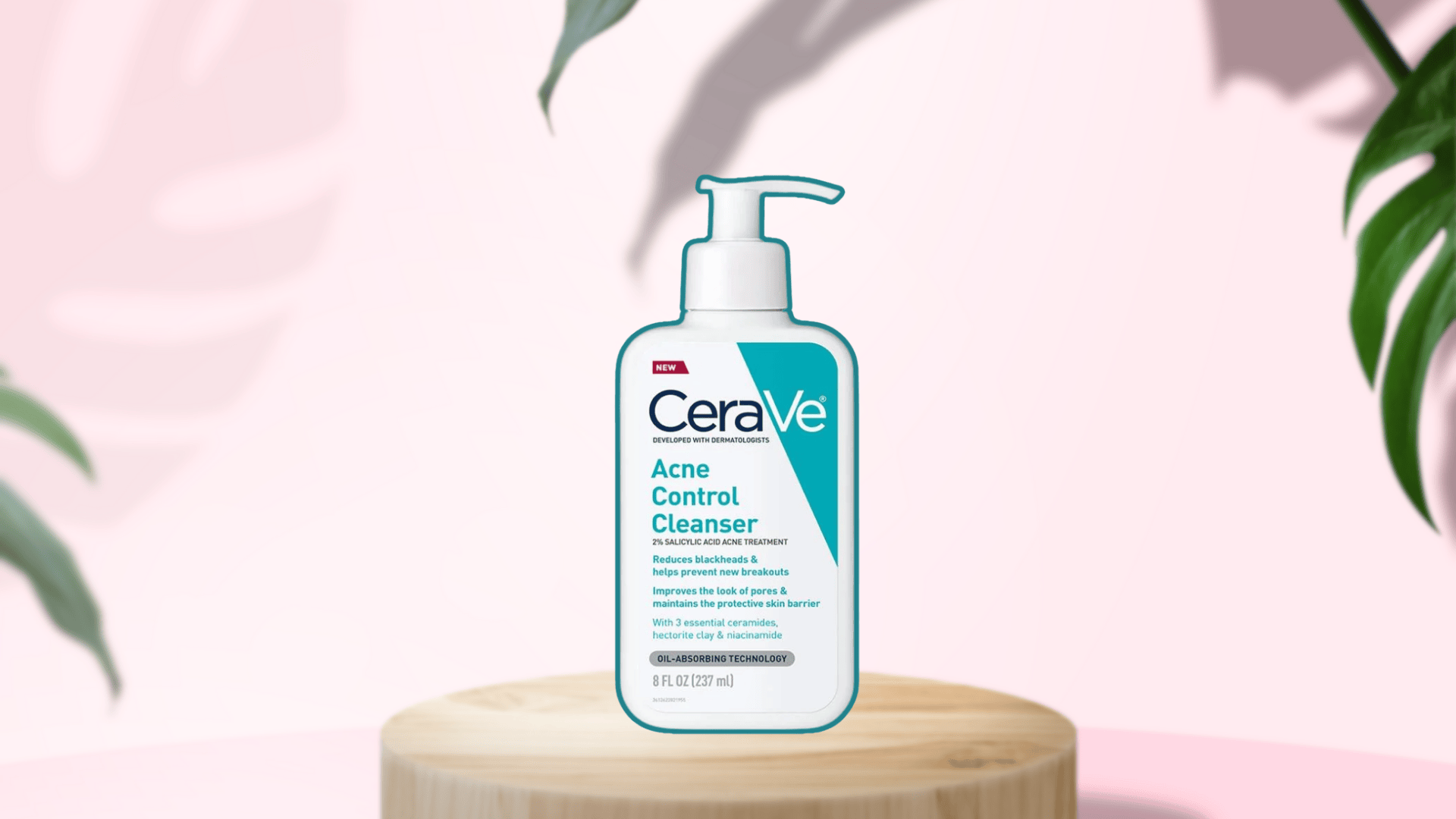
The cleanser contains salicylic acid that effectively clears pores without drying out the face. It works great for daily use, especially for people with oily or acne-prone skin.
Many people praise the cleanser for being affordable yet effective at preventing breakouts. Apply at night to remove dirt and oil before other skincare products.
Where to buy: Amazon, Walgreens, and Cera Ve
Expert Tips for Glowing, Balanced Skin
Following expert advice helps achieve the best results while keeping skin healthy and protected.
- Introduce one product at a time and wait two weeks before adding the other ingredient.
- Build a consistent daily routine by using products at the same time each day.
- Pair with barrier-supporting ingredients like niacinamide or hyaluronic acid to calm and hydrate skin.
- Always moisturize after applying active ingredients to repair the skin barrier and prevent dryness.
- Consult a dermatologist for persistent irritation, severe acne, or questions about product combinations.
Conclusion
Salicylic acid and vitamin C are powerful ingredients that can work together when used correctly.
Both offer amazing benefits for the skin, from clearing acne to brightening dark spots. The key is using them at different times of the day to avoid irritation.
Apply vitamin C in the morning for protection and brightness, then use salicylic acid at night to clear pores.
Start slowly, moisturize well, and always wear sunscreen during the day.
With patience and the right routine, salicylic acid and vitamin C can help achieve clear, glowing, and healthy skin without causing damage or irritation.