

For some people, what they wear is a statement. For others, it’s just an automatic thing they do every day. But there is a group of people for whom getting dressed is full of pitfalls and problems nobody seems to understand.
Neurodivergent people are hypersensitive to everything that happens around them, including clothes. For neurotypical, it’s a regular shirt. But neurodivergents feel almost invisible seams that scratch, heavy fabrics, restraining waistbands, etc.
In recent years, more adults have started asking themselves questions like “how can I tell if I’m neurodivergent?” or “am I neurodivergent?” simply because everyday things like clothing feel harder than they seem to be for others. While it can be a symptom, this article will dig deeper into how fashion and neurodivergence are interconnected.
What Is Neurodivergence?
Neurodivergence is a term used to describe a phenomenon of different functioning of the brain. So, there is a “typical” brain, and there is a neurodivergent brain that may differ in size, brain cell connections, and interconnection with other body parts. etc.
From a biological standpoint, neurodivergent brains process senses, attention, emotions, and information differently. Neurodivergent tests show that it can also be visible through mental health because different brain functioning may influence how a person experiences the world.
If you haven’t heard about neurodivergence yet, it’s because it isn’t a “diagnosis” on its own. Overall, fluctuations in brain functioning are normal. But if they disrupt everyday functioning, they may fit the criteria for neurodevelopmental disorders like ADHD, autism spectrum, dyslexia, OCD, etc.
Importantly, neurodivergence exists on a spectrum. There are depression, anxiety, sensory sensitivity, emotional regulation, executive functioning, social interactions, motor skills, and more on this spectrum. Hence, two neurodivergent people can have entirely different needs. What they share is a nervous system that responds differently to stimuli.
Why Can Neurodivergent People Have Problems With Clothes?
Sensory sensitivity is on a neurodivergent spectrum. It means that some neurodivergents are more sensitive to certain textures, materials, light, sounds, etc.
Recall a time when you were uncomfortable from rain making your shirt wet. It’s uncomfortable, but it’s a singular situation. Neurodivergents may feel like this towards fabrics, pressure, temperature, or movement.
At the same time, most clothing is designed with neurotypical sensory tolerance in mind. Fashion prioritizes appearance, trends, structure, and price of production. These come at the expense of comfort and regulation for neurodivergents. Materials and shapes are rarely tested for sensory safety.
When clothes constantly send uncomfortable signals to the body, it can drain energy, affect mood, and make daily functioning harder. In addition to other discomfort that neurodivergents experience, they become more irritable and genuinely frustrated.
How to Choose Sensory-Friendly Clothes for Neurodivergents
Choosing sensory-friendly clothing for neurodivergents is for reducing nervous system load and making daily life easier. What feels comfortable is highly individual, but the guidelines below can help you start observing what works for your body and sensory needs.
- Choose seamless or flat-seam clothing.
Seams are one of the most common sensory triggers. Flat seams or seamless designs around shoulders, waistbands, and inner thighs can prevent irritation.
- Stick to soft, breathable materials.
Fabrics like cotton, bamboo, modal, and viscose are better tolerated. What materials to avoid if you notice that you’re sensitive towards certain fabrics: rough synthetics, stiff denim, scratchy wool.
Pro tip: choose clothes for sensitive skin. Sales experts know more about how to adapt clothes for this rather than neurodivergent needs, but it can benefit both.
- Stay loyal to your “safe” brands.
If a brand consistently feels good, there is no need to experiment constantly. Familiar textures and predictable fits also reduce decision fatigue, which is a consequence of executive dysfunction. So, sticking to the familiar in general is easier on the minds of neurodivergents.
- Prioritize familiar shapes and silhouettes.
Wearing similar cuts, rises, sleeve lengths, or necklines can feel regulating because your body knows what to expect. For example, you may know that hoddies feel overwhelming to you because they’re hard and restrict movement. Opt out of hoddies for your daily life or situations when you don’t need extra stress.
- Opt out of accessories if they bother you.
Jewelry, belts, scarves, watches, tight bags are cute, but may distract you. These are optional, and removing them is a valid sensory accommodation.
- Choose accessories that can be used for fidgeting.
While accessories can feel restricting, they can be functional. There are a lot of accessory solutions for neurodivergents, like rings, bracelets, and headbands that can satisfy stimulation needs.
- Consider compression clothing.
Some neurodivergent people find compression grounding because it provides a sense of predictability. Some neurodivergents describe this feeling as a nice, tight hug. This is a personal preference, so observe.
- Choose clothes that don’t restrict movement.
Restrictive clothing can increase sensory stress throughout the day. Look for flexible fabrics and cuts that move with your body rather than against it.
Restrictive clothing is one explanation why some neurodivergents like certain seasons more. For example, people wear uncomfortable warm clothes in winter, but it’s also less revealing. And while summer clothes are generally more breathable, some neurodivergents may struggle with temperature regulation.
- Keep hair out of your face.
Hair touching the face or neck can be surprisingly distracting and overwhelming. Simple styles that keep hair away from sensory-sensitive areas can reduce irritation.
- Shoutout to comfortable shoes.
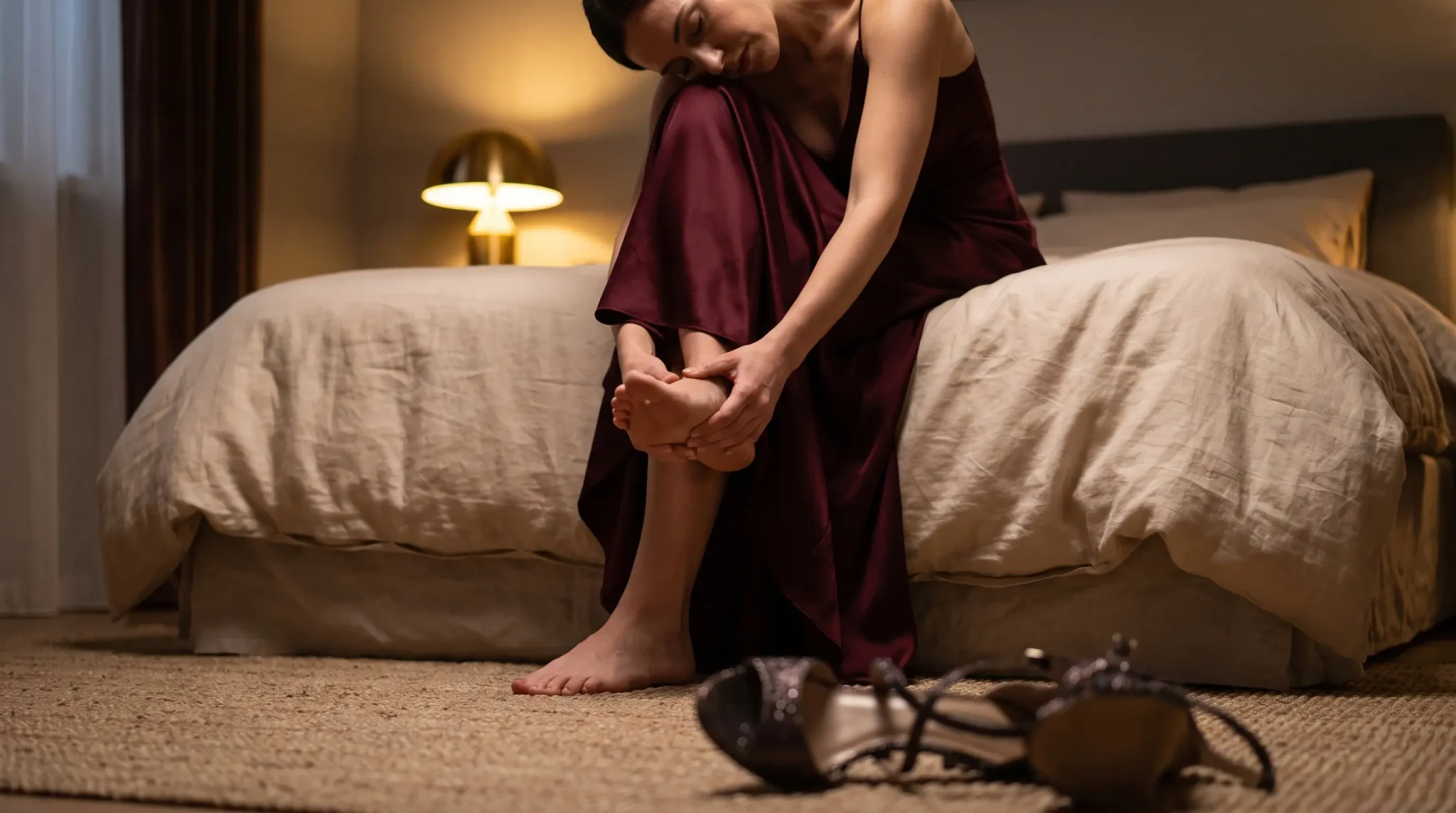
Shoes with soft interiors, flexible soles, and no pressure points are essential. Foot discomfort affects mood, posture, and energy even in neurotypicals. So, if you’re neurodivergent and have problems with motor skills and emotional regulation, try to pay attention to your shoes.
Sensory-friendly dressing is an ongoing process of observation. The goal is to listen to your body and allow clothing to support your nervous system.

Fashion Brands Specifically Developed or Praised by Neurodivergent Communities
- NDRenegade.
This clothing brand was created with neurodivergent needs in mind. Besides acting as advocates for neurodivergent, NDRenegade also brand focuses on adaptive designs. For example, they use as few internal seams as possible and opt for comfortable materials.
- Beyond Yoga
On neurodivergent forums, Beyond Yoga leggings are praised for their soft, stretchy fabrics. Unlike most leggings, these ones try not to be restrictive, especially in prolonged usage like sports.
- Levi’s
Although not a neurodivergent-specific brand, Levi’s is mentioned for consistency. Neurodivergents appreciate structure and predictability. So, specific cuts and sizes reduce the need to try jeans on. And durable fabrics allow neurodivergents to wear their favorite clothing piece for years.
- Hanky Panky
Underwear is one of the most common sources of sensory discomfort, but also a stigmatized one. Neurodivergent-friendly underwear isn’t a thing yet. Hanky Panky is frequently recommended for its waistbands and flexible fits.
- SAM, Sensory & More
Brands like SAM, Sensory & More focus explicitly on sensory-friendly clothing. The brand creator describes herself as “a very sensitive person,” so she created clothes that feel good for her first. That includes tag-free designs, soft fabrics, among others. Although SAM, Sensory & More wasn’t initially created for neurodivergents, many found comfort in the brand, and it began to adapt to its new target audience.
That said, the most important principle is not brand loyalty but self-observation. What works for one neurodivergent person may feel unbearable to another. Use community recommendations as inspiration, but still use your own experience as the main compass.