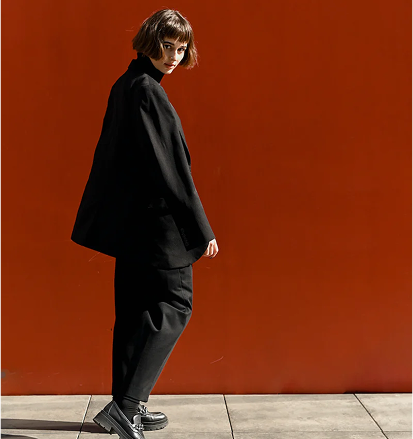



Student fashion no longer develops only through magazines, celebrity culture, or storefront displays. Today, it often starts with a swipe. TikTok has become one of the fastest ways for students to discover outfits, aesthetics, and shopping ideas, turning fashion into a real-time conversation rather than a slow seasonal cycle.
The platform matters because it combines entertainment, search, and social proof in one place. A student scrolling during a study break may find styling videos, thrift hauls, and “get ready with me” clips that feel practical and easy to copy. In the same digital routine where students may also use tools like Paperwriter.com to handle academic pressure, TikTok becomes a space for quick inspiration and identity-building.
More importantly, TikTok has changed how students define style. Instead of following one dominant trend, they move between micro-aesthetics, niche communities, and creator-led advice. This makes student fashion more personal and flexible, but it also creates pressure to keep up with rapidly changing looks.
Why TikTok Became a Fashion Search Engine
For many students, TikTok works like a visual search engine for fashion. Rather than typing a broad query into a browser, they can search for exact ideas such as “outfits for class,” “affordable streetwear,” or “how to style baggy jeans.” The results feel useful because they are demonstrated by real people in everyday settings.
This format makes fashion feel immediate and accessible. A trend becomes easier to adopt when a creator shows how to build it using common items, secondhand finds, or low-cost basics. TikTok also shortens the gap between discovery and action. Students can watch a styling tip, save it, share it with friends, and buy similar pieces within minutes.
Why Relatable Creators Matter More Than Traditional Ads
TikTok’s influence is stronger than older fashion media because students tend to trust people who seem relatable. They are more likely to follow a creator in a dorm room than a polished brand campaign with studio lighting. The creator feels like a peer who understands budget limits, campus dress norms, and the need to balance comfort with self-expression.
That sense of familiarity is powerful. Students often respond to recommendations that feel direct and useful in daily life. In that way, creator influence works much like the appeal behind the service Mypaperhelp offers: it offers a practical answer to a specific need in a format that feels approachable. When fashion advice is delivered in a casual, human voice, students are more willing to try it.
Creators also shape taste by framing what is “in” and what is “out.” A single video can revive an older item, redefine how a basic piece should be worn, or make a niche look feel mainstream.
How Viral Aesthetics Spread from Screen to Campus
One of TikTok’s biggest effects on student fashion is the speed at which aesthetics travel. Trends such as clean girl, Y2K revival, quiet luxury, and thrifted vintage-inspired looks can move quickly across schools and cities. Students do not need to wait for a seasonal fashion cycle because TikTok constantly introduces new references and styling formulas.
These aesthetics become popular because they offer ready-made identities. A look is not just about clothes; it includes mood, music, attitude, and lifestyle cues. Students can adopt an aesthetic to communicate who they are, or who they want to be, without explaining it directly.
At the same time, students rarely copy a trend exactly as they see it online. They remix it to fit the weather, budget, dress codes, and comfort. TikTok provides templates, but campus life shapes the final result.
The Features That Turn Inspiration Into Action
TikTok shapes fashion behavior not only through content, but through platform design. Its tools encourage repeated exposure and quick decision-making. Several features make student trend adoption especially likely:
- short outfit videos that are easy to save and rewatch
- “get ready with me” clips that show styling step by step
- thrift hauls and budget finds that make trends feel affordable
- comments that act like public reviews and social proof
- shopping links and brand tags that reduce the time between inspiration and purchase
Together, these features make fashion participation feel simple. A student does not need expert knowledge to join a trend. They only need a reference point and a few accessible pieces.
The Positive and Negative Effects on Student Style
TikTok has opened fashion to more voices. Students can now find creators with different body types, cultural backgrounds, gender expressions, and spending habits. This has made fashion feel more democratic and has encouraged experimentation. Many students feel freer to mix thrifted pieces, older items, handmade accessories, and trend-driven basics into one look.
There are clear downsides as well. Because trends move quickly, students may feel pressure to constantly update their wardrobes. What feels fresh one month can seem dated the next. This cycle can encourage impulse buying, waste, and anxiety about being left behind.
Another issue is comparison. TikTok often presents carefully curated versions of everyday style. Even when creators seem casual, their content can still create unrealistic expectations about appearance, spending, and effort. For students already navigating identity and peer pressure, that environment can be difficult to manage.
What This Means for the Future of Campus Fashion
TikTok will likely remain a major force in student fashion because it matches how students consume culture: quickly, socially, visually, and interactively. Its real power lies in making fashion feel participatory. Students are not just trend followers anymore. They are interpreters, remixers, and sometimes trendsetters.
In the future, student fashion may become even more fluid. Trends will continue to emerge from niche communities, spread through creator networks, and connect directly to shopping tools. At the same time, students may push back against constant novelty by favoring repeat outfits, secondhand fashion, and more intentional buying.
Ultimately, TikTok’s role in shaping student fashion trends is both creative and disruptive. It gives students more inspiration, more access, and more freedom to experiment. Yet it also speeds up the pressure to perform identity through clothing. The challenge is not simply keeping up with trends, but learning how to use TikTok as a source of ideas without letting the algorithm define personal style.