

In an era shaped by immediacy, true luxury has taken on a quieter voice.
The modern consumer — particularly within Australia’s evolving fashion landscape — is no longer impressed by excess. Instead, value is measured by longevity, craftsmanship and intention. The shift mirrors principles long championed in Scandinavian design: fewer objects, thoughtfully chosen, impeccably maintained.
Nowhere is this philosophy more visible than in the renewed appreciation for mechanical watches.
A Return to Meaningful Ownership
Mechanical timepieces have always stood apart from trend-driven accessories. They are not disposable. They are engineered to endure. When properly maintained, a well-made automatic watch can last decades, even generations.
This aligns seamlessly with the slow fashion movement, which encourages buying less but buying better. According to the Ellen MacArthur Foundation’s Circular Economy framework, extending the life of durable goods is one of the most effective ways to reduce environmental impact. Longevity is not only a marker of quality — it is a sustainability strategy.
Australia’s luxury consumers are increasingly aware of this shift. Investment watches, once seen purely as status symbols, are now viewed as heirloom objects. The emphasis has moved from acquisition to stewardship.
And stewardship requires care.
The Invisible Ritual of Care
Luxury does not end at purchase. In fact, the act of preservation often defines its true value.
In Scandinavian interiors, objects are curated and protected — leather is conditioned, wood is oiled, textiles are aired. The same ethos applies to horology. Mechanical watches rely on delicate internal systems of gears, springs and lubricants. They respond to environmental factors: humidity, temperature fluctuation and dust.
Australia’s climate adds complexity. Coastal humidity in Sydney and Brisbane, dry heat in Perth, seasonal shifts in Melbourne — these conditions demand thoughtful storage practices. The Australian Government’s Department of Climate Change, Energy, the Environment and Water highlights how environmental variability impacts materials over time, particularly metals and lubricated systems.
In this context, watch storage becomes less about display and more about preservation.
Minimalism Meets Function
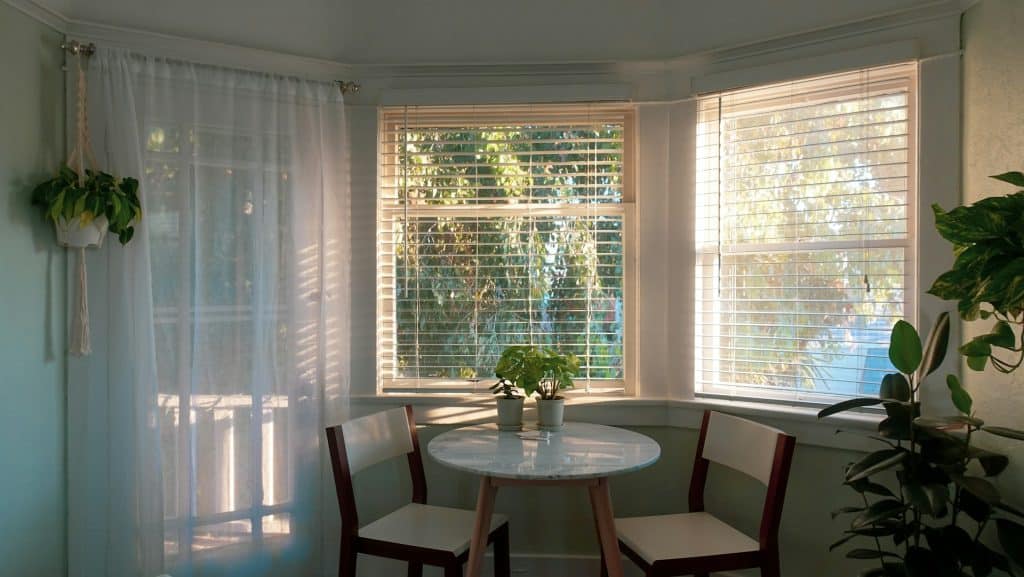
Scandinavian minimalism is often misunderstood as austerity. In reality, it is about clarity. Every object must justify its presence through purpose and beauty.
A watch roll embodies this philosophy. It is compact, intentional and protective. Rather than scattering timepieces across drawers or leaving them exposed to ambient conditions, a well-designed roll creates structure. It shields from light, dust and abrasion while allowing careful rotation of pieces within a collection.
For the modern Australian collector, this is not indulgence — it is responsible ownership.
The cultural shift is evident across design publications and lifestyle platforms. Storage accessories are increasingly treated as extensions of wardrobe architecture rather than secondary purchases. They mirror the clean lines and material honesty associated with Nordic design: supple leather, neutral tones, discreet hardware.
Sustainability Through Longevity
The sustainability conversation in fashion has matured. It is no longer solely about sourcing or production; it is equally about lifecycle extension.
Research from the Australian Fashion Council underscores the importance of durable goods and maintenance culture in reducing textile and accessory waste. Mechanical watches, by their nature, are aligned with this principle. They are repairable, serviceable and built to withstand time.
But durability is a partnership between maker and owner.
Protective storage, controlled rotation and careful handling reduce unnecessary wear. These practices may appear subtle, yet over decades they influence condition, performance and resale value. The concept of “slow luxury” depends on these quiet rituals.
The Aesthetic of Preservation
In contemporary Australian homes — particularly those influenced by Scandinavian interior sensibilities — storage solutions are increasingly visible. Objects are not hidden away but integrated thoughtfully into living spaces.
A watch roll placed within a wardrobe drawer or travel case reflects discretion. It acknowledges value without ostentation. It also reinforces a deeper truth: luxury is personal.
Specialist retailers such as Lux Watch Care have responded to this shift by curating storage pieces that align with minimalist aesthetics while serving functional demands. Their watch roll collection, in particular, reflects an understanding that preservation should feel as refined as the timepieces themselves.
Such offerings resonate with collectors who see ownership as a long-term commitment rather than a seasonal indulgence.
Travel, Movement and Modern Lifestyles
Australia’s geography encourages movement. Interstate travel, regional escapes and international journeys are part of professional and personal rhythms. Portable storage solutions, therefore, are not mere accessories; they are practical tools for continuity of care.
A structured watch roll protects mechanical integrity during transit. It prevents shock, friction and environmental exposure. In a climate-conscious era, maintaining the condition of existing luxury goods becomes a form of sustainability.
The alternative — neglect, replacement, overconsumption — contradicts the values increasingly embraced by both Scandinavian and Australian audiences.
From Consumption to Curation
Luxury once centred on accumulation. Today, it centres on curation.
The curated wardrobe includes fewer garments, carefully selected footwear, and often one or two meaningful timepieces rather than a drawer full of trends. Each piece holds narrative value. Each requires attention.
The act of preservation becomes an aesthetic gesture in itself.
This cultural evolution mirrors Copenhagen’s broader fashion dialogue: sustainability is not a marketing term but a lived practice. It exists in daily decisions — repairing rather than discarding, storing rather than neglecting, investing rather than impulse buying.
A Quiet Reframing of Luxury
The most compelling luxury stories emerging in 2026 are not about novelty. They are about continuity.
Mechanical watches, maintained thoughtfully within Australia’s varied climate, exemplify this shift. They reward patience. They honour engineering. They invite deliberate care.
The watch roll — simple, restrained, purposeful — becomes a symbol of that care. It speaks softly, but with intention.
In a world increasingly defined by speed, preservation is radical. It slows consumption. It deepens appreciation. It transforms objects into legacies.
Modern luxury, as both Scandinavia and Australia are discovering, is no longer about how much one owns.
It is about how well one preserves.