


Your eyebrows frame your face and play a big role in how you look. But not everyone is born with thick, full eyebrows. Some people have sparse or uneven brows that need daily filling with makeup.
This is where microblading comes in. A trained technician uses a special hand tool to deposit pigment under your skin, giving you fuller brows that last for months.
This treatment has become very popular in recent years. In this guide, we’ll explain everything you need to know.
How microblading works, its benefits and drawbacks, how much it costs, possible risks, and how to care for your brows before and after the procedure.
What is Microblading?
Microblading is a cosmetic procedure that gives you fuller, more defined eyebrows. It’s a form of semi-permanent makeup that lasts between 12 to 30 months before fading away.
Unlike regular eyebrow tattoos, microblading looks much more natural. Traditional tattoos use a machine that goes deep into the skin and creates solid, blocky brows.
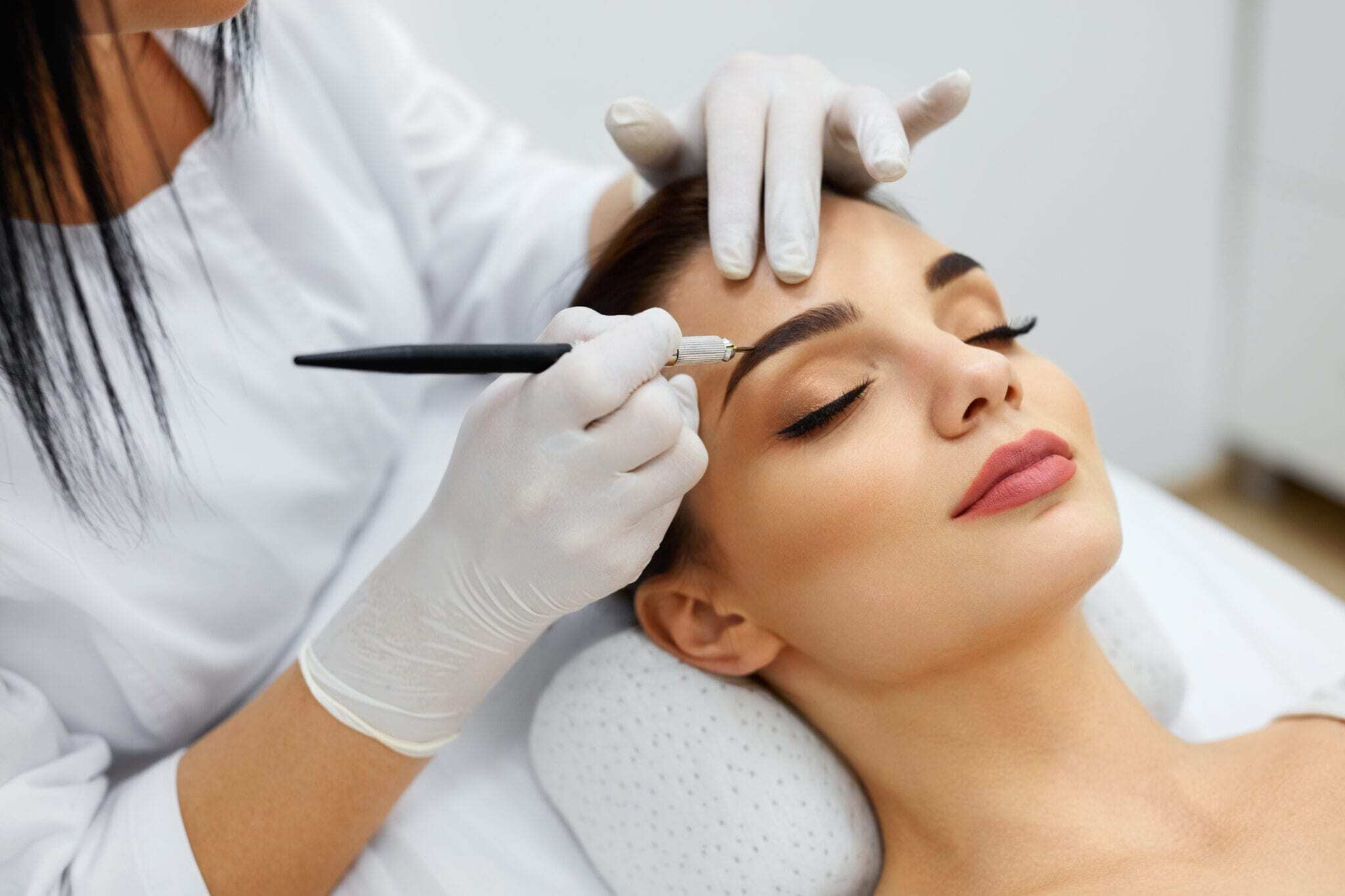
Microblading uses a small handheld tool with tiny needles to make fine cuts in your skin. Pigment is then deposited into these shallow cuts, creating strokes that look like real eyebrow hairs.
The microblading technique focuses on mimicking natural hair growth patterns. Each stroke is carefully placed to match how your real brow hairs grow, making the results look realistic.
The Microblading Process: Step by Step
Here’s how the microblading procedure works from start to finish.
|
Step 1: Consultation and Design Meet with a technician who measures and maps out your eyebrow shape, then select a pigment color that matches your natural brows. Step 2: Numbing cream is applied to ensure you’re comfortable throughout the procedure. Step 3: Microblading Application The technician uses a small tool to create tiny hair-like strokes, taking approximately 1.5 to 2 hours to complete. Step 4: Initial Healing Period Your brows heal over 4 to 6 weeks, appearing dark at first before lightening to their final shade. Step 5: Touch-Up Session Return after 6 to 8 weeks for a touch-up appointment to fill in any spots that need additional pigment. |
Top Benefits of Microblading for Perfect Eyebrows
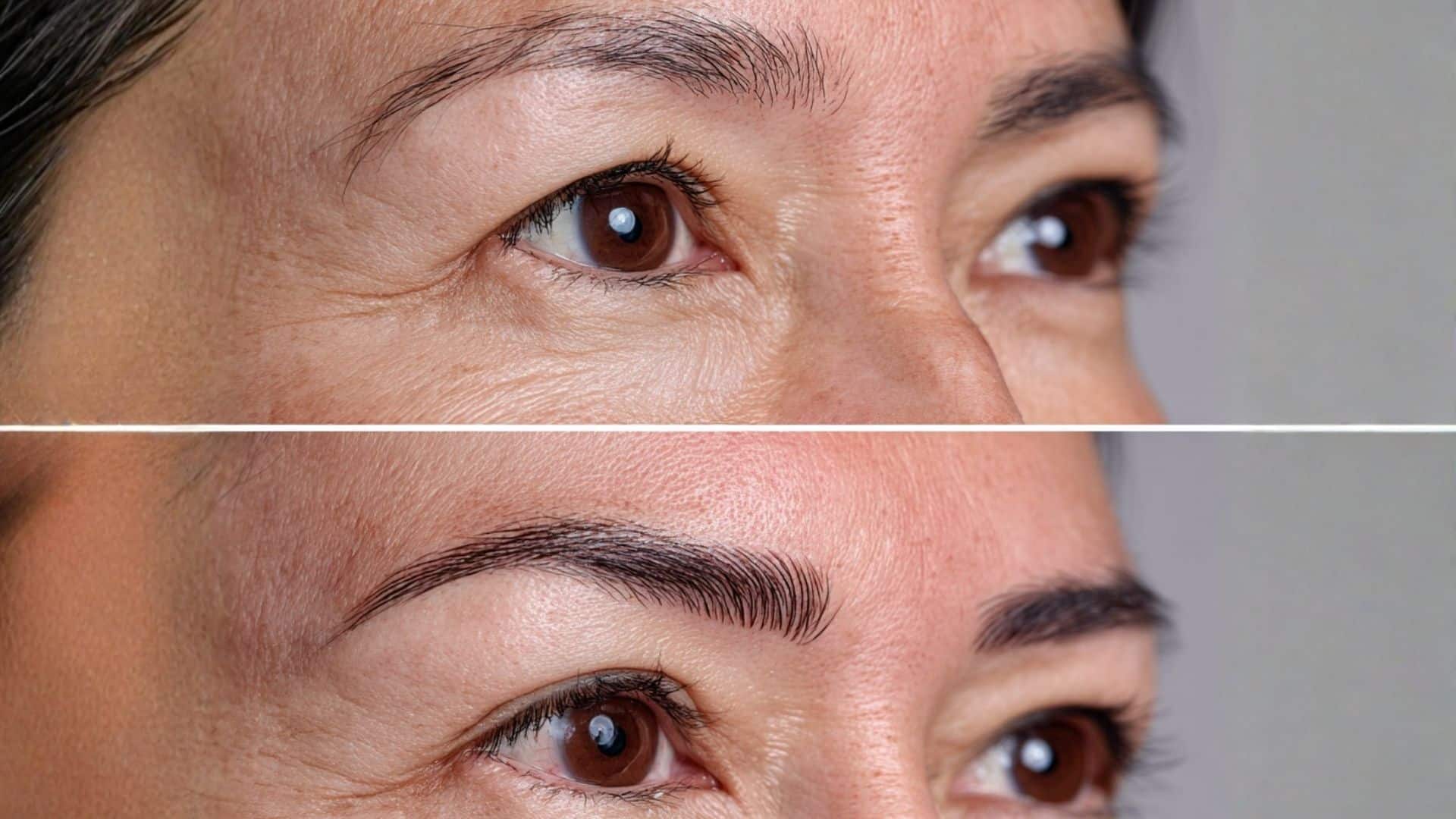
Microblading offers many advantages for people who want better-looking eyebrows. Here are the main microblading benefits:
- Natural-Looking Results: Microblading creates eyebrows that look real. The hair-like strokes blend perfectly with your existing brows, so no one can tell you’ve had work done.
- Saves Time Every Day: You won’t need to fill in your brows with pencils or powders anymore. Wake up with perfect eyebrows ready to go, cutting 10-15 minutes from your morning routine.
- Long-Lasting: The results last between 1 to 3 years, depending on your skin type and lifestyle. This means you can enjoy beautiful brows for a long time before needing a refresh.
- Fixes Problem Areas: If you have sparse, thin, or over-plucked eyebrows, microblading fills in the gaps. It also helps people with hair loss conditions or uneven brow growth.
- Increases Confidence: Having full, well-shaped brows can make you feel more confident about your appearance and reduce stress about how your eyebrows look.
Is Microblading Safe? Here’s What You Should Know
While microblading is generally safe, there are some microblading risks you should know about before getting the procedure.
1. Infection
If the tools aren’t properly sterilized or the technician doesn’t follow strict hygiene protocols, you could develop a serious infection.
This risk makes it essential to always choose a licensed professional who uses sterile equipment and maintains a clean working environment throughout the procedure.
2. Fading and Uneven Results
Your microbladed brows may fade unevenly over time, with certain areas losing color faster than others.
This issue is particularly common if you have oily skin, as excess oil can break down the pigment more quickly, leading to patchy or inconsistent eyebrows that require more frequent touch-ups.
3. Allergic Reactions
Some people experience allergic reactions to the pigments used in microblading, which can cause redness, swelling, or irritation.
If you have sensitive skin or known allergies to cosmetic products, it’s important to request a patch test before committing to the full procedure to ensure your safety.
4. Poor Results from Inexperienced Artists
Choosing an untrained or inexperienced technician can lead to disappointing results, including wrong pigment color, asymmetrical or unflattering shape, or even permanent scarring.
To avoid these issues, always thoroughly research your artist’s credentials, review their portfolio, and read client testimonials before booking your appointment.
Microblading Cost: What to Expect
The microblading cost varies depending on where you live and who performs the procedure. On average, expect to pay between $300 and $800 for your first session.
Several factors affect the microblading price. Experienced technicians charge more than beginners. The quality of pigments and the studio location also impact pricing. Studios in big cities typically cost more than those in smaller towns.
Touch-up sessions usually cost between $100 and $300. You’ll need these every 1-2 years to keep your brows looking fresh.
While microblading seems expensive upfront, it can save money over time. If you spend $20 monthly on eyebrow products, that’s $240 per year. Microblading lasts longer and eliminates daily product purchases.
Do’s and Don’ts Before and After Your Microblading Session
Following proper microblading before and after tips ensures the best results. Here’s what to avoid for successful microblading aftercare.
Before the Procedure
- Don’t drink alcohol or caffeine 24 hours before your appointment. These make your blood thinner and can cause more bleeding.
- Avoid blood-thinning medications like aspirin if your doctor approves.
- Stay away from tanning beds and don’t get sunburned.
- Don’t wax, thread, or pluck your eyebrows for at least a week before
After the Procedure
- Keep your brows dry for the first week.
- Avoid swimming pools, saunas, and heavy exercise that makes you sweat.
- Don’t touch, scratch, or pick at the scabs. Let them fall off naturally.
- Use gentle cleansers on your face only.
- Avoid makeup and harsh skincare products on your brow area.
- Follow the aftercare routine provided by your technician.
Who Should Avoid Microblading?

Microblading isn’t safe for everyone. Some conditions and situations can make avoiding the procedure a better option for you.
1. Pregnant or Breastfeeding Women
If you’re pregnant or nursing, wait until after this period. The numbing creams and pigments used during microblading contain chemicals that could potentially enter your bloodstream.
These substances might affect your developing baby or pass through breast milk, so it’s safer to postpone the procedure.
2. People with Skin Conditions
Those with eczema, psoriasis, rosacea, or dermatitis on their face should avoid microblading. These conditions cause inflammation and interfere with proper healing.
The microblading cuts won’t heal correctly, leading to infection, uneven results, or flare-ups. Wait until your skin is clear and stable before considering this treatment.
3. Blood Disorder Patients
If you have hemophilia or take blood-thinning medications like warfarin or aspirin, microblading poses risks. The procedure involves small cuts that cause bleeding.
Poor blood clotting leads to excessive bleeding, making it hard for pigment to set properly and increasing complications. Always consult your doctor first.
4. People with Allergies
If you’re allergic to metals, pigments, latex, or numbing creams, microblading could trigger reactions like itching, swelling, redness, or breathing problems.
Request a patch test 48 hours before your appointment. If you’ve reacted to tattoos or permanent makeup before, this procedure may not suit you.
Tip: Talk to your doctor before getting microblading if you have any health concerns or medical conditions.
Is Microblading Worth It?
So, is microblading worth it? The answer depends on your personal needs and expectations.
Microblading offers clear benefits: natural-looking brows, time savings on daily makeup, and results that last 1-3 years. It’s perfect for people with sparse or uneven eyebrows.
However, consider the downsides too. The procedure costs $300-$800, requires regular touch-ups, and carries risks like infection if not done properly. People with certain health conditions or oily skin may not get ideal results.
This eyebrow microblading guide has covered everything about the process, benefits, risks, and costs. The key to success is choosing the right professional.
Ready to take the next step? Consult a certified, experienced microblading artist. They can assess your skin type, answer your questions, and help you decide if this treatment is right for you.
Frequently Asked Questions
How Long Do Microblading Results Last?
Microblading results typically last between 12 to 30 months, depending on your skin type, lifestyle, and aftercare habits. To keep your brows looking fresh, you’ll need touch-up sessions every 12 to 18 months.
How Skin Type Affects Results?
Oily skin causes faster fading, requiring touch-ups every 10 to 12 months. Dry or normal skin retains pigment longer, with results lasting two years or more.
Can I Wear Makeup After Microblading?
You should avoid applying makeup directly to or around your eyebrows for at least 10–14 days after the procedure. Makeup can introduce bacteria and delay healing, increasing the risk of infection.