

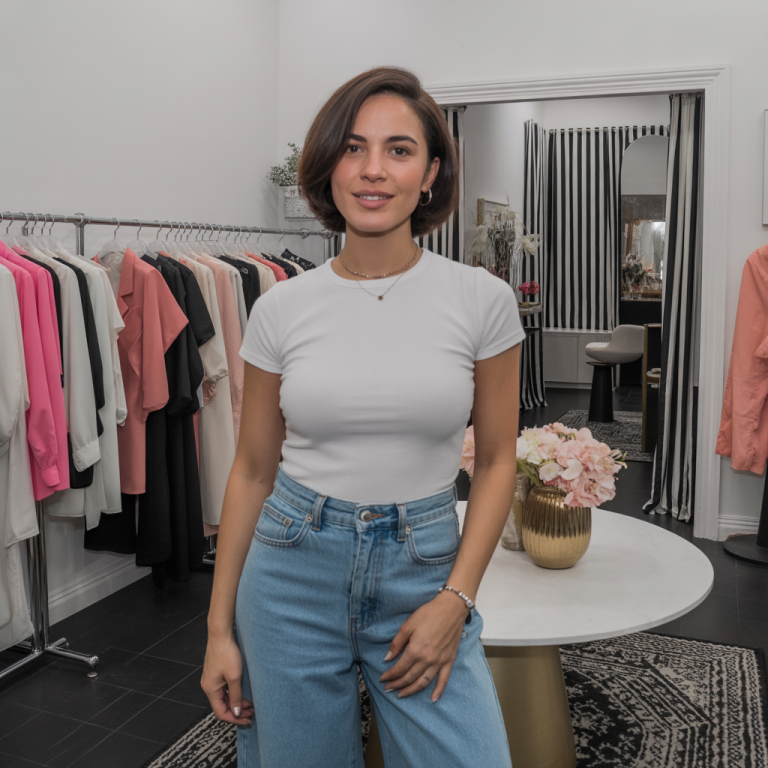
Pick up any fashion magazine right now. Flip through a few pages. Count how many times you spot something that looks like it belongs in a gallery rather than on a runway.
Paint splattered prints. Brushstroke patterns. Colour palettes ripped straight from impressionist landscapes. Garments that look less like they were sewn and more like they were painted into existence.
This isn’t a coincidence. And it’s definitely not new. Fashion and fine art have been tangled up together for as long as both have existed. But something interesting is happening right now. That relationship is getting deeper, more personal, and way more accessible than it used to be.
It’s not just big design houses referencing Rothko or Monet anymore. Independent designers are picking up actual paintbrushes. Students are learning textile techniques in art studios. People who work in fashion are actively exploring creative practices outside of clothing because they’ve figured out something important: making art with your hands changes the way you see everything else.
Let me explain why that matters. And why, if you care about fashion, sustainability, or creativity in general, you should probably care about this too.
The Runway Keeps Telling Us Something
If you’ve paid attention to recent collections from major and independent labels alike, you’ll have noticed a pattern. Handmade textures are everywhere. Imperfection is being celebrated. There’s a visible move away from the digitally precise, machine perfect aesthetic that dominated fashion for so long.
We’re seeing hand dyed fabrics, brushstroke motifs, watercolour washes across silk, and prints that look like someone literally painted them onto the cloth. Because in many cases, someone did.
This shift makes sense when you think about it.
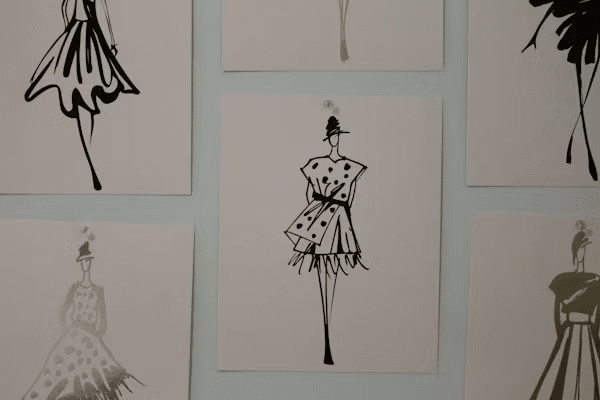
Consumers are tired of everything looking the same. Fast fashion flooded the market with identical, algorithm driven designs for so long that anything with a human touch now feels radical. A garment that carries visible traces of an artist’s hand tells a story that a mass produced piece simply can’t.
Designers know this. Which is why so many of them are going back to basics. Back to paint. Back to sketch pads. Back to the raw, unfiltered creative process that existed long before digital design tools entered the picture.
And the medium that keeps showing up more than any other? Watercolour.
Why Watercolour Keeps Showing Up in Fashion
There’s a reason watercolour has become the darling of fashion’s creative process, and it goes beyond aesthetics.
Watercolour is unpredictable. You put pigment on wet paper and it moves. It bleeds. It does things you didn’t plan for. And those happy accidents often produce something more beautiful than anything you could have mapped out deliberately.
For designers, this is gold.
Working with watercolour loosens up your creative thinking. It forces you to let go of rigid control and respond to what’s happening in front of you. That mindset translates directly into design work. Suddenly you’re more open to unexpected colour combinations, asymmetric patterns, and organic shapes that feel alive rather than manufactured.
It’s also incredibly accessible. You don’t need a studio full of equipment or a fine arts degree. A basic set of paints, some decent paper, and water. That’s it. You can experiment on your kitchen table.
A lot of creatives are stocking up on supplies to build a practice at home. Shopping for water colour paints online has made it ridiculously easy to find quality pigments, sets for beginners, and professional grade options without needing to visit a specialty store. For anyone in the fashion space looking to bring more hand crafted elements into their work, watercolour is one of the lowest barrier entry points with one of the highest creative payoffs.
What’s exciting is watching how this translates into actual garments. Designers create original watercolour artwork, scan it, and use it as the basis for textile prints. Others paint directly onto fabric. Some use watercolour studies as colour research, figuring out how hues interact before committing to dye lots or fabric choices.
The result is fashion that feels genuinely artistic. Not art “inspired.” Actually rooted in art. There’s a difference, and consumers can feel it even if they can’t articulate why.
Slowing Down in a Speed Obsessed Industry
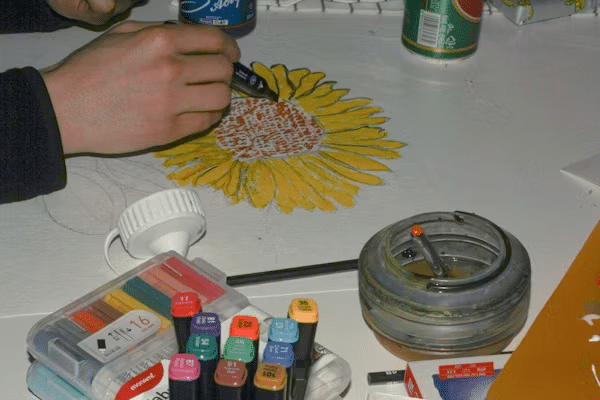
Here’s the bigger picture behind all of this.
Fashion has a speed problem. Everyone knows it. The cycle of trend, produce, consume, discard has been spinning faster and faster, and it’s burning people out on both sides. Designers are exhausted. Consumers are overwhelmed. The environmental cost is staggering.
Art based creative practices offer a counterpoint to that cycle.
When you sit down to paint, you can’t rush it. Watercolour especially demands patience. You have to wait for layers to dry. You have to accept that some pieces won’t work out. The process itself teaches you to slow down, observe, and value the time something takes to come together.
For people working in fashion, this is genuinely therapeutic. But it’s also practical. Designers who engage in slower, hands-on creative practices tend to produce more original, more thoughtful work. Their collections feel less reactive and more intentional. They’re not chasing trends; they’re building a visual language that’s uniquely theirs.
This is a big part of why creative education is having a moment right now. People across all sorts of industries, not just fashion, are seeking out opportunities to learn traditional art skills. Whether it’s painting, drawing, ceramics, or printmaking, there’s a growing hunger to make things by hand in a world that’s gone almost entirely digital.
Structured learning environments are especially valuable because they push you past the “messing around” phase and into genuine skill development. Taking art classes Melbourne style workshops, for example, gives you guided instruction, feedback from experienced artists, and the accountability to actually stick with a practice instead of letting your supplies gather dust in a cupboard. That kind of supported creativity is where real growth happens.
And it’s not just hobbyists signing up. Fashion professionals, stylists, textile designers, and brand founders are turning up in these classes because they recognise the direct connection between developing their artistic skills and improving their professional output.
How Art Training Makes You a Better Designer
Let’s get specific about why hands-on art practice actually translates to better fashion work.
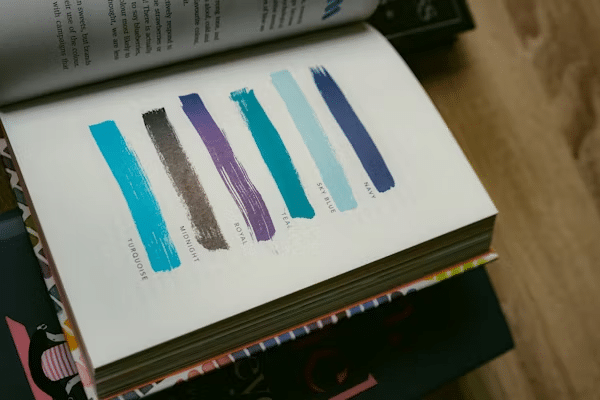
Colour intuition. Working with paint teaches you how colours behave together in ways that staring at a screen never will. You learn that certain blues turn muddy next to certain yellows. You discover that layering warm tones over cool ones creates depth. This understanding carries straight into fabric selection, palette building, and print design.
Composition skills. Painting teaches you about balance, proportion, and negative space. Where to put visual weight. When to leave something empty. These are the exact same principles that make a garment or a collection feel cohesive rather than cluttered.
Tolerance for imperfection. Art, especially watercolour, teaches you that not everything needs to be flawless to be beautiful. A slightly uneven line, an unexpected drip of colour, these become features, not flaws. In fashion, this mindset leads to designs that feel human and warm rather than sterile and robotic.
Creative confidence. There’s something about finishing a piece of art, even a small one, that builds a kind of confidence no amount of digital rendering can match. You made something with your hands. It exists because of choices you made in the moment. That confidence fuels bolder, more personal design work.
This is why so many fashion schools have started reintegrating traditional art modules into their programs. They saw what was being lost when everything moved to software. The students who paint, draw, and work with physical materials consistently produce more distinctive, more emotionally resonant designs.
Sustainability Meets Creativity
There’s a sustainability angle here too, and it’s worth talking about.
Fashion’s environmental crisis has been well documented. But the conversation tends to focus on materials, supply chains, and production methods. What gets less attention is the role creativity plays in sustainability.
When designers develop a deeper, more personal creative practice, they naturally move away from disposable trend chasing. Their work becomes more distinctive, which means it doesn’t need to be replaced every season to feel current. Consumers who connect with a handcrafted, art driven aesthetic tend to value their purchases more and keep them longer.
Art made fashion is inherently slower fashion.
And on the consumer side, people who engage in creative practices themselves develop a sharper eye for quality and craftsmanship. They appreciate the skill behind a beautifully printed textile or a hand painted detail because they understand what goes into it. That awareness shifts purchasing behaviour away from impulse buying and toward intentional, considered choices.
It’s a virtuous cycle. More creativity leads to more appreciation, which leads to less waste.
Bringing It Into Your Own Life
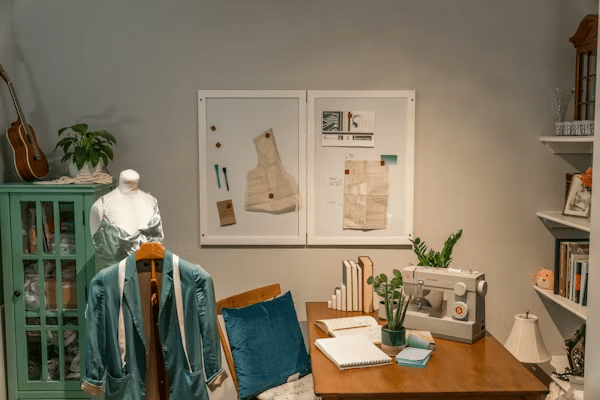
You don’t need to be a designer to benefit from any of this.
If you love fashion, start paying closer attention to the art behind the clothes. Look at how prints are made. Notice when something has a hand painted quality versus a digitally generated one. Follow designers who share their creative process. Understanding the art side of fashion makes the whole experience richer and more meaningful.
If you’ve been curious about picking up a paintbrush yourself, stop overthinking it and just start. Watercolour is forgiving, relatively inexpensive, and endlessly rewarding once you get past the first few awkward attempts. There are fantastic online tutorials, but structured classes will accelerate your progress dramatically.
If you already work in fashion or textiles, consider adding a regular art practice to your routine. Even thirty minutes of painting a few times a week can shift the way you approach your professional work. You’ll see colour differently. You’ll think about texture more intuitively. You’ll develop a creative voice that’s harder to replicate because it comes from a place that’s genuinely yours.
The Thread That Connects It All
Fashion and art have always needed each other. But what’s happening right now feels different. It’s not just about surface level inspiration or a famous painting printed on a t shirt. It’s about a fundamental return to handmade, human driven creativity in an industry that lost its way chasing speed and volume.
The designers doing the most interesting work right now are the ones with paint under their fingernails. The ones who understand that a beautiful garment starts long before the first stitch. It starts with a willingness to experiment, to get messy, and to let your hands teach you things your mind hasn’t figured out yet.
That’s what art does. It reconnects you to the physical, tactile, beautifully imperfect process of making something from nothing.
And fashion, at its best, has always been exactly that.