
Some days, 3A curly hair looks bouncy and defined. Other days? It’s a frizzy mess. Sound familiar? This frustrating pattern happens because 3A curls sit right in the middle – not quite wavy, not quite tight ringlets. That makes them sensitive to humidity, products, and even how you sleep.
Here, we break down what 3A curly hair actually is and why it forms those loose, springy curls. You’ll figure out how to spot this hair type, what makes it different from other curl patterns, and how to build a simple routine that keeps your curls looking good more often than not.
For many people, the 3A hair type feels like an in-between zone. It can be tricky to manage, but once you understand what your curls need, styling gets a lot easier.
What is 3A Hair Type? The Simple Breakdown
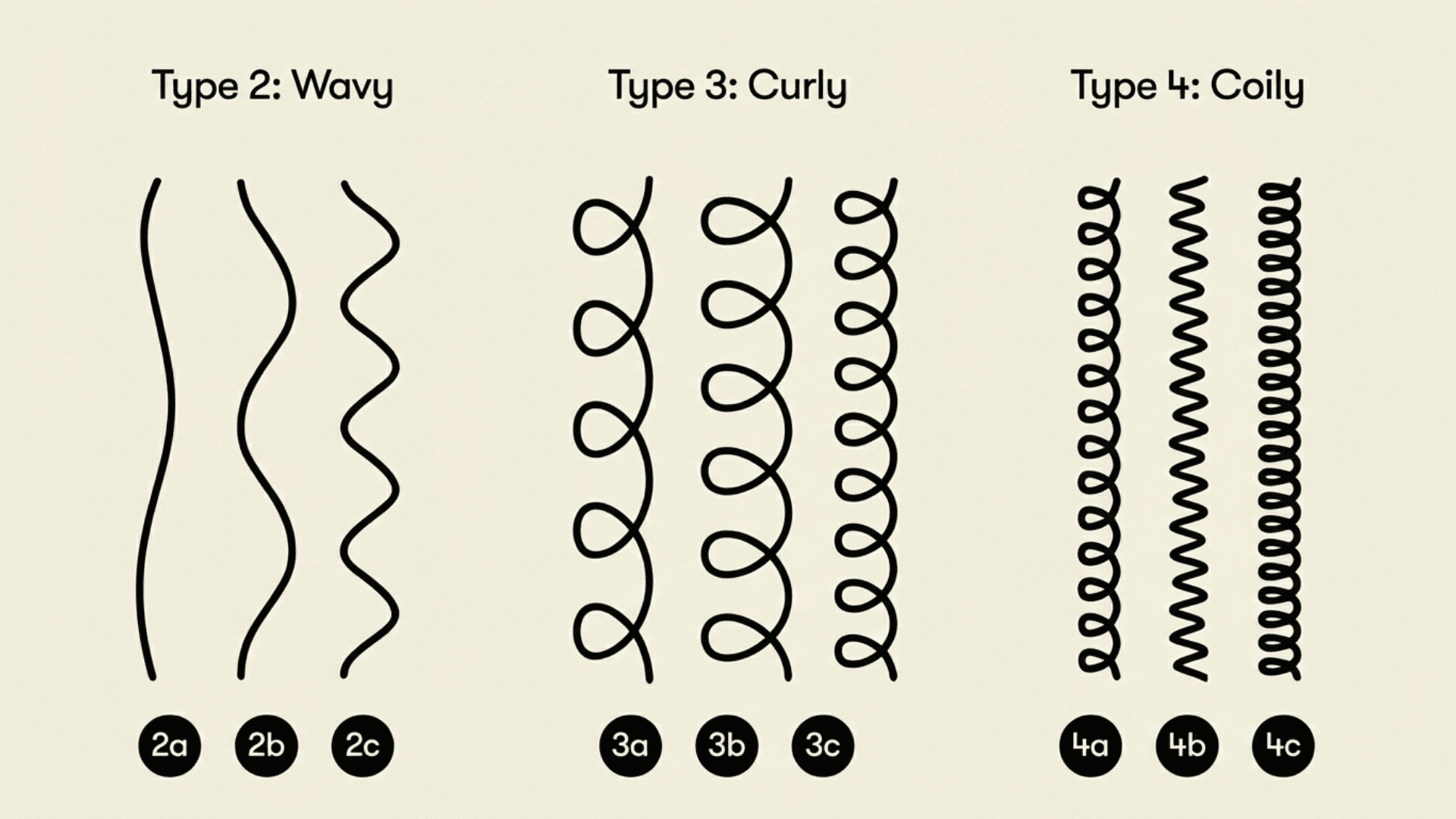
The 3A hair type has loose, springy curls that form a clear “S” shape. Imagine curls about as wide as a piece of sidewalk chalk. They look airy and bouncy compared to tighter curl patterns like 3B or 3C.
The curl typing system helps people figure out their hair texture as a starting point – not a strict rulebook. Your curls might not fit perfectly into one category, and that’s normal.
Curls form based on your hair shape and the angle of your hair follicle. Straight follicles make straight hair. Curved follicles create curls. 3A curls lose definition easily because they’re lightweight. Without enough moisture or hold, they fall flat or get frizzy fast.
How to Identify 3A Curl Pattern
Figuring out your exact curl type helps you pick the right products and routines. These simple checks take just a few minutes and don’t need any special tools.
2C vs 3A vs 3B: Key Signs to Look For
Not sure where your curls fall? Here’s a quick comparison. 2C hair has strong waves with a few loose spirals mixed in. It’s mostly wavy, not fully curled, and the pattern stays pretty flat near the roots.
3A hair shows consistent loose spirals and ringlets all over with clear “S” shapes throughout. The curls are springy and about sidewalk-chalk width. 3B hair has tighter, smaller curls with more shrinkage – the curls bunch up closer to your scalp, and each ringlet is smaller than a pencil width.
Easy “Wet-Hair” Check
The best time to check your curl pattern is right after washing and conditioning. Look at how your hair naturally falls when it’s soaking wet, before adding any products or styling.
Your curls form their truest shape when wet. Remember, styling methods can make curls look tighter or looser once they dry, but wet hair shows the real pattern.
How Porosity and Density Affect 3A Curls
Porosity affects frizz and product absorption in 3A curls. High porosity loses moisture fast, causing frizz and limp curls. Low porosity repels products, making them sit on top instead of soaking in.
Density in 3A hair often looks fuller than it actually is because curls add volume. Fine hair appears thick when curled, but feels thin when wet and stretched straight. Choose products based on both factors for the best results.
Once you identify your 3A curl type and understand your porosity, you can build a routine that actually works. Your curls will thank you for it.
Typical Signs of 3A Curly Hair
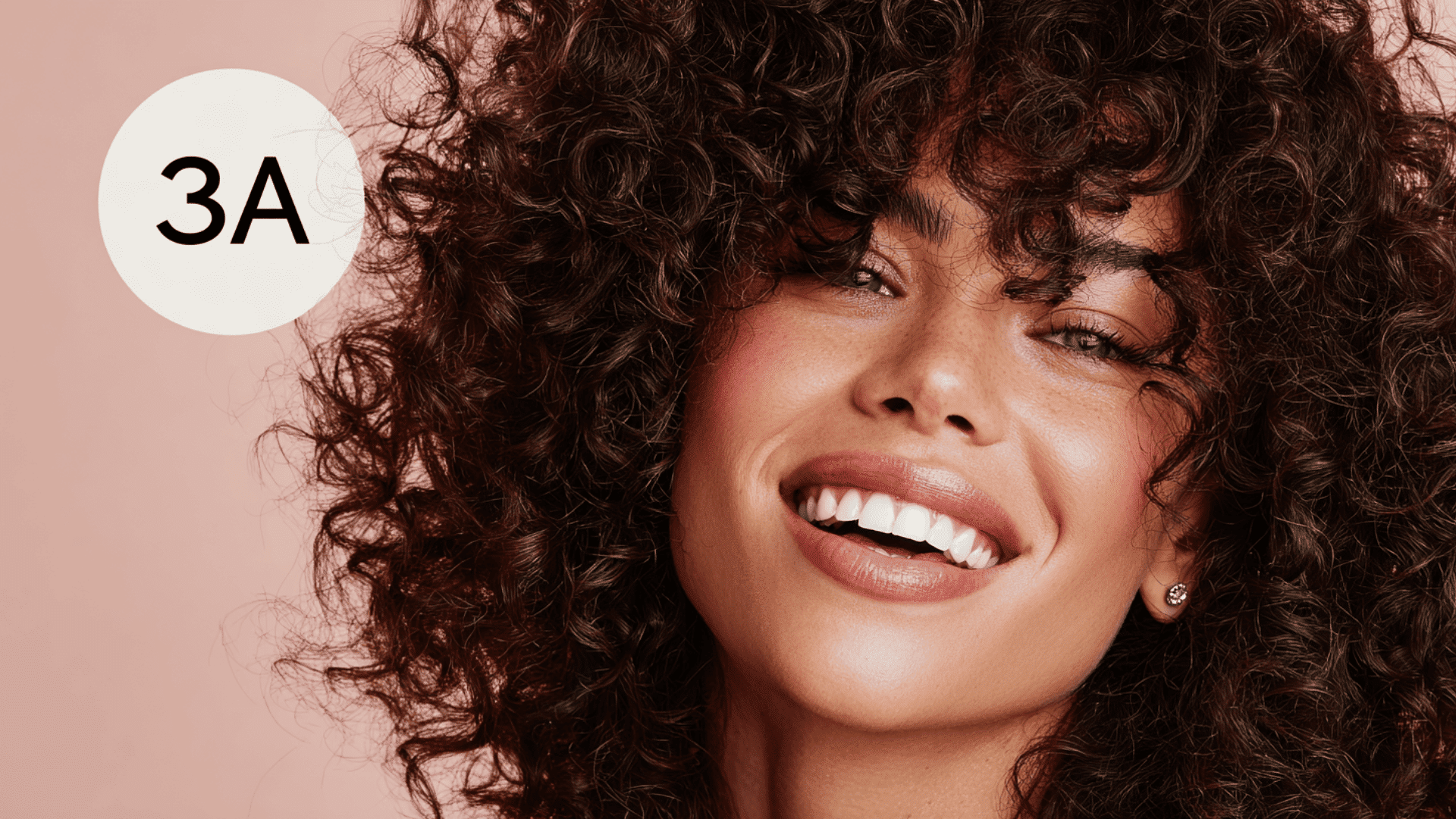
Every curl type has its own strengths and struggles. Understanding what makes 3A curls special helps you work with your hair instead of against it.
- Natural volume and bounce: 3A curls create lift without much effort. The loose spirals have visible “S” shapes that look soft and airy. Your curl pattern shows up clearly with a relaxed vibe.
- Frizz is the biggest challenge: Humidity makes lightweight 3A curls separate and puff up fast. Even small amounts of moisture in the air can ruin your style and make curls look messy.
- Curls fall flat and tangle easily: Heavy products weigh down soft spirals by midday. Uneven curl clumps happen when some sections stay loose while others curl tight. Ends get dry and tangled.
- Needs hydration plus lightweight hold: Moisturizing products keep curls soft and defined without weight. Gels and mousses work better than heavy creams. Balance moisture with hold to prevent frizz and drooping.
3A Curly Hair Routine (Step-by-Step)
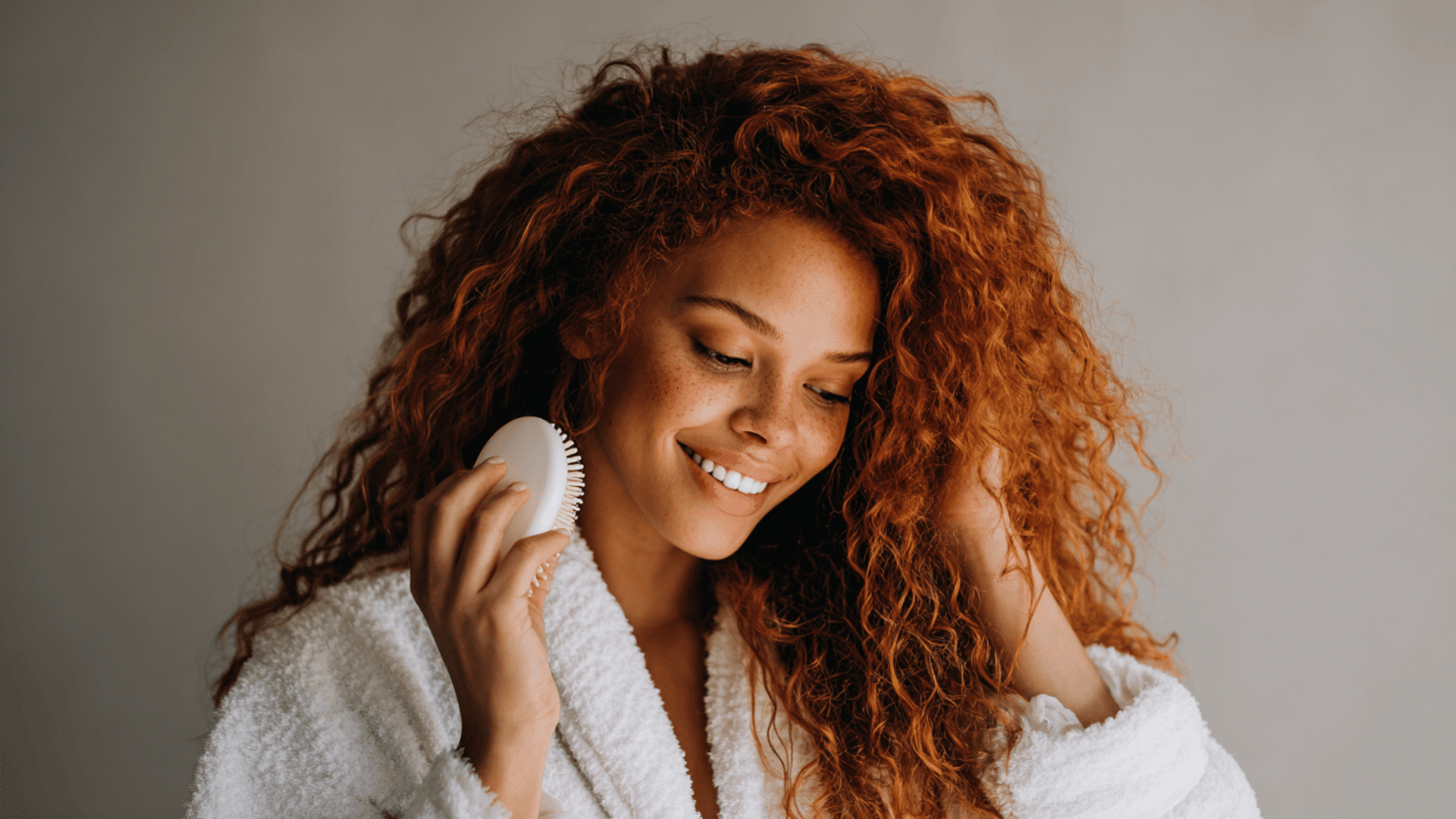
A good routine keeps 3A curls defined without weighing them down. These steps work for most people, but you might need to adjust based on your hair’s needs.
Wash Day Routine
1. Use a sulfate-free shampoo that cleans without stripping all the natural oils. Focus on your scalp, not the ends. Wash 1-2 times per week unless your hair gets oily faster.
2. Apply conditioner from mid-length to ends. Use your fingers or a wide-tooth comb to gently work through tangles while the conditioner is in. The slip from conditioner makes detangling easier and prevents breakage.
3. Once a week, use a deep conditioning treatment for 10-20 minutes. This adds extra moisture that regular conditioner can’t provide. Skip this if your hair feels too soft or limp.
4. Most 3A curls form best when soaking wet. Some people get better results on damp hair after squeezing out excess water. Try both ways to see what works.
5. Let your hair air-dry for defined curls, or use a diffuser on low heat if you’re in a hurry. High heat causes frizz and damages your curl pattern over time.
Styling for Defined Curls
Apply products in layers – start with a leave-in conditioner or light curl cream on wet hair, then add gel or mousse for hold. Use less product than you think you need since 3A curls get weighed down easily.
Scrunch product upward into your hair to help curls group together. Bigger clumps mean less frizz. Don’t touch your hair while it dries – this is the hardest rule, but the most important. Touching breaks up curl clumps and creates frizz.
3A Curls: Simple Care Guide
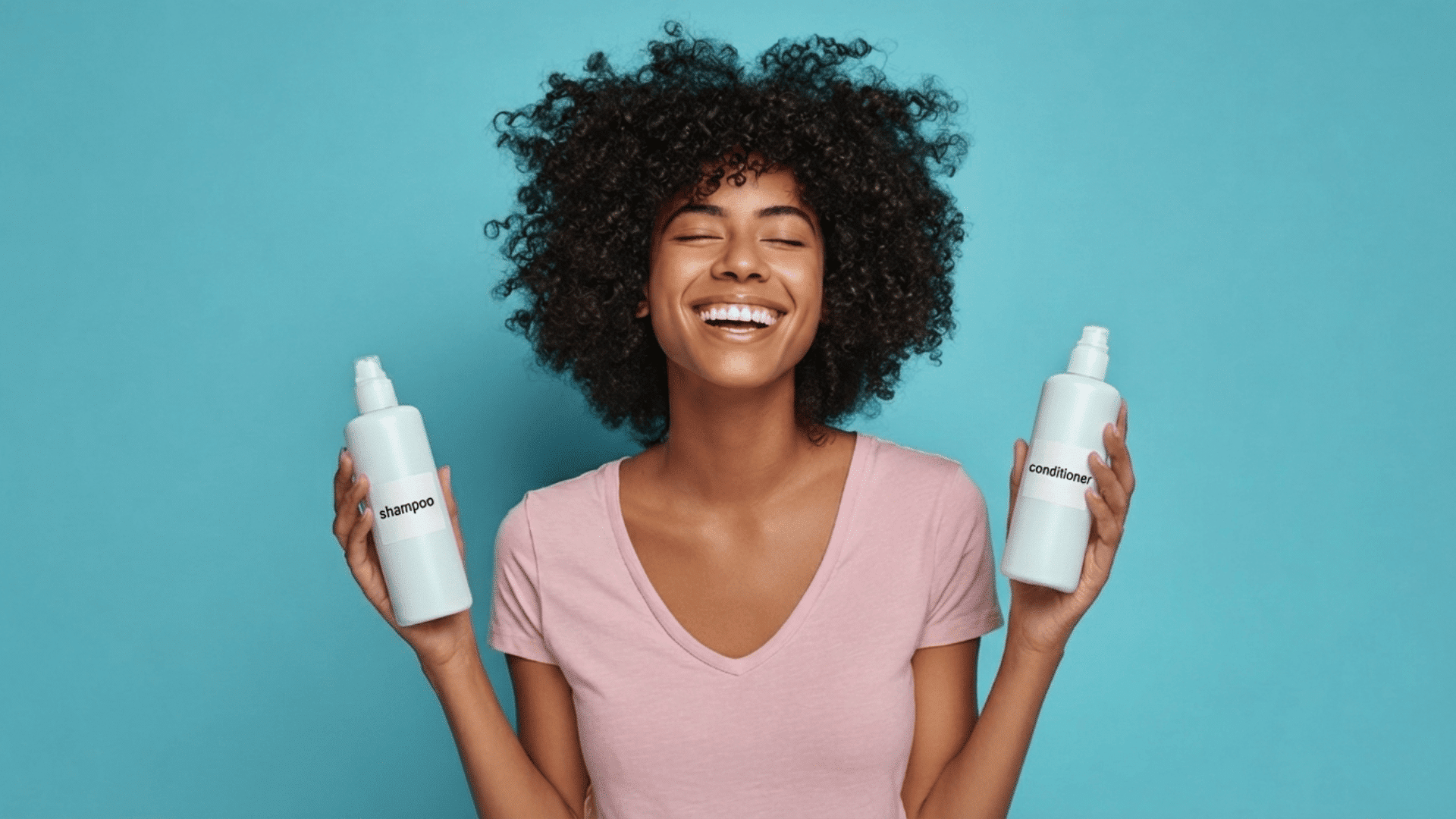
Small changes in how you handle your curls make a big difference. These four tips protect your curl pattern and cut down on frizz and damage.
- Use lightweight products like leave-in conditioners, gels, or mousses. Heavy creams and butters weigh down 3A curls and make them look flat.
- Protect your curls at night by putting them in a loose, high ponytail on top of your head called pineappling. Sleep on a satin or silk pillowcase to prevent frizz.
- Always use heat protection spray before diffusing. Keep the heat on low and hold the diffuser still instead of rubbing it around.
- Only detangle when your hair has conditioner in it. Use a wide-tooth comb or your fingers. Never brush dry curls – it causes breakage and frizz.
Good curls don’t happen by chance. They happen by choice – choosing the right products, the right routine, and treating your hair with care every single day.
3A Haircare Essentials: Product Guide
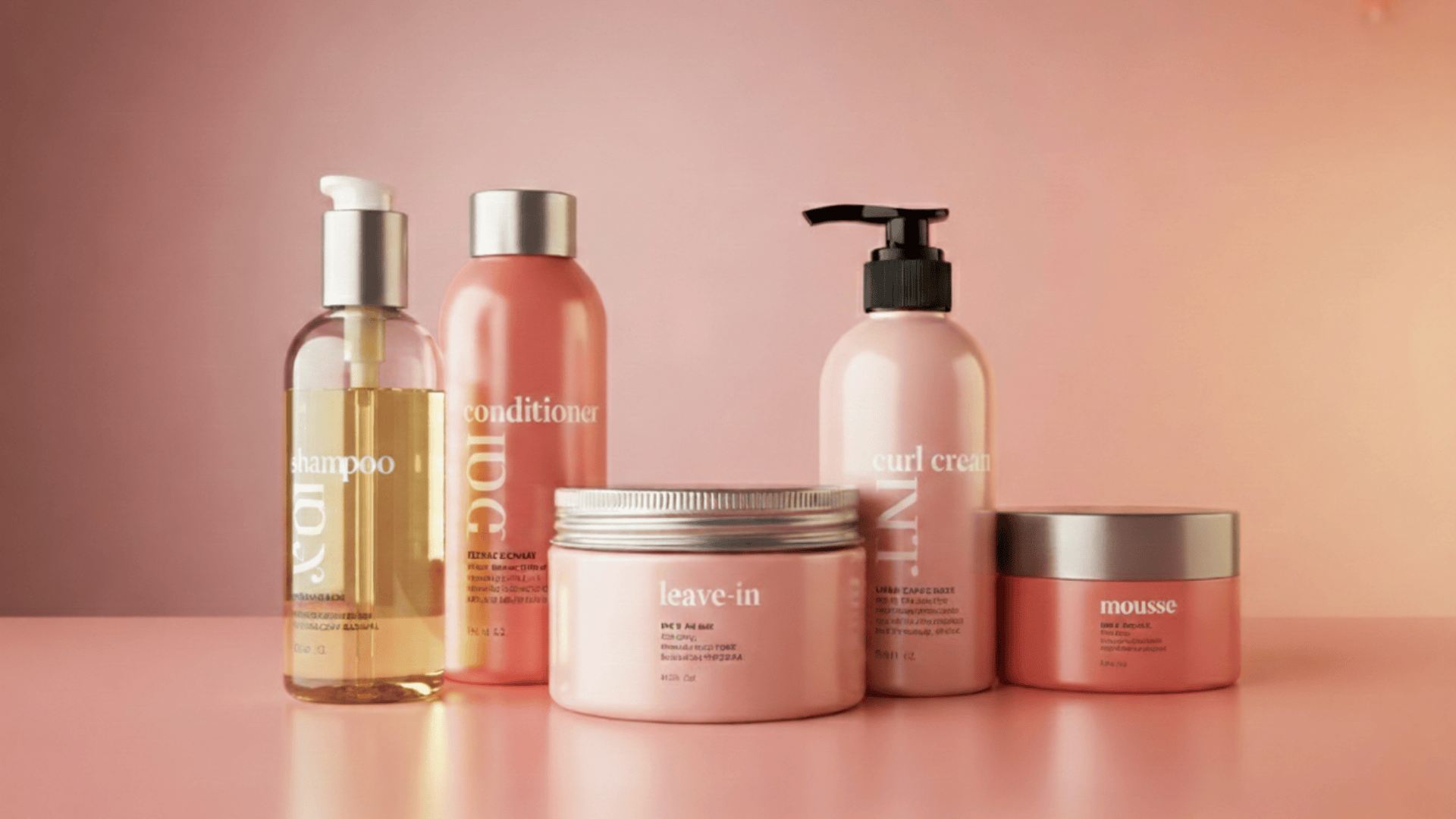
The right products make styling 3A curls easier and help them last longer. Here’s what each product type does and why you need it in your routine.
| Product Type | What It Does for 3A Curls |
|---|---|
| Sulfate-Free Shampoo | Cleans without stripping natural oils and prevents dryness |
| Moisturizing Conditioner | Adds slip for detangling and softens curls |
| Deep Conditioner | Provides extra moisture weekly and repairs damage |
| Leave-In Conditioner | Lightweight hydration and preps hair for styling |
| Curl Cream (Light) | Defines curls without weight and reduces frizz |
| Gel or Mousse | Holds curl shape and prevents drooping |
| Heat Protectant | Shield hair from diffuser damage |
| Clarifying Shampoo | Removes product buildup monthly |
| Satin/Silk Pillowcase | Prevents frizz and breakage while sleeping |
Choose products based on your hair’s porosity and density. Start with one product from each category and adjust as needed.
Key Takeaways
Managing 3A curly hair gets easier once you know what you’re working with. Start by identifying your curl type using the wet-hair check and understanding your porosity.
Build a simple routine with lightweight products that add moisture and hold without weighing curls down. Fix common problems like frizz and flat curls by adjusting your technique and product choices.
Remember, these aren’t strict rules. Your hair is unique. What works for someone else’s 3A curls might not work for yours. Pay attention to how your hair responds and adjust based on your porosity, density, and results.
The best routine is the one you’ll actually stick with. Keep it simple, stay consistent, and give your curls time to adjust. What’s your biggest 3A curl challenge? Drop a comment below and share your experience!