

Conversations around wellness in Europe are evolving quickly. What was once considered niche or alternative is now entering mainstream discussion across healthcare, beauty, fashion, hospitality, and lifestyle spaces. Consumers are becoming more interested in preventative care, holistic wellbeing, personalized treatment options, and everyday habits that support long-term quality of life rather than short-term fixes.
This broader shift is influencing how people think about sleep, stress management, chronic pain, nutrition, mental wellbeing, and recovery. Across major European cities, wellness is no longer viewed as a separate category reserved for spas or luxury retreats. Instead, it has become closely tied to modern lifestyle culture, workplace expectations, travel habits, sustainability conversations, and even personal identity.
At the same time, consumers are becoming more informed. Access to digital health resources, online communities, specialist clinics, and medical research has made people more willing to explore options that previously received limited public attention. As a result, attitudes toward alternative wellness are becoming far more open, nuanced, and experience-driven than they were even a decade ago.
Wellness Is Becoming More Personalized
One of the biggest changes involves the growing demand for individualized wellness experiences. Consumers increasingly want solutions tailored to their specific needs rather than generalized approaches designed for mass audiences.
This trend can be seen across multiple industries. Personalized nutrition plans, wearable health technology, custom skincare, mindfulness apps, recovery-focused fitness programs, and tailored supplement routines have all grown significantly across Europe. People are paying closer attention to how different products, habits, and treatments affect their own bodies rather than simply following broad trends.
Healthcare conversations are changing alongside this shift. Many consumers now actively research treatment alternatives, specialist support services, and emerging therapies that may complement traditional medical approaches. Discussions around chronic pain management, anxiety support, sleep disorders, neurological conditions, and long-term stress recovery are becoming more visible within mainstream wellness culture.
Within this evolving landscape, interest in regulated medical cannabis has also expanded, particularly as patients across the UK and parts of Europe continue exploring clinically supervised alternatives for conditions linked to pain, sleep disruption, and quality-of-life challenges. Providers such as Releaf, the UK’s largest medical cannabis clinic, are increasingly associated with wider conversations surrounding digital healthcare access, prescription consultations, patient monitoring systems, and more personalized approaches to long-term wellness support through medical cannabis treatment. The topic is no longer discussed solely within specialist healthcare circles but increasingly appears within broader lifestyle and wellbeing conversations connected to recovery, balance, and long-term health management.
Fashion and Wellness Are Becoming More Connected
The relationship between fashion and wellness has also become much stronger in recent years. Consumers increasingly expect brands to support broader lifestyle values rather than simply sell products.
Comfort, emotional wellbeing, sustainability, and mindful consumption now influence purchasing decisions across fashion markets throughout Europe. Shoppers are placing greater importance on how clothing fits into everyday life, supports physical comfort, and reflects personal values connected to health and wellbeing.
This shift partly explains why wellness-focused conversations now appear at fashion conferences, sustainability summits, and design events that historically focused only on production or aesthetics. Mental wellbeing, ethical sourcing, workplace conditions, environmental impact, and consumer health expectations are increasingly viewed as interconnected issues rather than separate discussions.
Reports examining the long-term sustainability and wellbeing challenges facing the fashion sector, including the broader industry perspectives explored in the Pulse of the Fashion Industry report, continue influencing conversations around how lifestyle industries may need to evolve alongside changing consumer expectations. As wellness culture expands, industries traditionally associated with image and consumerism are being pushed toward more holistic ways of thinking about value, responsibility, and long-term impact.
Consumers Are Prioritizing Everyday Functionality
Another major shift involves the growing preference for wellness solutions that integrate naturally into daily routines. Consumers increasingly favor approaches that feel practical, manageable, and sustainable rather than extreme or overly restrictive.
This can be seen in the rise of functional wellness habits such as sleep optimization, mobility-focused exercise, stress reduction techniques, healthier digital habits, and flexible approaches to nutrition. Instead of chasing perfection, many people now prioritize consistency and realistic improvements that support long-term wellbeing.
European consumers also appear more skeptical of heavily commercialized wellness messaging than they once were. There is growing demand for transparency, evidence-backed guidance, and credible expertise. People want to understand how products and treatments work, what regulations exist, and whether claims are supported by legitimate healthcare frameworks.
This growing emphasis on informed decision-making is one reason why regulated healthcare guidance continues playing an important role in wellness discussions. Information published by organizations such as the NHS medical cannabis guidance has contributed to broader public understanding around where prescription medical cannabis may fit within supervised healthcare pathways in the UK. As conversations become more mainstream, consumers increasingly look for trustworthy medical information alongside lifestyle-oriented wellness content.
Digital Communities Continue Influencing Wellness Culture
Digital culture has accelerated the visibility of alternative wellness conversations across Europe. Social platforms, podcasts, online forums, specialist creators, and health-focused media have all contributed to the rapid spread of information, personal experiences, and public discussion around wellness topics.
Consumers are now exposed to a much wider range of perspectives than previous generations. Discussions that once remained relatively private, including chronic illness management, mental health recovery, sleep disorders, burnout, hormonal health, and alternative treatment pathways, are now frequently shared openly online.
This visibility has helped reduce stigma surrounding many health-related conversations. It has also encouraged consumers to seek more proactive approaches to wellbeing rather than waiting for problems to become severe before exploring support options.
At the same time, digital accessibility has changed expectations around healthcare convenience. Many people now expect streamlined booking systems, virtual consultations, digital prescriptions, patient portals, and easier access to specialist information. These expectations mirror broader shifts happening across banking, retail, entertainment, and travel, where consumers increasingly prioritize flexibility and convenience in everyday experiences.
Wellness Is Expanding Beyond Traditional Demographics

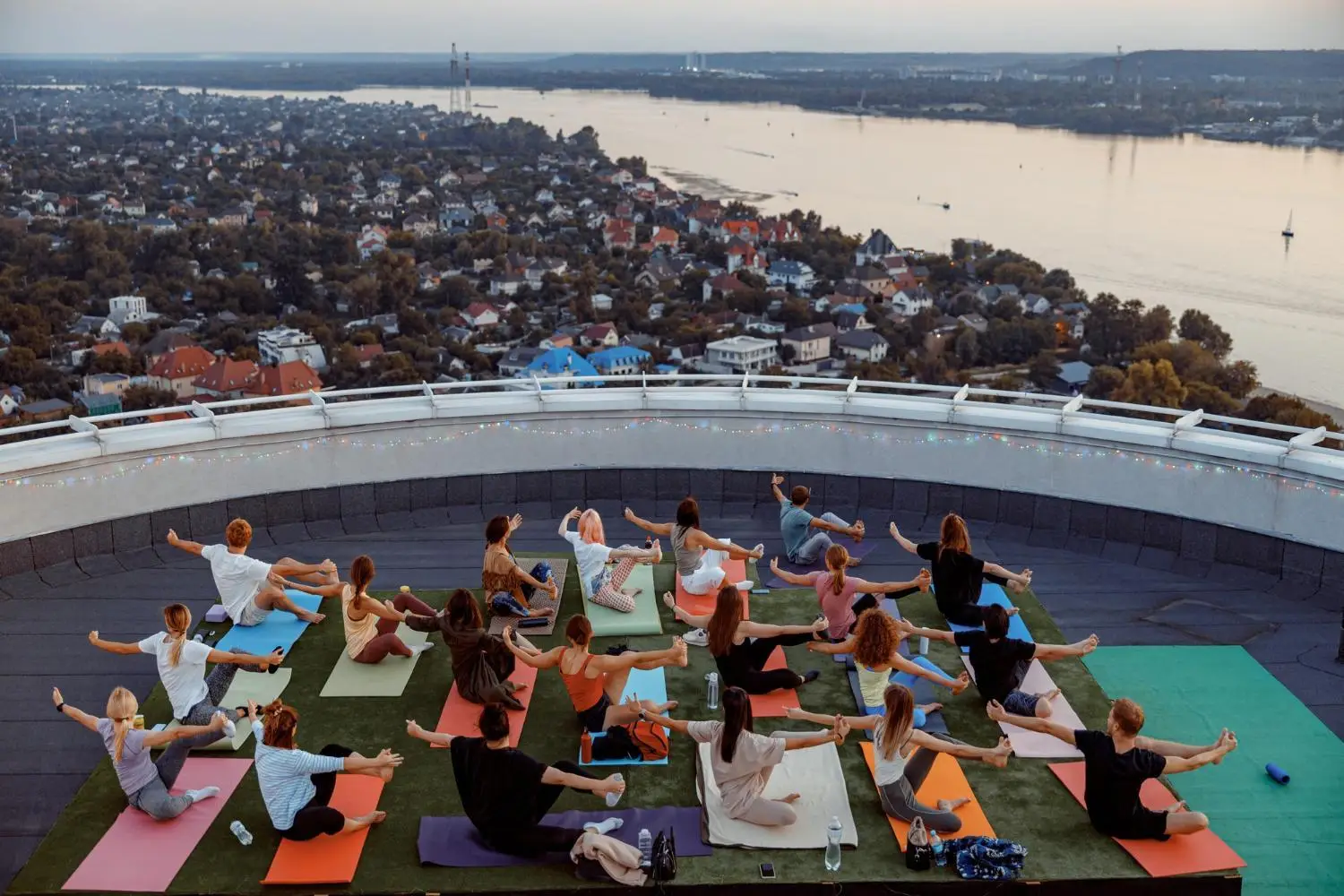
Image by user17581499 on Magnific
Alternative wellness is no longer associated with a narrow audience. Interest now spans multiple generations, professions, and lifestyle groups across Europe.
Younger consumers often approach wellness through mental health awareness, sustainability values, fitness culture, and preventative care. Older demographics may focus more heavily on pain management, mobility, recovery, and long-term health support. Meanwhile, professionals facing high-pressure work environments increasingly prioritize stress reduction, sleep quality, and work-life balance.
This broadening audience has helped normalize conversations that previously felt highly specialized or culturally marginal. Wellness is increasingly viewed as part of ordinary daily life rather than a luxury interest or fringe lifestyle category.
Importantly, consumers are also becoming more comfortable combining traditional and alternative approaches rather than treating them as opposing philosophies. Many people now view wellbeing through a blended lens that includes medical guidance, lifestyle adjustments, preventative care, digital support tools, and complementary therapies working together.
European Wellness Culture Will Likely Continue Evolving
The broader wellness market across Europe will likely continue expanding as consumer expectations evolve further. Interest in personalized care, digital accessibility, preventative health, emotional wellbeing, and flexible treatment pathways shows little sign of slowing down.
At the same time, consumers are becoming more selective about the sources they trust. Transparency, regulation, expertise, and credibility increasingly matter alongside branding and marketing language. People want wellness solutions that feel realistic, responsible, and genuinely supportive of long-term quality of life.
This changing mindset is influencing industries far beyond healthcare alone. Fashion, hospitality, beauty, technology, retail, and workplace culture are all adapting to consumers who increasingly see wellbeing as interconnected with nearly every part of modern life.
Across Europe, wellness is gradually moving away from trend-driven extremes and toward something more integrated, informed, and sustainable, a shift that will likely continue shaping consumer culture for years to come.