

The Role of Premium Resources in Professional Design Projects
In the current digital environment, the speed of production often dictates the success of a creative professional. Whether you are a freelance graphic designer or a full-stack developer, the ability to access high-quality assets quickly is a significant advantage.
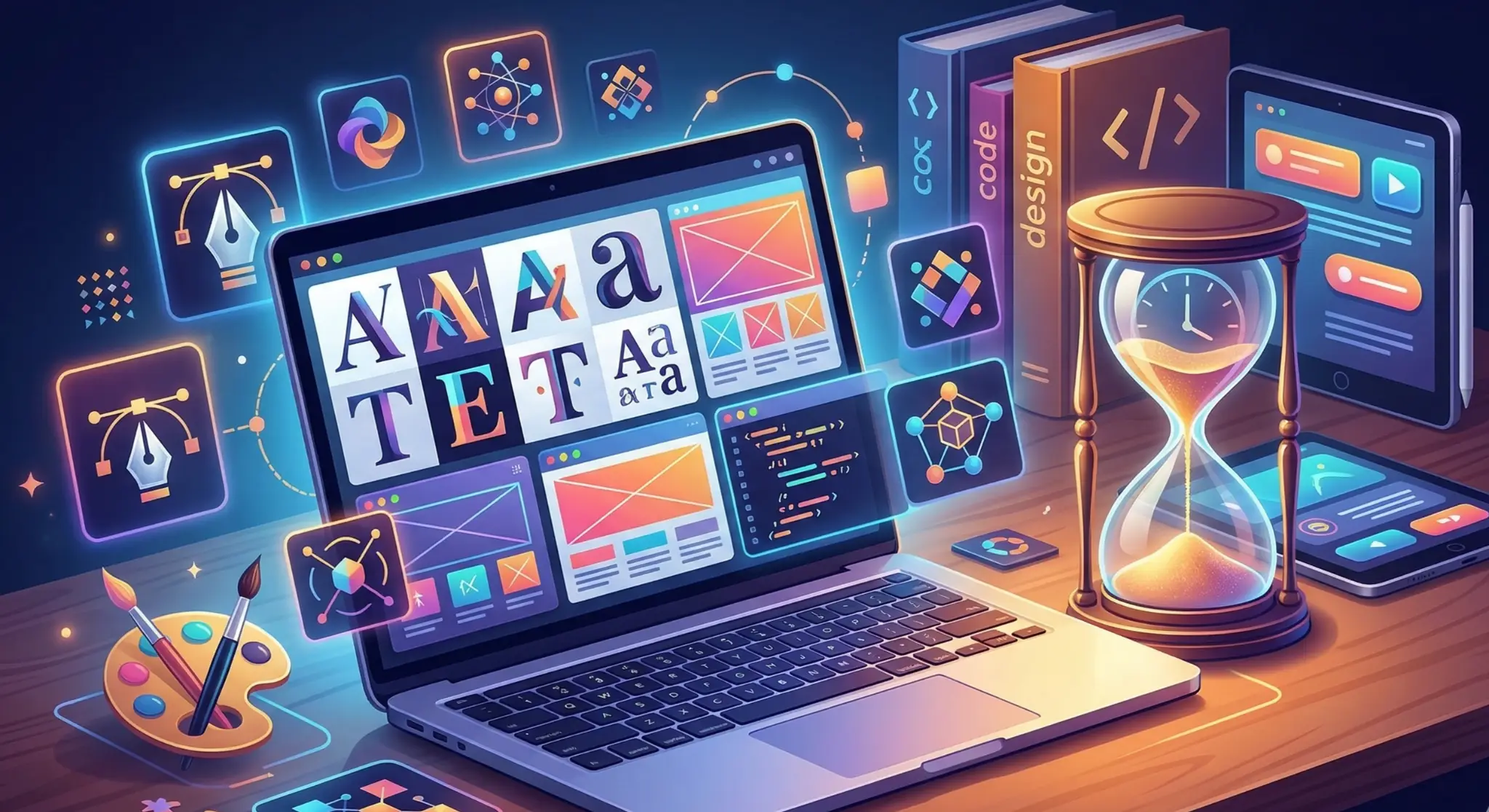
Premium resources—ranging from intricate font families to complex UI kits—serve as the building blocks for sophisticated projects. However, the cost of maintaining a diverse library can be substantial. This is where the model of time-limited deals becomes a vital tool for the creative community.
Marketplaces that curate these resources provide a bridge between high-end creators and those who need their tools. By offering bundles or individual assets at a reduced price for a specific duration, these platforms allow professionals to experiment with styles and functionalities that might otherwise be outside their budget. This approach not only democratizes access to professional-grade tools but also encourages a more diverse range of visual expressions across the web.
Typography as a Foundational Element
Typography is often the most critical component of any design project. A single typeface can alter the entire perception of a brand, moving it from traditional and authoritative to contemporary and approachable. For many developers, having a robust collection of web-safe and display fonts is essential for creating unique user interfaces.
When purchasing fonts through limited-time offers, it is important to look beyond the visual appeal. Technical specifications, such as the number of weights, OpenType features, and multilingual support, determine the actual utility of the font. Acquiring a complete font family during a promotional period allows for greater consistency in long-form content and complex branding systems. Instead of relying on standard system fonts, designers can utilize bespoke lettering that adds a layer of professionalism to their work.
Streamlining Development with Templates and Frameworks

For developers, the value of a deal often lies in the time saved. Pre-coded templates, wireframe kits, and CSS frameworks act as a scaffold for new applications. These resources are not meant to replace original coding but to accelerate the initial phases of a project.
When a developer acquires a comprehensive UI kit at a discount, they are essentially buying back hours of manual labor. These kits usually include pre-designed buttons, navigation bars, and form elements that have already been tested for responsiveness. By integrating these assets, the focus can remain on the unique logic and functionality of the application rather than the repetitive task of styling basic components.
Visual Trends and Interactive Engagement
The visual style of digital products is constantly influenced by various industries, including the high-energy world of interactive media and gaming. Designers often look at successful platforms to see how they handle information density and user engagement.
For example, when building dashboards or data-heavy applications, creators observe how real-time information is conveyed through color and animation. In the world of interactive live streams, observing how users monitor sweet bonanza candyland results offers a clear example of high-contrast data visualization. The use of vibrant candy-themed graphics combined with immediate feedback loops demonstrates a specific type of user interface design that prioritizes clarity and excitement. By studying these outcomes, designers can better implement gamification elements into more traditional business or educational tools, making the data more accessible and the experience more memorable.
The graphics used in such environments—often available in asset packs—highlight the importance of high-quality vector illustrations. These vectors can be scaled without losing quality, making them perfect for everything from mobile app icons to large-scale web banners.
The Utility of Graphic Bundles and Illustrations
Illustration and iconography are the “personality” of a website. While custom illustrations are ideal, the budget of a project does not always allow for bespoke artwork. Curated graphic bundles provide a middle ground. These collections often follow a cohesive style, allowing a designer to maintain a unified look across multiple pages of a site or different pieces of marketing material.
High-quality textures, patterns, and brushes are also frequent components of digital deals. For digital painters and texture artists, these tools are indispensable for adding depth and realism to their work. Having a diverse set of these assets on hand means that when a specific creative need arises, the professional is already equipped to handle it without having to search for new materials or interrupt their creative flow.
Continuous Learning Through Digital Courses
The digital design field moves so quickly that a professional’s skill set can become outdated in just a few years. Therefore, instructional content is just as valuable as the assets themselves. Many digital marketplaces now include courses on software like Adobe Creative Suite, Figma, or specific coding languages like React and Vue.
Investing in these courses during a promotional window is a strategic way to stay competitive. These resources often provide practical, project-based learning that goes beyond theoretical knowledge. For a developer, learning a new animation library can open doors to more lucrative projects. For a designer, mastering 3D modeling can add a new dimension to their portfolio.
Strategic Acquisition and Resource Management
While the appeal of discounted assets is strong, professional growth requires a strategic approach to acquisition. It is easy to accumulate a large volume of files that are never used. To avoid this, designers should evaluate their upcoming project pipeline and identify the gaps in their current library.
- Assess the License: Always check if the deal includes a commercial license. This is crucial for any work done for clients.
- Compatibility: Ensure the assets are compatible with your current software versions. A Photoshop brush is of no use if you have transitioned entirely to Procreate or Affinity Designer.
- Storage and Organization: As your library grows, organization becomes key. Use a consistent naming convention and cloud storage to ensure that you can find the right asset exactly when you need it.
The goal of using platforms like Mighty Deals is to build a sustainable toolkit that enhances your creativity rather than cluttering your workspace. By focusing on quality and versatility, you can ensure that every purchase adds tangible value to your professional output.
Conclusion
The availability of high-quality digital resources at accessible prices has changed the way designers and developers approach their craft. By taking advantage of limited-time offers, professionals can maintain a cutting-edge library of fonts, templates, and graphics that would otherwise be cost-prohibitive.
This practice not only improves the quality of individual projects but also contributes to a more vibrant and visually diverse digital world. Whether it is through studying the visual clarity of real-time data or mastering a new development framework, the right tools are essential for any creative journey.