

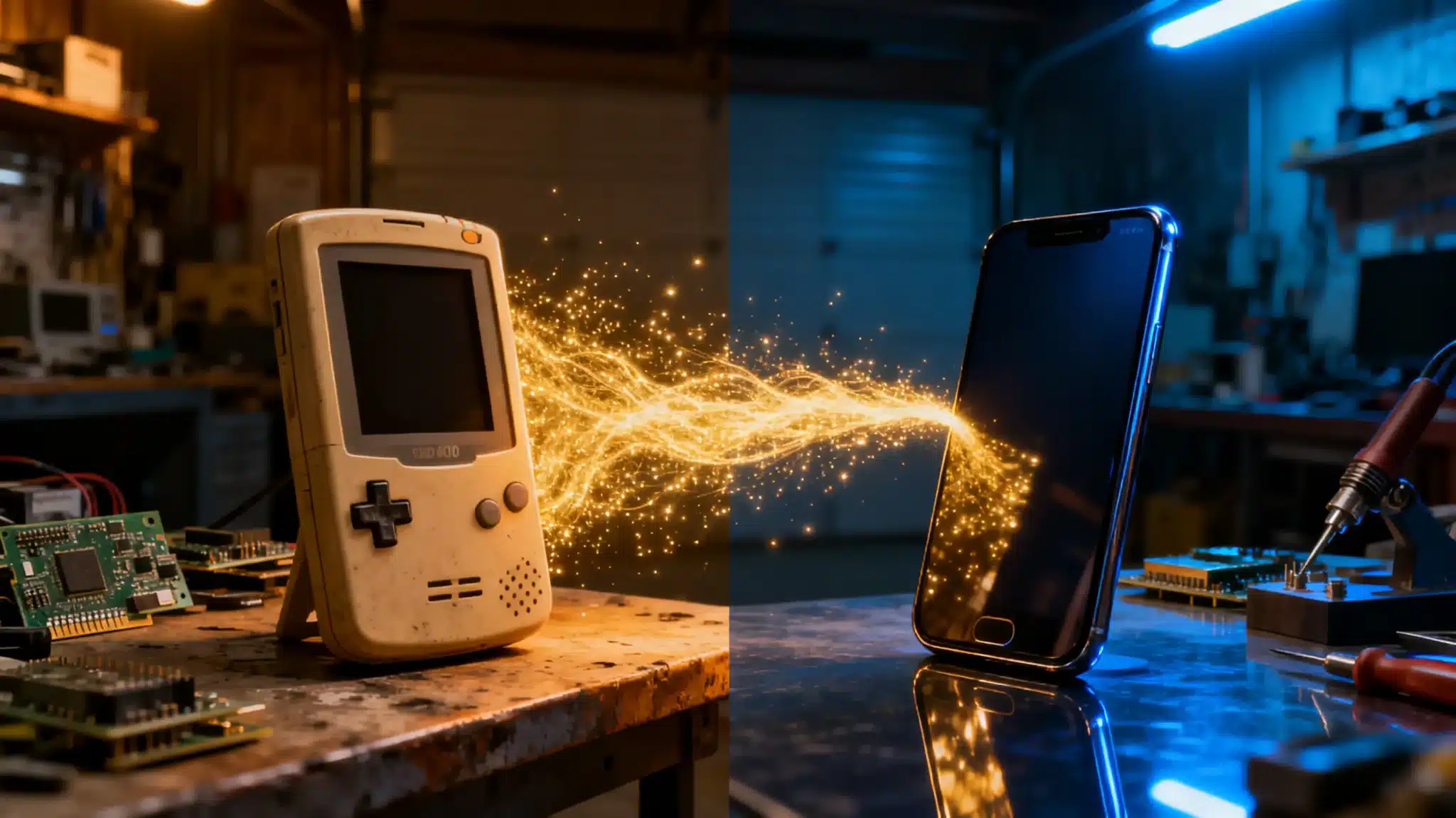

How a Forgotten Failure Became the Foundation of Modern Computing
In 1994, a secretive Silicon Valley startup launched a handheld device called the Magic Link. It featured a touchscreen, email, downloadable apps, and a cartoonish interface designed to organize your daily life. It was supposed to change the world, but instead, it flopped. The company, General Magic, went bankrupt, and its hardware was quickly relegated to the bargain bins of computer history. Yet, this spectacular failure serves as the direct blueprint for the smartphones, software ecosystems, and mobile networks we rely on today. Examining how this ahead-of-its-time venture collapsed reveals how the wreckage of yesterday’s ideas frequently forms the bedrock of modern technology.
The Bold Vision of a Pocket-Sized Future
General Magic was born out of a simple, radical question asked by hardware engineers in the early 1990s: What comes after the personal computer? The answer they envisioned was a small, personal communicator that could fit into a pocket. To achieve this, they assembled a team of legendary programmers and designers, including the creators of the original Macintosh. They set out to build not just a piece of hardware, but an entire ecosystem from scratch.
To understand how radically advanced their prototype was compared to the clunky desktop computers of the era, consider the core features they successfully built into their system:
- Touchscreen-first interface: Users navigated the screen using a stylus or finger, interacting with an on-screen desk, a filing cabinet, and a hallway of “rooms” representing different applications.
- Software agents: The operating system used an object-oriented language called Telescript, which allowed tiny programs to travel across phone lines to perform tasks like finding cheap airline tickets.
- On-screen emojis: Decades before mobile texting made icons universal, developers designed custom, expressive graphics to help users convey emotion in electronic messages.
- Expansion slots: The device supported expandable memory and plug-in modems, anticipating the modular expansion of modern mobile hardware.
Why the World Wasn’t Ready in 1994
Having a brilliant idea is only half the battle; timing and infrastructure dictate whether that idea survives. In 1994, the consumer internet as we know it did not exist. Most homes did not have email, and wireless networks were slow, expensive, and unreliable.
The Infrastructure Bottleneck
The Magic Link relied on traditional analog telephone lines to send and receive information. Users had to physically plug their devices into a wall jack to check their messages, a limitation that defeated the entire purpose of a portable communicator. Today, high-capacity networks have solved these limitations entirely. While early networks could barely support a simple text message, today’s high-speed infrastructure allows users to instantly access complex web applications, meaning anyone can effortlessly visit Slotoro in Canada and experience fluid, real-time interactive systems on a handheld device that ’90s engineers could only dream of.
The Market Miscalculation
The hardware was also prohibitively expensive. Selling a niche device for nearly eight hundred dollars during an era when the public was still trying to understand the utility of a basic home computer was a massive hurdle. Consumers simply could not justify the cost for a device that solved problems they did not yet know they had.
The DNA of Failure in Today’s Technology
Although General Magic closed its doors, its intellectual property and personnel did not vanish. The company essentially acted as a graduate school for the people who would go on to build the modern mobile era. When the startup dissolved, its engineers took their hard-earned lessons and scattered across the technology sector.
Reviewing the career paths of the company’s former employees highlights how directly this single failed venture shaped our current technology ecosystem:
- Tony Fadell (Co-creator of the iPod and iPhone): Fadell brought the concepts of pocket-sized, touch-based computing he developed at General Magic directly to Apple, where he led the teams that built the hardware that revolutionized the music and phone industries.
- Andy Rubin (Co-founder of Android): Rubin worked as a system software engineer at General Magic, where he absorbed the philosophy of creating an open, multi-device software platform—a philosophy that eventually became the basis for the world’s most widely used mobile operating system.
- Pierre Omidyar (Founder of eBay): Omidyar was an engineer at General Magic who watched the company struggle to build a closed electronic marketplace, inspiring him to create a simple, open, web-based auction site that succeeded where Telescript failed.
- Megan Smith (Third Chief Technology Officer of the United States): Smith worked on the product design team, later becoming a vice president at Google and eventually serving under President Obama to guide national technology policy.
What Modern Creators Can Learn
The story of this forgotten pocket computer is more than just an entertaining historical footnote. It serves as a reminder that failure is rarely the end of the road; rather, it is often a necessary phase of development. When an ambitious project falls apart, it leaves behind valuable blueprints, trained specialists, and a clearer understanding of what works. The next time you use your phone to send an emoji, download an app, or check your messages, you are utilizing ideas that were first tested—and failed—over thirty years ago.