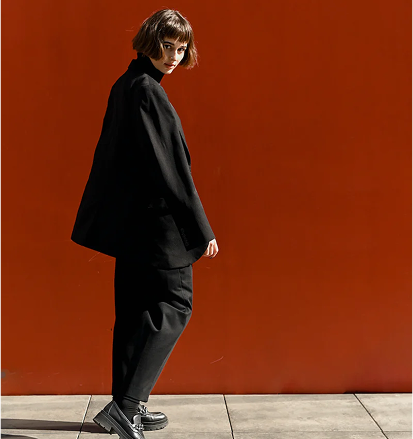



There is a moment most men can point to. The first time they wore something that actually fit. Not adjusted to fit. Not close enough to fit. Actually, properly, made-for-them fit.
Everything feels different. You stand differently. You move through a room differently. You are not thinking about the jacket bunching at the back or the trousers sitting wrong at the waist. You are just there, present, and completely comfortable in what you are wearing.
That moment is what the right suit does. And it goes much further than looking good in the mirror.
The Fit Conversation Nobody Has Early Enough
Most men are introduced to suits through hire racks and department stores. The sizing system works on averages. Chest measurement here, trouser length there. The result is a garment that fits the statistical middle of a range rather than the specific body wearing it.
For some men this works reasonably well. For most it produces a suit that is slightly off in several places simultaneously. The shoulders sit a fraction too wide. The chest pulls when buttoned. The sleeves hit the wrong point on the wrist. None of it is dramatic enough to send you back to the shop but all of it accumulates into a suit that looks like it belongs to someone else.
This is worth understanding because the discomfort is not imaginary and the visual signal it sends is not neutral. A poorly fitting suit reads as borrowed, uncomfortable, or simply unconsidered. A well-fitting one reads as deliberate. As confident. As someone who knows what they are doing.
The difference is not the price. It is the fit.
What Changes When the Suit Is Right
When a suit is made to your specific measurements something shifts that goes beyond the physical.
Psychologists who study the relationship between clothing and behaviour have a term for it: enclothed cognition. The idea is that the clothes we wear influence not just how others perceive us but how we think and perform. A suit that fits correctly and feels right tends to produce exactly the mental state you need for the occasions that demand it. Sharper. More present. More confident in taking up the space you are occupying.
This is not about vanity. It is about preparation. Athletes have warm-up rituals. Performers have pre-show routines. A man who puts on a suit that fits perfectly and knows it is doing something similar. He is preparing his mind for the occasion through the act of dressing for it.
The occasions where this matters most are also the ones where it is most worth investing in. Job interviews. First impressions with clients. Weddings. The moments that get remembered.
The Case for Going Custom
There is a reasonable argument that a well-tailored off-the-rack suit is sufficient for most needs. And for some men in some situations, it is.
But there is a ceiling to what alterations can achieve. A suit cut for a different body can be adjusted to fit better. It cannot be adjusted to fit correctly. The proportions, the construction, the way the fabric is meant to fall, all of it was designed around a different starting point. The alterations work within those constraints rather than beyond them.
A suit made from your measurements has no such ceiling. The shoulders are placed where your shoulders actually are. The chest is built around your chest. The trouser break falls where it should fall on your specific leg length. Nothing is compensating for a starting point that was never quite right.
Providers offering custom tailor suits built around individual measurements give clients something that off-the-rack buying structurally cannot: a garment that was designed for them rather than adjusted toward them. The fabric choices, the construction details, the silhouette, all of it reflects the person who will wear it rather than the average it was made for.
For a garment you will wear on important occasions for years, that distinction is worth paying attention to.
Colour, Fabric, and the Language of Intention
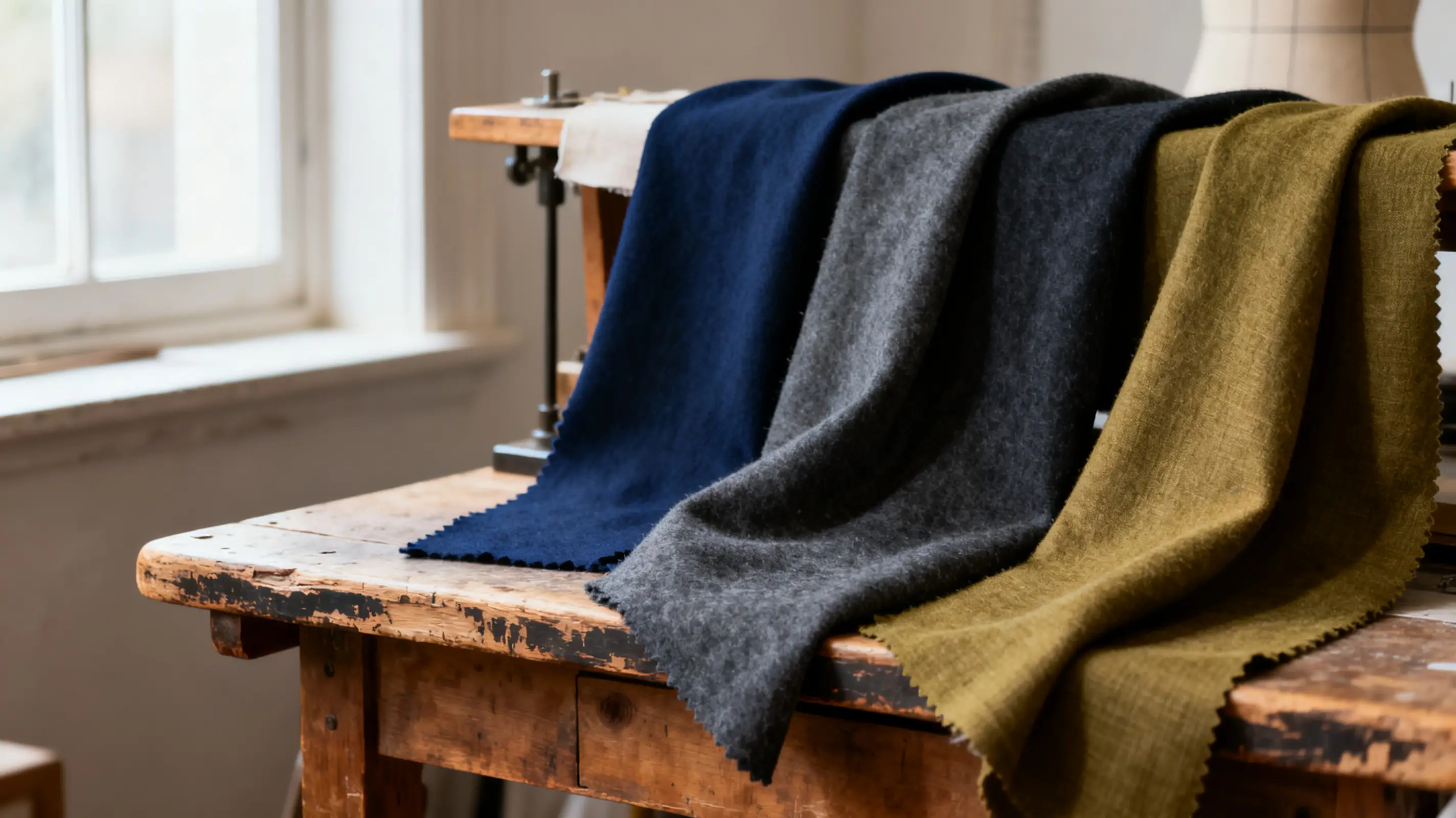
The suit that is right for you is not just about fit. It is about the choices that sit inside the fit.
Colour communicates before fabric and before cut. Dark navy reads as authoritative and approachable in equal measure. Charcoal reads as serious and precise. Earthy tones like warm grey, camel, and olive signal something more relaxed and contemporary. Bold choices like forest green, burgundy, and midnight blue communicate confidence and individuality. None of these is the correct choice for every person or every occasion. All of them are correct for someone in some context.
The question to ask is not what colour looks best in the abstract but what colour reflects how you want to show up in the specific situations you are dressing for.
Fabric carries the same logic. Wool is the foundation of suiting for good reason. It drapes well, it holds its shape, and it ages well when cared for properly. Linen and linen blends bring a relaxed quality that photographs beautifully in natural light and breathes in a way that heavier fabrics cannot. Tweed and flannel add texture and depth that suit cooler settings and more formal occasions. Each fabric choice is a decision about how the suit will feel, move, and read.
Making these choices deliberately rather than defaulting to whatever is available is the difference between a suit that happens to be on your body and one that is genuinely an expression of who you are.
The Occasions That Deserve It
Not every occasion requires a custom suit. Not every moment calls for the full weight of a considered outfit.
But some do. The occasions that matter, the ones you will remember and be remembered at, deserve the version of you that has thought about how to show up. A wedding where you will be photographed from every angle. A presentation where the room is forming an opinion before you speak. A milestone moment that you want to mark with something more than an off-the-rack afterthought.
These are the moments where the investment in a suit that actually fits and actually reflects your personal style pays back in a way that cannot quite be quantified but is immediately felt.
It Is How You Wear It. But It Starts With What You Wear.
Confidence is not something a suit gives you. It is something you bring. But the right suit makes it easier to bring.
When what you are wearing fits correctly, feels right, and reflects a deliberate choice, it removes the friction between you and the room you are walking into. The physical discomfort is gone. The self-consciousness about whether it looks right is gone. What remains is you, dressed for the occasion, ready to be present in it.
That is what the right suit actually changes. Not just how you look. How you show up.