



Not every sunscreen that claims to be gentle actually is. I have tested enough formulas to know that mineral sunscreen stands apart for a real reason.
It uses zinc oxide or titanium dioxide to physically block UV rays rather than absorbing into the skin, which makes it far better for reactive or sensitive skin.
But the texture, the white cast, the finish under makeup, all of that varies wildly from one product to the next. Picking the best mineral sunscreen means knowing what those differences actually feel like on your skin.
What Is Mineral Sunscreen and How Does It Work?
Mineral sunscreen uses zinc oxide or titanium dioxide as its active ingredients. These minerals sit on the skin’s surface and reflect UV rays before they can cause damage.
It is a physical barrier, not a chemical reaction. And that difference matters more than most people realize. Chemical sunscreens absorb into the skin and neutralize UV rays, whereas mineral formulas never penetrate the skin’s surface.
That makes them gentler, especially for skin that reacts easily. I find them more reliable too, because the protection starts the moment you apply them. No waiting period needed.
Mineral Sunscreen vs Chemical Sunscreen
Both block UV rays, but they do it in completely different ways. That difference shows up in texture, sensitivity, and the way your skin feels after wearing it all day.
| Feature | Mineral Sunscreen | Chemical Sunscreen |
|---|---|---|
| How it works | Sits on skin, reflects UV rays | Absorbs into skin, converts UV rays |
| Active ingredients | Zinc oxide, titanium dioxide | Avobenzone, oxybenzone, octinoxate |
| Best for | Sensitive, reactive, or acne-prone skin | Normal to oily skin types |
| White cast | Can leave a white cast | No white cast |
| Time to work | Works immediately after application | Needs 20 minutes to activate |
| Feel on skin | Can feel thicker or heavier | Lighter, more fluid texture |
| Reef safety | Reef-safe | Not reef-safe |
Once you see these differences laid out, the choice gets a lot clearer. Mineral is not always the easiest to wear, but for skin that needs gentler care, it is genuinely worth it. And for me personally, that tradeoff has always made sense.
What to Look for in a Mineral Sunscreen
Picking a mineral sunscreen is not just about the SPF number on the front of the bottle. There are a few things that actually determine whether a formula works for your skin or just sits uncomfortably on it.
- SPF 30 or higher: Anything below SPF 30 does not give enough daily protection against UVB rays.
- Broad-spectrum protection: This means the formula covers both UVA and UVB rays, not just one.
- Zinc oxide as the main active: Zinc oxide offers stronger, more stable protection than titanium dioxide alone.
- Non-comedogenic formula: This matters if you have acne-prone or oily skin and want to avoid clogged pores.
- Skin-friendly extras: Look for ingredients like niacinamide, hyaluronic acid, or aloe that support the skin barrier.
These points sound simple, but they genuinely narrow down your options fast. And once you know what to look for, finding a formula that works stops feeling so confusing.
Best Mineral Sunscreens to Try
I have gone through many formulas to put this list together, and every product here made the cut for a good reason. These are not just popular picks but ones that actually deliver on protection, texture, and wearability.
1. Summer Fridays ShadeDrops Broad Spectrum SPF 50
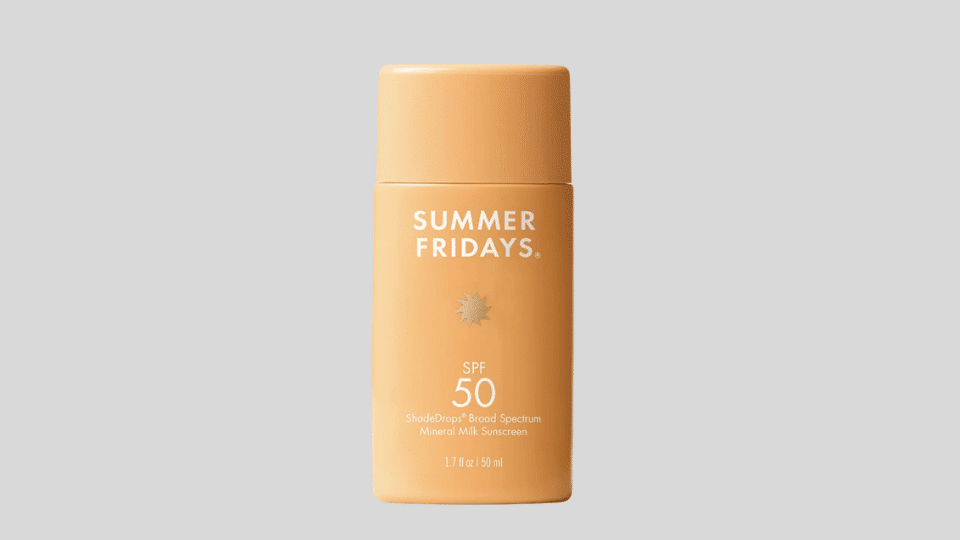
ShadeDrops has a serum-like texture that layers beautifully under makeup without pilling. It blends into the skin quickly and leaves a natural, skin-like finish that feels lightweight all day.
- Key Features: Serum-like consistency, fragrance-free, reef-safe, broad-spectrum SPF 50
- Pros: No white cast, comfortable for daily wear, pairs well with makeup
- Cons: On the pricier side, may not be matte enough for very oily skin
- Price Range: $38-$42
2. EltaMD UV Clear Broad-Spectrum SPF 46
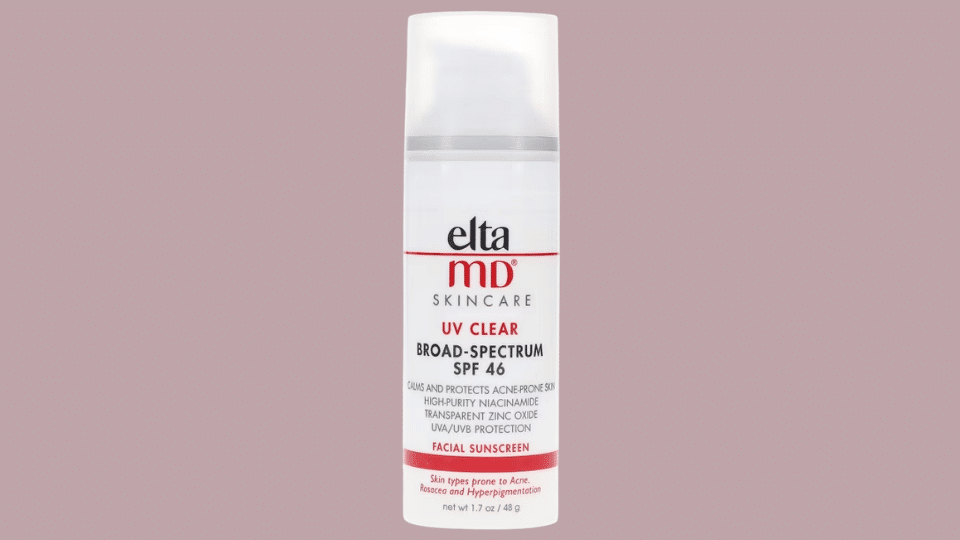
EltaMD UV Clear is one of the most recommended mineral sunscreens by dermatologists, and for good reason. It contains niacinamide, which helps calm redness and keeps acne-prone skin balanced throughout the day.
- Key Features: Contains niacinamide, oil-free, broad-spectrum SPF 46, fragrance-free
- Pros: Great for acne-prone and sensitive skin, lightweight feel, no white cast
- Cons: The pump bottle can dispense too much product at once
- Price Range: $40-$86
3. La Roche-Posay Anthelios Mineral Tinted Ultra-Light Fluid SPF 50
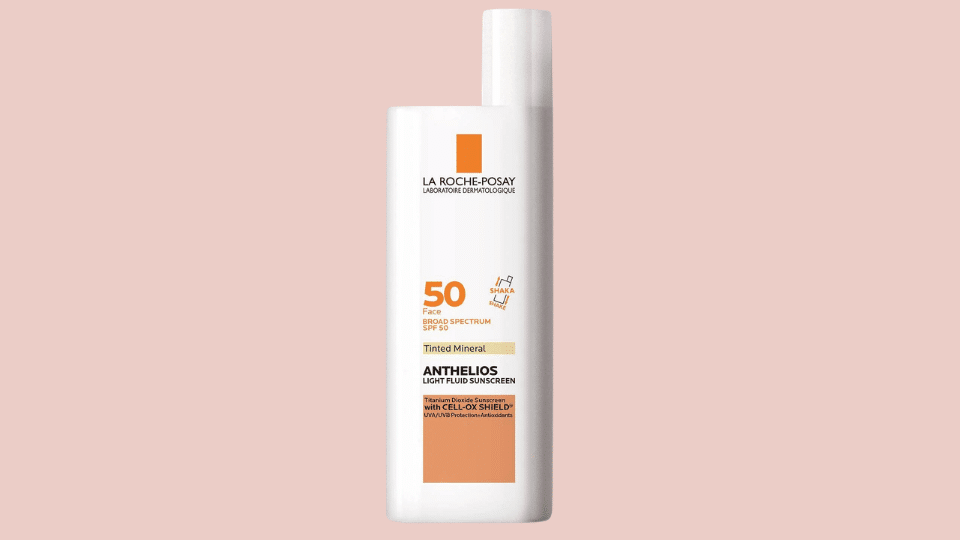
This tinted formula from La Roche-Posay evens out the skin tone while providing solid mineral protection. The ultra-light fluid texture makes it one of the most wearable options on this list.
- Key Features: Tinted finish, ultra-light fluid texture, broad-spectrum SPF 50, antioxidant-rich
- Pros: Evens skin tone, no heavy white cast, suitable for sensitive skin
- Cons: Only one universal tint shade, may not suit very deep skin tones
- Price Range: $32-$40
4. Colorescience Total Protection Face Shield Flex SPF 50
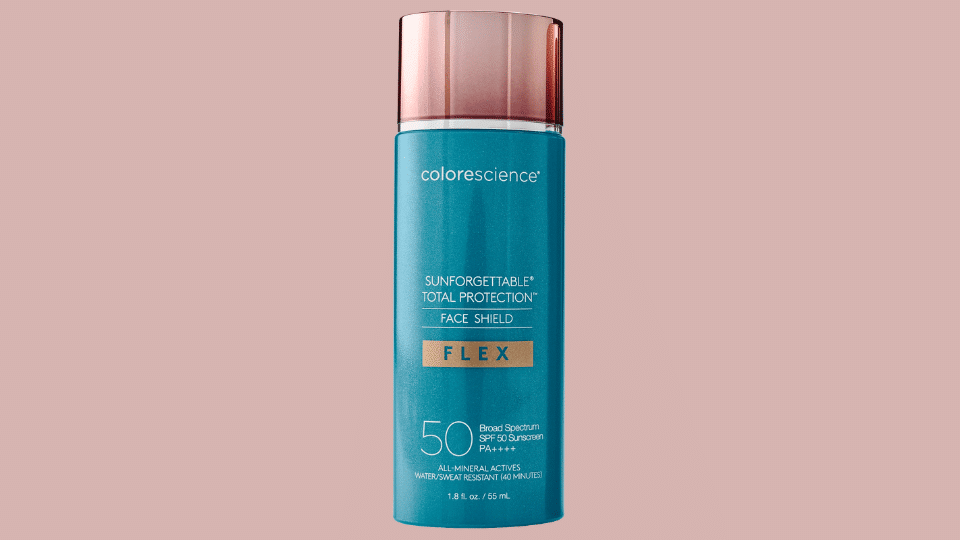
Colorescience Face Shield Flex is a tinted mineral sunscreen that adapts to different skin tones. It also includes pollution and blue light protection, making it a strong all-in-one daily option.
- Key Features: Flex tone-adapting tint, pollution and blue light protection, broad-spectrum SPF 50
- Pros: Adapts to multiple skin tones, multi-protection formula, smooth application
- Cons: Higher price point, finish may look too dewy on oily skin
- Price Range: $45-$62
5. Isdin Eryfotona Actinica SPF 50+
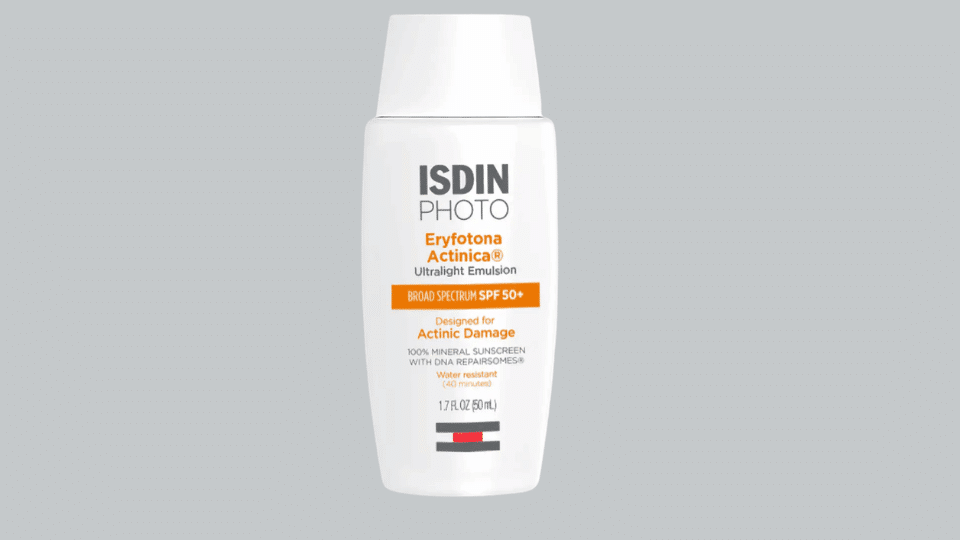
Eryfotona Actinica goes beyond sun protection by including DNA repair enzymes that help reverse existing UV damage. It has a fluid, almost invisible finish that works well as a daily wear option.
- Key Features: DNA repair enzymes, fluid texture, broad-spectrum SPF 50+, antioxidant blend
- Pros: Repairs existing sun damage, no white cast, dermatologist recommended
- Cons: Expensive for daily use, small bottle size
- Price Range: $70-$73
6. Kiehl’s Better Screen Miner-All UV Serum SPF 50
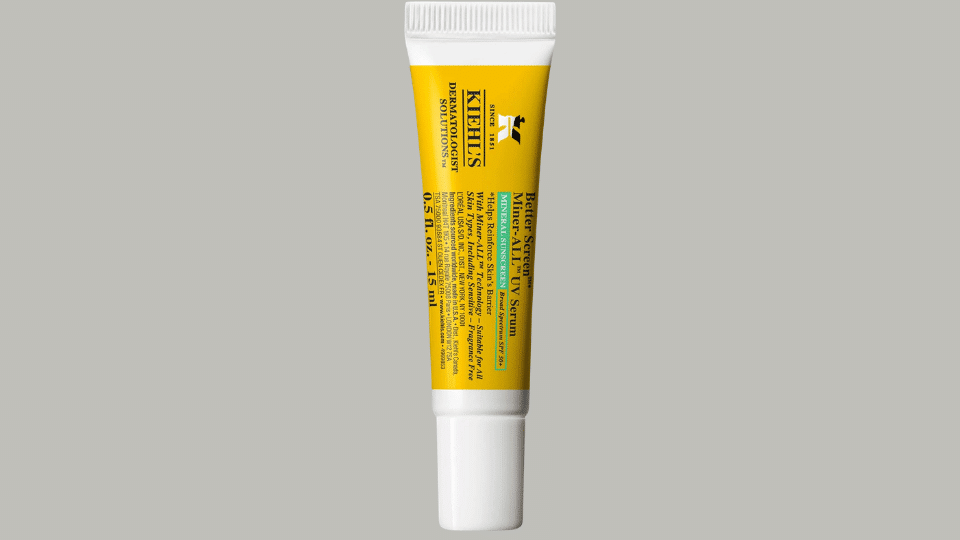
This serum-based formula from Kiehl’s combines mineral sun protection with skincare benefits in one step. It absorbs fast and leaves the skin looking healthy rather than coated.
- Key Features: Serum texture, mineral UV filters, broad-spectrum SPF 50, skin-barrier support
- Pros: Lightweight, absorbs quickly, good for layering under other products
- Cons: Premium price, limited availability in some regions
- Price Range: $22-$40
7. Supergoop! Mineral Mattescreen Broad Spectrum SPF 40
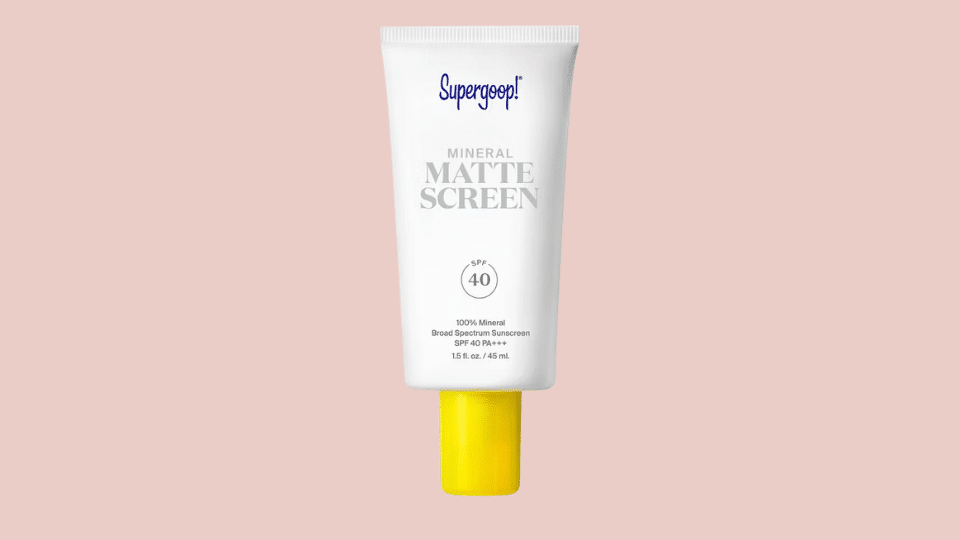
Mineral Mattescreen is built for oily and combination skin types that need a true matte finish. It blurs pores, controls shine, and holds up well throughout the day without feeling heavy.
- Key Features: Matte finish, pore-blurring formula, broad-spectrum SPF 40, reef-safe
- Pros: Controls shine effectively, works as a makeup primer, no greasy residue
- Cons: SPF 40 is slightly lower than others on this list, and can feel dry on already dry skin
- Price Range: $45-$80
8. SkinCeuticals Physical Fusion UV Defense SPF 50
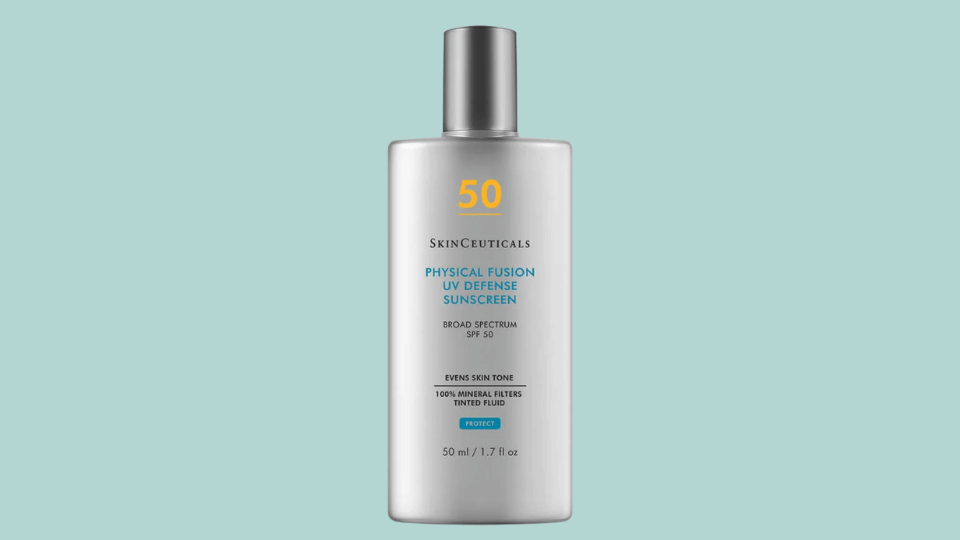
SkinCeuticals Physical Fusion is a tinted fluid that gives a natural radiant finish without looking overdone. It contains Artemia salina extract, which strengthens the skin against environmental stressors.
- Key Features: Tinted radiant finish, artemia salina extract, broad-spectrum SPF 50, lightweight
- Pros: Buildable coverage, antioxidant protection, elegant texture
- Cons: Very high price point, only available through select retailers
- Price Range: $42-$49
9. Blue Lizard Sensitive Mineral Sunscreen SPF 50
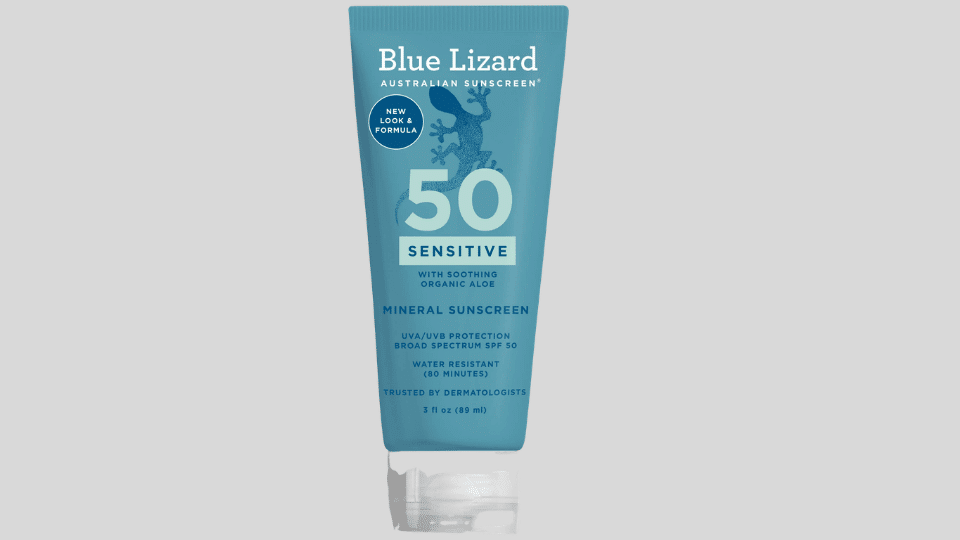
Blue Lizard Sensitive is a no-frills, high-performance mineral sunscreen built for very sensitive and easily irritated skin. It is free from fragrance, parabens, and chemical UV filters, keeping the formula clean and straightforward.
- Key Features: Fragrance-free, paraben-free, broad-spectrum SPF 50, reef-safe
- Pros: Affordable, great for very sensitive skin, widely available
- Cons: Thicker consistency, leaves a slight white cast on deeper skin tones
- Price Range: $15-$22
10. Australian Gold Botanical Mineral Tinted SPF 50
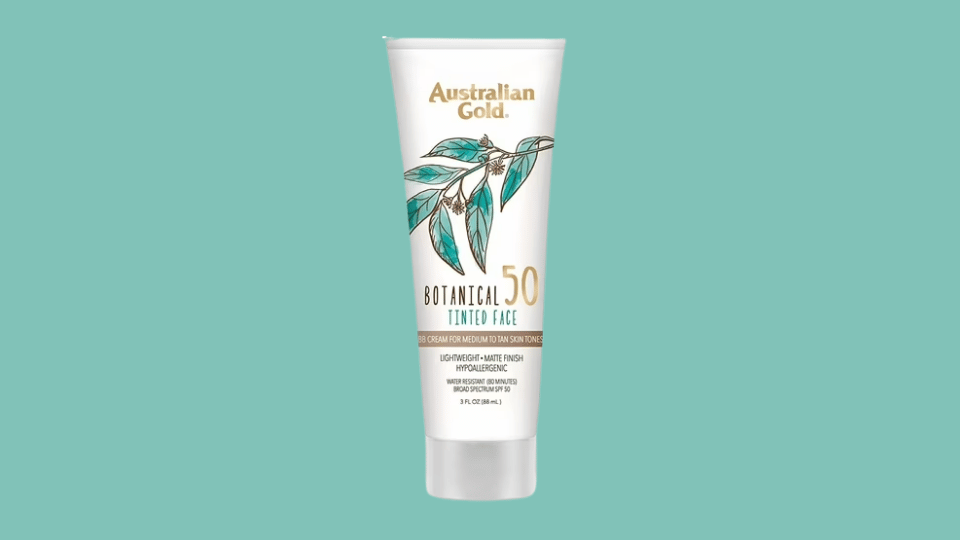
Australian Gold Botanical is one of the most accessible tinted mineral sunscreens on the market. It uses natural botanical extracts alongside zinc oxide and titanium dioxide for a clean, skin-friendly formula.
- Key Features: Botanical extracts, tinted finish, broad-spectrum SPF 50, cruelty-free
- Pros: Budget-friendly, pleasant texture, good for everyday use
- Cons: Tint may not blend perfectly on all skin tones, scent may not suit everyone
- Price Range: $18-$70
After going through all ten, it is clear that the top mineral sunscreens cover a wide range of skin types and budgets. From drugstore picks to dermatologist-grade formulas, there is a solid option here no matter what your skin needs.
Quick note: Prices are subject to change. Users are advised to check the official website for the most up-to-date information.
Best Mineral Sunscreen by Skin Type
Not every sunscreen works the same way on every skin type, and I think this fact gets overlooked far too often. Matching the right product to your skin type makes a bigger difference than most people expect.
| Skin Type | Best Pick | Why It Works |
|---|---|---|
| Sensitive Skin | Blue Lizard Sensitive Mineral Sunscreen SPF 50 | Fragrance-free, paraben-free, and free from chemical filters that trigger reactions |
| Oily Skin | Supergoop! Mineral Mattescreen Broad Spectrum SPF 40 | True matte finish, controls shine, and works as a pore-blurring primer |
| Dry Skin | Summer Fridays ShadeDrops Broad Spectrum SPF 50 | Serum-like texture that feels lightweight and never strips moisture |
| Acne-Prone Skin | EltaMD UV Clear Broad-Spectrum SPF 46 | Contains niacinamide, oil-free, and non-comedogenic without clogging pores |
| Combination Skin | Kiehl’s Since 1851 Better Screen Miner-All UV Serum SPF 50 | Absorbs fast, balances well across both dry and oily zones |
| Normal Skin | La Roche-Posay Anthelios Mineral Tinted Ultra-Light Fluid SPF 50 | Ultra-light fluid that sits comfortably and evens out skin tone |
| Mature or Sun-Damaged Skin | Isdin Eryfotona Actinica SPF 50+ | Includes DNA repair enzymes that help address existing UV damage |
| All Skin Types | SkinCeuticals Physical Fusion UV Defense SPF 50 | Radiant tinted finish with antioxidant protection that suits a wide range of skin |
Once you match the formula to your skin type, sunscreen stops feeling like a chore and starts feeling like a proper part of your routine.
How to Apply Mineral Sunscreen Correctly
Applying mineral sunscreen the right way matters just as much as picking the right formula. Most people use too little or skip reapplication, and that is where protection actually breaks down.
- Apply it last in your skincare routine: Mineral sunscreen works as a physical barrier, so it goes on after moisturizer and before makeup.
- Use a nickel-sized amount for the face: Most people underapply, and using too little cuts the SPF protection significantly.
- Pat it in rather than rub it in: Patting helps prevent pilling and keeps the mineral particles evenly distributed across the skin.
- Do not forget the neck and ears: These areas get just as much sun exposure as the face but are almost always missed.
- Reapply every two hours outdoors: Mineral sunscreen breaks down with sweat and sun exposure, so reapplication is non-negotiable.
Application is honestly one of those things that looks straightforward but makes a real difference in how well your sunscreen actually performs. And once you build these steps into your routine, it stops taking any extra effort at all.
Final Thoughts
Mineral sunscreen has genuinely gotten better, and the options available now make it easier than ever to find something that works for your skin.
The best mineral sunscreen is not one single product but the one that fits your skin type, your routine, and your budget. Every pick on this list covers real ground across different needs and price points.
Protecting your skin daily is one of the simplest things you can do for its long-term health.
Start with your skin type, narrow it down using the list above, and commit to wearing it consistently. Drop a comment below and tell me which one you are going to try first.
Frequently Asked Questions
Can I Use Mineral Sunscreen Daily?
Yes, mineral sunscreen is safe for daily use and provides effective protection against UVA and UVB rays.
Does Mineral Sunscreen Leave A White Cast?
Some mineral sunscreens may leave a slight white cast, but tinted or micronized formulas blend better on the skin.
Is Mineral Sunscreen Safe For Babies And Kids?
Yes, mineral sunscreens with zinc oxide or titanium dioxide are gentle and safe for babies’ and children’s sensitive skin.