

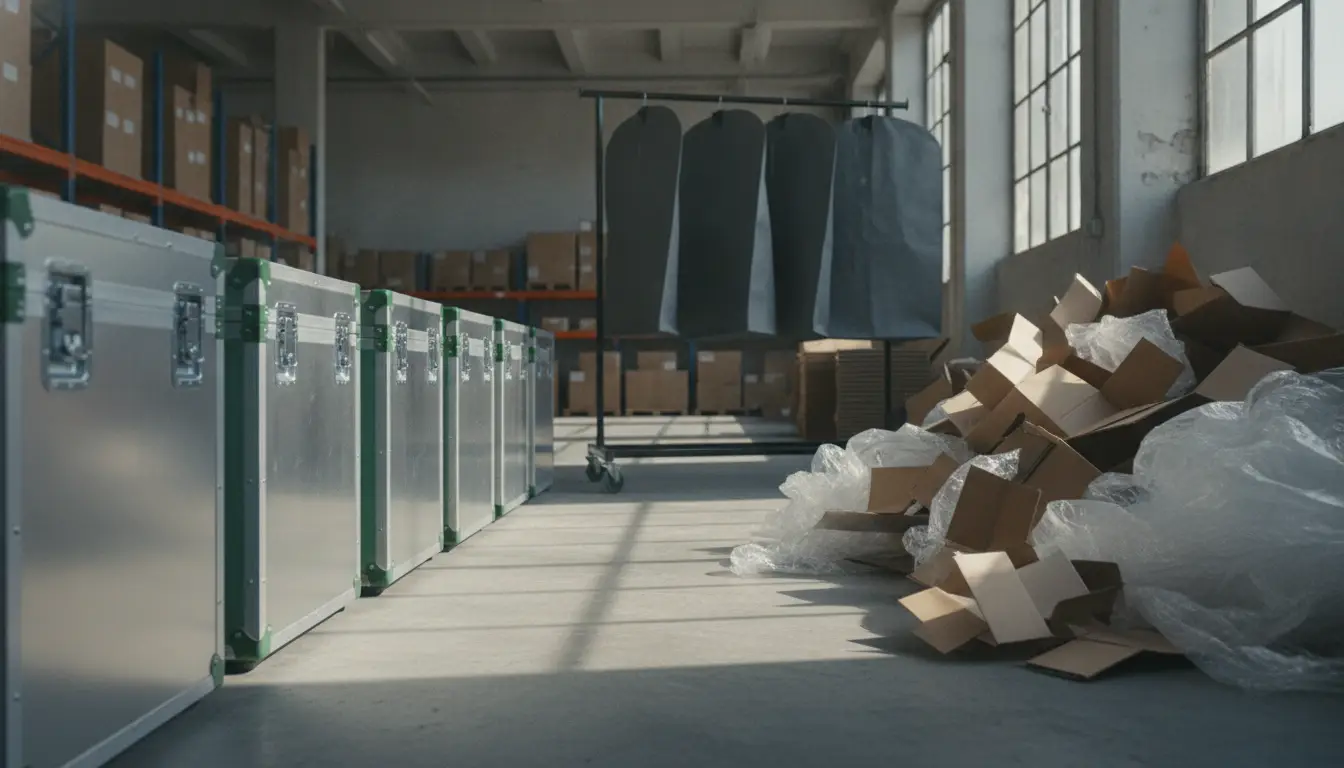

The conversational focus surrounding sustainable fashion regularly centers on organic cotton fields, biodegradable textiles, and ethical factory conditions. These elements are vital to the systemic overhaul of the garment industry. However, the carbon-heavy physical movement of collections remains an overlooked blind spot. The infrastructure that supports global runways, editorial shoots, and retail operations has a substantial environmental impact before a single consumer even wears a garment.
According to data, the global apparel sector generates an estimated 92 million tonnes of waste annually. While a large portion of this waste stems from discarded consumer garments, a considerable fraction is generated through supply chain operational inefficiencies, single-use shipping packaging, and transit damage. True ecological accountability requires fashion houses to expand their circular design principles beyond the garment rack. Circularity must be applied directly to the physical tools that transport fashion around the world.
The True Environmental Cost of Transit Vulnerability
Every season, high-end fashion brands move millions of dollars’ worth of delicate apparel, heavy audiovisual tech, and runway fixtures across global style capitals. The standard operational framework relies heavily on cardboard cartons, single-use plastic wrap, and low-grade storage bins to protect these assets during air and freight transit. This reliance on disposable packaging creates a linear waste stream that directly contradicts the core principles of circular fashion.
When transit packaging fails, the ecological cost compounds rapidly. A single damaged couture gown or broken backstage lighting setup means the energy, water, and raw materials used to create that asset are completely lost. Replacing a damaged asset doubles the carbon footprint of the production cycle.
Research indicates that energy use in the supply chain, particularly during wet processing and manufacturing, accounts for the highest concentration of carbon emissions in the apparel sector. When clothing or equipment is rendered unusable due to rough handling during flight or shifting sea freight, a brand must reinitiate this energy-intensive manufacturing process. Preventing transit damage through structural durability is one of the most direct ways to cut unnecessary industrial emissions.
Shifting From Disposable Packaging to Permanent Protection
To establish a genuinely green logistics strategy, fashion producers must adopt a “buy it for life” infrastructure model. This means replacing single-use cardboard and fragile plastic containers with high-grade, infinitely reusable transport units.
Heavy-duty equipment protection plays a critical role in this logistics shift. Utilizing a specialized flight case built from premium plywood and reinforced aluminum ensures that delicate staging tools, luxury wardrobe collections, and high-end photography setups remain perfectly secure throughout multiple global tours. These heavy-duty cases eliminate the need for endless rolls of plastic wrap and disposable boxes, providing a permanent, closed-loop transit solution.
The financial and ecological argument for this transition is clear. A standard cardboard shipping box might survive two or three trips before losing its structural integrity and ending up in a landfill. An industrial-grade transport box can endure decades of rigorous travel, enduring thousands of airport luggage systems and freight hulls. By prioritizing material longevity in transport gear, fashion houses drastically lower their total lifecycle waste footprints.
Circularity Behind the Runway Curtain
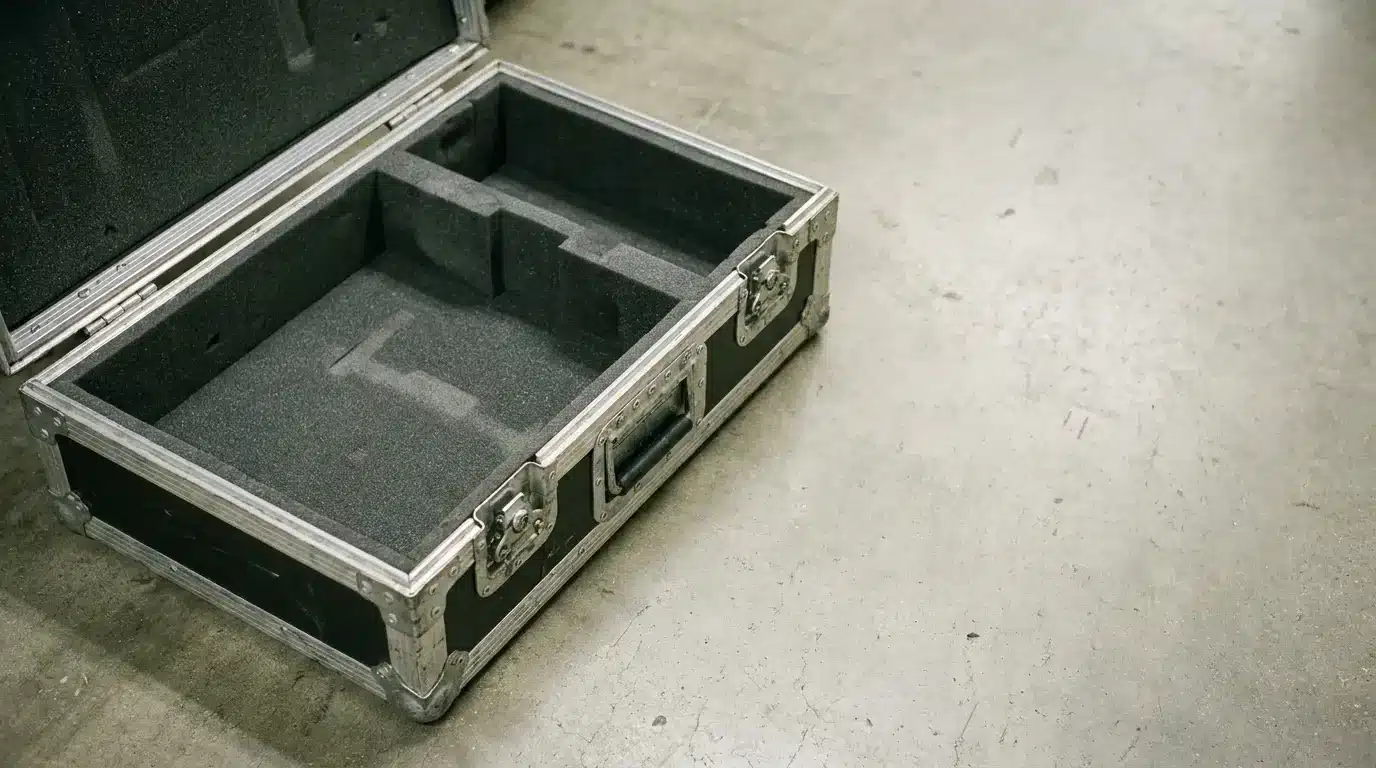
The backstage environment of an international fashion show is a fast-paced, high-pressure operation. Dozens of technicians, stylists, and production assistants must coordinate lighting, sound, makeup, and wardrobe adjustments in minutes. In this chaotic atmosphere, equipment damage is common when gear lacks proper structural protection.
Investing in permanent, heavy-duty mobile storage units changes this dynamic completely. Custom internal foam padding layouts shield sensitive digital tools, high-end cameras, and luxury fabrics from impact, dust, and moisture. Instead of treating transit boxes as an afterthought, top-tier production teams now view their transport hardware as an extension of their environmental values.
Standardized, heavy-duty transport gear simplifies the loading and stacking processes in shipping containers and cargo planes. Proper weight distribution and stable stacking maximize spatial efficiency inside transit vehicles, reducing the total number of trips required to move a production. This space optimization reduces fuel consumption, thereby lowering Scope 3 transport emissions.
Quantifying the Lifecycle of Supply Chain Hardware
To understand why structural longevity is the definitive metric for sustainable logistics, fashion houses must conduct rigorous lifecycle assessments of their back-of-house equipment. A standard single-use approach relies on constant replacement cycles. This continuous loop of manufacturing, transporting, and discarding low-grade packaging material consumes vast quantities of energy and petroleum.
When a fashion house switches to long-lasting equipment transport solutions, the demand for raw materials drops to zero for years at a time. The carbon investment required to produce a single heavy-duty exterior shell is offset within its first year of multi-city deployment. Over a ten-year timeline, that single unit prevents thousands of pounds of cardboard, plastic film, and polystyrene foam from choking regional waste management facilities.
Furthermore, true circular design means that when a high-grade transport container eventually reaches the end of its functional life, its constituent parts can be disassembled. High-grade aluminum edging can be melted down and recycled indefinitely without losing structural integrity. Heavy plywood panels can be repurposed or cleanly processed. This contrasts sharply with cheap plastic storage bins, which degrade quickly under thermal stress, crack during rough transit, and cannot be easily recycled due to composite polymer formulas.
Mitigating Risk in High-Value Editorial Production
Beyond the immediate environmental advantages, durable transport infrastructure addresses a critical operational risk for creative teams. High-fashion campaigns frequently require international travel to remote locations. Moving delicate cameras, high-output lighting systems, and irreplaceable archive garments to extreme environments introduces severe logistical vulnerabilities.
Moisture infiltration, dust contamination, and violent physical vibration during off-road travel can instantly ruin sensitive production tools. A single hardware failure on a remote set delays production, racking up immense financial losses and wasting the carbon investment of flying a full crew to the location. Using specialized external casings eliminates these specific operational failure points.
Waterproof seals, shock-absorbing internal mounts, and heavy-duty latching mechanisms keep essential assets fully operational, regardless of external environmental conditions. By eliminating the risk of gear failure, fashion brands stop the wasteful cycle of emergency hardware replacement, courier shipments, and redundant travel. Reliability on set is not merely a matter of convenience; it is a fundamental pillar of efficient resource management.
Aligning Supply Chain Realities With Brand Identity
The modern fashion consumer is increasingly sophisticated, looking past superficial marketing campaigns to evaluate a brand’s authentic supply chain footprint. When luxury labels claim environmental leadership on the runway but continue to generate piles of plastic and crushed cardboard waste behind the scenes, a stark disconnect occurs. Corporate consistency requires that a brand’s sustainability narrative align with its actual back-of-house practices.
Implementing high-grade logistics infrastructure provides a visible, measurable indicator of a company’s systemic commitment to zero-waste principles. It shows that environmental responsibility influences every single corporate procurement choice, from textile selection to freight protection. These operational choices create a corporate culture focused on eliminating waste and caring for assets.
As global regulatory frameworks tighten around corporate climate reporting, the fashion industry faces intense scrutiny regarding greenwashing. Brands can no longer satisfy consumers by simply using recycled polyester or organic fibers in their seasonal collections while ignoring the massive carbon footprint of their logistical operations.
True sustainability is rooted in structural longevity. A product or tool that lasts for twenty years is inherently more sustainable than an item made from recycled waste that breaks in six months. By applying this rigorous philosophy to back-of-house logistics, fashion companies can create a highly efficient, waste-free operational model.
Transitioning to high-quality, permanent transport containers protects valuable artistic creations while sending a clear signal to the industry. It proves that a brand understands sustainability as a holistic commitment, covering every phase of an item’s journey from the design studio to the global runway. Material choices matter immensely, and prioritizing durability over cheap convenience is the definitive way forward for forward-thinking fashion logistics.