


Fashion can be sustainable and stylish at the same time. Upcycling fashion is transforming our perspective on clothing and the environment.
Old jeans and outdated shirts don’t need to go in the trash. This creative practice keeps clothing out of landfills while letting you express your personal style.
Simple repairs and complete garment redesigns are both part of this sustainable fashion movement.
Anyone can start upcycling with basic tools and a little creativity. The fashion industry generates massive waste, but upcycling offers a more sustainable solution.
Worn clothes get new life, costs stay low, and each piece becomes one-of-a-kind.
What Is Upcycling Fashion?
Upcycling in fashion involves turning old clothes or fabric scraps into new and improved pieces. Worn-out clothing gets a second life through creative redesign.
Upcycling is different from recycling. Recycling breaks down materials completely, but upcycling preserves the original fabric, making it even more special.
This helps the planet by keeping clothes out of the trash. Many fashion designers now use upcycling to make one-of-a-kind pieces.
People can upcycle at home or buy upcycled clothes from designers. This practice saves money and reduces waste.
Old fabrics get a new purpose rather than ending up in landfills. Upcycling lets people express their creativity while making fashion choices that are good for the environment.
Why Upcycling Matters for the Planet
Upcycling is more than just a trend. It makes a real difference in our world. From protecting the environment to supporting local communities, upcycling creates positive change.
It saves money, reduces waste, and lets people express their unique style while helping the planet.
1. Environmental
Upcycling keeps old clothes out of landfills and reduces pollution. Making new clothes uses lots of water and energy, but upcycling reuses materials that already exist.
Every upcycled item saves natural resources like cotton and clean water. Small changes, like turning old shirts into tote bags, help protect our planet.
2 . Social
Upcycling brings communities together through workshops where people learn sewing and crafting skills. Local artists earn money creating beautiful items from old materials.
This movement supports fair treatment of workers and offers a kind alternative to fast fashion made in poor factory conditions.
3. Economic
Upcycling helps people save money by turning old clothes instead of buying new ones. Small business owners can start upcycling shops without expensive factories or machines, making it easier to earn income.
More affordable fashion options become available for everyone in the community through creative reuse.
4. Creative/Cultural
Every upcycled piece is one-of-a-kind and tells its own story. Personal style shines through mixed patterns, added patches, and combined fabrics.
Many cultures have practiced upcycling for hundreds of years. Modern upcyclers blend traditional techniques with new ideas to keep cultural traditions alive.
Key Upcycling Terms to Know
Understanding upcycling means learning some important fashion terms. These words help explain the various ways people create, repair, and reuse clothing in an eco-friendly manner.
1. Sustainable Fashion

Sustainable fashion refers to the practice of making and buying clothes that don’t harm the environment or people.
It focuses on using eco-friendly materials and ethical practices.
Example: A brand that uses organic cotton and pays its workers fair wages.
2. Upcycled Clothing
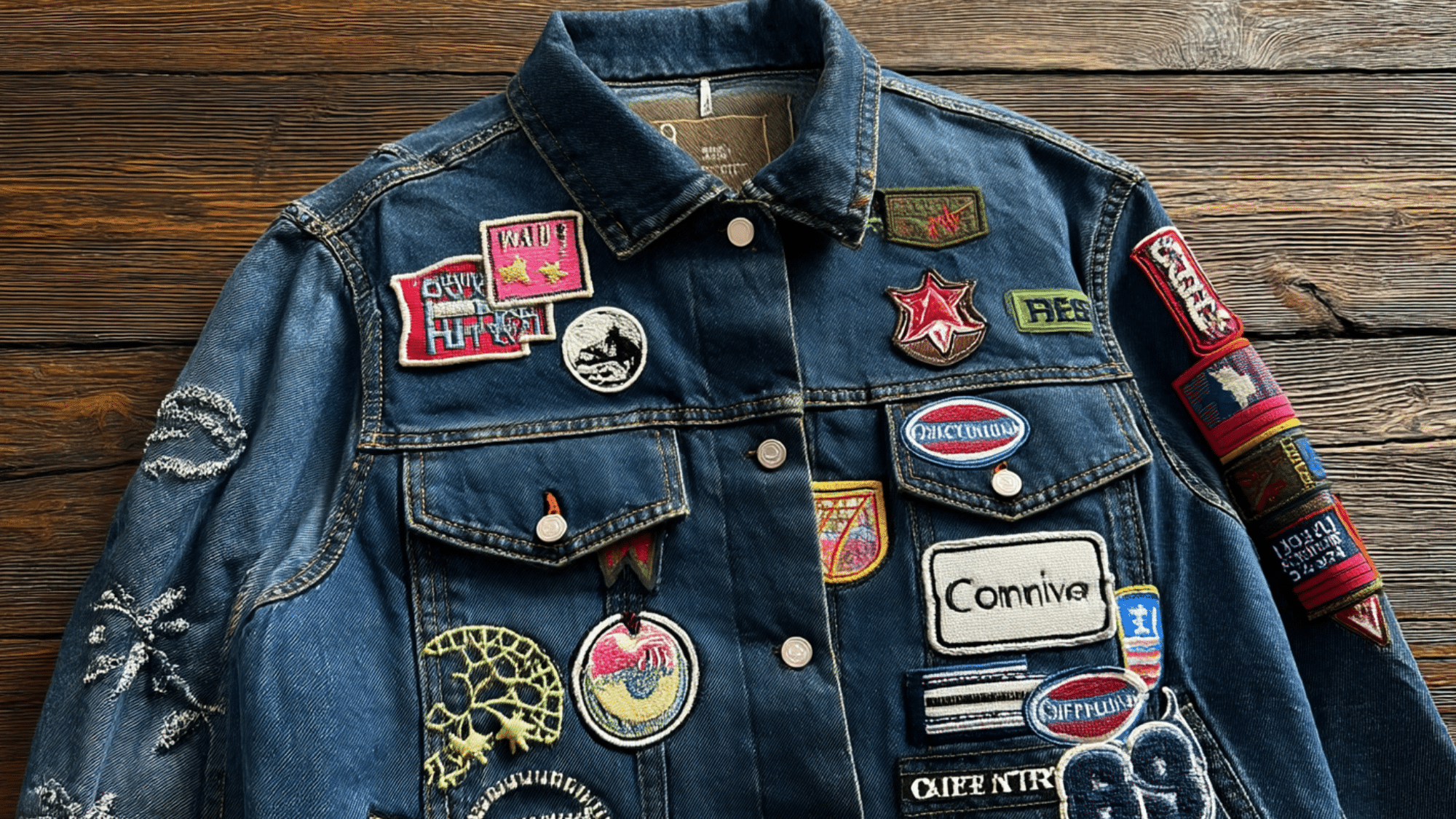
Upcycled clothing is made from old or discarded fabrics, turning them into new, wearable pieces. The original material takes on a fresh purpose and a new design.
Example: An old denim jacket redesigned with added patches and embroidery.
3 . Circular Fashion
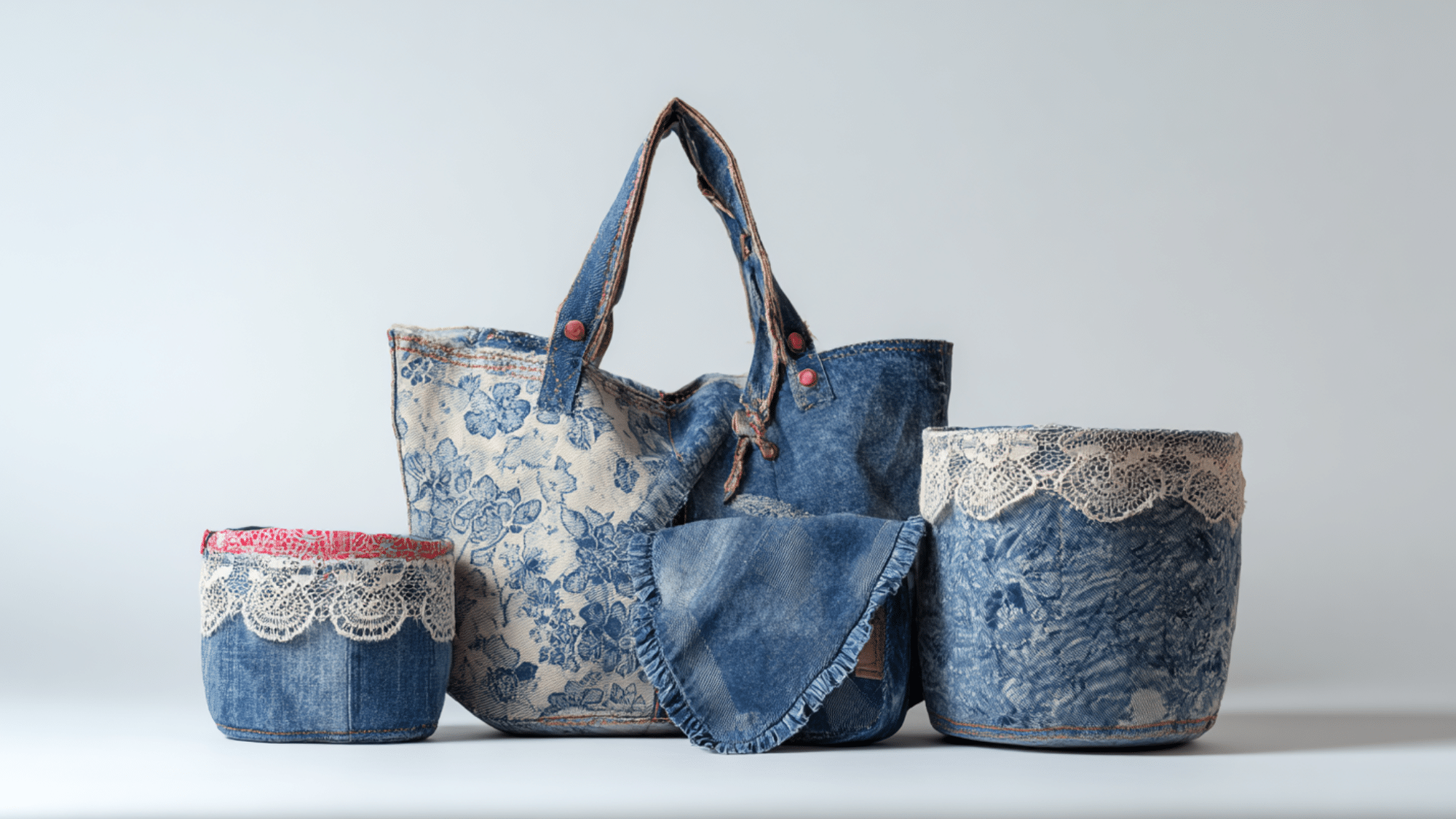
Circular fashion is a system where clothes are designed to be reused, repaired, or recycled rather than thrown away. Nothing goes to waste.
Example: A company that takes back old jeans to remake them into new products.
4. Visible Mending

Visible mending is the practice of repairing clothes in a decorative manner that showcases the repair work rather than hiding it.
Example: Using colorful thread to patch a hole in a sweater, creating a beautiful design.
5. DIY Clothing
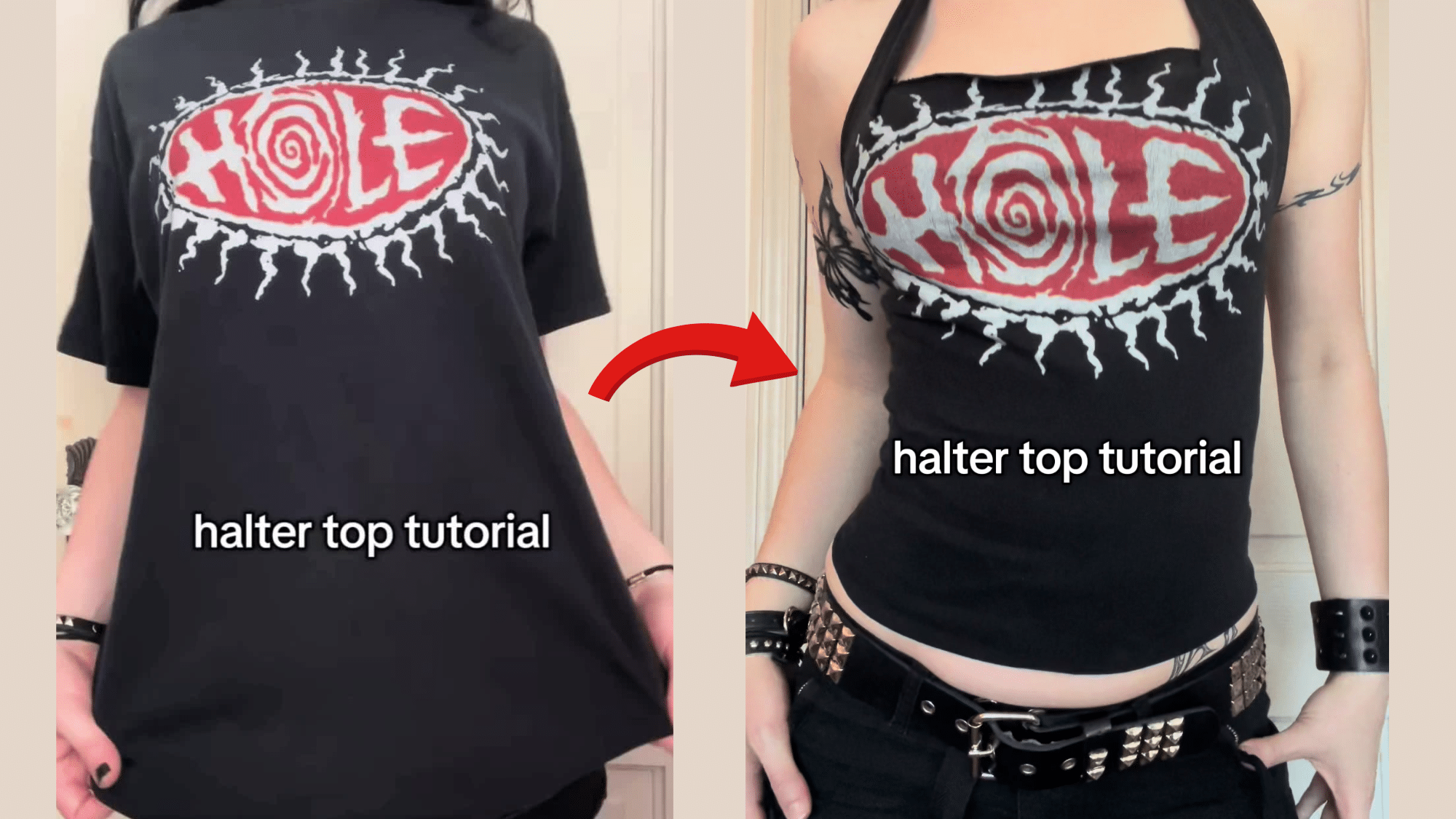
DIY clothing is creating or modifying your own clothes at home with basic tools and creativity. You become your own fashion designer.
Example: Cutting an old t-shirt into a crop top or adding buttons to a plain shirt.
Materials & Garments Best for Upcycling
Denim is a top choice for upcycling because it’s strong and easy to cut and sew. Old jeans can be turned into bags, skirts, or patches.
Cotton t-shirts are great for beginners since they’re soft and simple to work with.
Sweaters made from wool or knit fabrics can be turned into cozy accessories. Leather jackets and belts can last a long time and retain their stylish appearance even after being redesigned.
Button-up shirts offer lots of fabric to work with. Vintage curtains, bedsheets, and tablecloths also make excellent upcycling materials.
Quality, durable fabrics work well for upcycling because they can withstand cutting, stitching, and being changed into new designs.
Heavy fabrics, such as canvas, hold their shape nicely when repurposed.
Techniques & Approaches
Upcycling involves a range of skills and methods to turn old clothing. Learning these techniques helps you create amazing pieces while reducing waste.
- Alterations are basic changes, such as tapering pants, hemming lengths, adding darts for shape, and resizing garments to fit.
- Deconstruction means taking clothes apart and reassembling them through paneling or pattern hacking.
- Surface refresh adds visual interest through overdyeing, natural dyes, printing, embroidery, and appliqué.
- Repair techniques include visible mending, darning holes, and patching worn areas.
- Zero-waste patterns utilize every fabric scrap without discarding anything. Modular components are removable pieces that let one garment transform into multiple styles.
Each technique offers creative ways to reimagine old clothes.
How to Start Upcycling
Starting your upcycling journey is easier than it seems with the right tools and approach.
Sort closet items into “repair,” “alter,” and “rework” piles. Gather needles, thread, seam ripper, fabric scissors, and an iron.
Start with simple one to two-hour projects like cropping shirts or patching jeans. Find affordable materials at thrift stores, swap meets, or fabric sales
1. Turn Old Jeans into a Tote Bag
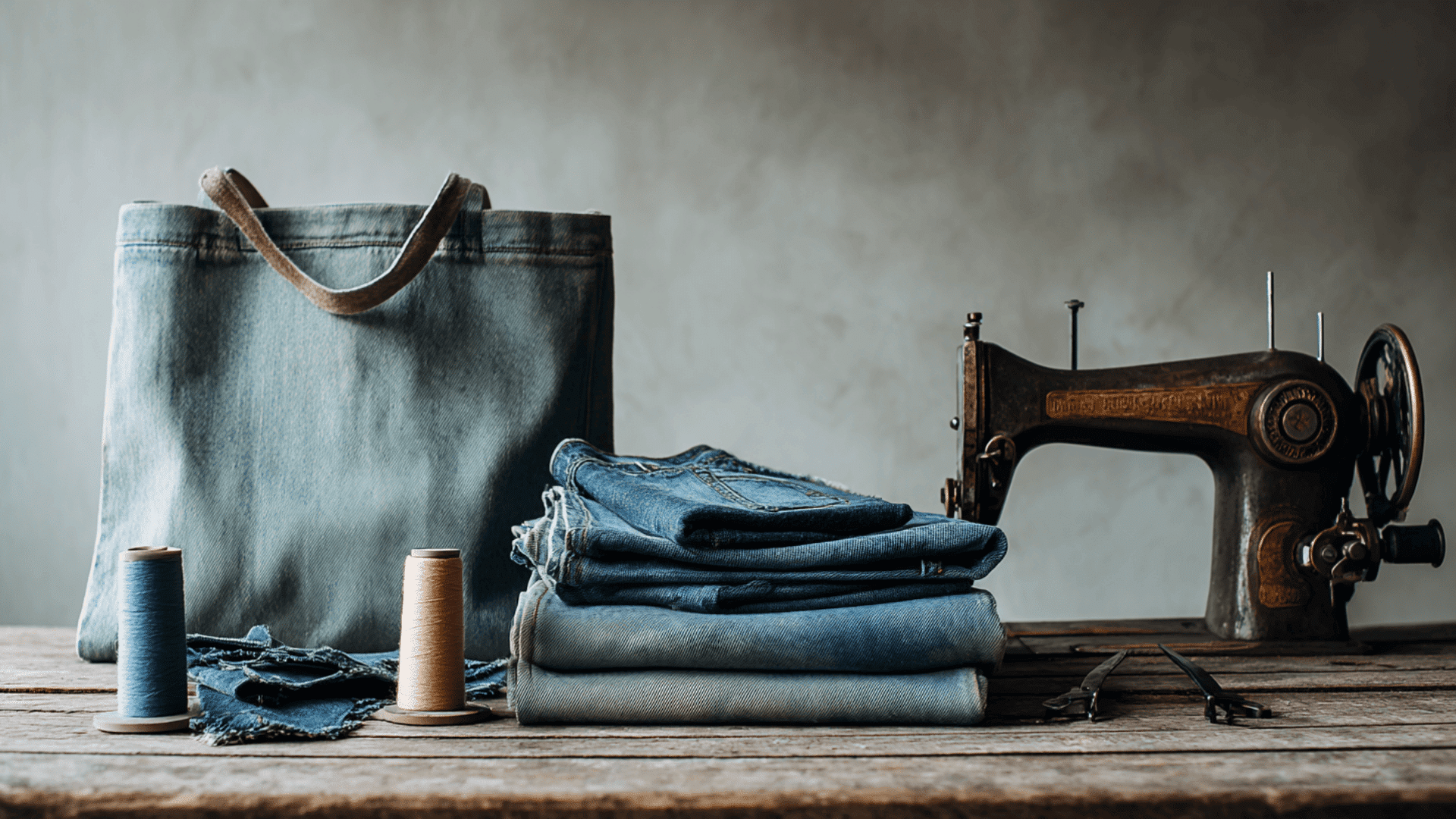
Step 1: Cut off the jeans’ legs just below the crotch seam and turn the jeans inside out.
Step 2: Sew the bottom opening closed using a straight stitch to create a flat base for your bag.
Step 3: Turn right-side out and attach rope or fabric straps through the existing belt loops. The pockets provide storage for a phone and keys.
2. Make a Large Shirt into a Crop Top
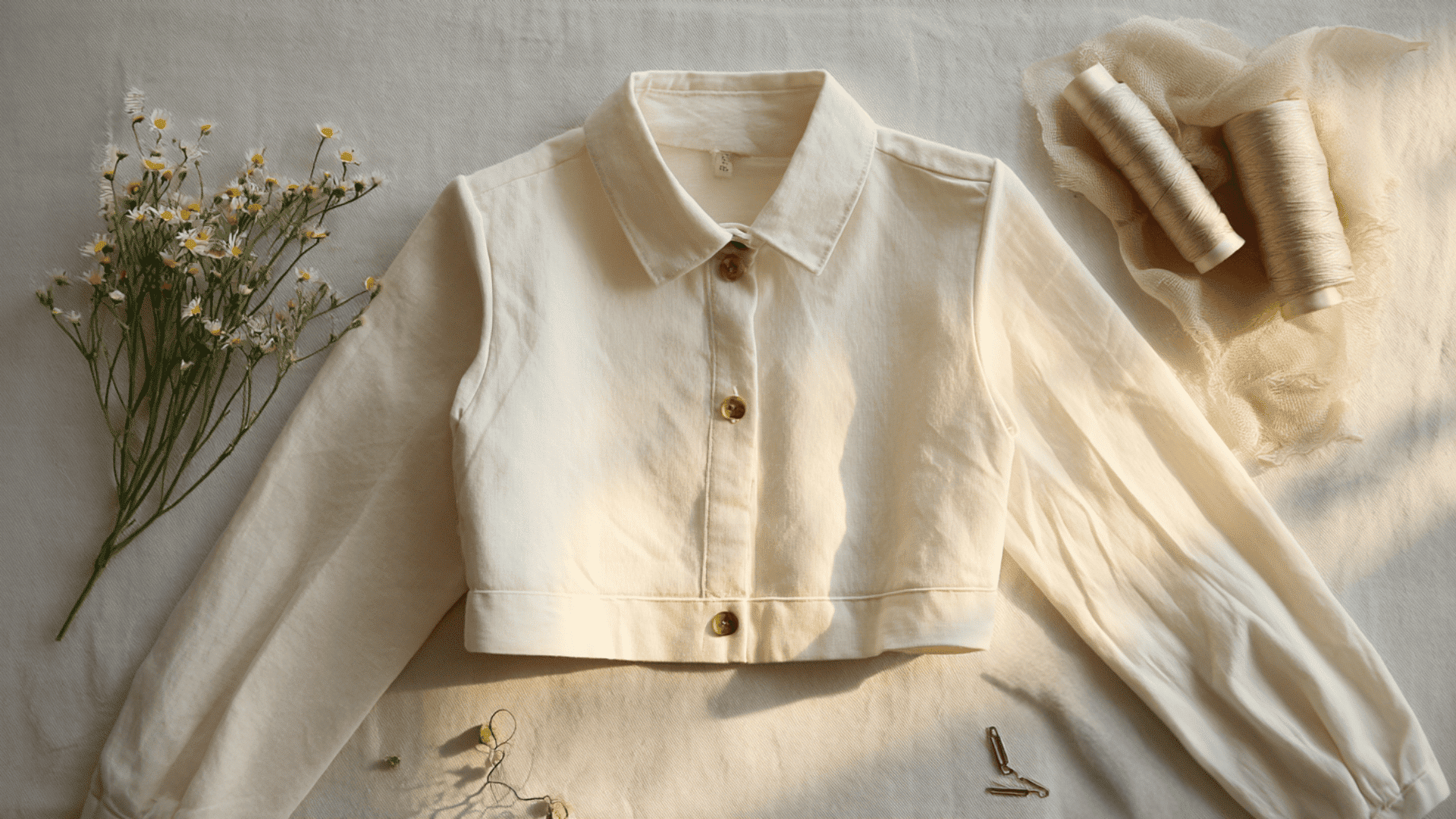
Step 1: Put on the oversized shirt and mark where the new hem should fall with chalk or pins.
Step 2: Cut straight across about one inch below your marks to allow room for hemming.
Step 3: Fold the raw edge up half an inch, fold again, and sew along the fold for a clean finish.
Upcycling Influencers & Brands to Follow
Many talented designers and influencers are leading the upcycling movement. These creators demonstrate how old clothes can be transformed into stylish, sustainable fashion that makes a genuine impact.
1. Samata Pattinson
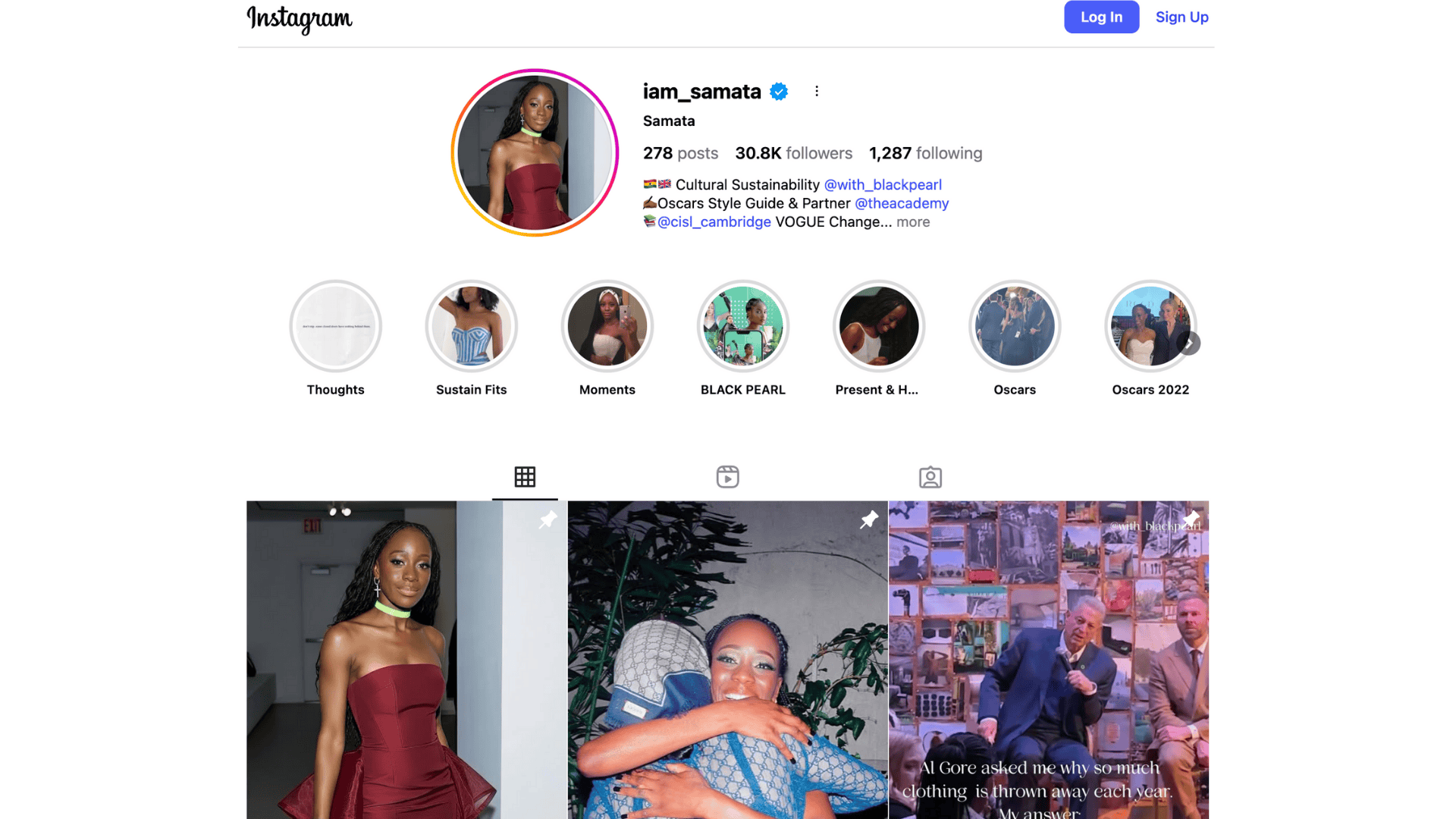
Samata Pattinson teaches people how to upcycle and repair their clothes through simple tutorials. She shares practical social media tips anyone can follow.
Her easy guides make sustainable fashion accessible to everyone. Samata shows how to transform old garments into stylish new pieces without complicated steps.
2. Yvonne and Mitchel
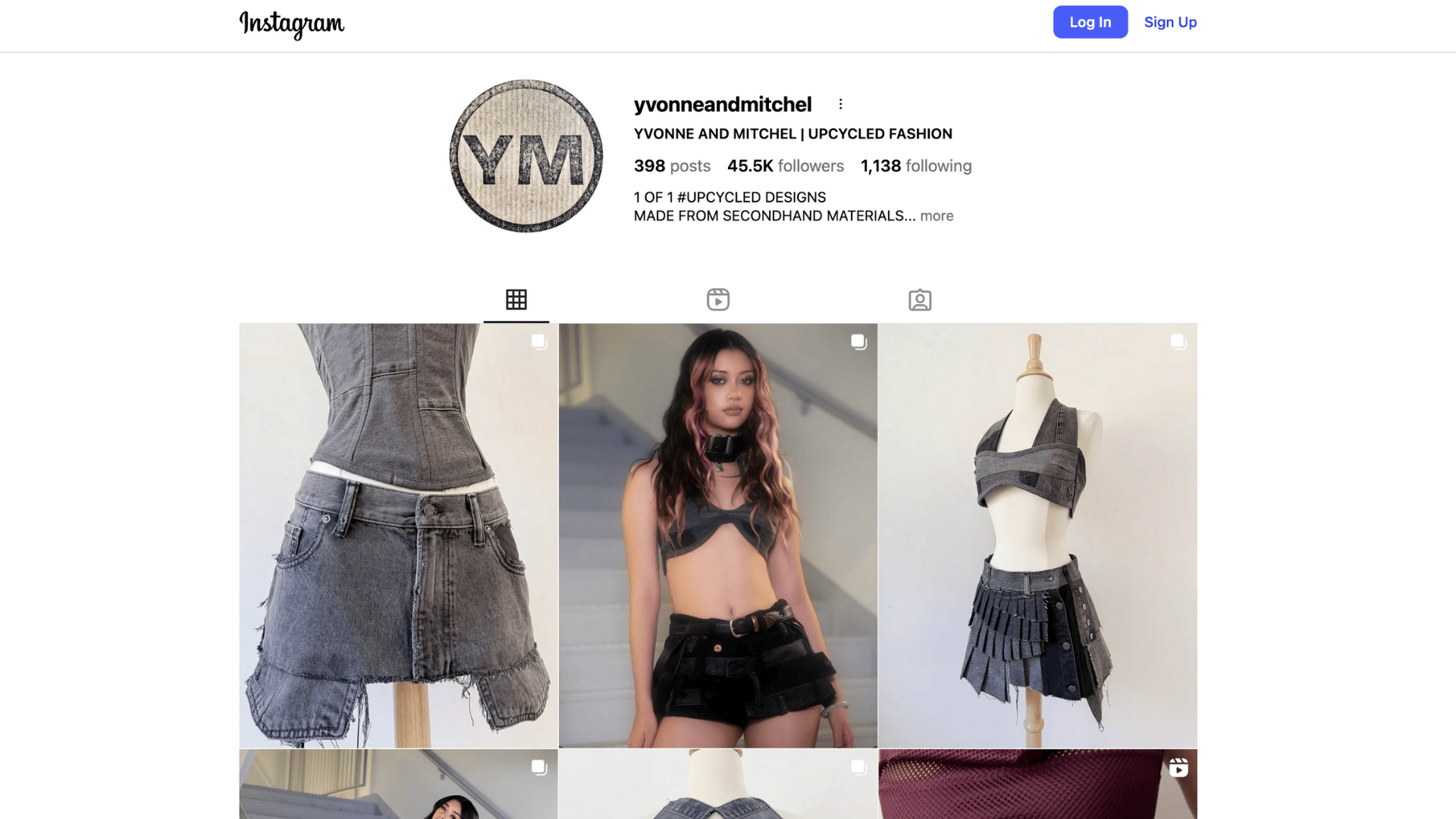
Yvonne and Mitchel transform discarded materials into bold wearable art. Their innovative designs challenge traditional fashion while respecting the environment through sustainable practices.
Their artistic approach blurs the line between high fashion and contemporary art. Each piece demonstrates that upcycled clothing can be both creative and environmentally conscious.
3. AW EXCLUSIVES

AW Exclusives reworks vintage and secondhand garments into contemporary fashion pieces. Every item is handcrafted and completely original, celebrating individuality through one-of-a-kind designs.
Their detailed craftsmanship and attention to quality shine in every piece. AW Exclusives proves sustainable style can be unique and beautifully made without mass production.
4. Out of line vintage
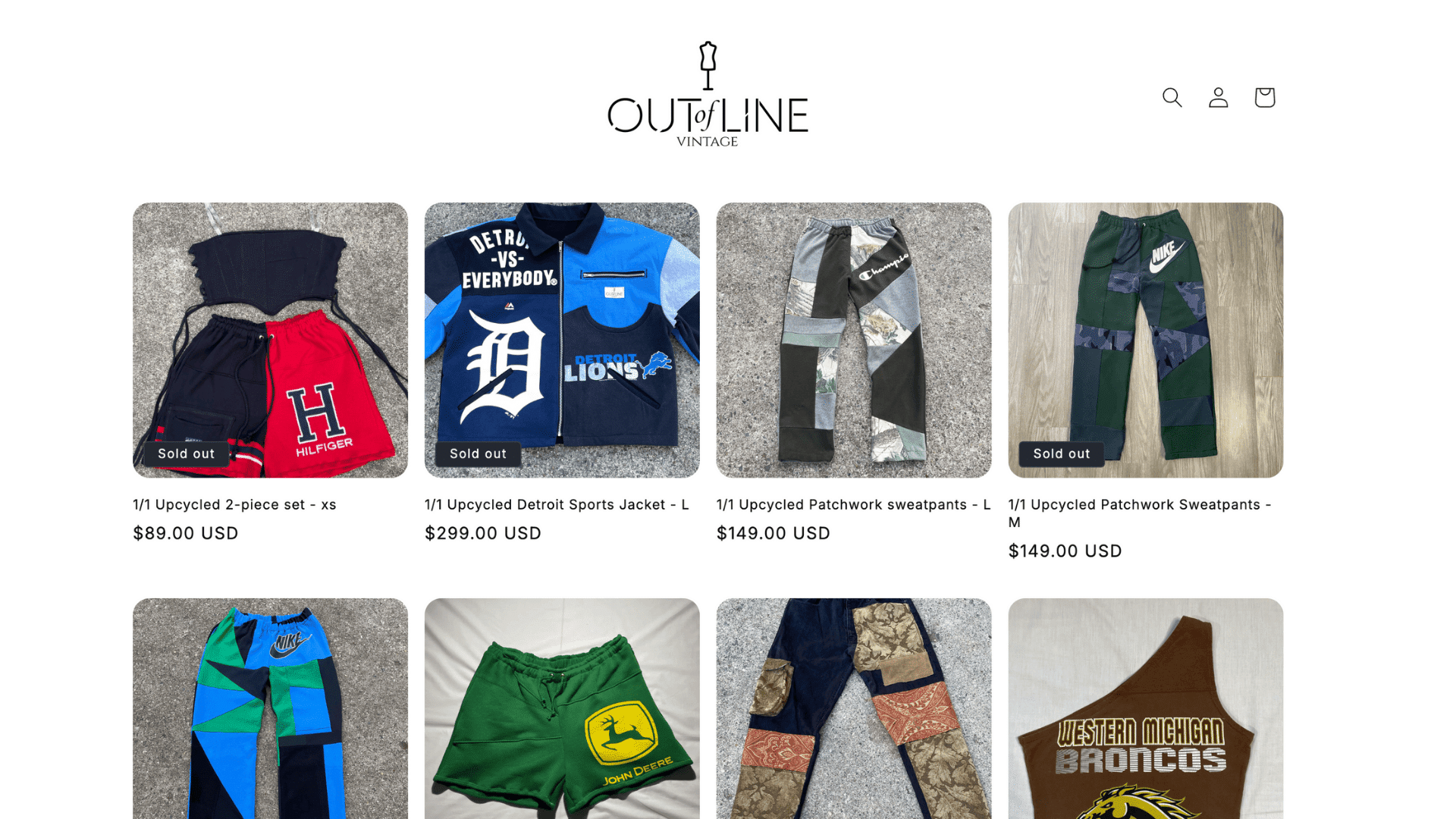
OOLV transforms vintage clothing into modern streetwear styles that blend nostalgia with current trends. Every garment is exclusive and one-of-a-kind, making replication impossible.
Their limited-edition drops sell out within hours among conscious consumers. OOLV creates unique fashion pieces that merge vintage aesthetics with contemporary streetwear for sustainable style
5. GOAT Vintage
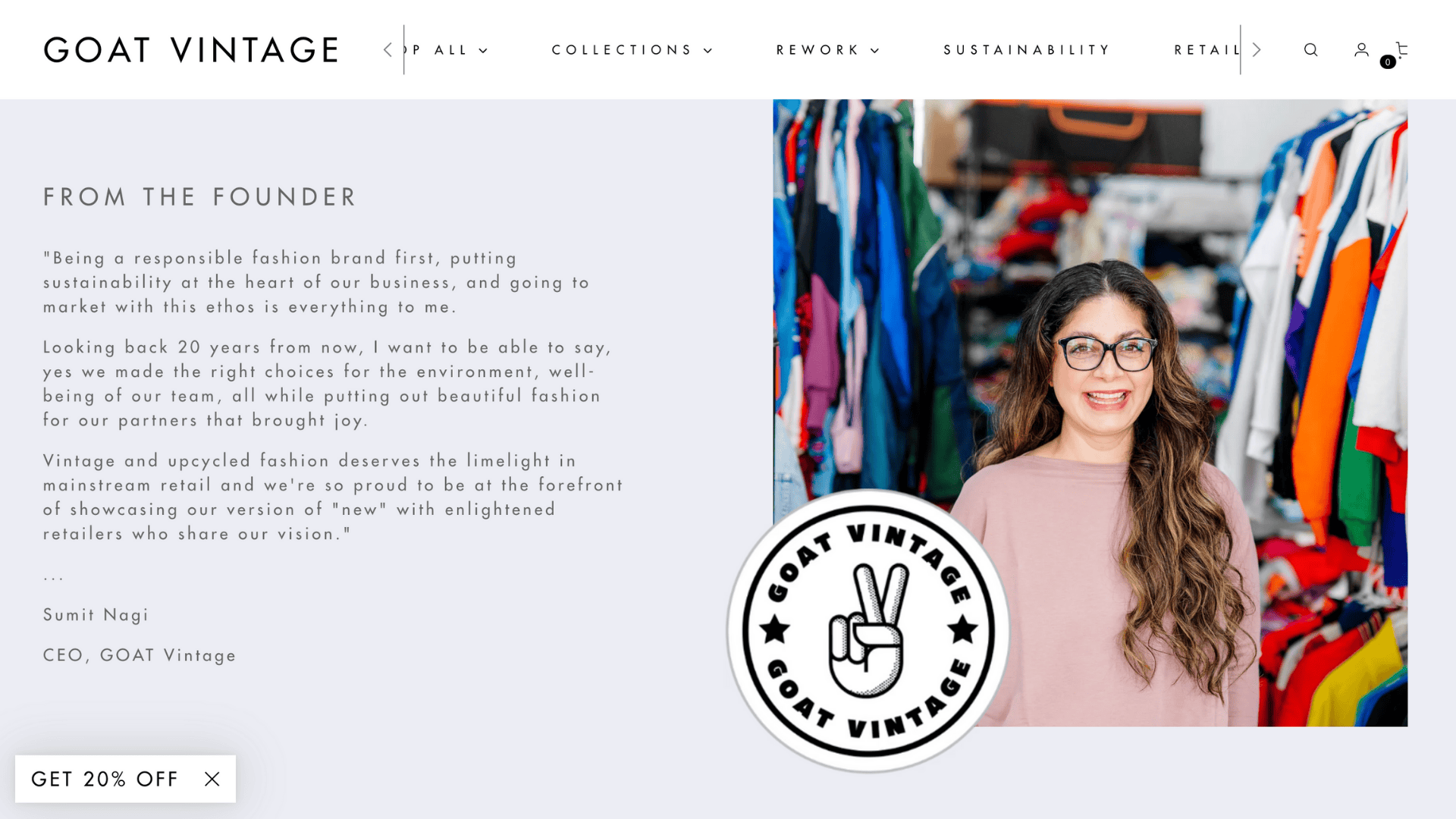
GOAT Vintage curates and redesigns vintage clothing into fresh, trendy pieces. They specialize in reworked denim, graphic tees, and retro sportswear.
Their collections prove that old clothes can be transformed into desirable fashion-forward items. Popular among celebrities and influencers who love their signature denim reworks.
6. Fanfare
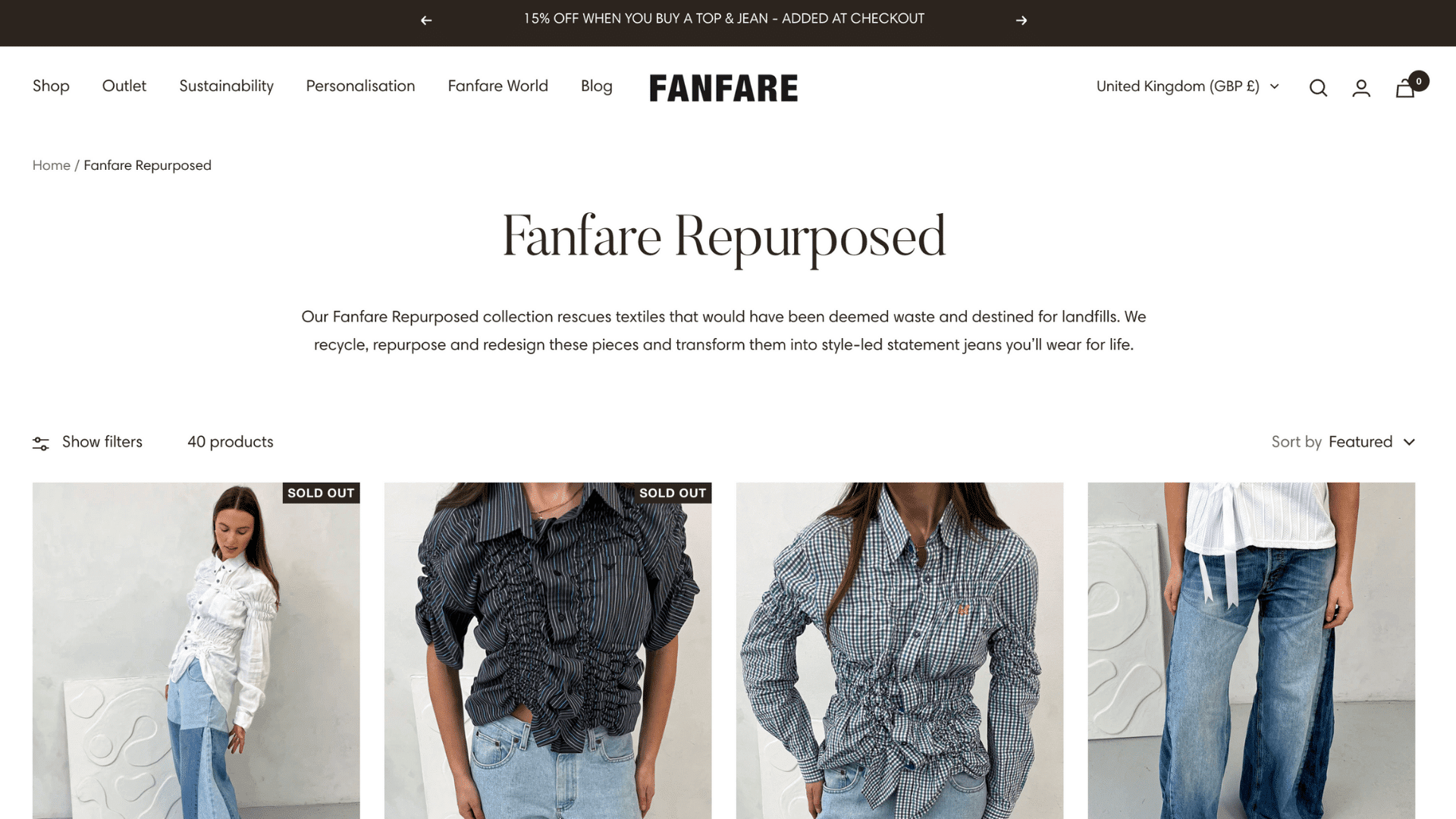
Fanfare is a brand that upcycles deadstock and vintage fabrics into colorful, playful clothing. They create fun, statement pieces with bold prints and unique cuts.
Their designs celebrate creativity while reducing textile waste in the fashion industry. They are notable for their vibrant color palettes and joyful aesthetic.
7. RE.STATEMENT
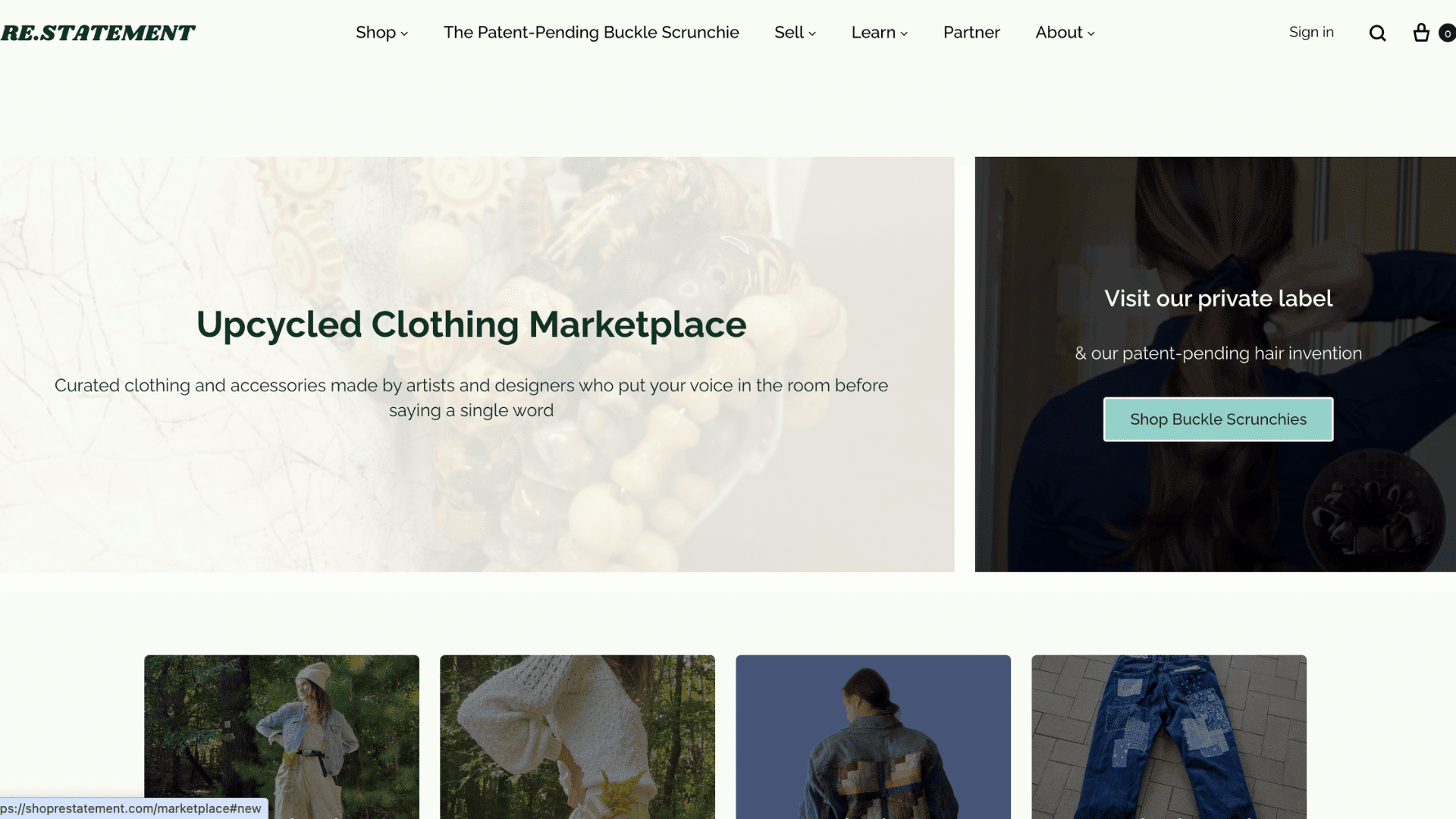
RE.STATEMENT deconstructs luxury designer deadstock and vintage garments into new high-end fashion. Premium materials get reconstructed into contemporary designs that maintain quality and style.
The brand brings upcycling into the luxury fashion market with museum-quality pieces. RE.STATEMENT proves sustainable fashion can exist at the highest level without compromising craftsmanship.
Conclusion
Upcycling in fashion proves that sustainability and style can go hand in hand. By turning old garments into fresh, creative pieces, we reduce waste, save money, and celebrate individuality.
Anyone can participate, whether through simple repairs, bold redesigns, or purchasing from upcycling brands.
As awareness grows, this movement encourages more mindful choices that benefit both people and the planet.
Upcycling reminds us that fashion doesn’t need to be disposable; it can be meaningful, resourceful, and uniquely personal.
With every upcycled piece, we contribute to a more sustainable future, one stitch at a time.
Frequently Asked Questions
Is Upcycling the Same as Recycling?
No, recycling breaks down materials completely, while upcycling transforms existing items into new pieces without destroying the original fabric.
Do I Need a Sewing Machine to Start Upcycling?
No, you can start with hand-sewing techniques using just needles and thread, though a machine makes projects faster.
Where Can I Find Clothes to Upcycle?
Thrift stores, clothing swaps, your own closet, and deadstock fabric sales are great places to find materials for upcycling.
How Long Does an Upcycling Project Take?
Simple projects, such as cropping a shirt or adding patches, typically take one to two hours, while complex redesigns may require several days.