



Should you apply retinol before or after moisturizer? It’s one of the most common skincare questions, and getting the order right can make a huge difference in your results.
Retinol is a powerful ingredient that fights wrinkles, fades dark spots, and smooths texture, but it can also cause dryness and irritation if you don’t use it correctly.
Pairing it with the right moisturizer at the right time protects your skin while letting retinol work. Once you understand the basics of layering, you’ll see better results with less irritation and healthier-looking skin.
Why Retinol Needs Moisturizer Support
Retinol is a powerhouse ingredient that helps reduce fine lines, fade dark spots, and smooth skin texture.
It works by speeding up cell turnover, which means your skin sheds old cells faster and makes room for fresh ones. However, this process can leave your skin feeling dry, tight, or even a bit irritated.
That’s where moisturizer comes in. A good moisturizer replenishes hydration in your skin and strengthens its protective barrier.
Think of it as giving your skin the support it needs while retinol does its job. Without proper moisture, retinol can feel harsh and uncomfortable on your skin.
Retinol or Moisturizer First? The Basic Answer
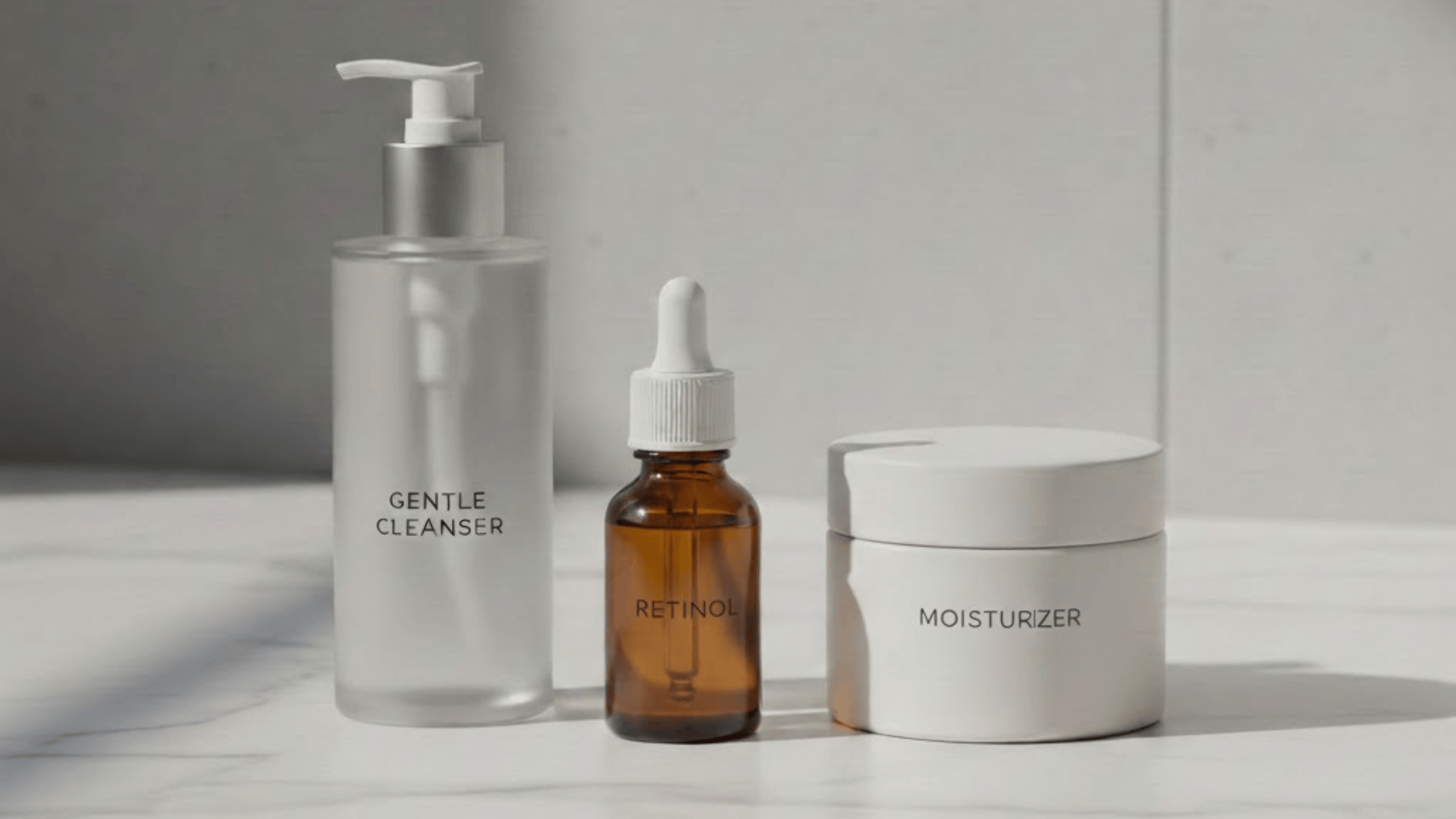
For most people, the best approach is to apply retinol first, then follow with moisturizer. This method allows retinol to absorb directly into your skin without any barriers blocking it.
Once the retinol has settled in (usually after a minute or two), you apply moisturizer on top to lock in hydration and calm any potential irritation.
This layering technique works well for most skin types because it gives retinol the direct contact it needs to work effectively while still protecting your skin.
The moisturizer acts as a cushion, keeping your skin comfortable throughout the night.
The Science Behind Retinol and Moisturizer Order
Retinol needs to make direct contact with your skin to penetrate properly and deliver results. When you apply it first to clean, dry skin, it can sink into the deeper layers, boosting collagen production and speeding up cell renewal.
If you put moisturizer on before retinol, the moisturizer creates a barrier that can block some of the retinol from getting through. This is called buffering, and while it makes retinol gentler, it also reduces the amount that actually reaches your skin.
Getting the order right means better results for fine lines, uneven tone, and breakouts. Your skin gets the full benefits without unnecessary interference.
Moisturizer Before or After Retinol for Sensitive Skin
If your skin is sensitive, reactive, or you’re new to retinol, applying moisturizer before retinol can help reduce irritation. This is called the buffer method.
You can also try the sandwich method: moisturizer first, then retinol, then another layer of moisturizer. Both techniques create a protective cushion that slows the rate of retinol absorption, making it less intense on your skin.
This approach is perfect for beginners who need to build tolerance slowly or for anyone whose skin gets red, flaky, or uncomfortable with regular retinol use. You still get anti-aging benefits, just with more comfort.
How Long to Wait Between Retinol and Moisturizer?

Most experts suggest waiting 1 to 3 minutes after applying retinol before applying moisturizer. This short pause gives retinol time to absorb into your skin without being diluted or pushed around by the next layer.
If you’re using a prescription-strength retinoid or a high-percentage product, waiting the full three minutes can help it work better.
For gentler, over-the-counter formulas, a one-minute wait is usually enough. Some people skip the wait entirely and layer products right away, which is fine if your skin tolerates it well.
The key is finding what works for your skin without causing redness or peeling.
Retinol Myths and Simple Do’s & Don’ts About Moisturizing
There’s a lot of confusing information out there about using retinol and moisturizer together. Let’s clear up some common myths so you can build a routine that actually works for your skin.
| MYTH | FACT | WHAT TO DO INSTEAD |
|---|---|---|
| “Moisturizer blocks retinol.” | It may soften intensity, but doesn’t stop absorption. | Apply moisturizer after retinol (or buffer if sensitive). |
| “You must wait a long time before moisturizing.” | Long waits aren’t required for results. | Wait 0-10 minutes based on comfort. |
| “Retinol always goes first.” | Moisturizer-first works better for sensitive or new users. | Pick order based on skin tolerance. |
| “Moisturizer makes retinol useless.” | It only slightly reduces strength, not effectiveness. | Use moisturizer first if irritated. |
| “More retinol gives faster results.” | Overuse causes irritation and delays progress. | Start slow and increase gradually. |
| “Retinol doesn’t need moisturizer.” | Retinol can dry and irritate skin without it. | Always use a hydrating moisturizer. |
Don’t let myths hold you back from getting the best results. Understanding the facts helps you use retinol safely and effectively while keeping your skin happy and healthy.
Products to Use With Retinol (Moisturizers and Retinol Options)
Finding the right products to pair with retinol can make your routine much easier and more comfortable. The goal is to use gentle, barrier-supporting moisturizers and choose a retinol strength that matches your experience level.
Recommended Moisturizers (Gentle, Barrier-Repairing)
These types of moisturizers work well with retinol because they hydrate deeply and help reduce irritation.
- Ceramide-Based Moisturizers: Great for repairing the skin barrier.
- Hyaluronic Acid Creams: Help pull moisture into the skin and keep it plump.
- Peptide-Rich Creams: Support skin repair and firmness.
- Niacinamide Moisturizers: Soothe irritation and reduce redness when using actives.
Products You Can Consider:
Recommended Retinol Products by Level
Not all retinol strengths work the same, so it’s important to start at the right level. These simple recommendations can help you build a routine your skin can tolerate.
1. Beginner (Low Strength/Encapsulated Retinol)
Low-strength or encapsulated retinol is ideal for first-time users or sensitive skin. These gentle formulas release retinol slowly, making it easier for your skin to adjust while still providing early benefits with less irritation.
Products You Can Consider:
2. Intermediate (0.3%-0.5% Retinol)
After your skin adjusts to low-strength retinol, you can move to 0.3%–0.5%. These intermediate levels offer noticeable benefits in texture and tone while remaining gentler than high-strength options.
Products You Can Consider:
3. Experienced (1% Retinol or Retinaldehyde)
Users who tolerate retinol well can step up to 1% retinol or retinaldehyde. These stronger formulas deliver faster smoothing and anti-aging results but still require careful use and a good moisturizer to prevent irritation.
Products You Can Consider:
How to Pick the Right Method for Your Skin Type
Your skin type plays a big role in deciding the best order for retinol and moisturizer. Here’s a simple breakdown to help you choose the right approach for your needs.
- Normal or Oily Skin: Apply retinol first, then use a lightweight moisturizer. Your skin can handle direct retinol contact.
- Sensitive or Dry Skin: Use the sandwich method with moisturizer before and after retinol. This adds extra protection against irritation.
- Acne-Prone Skin: Put retinol on first to target breakouts, then add a non-comedogenic moisturizer. This keeps your skin barrier healthy.
- Easily Irritated Skin: Start with moisturizer before retinol to create a protective buffer. This makes retinol much gentler on reactive skin.
Pay attention to how your skin reacts and adjust your routine as needed. What works for someone else might not work for you, and that’s completely normal.
Simple Night Routine Using Retinol and Moisturizer
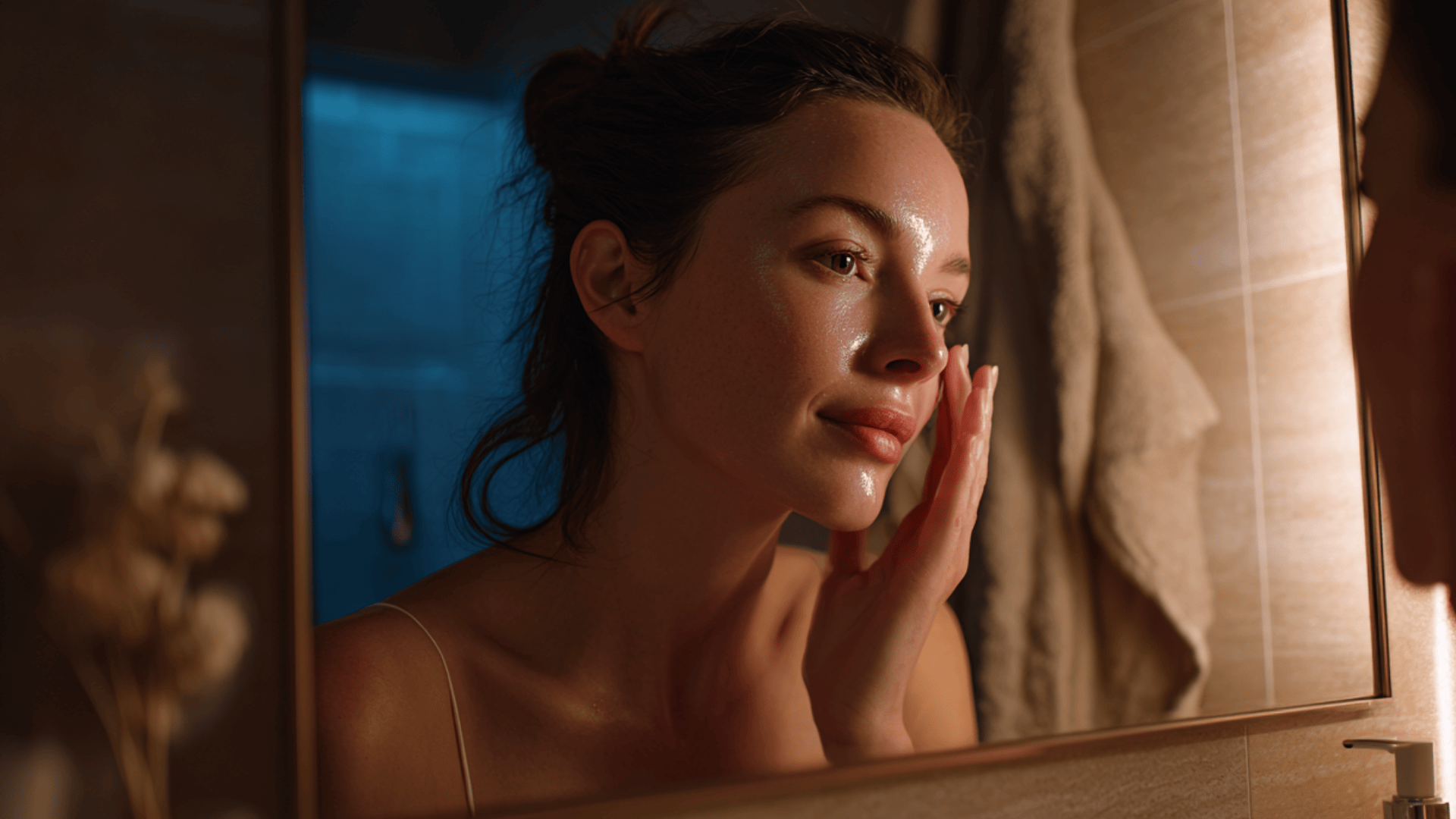
Finding the right way to apply retinol and moisturizer at night can make a big difference in how your skin reacts. Here are some simple routines you can follow based on your skin’s needs.
Routine A: Standard Layering (Retinol First)
- Cleanse your face with a gentle, non-stripping cleanser.
- Pat your skin dry and let it air-dry for 1–5 minutes (this reduces irritation).
- Apply retinol evenly over your face, avoiding eyelids and the corners of the nose.
- Wait a few minutes for it to absorb into your skin.
- Apply moisturizer to hydrate, soothe, and support your skin barrier.
Routine B: Sandwich/Buffer Method (For Sensitive or Beginner Skin)
- Cleanse with a mild, hydrating cleanser.
- Apply a thin layer of moisturizer to slightly buffer the skin.
- Apply retinol on top of the moisturizer once it’s absorbed.
- Wait a minute or two, then apply another layer of moisturizer.
- Seal in hydration with a thicker cream if your skin feels dry.
Routine C: Minimalist Beginner Routine (Gentle & Simple)
- Cleanse your skin with a gentle face wash.
- Apply a calming moisturizer first to prep and protect your barrier.
- Use a pea-sized amount of retinol and spread it lightly across the face.
- Follow with moisturizer again, focusing on dry or irritation-prone areas.
- Stop here; avoid adding serums, toners, or any other actives.
Note: Avoid using strong acids (AHA, BHA), exfoliants, benzoyl peroxide, or vitamin C on retinol nights. Combining these with retinol can increase irritation, dryness, and redness.
When to Talk to a Dermatologist
If your skin stays red, flaky, or irritated for more than a week after using retinol, it’s time to see a dermatologist.
People with conditions like eczema or rosacea need professional guidance before adding retinol to their routine, since it can make these issues worse.
If you’re pregnant or breastfeeding, talk to your doctor first, as retinol isn’t recommended during this time.
Using multiple active ingredients, like acids or vitamin C, with retinol can also cause problems if not done correctly. A dermatologist can create a personalized plan that works safely for your specific skin needs and concerns.
That’s a Wrap
Now you know the answer to retinol before or after moisturizer and how to make it work for your unique skin type.
The standard rule is retinol first, then moisturizer, but sensitive skin often does better with moisturizer as a buffer. Pay attention to how your skin reacts and adjust your routine based on what feels comfortable.
Start slowly, be patient, and give your skin time to build tolerance. With the right approach, you can enjoy all the anti-aging benefits of retinol without the unwanted side effects.
Have questions about your retinol routine? Drop a comment below and let’s talk about what’s working for you!