



You started using salicylic acid to clear your skin, but now you’re breaking out even more. Sound familiar?
Many people panic when they see new pimples popping up after adding this popular ingredient to their routine.
So, can salicylic acid cause acne? The short answer is no, but your skin might be going through something called “purging.”
Before you toss that new product in the trash, it’s important to understand what’s really happening to your skin.
In this blog, we’ll explain the difference between purging and real breakouts, why your skin might look worse before it gets better, and how to use salicylic acid safely for clear, healthy skin.
What Is Salicylic Acid and How Does It Work?
Salicylic acid is a beta-hydroxy acid (BHA) derived from willow bark and is one of the most effective acne-fighting ingredients. You’ll find it in cleansers, toners, serums, and spot treatments at drugstores.
What makes it special? Its oil-soluble nature lets it penetrate deep into pores where oil and dirt accumulate. Once inside, it breaks down dead skin cells, excess oil, and debris that clog pores and cause breakouts.
This ingredient works multiple ways: it exfoliates to prevent bacteria buildup, unclogs pores, reduces inflammation and redness, controls oil production, and treats blackheads and whiteheads.
Over-the-counter products range from 0.5% to 2% concentration. Sensitive skin should start at 0.5% or 1%. Higher strengths require a prescription.
What Is Skin Purging and Can Salicylic Acid Cause It?
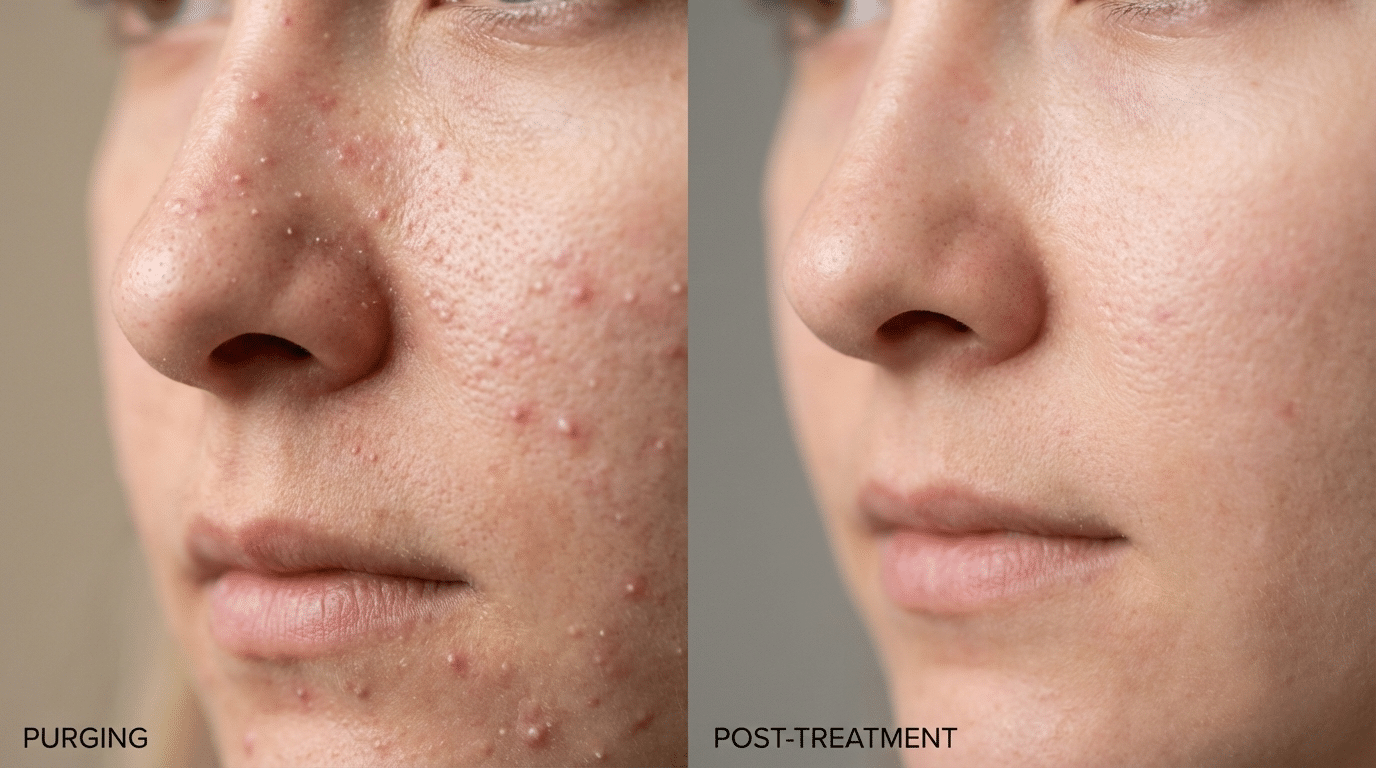
Yes, salicylic acid can cause purging. But before you panic, let’s break down what purging actually means and why it’s not as bad as it sounds.
1. What Is Skin Purging?
Skin purging is a temporary breakout phase that happens when you start using active ingredients like salicylic acid, retinoids, or other exfoliants.
It’s your skin’s way of adjusting to the new product, and it’s actually a sign that the ingredient is doing its job.
While it can be frustrating to see more breakouts, purging is a necessary step toward clearer skin.
2. Why Does Purging Happen?
Your skin naturally renews itself about every 28 days. Old skin cells die, new ones form, and everything cycles through.
Salicylic acid speeds up this process significantly, pushing everything to the surface much faster than normal. Hidden clogs called microcomedones (tiny pimples forming deep under your skin) get pushed to the surface. All the trapped oil, dead skin cells, and buildup come out at once.
Your skin is essentially doing a deep clean from the inside out; everything that was already there becomes visible all at once. The clogs that would have taken weeks or months to surface now appear within days.
Think of it this way: imagine cleaning out a messy wardrobe. Before it gets organized and tidy, you have to pull everything out first, making it look worse temporarily. That’s exactly what purging does for your pores.
3. What Does Purging Look Like?
Purging breakouts have specific characteristics that help you identify them. Check the list below and match your symptoms:
- Small whiteheads and blackheads clustered together
- Tiny pustules (small bumps with white or yellow centers)
- Bumpy, rough texture in your usual problem areas
- Pimples that come to a head quickly
- Breakouts that heal faster than your normal pimples (usually within a few days)
- Not deep, cystic, or severely painful
- Less inflammation and redness than typical breakouts
4. Where Does Purging Happen?
Purging only happens in areas where you normally break out. If you typically get pimples on your chin and forehead, that’s where purging will occur.
If you’re suddenly breaking out on your cheeks or jawline when you never have before, that’s likely not purging; it’s probably an allergic reaction or irritation.
5. How Long Does Salicylic Acid Purging Last?
Here’s the typical timeline for most people:
- Week 1-2: The most challenging period with lots of visible breakouts appearing quickly
- Week 3-4: Breakouts start slowing down, existing pimples begin healing
- Week 5-6: Your skin begins to stabilize with noticeably fewer new pimples forming
Most people experience purging for 4-6 weeks total. Some may go up to 8 weeks, depending on their skin type, how congested their pores were initially, and the concentration of salicylic acid used.
If breakouts continue beyond 8 weeks, keep getting worse instead of better, or spread to new areas, it’s not purging anymore; something else is going on, and you should reconsider the product.
Purging vs. Breakout: How To Tell the Difference
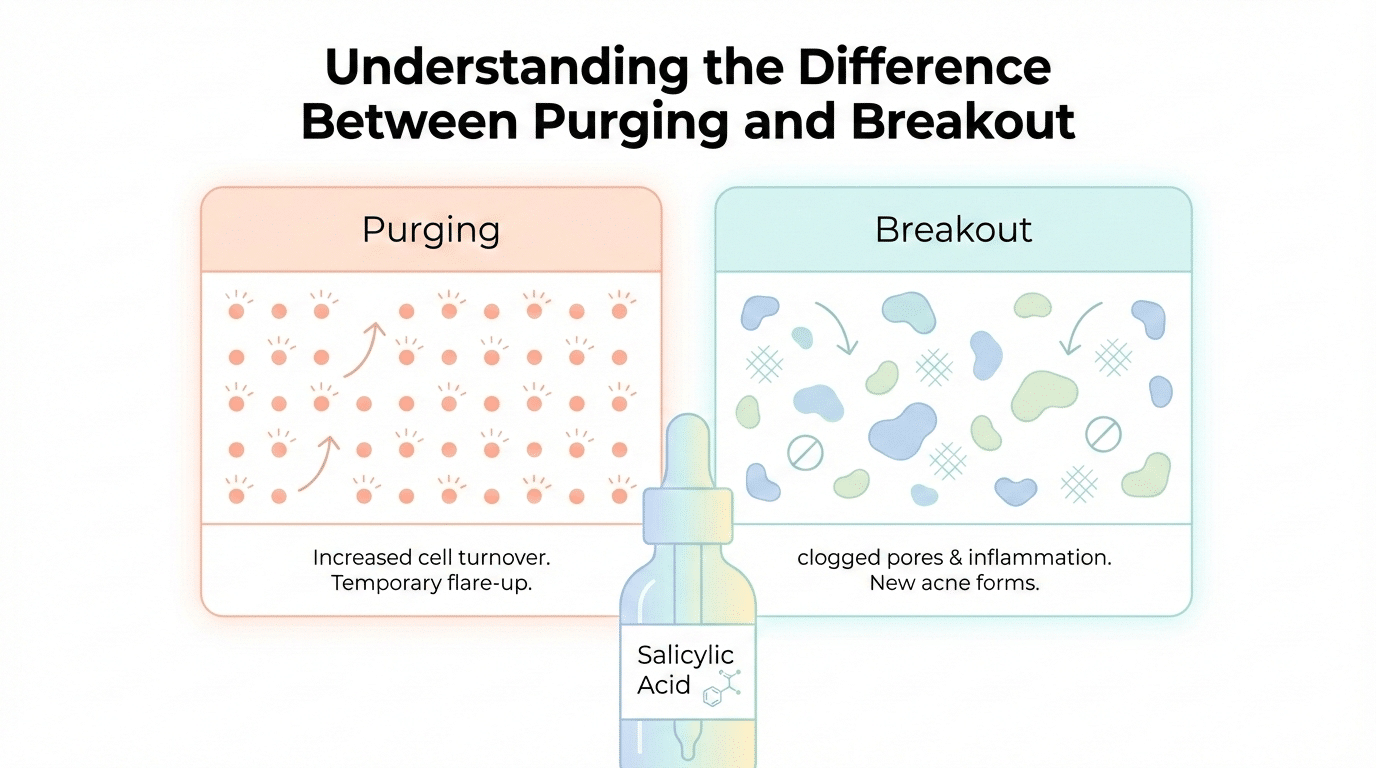
Knowing if you’re purging or having a bad reaction is crucial for deciding if you should continue using salicylic acid.
The two can look similar at first, but there are clear differences that help you tell them apart. Use this comparison table to identify what’s happening with your skin:
Here’s your content as a clean table:
| Factor | Purging | Bad Reaction / Regular Breakout |
|---|---|---|
| Location | Only in areas where you normally break out (usual trouble spots) | New areas where you don’t typically get acne |
| Timing | Starts within the first week of using the product | Can happen at any time, no clear pattern |
| Duration |
Clears up within 4–6 weeks with improvement by week 3–4 |
Continues beyond 6–8 weeks or keeps getting worse |
| Appearance | Small whiteheads, blackheads, pustules; not deeply inflamed | Cystic acne, deep painful bumps, severe inflammation |
| Healing Time | Pimples come to a head quickly and heal faster than usual | Takes longer to heal, may leave dark spots |
| Pattern | Predictable, follows skin’s renewal cycle | Random and unpredictable timeline |
| Additional Symptoms | Mild, temporary discomfort | Burning, stinging, itching, rash, excessive redness |
Red Flags that It’s Not Purging
Stop using salicylic acid immediately if you experience:
- Severe burning or stinging sensation that doesn’t go away
- Excessive dryness, flaking, or peeling skin
- Red, itchy rash spreading across your face
- Breakouts spreading to areas where you’ve never had acne
- Deep cystic acne forming under the skin
- No improvement whatsoever after 8 weeks
- Skin feels constantly tight, uncomfortable, or painful
Note: Take photos weekly to track your progress. If things aren’t improving or you’re unsure what’s happening, consult a dermatologist for personalized guidance.
How to Use Salicylic Acid the Right Way
The key to avoiding problems with salicylic acid is using it correctly. Follow these guidelines to get clear skin without the unwanted side effects:
1. Start Low and Slow
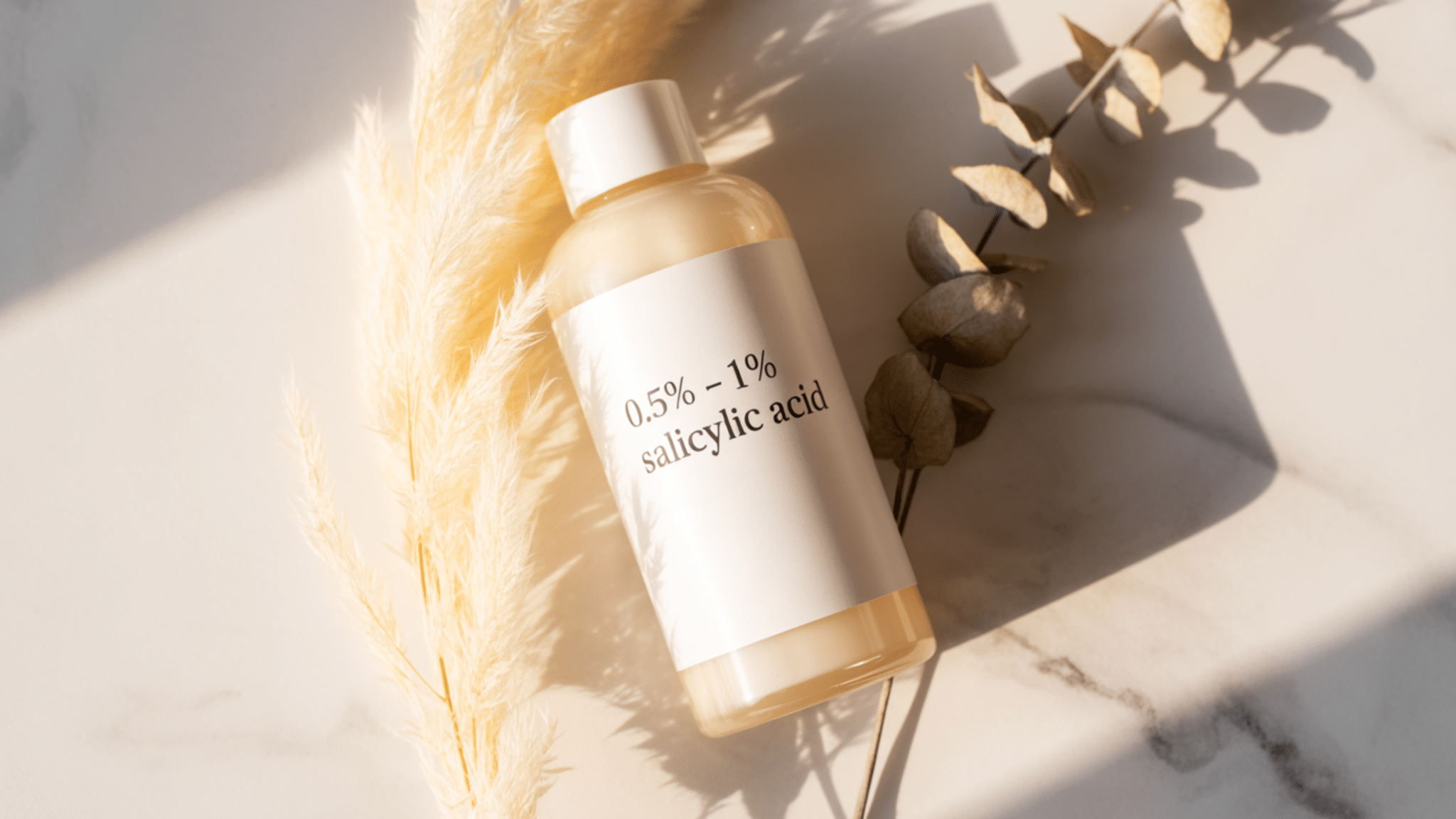
Don’t rush into using salicylic acid every day. Begin with a low concentration of 0.5% to 1%, especially if you have sensitive or dry skin.
Use it only 2-3 times per week for the first two weeks. This gives your skin time to adjust to the ingredient.
After two weeks, if your skin tolerates it well, you can gradually increase to every other day, then eventually daily use. Listen to your skin throughout this process.
2. Apply It Properly
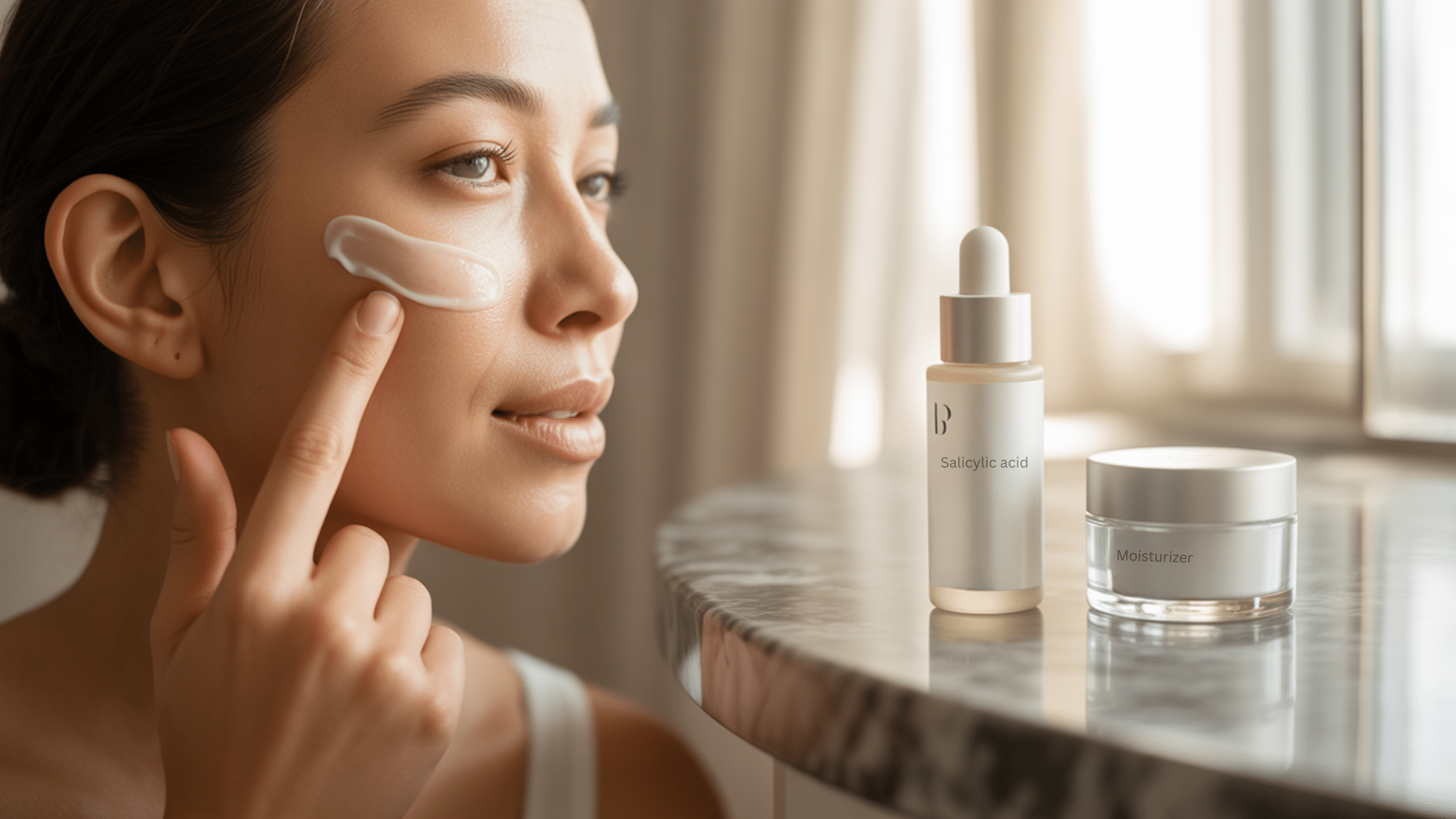
Always apply salicylic acid to clean, dry skin. Use a thin layer on affected areas or your entire face, depending on your needs.
Let it absorb for a few minutes before applying anything else. Start by using it only at night until your skin adjusts.
Always follow with a good moisturizer, as this step is non-negotiable.
3. Support Your Skin Barrier
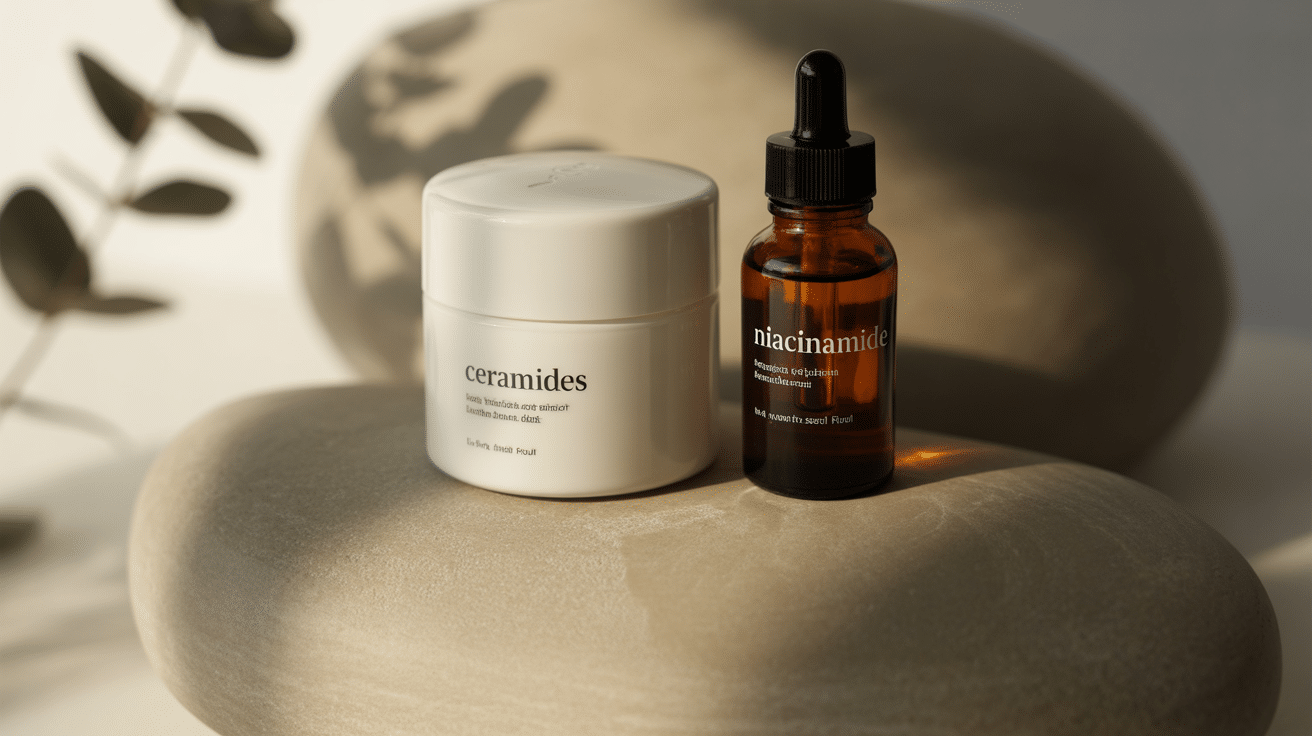
While using salicylic acid, your skincare routine should focus on supporting and protecting your skin barrier.
Use a gentle, non-foaming cleanser that won’t strip your skin further. Apply a hydrating, non-comedogenic moisturizer after every salicylic acid application.
Look for products with these skin-supporting ingredients:
- Hyaluronic acid for deep hydration
- Ceramides for barrier repair and protection
- Niacinamide for calming inflammation
- Glycerin for moisture retention
Note: Keep your routine simple while your skin adjusts. This isn’t the time to experiment with multiple new products.
4. What to Avoid During the Adjustment Period
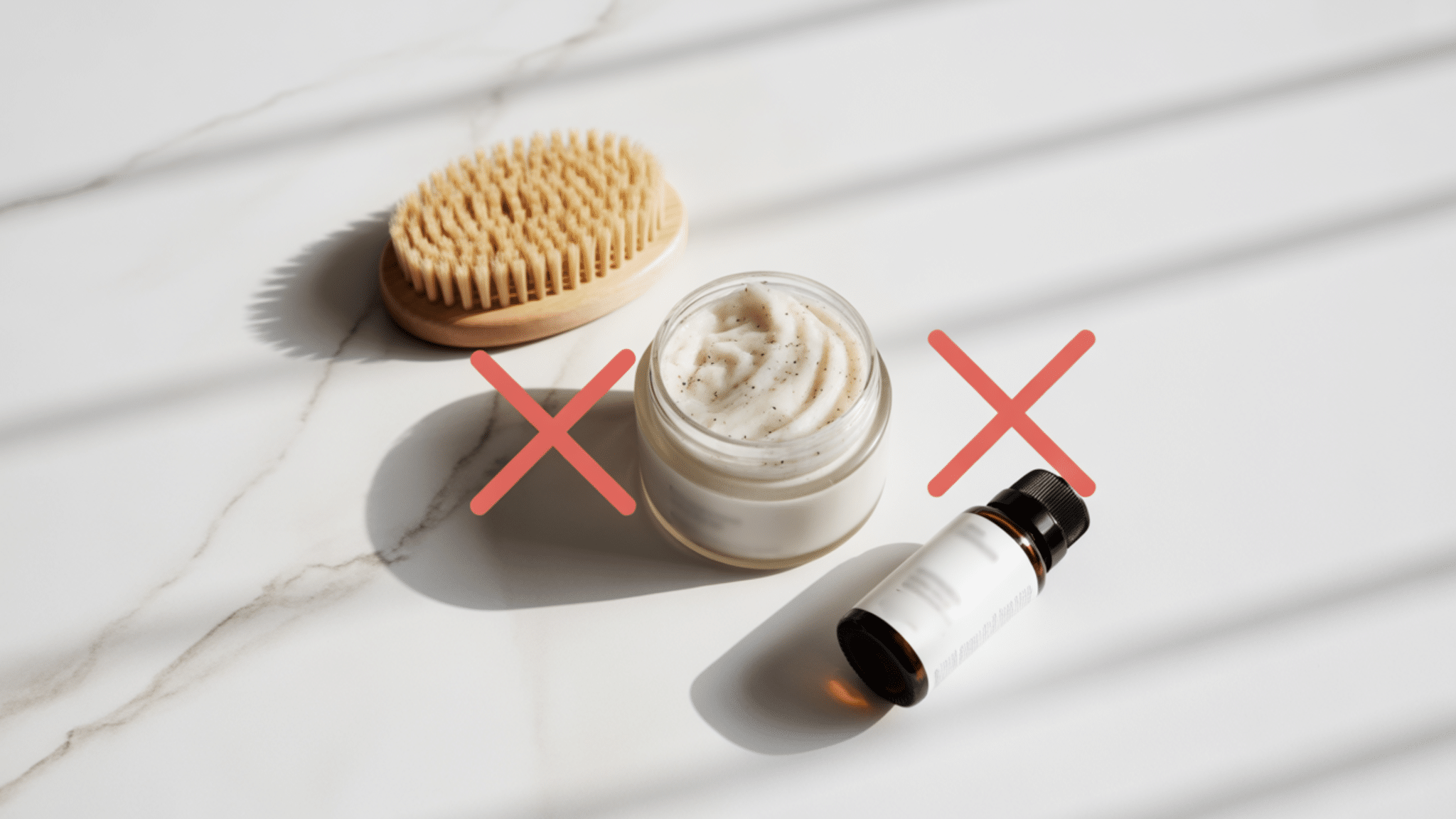
Don’t combine salicylic acid with other active ingredients initially. Skip harsh physical scrubs and additional chemical exfoliants.
Avoid picking or squeezing purging pimples. This can lead to scarring.
Use lukewarm water instead of hot water when washing your face. Stay away from long, steamy showers that can further dry out your skin.
5. Protect Your Skin from The Sun
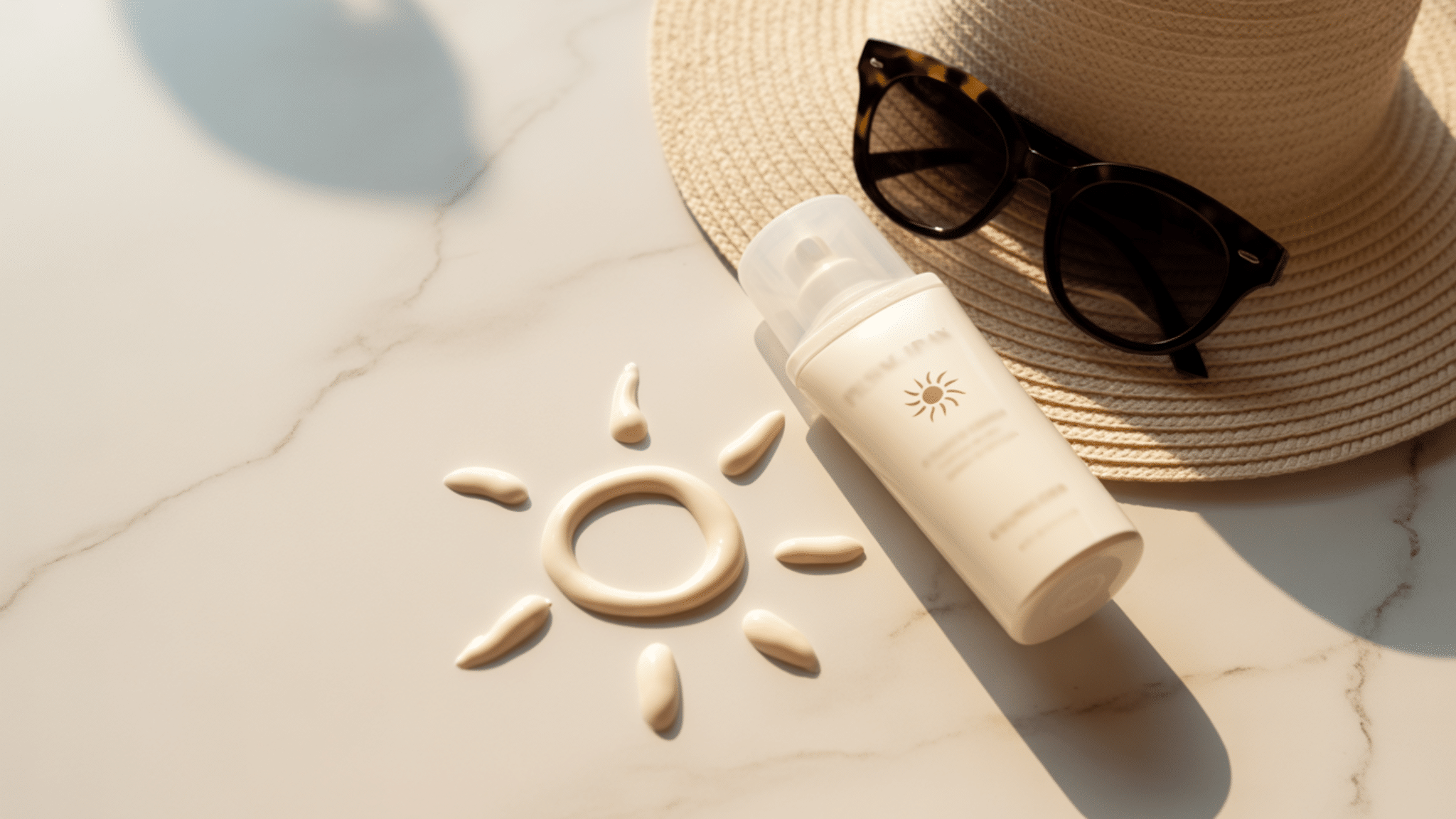
Salicylic acid increases your skin’s sensitivity to the sun significantly. Use a broad-spectrum sunscreen with SPF 30 or higher every single day, even when it’s cloudy.
Reapply throughout the day if you’re spending time outdoors. This protects against dark spots, hyperpigmentation, and potential sun damage. Skipping sunscreen can undo all your progress.
6. Be Patient and Track Your Progress
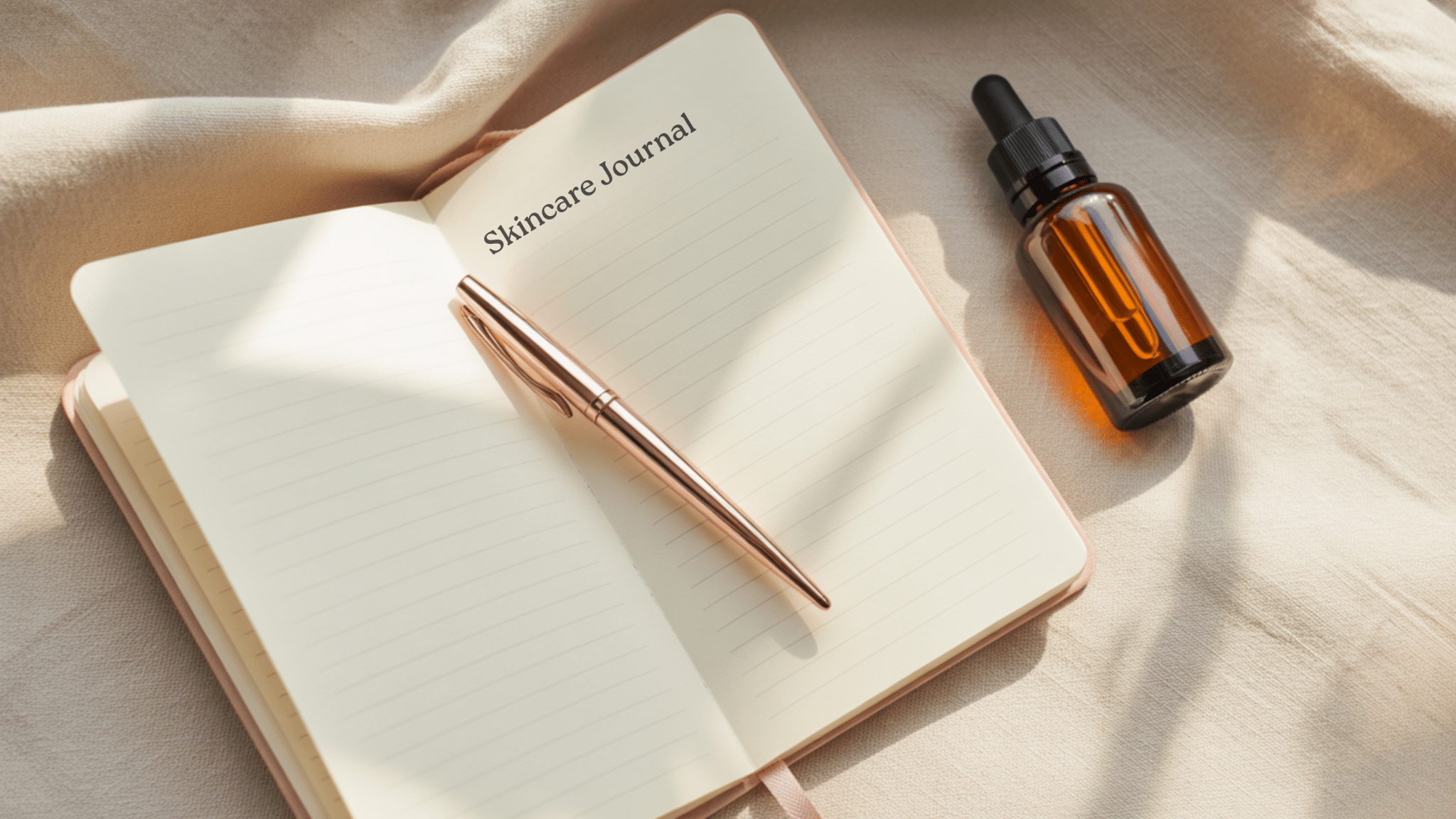
Give salicylic acid a full 6 weeks before deciding if it’s working. Take weekly photos in the same lighting to track your progress objectively.
Keep a simple skincare journal, noting how your skin feels and looks. Don’t give up during the purging phase: this is when most people quit right before seeing results.
When to See a Dermatologist?
Not everyone’s skin responds well to salicylic acid, and that’s completely normal. Schedule a dermatologist appointment if your breakouts persist beyond 2-3 months of consistent salicylic acid use.
If you’re experiencing painful cystic acne that won’t heal, professional help is essential.
When you’re unsure about your purging or having an allergic reaction, a dermatologist can clarify what’s really happening to your skin.
If scarring is developing from your breakouts, don’t wait; get treatment early to prevent permanent damage.
Over-the-counter products sometimes aren’t strong enough, and you may need prescription-strength treatments tailored to your specific skin concerns.
Conclusion
So, can salicylic acid cause acne? No, it doesn’t directly cause acne, but it can trigger temporary purging or irritation that looks like breakouts. Understanding this difference is essential for deciding whether to continue or stop using the product.
Does salicylic acid cause purging? Yes, and that’s actually positive! Purging typically lasts 4-6 weeks and means the product is clearing out your pores. Real breakouts from irritation happen when you use the product incorrectly, or your skin is too sensitive.
Success comes from starting slowly, using the right concentration, keeping your routine simple, and protecting your skin with moisturizer and sunscreen. Be patient through the purging phase; your skin may look worse before it gets better, but that’s real progress happening.
When in doubt, consult a dermatologist. Clear, healthy skin is achievable with the right approach.
Frequently Asked Questions
Why Am I Getting Pimples After Using Salicylic Acid?
You’re experiencing purging, where the ingredient pushes existing clogs to the surface. This lasts 4-6 weeks.
Is Salicylic Acid Safe for Pregnant Women?
Low concentrations are generally safe, but always consult your doctor before using salicylic acid products during pregnancy.
Does Salicylic Acid Help with Psoriasis?
Yes, it removes scales and softens thick skin patches. Use under a dermatologist’s guidance for psoriasis treatment.