



Choosing between acrylic and dip nails can feel confusing, especially when both promise strong, glossy nails that last. If you’ve ever wondered, “Which one looks more natural?” or “Which one holds up better day to day?” you’re definitely not alone.
The acrylic nails vs dip nails choice isn’t the same for everyone. It depends on your routine, your nail goals, and how much upkeep you’re comfortable with.
I’ll explain the key differences in application methods, durability (chipping, lifting, and wear time), and aesthetics. I’ll also cover cost, removal, and what to know about nail health so that you can choose with confidence. I’m writing this for first-timers, a salon regular, or a DIY fan.
What are Acrylic Nails?
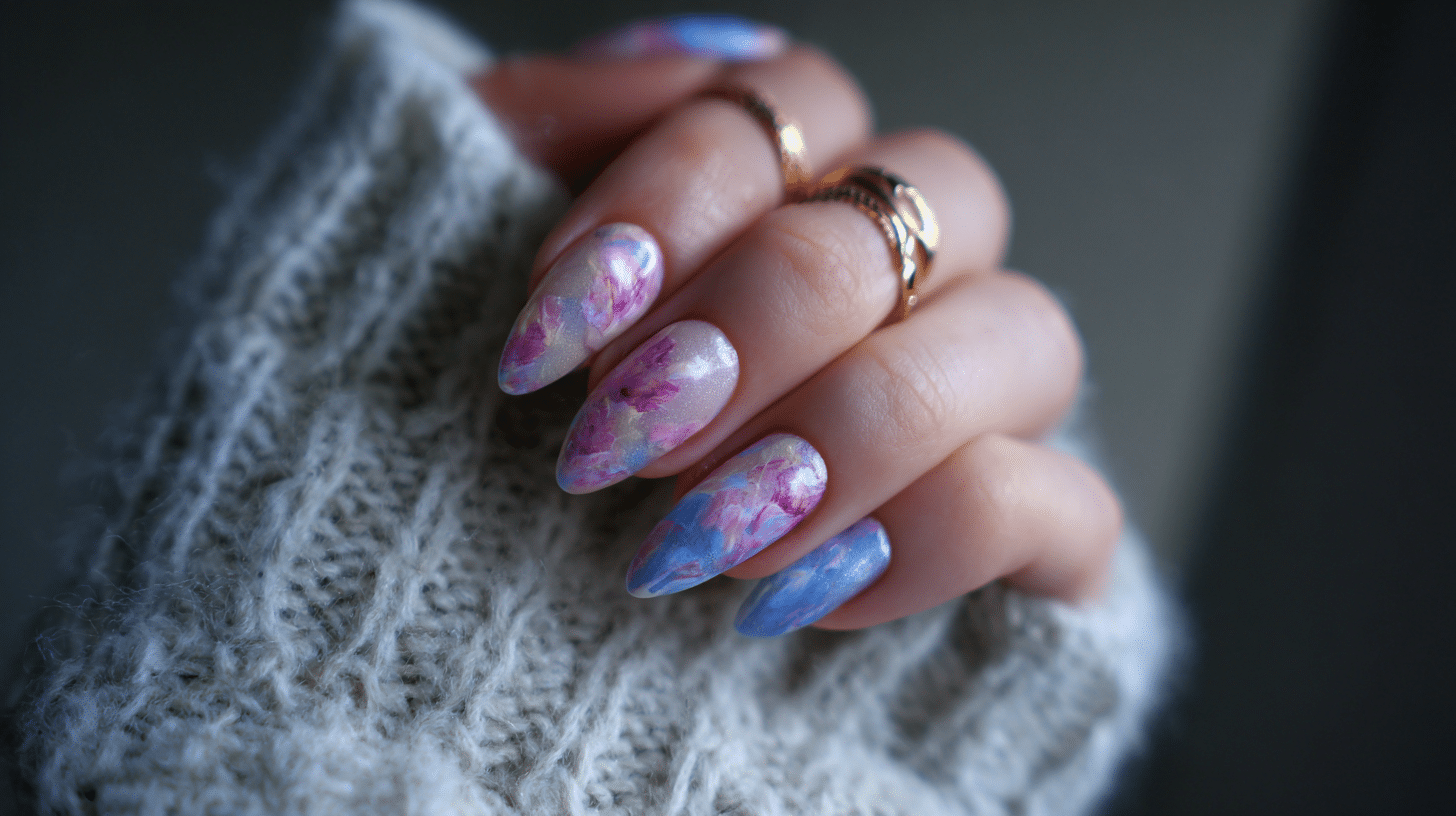
Acrylic nails are one of the most popular choices when you want extra strength, length, or a more artificial nail shape. They’re made by combining a liquid monomer with a powder polymer to form a paste.
Once that mixture is applied to your nail, it hardens in the air, creating a solid, protective layer for everyday wear. The application usually starts with nail prep, mainly cleaning, shaping, and lightly buffing.
Then your nail tech uses tips or forms to build length, places small beads of acrylic onto the nail, and carefully spreads and shapes the product.
What are Dip Nails?
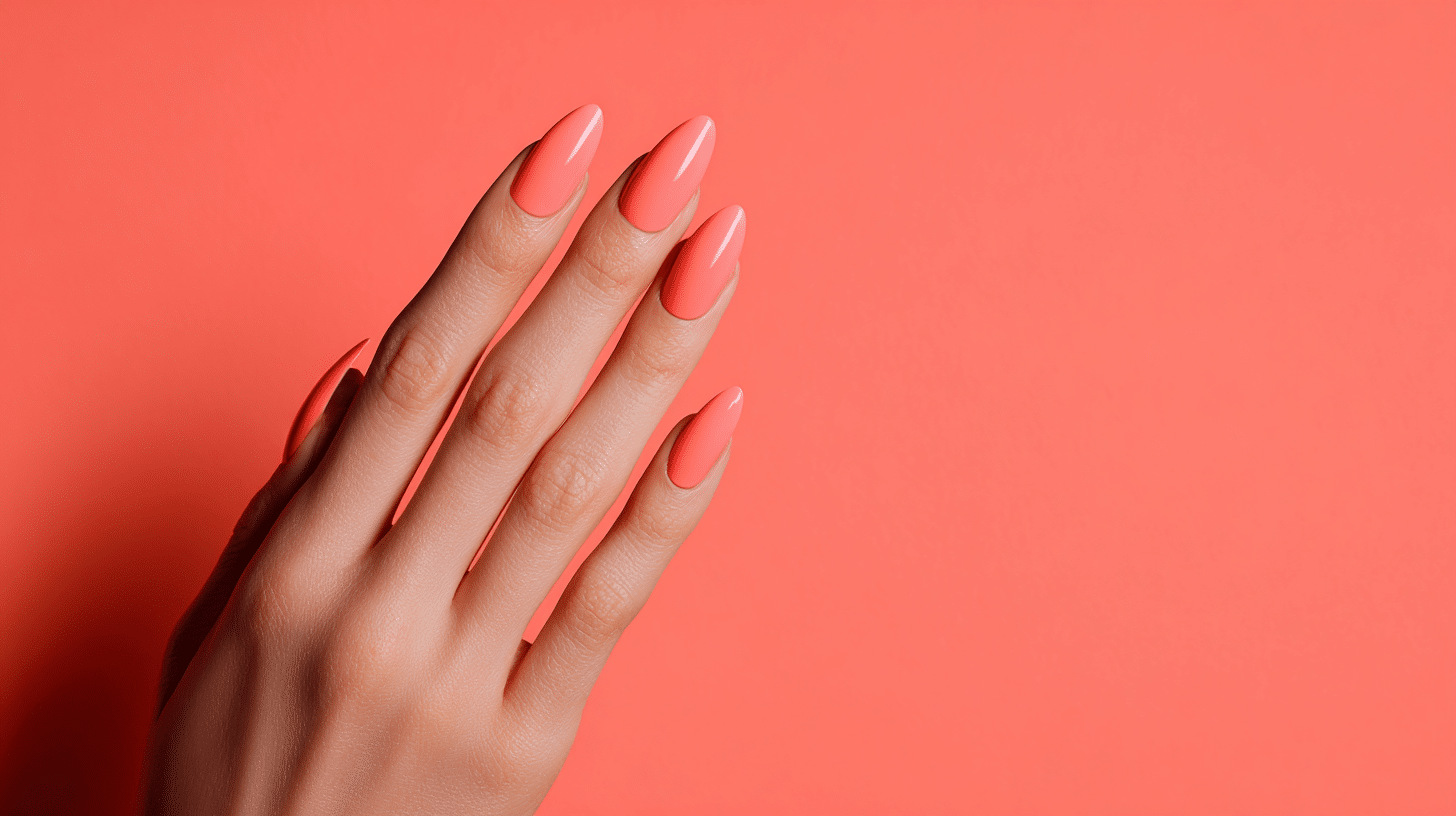
Dip nails (also called dip powder nails) are a go-to option if you want a long-lasting manicure with a lighter feel than some other enhancements. They’re created using a resin/adhesive, a colored powder, an activator that helps everything set, and a top coat for shine and protection.
Instead of sculpting products like acrylic, dip builds strength through thin, layered coatings. The process usually starts with basic prep of cleaning the nail, shaping, and lightly buffing.
Then your tech applies a base coat, dips your nail into the powder (or sprinkles powder over it), and repeats those layers until the thickness and color look right.
Then an activator is added to harden the layers, followed by buffing to smooth everything out and a top coat to seal in a glossy finish. Dip nails tend to look smooth and even, with finishes that can range from natural to bold and glam.
Acrylic vs Dip Nails: What’s the difference?
If you’re stuck between acrylic nails vs dip nails, you’re probably trying to balance three things: how they’re done, how long they last, and how they look on your hands.
The most significant difference is the application method, durability, and strength, feel, finish, wear time, and removal.
Comparison at a Glance
| Feature | Acrylic Nails | Dip Nails (Dip Powder) |
|---|---|---|
| Application | Sculpted with liquid monomer + powder polymer | Layered resin + powder + activator |
| Feel | Firm, structured | Lighter, less “bulky” feeling |
| Finish/Look | Crisp shape, great for long extensions | Smooth, even, natural-to-glam |
| Wear Time | Often 2–3 weeks (with fills) | Often 3–4 weeks (often full redo) |
| Removal |
File down + acetone soak |
Acetone soak (usually less filing) |
| Durabilityandstrength |
Dramatic length and tough |
Strong too, but resists chipping well |
Durability, Cost, and Upkeep of Acrylic and Dip Nails
If you’re choosing mainly for how long they last, both dip and acrylic typically wear impressively well. Only if the application is done properly, and you are taking care of them.
Acrylic nails usually stay very strong, especially if you like longer lengths. Since your natural nails keep growing, most people book a fill every 2 to 3 weeks so the grown-out area is covered again without removing everything.
Dip nails also commonly last 3 to 4 weeks, and many people like them because they can handle small everyday knocks without tiny chips. Dip can chip if the layers are too thin, the edges aren’t sealed, or your hands go through a lot.
Money and Maintenance side:
-
Acrylic: Often costs more upfront, but you usually don’t have to remove the whole set each visit.
-
Dip: The first set may be similar or less in price, but many salons do dip as a remove and reapply each time. That can mean you pay for removal and a new set more often.
Wear Time and Salon Time of Acrylic and Dip Nails
What actually decides wear time for both:
-
Nail prep (clean, dry nail plate matters a lot)
-
Product quality
-
Aftercare (cuticle oil, gloves for cleaning, and avoiding using nails as tools)
-
Your nail shape/length (shorter, rounded shapes usually last best; very long or sharp shapes can snag and crack more easily)
Salon time:
-
Acrylic can take longer because the tech is building the structure and shaping more.
-
Dip can be quicker for a simple color, but if removal is included, the appointment can still run long.
Acrylic vs Dip for Nail Health
If you’re worried about nail damage, you’re not being “too cautious”. It’s a smart thing to think about before choosing acrylic or dip nails.
Are acrylic nails bad for your nails? They can be, but most issues come from the way they’re applied or removed. The biggest troublemakers are over-filing the natural nail during prep, lifting, and improper removal. Especially peeling or forcefully prying acrylic off.
Are dip nails healthier than acrylic nails? Dip often feels gentler because it can be thinner and doesn’t require the same sculpting, but it’s not automatically healthier.
Dip can still cause damage if the nail is heavily buffed, if layers are applied too thickly, or if removal is rushed and aggressive. Hygiene matters for both. With dip, especially, watch for powder jar sanitation.
The safest approach is no double-dipping. Also, look for good brush hygiene and proper tool disinfection. A clean salon and careful removal make the most significant difference for nail health.
Which Nail Removal is Easier?
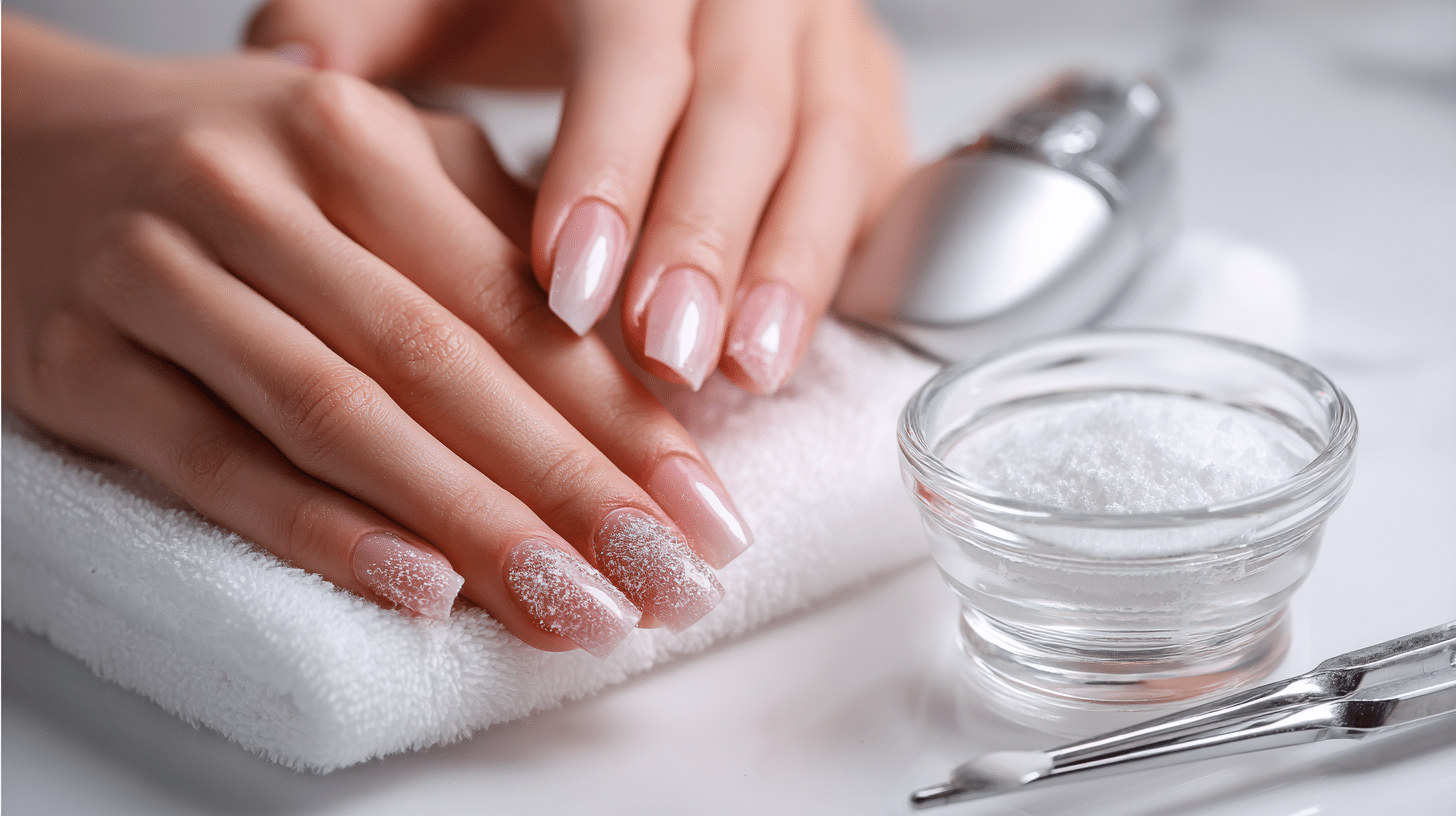
Removal is where a lot of nail damage happens, so it’s totally normal to wonder which option is simpler.
Acrylic nails usually take a bit more work because the product is thicker and firmly bonded. The safest way is to file down the top layer first, then soak it in acetone or dishwashing liquid with olive oil, either in a bowl or with cotton and foil.
Dip nails are also removed with an acetone soak, and many people find it slightly easier because dip can be thinner. The wrap method (acetone-soaked cotton + foil) tends to work well.
After either removal, treat your nails like they need a little comfort care. Use cuticle oil daily, apply a rich hand cream, and keep nails short for a week. If they feel weak, taking a short break before your next set can help.
Want to see it in action?
Watch Remove Acrylic Nails At Home Like A PRO Without Damaging Your Nails by @Swativermastyles on YouTube.
Watch How to remove Dip Powder by @BeeloNails on YouTube.
Acrylic vs Dip Nails: Pros and Cons in One Place
Both acrylic and dip nails can look great, but they work differently and suit different routines. The easiest way to choose is to compare what each one does best and what trade-offs come with it.
Here are the main pros and cons to help you pick the option that fits your nails and lifestyle.
| Acrylic | Dip | |
|---|---|---|
| Pros | Acrylic is firm and supports long extensions. | Dip gives a smooth finish and often feels lighter. |
| It holds sharp shapes and bold designs well. | It suits short to medium natural nails well. | |
| It works excellently for detailed nail art. | It can resist small chips with proper sealing. | |
| It is maintained with fills instead of complete removal. | The dip color looks rich because it comes from powder. | |
| Cons | Acrylic can have a strong smell during application. | Dip is often removed and redone at each visit. |
| It may feel thicker on the nail. | Its removal needs acetone soaking and time. | |
| It needs to be filled every 2–3 weeks for grow-out. | It can chip if layers are thin or edges aren’t sealed. | |
| Rough removal can weaken natural nails. | Shared dip powder can be unhygienic if not handled safely. |
Best Choice Guide for your Lifestyle
Picking between acrylic and dip nails gets easier when you think about how you actually use your hands every day.
For short nails, dip nails are often a comfy choice because they can add strength without feeling too bulky, and the finish tends to look smooth and natural. Acrylic can work on short nails too, but it’s usually chosen when you want a more sculpted shape or extra structure.
For long nails and dramatic shapes, acrylic usually wins. It’s built for extensions and holds its form well, which matters when length and sharp shaping can put more stress on the product.
If your nails are weak or thin, peeling, or bendy, either option can help. But ask your nail tech about a short overlay and a gentle prep routine.
For special events, choose what photographs and what to wear best for you. Acrylic for bold length and crisp shape, dip for a smooth, natural-glam look. For everyday wear, go with the option you’ll maintain happily.
Conclusion
Acrylic vs dip nails both give me a long-wear manicure, but the difference comes down to how they’re built, how they wear, and how they look.
Acrylic nails are created by building a structured layer, often with extensions, so they’re my go-to when I want extra length, strong support, and crisp shapes. Dip nails are applied in thin layers using powder and activator, so they usually feel lighter and give a smooth, natural-to-glam finish.
When I’m choosing between acrylic vs dip nails, I think about my routine: acrylic works best for maximum strength and longer styles, while dip is great when I want a clean, even look with less bulk.
If you’re still unsure, I recommend trying each for one full wear cycle and comparing comfort, durability, and how the finish looks on your hands day to day.