


Something extraordinary happened in women’s closets during the 1930s, and the fashion world has never been quite the same. Between economic hardship and Hollywood’s golden age, 1930s fashion women found a style that whispered elegance in ways no other decade could match.
The upper-class 1930s women’s fashion told one story, while everyday style revealed another, yet both shared secrets that modern designers still study obsessively.
What made this era so magnetic? Why do stylists, historians, and fashion enthusiasts return to 1930s style again and again, searching for something lost in time?
The answers lie hidden in forgotten photographs, vintage magazines, and the choices women made when the world demanded both strength and grace. Ready to uncover what made them unforgettable?
Historical Background of 1930s Women’s Fashion
The Depression era didn’t just impact wallets; it completely changed how women dressed. While the economy struggled, 1930s fashion found inspiration from unexpected places that redefine style forever.
- The Great Depression forced creativity over extravagance, making women rethink every fashion choice and fabric purchase.
- Hollywood became the ultimate style authority, with silver screen sirens influencing what everyday women wore from coast to coast.
- Bias-cut techniques revolutionized garment construction, allowing fabrics to drape and move in ways previously impossible.
- Class divisions showed dramatically through clothing, as upper-class 1930s women’s fashion diverged sharply from working women’s practical wardrobes.
- Women’s expanding roles demanded versatile wardrobes, blending femininity with functionality as more entered the workforce
Key Elements of the 1930s Women’s Silhouette
The 1930s fashion silhouette told a story of femininity reclaimed. After the boxy, boyish shapes of the 1920s, women embraced curves, length, and elegance that celebrated the female form.
1. The Bias Cut Revolution
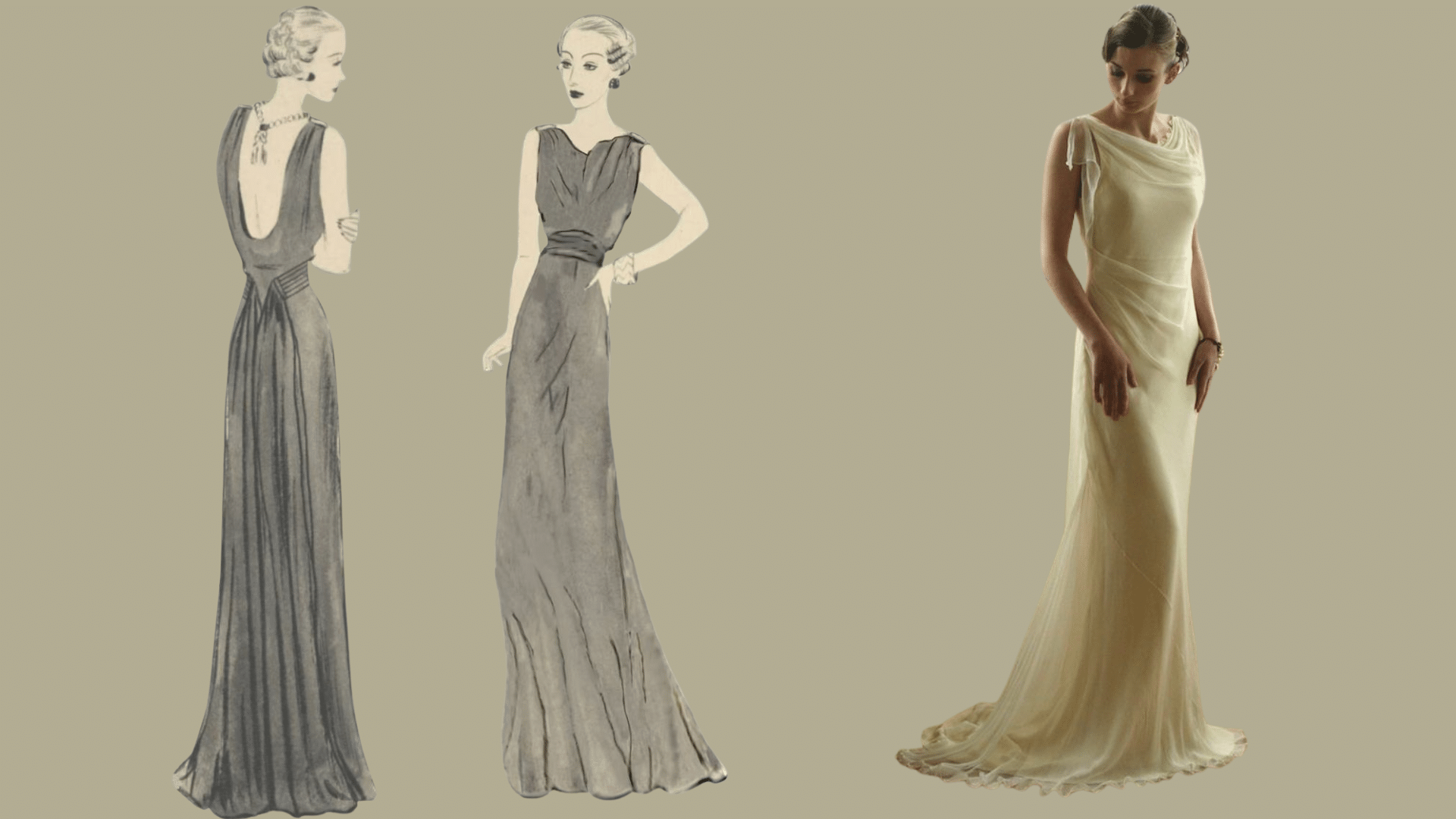
Designer Madeleine Vionnet changed everything when she popularized bias-cut garments. This technique involved cutting fabric diagonally across the grain, allowing dresses to cling and flow simultaneously.
Upper-class 1930s women’s fashion particularly embraced this innovation, as the method required more expensive fabrics and expert tailoring.
2. Longer Hemlines Return
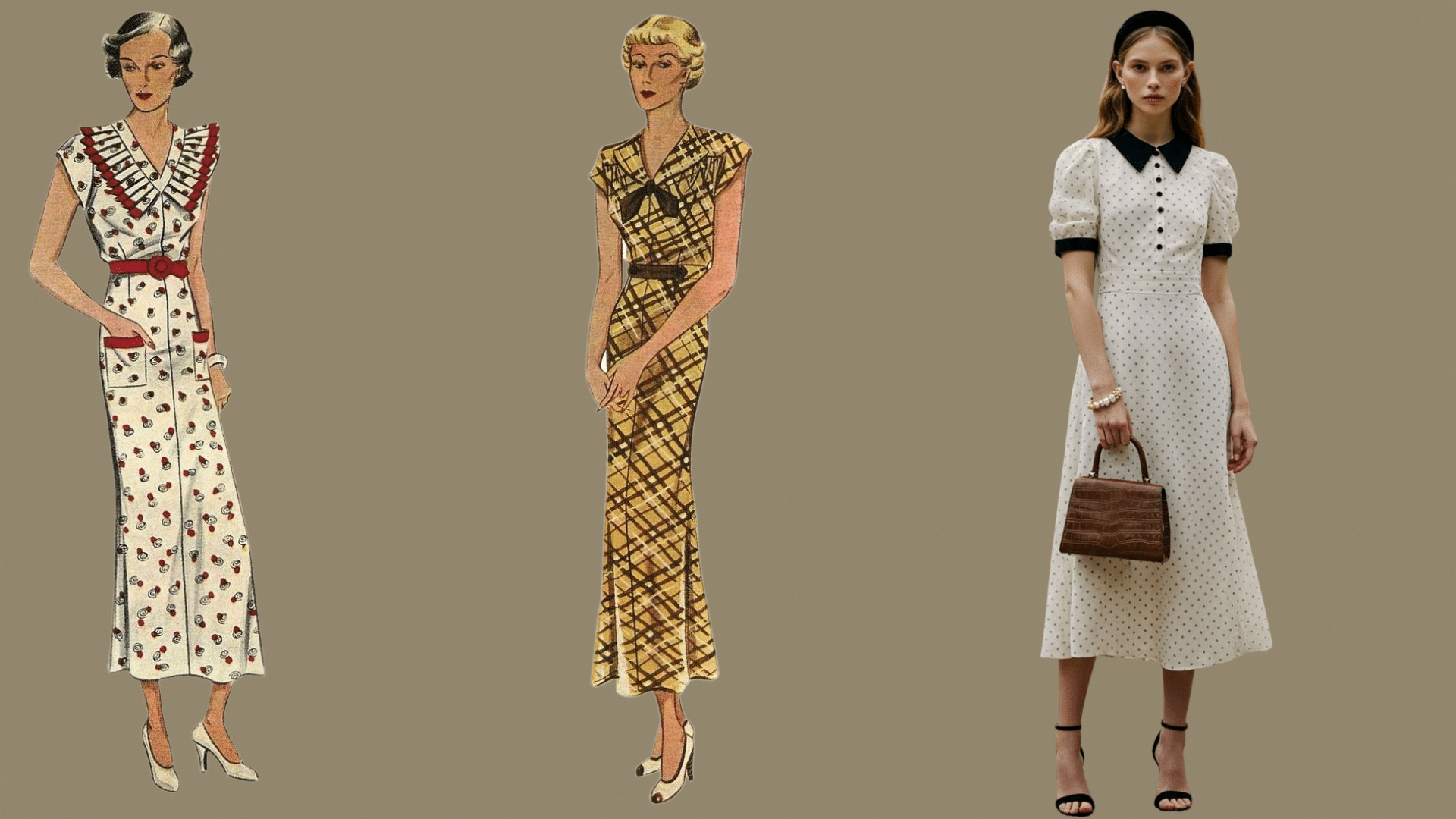
Hemlines dropped dramatically from the knee-length styles of the 1920s to mid-calf and ankle lengths. This change reflected both economic practicality and a return to modesty during uncertain times.
Evening gowns swept the floor in elegant trains, while daywear typically hit just below the calf. The longer lengths gave 1930s women an air of grace and maturity that defined the decade’s style completely.
3. Natural Waistline Emphasis
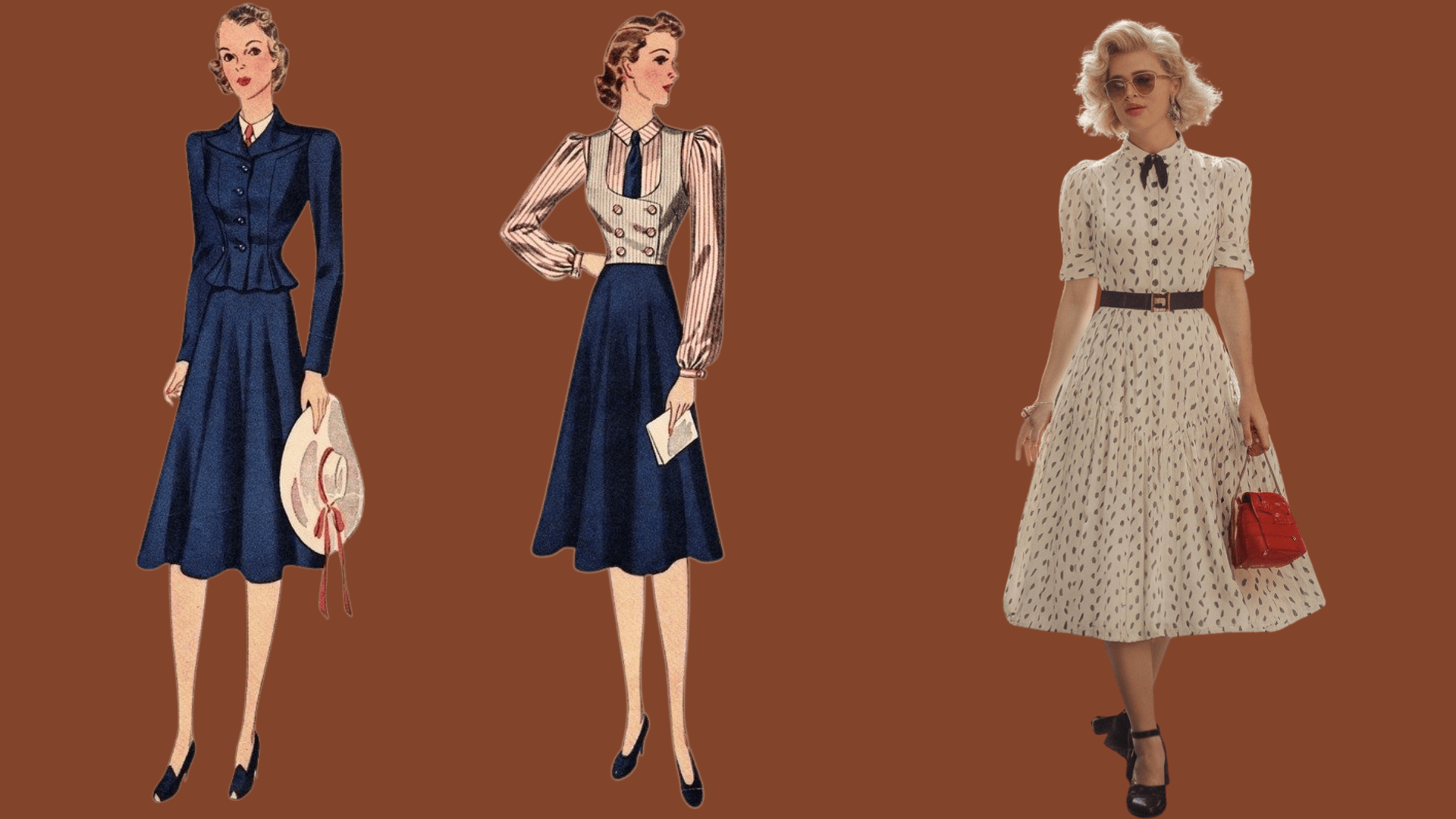
The waistline returned to its natural position after years of dropped waists. This placement created an elongated, feminine silhouette that flattered most body types beautifully.
Belts, sashes, and fitted bodices drew attention to this narrowest point, while skirts flared gently from the hips. The hourglass shape became desirable again, though achieved through cut and drape rather than restrictive undergarments like those of previous eras.
4. Fabrics, Colors, and Prints
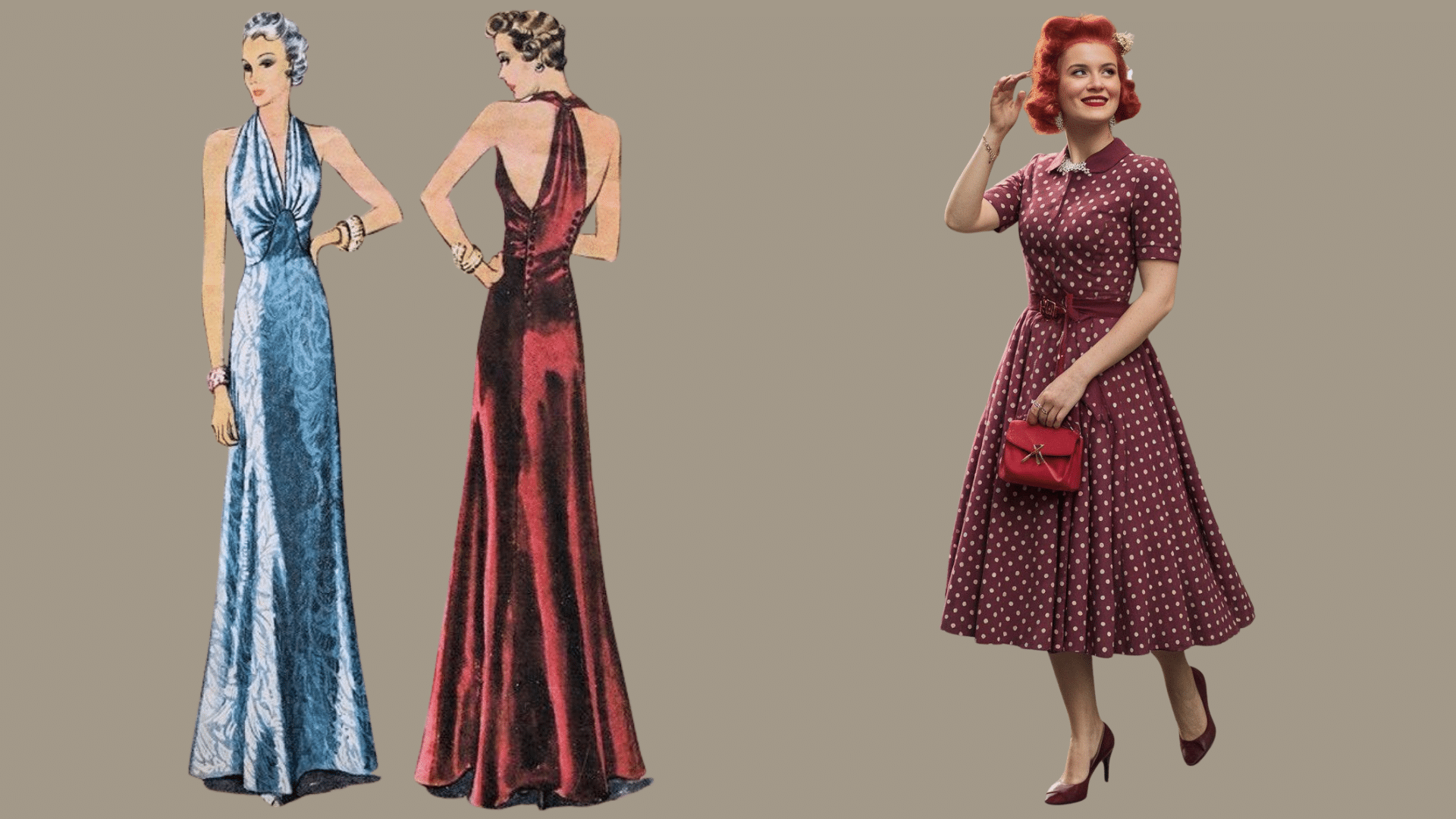
Silk, rayon, and crepe dominated 1930s fashion thanks to their fluid draping qualities. Wealthy women favored luxurious satins and velvets, while working-class wardrobes featured affordable cotton and wool blends.
Color palettes shifted toward muted tones, dusty pinks, soft blues, burgundy, and forest greens, reflecting the era’s somber mood. Floral prints, polka dots, and geometric patterns added visual interest without overwhelming the streamlined silhouettes.
5. Shoulder Details and Structure
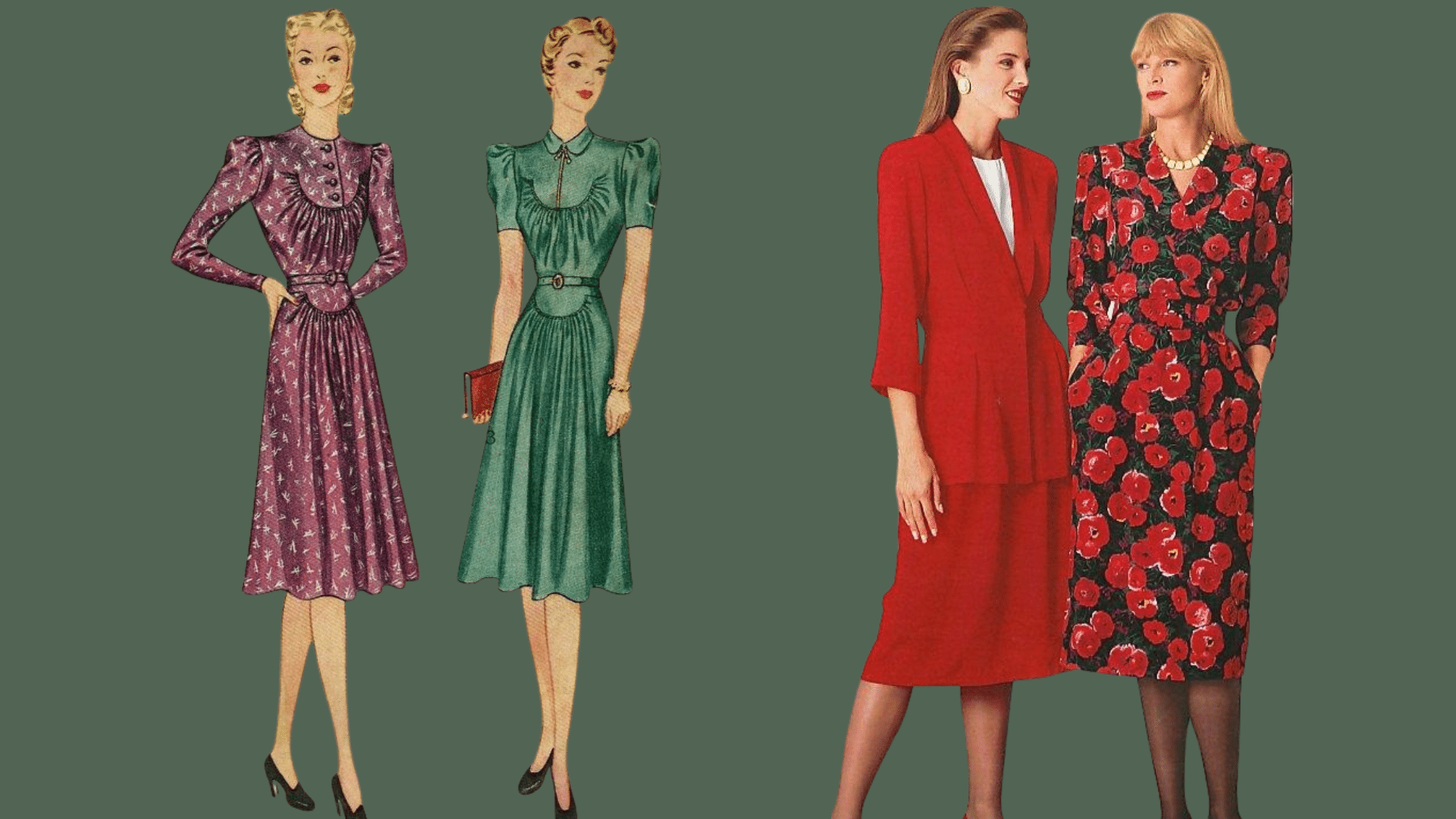
Shoulders gained subtle definition through puffed sleeves, small shoulder pads, and strategic seaming. This detail balanced the longer, flowing skirts and created visual interest in the upper body.
By decade’s end, shoulders became more pronounced, hinting at the powerful silhouettes that would dominate 1940s fashion. The shoulder emphasis gave women a confident, poised appearance during challenging times.
The 1930s silhouette represented more than just fashion trends; it reflected women finding style within constraints. Every element worked together to create a look that was simultaneously practical and glamorous.
Everyday Fashion for Women in the 1930s
Daily life during the Depression demanded practical yet presentable clothing. While upper-class 1930s women’s fashion showcased luxury fabrics and elaborate details, most women needed adaptable pieces that worked from morning chores to afternoon errands.
1. Day Dresses
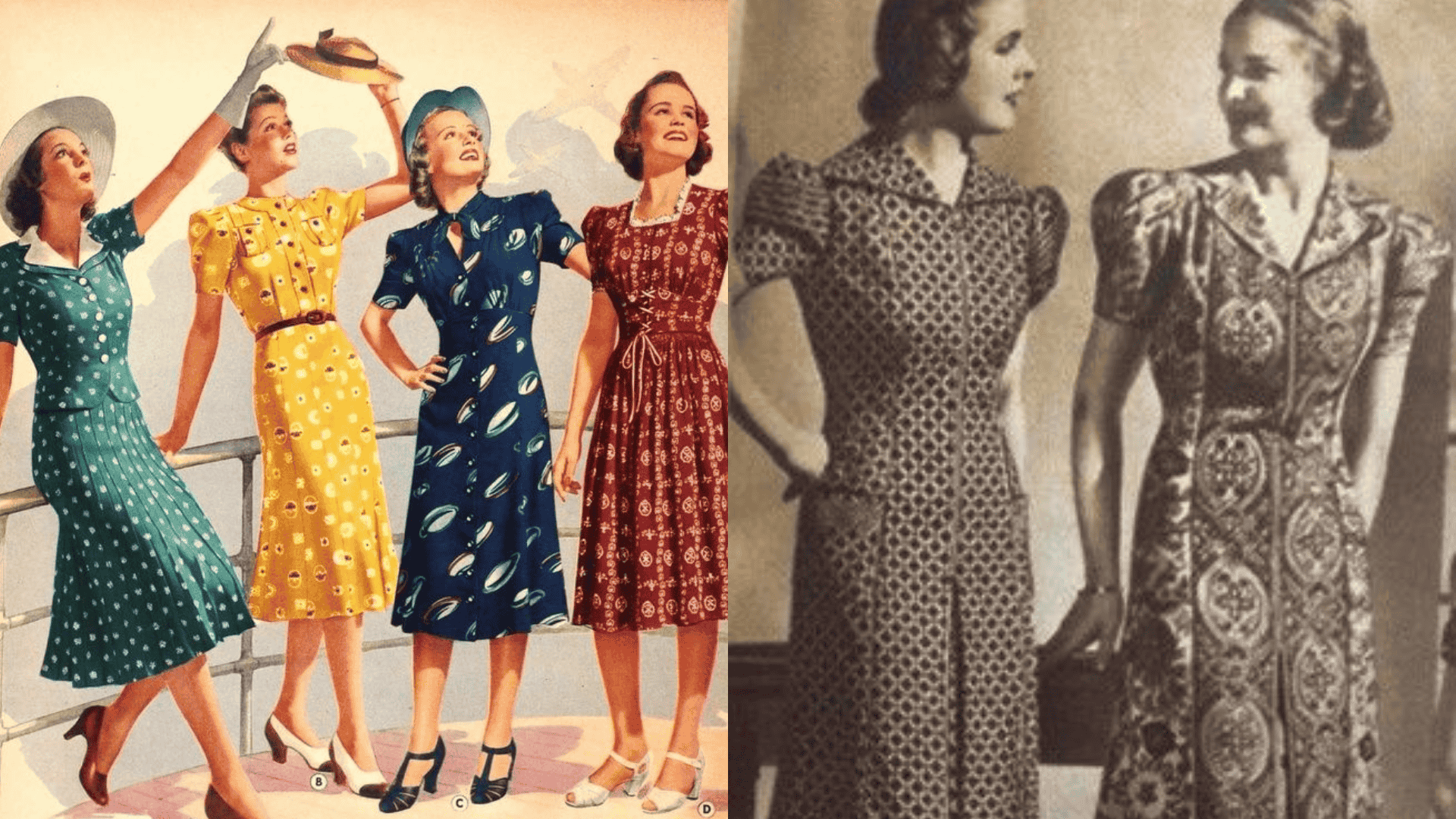
Day dresses formed the foundation of most women’s wardrobes, offering comfort and respectability for daily activities. These mid-calf length frocks featured modest necklines and practical fabrics that withstood frequent washing.
- Key Silhouette: Natural waistline, A-line or slightly flared skirt, modest sleeves
- Commonly Paired Accessories: Small hats, simple pumps, handbags
- How to Recreate: Choose cotton or rayon midi dresses with subtle prints, and add a thin belt
2. Work and Office Attire
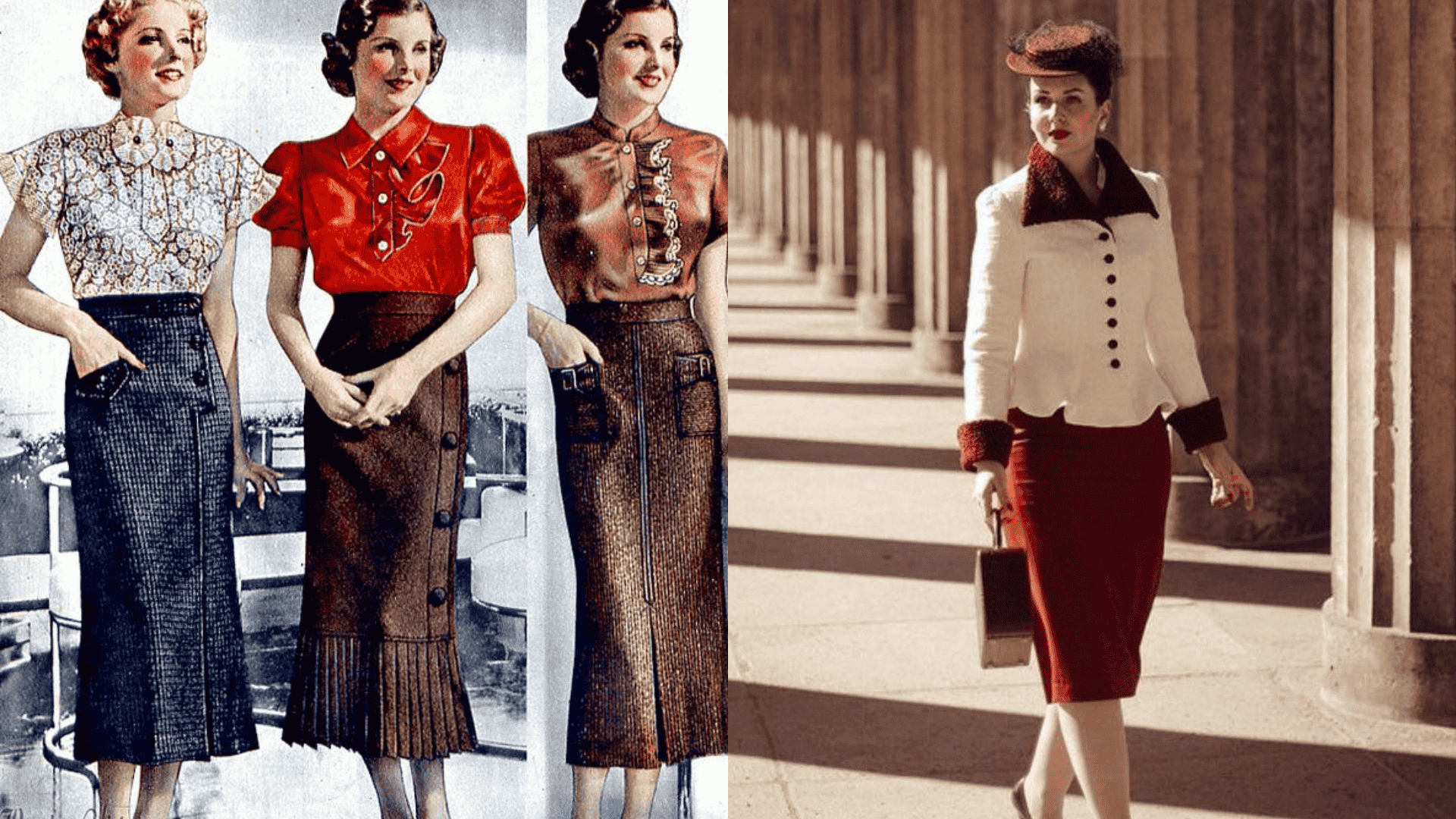
Professional women needed outfits that conveyed competence without sacrificing femininity. Customized separates and conservative dresses dominated office environments, with muted colors preferred over bold patterns.
- Key Silhouette: Structured shoulders, fitted bodice, knee to mid-calf length
- Commonly Paired Accessories: Brooches, leather gloves, sensible heels
- How to Recreate: Pair vintage-style blouses with high-waisted trousers, and add period-appropriate jewelry
3. Casual Housewear
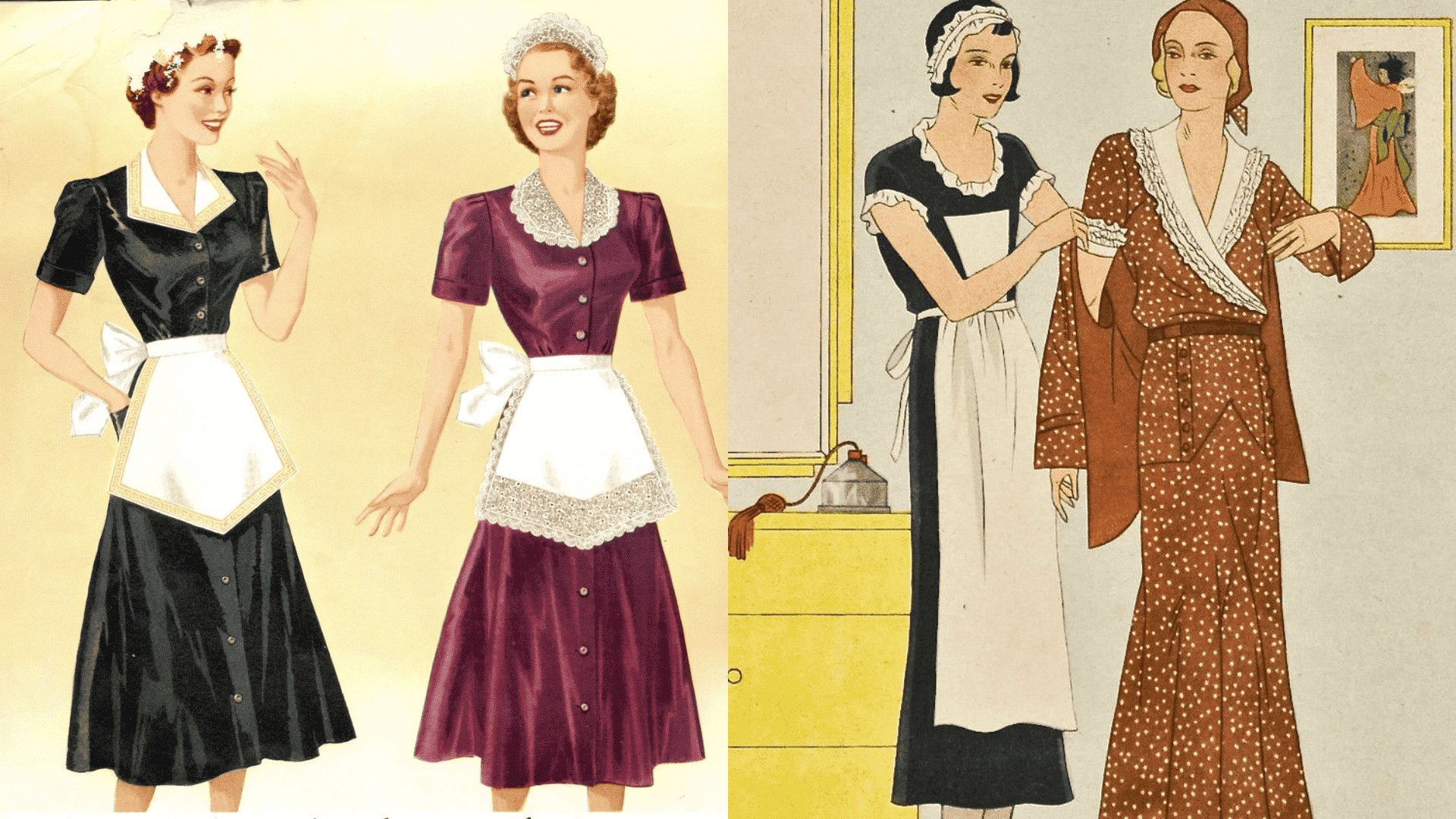
Housedresses and aprons made domestic work manageable while maintaining a put-together appearance. These garments used durable, washable fabrics in cheerful prints that brightened household routines throughout the decade.
- Key Silhouette: Loose fit, practical length, short or three-quarter sleeves
- Commonly Paired Accessories: Aprons, house slippers, headwraps
- How to Recreate: Select simple cotton dresses with buttons down the front, floral or gingham patterns
4. Outerwear and Coats
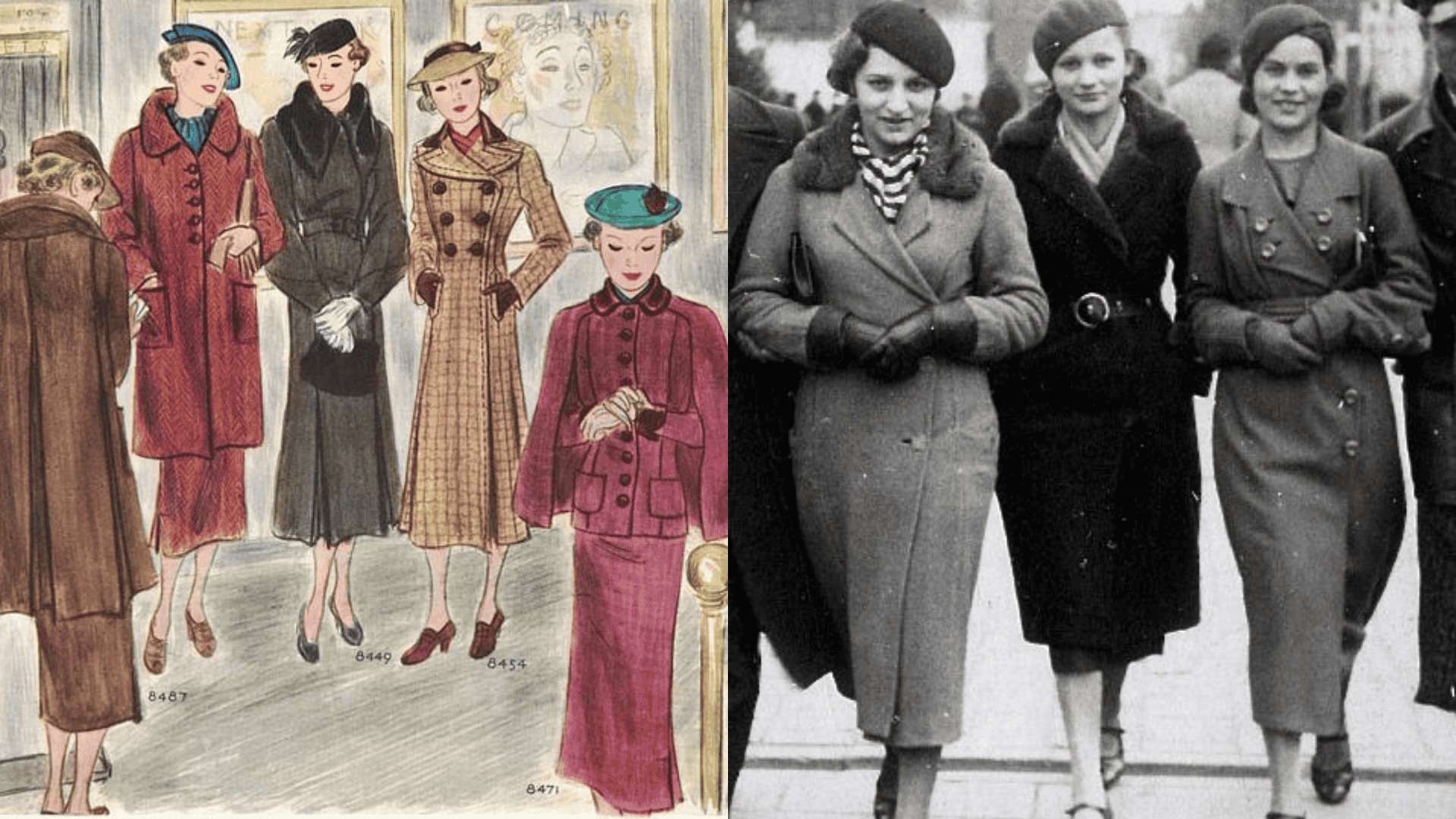
Coats served both function and fashion, often representing a woman’s most significant clothing investment. The 1930s emphasized slim-fitting styles with fur collars or trim for those who could afford such luxuries.
- Key Silhouette: Fitted waist, flared from hips, length varied by formality
- Commonly Paired Accessories: Cloche hats, leather gloves, scarves
- How to Recreate: Find wool coats with defined waists, add vintage-inspired hats and gloves
Everyday 1930s fashion women dressed with intention, making careful choices that stretched limited budgets. Each garment served multiple purposes, transitioning smoothly from one activity to another.
Upper Class Fashion for Women in the 1930s
Upper-class 1930s women’s fashion showcased luxury that seemed almost defiant against economic hardship.
Designer labels, imported silks, and custom tailoring separated the privileged from everyone else, creating looks that magazines photographed and everyday women admired from afar.
5. Evening Gowns and Formal Wear
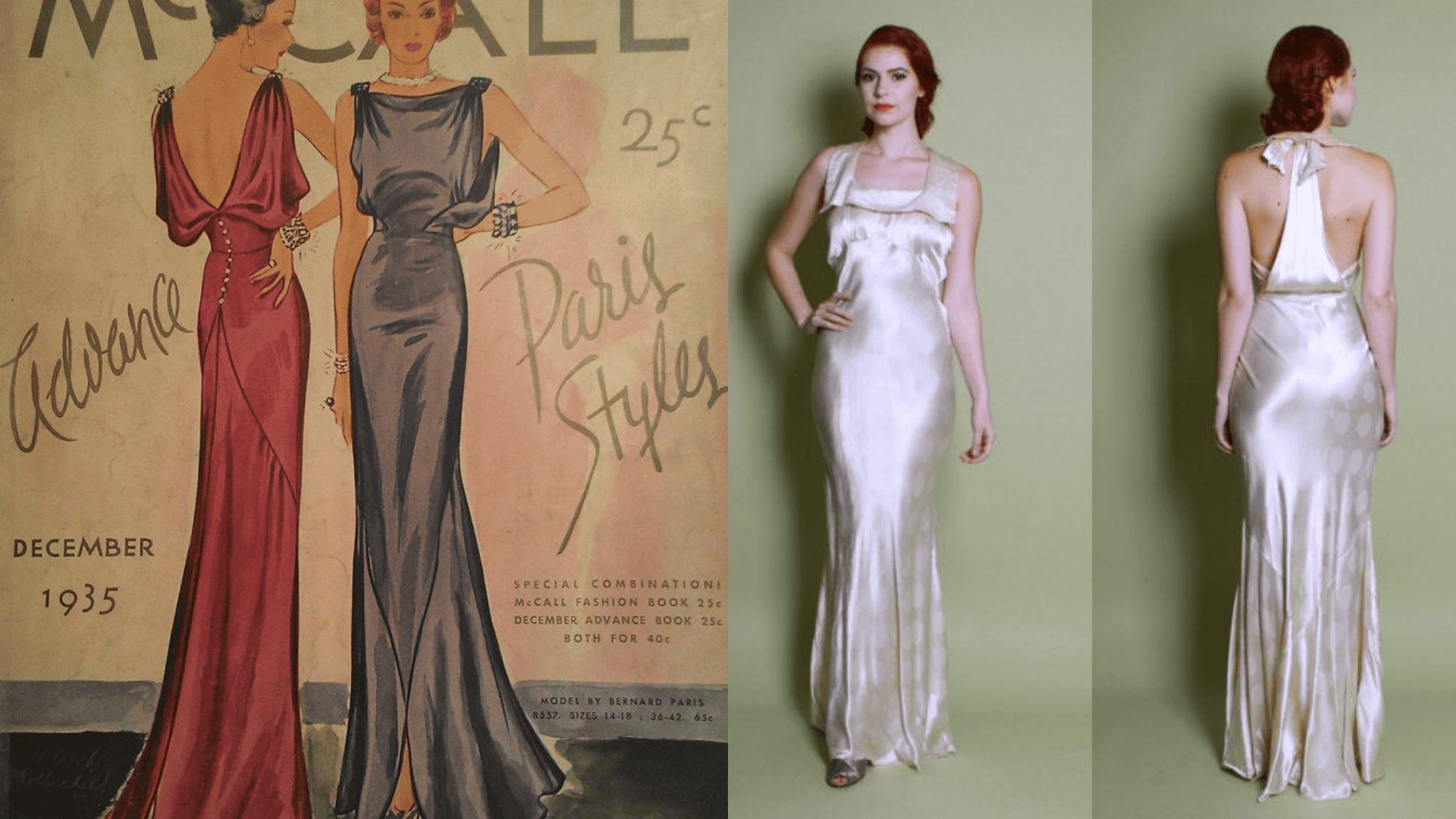
Bias-cut silk gowns that pooled elegantly on ballroom floors defined upper-class evenings. These garments required expert construction and expensive materials that only wealthy women could afford during this challenging decade.
- Key Silhouette: Floor-length, backless or low-back designs, bias-cut fluidity
- Commonly Paired Accessories: Long gloves, jeweled clutches, statement necklaces
- How to Recreate: Select satin slip dresses in jewel tones, add vintage-style jewelry, and evening shoes
6. Tea Dresses and Afternoon Wear
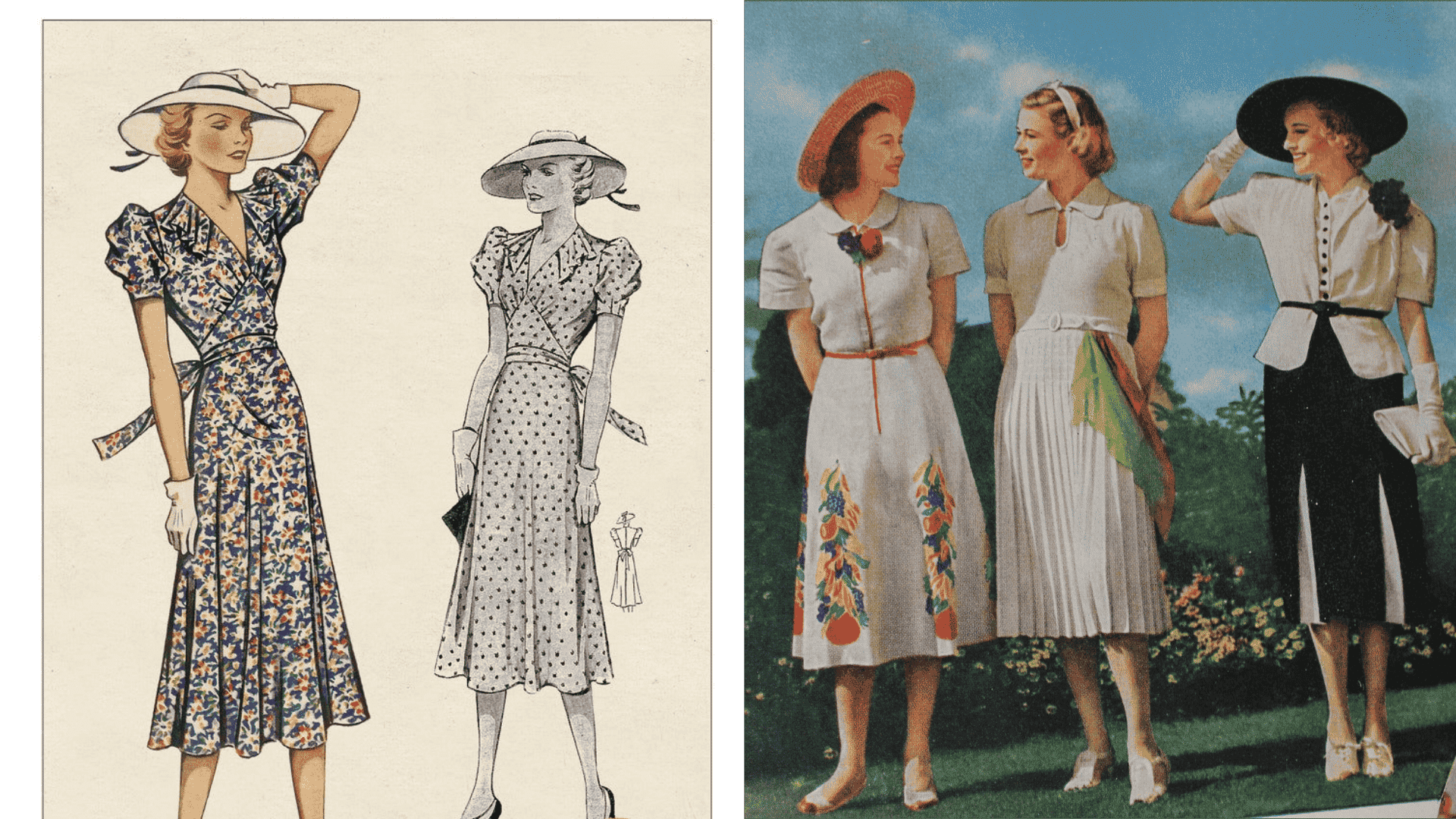
Afternoon social gatherings demanded elegant yet daytime-appropriate attire. These refined frocks bridged casual and formal, perfect for luncheons, garden parties, and refined social calls among the elite.
- Key Silhouette: Mid-calf length, soft draping, feminine details like ruffles or lace
- Commonly Paired Accessories: Wide-brimmed hats, pearl strands, kid leather gloves
- How to Recreate: Choose floral print midi dresses with delicate fabrics, and accessorize with period hats
7. Sportswear and Leisure Clothing
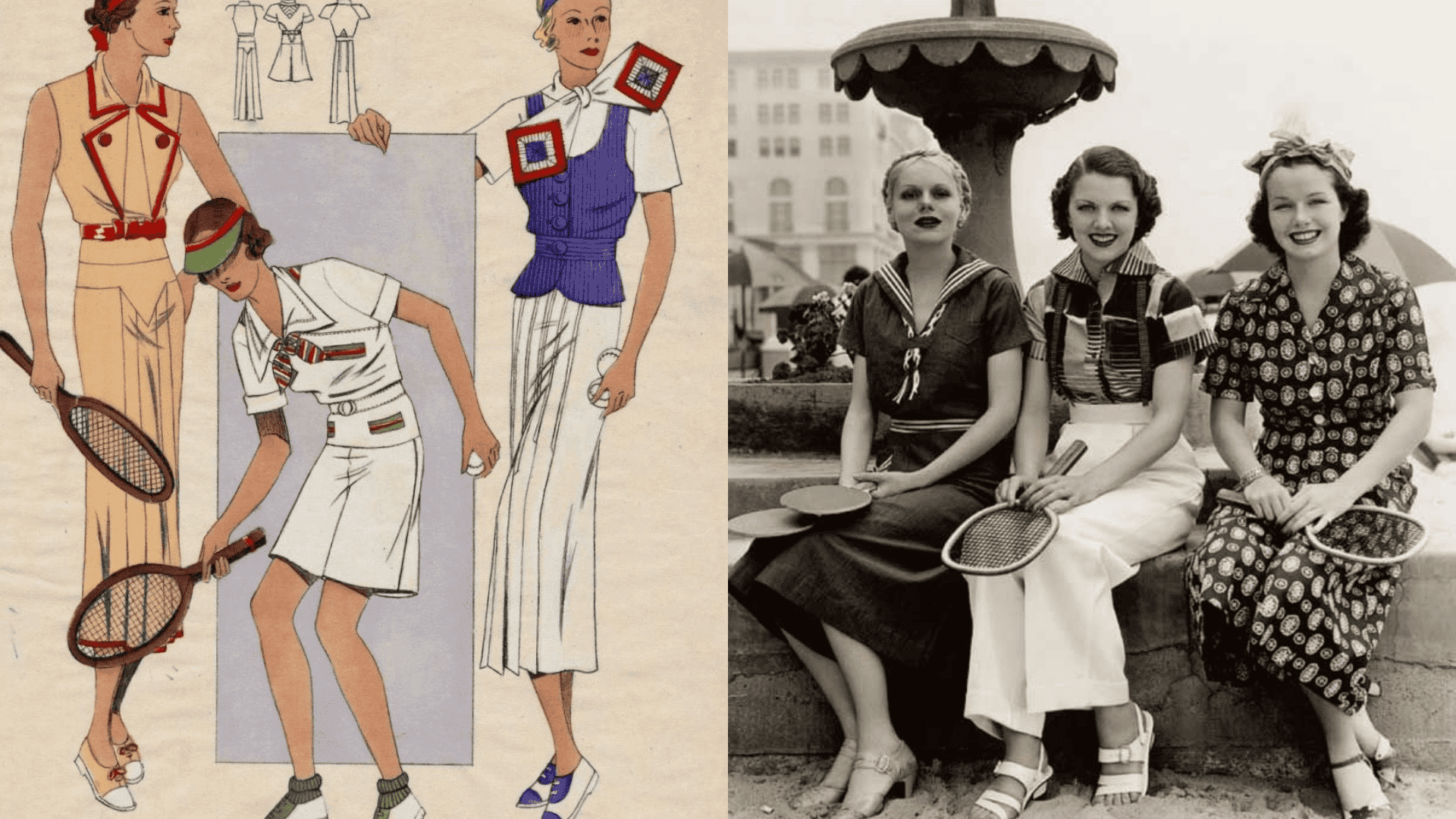
Even relaxation looked polished for wealthy women. Tennis whites, riding habits, and resort wear demonstrated that the women of privilege maintained elegance regardless of activity or location.
- Key Silhouette: Tailored separates, wide-leg trousers, crisp collared shirts
- Commonly Paired Accessories: Canvas oxfords, straw hats, silk scarves
- How to Recreate: Pair high-waisted wide trousers with tucked blouses, add retro sneakers or loafers
8. Luxurious Outerwear
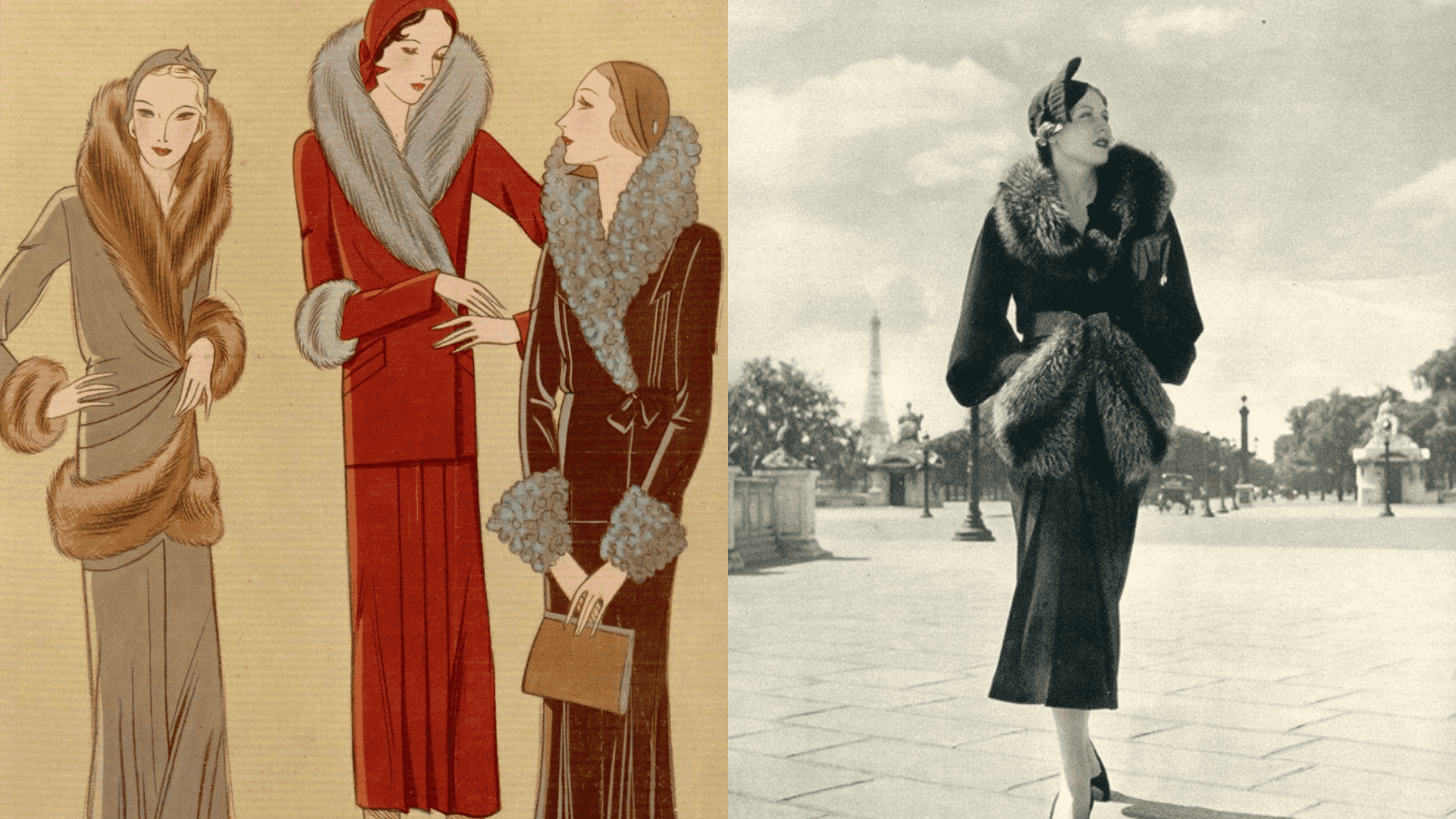
Fur coats, velvet capes, and customized wool designs announced status before their wearers spoke. These investment pieces featured exquisite construction and materials that lasted decades, representing fashion as a heirloom rather than a disposable commodity.
- Key Silhouette: Structured shoulders, nipped waist, dramatic collars, or fur trim
- Commonly Paired Accessories: Fur stoles, leather handbags, elegant brooches
- How to Recreate: Find quality fur coats with statement collars, add faux fur accents, and vintage pins
Upper-class 1930s women’s fashion represented aspiration during difficult times. Their choices influenced trends that trickled down through all social classes, shaping what everyone considered beautiful and desirable throughout the decade.
How Women in the 1930s Styled Their Hair and Makeup
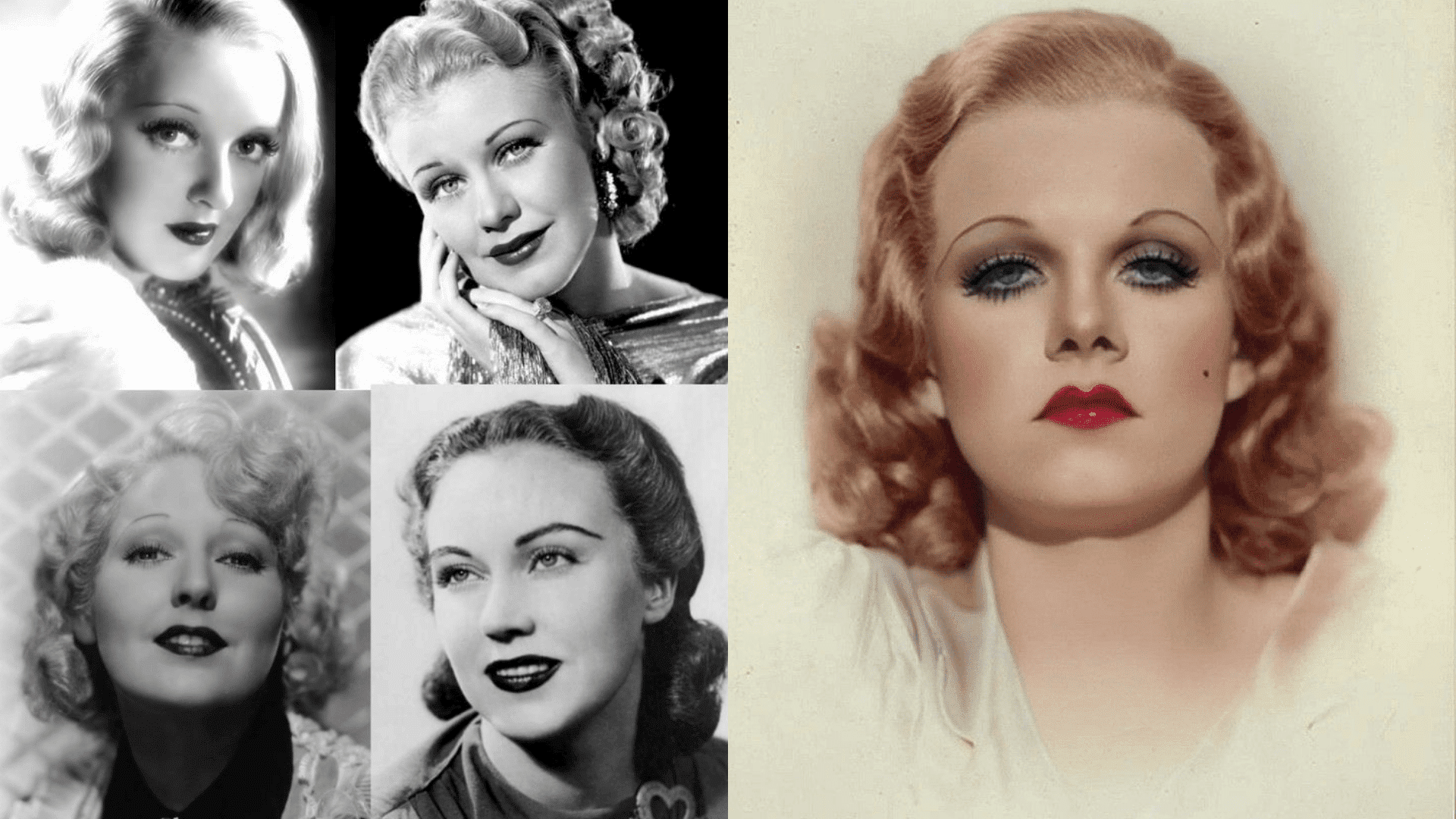
Beauty routines completed the polished look that defined the era. Hair and makeup choices complemented clothing silhouettes, creating cohesive styles that 1930s fashion women perfected through careful grooming and attention to detail.
- Finger waves and marcel waves dominated hairstyling: Women visited salons weekly for precisely sculpted waves that framed faces beautifully, creating the decade’s most recognizable hairstyle.
- Thin, arched eyebrows became the beauty standard: Pencil-thin brows positioned high on the forehead gave faces a surprised, elegant expression that photographs captured perfectly.
- Deep red and burgundy lips made bold statements: Cupid’s bow lip shapes required careful application using lip brushes, creating exaggerated pouts inspired by Hollywood screen sirens.
- Pale, powdered complexions remained fashionable: Upper-class 1930s women’s fashion extended to skincare, with sun-kissed tans considered unrefined and undesirable throughout society.
- Short to shoulder-length hair prevailed: Longer styles from earlier decades disappeared as practical, manageable lengths suited both everyday life and formal occasions equally well.
Influential Designers of 1930s Fashion
Behind every stunning silhouette stood visionary designers who shaped the decade’s visual. These creative minds influenced what 1930s women wore, from Hollywood starlets to everyday shoppers.
1. Madeleine Vionnet
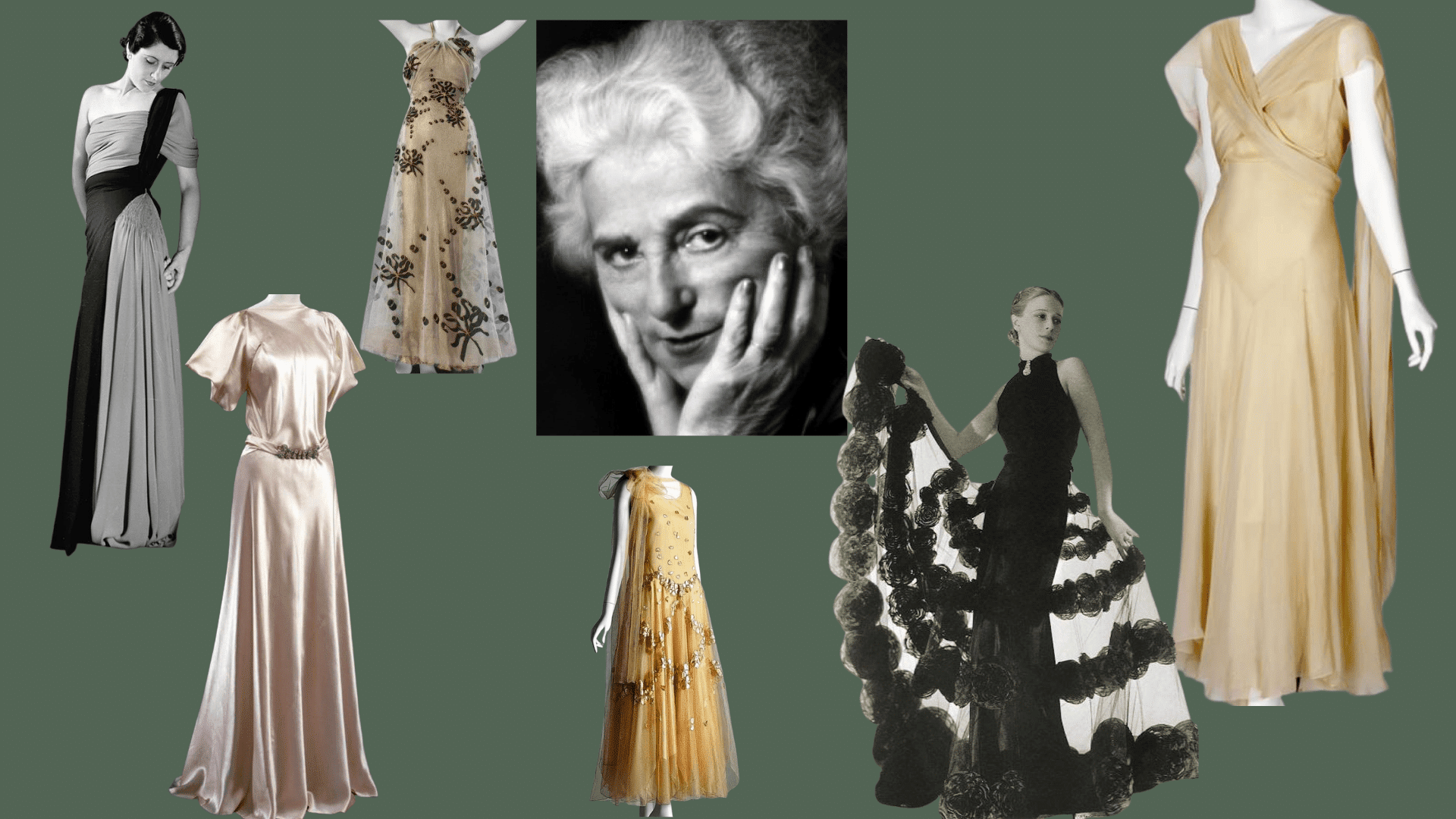
The French couturier earned the title “architect among dressmakers” for her mathematical approach to garment construction. Beyond pioneering bias-cutting techniques, Vionnet eliminated restrictive closures, creating dresses that slipped over the head effortlessly.
Her philosophy centered on allowing fabric to shape itself around the body rather than forcing bodies into rigid structures, revolutionizing how fashion was approached in feminine dressing entirely.
2. Elsa Schiaparelli
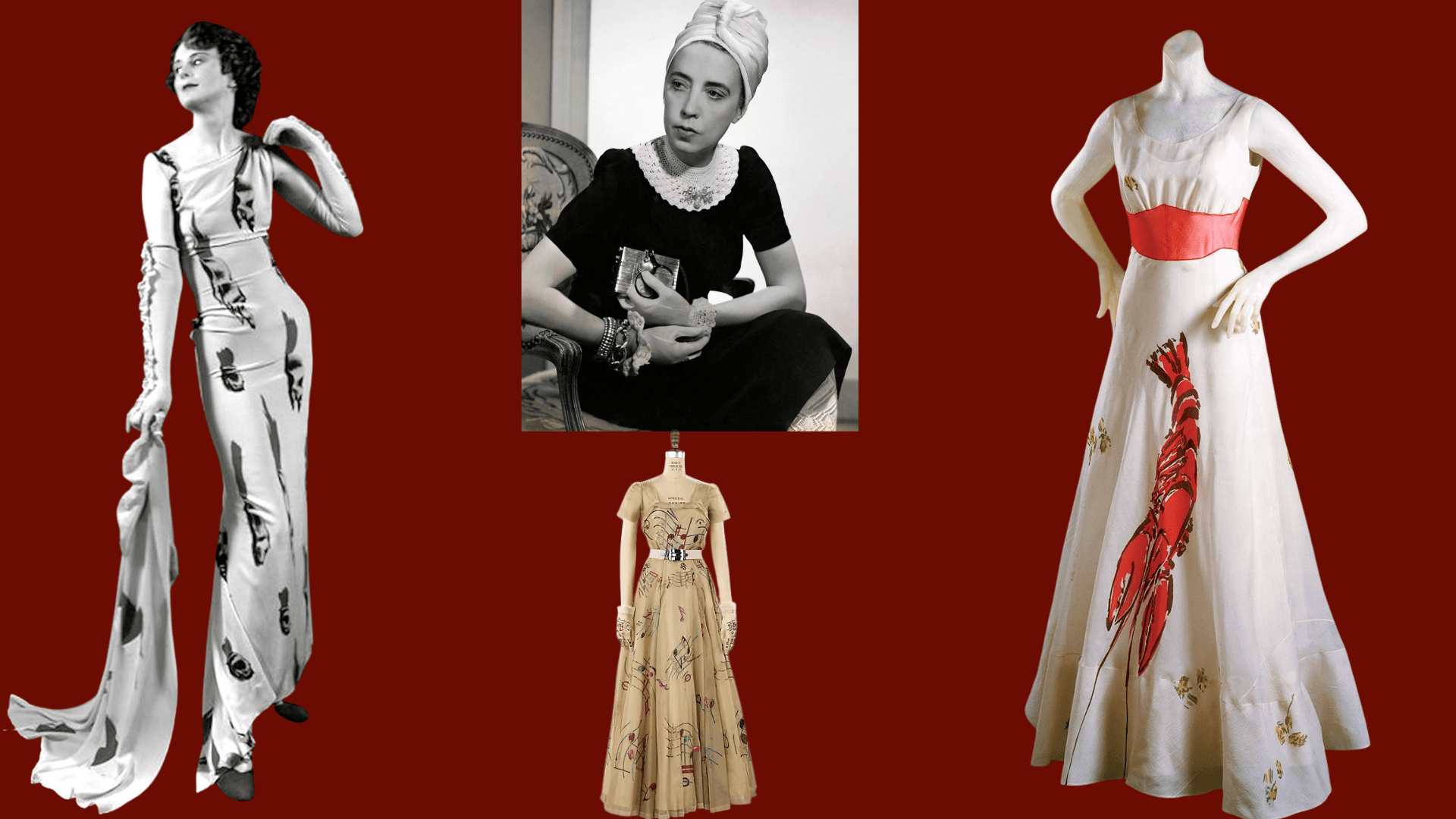
Italian-born Schiaparelli brought surrealist art into wearable fashion through bold collaborations with Salvador Dalí. She introduced shocking pink as a signature color and created whimsical designs featuring lobster prints, shoe-shaped hats, and optical illusions.
Her daring approach challenged conventional elegance, offering upper-class 1930s women’s fashion an avant-garde alternative to traditional Parisian couture that made headlines internationally.
3. Coco Chanel
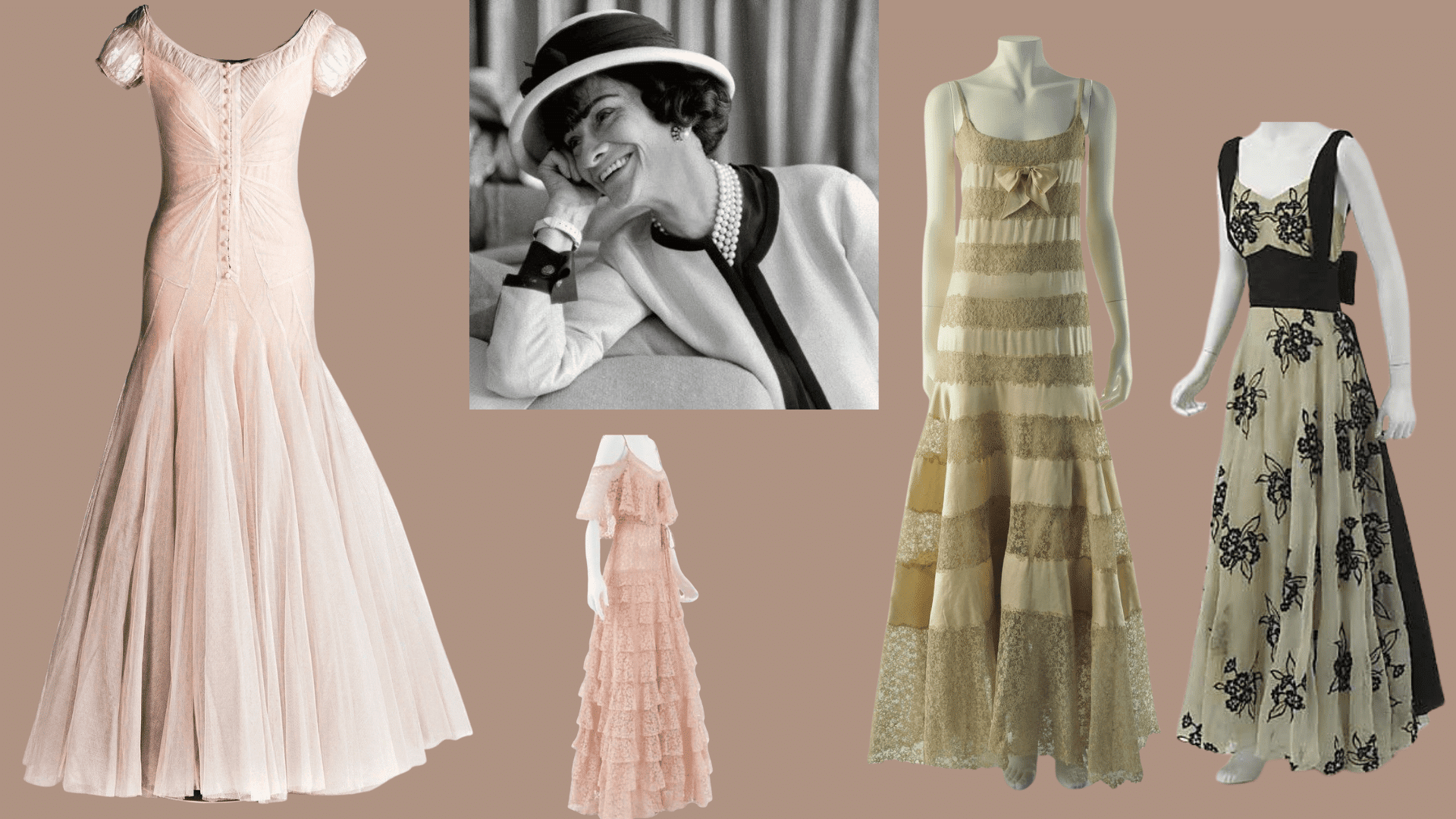
Chanel’s influence continued strongly throughout the Depression, promoting comfortable elegance over fussy ornamentation. She championed jersey fabrics, simple lines, and costume jewelry that looked expensive without the price tag.
Her philosophy that “luxury must be comfortable, otherwise it is not luxury” resonated with women seeking practical sophistication during economically challenging times throughout the decade.
4. Mainbocher
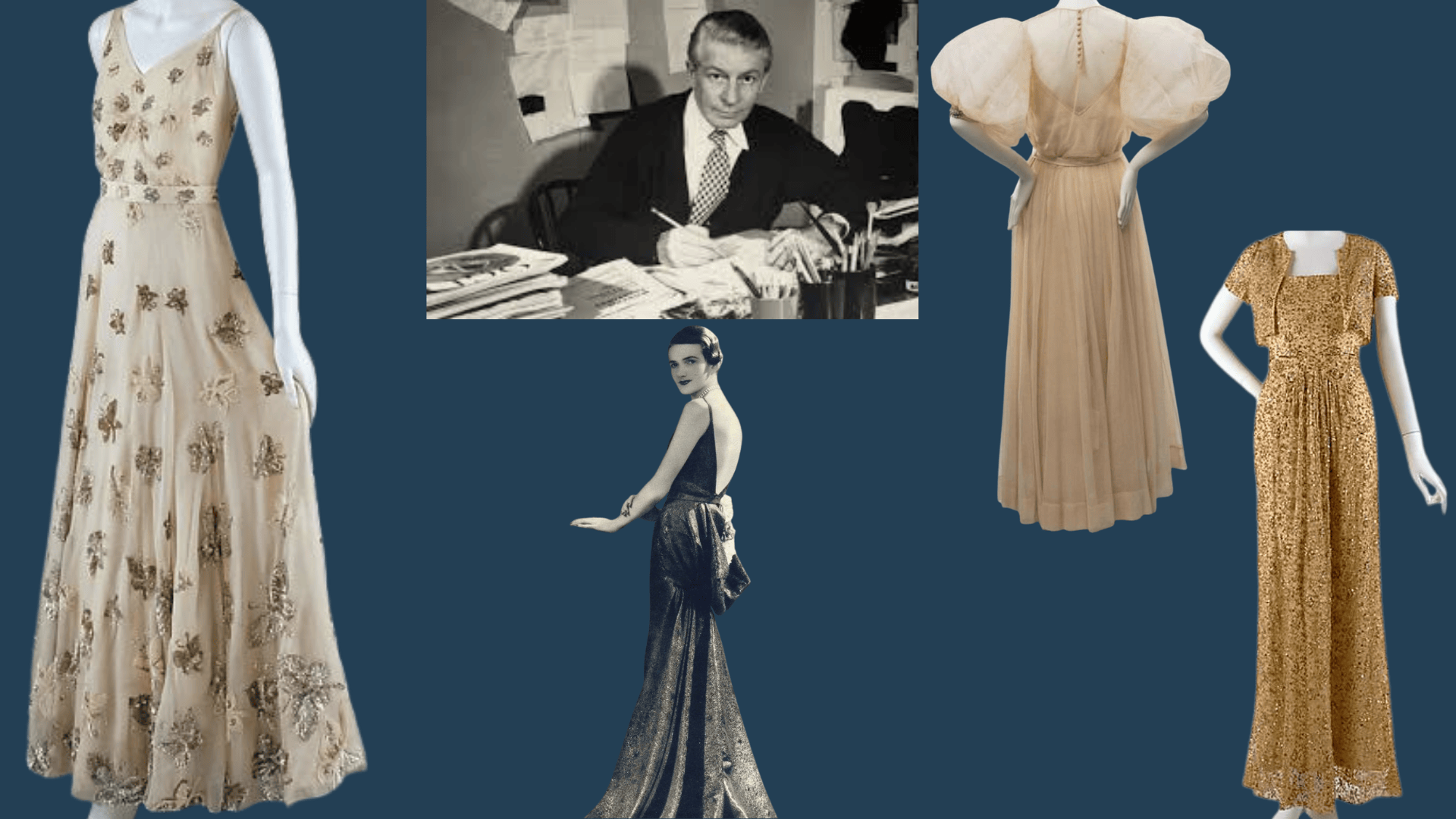
Chicago-born Main Rousseau Bocher became the first American to open a successful Parisian couture house. He designed Wallis Simpson’s wedding dress for her marriage to the Duke of Windsor, creating an international sensation.
Mainbocher specialized in refined simplicity, understated elegance that required perfect stitching and expensive fabrics to achieve its deceptively effortless appearance among fashionable circles.
These designers didn’t just create clothes, they shaped how an entire generation understood elegance and femininity. Their combined influence meant that 1930s fashion, regardless of budget, had access to beautiful designs through various price points.
Comparing 1930s Fashion With 1920s And 1940s
Understanding how 1930s women dressed requires context from the surrounding decades. Each era reflected its unique social climate through distinct silhouettes, hemlines, and attitudes toward femininity.
| Fashion Element | 1920s | 1930s | 1940s |
|---|---|---|---|
| Silhouette | Straight, boyish, dropped waist | Fitted, curves emphasized, natural waist | Broad shoulders, nipped waist, military influence |
| Hemline | Knee-length, shorter | Mid-calf to ankle | Knee-length due to fabric rationing |
| Attitude | Rebellious, androgynous | Elegant, refined, feminine | Practical, patriotic, utilitarian |
| Key Feature | Fringe, beading, loose fit | Bias-cut draping, flowing fabrics | Padded shoulders, structured tailoring |
| Overall Mood | Carefree, jazz-inspired | Sophisticated, Hollywood glamour | Resourceful wartime resilience |
Key 1930s Garments And Outfit Formulas
Certain pieces appeared repeatedly in closets across all social classes. Understanding these essential garments helps decode how 1930s women created their signature looks with surprisingly few items.
- The shirtwaist dress formula: Button-front frocks with defined waists created professional polish when worn alone, casual charm when topped with cardigans or sweaters.
- Collar and cuff sets: Detachable white collars and cuffs transformed plain dresses into fresh-looking outfits, extending wardrobe possibilities without buying new garments.
- Jumper dress over blouse: Sleeveless pinafore-style dresses layered over various blouses created multiple looks from two simple pieces throughout the week.
- Sweater and skirt pairings: Knit pullovers tucked into A-line skirts became the casual uniform for younger women and college students during this era.
- Print dress with coordinating jacket: A floral or patterned frock paired with a solid jacket in matching colors elevated daywear to semi-formal occasions effortlessly.
Summing It Up
The Depression era created a fashion that balanced hardship with beauty. 1930s fashion women mastered an art that celebrated femininity through flowing silhouettes, luxurious draping, and thoughtful details that elevated even modest wardrobes.
Understanding this decade’s style choices offers eternal lessons about dressing elegantly within constraints. The era proved that refinement doesn’t require excessive spending, just careful selection, quality pieces, and attention to fit and proportion.
Ready to incorporate vintage elegance into modern wardrobes? Start experimenting with bias-cut dresses, defined waistlines, and midi-length hemlines.