

Picture walking into a grand ballroom where every outfit tells a story of power, wealth, and drama. That’s baroque fashion in its full glory.
This style dominated Europe from the 1600s to the early 1700s, turning clothing into walking art pieces. Think massive skirts, glittering gold embroidery, and fabrics so rich they could buy a house.
Baroque fashion wasn’t just about looking good; it was about making a statement. Kings and queens used their wardrobes as weapons of influence.
But here’s the twist: beneath all that luxury and excess, baroque fashion held secrets that shaped how people dressed for centuries. What made these outfits so powerful that rulers spent fortunes on a single gown?
What Is Baroque Fashion?
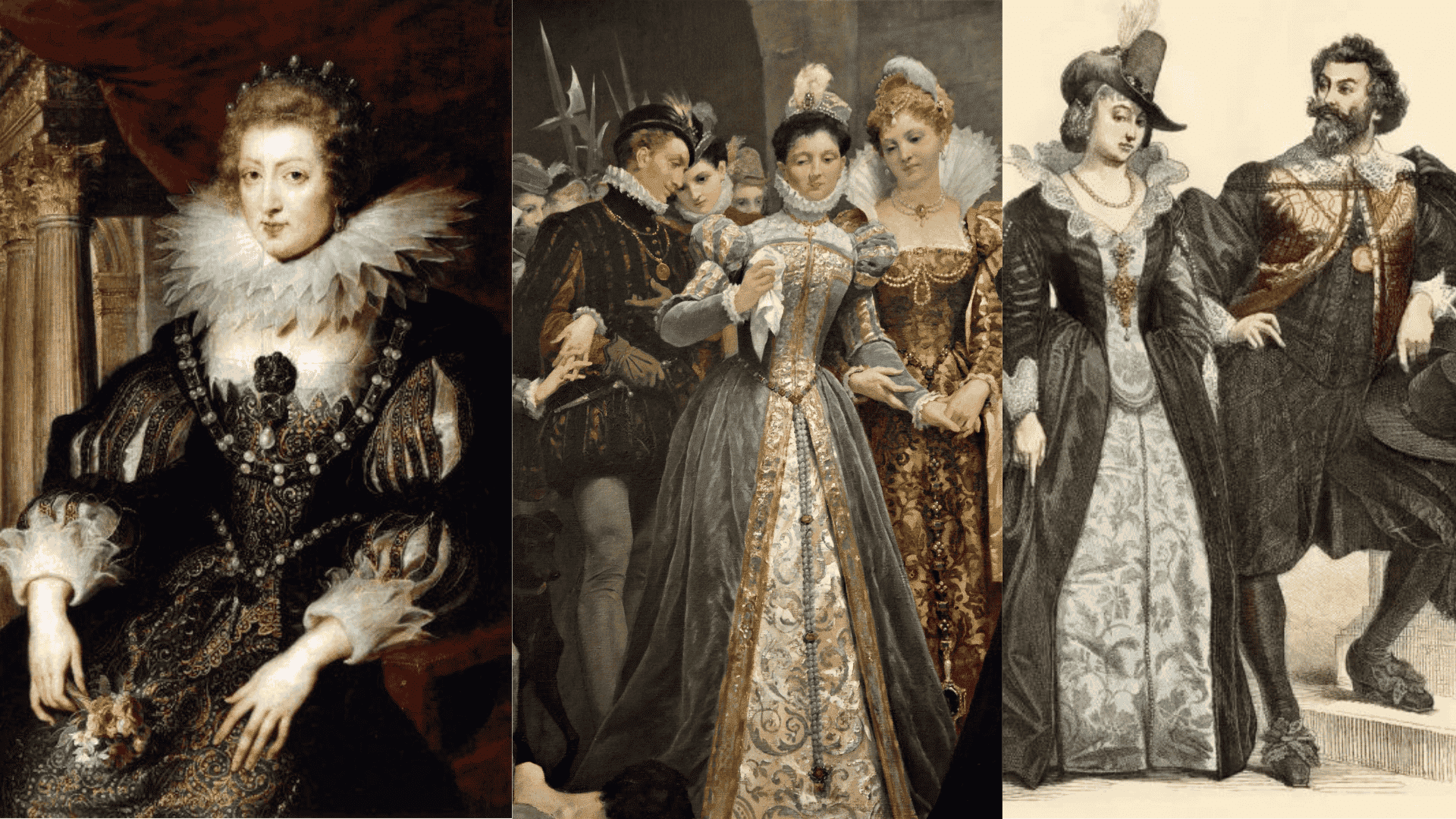
Baroque fashion refers to the extravagant clothing style that swept through Europe between 1600 and 1750. This era brought clothing designs that were bold, dramatic, and incredibly detailed.
Men wore long coats with puffy sleeves, while women donned corsets and skirts that could span six feet wide. The style featured rich fabrics like silk, velvet, and brocade, often decorated with lace, ribbons, and jewels.
Baroque fashion reflected the period’s love for grandeur and artistic expression. Colors were deep and vibrant, think royal purples, rich reds, and shimmering golds.
Every piece of clothing served a purpose: showing off wealth, status, and taste. The bigger and more ornate the outfit, the more critical the wearer appeared to society.
The Origins of Baroque Fashion in Early Modern Europe
Baroque fashion didn’t appear overnight. It emerged during a time of great change in Europe, influenced by art, politics, and cultural shifts. Understanding this period helps explain why baroque fashion became so over-the-top and theatrical.
| Period | Key Events | Fashion Impact |
|---|---|---|
| 1600-1650 | The Thirty Years’ War reshapes Europe; the Catholic Church gains power | Heavy, dark clothing with religious symbolism; Spanish influence dominates |
| 1650-1700 | Louis XIV rules France; Versailles becomes a cultural center | Baroque fashion reaches peak extravagance; France sets trends across Europe |
| 1700-1750 | Trade routes expand; new fabrics arrive from Asia | Exotic materials become popular; baroque fashion spreads to colonies worldwide |
Key Characteristics of Baroque Fashion
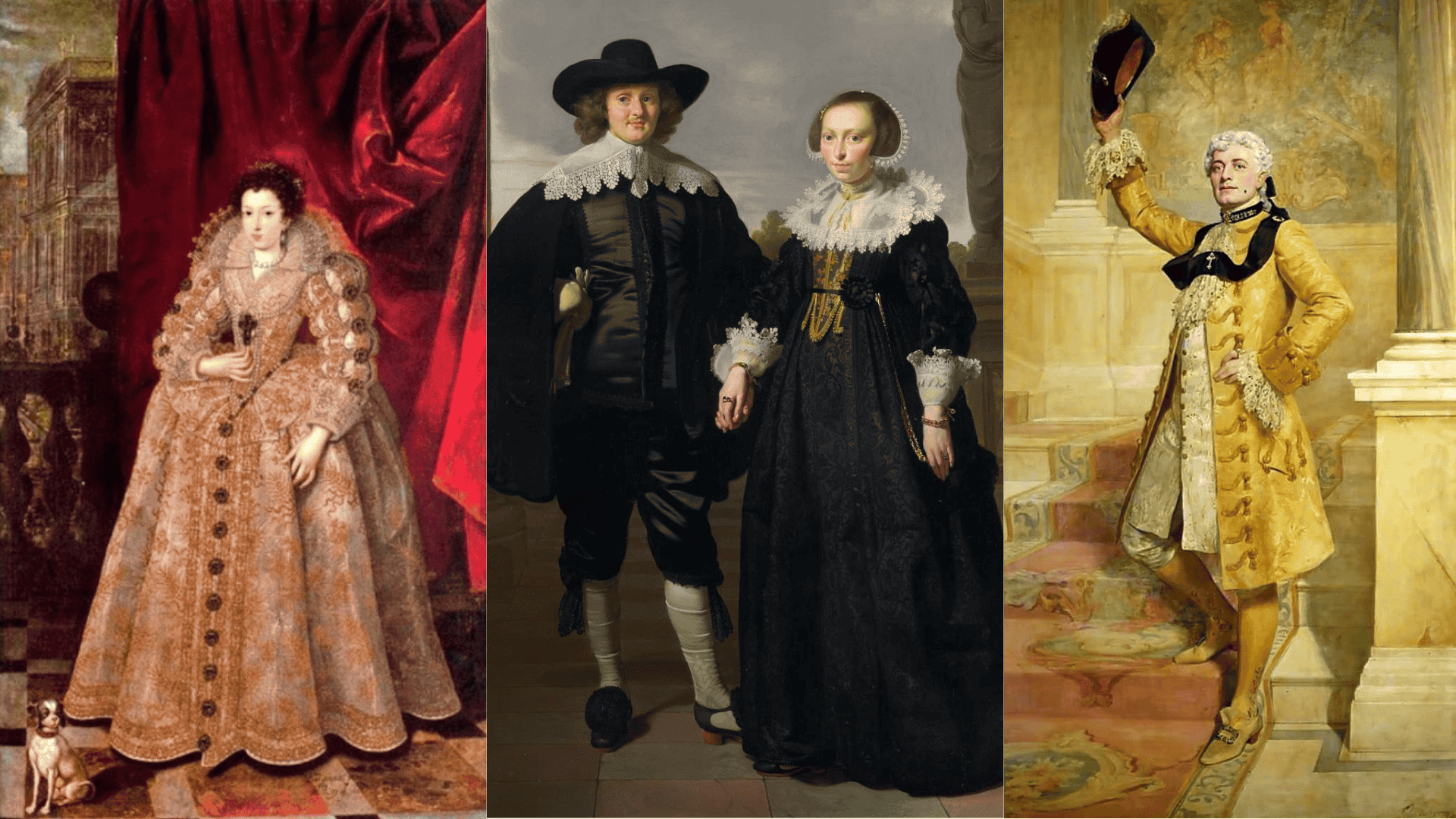
Baroque fashion had distinct features that made it instantly recognizable. These elements worked together to create the dramatic, luxurious look that defined the era.
- Elaborate Embellishments: Outfits featured heavy embroidery, lace trim, gold threading, and jeweled buttons that covered nearly every surface of the fabric.
- Rich Fabrics: Silk, velvet, brocade, and satin were standard materials, often imported from Asia and costing small fortunes.
- Layered Construction: Multiple petticoats, underskirts, corsets, and overcoats created depth and dimension in every outfit.
- Bold Color Palettes: Deep burgundy, royal blue, emerald green, and metallic gold dominated, symbolizing wealth and power.
Baroque Fashion and Social Status
Clothing during the Baroque period worked like a social ranking system. People could tell someone’s position in society just by looking at their outfit. Baroque fashion became a visual language that communicated power, wealth, and class distinctions across Europe.
| Social Class | Clothing Features | Restrictions |
|---|---|---|
| Royalty | Gold-threaded fabrics, ermine fur, crowns, unlimited layers, and jewels | None could wear anything they desired |
| Nobility | Silk gowns, embroidered coats, lace accessories, powdered wigs | Forbidden from wearing specific royal colors like purple |
| Merchants | Quality wool, simple embroidery, modest jewelry, clean tailoring | Limited fabric choices; no gold threading or excessive decoration |
| Peasants | Rough linen, plain cotton, earth-toned colors, practical designs | Banned from wearing silk, velvet, or bright colors by law |
Women’s Baroque Fashion
Women’s clothing during the Baroque period evolved dramatically over 150 years. Each phase brought distinct styles that reflected changing tastes and cultural influences.
1. Early Baroque Period (1600-1650)
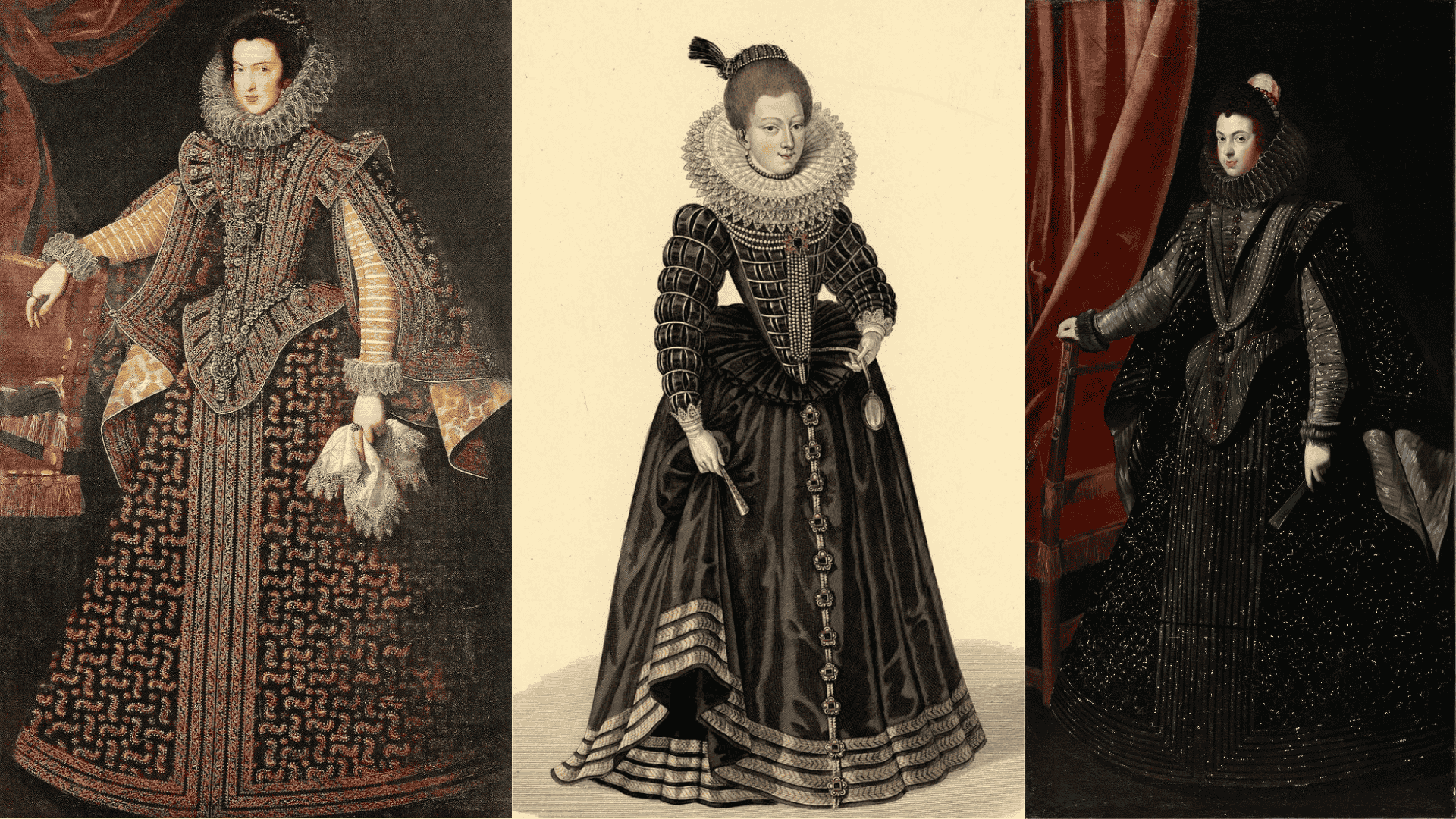
The early Baroque era featured stiff ruffs and softer, falling bands or lace collars. Women wore rigid bodices reinforced with wood or whalebone that created an unnaturally straight posture. Hip pads called farthingales extended skirts outward in a cone shape, making women appear wider at the bottom.
These structured garments restricted movement severely but displayed wealth through expensive fabrics and embroidery covering every surface.
2. Mid Baroque Period (1650-1700)
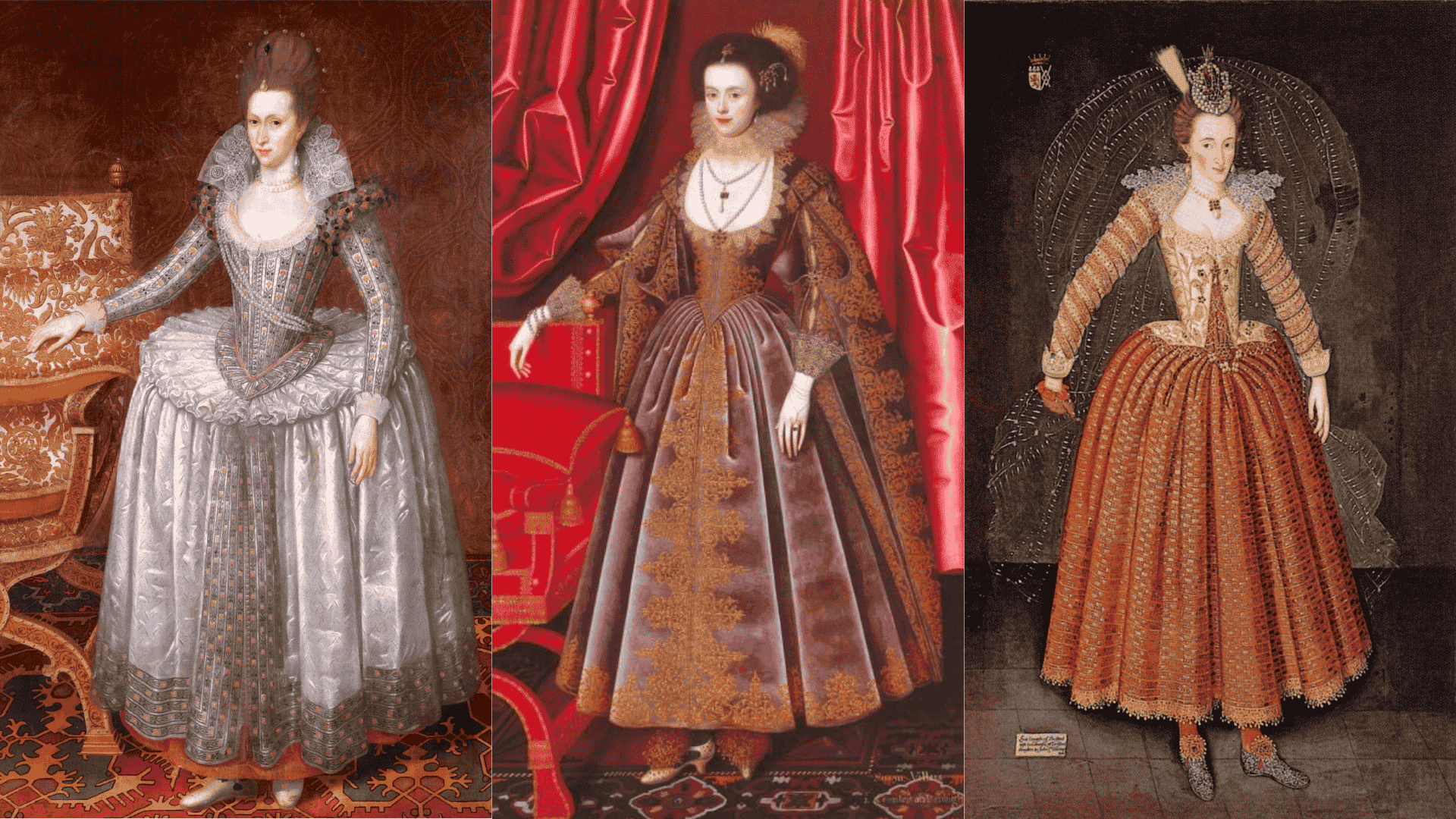
Mid-period baroque fashion softened considerably, with lace collars replacing harsh ruffs around the neckline. Bodices became lower, exposing cleavage as a sign of elegance and confidence.
Puffed gigot sleeves gathered, billowing sleeves that puffed dramatically at the shoulder, became the statement piece of this era. Women layered these sleeves with ribbons and bows. The overall silhouette remained structured but allowed more natural body movement than earlier styles permitted.
3. Late Baroque Period (1700-1720)
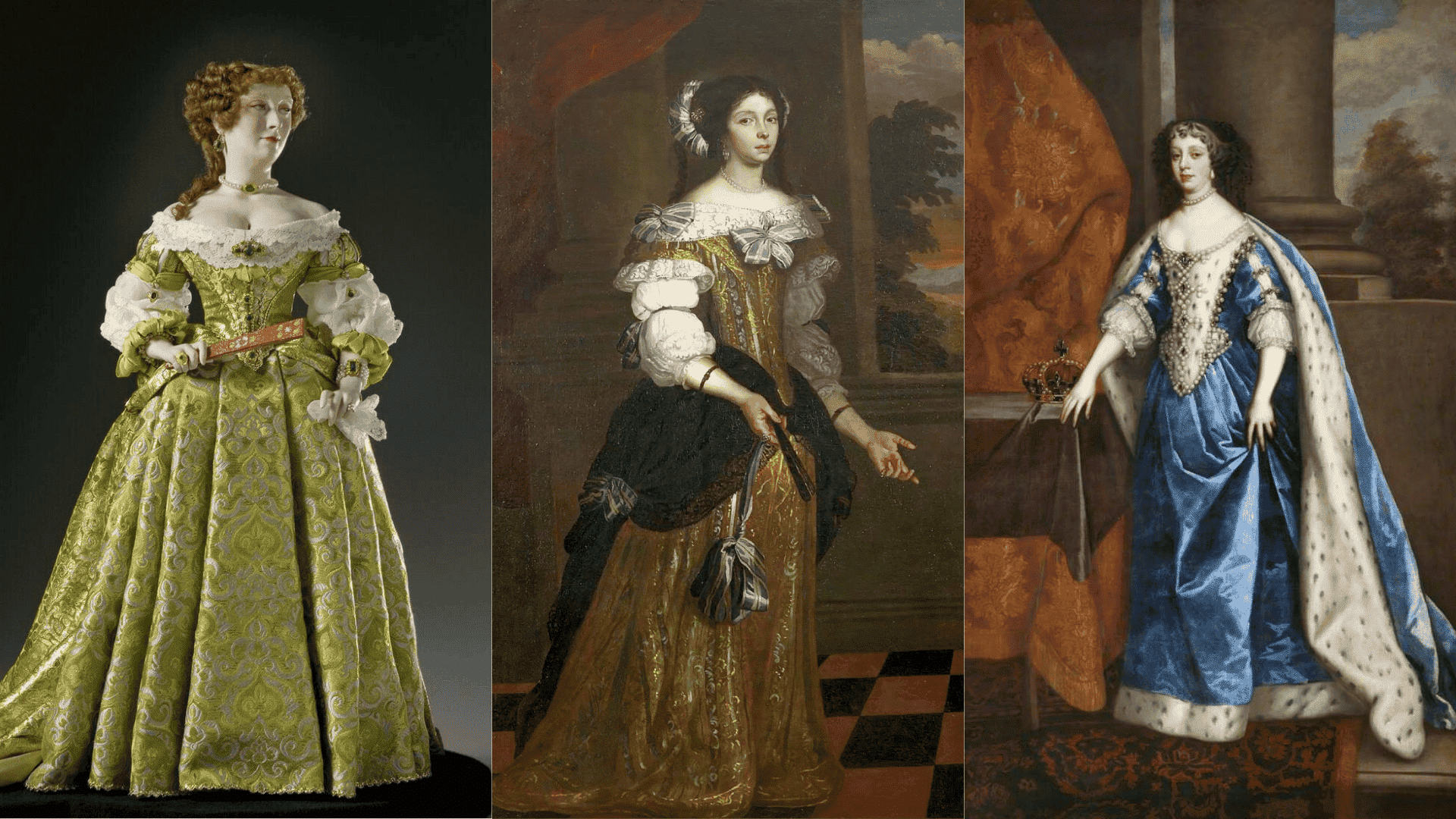
The late Baroque was defined by the Mantua, where the over-skirt was pinned back to reveal a highly decorative petticoat, creating a heavy, bustled look with a long, trailing train.
This era represented the peak of Baroque fashion extravagance around 1730–1750, when it gradually transitioned into the lighter, more asymmetrical Rococo style (emerging ~1730s under Louis XV’s influence) with softer pastels and flowing robes like the robe volante before simpler Neoclassical trends took hold post-1750.
4. Hairstyles Through the Era
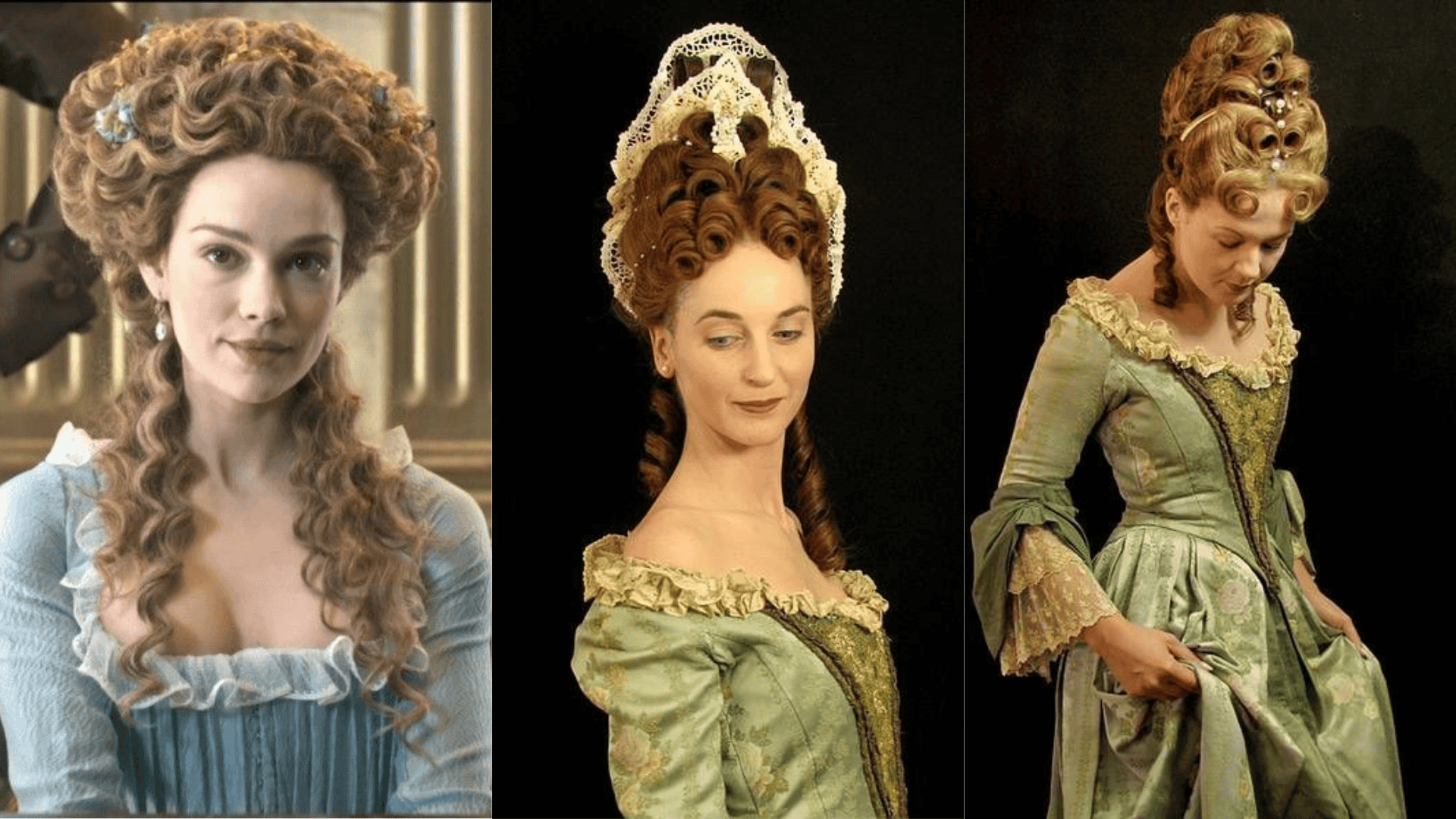
Early baroque women wore their natural hair styled in soft curls that framed the face gently. As the period progressed, hairstyles became more elaborate with ringlets cascading down shoulders and backs.
The late Baroque saw the rise of the Fontange, a towering headpiece made of wire, lace, and ribbons that stood vertically above the forehead, matching the height of the men’s full-bottomed periwigs.
5. Essential Accessories
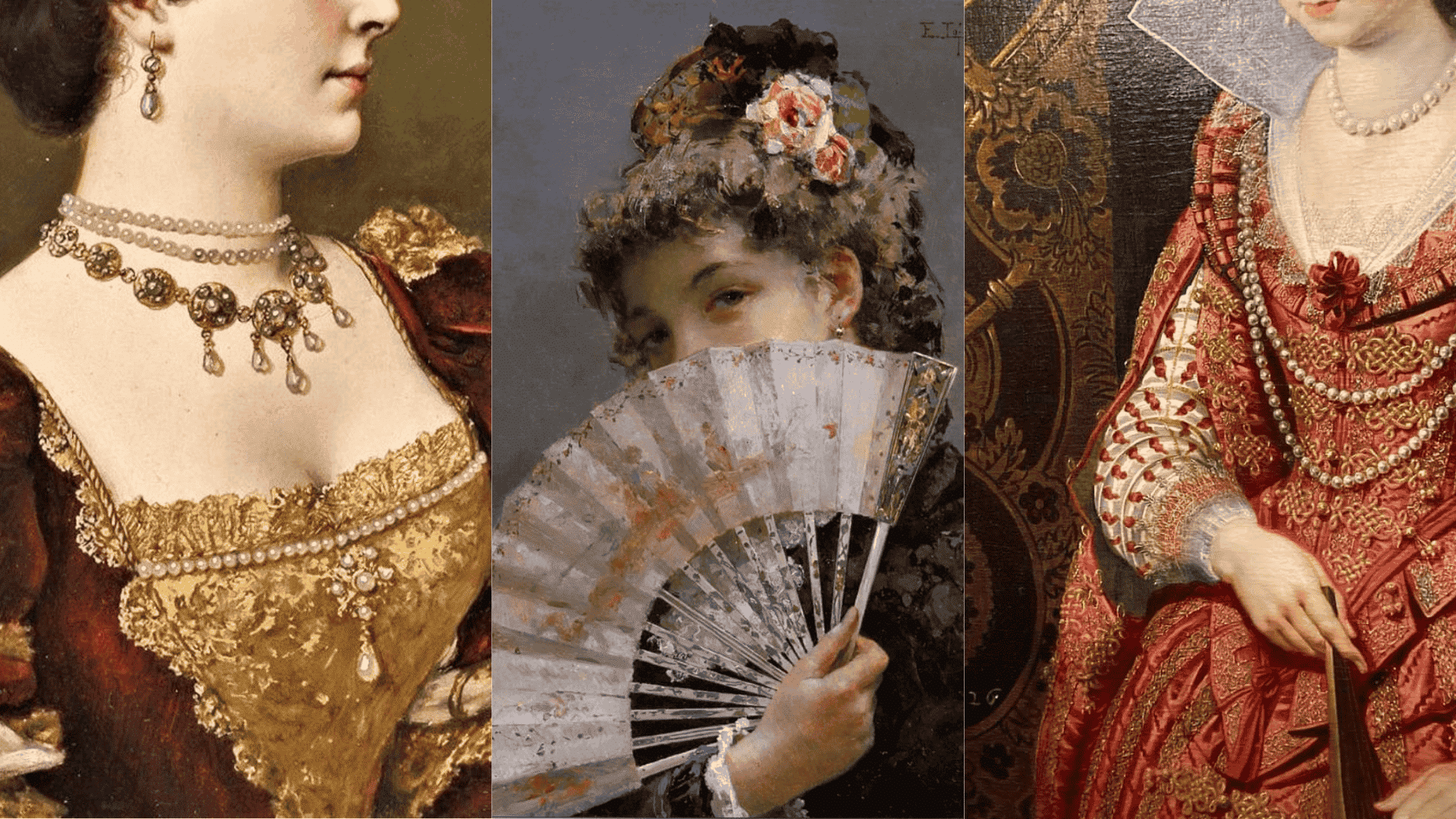
Baroque fashion accessories completed every woman’s outfit with both practical and decorative items. Fans made from silk, lace, or feathers served as cooling devices and communication tools through coded movements.
Strands of pearls wrapped around necks and wrists multiple times. Face masks protected complexions from sun damage while adding mystery to public appearances. Fur muffs kept hands warm during the winter months while displaying luxury through exotic animal pelts like ermine or sable.
Women’s baroque fashion represented a constantly changing art form that adapted to cultural changes across Europe. From the rigid structures of the early 1600s to the flowing mantua gowns of the 1700s, each period contributed unique elements.
Men’s Baroque Fashion
Men’s baroque fashion underwent dramatic changes across 150 years, shifting from swashbuckling cavalier styles to refined court elegance. Each period brought distinct garments that reflected changing masculine ideals.
1. Early Baroque: Cavalier Style (1600-1650)
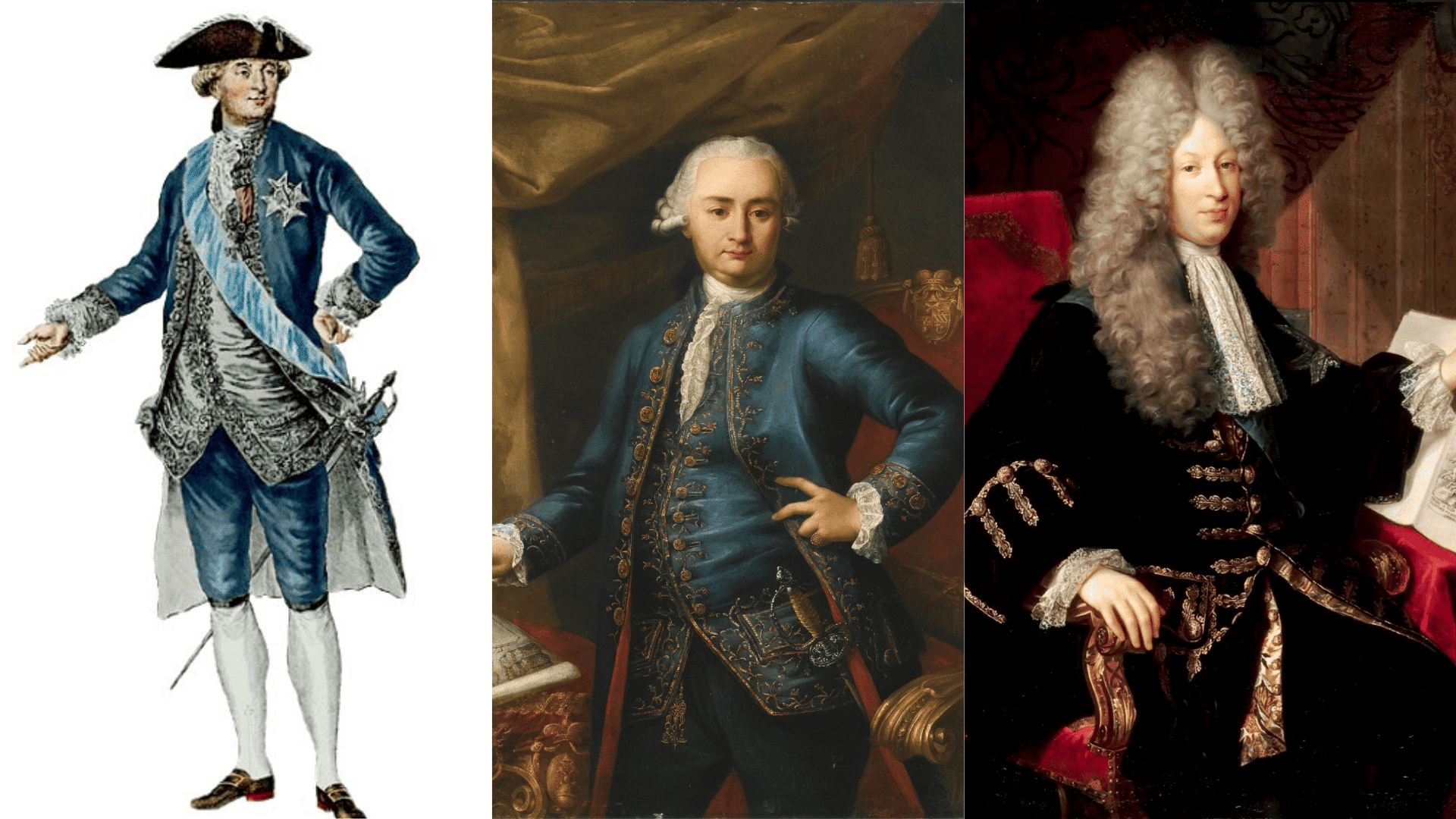
The cavalier period defined early men’s baroque fashion with bold, romantic elements inspired by military dress. Wide lace collars called falling bands draped over shoulders, sometimes measuring two feet across. Men wore knee-high leather boots with turned-down cuffs, practical for horseback riding yet stylish enough for court.
Feathered hats often featuring ostrich plumes in multiple colors, tilted at dramatic angles. This swashbuckling look emphasized adventure and martial prowess over delicate refinement.
2. The Rise of the Rhinegrave
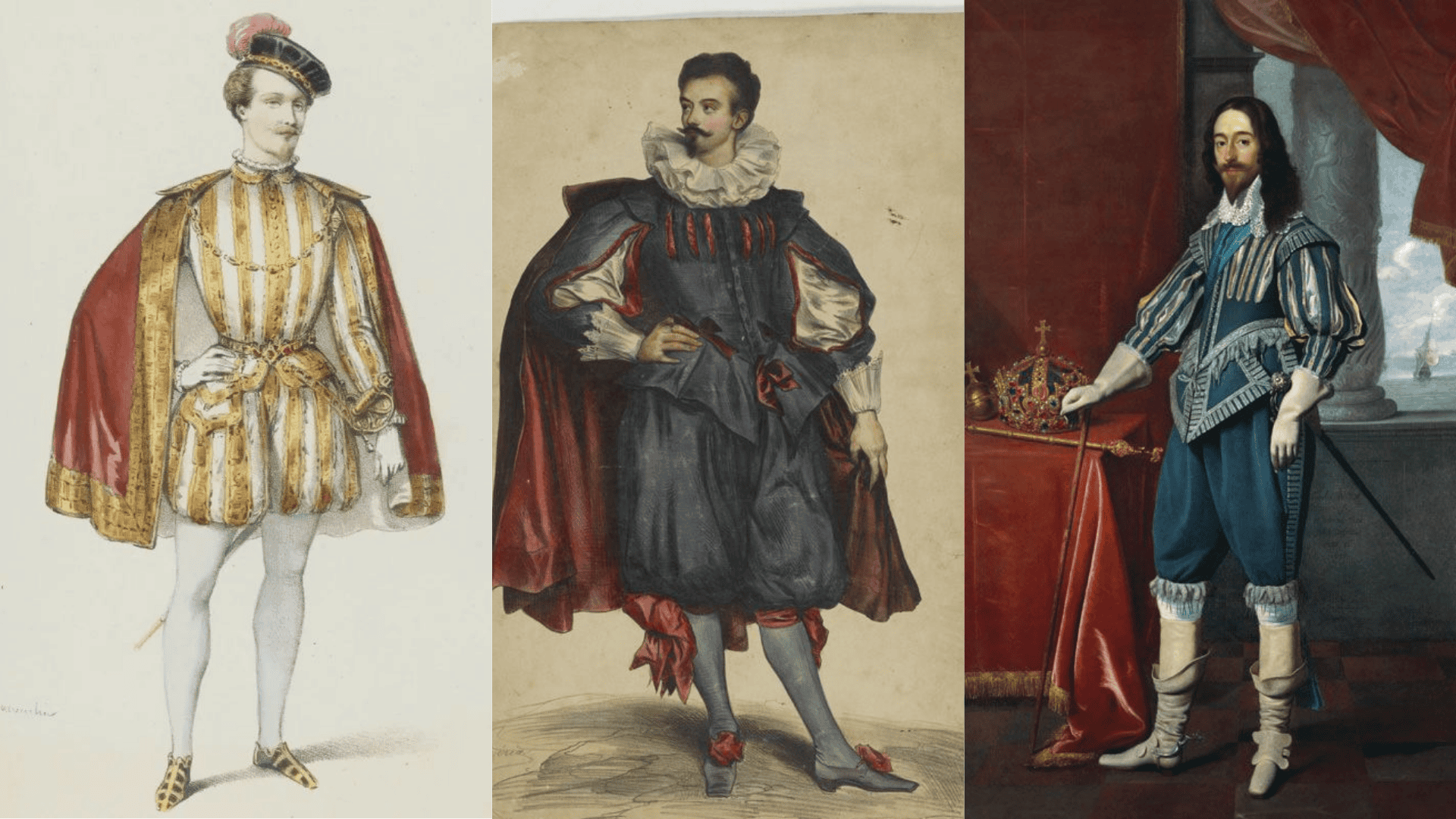
The Rhinegrave dominated men’s fashion between 1650 and 1680, causing controversy with its unusual appearance. These garments resembled divided skirts or extremely baggy breeches, so wide that they looked like short petticoats.
Men gathered the fabric at the knee with ribbons, creating massive billowing shapes around the legs. Rows of ribbon loops decorated the waistband and outer seams. Though Rhinegrave sparked debates about masculine dignity, fashionable men welcomed this dramatic style enthusiastically.
3. Late Baroque Refinement (1675-1720)
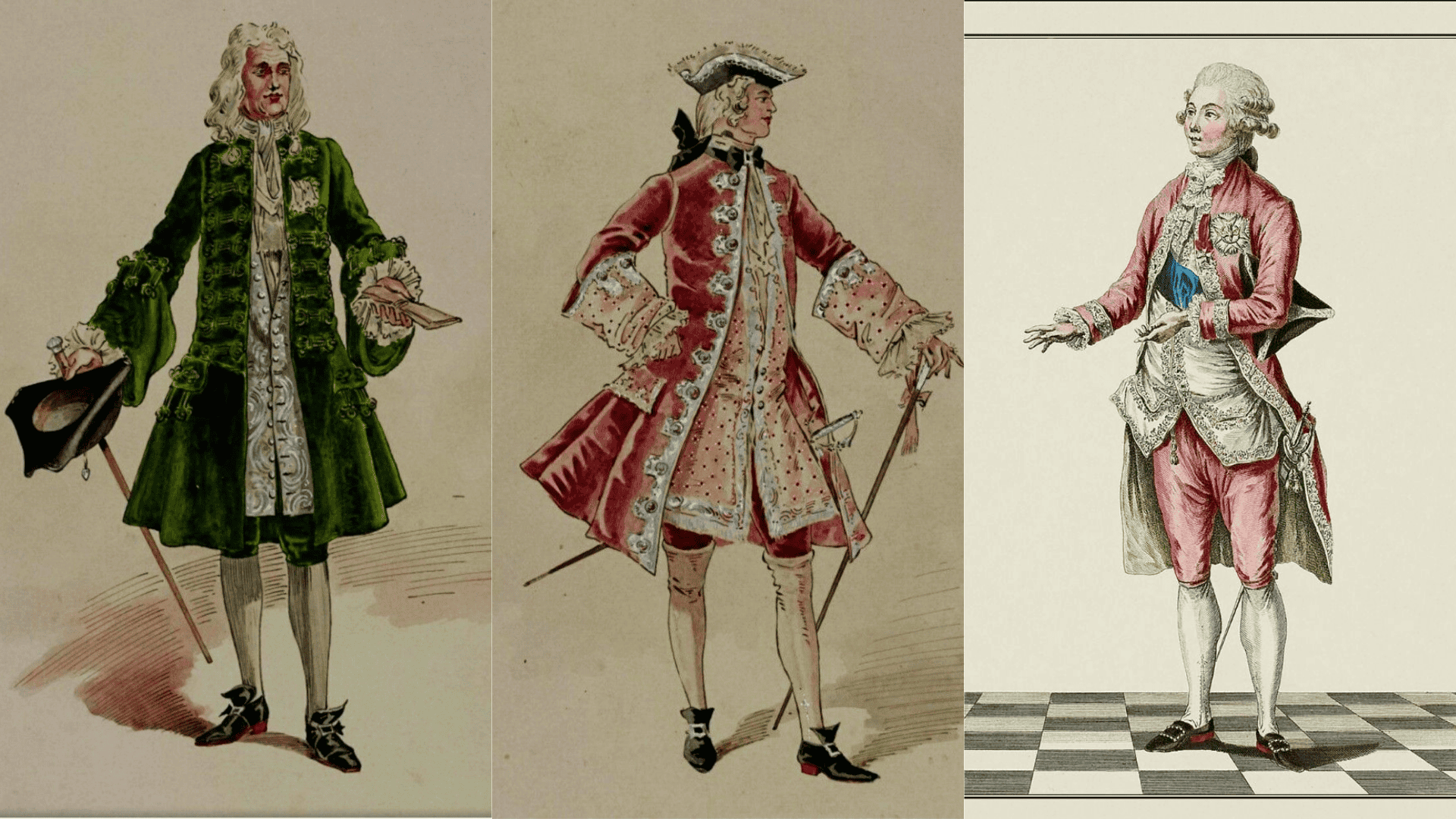
Later baroque fashion introduced the three-piece suit concept still used today. The justaucorps was heavy and flared, worn over a waistcoat of equal length, creating a solid, boxy silhouette that made the wearer appear larger and more formidable.
Fitted knee breeches replaced the rhinegrave, creating a sleeker silhouette. Silk stockings in white, cream, or colors extended upward to meet the breeches. This combination represented the height of masculine elegance.
4. Accessories and Finishing Touches
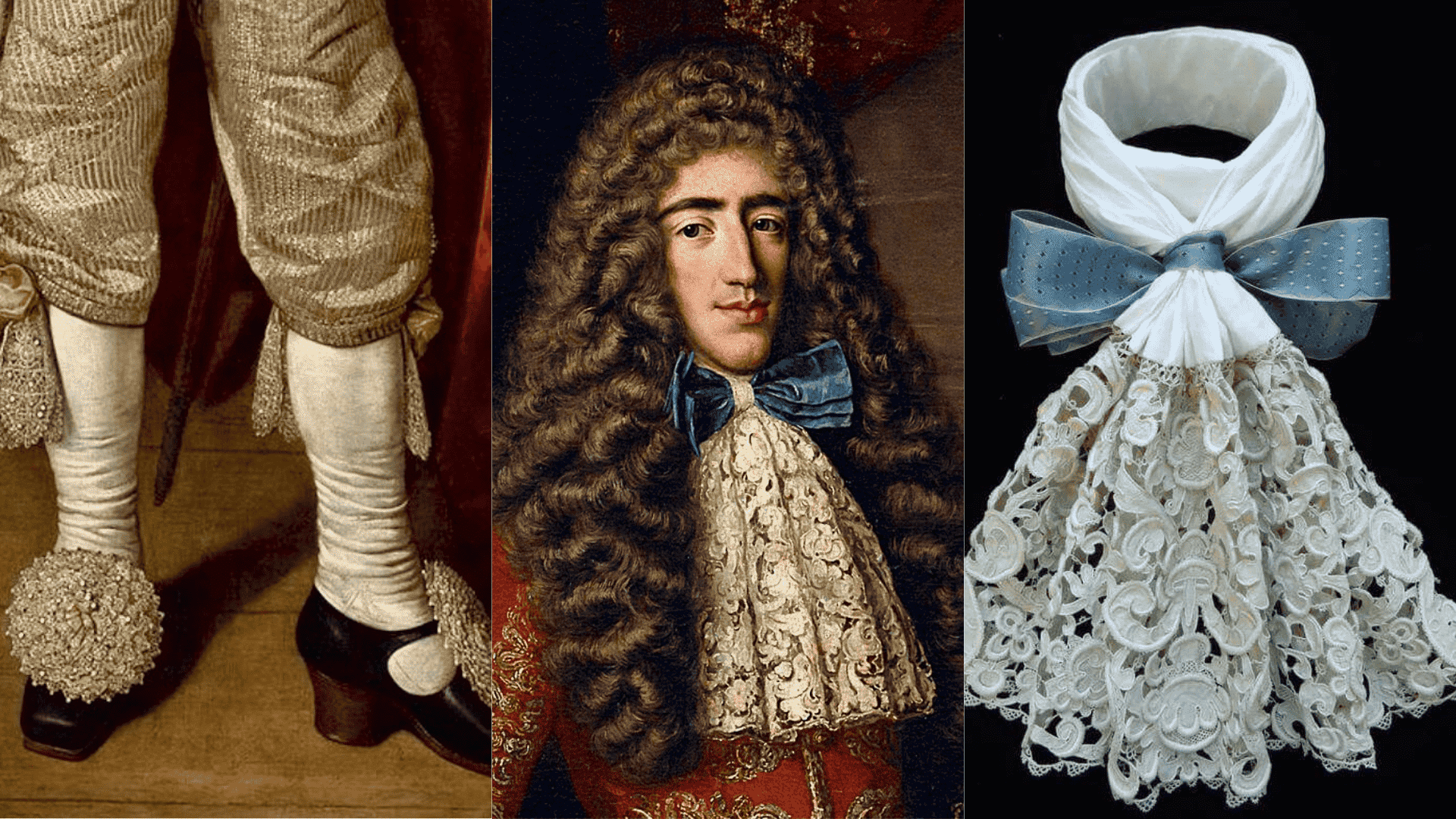
Baroque fashion accessories completed men’s outfits with both practical and decorative items. Full-bottomed, massive, flowing Periwigs became mandatory for gentlemen by 1680. Men carried ornate walking sticks, wore shoes with large jeweled buckles, and displayed ceremonial swords at their hips.
The cravat, a long strip of linen or lace wrapped around the throat and tied in a bow, replaced the collar. By the 1690s, the Steinkirk became popular, a cravat looped through a buttonhole of the coat. Tricorn hats, leather gloves, snuffboxes, and pocket watches added final touches to every ensemble.
Men’s baroque fashion evolved from practical cavalier clothing to highly refined court dress over 150 years. These garments required significant wealth and time to acquire and maintain properly.
Regional Variations in Baroque Fashion
Baroque fashion looked different across Europe as each country added its own cultural flavor. While the basic silhouettes remained similar, regional preferences for colors, fabrics, and details created distinct national styles.
| Region | Distinctive Features | Cultural Influence |
|---|---|---|
| France | Pastels, excessive lace, fontange headdresses, longest trains | Set trends for all of Europe; Versailles dictated fashion standards worldwide |
| Spain | Dark colors, rigid farthingales, religious modesty | Catholic Church influence; maintained conservative styles longer than others |
| England | Simpler embroidery, practical fabrics, Puritan influence during the Commonwealth | Mixed French elegance with English restraint; created unique hybrid styles |
| Italy | Rich velvets, bold jewelry, theatrical elements, Venetian masks | Renaissance artistic traditions continued; baroque fashion embraced dramatic flair |
Baroque Fashion’s Influence on Modern Design
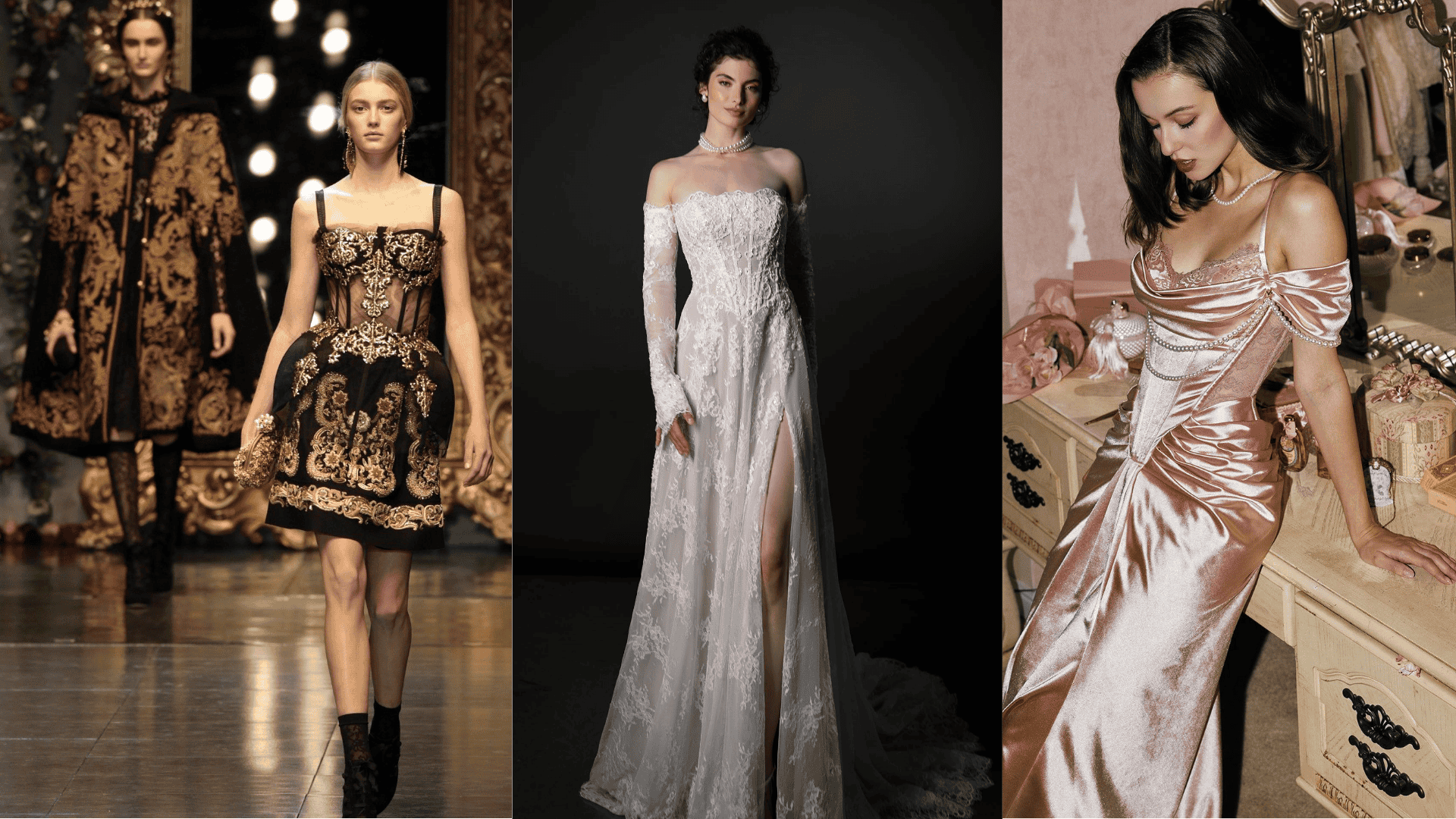
Baroque fashion continues inspiring designers centuries after the period ended. Modern runways regularly feature elements borrowed from this extravagant era.
- Runway Collections: Designers like Dolce & Gabbana, Alexander McQueen, and Vivienne Westwood regularly showcase baroque-inspired pieces featuring gold embroidery, brocade fabrics, and dramatic silhouettes in their seasonal collections.
- Bridal Fashion: Wedding gowns borrow heavily from baroque fashion with corset bodices, elaborate beading, cathedral-length trains, and voluminous skirts that echo historic grandeur perfectly.
- Costume Design: Period films and theater productions studying baroque fashion create authentic costumes that bring historical accuracy to productions like “Marie Antoinette” and “The Favourite.”
- Jewelry Trends: Modern jewelry designers revive baroque pearl designs, ornate brooches, layered necklaces, and statement pieces reflecting the era’s love for excess and drama.
- Interior Design: Baroque-inspired furniture, wallpapers, and textiles feature gold accents, rich velvets, and elaborate patterns in contemporary luxury homes and hotels.
Where to Shop Baroque Fashion Today
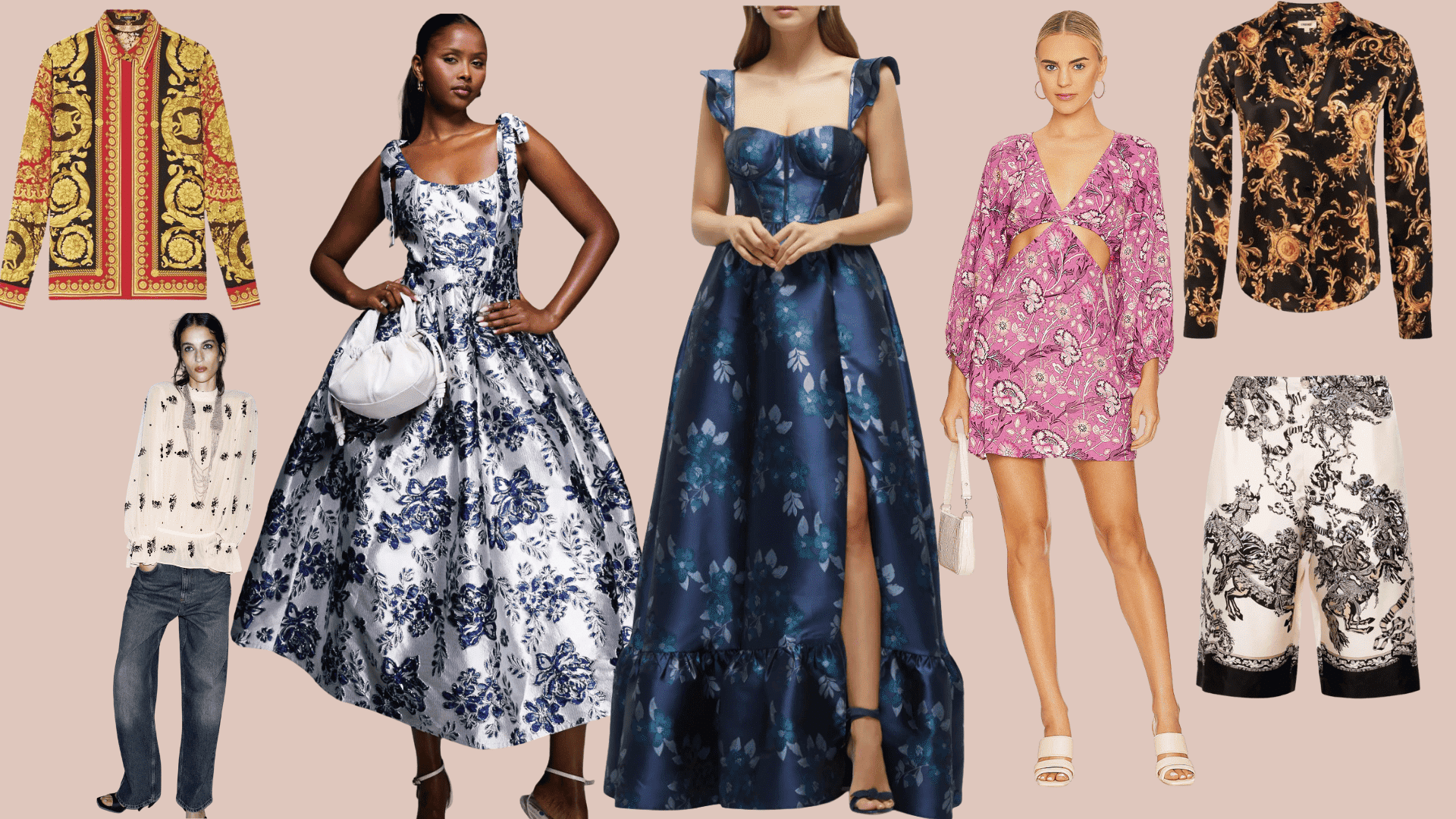
Finding baroque-inspired clothing today requires knowing where designers showcase these dramatic styles. Modern shoppers can access baroque fashion through various retailers, from luxury boutiques to affordable online stores.
1. Luxury Designer Boutiques
High-end fashion houses regularly release baroque-inspired collections featuring real craftsmanship and premium materials. These designer pieces cost thousands of dollars but deliver museum-quality construction with gold brocades, elaborate embroidery, and dramatic silhouettes that capture baroque fashion perfectly.
- Dolce & Gabbana: Gold brocade dresses, embroidered jackets, baroque print collections
- Versace: Medusa motifs, baroque print silk shirts, ornate accessories
- Gucci: Maximalist designs, rich embroidery, vintage-inspired baroque pieces
- Vivienne Westwood: Corset designs, dramatic silhouettes, period-inspired tailoring
Major Online Retailers
Online platforms make baroque fashion accessible nationwide at various price points. These websites ship throughout America, offer detailed product photos, provide customer reviews, and feature easy return policies for convenient shopping from home.
- ASOS: Baroque-print dresses, embellished jackets, statement jewelry under $200
- Nordstrom: Designer baroque pieces, occasion wear, luxury accessories with free shipping
- Revolve: Contemporary baroque styles, party dresses, trendy interpretations
Specialty and Custom Options
Specialty retailers offer authentic baroque reproductions and custom pieces perfect for weddings, events, or historical accuracy. These sources provide made-to-measure options, ensuring perfect fit and period-appropriate details that mass retailers cannot match.
- Etsy: Independent sellers, custom corsets, historical reproductions, handmade baroque garments
- Historical Emporium: Period costumes, Renaissance fair attire, authentic baroque reproductions
Affordable Fast Fashion
Budget-friendly retailers interpret baroque fashion trends seasonally, making ornate styles accessible to everyone. These stores release baroque-inspired pieces during fall and holiday seasons, perfect for experimenting with the aesthetic without major investment.
- Zara: Baroque blazers, embellished tops, gold-button jackets under $150
- H&M: Baroque jewelry, brocade skirts, affordable occasion wear
- Target: Baroque-print accessories, embellished party dresses, seasonal collections
Vintage and Secondhand Markets
Secondhand platforms offer archived designer baroque pieces and vintage revival items at reduced prices. Shopping vintage provides access to unique baroque fashion items while supporting sustainable fashion practices and discovering one-of-a-kind treasures.
- The RealReal: Authenticated luxury consignment, designer baroque collections, archived pieces
- Vestiaire Collective: Global vintage marketplace, European designer finds, baroque revival items
- Poshmark: Peer-to-peer resale, affordable baroque accessories, contemporary brands
Shopping for baroque fashion today offers more options than ever before, from affordable fast fashion to luxury designer pieces. Online platforms make baroque-inspired clothing accessible throughout America, while custom makers provide personalized historical accuracy.
How to Incorporate Baroque Fashion Into Your Wardrobe
Wearing baroque fashion today doesn’t require full historical costumes or massive investments. Modern interpretations allow anyone to embrace this ornate style through carefully chosen pieces.
- Start With Accessories: Add baroque pearl earrings, ornate brooches, or embellished belts to simple outfits for instant drama without overwhelming the look.
- Choose Statement Blazers: Velvet blazers with gold buttons or brocade jackets pair perfectly with jeans, creating balanced outfits mixing modern and baroque fashion elements.
- Layer Textures: Combine rich fabrics like velvet, brocade, and lace in one outfit to capture baroque luxury while maintaining contemporary silhouettes.
- Focus on Details: Select clothing with baroque-inspired embroidery, pearl buttons, or metallic threading rather than full period reproductions.
- Mix Eras Carefully: Pair one baroque piece with minimalist modern items to avoid costume-like appearances and create wearable, stylish combinations.
Final Thoughts
Baroque fashion represents more than just historical clothing; it demonstrates how style communicates identity, wealth, and creativity across centuries.
From elaborate gowns and rhinegrave breeches to modern runway interpretations, this style proves that drama and luxury never truly go out of style.
Today’s fashion lovers can welcome these opulent elements through accessible retailers, vintage finds, or custom pieces that fit personal tastes and budgets.
The baroque era taught an important lesson: clothing changes ordinary moments into extraordinary experiences. Fashion enthusiasts ready to add baroque drama should start with one statement piece: a velvet blazer, ornate jewelry, or embroidered accessory.