

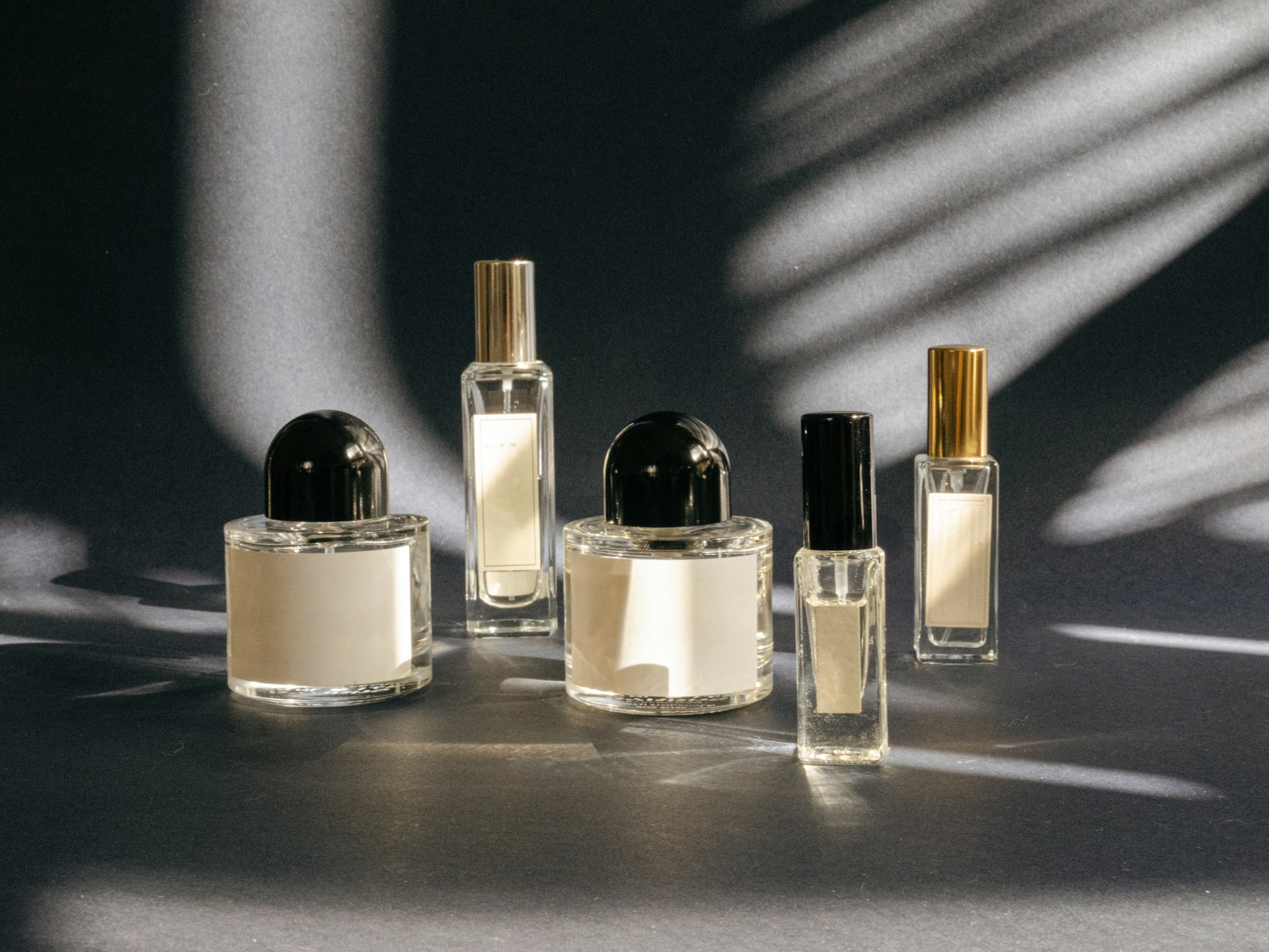

Blind buying (buying perfume without smelling it first) is one of the biggest gambles in the fragrance world. However, when you know what to look for, you can significantly lower the risk.
Here’s how to order perfume online like a pro:
#1 Read the Notes, Not the Marketing
Product descriptions are often written to evoke a mood (sunset in Sicily, a walk through a rainy forest, and so on), but these poetic descriptions don’t tell you exactly what the perfume smells like. To understand the scent, you have to look past the story and focus on the structure.
Look for the “olfactory pyramid,” which breaks the scent down into three layers:
- Top Notes: The first impression (citrus, fruit, herbs).
- Heart Notes: The core of the fragrance (florals, spices).
- Base Notes: The lingering scent (woods, musk, vanilla).
If you know you dislike a specific dominant note, like heavy patchouli or overly sweet tuberoses, seeing it in the base or heart is a clear sign to steer clear, no matter how beautiful the description sounds.
#2 Learn the “Color Code” of Bottles
Perfume packaging isn’t accidental. Brands often use color to signal the type of scent inside, and learning this visual language can give you a major clue about what to expect. While there are exceptions, the bottle’s aesthetic is usually the first hint at the fragrance’s personality.
- Light Blue or Green: Usually indicates fresh, aquatic, or citrus-heavy scents. These bottles often contain notes like sea salt, mint, or bergamot, offering something crisp and airy.
- Pink or Peach: Often signals floral, sweet, or fruity notes. These tend to be playful, romantic, or gourmand, leaning heavily on rose, peony, or berries.
- White or Clear: These bottles typically house “clean” or “second-skin” scents like powdery musks, light cotton notes, or soft aldehydes that feel minimalist and understated.
- Gold or Deep Red: Luxury, passion, and heat. They often contain opulent notes like saffron, tuberose, or dark resins, designed to be noticed and remembered.
- Dark Blue, Black, or Amber: Intense, spicy, or woody fragrances (in most cases). They suggest warmth, depth, and nighttime wear, often featuring oud, leather, or tobacco.
#3 Find the “Reminds Me Of” Section
The most helpful tool in online buying is comparison. If you can’t smell a new release, finding out what it compares to is the next best thing. Look for reviews or forum discussions that mention similarities to perfumes you already know. If a new fragrance is frequently compared to a scent you love, it’s a safer bet. Conversely, if it’s compared to something you’ve always disliked, trust that pattern.
If you want a clearer reference point, browsing curated selections like “Best Luxury Perfumes for Her” can quickly anchor your expectations and help you recognize the scent profile being described.
#4 Stick to Your Known Families
When you are just starting to blind buy, it is safer to stay within the fragrance families you already enjoy. If your collection is full of clean, soapy scents, buying a heavy, animalic Oud blindly is a recipe for regret. Branching out is wonderful, but it’s best done when you can test first.
For online orders, stick to variations of what you know works for your skin chemistry.
If you love Vanilla, try a new twist on it (perhaps a vanilla with smoke or lavender) rather than jumping to a completely different olfactory world.
#5 Order Samples or Travel Sizes First
Buying a full 100ml bottle of a fragrance you’ve never smelled is a true gamble. Starting with a smaller size is simply the smarter move. Many retailers offer discovery sets, miniatures, or travel sprays.
Give It a Few Days
A fragrance can shift once it meets your skin, your routine, and even the weather. Wearing it for a few days helps you understand how it truly feels. If it’s not the right match, you’ve avoided an expensive mistake. If it clicks, you can go for the full bottle knowing exactly what you’re getting.
#6 Analyze the Reviewer’s Context
User reviews can tell you a lot, but they reflect personal taste. Instead of focusing only on whether someone loved or hated a fragrance, try to understand the situation behind the opinion.
Look Beyond the Verdict
A comment like “smells like an old library” could sound negative to someone searching for something fresh, yet perfect for a person drawn to woody, atmospheric scents. The description often matters more than the score.
Watch for Practical Clues
Notes about longevity and projection tend to be more objective. Phrases such as “disappears in an hour” or “filled the whole room” give you useful insight into performance and help you decide if the fragrance suits your expectations, regardless of the reviewer’s personal preference.
#7 Trust the House Style
Just like fashion designers, perfume houses tend to carry a recognizable “DNA” that runs through their creations. If you’ve enjoyed the refined, easy-to-wear character often associated with Giorgio Armani perfume, there’s a good chance other scents from the house will feel familiar in the best way.
On the other hand, when a brand consistently strikes you as too heavy or overly synthetic, new releases usually stay within that direction. Leaning toward a house you already trust is a smart move when you don’t have the option to test the fragrance first.
#8 Understand the Concentration Types
Perfumes with the same name can smell and perform differently depending on their concentration. Eau de Toilette perfume will almost always lean lighter and more diffusive, while Eau de Parfum is usually deeper and longer-lasting. Checking this detail before you order helps align expectations, so you don’t end up with something far stronger or softer than you had in mind.
Unboxit
Blind buying will always carry a small element of risk, but that is part of the appeal. There is a unique excitement in waiting for a package, opening it, and spraying a scent that is completely new to you. When you do your homework, that risk becomes calculated, and the surprise is far more likely to be a delightful discovery than a disappointment.