



When I first heard about retinol benefits, I was skeptical. Could one ingredient really make such a difference in my skin?
After struggling with fine lines and uneven texture for years, my dermatologist recommended I give retinol a try. That decision changed my skincare routine completely. I’ve been using retinol for over two years now, and the results have genuinely surprised me.
My skin looks clearer, smoother, and more even than it has in years. Friends have asked what I’m doing differently, which feels great.
The confidence boost from healthier-looking skin has been an unexpected bonus. Let me share everything I’ve learned about this powerful skincare ingredient.
What Is Retinol
Retinol is a form of vitamin A that you apply directly to your skin. It’s one of the most studied skincare ingredients available today.
Dermatologists have recommended it for decades because it actually works. When I started researching, I learned that retinol belongs to a family called retinoids. These compounds help your skin cells turn over faster and produce more collagen.
You can find retinol in serums, creams, and treatments at drugstores and beauty counters.
The concentration varies between products, usually ranging from 0.25% to 1%. I started with a lower concentration and worked my way up. Understanding what retinol is helped me set realistic expectations for my results.
How Does Retinol Work
Retinol works by speeding up your skin’s natural renewal process. When I first applied it, I didn’t see changes overnight. Below is what actually happens beneath the surface:
- It penetrates deep into your skin layers, where it converts into retinoic acid, the active form that your skin cells can use.
- It signals your skin cells to produce more collagen, which is the protein that keeps skin firm and reduces wrinkles.
- It speeds up cell turnover, meaning old, damaged skin cells shed faster and new, healthy cells come to the surface.
- It helps unclog pores by preventing dead skin cells from building up and blocking them
- It reduces melanin production, which helps fade dark spots and evens out your skin tone over time.
Important Note:Retinol is safe for most people when used correctly, but avoid during pregnancy due to potential fetal risks. Retinol is sold OTC as a cosmetic with no specific FDA concentration limits (unlike adapalene 0.1% for acne); irritation is common but temporary and manageable. Any irritation you might experience is temporary and manageable by adjusting application frequency (e.g., start 1-2x/week), using lower strengths, or moisturizing, and dermatologists regularly prescribe even stronger retinoids like tretinoin to patients.
Top 5 Retinol Benefits
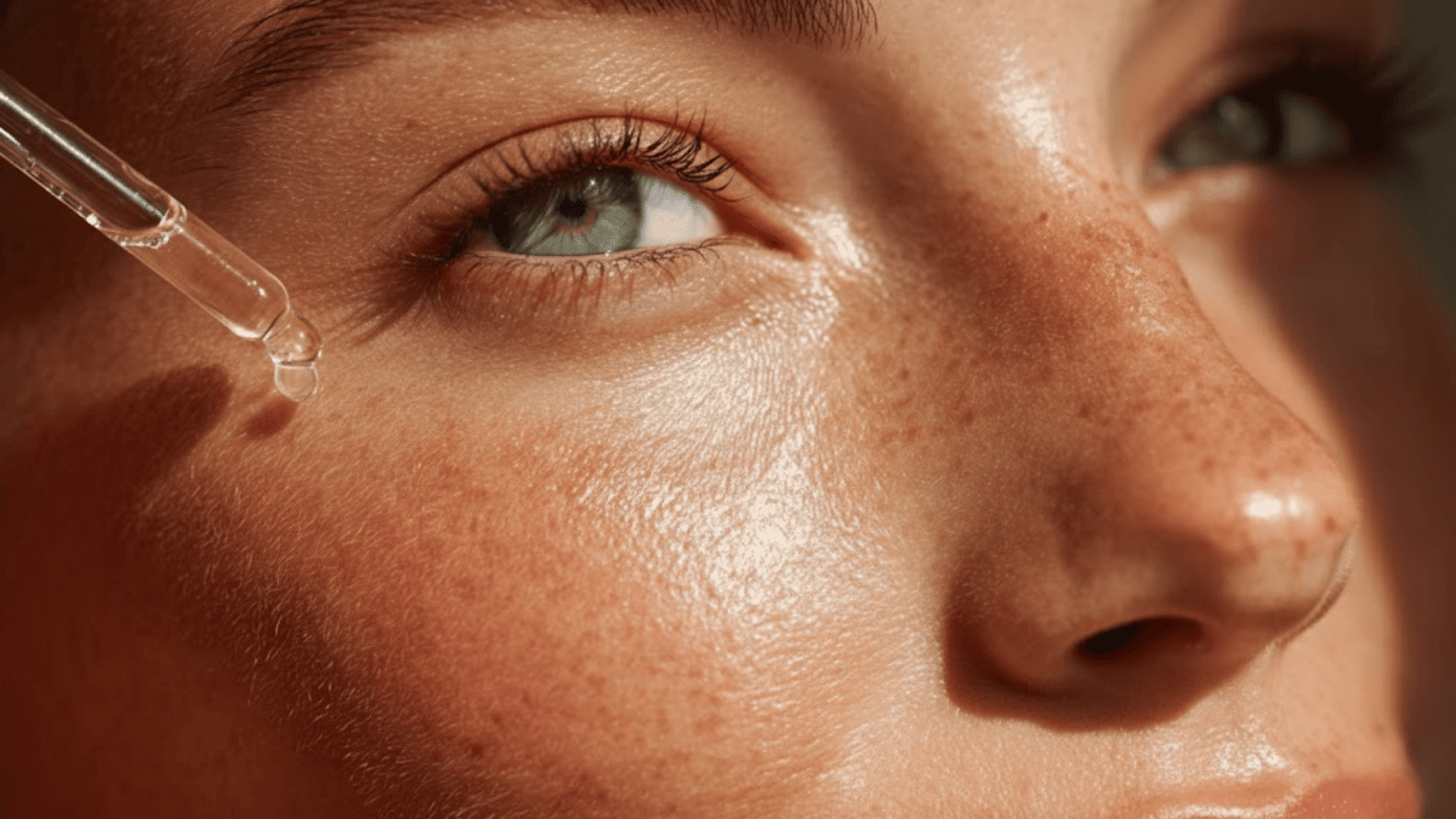
After using retinol consistently, I noticed several improvements in my skin. Each benefit became more obvious as I continued my routine. These are the changes that impressed me most:
1. Reduces Fine Lines and Wrinkles
The first thing I noticed after three months was that my forehead lines looked softer. Retinol boosts collagen production, which plumps up your skin from within.
The lines around my eyes became less noticeable, too. This happens because retinol literally tells your skin cells to act younger. It’s not instant, but the gradual improvement is real and lasting.
2. Fades Dark Spots and Hyperpigmentation
I had stubborn dark spots from old acne that bothered me for years. Retinol helped fade them by speeding up cell turnover and blocking excess melanin.
After six months, those spots were significantly lighter. The ingredient works on sun damage, age spots, and acne scars. My skin tone became more even overall, which I hadn’t expected as an extra benefit.
3. Improves Skin Texture and Smoothness
My skin felt rough and bumpy before I started using retinol. Now it feels noticeably smoother to the touch. Retinol removes the buildup of dead skin cells that make your complexion look dull.
It also helps minimize the appearance of large pores. My makeup goes on better now because my skin texture is more refined and even.
4. Helps Clear Acne and Prevents Breakouts
I still got occasional breakouts in my thirties, which frustrated me. Retinol keeps my pores clear by preventing dead skin cells from clogging them.
It also has mild anti-inflammatory properties that calm existing breakouts. I noticed fewer pimples overall after the first two months. My skin stays clearer now than it did before I started this routine.
5. Brightens Overall Complexion
My skin just looks healthier and more radiant now. Retinol increases cell turnover, bringing fresh, new skin to the surface faster. This gives you that natural glow people always talk about.
The ingredient also improves blood flow to your skin. Friends have commented that my complexion looks brighter, and I haven’t changed anything else in my routine.
How to Use Retinol Properly
Learning the right way to apply retinol made all the difference in my results. I made mistakes early on that I could have avoided. Below is what I wish I’d known from the start:
| Step | Instructions | My Tips |
|---|---|---|
| Start Slow | Begin with 2-3 times per week | I started twice weekly for a month |
| Apply at Night | Use only in your PM routine | Morning sun exposure can irritate the skin |
| Cleanse First | Wash and dry your face completely | Wait 20 minutes after cleansing |
| Use Pea-Sized Amount | A little goes a long way | More doesn’t mean faster results |
| Avoid Eye Area | Keep away from delicate skin | I learned this the hard way |
| Moisturize After | Wait 30 minutes, then apply moisturizer | Helps reduce dryness |
| Use Sunscreen Daily | SPF 30 or higher every morning | Non-negotiable when using retinol |
Choosing Between Different Retinol Formulations
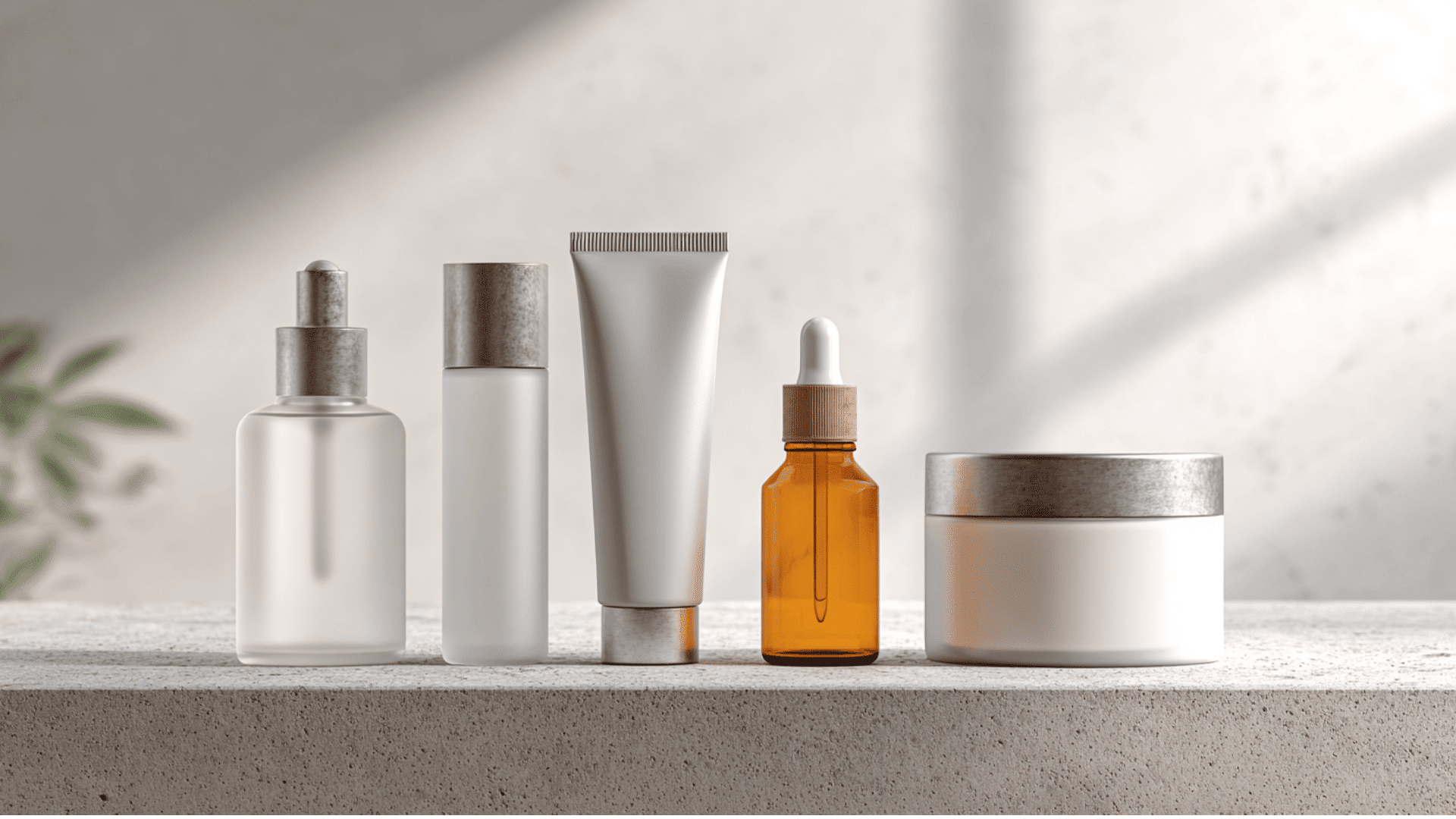
When I researched retinol, I found several types. All retinoids convert into retinoic acid in your skin, the active form that cells use. The difference is in conversion speed and strength. Formulations closer to retinoic acid work faster but cause more irritation.
1. Retinoic Acid (Tretinoin)
This prescription-only retinoid is the strongest available and works directly without conversion. Tretinoin treats aging topically, while Isotretinoin (Accutane) addresses severe acne orally. I haven’t needed it yet, but it delivers the fastest results with higher irritation.
- Suitable for: Severe skin concerns under a dermatologist’s supervision
- Strength level: Strongest available, requires prescription
- Personal note: Best reserved for significant aging or acne issues
2. Retinol
Retinol is one of the strongest over-the-counter forms, alongside adapalene. It’s about 20% weaker than retinoic acid but highly effective. Your skin slowly converts it to retinoic acid, meaning better tolerance. I started here after my dermatologist’s recommendation.
- Suitable for: Most adults wanting anti-aging benefits
- Strength level: Strong but manageable over-the-counter option
- Personal note: My go-to choice for consistent results with minimal irritation
3. Retinyl Esters
These are the gentlest retinoids, including retinyl palmitate and retinyl propionate. They take the longest to convert to retinoic acid but carry minimal irritation risk. I recommend these to friends with sensitive skin or those new to retinoids for easy introduction.
- Suitable for: Beginners and sensitive skin types
- Strength level: Mildest form with gradual results
- Personal note: Great starting point if you’re nervous about irritation
4. Microencapsulated Retinol
This is regular retinol wrapped in a protective coating that shields it from light, air, and heat. The encapsulation stabilizes retinol and releases it gradually. I switched to this for my eye area because it delivers consistent results with reduced irritation.
- Suitable for: Sensitive areas like eyes, all skin types
- Strength level: Same as regular retinol but better tolerated
- Personal note: Perfect for targeting specific areas with less sensitivity
Note: All these retinol formulations come in different product formats like creams, serums, oils, moisturizers, and even SPF products. I recommend consulting your dermatologist to choose the right formula and format for your specific skin type and concerns, as they can guide you toward what will work best for your needs.
Common Retinol Mistakes to Avoid
I made several errors when I first started using retinol. Learning from these mistakes helped me get better results with less irritation:
- Using too much too soon leads to redness, peeling, and irritation that could have been avoided by starting with lower concentrations.
- Applying it during the day makes your skin more sensitive to sun damage, so always use retinol at night only.
- Skipping sunscreen is the biggest mistake because retinol makes your skin more vulnerable to UV damage and sun exposure.
- Mixing with certain ingredients like vitamin C or benzoyl peroxide in the same routine can cause irritation and reduce effectiveness.
- Expecting overnight results leads to disappointment since retinol needs at least 12 weeks to show visible improvements in your skin.
- Not moisturizing enough makes the dryness worse, so always follow up with a good hydrating cream after application.
Does Retinol Have Negative Effects
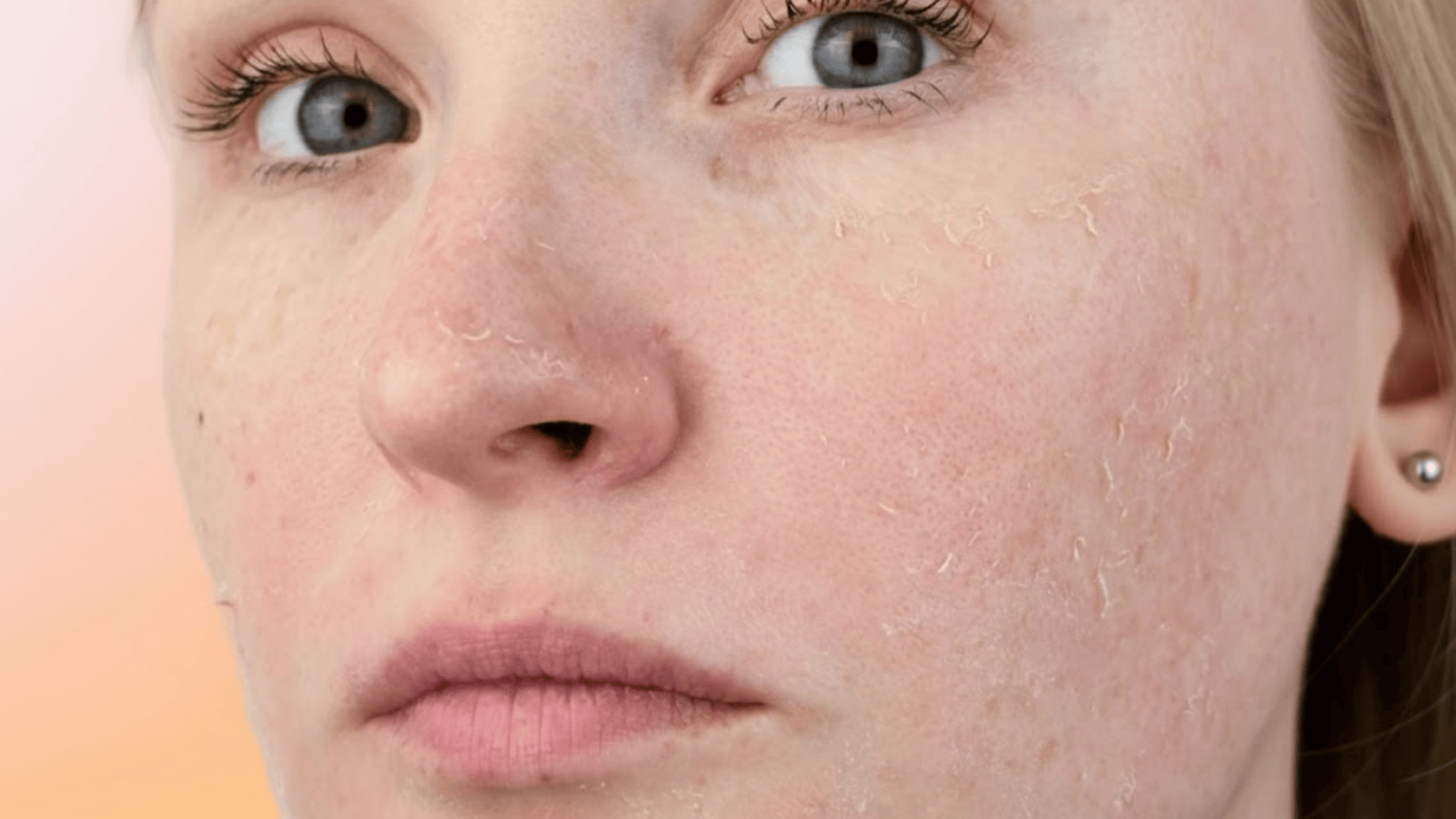
I experienced some side effects when I first started, but they were manageable. Most people go through an adjustment period called “retinization.”
My skin felt dry and looked a bit red for the first few weeks. Some mild peeling happened around my nose and chin. These effects are normal and usually temporary. They mean your skin is adjusting to increased cell turnover.
I reduced how often I applied it until my skin adapted. Now I don’t experience any negative effects at all.
The key is starting slowly and listening to your skin. If irritation becomes severe or doesn’t improve, talking to a dermatologist helps you adjust your routine properly.
Who Should and Shouldn’t Use Retinol
Through my research and experience, I learned that retinol isn’t for everyone. Knowing if it’s right for you prevents problems before they start.
Who Should Use Retinol:
- Adults in their mid-twenties and older, wanting to prevent early aging signs
- Anyone struggling with acne, breakouts, or clogged pores
- Those dealing with sun damage, dark spots, or uneven skin tone
- People concerned about fine lines, wrinkles, or loss of firmness
- Anyone with rough texture or enlarged pores seeking smoother skin
Who Shouldn’t Use Retinol:
- Pregnant or breastfeeding women due to potential fetal development risks
- Those with sensitive skin conditions like rosacea or eczema
- Anyone using other strong active ingredients simultaneously
- People with open wounds, sunburns, or recent facial procedures
- Children and teenagers without a dermatologist’s supervision
Quick Retinol Pairing Tips
Learning what works well with retinol helped me build a better skincare routine. Some ingredients complement it while others cause problems:
| Good to Pair With | Why It Works | Bad to Pair With | Why to Avoid |
|---|---|---|---|
| Hyaluronic Acid | Adds hydration and reduces dryness | Vitamin C (same routine) | Can cause irritation together |
| Niacinamide | Calms irritation and strengthens skin | Benzoyl Peroxide | Deactivates retinol |
| Ceramides | Repairs the skin barrier during adjustment | AHAs/BHAs (same time) | Too much exfoliation |
| Peptides | Boosts collagen alongside retinol | Other Retinoids | Doubles the irritation risk |
Final Thoughts
My experience with retinol benefits has been overwhelmingly positive despite the learning curve. This ingredient requires patience, but the results are worth the wait.
Starting slowly and staying consistent gave me the clear, smooth skin I wanted. I wish I’d started using it sooner, honestly.
The key is understanding how it works and respecting the adjustment period.
If you’re considering retinol, start with a low concentration and give it at least three months.
Listen to your skin and adjust as needed. The retinol benefits I’ve seen in my own skin convince me it’s one of the best investments in skincare you can make.