


Have you ever noticed dry, flaky skin around your eyes? You’re not alone. Dryness around the eyes is a common problem that often goes untreated.
When you have dry under eyes or a dry patch under the eye, your skin might feel tight, look flaky, or turn a little red.
Understanding why this happens is the first step to fixing it. We’ll explain what dryness around the eyes means, why it happens, how to spot it, and the best treatments.
We’ll also cover when you should see a doctor. By the end, you’ll know exactly how to care for the skin around your eyes.
What is “Dryness Around Eyes”?
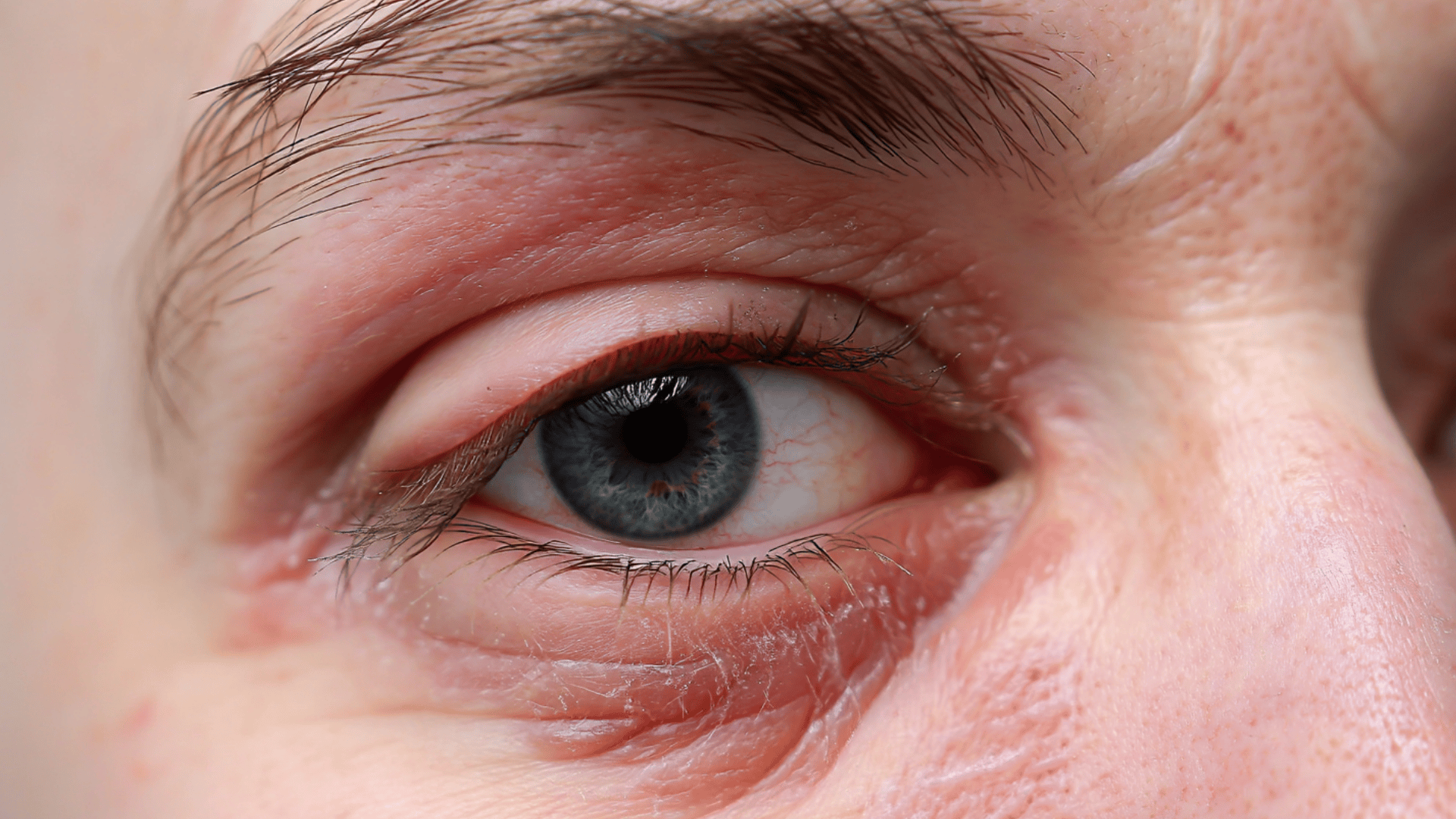
Dryness around the eyes means the thin, sensitive skin in your eye area becomes dry, flaky, or irritated. This includes your eyelids, the corners of your eyes, and the space under your eyes.
Signs include flaking, red patches, or a tight feeling. It’s important to know that skin dryness is different from dry eyes. Dry skin in the eye area occurs on the outside, while dry eyes is an internal problem with your tear film.
The under-eye region (just below your lower lash line) is one of the most common spots for dryness. You might also notice a dry patch under the eye in one specific spot.
These areas show dryness early because the skin there is the thinnest on your body. Even small changes in weather, skincare, or your health can affect this sensitive zone.
Why Does Dryness Around the Eyes Happen?
Understanding why dryness around the eyes happens helps you treat it better. Here are the main causes:
1. Thin, Sensitive Skin Structure
The skin around your eyes is much thinner than other facial areas and lacks a substantial fat layer, making it more prone to dryness.
This area also has more blood vessels and responds more strongly to irritants, which is why you notice redness or irritation there more quickly.
2. Dry Indoor Air
Low humidity from heating or air conditioning dries out your skin, especially during the winter and summer months. Running heaters or AC constantly removes moisture from the air and your skin.
Indoor humidity levels below 30% can cause the thin skin around your eyes to lose moisture rapidly.
3. Harsh Weather Conditions
Cold temperatures, strong winds, and intense sun all contribute to dryness around the eyes. These weather extremes can strip away the natural oils that protect your skin.
Switching between outdoor weather and heated or cooled indoor spaces also shocks the skin, worsening dryness.
4. Environmental Irritants and Daily Habits
Smoke, chlorine from pools, allergens, and certain cosmetics or cleansers can irritate the eye area. Washing your face with hot water strips away natural oils.
Long screen time reduces blinking, which dries out the eye area and strains the eyes, leading to rubbing.
5. Aging and Natural Changes
As we age, our skin produces less oil and loses collagen, reducing its ability to hold moisture. This is a natural part of getting older, but it means the eye area needs extra care.
The skin also becomes thinner over time, making it even more vulnerable to dryness and damage.
6. Underlying Health Conditions
Dryness can occur due to conditions such as eyelid dermatitis, atopic dermatitis, psoriasis, or blepharitis.
If a dry patch under your eye won’t go away with regular moisturizer, see a doctor. These conditions may need medical treatment.
Treatment & Home Care Strategies

Treating dryness around the eyes doesn’t have to be complicated. With a few simple changes to your daily routine, you can help your skin heal and prevent future dryness. Here are the most effective strategies:
- Cleanse gently: Use a mild, soap-free cleanser with lukewarm water. Avoid rubbing and fragranced products.
- Moisturize daily: Apply fragrance-free eye cream twice daily. Use petroleum jelly at night for stubborn patches.
- Control your environment: Use a humidifier indoors during winter or in air-conditioned rooms. Wear sunglasses outdoors.
- Avoid irritants: Limit exposure to chlorine, smoke, and allergens. Choose products without fragrance, alcohol, or harsh ingredients.
- Support skin health: Stay hydrated and eat omega-3-rich foods (salmon, walnuts) and antioxidants (berries, leafy greens).
With these simple daily habits, you can effectively treat and prevent dryness around your eyes. Consistency is the key to long-term relief and healthier skin.
Underlying Health Factors Behind Eye Dryness
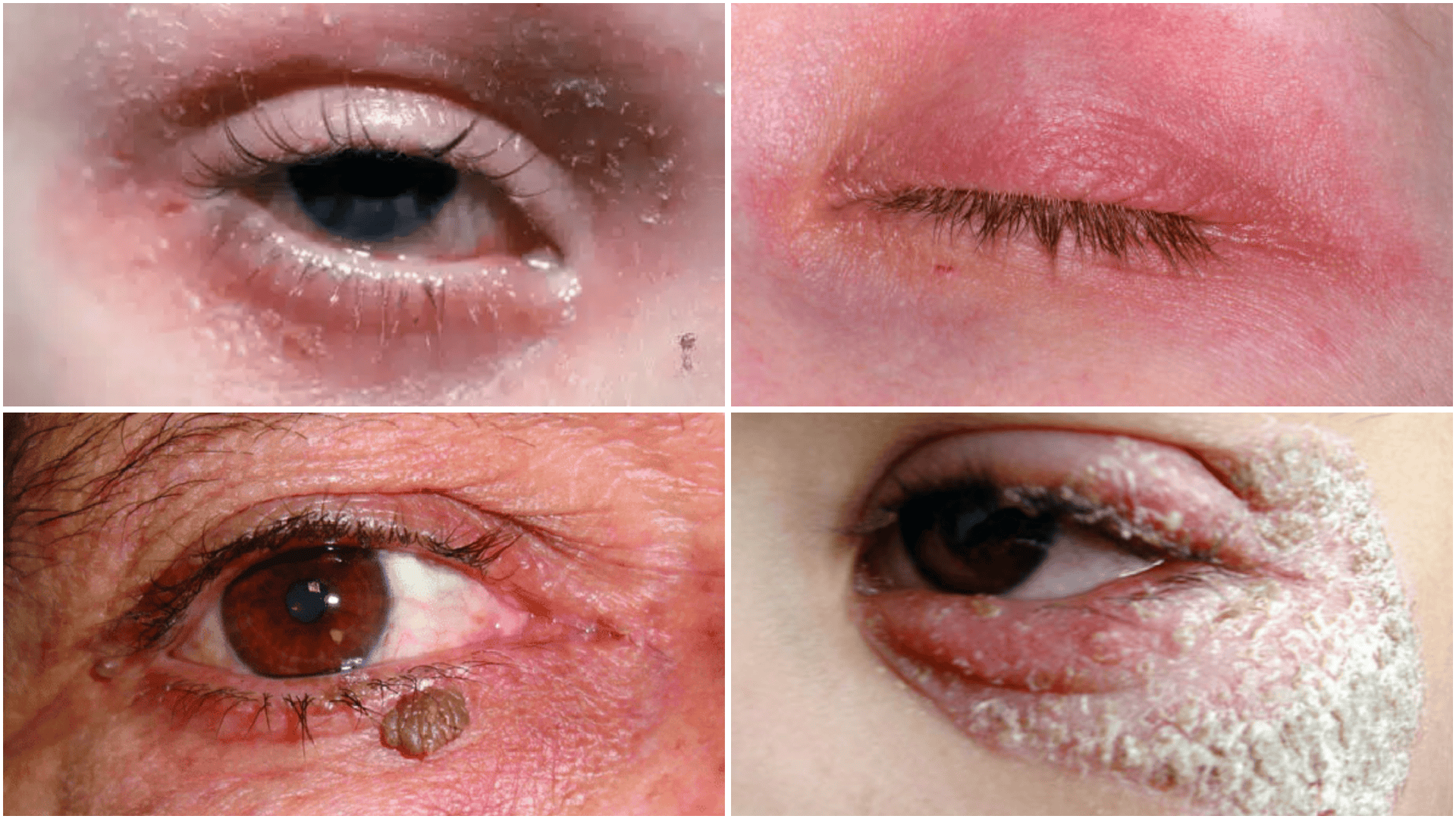
Several medical conditions can trigger or worsen dryness around the eyes beyond environmental factors and aging. Recognizing these conditions helps you know when to seek professional treatment.
1. Eyelid Dermatitis (Eczema)
Eyelid dermatitis is inflammation of the skin on or around your eyelids, causing redness, itching, and flaking. It can be triggered by allergens like makeup, skincare products, pollen, or even nickel in eyeglass frames.
Contact dermatitis occurs when your skin reacts to something it comes into contact with, while atopic dermatitis is linked to allergies and often runs in families.
2. Atopic Dermatitis
This chronic skin condition causes dry, itchy, and inflamed skin. When it affects the eye area, it can lead to persistent dryness, rough patches, and discoloration.
People with atopic dermatitis often have sensitive skin that reacts strongly to irritants and temperature changes.
3. Seborrheic Dermatitis
This condition causes scaly, flaky patches and redness, typically in areas with oil glands, including the eyelids and eyebrows. It’s often associated with dandruff and can cause crusty, greasy-looking flakes around the eyes.
4. Blepharitis
Blepharitis is inflammation of the eyelid edges where eyelashes grow. It causes redness, irritation, and crusty debris along the lash line.
Chronic blepharitis can dry out the surrounding skin and may require consistent eyelid hygiene and, in some cases, medical treatment.
5. Psoriasis
Though less common around the eyes, psoriasis can affect the eyelids and surrounding skin, causing thick, scaly patches.
Eye-area psoriasis needs careful management to avoid complications and should be treated by a dermatologist or ophthalmologist.
6. Thyroid Disorders
Both hyperthyroidism and hypothyroidism can affect skin moisture. Hypothyroidism, in particular, often causes dry, flaky skin throughout the body, including around the eyes.
7. Rosacea
Ocular rosacea affects the eyes and eyelids, causing redness, dryness, and irritation. If you have facial rosacea, you’re more likely to experience eye-area symptoms as well.
If you suspect any of these conditions may be causing your eye dryness, consult a healthcare provider for proper diagnosis and treatment.
When to See a Professional
Most cases of dryness around the eyes improve with home care, but see a dermatologist or ophthalmologist if it persists beyond 1 to 2 weeks.
Seek professional help immediately if you experience significant redness, swelling, pain, eyelid crusting, persistent itching, vision changes, or fluid discharge.
Your dryness may stem from an underlying condition like eyelid dermatitis, atopic dermatitis, psoriasis, or blepharitis.
A specialist can examine your eyes and skin, rule out underlying diseases, and create an appropriate treatment plan. Don’t hesitate to seek help when something feels wrong.
Preventive Tips & Long-Term Care
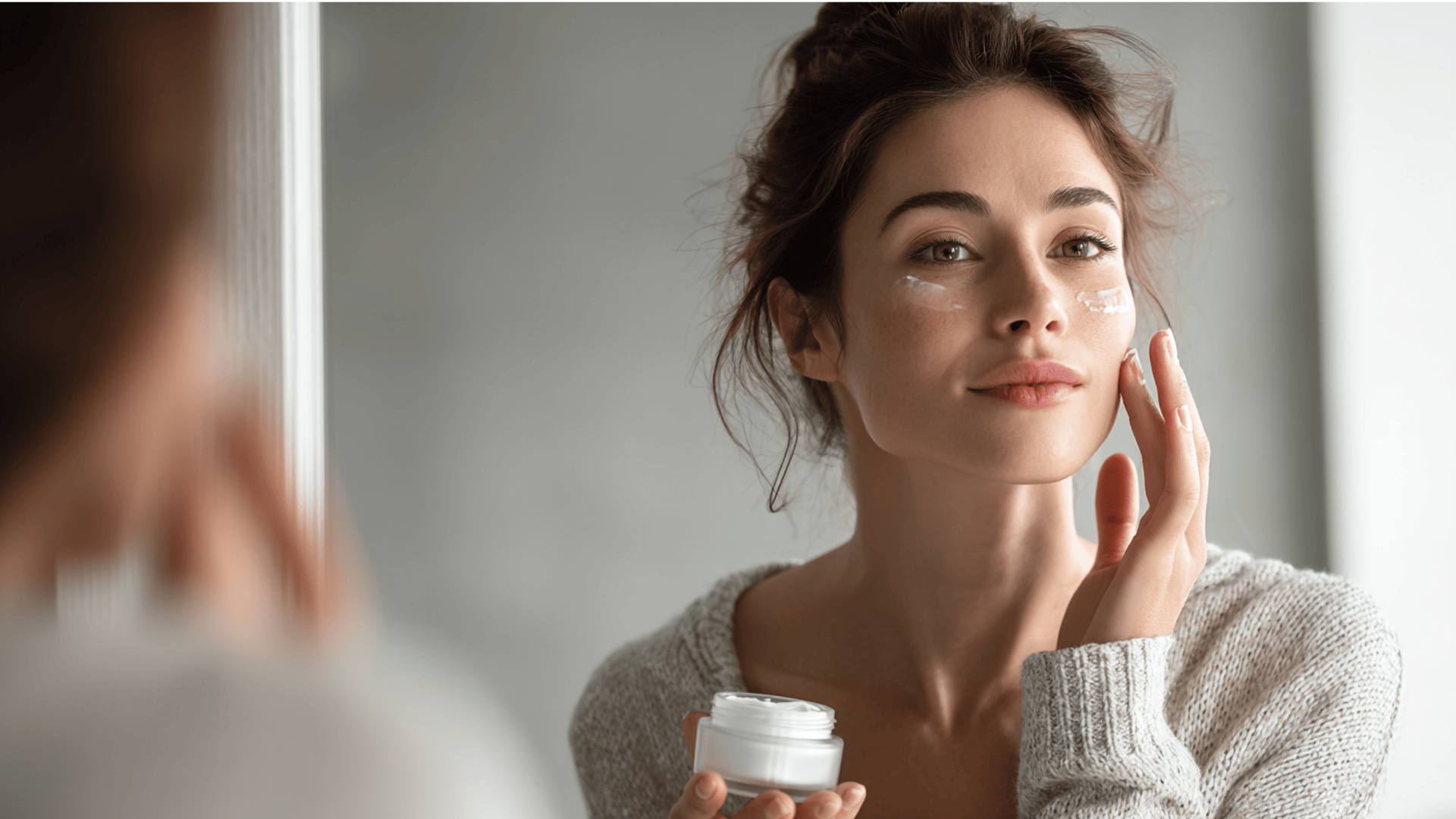
Preventing dryness is easier than treating it once it starts. Here’s how to keep your under-eye skin healthy:
- Follow a gentle daily routine: Cleanse, moisturize, and use sun protection consistently.
- Use eye cream daily: Apply eye-specific products every day, especially during drier seasons.
- Avoid rubbing your eyes: This breaks down collagen and damages the skin barrier.
- Control indoor humidity: Keep humidity levels comfortable and avoid sleeping under vents.
- Replace makeup regularly: Change mascara, eyeliner, and eye shadows every 3-6 months. Keep brushes clean and patch-test new products.
- Maintain your routine after recovery: Continue moisturizing even after dryness clears to prevent it from returning.
- Support overall skin health: Get good sleep, manage allergies, and avoid smoking and exposure to pollution.
Follow these simple daily habits to keep your under-eye skin healthy and prevent dryness from returning. Consistency is key.
Take Control of Your Eye Skin Health Today
Dryness around the eyes, including dry under the eyes and a dry patch under the eye, is common and manageable with the right care. The key is catching it early and using gentle skincare consistently.
Moisturize daily, protect your skin from harsh conditions, and choose products made for sensitive skin. Most people see real improvement once they stick to a simple routine.
If your dryness persists or worsens despite good care, see a doctor. They can identify underlying issues and provide proper treatment.
Take action now. Check your skincare products for irritants, simplify your routine, and add a good eye moisturizer. Give your under-eye area the gentle care it needs. Your eyes will thank you.
Frequently Asked Questions
Can Makeup Cause Dryness Around the Eyes?
Yes. Old makeup, waterproof formulas, or products with fragrance or alcohol can irritate the delicate eye area, causing dryness and flaking.
Can Dry Under Eyes Be a Sign of Dehydration?
Yes. When you’re dehydrated, your skin struggles to hold moisture. Drinking enough water helps improve dryness, especially around the eyes.
Is Dry Skin Under the Eyes a Sign of Aging?
It can be. As you get older, your skin produces less oil and loses elasticity, making the under-eye area more prone to dryness.