



You know massage feels amazing, but here’s what most people don’t realize: it’s not just about relaxation. Regular massage is one of the most effective ways to maintain optimal health and prevent problems before they start.
So, how often should you get a massage? Most health experts recommend monthly sessions as the baseline for maintaining wellness, though your ideal frequency depends on your specific health goals and lifestyle.
If you’re managing stress, staying active, or want to feel your best long-term, knowing how often to get a massage can transform your overall health.
Moving forward, we’ll break down expert recommendations so you can determine the perfect frequency for your wellness needs.
How Often Should You Get a Massage for Optimal Health
Most people think of massage as an occasional treatment for pain or stress. But health experts view it differently; regular massage is preventive care, like exercise, healthy eating, and dental checkups.
Optimal wellness means pain-free movement, good circulation, effective stress management, quality sleep, and emotional balance. Regular massage supports all these areas while providing long-term benefits like injury prevention and immune support.
Here’s the key: one-time massages offer temporary relief, but regular sessions create cumulative, lasting benefits. Your body responds better to consistent care than sporadic treatment.
The experts agree that most massage therapists recommend monthly massages as the baseline for maintaining optimal health, with adjustments based on your individual needs.
The Expert-Recommended Baseline
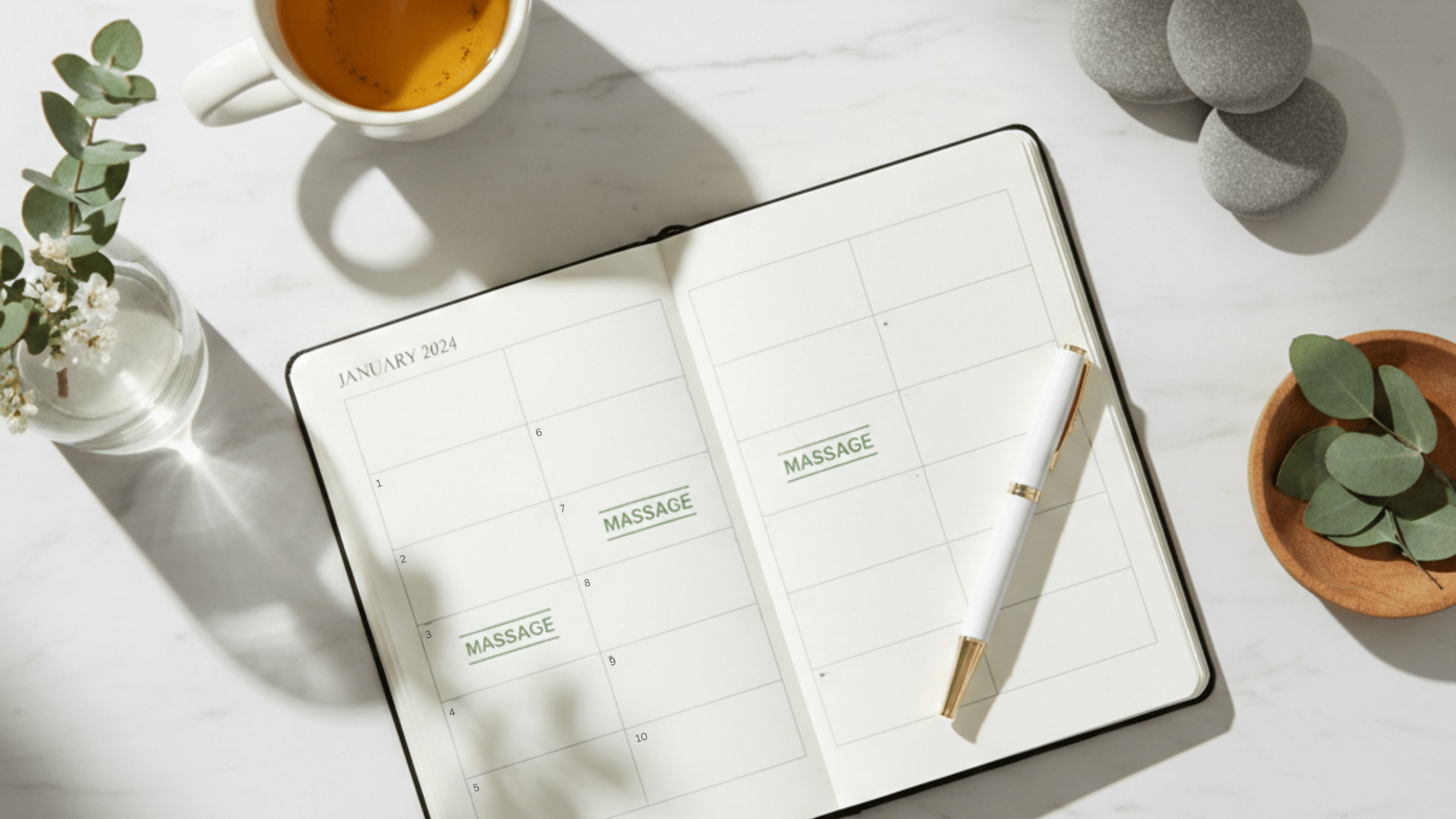
Health and wellness experts consistently recommend monthly massages for maintaining optimal health. Here’s why this frequency works:
1. Works with Your Body’s Natural Rhythm
Muscle tension builds gradually over 3-4 weeks, and monthly sessions prevent it from becoming chronic pain.
Regular timing catches minor problems early before they escalate into bigger issues requiring intensive treatment.
2. Maintains Multiple Health Benefits
Monthly massage keeps circulation flowing optimally and maintains muscle flexibility.
It supports consistent stress management, promotes quality sleep patterns, and boosts immune function regularly, creating cumulative wellness benefits over time.
3. Sustainable for Long-Term Health
This frequency is financially manageable for most people and easy to schedule without overwhelming your calendar.
It prevents burnout from over-scheduling while creating a reliable, maintainable self-care routine you can stick with.
4. What Monthly Massage Prevents
Regular sessions prevent chronic muscle tension, stress-related health issues like headaches and high blood pressure, and poor posture patterns.
They also reduce mobility loss as you age and lower injury risk from tight muscles.
When you might need more: This baseline works for generally healthy people with moderate stress and activity levels.
The Right Massage Frequency for You
Massage frequency depends on your goal: relaxation, stress relief, pain support, or recovery. Use this table as a simple starting point, then adjust based on how your body responds over time.
| Goal or condition | Recommended frequency | Notes |
|---|---|---|
| General relaxation | Once a month | Helps maintain emotional balance and stress relief. |
| High stress | Every 1–2 weeks | It may help you feel less stressed, reduce cortisol levels, and boost your mood. |
| Chronic pain (e.g., back pain) | 1–2 times per week initially | Adjust as pain subsides. |
| Injury recovery | 2–3 times per week | The therapist may adjust the frequency based on progress. |
| Athletic performance | Weekly or bi-weekly | Supports recovery and flexibility. |
| Pregnancy (prenatal massage) | Every 2–4 weeks | Eases back pain and swelling during pregnancy. |
| Seniors (geriatric massage) | Every 2–4 weeks | Supports circulation and mobility. |
Over time, your ideal schedule may change. Regular check-ins with your massage therapist can help you fine-tune the frequency based on how you feel and how your body responds.
Signs Your Body Needs a Massage

Listen for these signals that indicate it’s time to adjust your massage frequency:
- Persistent Muscle Tightness: You notice knots or tension that won’t release with stretching or rest, especially in your neck, shoulders, or back. This buildup indicates tension is accumulating faster than your current massage schedule can address.
- Frequent Tension Headaches: You’re experiencing regular headaches that start at the base of your skull or temples, often stemming from tight neck and shoulder muscles. Increased massage frequency can prevent these before they start.
- Poor Sleep Quality: You’re tossing and turning at night or waking up feeling unrested due to muscle tension and stress. More frequent massage helps your body relax for quality rest.
- Reduced Range of Motion: You notice stiffness when turning your head, reaching overhead, or bending, with a feeling of limited flexibility compared to normal. This signals that muscles are tightening and need professional attention before mobility decreases further.
- Postural Problems: You catch yourself with rounded shoulders, forward head position, or slouching as your body compensates for muscle imbalances. Regular massage corrects these patterns before they become permanent structural issues.
- Pain Between Sessions: Discomfort returns well before your next scheduled appointment, with benefits wearing off within days instead of weeks. This clearly indicates you need more frequent sessions to maintain wellness.
Simple tracking tip: Note how long benefits last after each session. If tension returns within a few days, increase frequency. If benefits last 3-4 weeks, your current schedule works perfectly.
How Often to Get a Massage without Overdoing It
Massage is generally safe, but moderation matters. Deep tissue massage can cause temporary soreness or fatigue, so your body needs recovery time between sessions. Gentle massages like Swedish can be done more frequently without issues.
Watch for warning signs you’re overdoing it: soreness lasting beyond 48 hours, increased fatigue after sessions, skin sensitivity or bruising, and feeling worse instead of better.
The key is listening to your body and giving it adequate recovery time between sessions. Remember, quality and consistency matter far more than excessive frequency.
A monthly massage you maintain for years provides better wellness benefits than twice-weekly sessions you can only sustain for a few months before burning out.
How to Maximize Your Massage Benefits Between Sessions
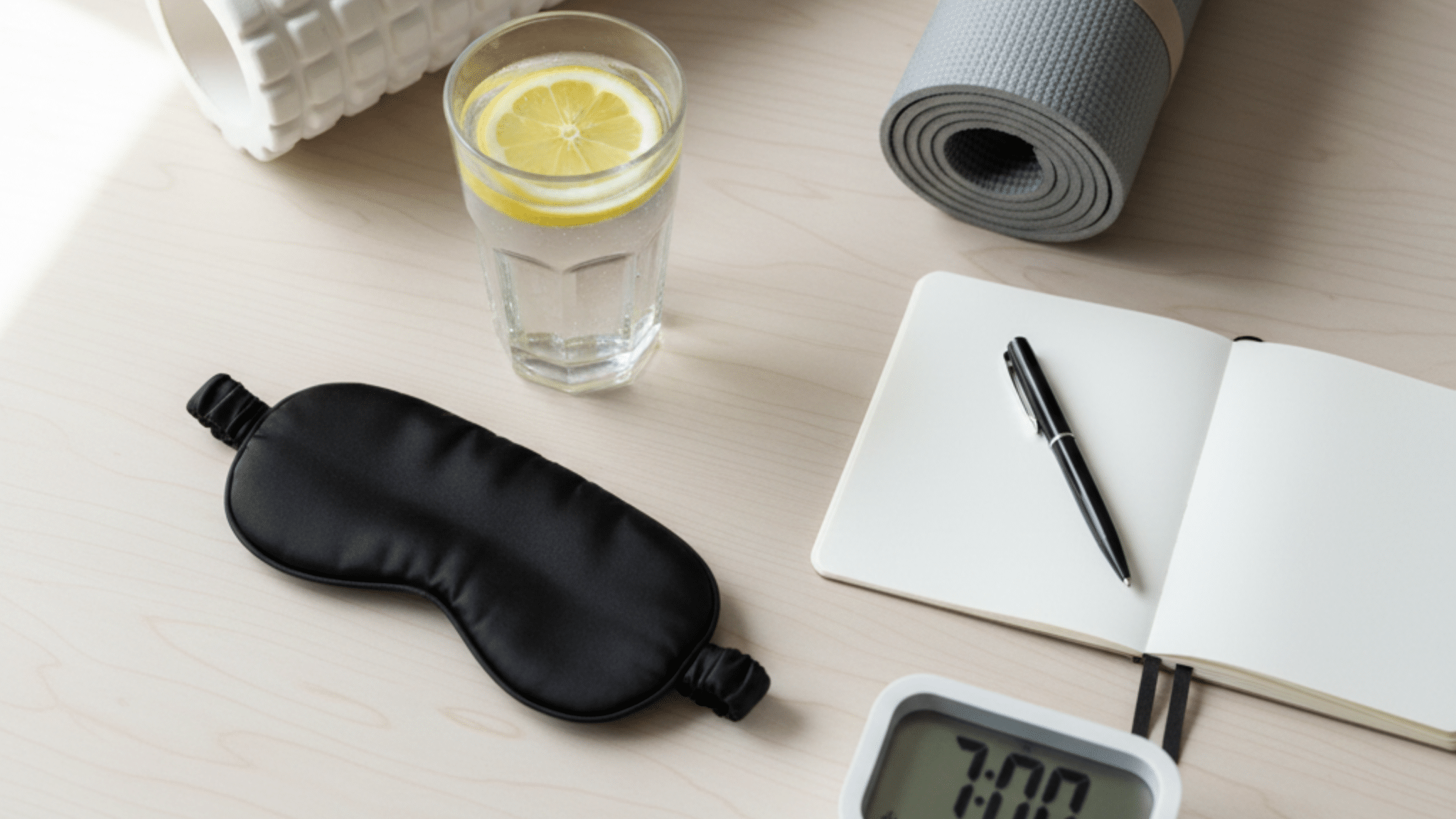
Getting regular massages is just the first step; what you do between appointments matters the same. These simple strategies help you maintain and extend the wellness benefits from each session.
1. Stay Hydrated
Drink plenty of water before and after each massage session. Proper hydration supports your body’s natural healing process and reduces post-massage soreness.
Aim for at least 8 glasses of water on massage days. Staying well-hydrated maximizes the benefits and helps your muscles recover more effectively.
2. Keep Moving Between Sessions
Practice the stretches your massage therapist recommends to maintain flexibility and prevent tension from building back up. These simple movements extend the benefits of your massage throughout the week.
Stay active and avoid prolonged sitting, which creates the tension patterns that massage works to release. Regular movement between sessions helps maintain the improvements you’ve gained.
3. Communicate with Your Therapist
Report what’s working and what isn’t so your therapist can tailor each session to your evolving needs. Open communication ensures you’re getting the most benefit from every appointment.
Adjust pressure, techniques, and focus areas as needed, and always update them on changes in your condition. Your feedback helps create the most effective treatment plan for your wellness goals.
4. Complement with Self-Care
Use foam rollers or massage balls for spot treatment between professional sessions to address minor tension before it escalates. These tools help maintain the work your therapist does during appointments.
Try Epsom salt baths for muscle relaxation and practice stress management techniques like yoga, meditation, or breathing exercises. These complementary practices enhance and extend your massage benefits.
5. Track Your Progress
Keep a simple log of sessions and note how you feel afterward to identify patterns in your response. This tracking helps you understand what’s working best for your body.
Record changes in pain levels, stress, and sleep quality over time. Use this valuable data to adjust your massage frequency with your therapist for optimal results.
6. Schedule in Advance
Treat massage appointments as non-negotiable self-care, just like doctor visits or important work meetings. Prioritizing these sessions ensures you maintain consistency for long-term wellness.
Book your next session before leaving each appointment. Consistency becomes much easier when your massage is already scheduled on your calendar rather than something you’ll “get around to.”
When to Seek Professional Help
Consult a healthcare provider if you experience severe or worsening pain despite regular massage, new symptoms appearing after sessions, or have chronic conditions requiring medical intervention.
You should also seek guidance if you’re dealing with pregnancy complications, recent surgery, serious injuries, or certain medical conditions like blood clots, severe osteoporosis, or active infections.
Remember: massage therapy complements medical treatment but doesn’t replace it. Always inform your massage therapist about any health conditions, medications, and concerns before your session.
This transparency ensures you receive safe, appropriate care tailored to your specific health needs. Working with both your healthcare provider and massage therapist creates the best outcomes for your overall wellness.
Conclusion
So, how often should you get a massage? For most people, monthly sessions provide the baseline for maintaining optimal health and wellness. However, your ideal frequency depends on your specific goals: managing stress, supporting an active lifestyle, or aging well.
The key is consistency over intensity. Regular monthly massages you maintain for years deliver far better results than frequent sessions you can’t sustain long-term.
Start with once per month and adjust based on how your body responds. Remember that massage isn’t a luxury; it’s an essential investment in your long-term health. Ready to prioritize your wellness? Book your first session today and start building a massage routine that works for you.