


Many men and even some retailers treat terms like blazer, sport coat, and suit jacket as if they mean the same thing.
Walk into a department store, and most tailored pieces receive the same label regardless of what they actually are.
In reality, these jackets have distinct roles that impact how sharp and appropriate you look.
Knowing the differences helps you avoid style mistakes, such as showing up to a formal interview in a casual textured coat or wearing the top half of a suit with trousers that do not match.
Each option carries its own history, level of formality, and styling expectations. The breakdown below makes choosing the right one simple.
What Is a Suit Jacket?
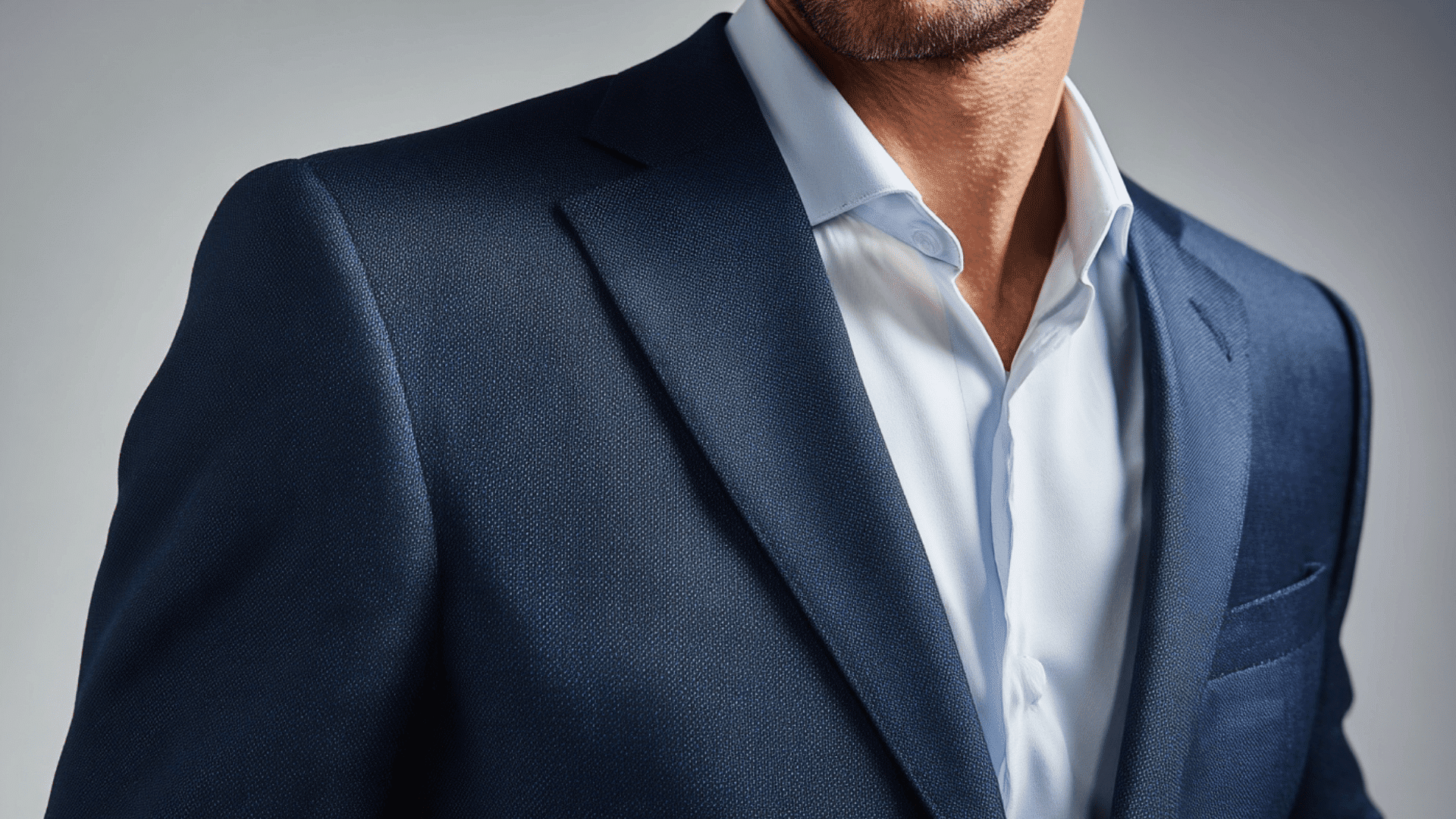
A suit jacket is the most polished option, created to be worn as part of a coordinated outfit with matching trousers for a refined appearance.
Its origin lies in European tailoring, evolving from formal court clothing into the professional standard recognized throughout modern business culture.
Key Characteristics:
- Matching fabric with trousers
- Smooth, refined material
- Sharply structured shoulders
- Clean lapel work
- Tailored close fit
Always wear it with its original trousers to avoid uneven aging, preserve color consistency, and maintain the intended formal appearance.
What Is a Blazer?
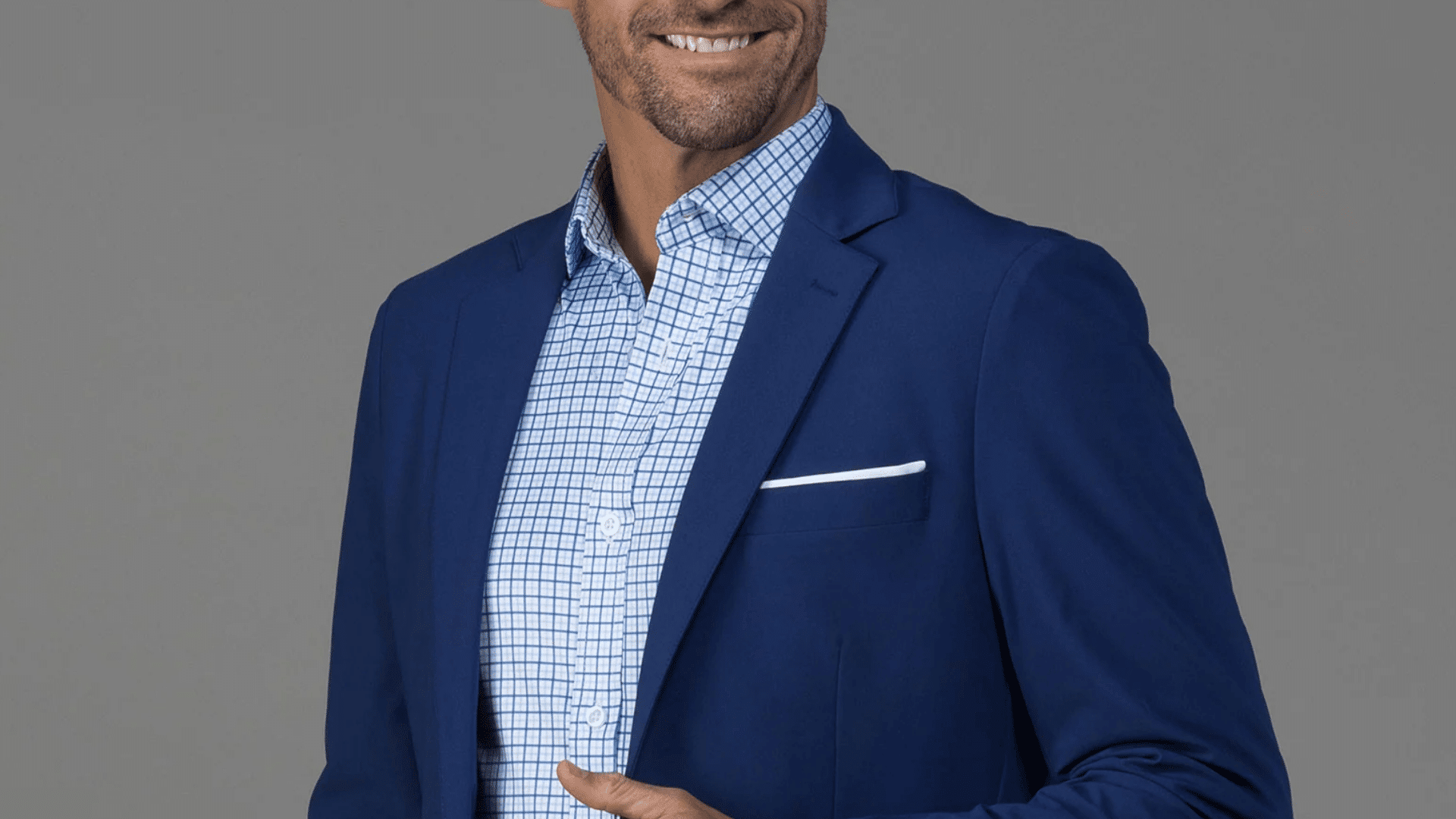
A blazer offers a balance between formal and casual, designed as an independent jacket that pairs well with contrasting trousers for versatile styling.
Its origins lie in British naval and rowing traditions, where solid colors and distinctive buttons served as recognizable elements of uniform identity.
Key Characteristics:
- Standalone design
- Solid traditional colors
- Decorative metal buttons
- Moderately structured shape
- Works with contrast trousers
Choose fabrics clearly different from suit materials so the blazer always appears intentional and never resembles a jacket separated from a suit.
What Is a Sports Jacket?
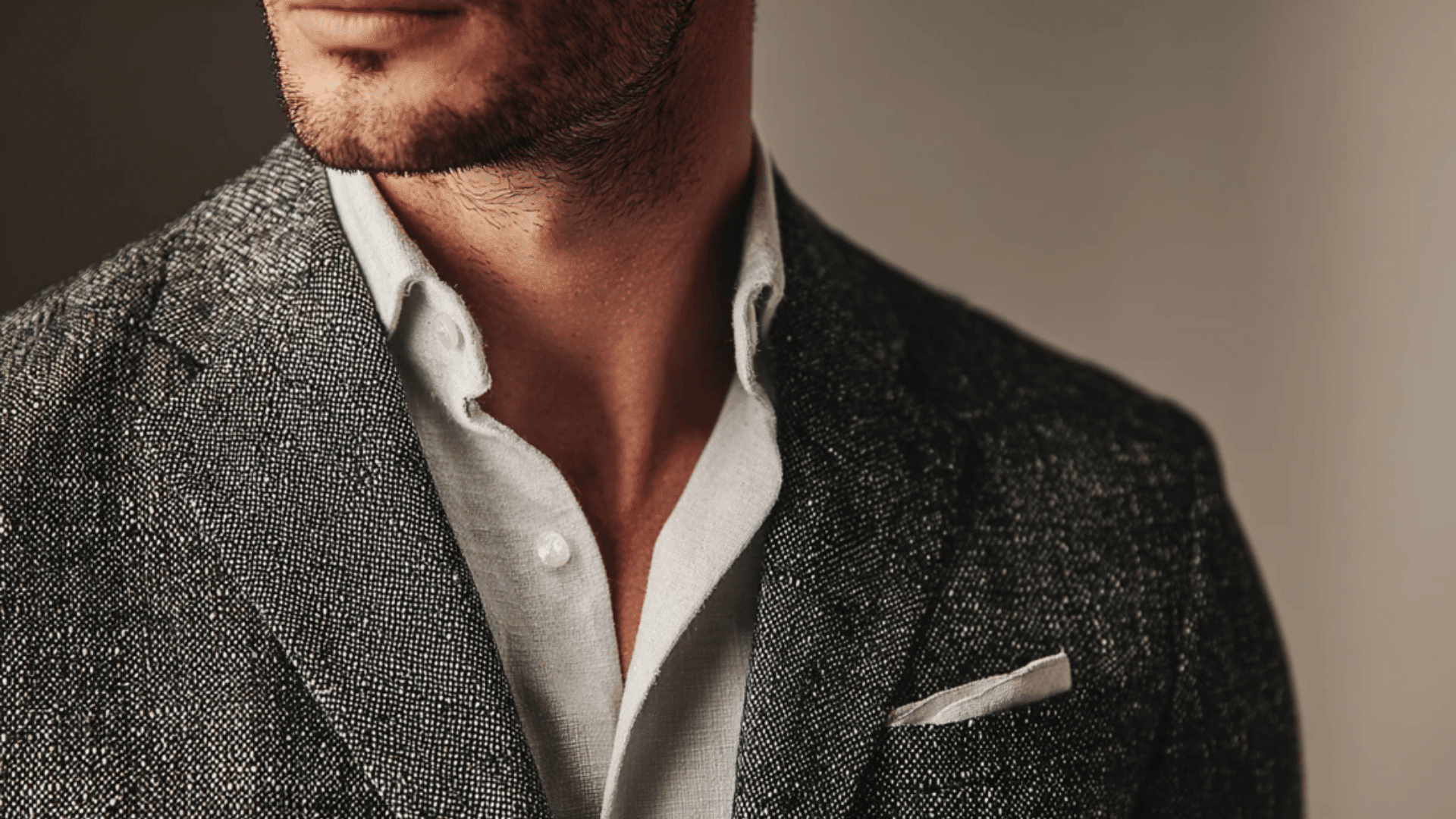
A sports jacket is the most relaxed option, created with comfort, texture, and pattern in mind, giving outfits personality through varied fabrics and softer structure.
Its origin traces back to British countryside activities where durable garments were needed for hunting, riding, and comfortable outdoor movement.
Key Characteristics:
- Textured fabrics
- Patterned designs
- Relaxed roomier fit
- Casual pocket styles
- Earthy or seasonal colors
Keep the jacket within casual or smart casual outfits to ensure its texture, patterns, and relaxed shape appear natural and well-balanced.
Suit Jacket vs Blazer vs Sport Coat
Understanding the differences between a suit jacket, blazer, and sport coat helps you choose the right structure, fabric, and overall look with confidence.
| Feature | Suit Jacket | Blazer | Sport Coat / Jacket |
|---|---|---|---|
| Matching Trousers | Always comes with coordinating trousers | Worn with trousers that do not match | Designed for deliberate contrast combinations |
| Fabric | Smooth, refined materials | Clean fabrics with subtle texture | Textured or rugged cloth with visible weave |
| Formality | Most polished and structured | Balanced mix of sharp and easy | Most relaxed and casual design |
| Colors / Patterns | Classic tones with minimal patterns | Mostly solid shades with simple details | Wide variety, including bold patterns |
| Construction | Firm shoulders and precise shaping | Softer structure with defined lines | Comfortable cut with relaxed build |
| Buttons | Horn, resin, or plastic buttons in matching/tonal colors | Decorative or metal button styles | Natural or matte button finishes |
This comparison highlights how each jacket differs in structure, fabric, and design, helping you select the option that best supports your personal style.
How and When to Wear Each Jacket
Choosing the right jacket depends on the setting, since each style offers a different level of structure, formality, and overall visual impact.
1. Suit Jacket: Formal & Business Settings
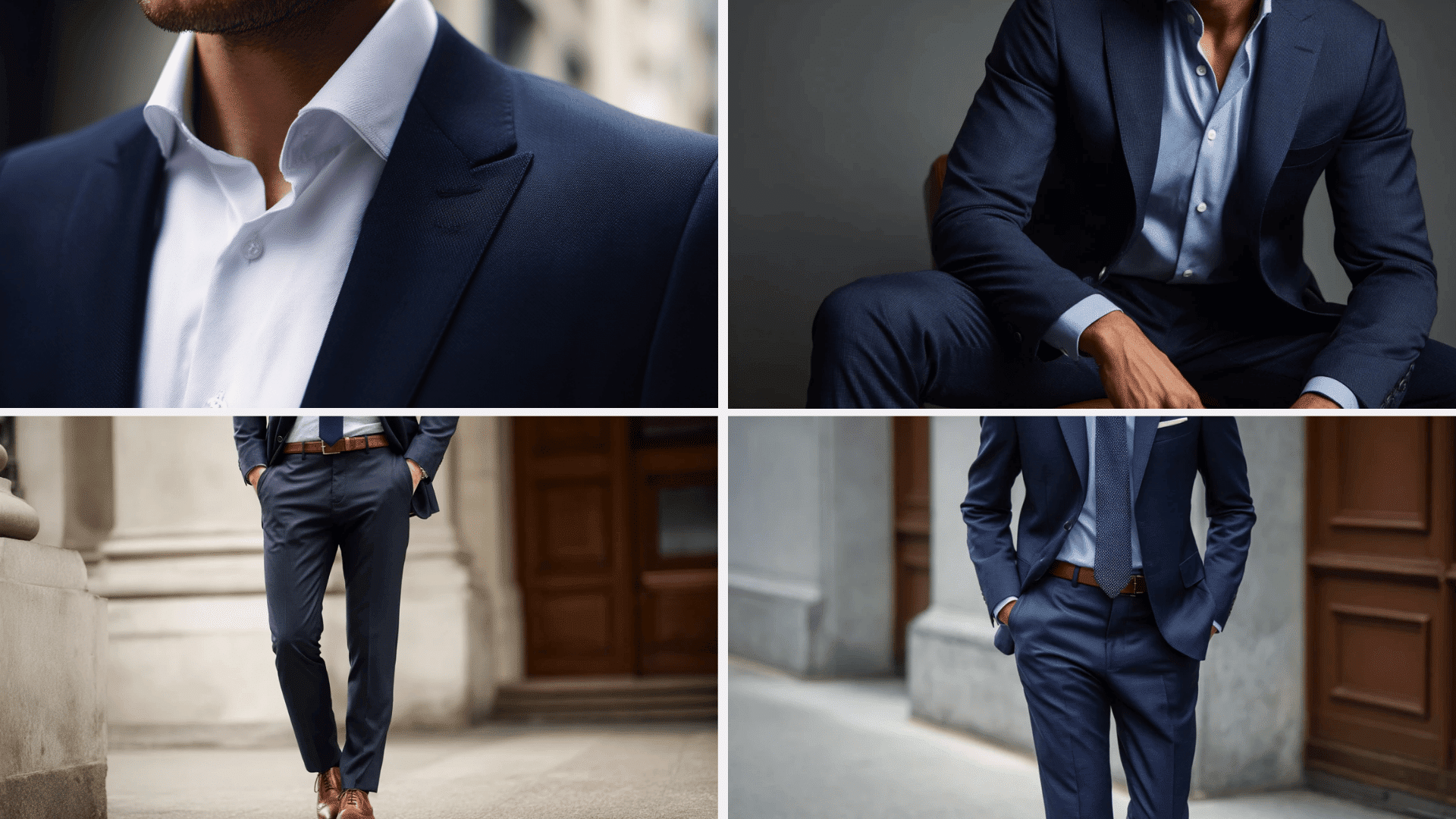
These occasions call for structure, consistency, and a clean silhouette, making the suit jacket the most appropriate and dependable choice.
| Bottom Options | Top Options | Footwear |
|---|---|---|
| Matching suit trousers | White dress shirt | Oxfords |
| Matching suit trousers | Light blue dress shirt | Derbies |
| Matching suit trousers | Formal dress shirt | Brogues |
| Matching suit trousers | Dress shirt with optional tie | Leather dress shoes |
- Job Interviews: Present a sharp, unified appearance that communicates professionalism, preparation, and respect for the hiring environment.
- Important Meetings: Creates a strong, reliable impression by showing attention to detail and commitment to serious professional communication.
- Weddings and Ceremonies: Offers a refined presence that aligns with traditional expectations and maintains a clean, elegant visual tone.
- Corporate Environments: Fits strict dress expectations where consistency, formal structure, and polished presentation are essential daily requirements.
Styling Rule: Always pair the jacket with its matching trousers to maintain uniform color, prevent fabric aging differences, and preserve overall formal integrity.
2. Blazer: Business Casual & Smart Events
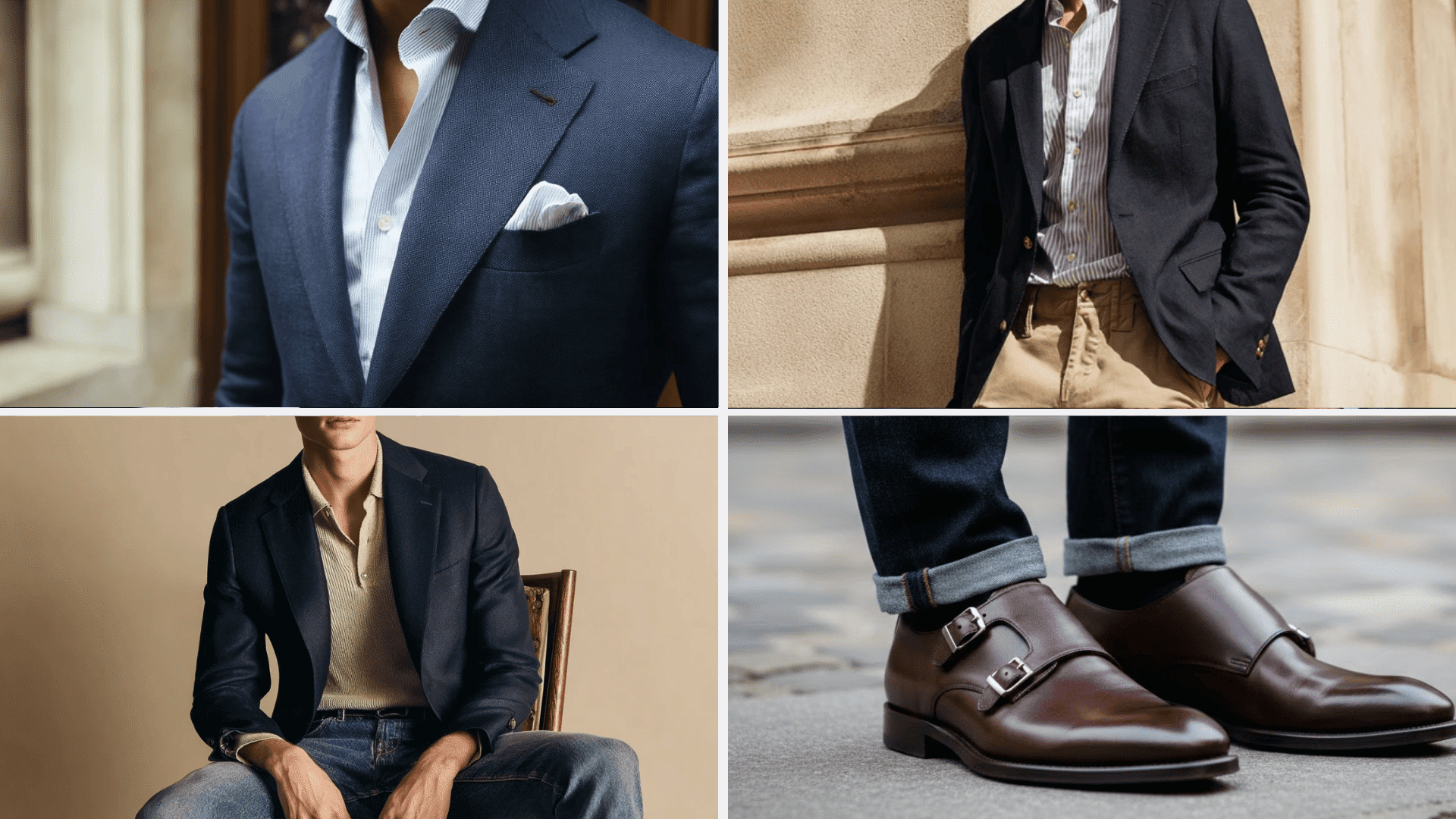
These settings benefit from a jacket that looks polished yet relaxed, offering flexibility without needing the structure of a full coordinated suit.
| Bottom Options | Top Options | Footwear |
|---|---|---|
| Grey trousers | Dress shirt | Leather loafers |
| Chinos | Oxford button-down | Suede derbies |
| Dark denim | Fine-knit sweater | Chelsea boots |
| Chinos or trousers | Polo or turtleneck | Monk strap shoes |
- Business Casual Offices: Add subtle structure while keeping the look comfortable and appropriate for relaxed professional settings.
- Networking Events: Create an approachable, confident appearance that encourages conversation and professional connections.
- Dinner Outings: Maintain a sharp and intentional look suited for restaurants and social evenings without appearing overly formal.
- Semi-Formal Gatherings: Transition smoothly between social interaction and light professional conversation with a balanced, refined look.
Styling Rule: Choose fabrics that differ from the suit material so the blazer appears intentional and pairs naturally with contrast trousers.
3. Sports Jacket: Casual & Creative Settings
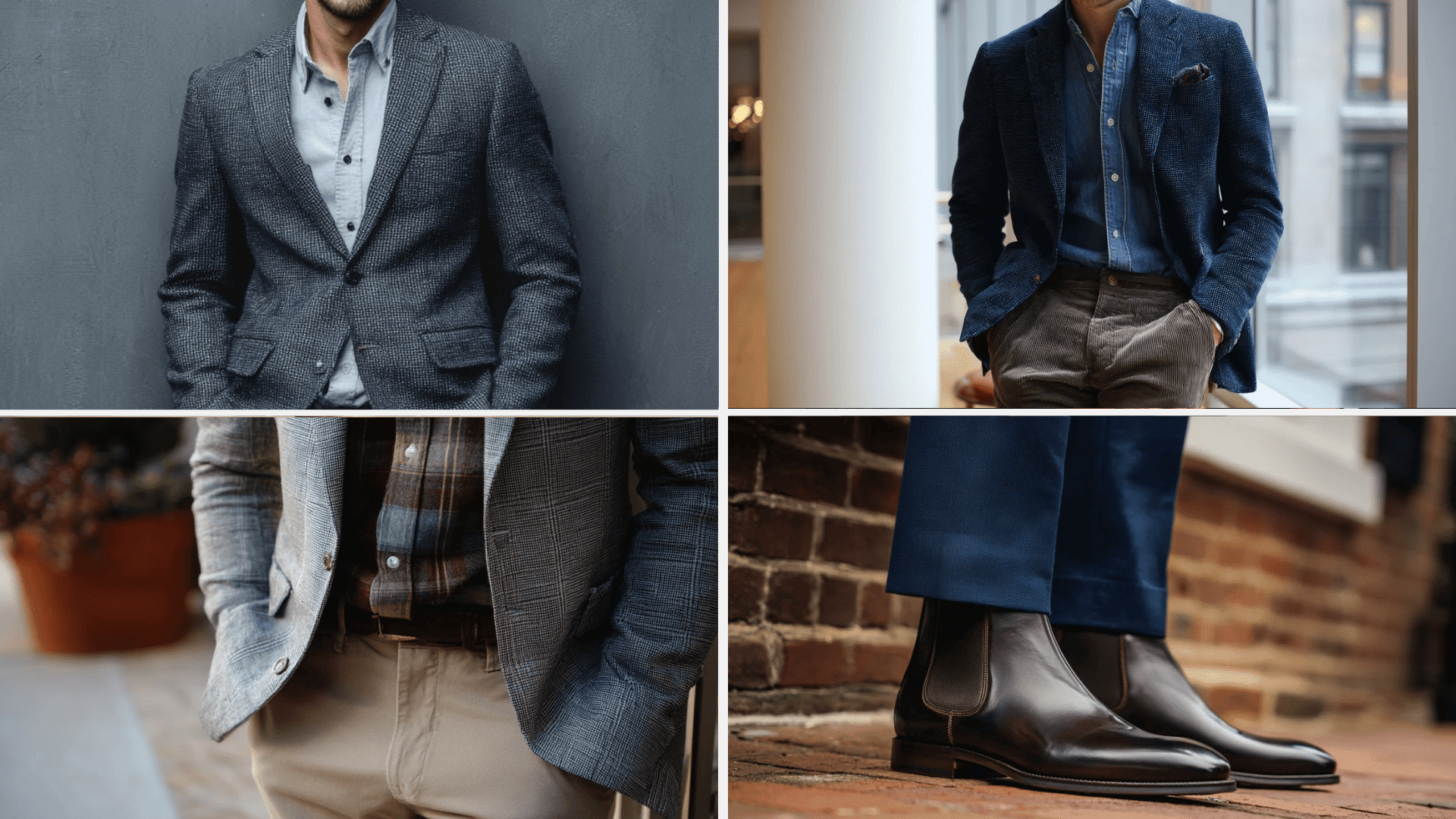
These environments welcome texture, comfort, and personality, allowing the sports jacket to express individuality while keeping outfits relaxed and stylish.
| Bottom Options | Top Options | Footwear |
|---|---|---|
| Corduroy pants | Chambray shirt | Suede loafers |
| Chinos | Flannel shirt | Desert boots |
| Dark denim | Casual dress shirt | Chelsea boots |
| Wool trousers | Turtleneck or crew neck sweater | Minimal sneakers or brogues |
- Casual Office Days: Offer a comfortable, polished touch without demanding the stricter structure of formal clothing.
- Weekend Social Events: Add visual interest and personality while staying comfortably within relaxed, friendly settings.
- Coffee Meetings: Provide a thoughtful appearance that balances informality with a hint of refinement.
- Outdoor Gatherings: Work well with layers and varied temperatures while keeping the look naturally effortless.
Styling Rule: Pair with contrasting trousers and textured layers to highlight its relaxed construction and maintain a balanced smart-casual feel.
Building Your Jacket Wardrobe
Building a strong jacket lineup begins with versatile essentials supported by simple color alternatives that expand styling options without complicating your wardrobe.
Start With the Basics:
- Nautica Men’s Modern-Fit Bi-Stretch Navy Blue Suit: Charcoal or mid-blue works as a strong alternative.
- Nautica Men’s Modern fit Navy Blue Blazer: Black or dark grey offers similar everyday versatility.
- Nautica Big & Tall Men’s Modern Fit Microsuede Camel Sport Coat: Light grey or soft checks add subtle variation.
Budget-Friendly Approach:
- Cotton-Hemp Blend Unstructured Blazer: Steel blue or taupe gives modern, affordable options.
- Bonobos Men’s Jetsetter Washed Beige Cotton Blazer: Olive or textured blue for flexible styling.
- Joseph Abboud Men’s Modern Fit Camel Sport Coat: Camel or tan shades create warm, easy outfits.
These focused choices ensure your jackets stay versatile, helping you build a useful wardrobe with simple color swaps that fit any personal style.
Choosing the Right Accessories for Each Jacket
Accessories should enhance the overall feel of your jacket without detracting from its structure.
A suit jacket pairs best with silk ties, a white pocket square, formal cufflinks, a dress belt, and a subtle tie bar to maintain a polished look.
Blazer works well with knitted ties, lightly patterned pocket squares, clean metal buttons, minimal leather belts, and simple watches that balance smart and relaxed style.
A sport coat benefits from textured ties, colorful pocket squares, casual watches, small lapel pins, and seasonal scarves that highlight its easygoing character.
General Rule: Match formality, color tones and overall visual weight so each accessory supports the jacket’s style without overpowering the outfit.
Common Mistakes to Avoid
Small styling mistakes can disrupt an otherwise sharp outfit, so understanding what to avoid keeps your jackets looking intentional and polished.
- Wearing suit jackets without matching trousers creates uneven fading and disrupts the clean, coordinated formal appearance.
- Pairing blazers with clashing colors reduces versatility, so choose trousers that complement the jacket’s tone well.
- Choosing fabric weights unsuitable for the season makes outfits uncomfortable and visually mismatched in various settings.
- Buttoning the bottom jacket button restricts movement and disrupts the natural shape intended by tailors.
- Ignoring proper fit causes pulling, sagging, and imbalance, reducing the jacket’s structure and overall visual impact.
- Wearing heavy, textured jackets to formal settings conflicts with the smooth, refined fabrics expected for those events.
Avoiding these simple mistakes ensures every jacket works to its full potential, helping your outfits stay balanced, sharp, and confidently put together.
Keeping Your Jackets in Top Condition
Proper care keeps your jackets looking sharp and significantly extends their lifespan.
Regularly brush them after each wear to remove lint and surface dirt, and always use wide wooden hangers to support the shoulders and prevent distortion.
Steam jackets instead of ironing to avoid fabric shine, and follow a conservative dry-cleaning schedule, reserving full cleaning for when it’s truly needed.
Store jackets in breathable spaces with cedar for protection, rotate seasonally based on fabric weight, and allow rest days to preserve structure.
If a jacket gets wet, let it air-dry naturally, then brush gently to restore texture.
Making Your Decision
Choosing the right jacket is ultimately about expressing your style with intention and clarity.
Understanding how each jacket contributes to your overall wardrobe lets you refine your look in a way that feels authentic and natural.
As you build your collection, focus on pieces that reflect how you live, work, and socialize.
Let each jacket earn its place by adding value, versatility, and ease to your everyday dressing. Thoughtful choices today create a wardrobe that continues to support you for years.
Ready to refine your lineup? Choose the jacket that fits your lifestyle best and make it the next piece you invest in.
Frequently Asked Questions
Can I Wear Jeans With a Suit Jacket?
No. Suit jackets require matching trousers; jeans create mismatched formality and disrupt the jacket’s intended appearance.
Can I Wear a Sport Coat to a Wedding?
Usually no. Weddings require polished formality, making suits or blazers more appropriate than casual sport coats.
Can I Wear a Blazer With Dress Shoes?
Yes. Blazers pair well with dress shoes, maintaining balanced formality suitable for business casual or smart events.
When Should I Choose a Sport Coat Over a Blazer?
Choose a sport coat when you want textured fabrics, relaxed structure, and casual visual interest in outfits.