

Designing a small room can feel tricky, but it’s also a chance to get creative and thoughtful with every choice. In compact spaces, everything matters, from where you place furniture to the colors and textures you use. Because even tiny details can transform the feel of the room. The goal is to make the most of the space while keeping it comfortable, functional, and visually open, so it never be crowded or cluttered.
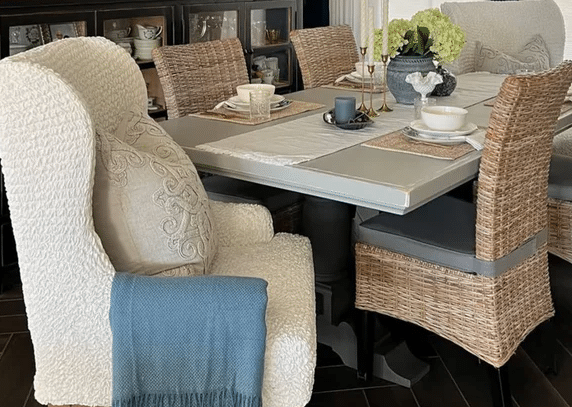
Textiles can play a huge role in achieving this balance. Using sofa cushion covers is a simple, versatile way to refresh a space, introduce color, or coordinate with a theme without overwhelming it. Even in a tiny living room, small updates like these make the area thoughtfully curated.
So, let’s have a look at some inspiring ideas for making even the smallest rooms look beautiful and work well.
Prioritize Function and Flow
When every square foot counts, furniture placement is crucial. Start by mapping out how you use the area. Do you need a cozy lounge area, a workspace, or both? Choosing versatile pieces like a sofa that doubles as storage ensures nothing is wasted.
Tips for functional furniture placement:
- Keep walkways clear and prioritize natural light
- Use multipurpose furniture like storage ottomans or foldable tables
- Choose appropriately sized pieces rather than cramming in larger items
A well-chosen rug or layered textiles can help anchor the seating area to the rest of the room, while light shades or subtle patterns make it visually cohesive.
Bring Bright Colors and Clever Lighting
The way you use color and light can completely transform a small room. Soft, pale shades like creams, gentle pastels, or subtle neutrals reflect light and make the area feel more open and airy. That doesn’t mean the space has to feel plain. Adding an accent wall, a few carefully chosen decor pieces, or pops of color through textiles can inject personality without crowding the room visually.
Mirrors are another trick for making a compact space feel larger. Placing them strategically bounces light around and creates the illusion of depth. Even furniture with reflective surfaces, such as a glass table or metallic lamp, can brighten the room and enhance the sense of openness.
Patterns can also bring interest when used thoughtfully. A textured pillow, a small throw, or a subtle wall detail can add character without overwhelming the eye. Pairing these accents with neutral tones keeps the space feeling balanced, airy, and comfortable.
Maximize Storage Without Sacrificing Style
If you’ve got a small room, it’s easy for clutter to make it feel stuffy, but smart storage doesn’t have to look bulky or out of place. Options like wall-mounted shelves, built-in cabinets, and furniture that serves multiple purposes help keep belongings organized while maintaining a clean, open feel.
Think about using vertical space, too. Tall shelving units or mounted storage take advantage of height, leaving more floor area free and making the room feel larger. Decorative baskets, boxes, and bins keep smaller items neatly contained, creating a sense of order and intention.
Storage can also double as decor. A small ottoman with hidden compartments can hold blankets or pillows, while a chic tray can corral remotes, coasters, or everyday essentials, combining functionality with style.
Incorporate Texture and Layers
Small spaces benefit from texture because it adds depth and interest without taking up room. Mixing fabrics, materials, and finishes can make the area cozy and inviting. Plush blankets, soft couch covers, and tactile rugs create layers that are visually rich yet unobtrusive.
Even simple items like curtains, cushions, or decorative throws can soften edges, break up uniform surfaces, and make a room lived-in and comfortable. Layering textures strategically prevents the space from feeling flat or sterile.
Let Light and Airflow Work for You
Lighting is as important as color in small spaces. Multiple sources of light, overhead, floor, and table lamps create a balanced, open feel. Avoid heavy, dark drapes that block natural light. A better option would be to choose transparent curtains or roller blinds that let sunlight in while maintaining privacy.
Airflow also impacts how spacious a room feels. Keeping windows clear and furniture away from vents helps the room stay fresh and relaxed. A space that’s well ventilated and has natural light always feels bigger and more attractive.
Personal Touches Matter
Art, photos, or small collections make a room feel like home. Choose a few meaningful pieces to display, so the home looks personal, cozy, and inviting. These little touches make a big difference in creating a warm, lived-in atmosphere.
Bringing It All Together
Decorating a small space successfully comes down to balance, intention, and creativity. By prioritizing function, using light and color strategically, adding texture, and keeping personal touches thoughtful, even a modest room can be expansive and stylish.
Small updates like swapping sofa covers or rearranging furniture can transform a room without the stress or cost of a full redesign.
When each element has purpose and personality, a small space doesn’t feel limited; it feels curated, cozy, and completely your own.