


Waking up with a puffy face can really put a damper on your day. No matter if it’s from last night’s salty dinner, not enough sleep, or just how your body works, that swollen, tired look isn’t doing you any favors.
But here’s something you might not know: your skin has its own drainage system, and when you give it a little help, the results can be pretty impressive.
That’s where lymphatic face massage comes in. Think of it as hitting the reset button for your face. This isn’t complicated or time-consuming; it’s just a few simple movements that direct fluid where it needs to go.
Ready to see what a difference five minutes can make? Let’s get into it.
What Is a Lymphatic Face Massage?
A lymphatic face massage uses soft, rhythmic movements to stimulate lymph fluid flow in your face and neck. Unlike regular facial massage that works deep into muscles, this stays light and gentle.
Your lymphatic system acts as your body’s cleanup crew, collecting waste, toxins, and extra fluid from tissues. The catch? It lacks a built-in pump like your heart has for blood circulation. It relies on movement and manual stimulation.
Lymph nodes sit along your neck, under your jawline, and below your ears. When fluid builds up overnight while lying flat, these areas get congested; that’s why you wake up puffy.
This massage pushes trapped fluid toward lymph nodes for natural elimination, resulting in less puffiness and refreshed-looking skin.
Benefits of Lymphatic Drainage Face Massage
When you start incorporating this massage into your routine, the changes go beyond just feeling relaxed. Your skin responds in ways that are both visible and long-lasting. Here’s what regular practice can do for your face.
1. Reduces Facial Puffiness and Swelling
This is the big one most people notice first. The massage drains excess fluid that’s been sitting in your face, especially around your eyes and cheeks.
Morning puffiness becomes less of an issue when you help your lymphatic system move that overnight buildup.
If you wake up looking puffy or deal with sinus congestion and allergies, this technique helps move that trapped fluid out so you look more like yourself again.
2. Improves Skin Brightness and Tone
Better circulation means your skin cells get a fresh supply of oxygen and nutrients with every session.
That translates to a natural glow and more even tone that no highlighter can replicate.
If your skin looks dull or tired most days, improved blood flow can bring back that healthy radiance you’ve been missing.
3. Supports Detoxification
Your lymphatic system carries away waste and toxins from your facial tissues on a cellular level.
When it’s working efficiently, your pores stay clearer, and congestion decreases noticeably.
This can be particularly helpful if you’re dealing with acne-prone skin or frequent breakouts that don’t seem to respond to other treatments.
4. Reduces Fine Lines and Tension
Facial muscles hold a lot of tension throughout the day, which shows up as lines and wrinkles over time.
The massage relaxes those tight spots while boosting circulation, which supports collagen production naturally.
Less tension means fewer stress-related lines, giving you that relaxed, refreshed expression.
5. Boosts Product Absorption
When your skin isn’t congested with fluid and buildup, your serums and moisturizers can actually penetrate deeper into the layers where they do the most good.
You’ll get a much better outcome from your skincare routine because your skin is properly prepped to receive those active ingredients.
What You’ll Need for Your Massage
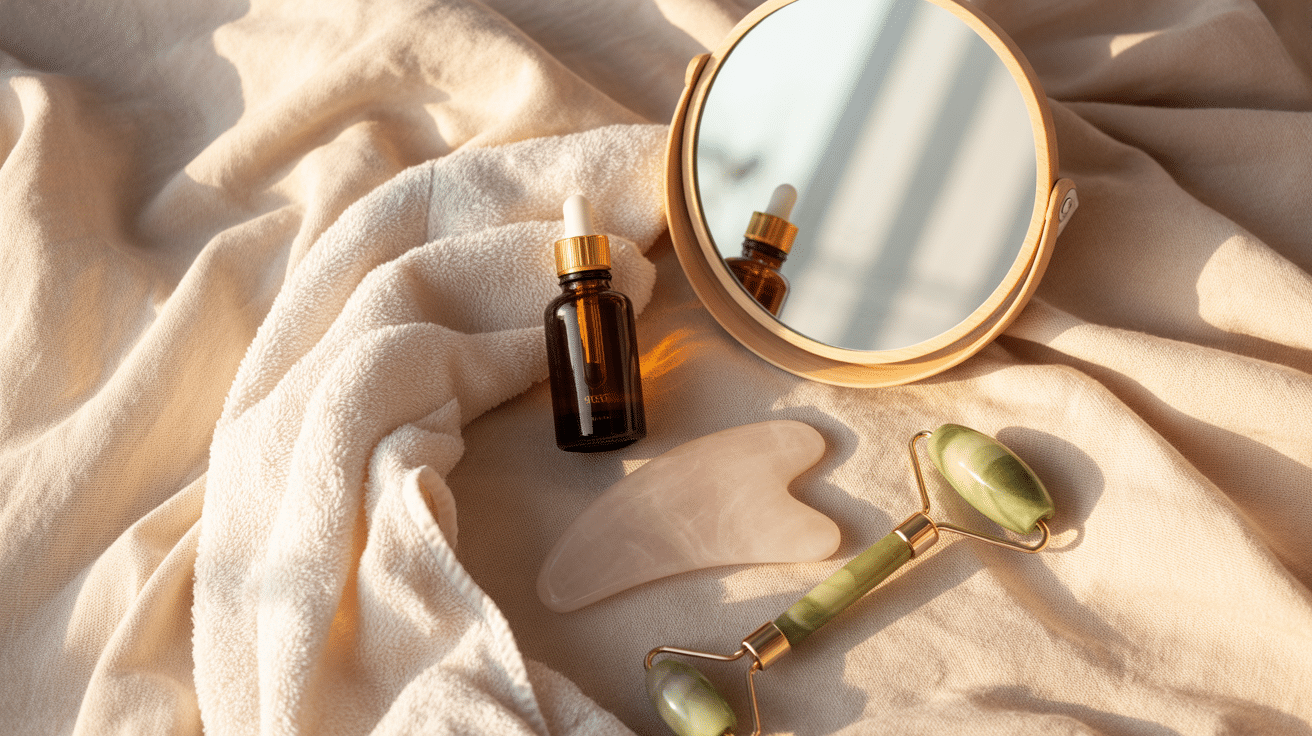
The beauty of this massage is that you don’t need fancy equipment to get results. Here’s what to gather before you start:
- Clean Hands: Your primary tool for the massage. Wash thoroughly to avoid transferring dirt or bacteria to your face.
- Facial Oil or Serum: Choose jojoba, almond, or any non-comedogenic oil you prefer. This helps your fingers glide smoothly without pulling or tugging on your skin.
- Optional Tools: Gua sha stones or jade rollers can enhance the experience, but they’re not necessary. Your hands work just as well.
- Comfortable Space: Find a spot where you can sit or lie down without straining your neck or shoulders.
- Lightweight Products: Stick with oils that won’t clog your pores or leave a greasy feeling afterward.
Lymphatic Drainage Face Massage at Home: Step-By-Step
Ready to try this massage yourself? This massage is easier than you might think.
The key is following these steps in order, each one builds on the last to create a complete drainage pathway.
Start at your neck to open the exit routes, then work your way up through your face.
Step 1: Prepare Your Neck
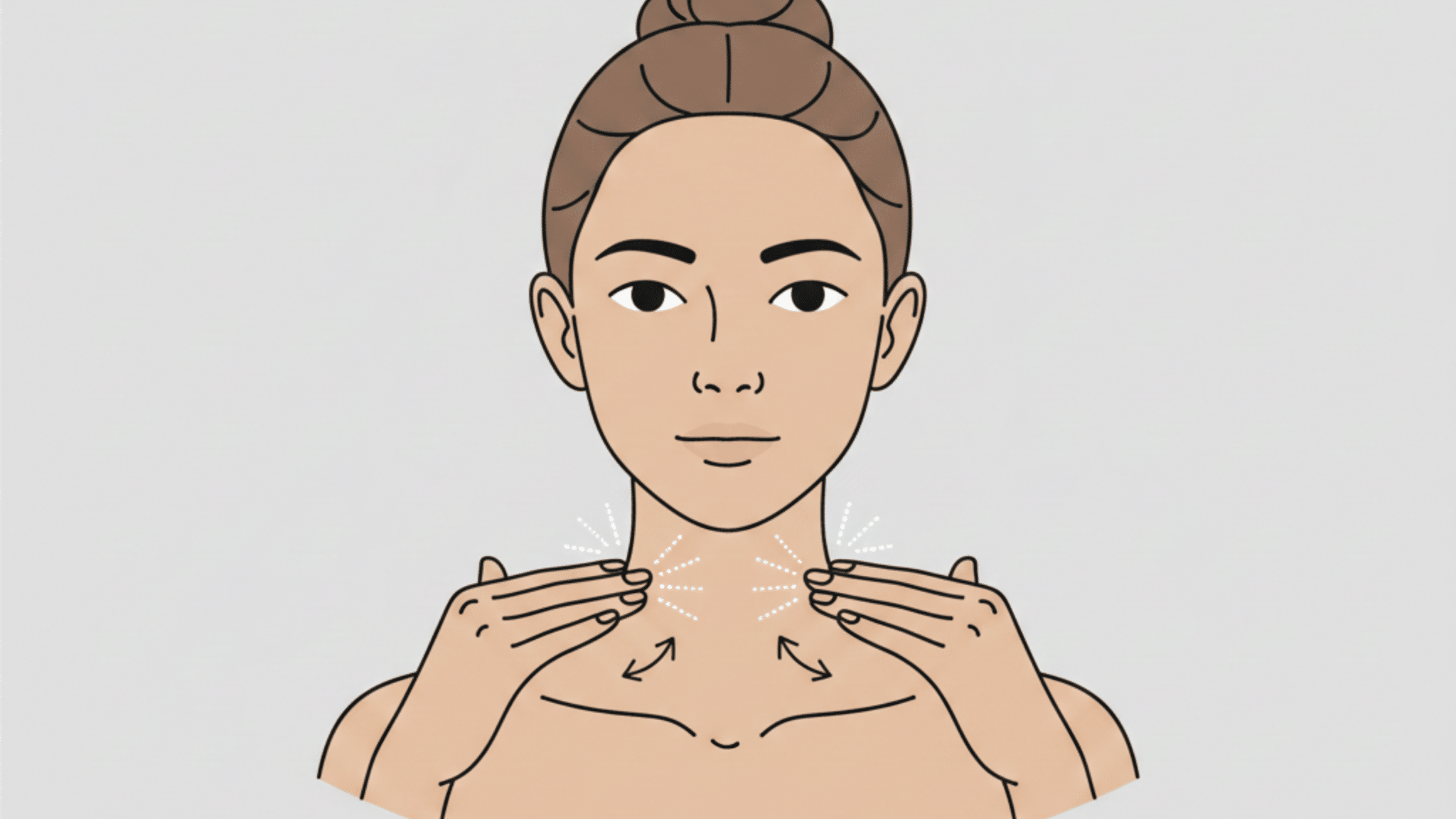
Place your fingers just above your collarbone on both sides of your neck. Using gentle downward strokes, press lightly toward your collarbone and release.
Repeat this 10-15 times. This step opens up the drainage pathways where all the fluid from your face will eventually go, so don’t skip it.
Step 2: Sides of Neck
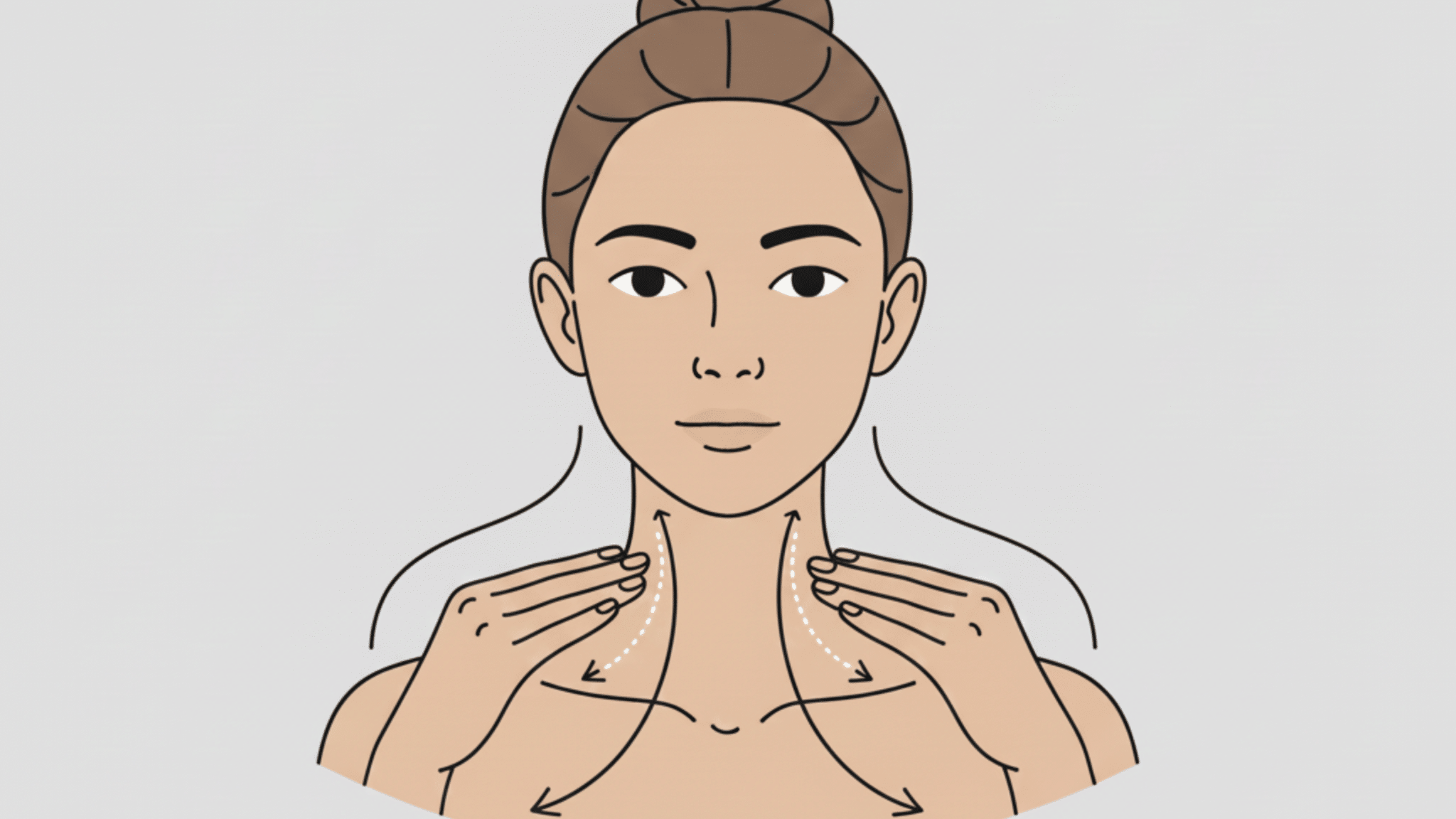
Place your flat hands on either side of your neck, just below your ears. Using slow, gentle strokes, slide your hands down toward your shoulders.
Keep the rhythm steady and relaxed; this isn’t a rushed movement. Do this 10-15 times to continue opening those pathways.
Step 3: Jawline
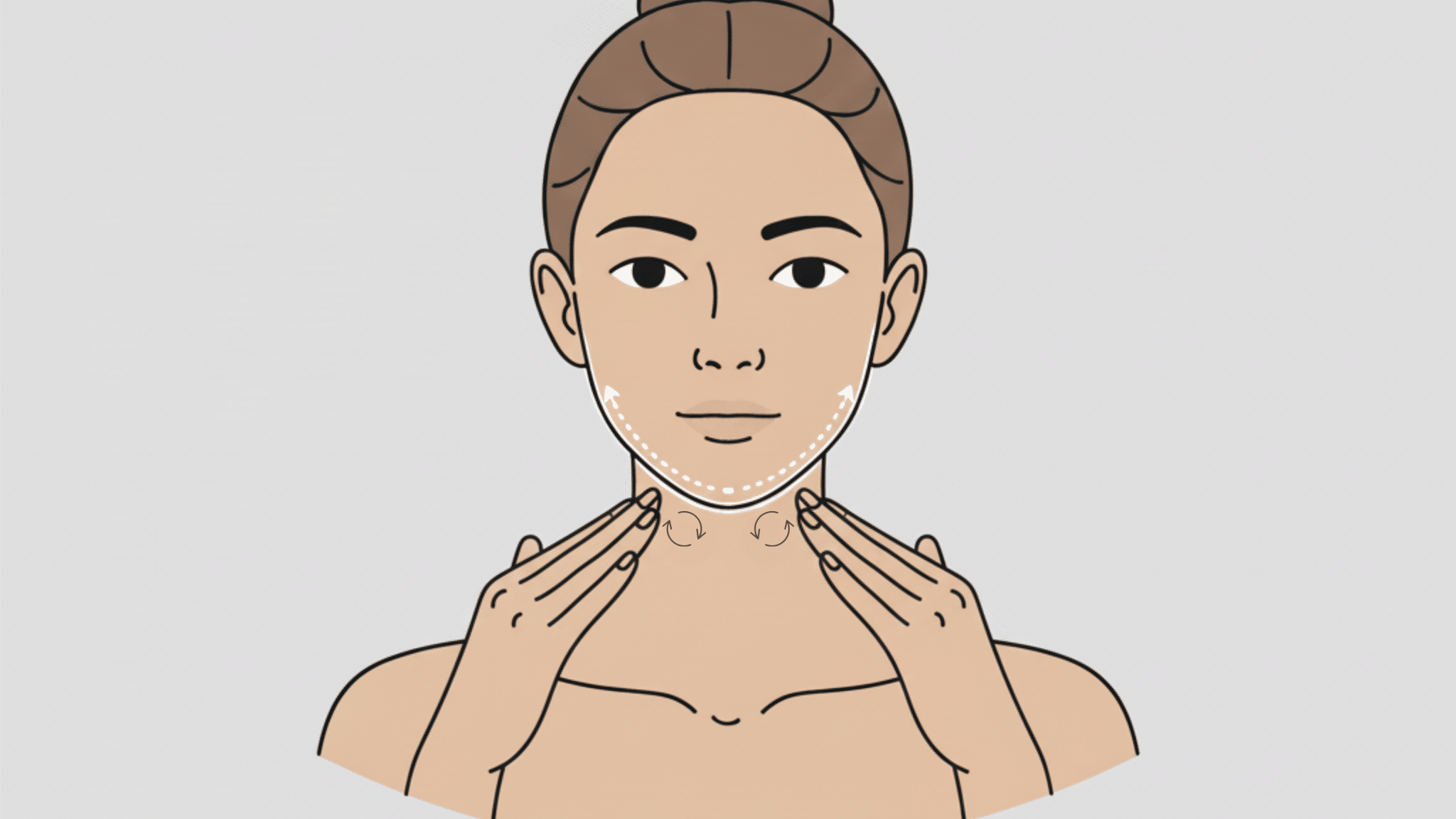
Start at the center of your chin with your fingertips. Using gentle circular motions, work your way along your jawline toward your ears.
Always move outward from the center, never back toward your chin. Repeat 10-15 times to help drain any puffiness from your lower face.
Step 4: Cheeks
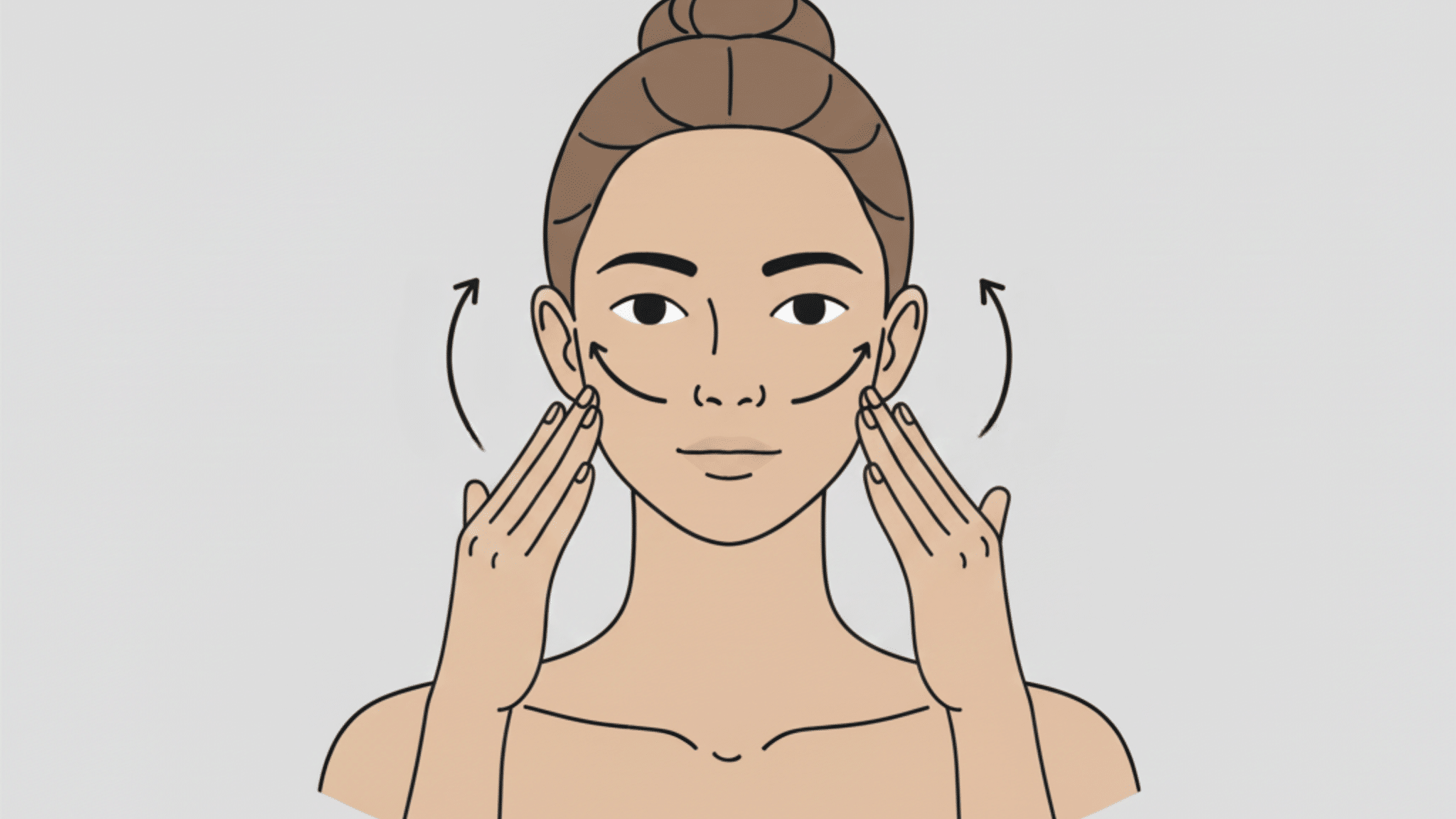
Place your fingers beside your nose and sweep outward toward your ears with light pressure. Follow the natural contours of your cheekbones as you go.
This movement helps drain the middle of your face. Do this 10-15 times on each side.
Step 5: Under-Eye Area
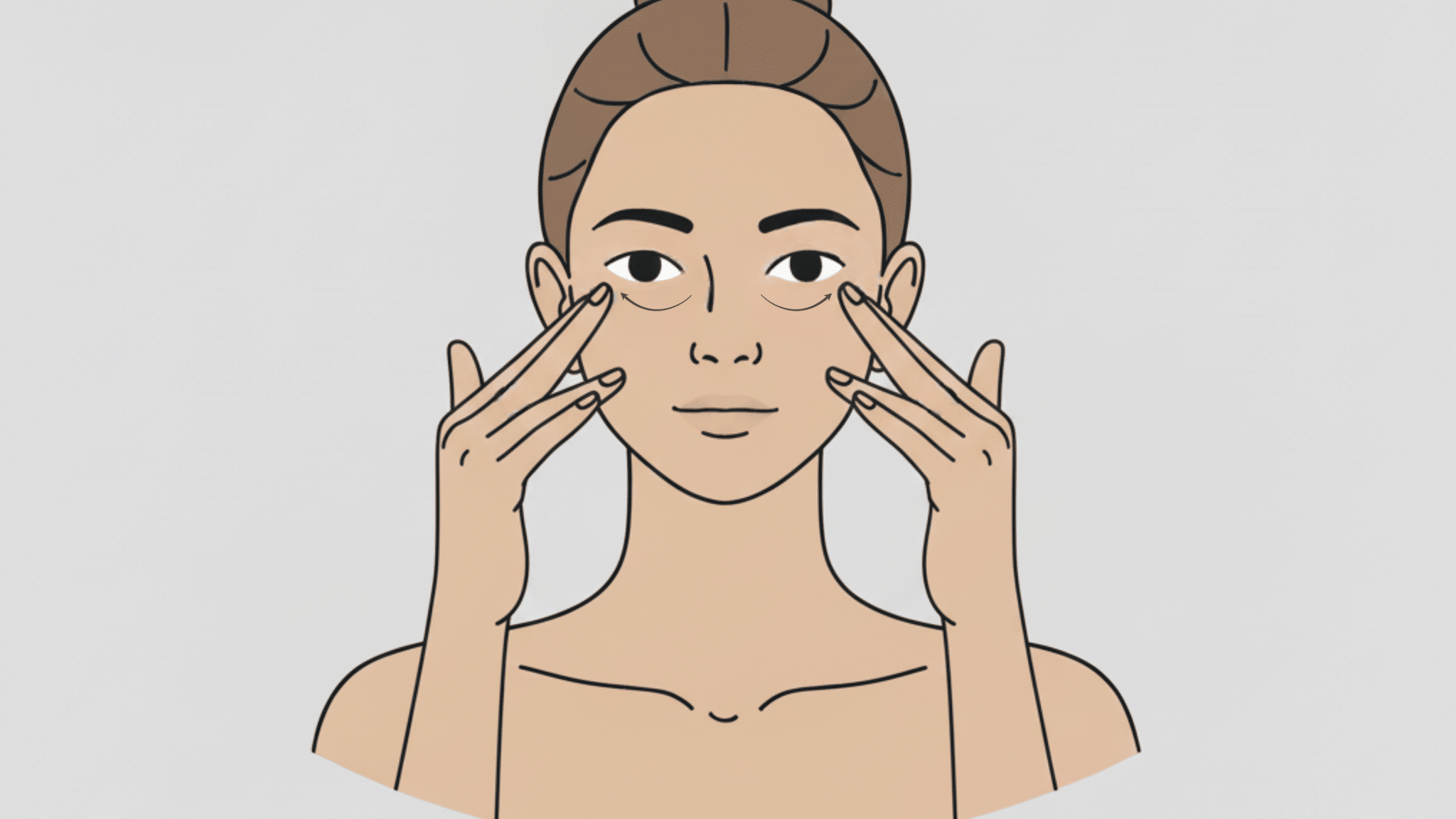
Switch to your ring finger for this delicate area; it naturally uses the lightest touch. Start at the inner corner of your eye and gently roll or tap outward toward your temples.
Be extra careful here since the skin is thin and sensitive. Just 5-10 gentle repetitions are enough.
Step 6: Forehead
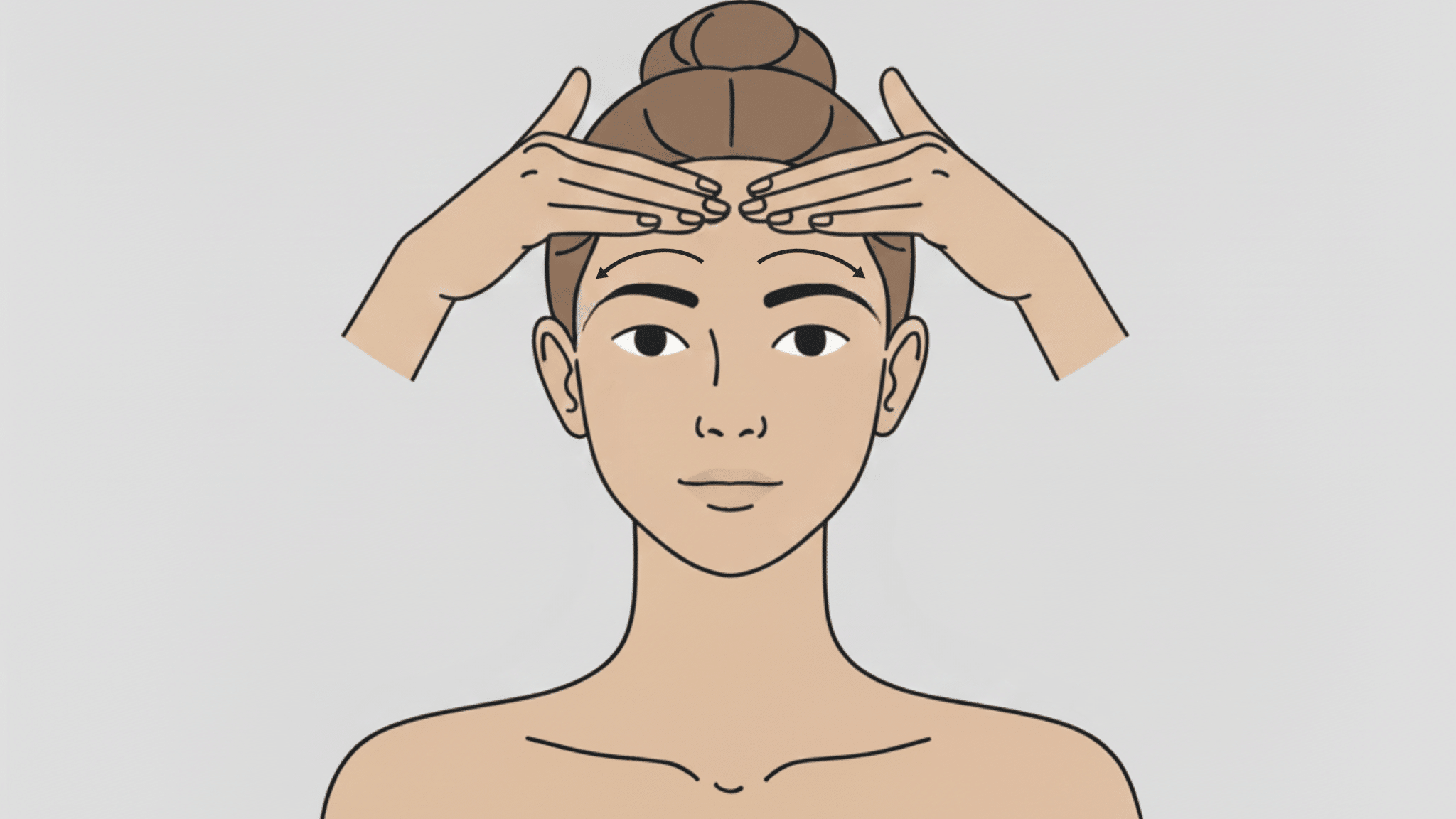
Place your fingers at the center of your forehead. Sweep outward toward your temples, then stroke gently downward toward your hairline.
This releases tension and drains fluid from your upper face. Repeat 10-15 times.
Step 7: Complete the Drainage
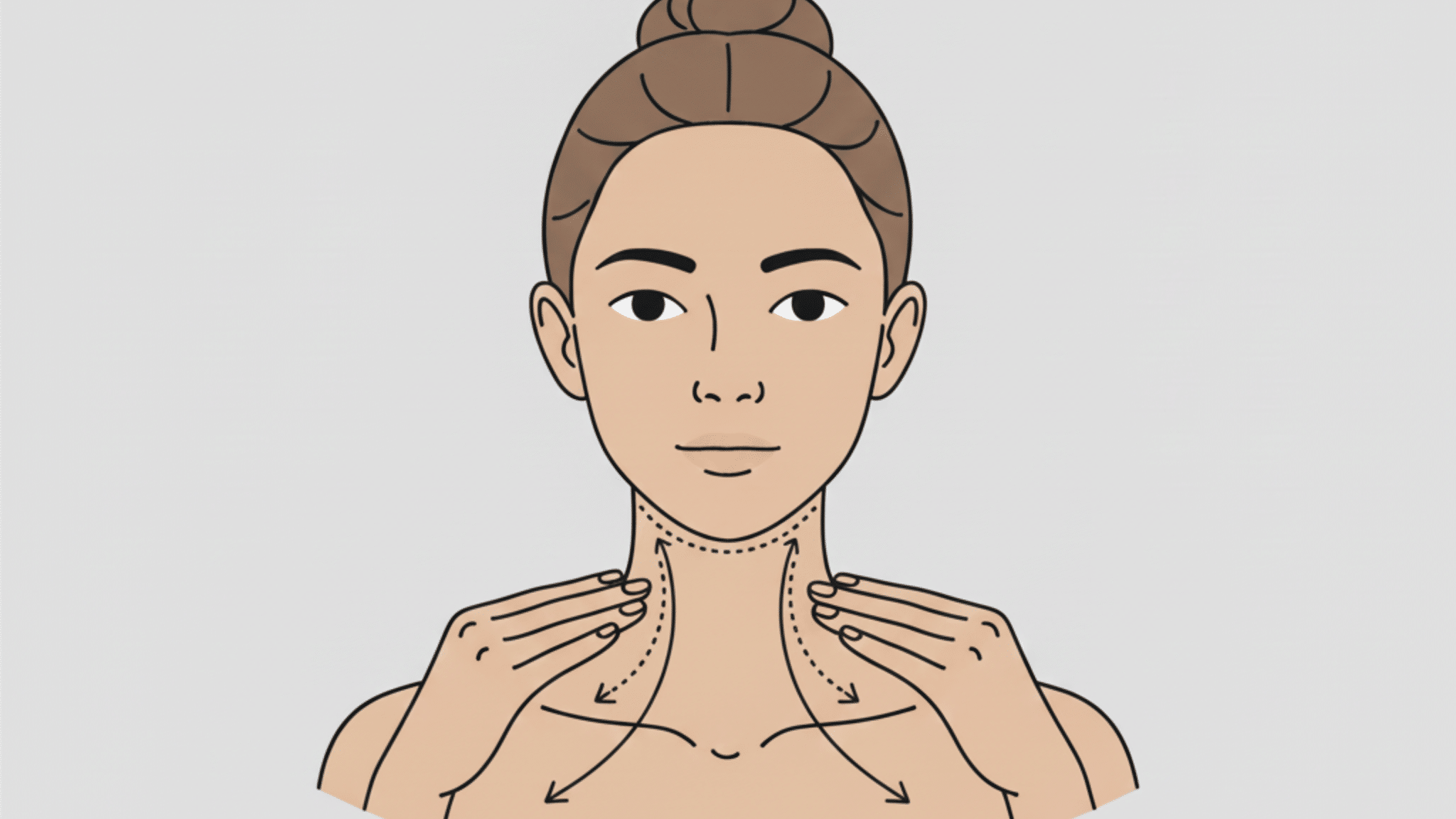
Finish by repeating those neck strokes from Steps 1 and 2. This final step helps move all the fluid you’ve been guiding down and out through your lymph nodes.
Think of it as completing the circuit and making sure everything drains properly.
The Right Way to Massage: Tips and Mistakes to Avoid
Getting the best results means knowing what to do and what to avoid. Check the table below for your quick reference guide:
| Do This | Avoid This |
|---|---|
| Massage in the morning to reduce puffiness. | Using heavy pressure that harms the lymph vessels. |
| Keep movements light and gentle. | Massaging in the wrong direction (never go upward). |
| Always move downward and outward toward the lymph nodes. | Rushing through the routine with quick movements. |
| Prep the neck first to open drainage pathways. | Skipping neck work entirely. |
| Use oil or serum for a smooth glide. | Dragging or pulling skin without slip. |
| Stay consistent with 5–10 minute sessions. | Massaging over active breakouts or irritated skin. |
The direction of your strokes matters. When you follow your lymph pathways, your skin responds with less puffiness and better clarity.
Realistic Tips for Maximizing Your Results

Do you want to get even more from your massage routine? The massage itself is powerful, but pairing it with these lifestyle habits takes your results to the next level.
Think of these as the supporting cast that helps the main technique shine.
1. Stay Hydrated
Drink plenty of water before and after each session. When you’re well-hydrated, your lymphatic system can move fluid more efficiently through your body.
Aim for at least eight glasses throughout the day, and notice how your skin responds when you’re consistently drinking enough.
2. Eat a Balanced, Low-Sodium Diet
Cut back on salt to prevent excess fluid retention before it even starts. Foods high in sodium make your body hold onto water, which shows up as puffiness in your face the next morning.
Focus on whole foods and fresh ingredients instead of processed options.
3. Get Enough Sleep (7-9 Hours)
Your body repairs and regenerates while you sleep, supporting better skin health and cellular turnover.
Consistent sleep also means less morning puffiness to deal with in the first place. Make your sleep a priority, not an afterthought.
4. Exercise Regularly
Physical activity naturally supports lymphatic flow throughout your entire body, not just your face. Even a daily walk or yoga session helps keep things moving and prevents stagnation.
5. Manage Stress Levels
Less stress means less facial tension and reduced puffiness overall. Chronic stress shows up in your face faster than you think: tight jaw, furrowed brow, and all.
6. Use a Cold Compress After
Apply something cold to your face right after massaging to reduce swelling further and tighten your skin. Ice rollers or chilled spoons work great for this.
7. Follow with A Complete Skincare Routine
Finish with your usual products: cleanser, toner, serum, and moisturizer to seal in all the benefits and maximize absorption while your skin is prepped and receptive.
When to Avoid This Massage?
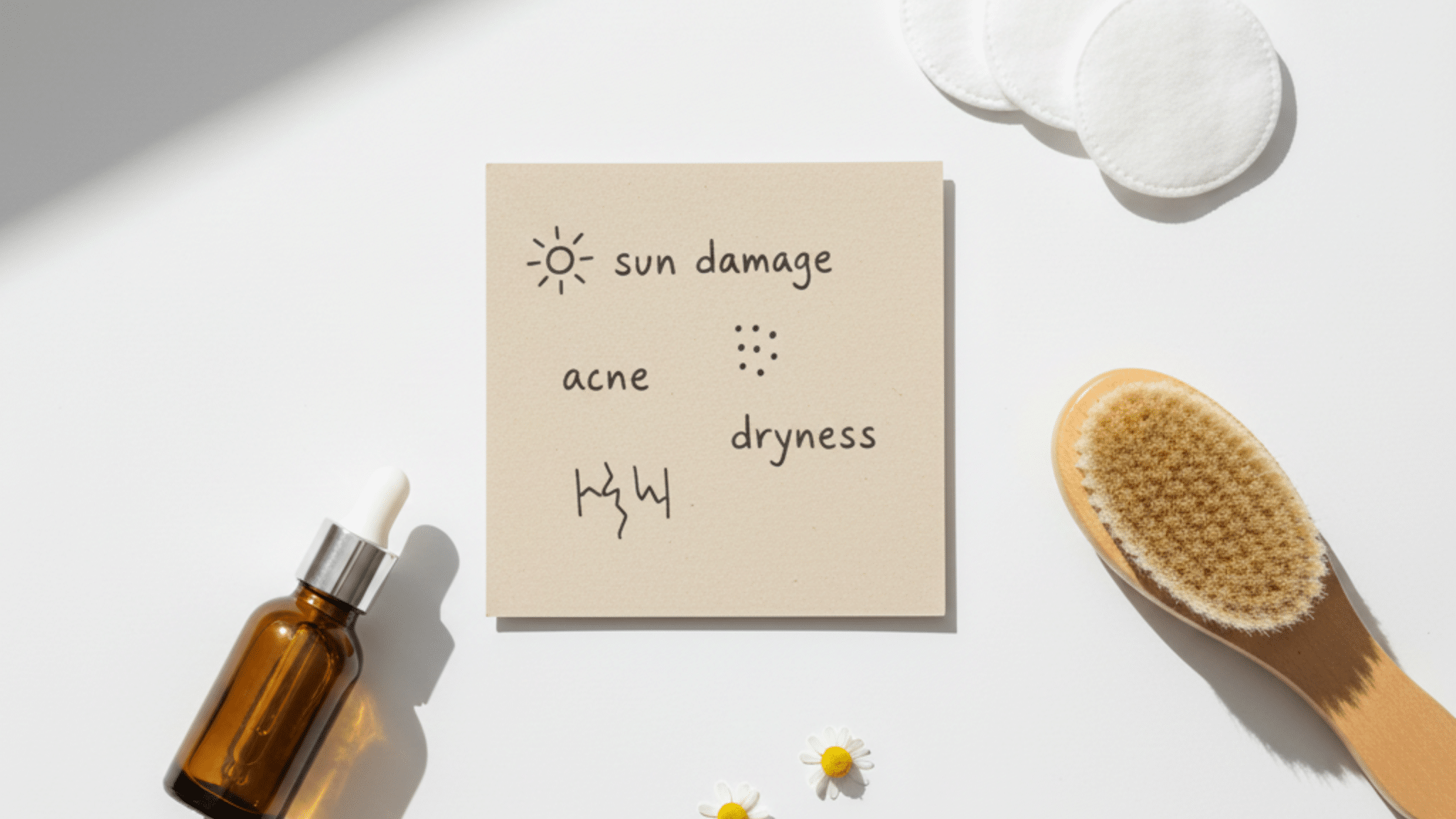
Lymphatic face massage is generally safe, but there are times when you should skip it entirely.
Don’t massage if you have an active infection on your face. Any signs of infection need medical attention, not manipulation.
Open sores, cuts, or wounds should heal completely before you start. Recent sunburn needs time to recover without additional stress.
Give your skin a break during active acne flare-ups, eczema outbreaks, or psoriasis patches. Fresh scar tissue less than six months old is still healing and shouldn’t be touched. Inflamed or bruised skin needs rest, not stimulation.
If you’re unsure whether it’s safe for your specific situation, consult your healthcare provider first.
Conclusion
Reducing puffiness and achieving brighter, more radiant skin doesn’t require expensive treatments or complicated routines.
This lymphatic face massage technique is surprisingly easy to learn, and once you get the hang of it, the whole process takes just five to ten minutes.
Start with a few minutes each morning and watch how your face responds. The visible results come with consistency. Stick with it for a couple of weeks, and you’ll notice the difference.
Taking a few minutes for yourself each day isn’t selfish; it’s necessary. Your skin deserves attention, and you deserve to feel good about how you look.
Start your lymphatic face massage routine tomorrow morning and see what happens.