


Flawless, youthful skin seems like an impossible dream for many people. They’ve tried countless products, spent money on treatments, but nothing delivers real results.
Then they hear whispers about retinol, a skincare ingredient that dermatologists swear by. But here’s the catch: most people don’t know how to use retinol correctly, and they end up frustrated with redness, peeling, or zero results.
Understanding how to use retinol properly can change skin in ways that seem almost magical. The secret isn’t just about applying it, it’s about mastering the technique, timing, and patience.
Ready to learn what dermatologists have known for decades?
What Is Retinol
Retinol is a vitamin A derivative that works beneath the skin’s surface to speed up cell turnover. When someone applies retinol, it penetrates deep into the skin layers and communicates with cells to behave younger.
This powerful ingredient encourages the skin to shed old, damaged cells faster while producing fresh, healthy ones. Dermatologists recommend it because retinol stimulates collagen production, which keeps skin firm and smooth.
It also unclogs pores, fades dark spots, and reduces fine lines over time. The catch? Retinol doesn’t work overnight. Skin needs several weeks to adjust and show visible improvements.
People who learn how to use retinol correctly see dramatic changes in texture, tone, and overall skin health within three to six months.
Things to Know Before Using Retinol
Before someone starts using retinol, there are critical facts they need to understand. Skipping these basics can lead to irritation, disappointment, or even skin damage.
- Start with a low concentration: Beginners should choose retinol products with 0.25% to 0.5% strength. Higher concentrations might seem better, but they often cause redness, peeling, and burning sensations in sensitive skin.
- Expect a purging phase: When people first learn how to use retinol, their skin may break out for 2-4 weeks. This happens because retinol accelerates cell turnover, bringing hidden clogs to the surface faster.
- Sunscreen becomes non-negotiable: Retinol makes skin more sensitive to UV rays. Anyone using retinol must apply SPF 30 or higher every morning, even on cloudy days.
- Pregnancy and retinol don’t mix: Pregnant or nursing individuals should avoid retinol completely, as vitamin A derivatives can harm developing babies.
- Results take time: Visible improvements typically appear after 8-12 weeks of consistent use, not overnight.
How to Use Retinol in Your Skincare Routine
Mastering how to use retinol correctly requires following a specific routine. Many people apply it wrong and wonder why they experience irritation or see no results.
Step 1: Start with Clean, Dry Skin
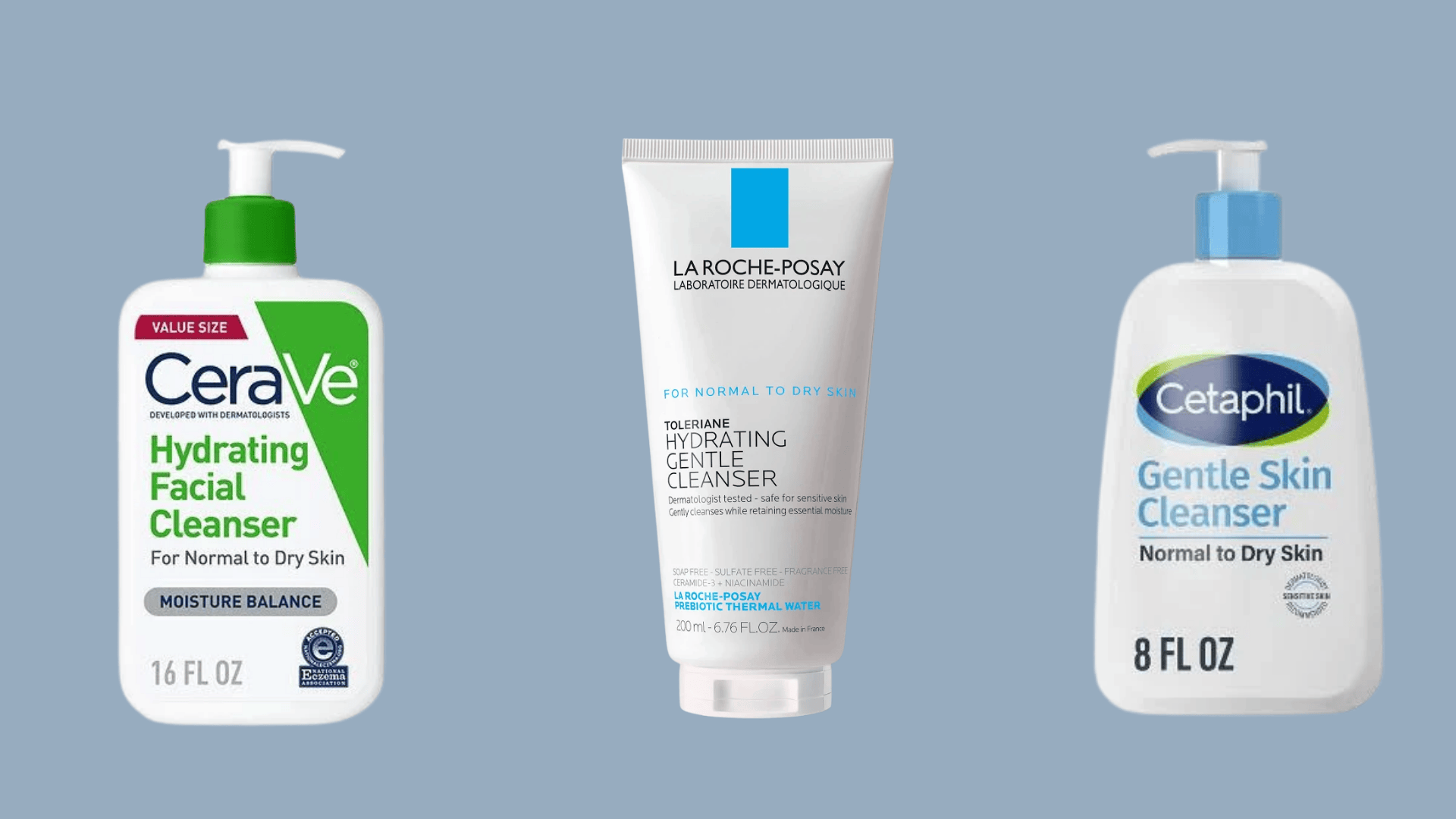
Begin by washing the face with a gentle, non-irritating cleanser. Pat the skin completely dry with a clean towel and wait 20-30 minutes before applying retinol.
This waiting period is crucial because damp skin absorbs products faster, increasing irritation risk. Dry skin allows retinol to penetrate at a controlled rate, minimizing redness and peeling.
Recommended Cleansers:CeraVe Hydrating Facial Cleanser, Cetaphil Gentle Skin Cleanser, La Roche-Posay Toleriane Hydrating Gentle Cleanser
Step 2: Apply the Right Amount
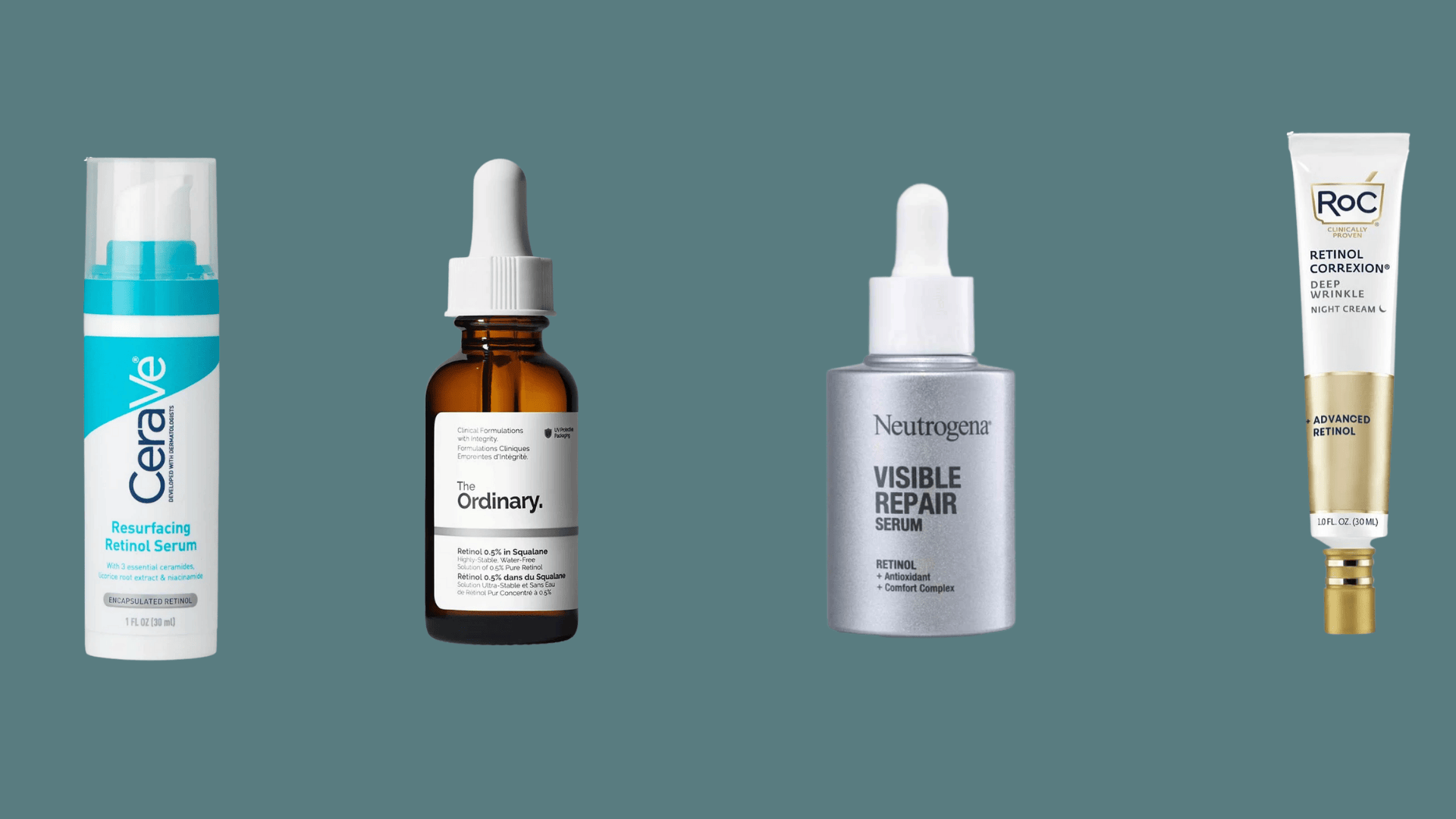
Squeeze a pea-sized amount of retinol onto the fingertip this covers the entire face. Dot the product on the forehead, cheeks, chin, and nose, then gently spread outward.
People often use too much, thinking more product means faster results. Understanding how to use retinol sparingly prevents waste and minimizes side effects while delivering effective results.
Recommended Retinol Products:The Ordinary Retinol 0.5% in Squalane, RoC Retinol Correxion Deep Wrinkle Night Cream, Neutrogena Rapid Wrinkle Repair Retinol Oil, CeraVe Resurfacing Retinol Serum
Step 3: Follow with Moisturizer
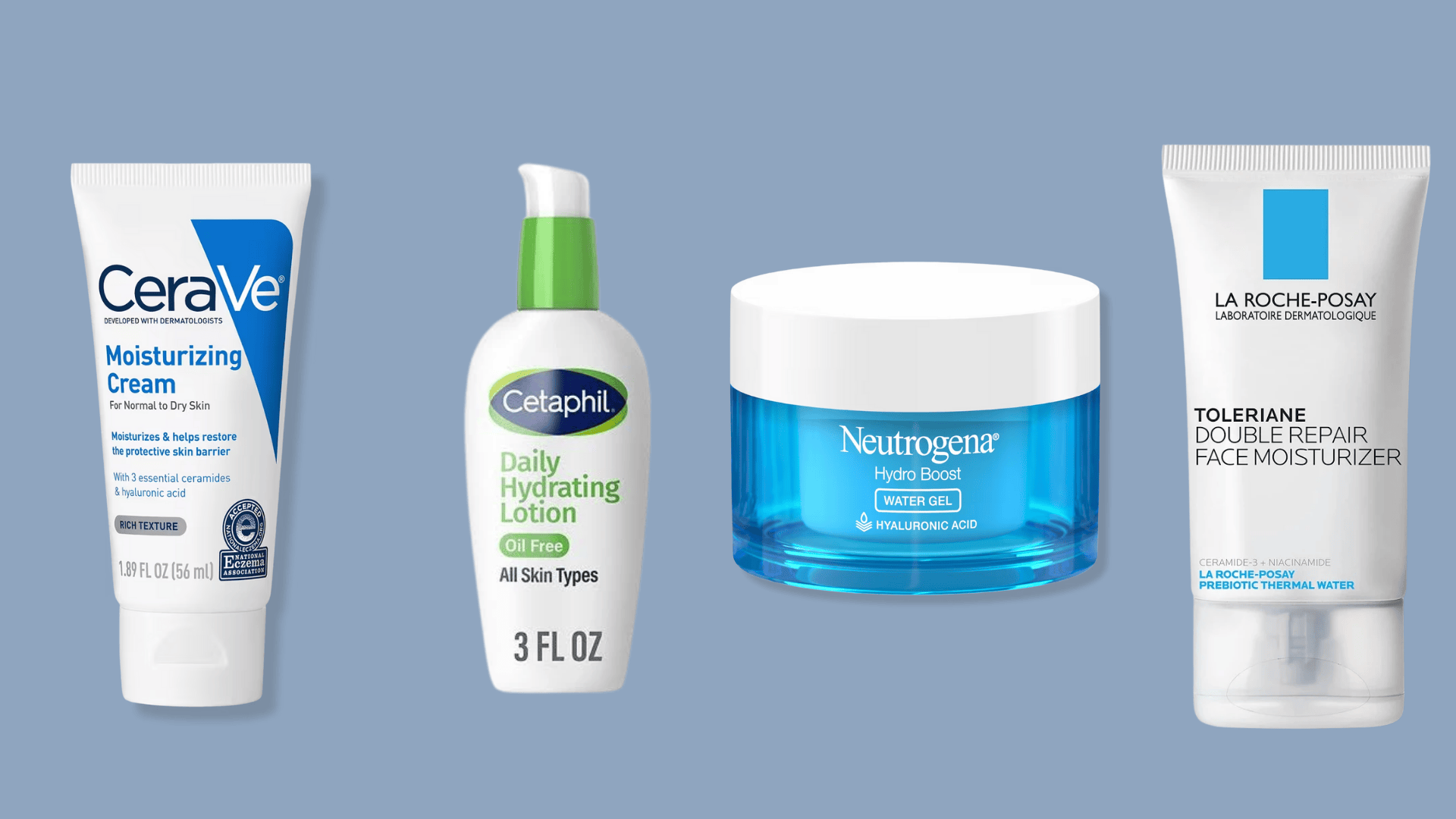
Wait 5-10 minutes after applying retinol, then layer a hydrating moisturizer on top. This waiting period allows retinol to absorb properly without being diluted by other products.
The moisturizer creates a protective barrier that locks in hydration and reduces potential irritation. This buffering technique helps beginners build tolerance while keeping skin comfortable and healthy.
Recommended Moisturizers:CeraVe Moisturizing Cream, Cetaphil Daily Hydrating Lotion, La Roche-Posay Toleriane Double Repair Face Moisturizer, Neutrogena Hydro Boost Gel-Cream
Step 4: Apply Sunscreen if Using it in the Morning
Retinol should primarily be used at night, but if applying during the daytime, sunscreen becomes absolutely essential. Retinol increases sun sensitivity dramatically, making skin vulnerable to UV damage and hyperpigmentation.
Apply broad-spectrum SPF 30 or higher as the final step in any morning routine. People learning how to use retinol must never skip sun protection to avoid reversing progress.
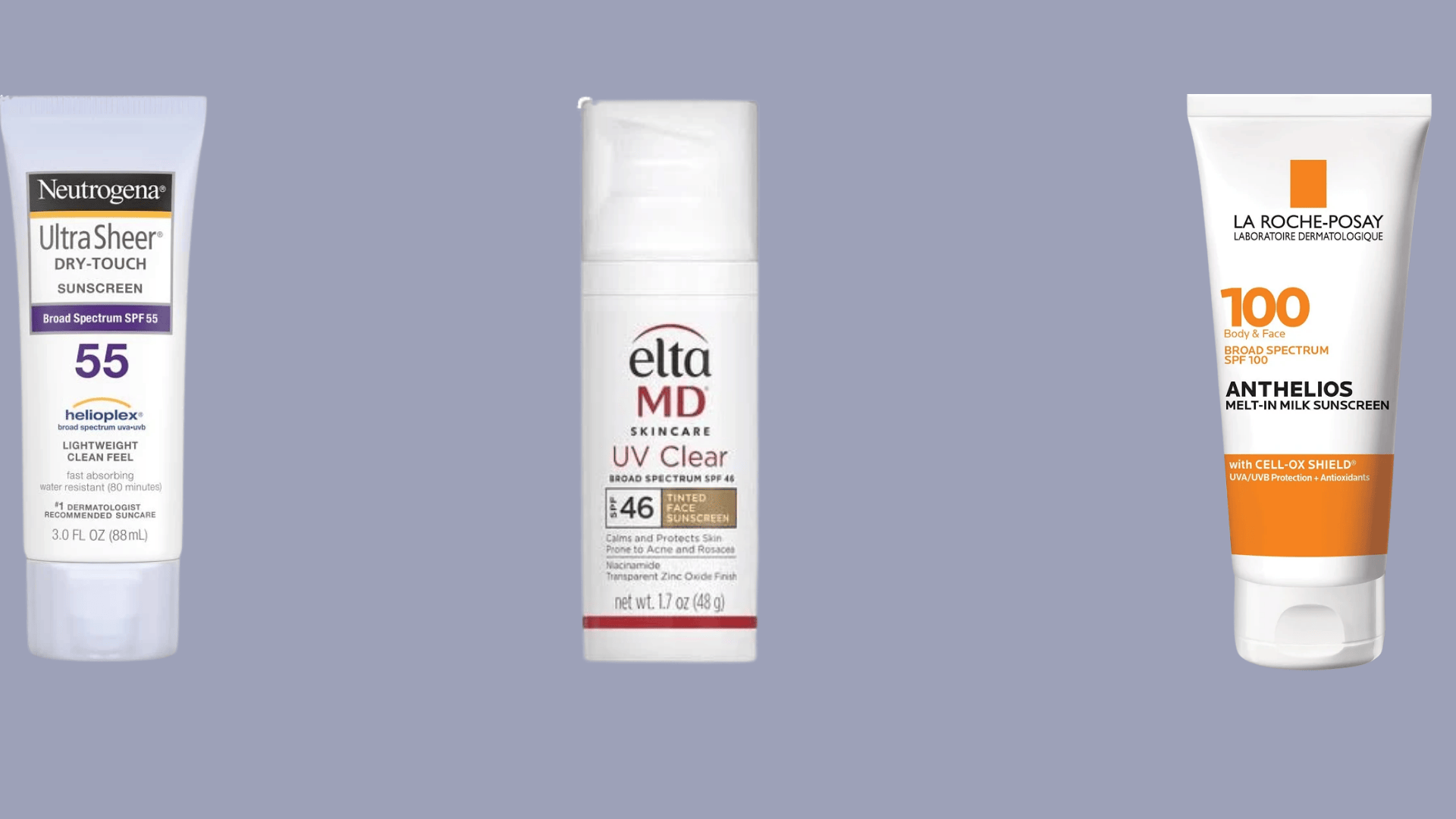
Recommended Sunscreens:Neutrogena Ultra Sheer Dry-Touch Sunscreen SPF 55, EltaMD UV Clear Broad-Spectrum SPF 46, La Roche-Posay Anthelios Melt-in Milk Sunscreen SPF 100
Following these steps consistently helps people achieve the glowing, youthful results retinol is famous for. The key is patience, gradual progression, and listening to what the skin needs.
Choosing the Right Retinol Strength
Picking the correct retinol concentration makes all the difference between glowing results and irritated skin. People who learn how to use retinol successfully always match the strength to their skin’s tolerance level.
| Retinol Strength | Best For | Expected Results |
|---|---|---|
| 0.25% – 0.3% | Complete beginners, sensitive skin types | Gentle introduction, minimal irritation, slower but steady improvements |
| 0.5% – 0.75% | Intermediate users who’ve built tolerance | Noticeable reduction in fine lines, improved texture within 8-10 weeks |
| 1% and above | Experienced users, resilient skin | Maximum anti-aging benefits, faster cell turnover, requires careful monitoring |
How Often to Use Retinol
Frequency matters just as much as application technique when it comes to retinol success. Using it too often causes irritation, while using it too rarely won’t deliver visible results.
- Start with twice weekly for beginners: People new to retinol should apply it only 2 nights per week for the first month. This gives skin time to adjust without overwhelming it with too much vitamin A.
- Increase gradually to every other night: After 4-6 weeks of consistent use without major irritation, users can bump up frequency. Applying retinol every other night provides stronger results while maintaining skin comfort.
- Advanced users can apply nightly: Once someone masters how to use retinol and their skin tolerates it well, nightly application maximizes anti-aging benefits without causing redness or peeling.
- Take breaks during irritation: If skin becomes red, flaky, or uncomfortable, pause retinol use for 3-5 days. Resume at a lower frequency once skin calms down completely.
How to Handle the Retinol Purge
The retinol purge scares many people away from this powerful ingredient. When someone first learns how to use retinol, their skin might rebel with breakouts, redness, and flaking. These temporary side effects are normal and manageable with the right strategies.
- Expect purging for 2-6 weeks: Increased breakouts happen because retinol accelerates cell turnover, pushing hidden clogs to the surface faster. This phase is temporary and means the product is working correctly.
- Reduce frequency if irritation becomes severe: Mild flaking is normal, but burning, stinging, or excessive redness signals overuse. Cut back to once weekly until skin calms down, then slowly rebuild tolerance.
- Layer moisturizer generously: Applying a thick, fragrance-free moisturizer after retinol creates a protective barrier. This technique reduces dryness and peeling while keeping skin comfortable during the adjustment period.
- Stick with it through the purge: Most people see dramatic improvements after 8-12 weeks of consistent use. Quitting during the purge phase means missing out on retinol’s benefits.
Pairing Retinol With Other Skincare Ingredients
Combining retinol with certain ingredients boosts results, while mixing it with others causes serious irritation. People who understand how to use retinol alongside compatible products see better outcomes without damaging their skin.
| Ingredient | Safe to Pair? | Why or Why Not |
|---|---|---|
| Hyaluronic Acid | Yes | Adds hydration, reduces dryness and flaking caused by retinol |
| Niacinamide | Yes | Calms irritation, strengthens the skin barrier, and reduces redness effectively |
| Ceramides | Yes | Repairs damaged moisture barrier, prevents excessive peeling and sensitivity |
| Vitamin C | No | Both are potent actives that cause irritation when layered together |
| AHA/BHA Acids | No | Over-exfoliates skin, leading to severe redness, burning, and barrier damage |
| Benzoyl Peroxide | No | Deactivates retinol’s effectiveness while causing extreme dryness and inflammation |
Common Mistakes to Avoid
Even experienced skincare users make critical errors when applying retinol. These mistakes prevent results, waste money, and cause unnecessary skin damage. Avoiding these common pitfalls helps anyone master how to use retinol successfully.
- Using too much product: A pea-sized amount covers the entire face. More retinol doesn’t equal faster results; it only increases irritation, redness, and peeling without improving effectiveness.
- Applying to damp skin: Wet skin absorbs retinol too quickly, causing severe burning and inflammation. Always wait until skin is completely dry before application.
- Skipping sunscreen: Retinol makes skin extremely sun-sensitive. Forgetting daily SPF leads to hyperpigmentation, sunburn, and reverses all progress made.
- Mixing with harsh actives: Combining retinol with acids or vitamin C in the same routine overwhelms skin, causing damage instead of benefits.
- Giving up too early: Visible results take 8-12 weeks. Quitting after a few weeks means missing out on retinol’s transformative effects.
The Bottom Line
Understanding how to use retinol correctly transforms it from an intimidating ingredient into a skincare powerhouse.
The steps are straightforward: start slow, stay consistent, protect skin with sunscreen, and give it time to work. Retinol isn’t about quick fixes or overnight miracles.
People who follow the proper techniques see fewer wrinkles, clearer pores, and healthier complexions within months.
The purging phase might feel discouraging, but pushing through leads to results that no other ingredient can match.
Ready to start? Pick a beginner-friendly retinol product tonight and take the first step toward younger-looking, radiant skin that turns heads.