



Dealing with acne, clogged pores, or oily skin? Salicylic acid might be the answer. This powerful ingredient works wonders for clearing up problem skin, but using it the wrong way can lead to redness and irritation.
Many people struggle because they don’t know how to use salicylic acid on the face correctly. From choosing the right product to building a daily routine, these easy steps will help anyone get started.
Plus, understanding what to expect with salicylic acid before and after results means realistic goals and better outcomes. Ready to clear up that skin? Let’s get into the practical tips that really work.
What Is Salicylic Acid and How Does It Work
Salicylic acid is a beta-hydroxy acid (BHA) that gets inside your pores to clean them out. Unlike physical scrubs that work on the surface, this ingredient goes deeper because it’s oil-soluble.
Think of it as a tiny cleaner that dissolves the gunk clogging your pores from the inside.
The beauty of salicylic acid lies in its targeted action. It breaks down dead skin cells, reduces oil buildup, and prevents new clogs from forming. This makes it particularly effective for blackheads, whiteheads, and mild acne.
How to Use Salicylic Acid on Face (Step-By-Step for Clearer Pores)
Dealing with blackheads, whiteheads, or oily skin that just won’t quit? Salicylic acid could be the answer. This step-by-step routine shows exactly how to use salicylic acid on the face without making common mistakes.
Step 1: Choose the Right Product
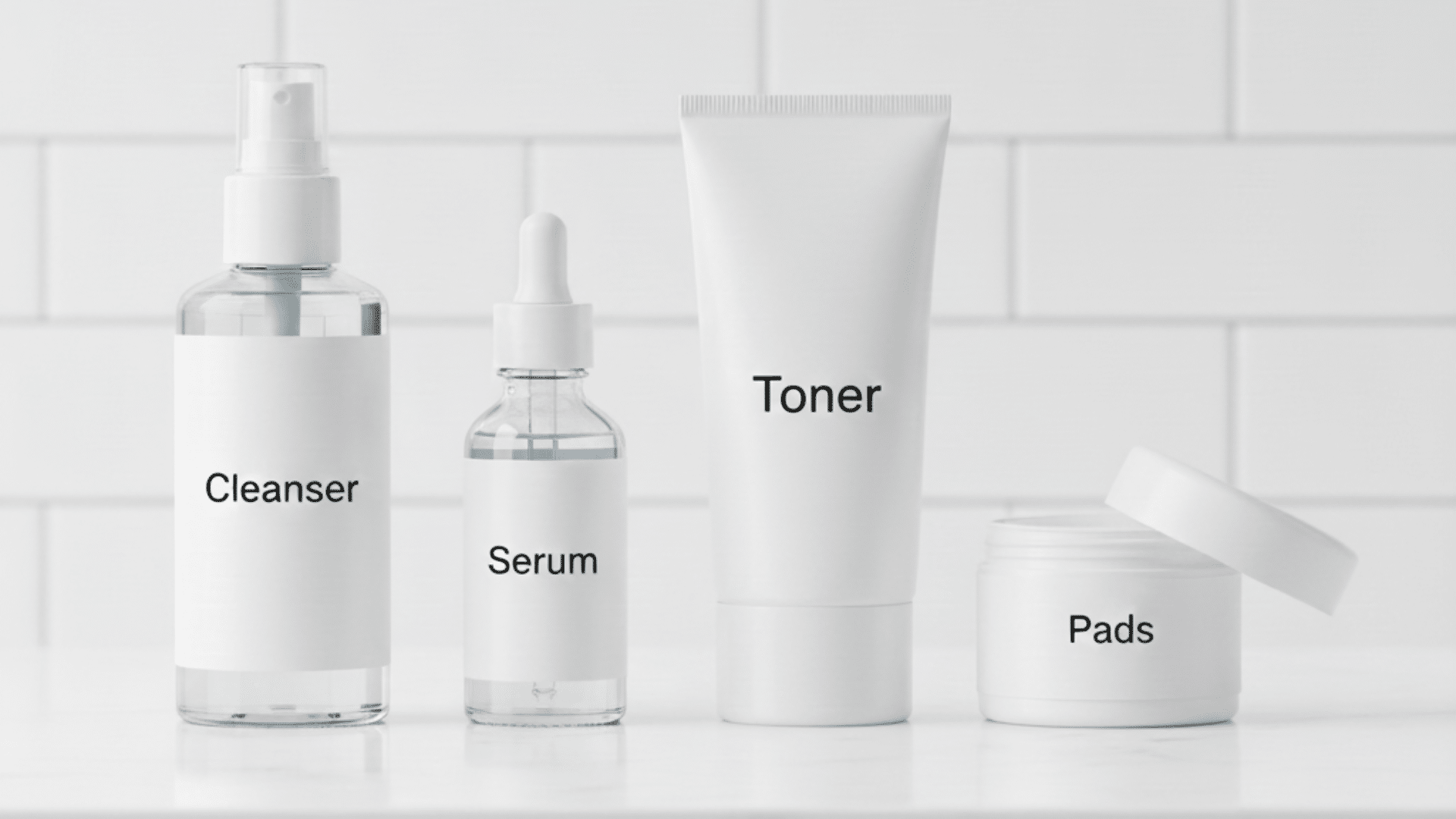
Start with a product that contains 0.5% to 2% salicylic acid strength. You can pick from cleansers, serums, toners, or treatment pads depending on your preference.
Always read the label carefully to check the percentage and other ingredients included. Fragrance-free options work best if you have sensitive skin or want to avoid potential irritation.
Step 2: Start Slow
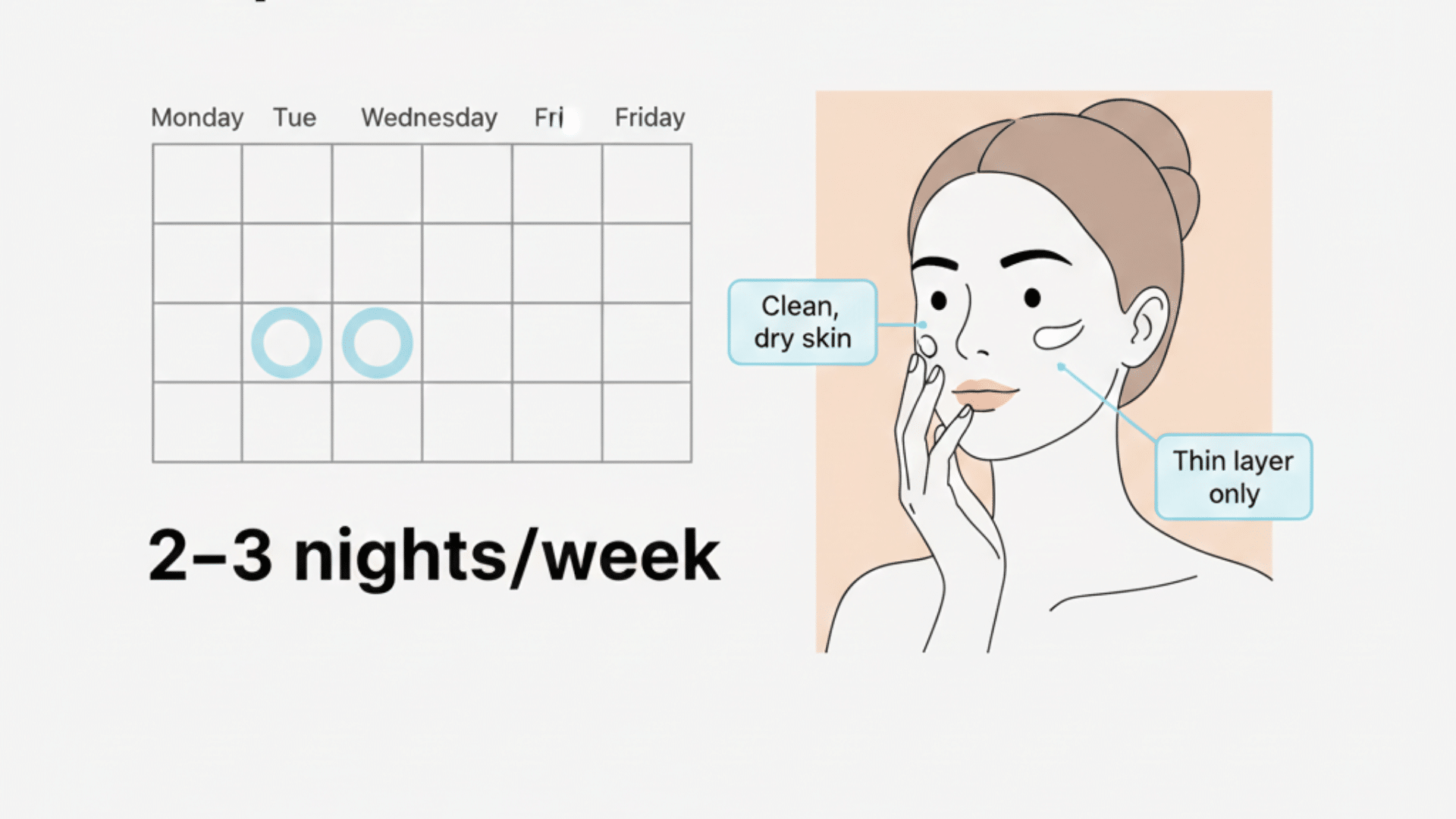
Use salicylic acid only 2-3 nights per week when you first start. Always apply it to clean, dry skin for the best results.
Use just a thin layer; you don’t need much for it to work effectively. Remember that less is more with this ingredient, and using too much won’t speed up results.
Step 3: Follow with Moisturizer
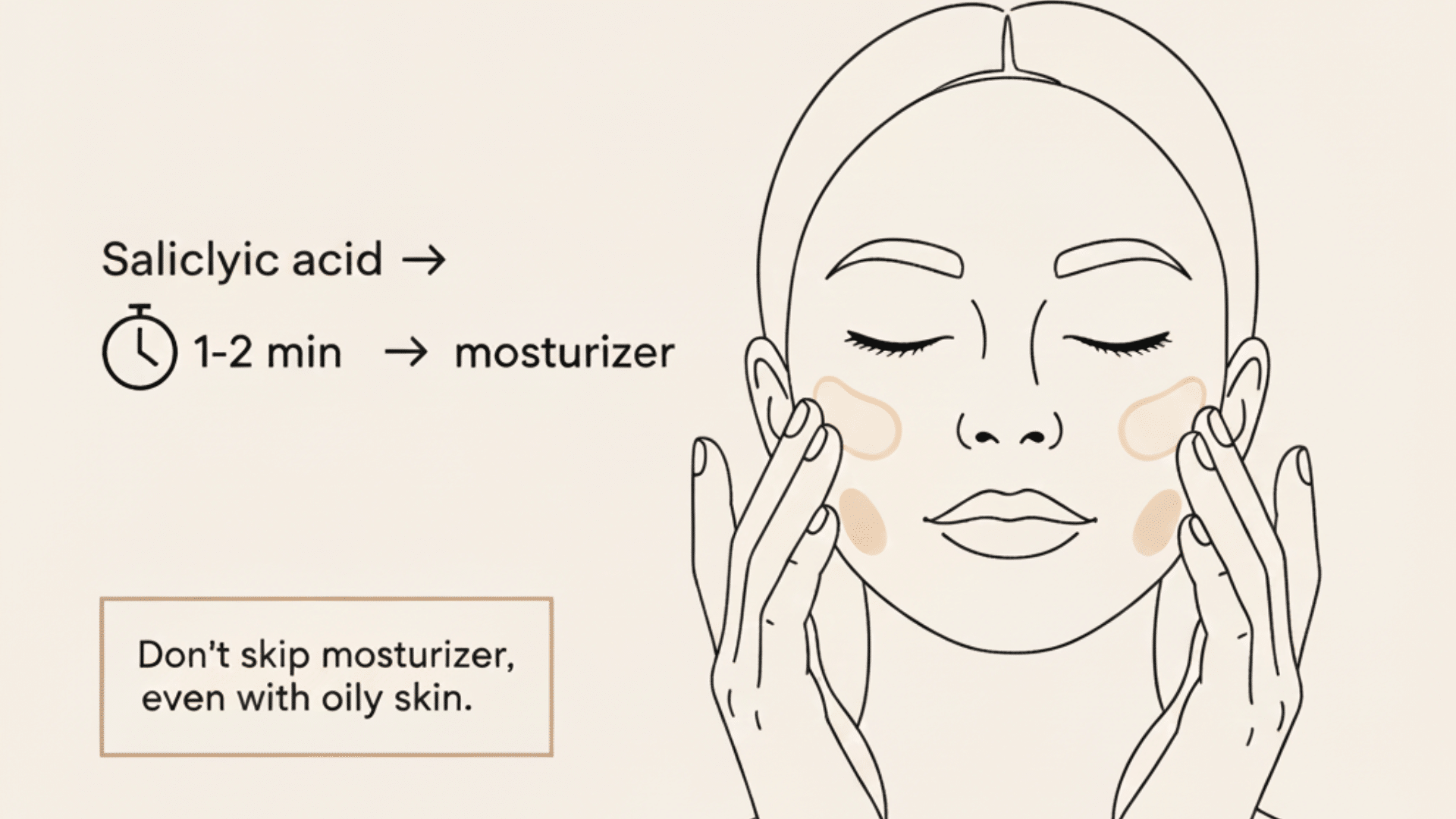
Wait about 1-2 minutes after applying salicylic acid before moving to the next step. Apply a good moisturizer on top to keep your skin hydrated and comfortable.
This simple step prevents dryness and irritation that many people experience. Don’t skip moisturizer, even if you have oily skin; it’s essential for maintaining your skin barrier.
Step 4: Add Sunscreen in The Morning
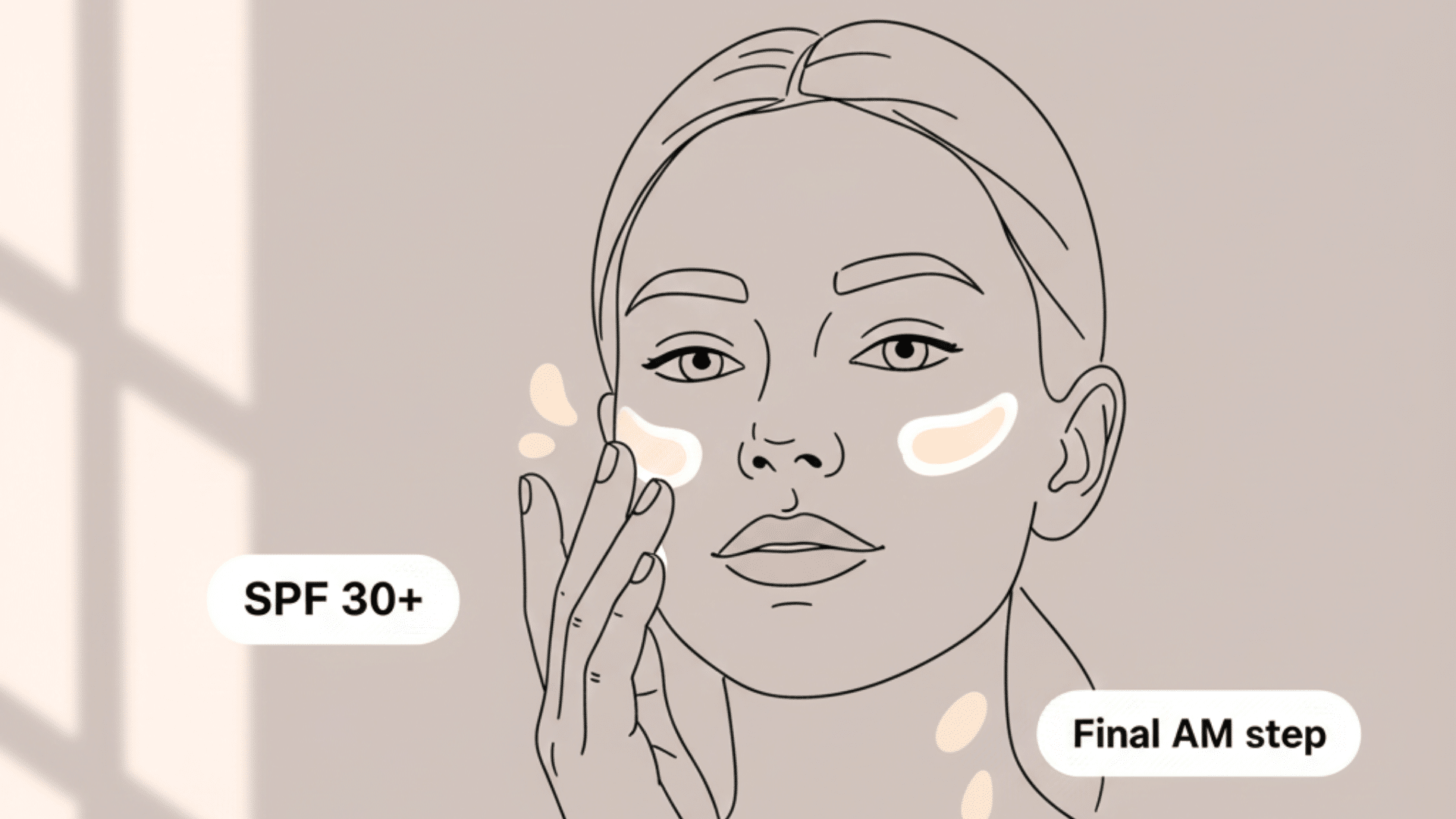
Salicylic acid makes your skin more sensitive to sun damage, so sunscreen becomes extra important. Use SPF 30 or higher every single morning as the final step in your routine.
Apply it generously to your face and neck for proper protection. Reapply throughout the day if you’re spending extended time outdoors.
Which Skin Types Should Use Salicylic Acid
This ingredient works great for specific skin types, but requires caution for others.
Perfect For:
- Oily skin that gets shiny quickly
- Combination skin with a greasy T-zone
- Acne-prone skin with frequent breakouts
- Anyone dealing with blackheads or clogged pores
Use With Caution:
- Very dry or sensitive skin types
- People with eczema or rosacea
- Those allergic to aspirin (a similar compound)
- Skin that’s been recently waxed or treated
Skip It If:
- You have open wounds or cuts
- Your skin is sunburned
- You’re using multiple strong actives already
- Your doctor advises against it
Where Salicylic Acid Fits in a Skincare Routine
Timing matters when using salicylic acid. Knowing exactly when to apply it and what to use before and after makes all the difference in how well it works and how your skin tolerates it. Here’s the correct order for morning and night routines to get the best results without irritation.
| Point of difference | Morning routine (AM) | Night routine (PM) |
|---|---|---|
| Goal | Protect skin during the day | Treat and support clearer pores overnight |
| Order | Cleanser → salicylic acid → moisturizer → sunscreen | Cleanser → salicylic acid → moisturizer |
| What to apply before | Gentle cleanse + pat dry fully | Remove makeup/sunscreen + pat dry fully |
| What to apply after | Moisturizer, then SPF 30+ | Night moisturizer only |
| Key rule | Never skip sunscreen | Keep the routine simple while adjusting |
| Best use case | Daytime oil control + prevention | Congestion, blackheads, breakouts, texture support |
Important note: Beginners should use salicylic acid at night only, 2-3 times per week. Once your skin adjusts after 4-6 weeks, you can consider adding morning use if needed for extra oil control. Never use it twice a day when starting out.
How Often to Use Salicylic Acid on Face
Start slow and increase gradually. Your skin needs time to adjust. Frequency matters just as much as the product you choose. Using salicylic acid too often causes irritation, while using it too rarely won’t give you results. Here’s the correct progression from beginner to regular use.
Week 1-2: Getting Started
Use salicylic acid only 2-3 nights per week. Monday, Wednesday, and Friday work well.
Watch for any tightness, redness, or flaking the next morning. Stick with this schedule for the full two weeks.
Week 3-4: Testing Tolerance
If your skin feels fine with no dryness or stinging, try every other night (3-4 times weekly).
If you notice sensitivity, stay at 2-3 times per week longer. Listen to your skin’s signals.
Week 5+: Finding Your Rhythm
After a month of using salicylic acid, you’ll know what your skin can handle.
Some people can use it every single night without problems, while many others find that every other day gives the best balance between results and comfort.
Common Mistakes to Avoid
Even with the best intentions, people make mistakes that ruin their salicylic acid results. Here are the most common errors and why they matter.
1. Using Too Much Product
A pea-sized amount covers your entire face. Using more doesn’t speed up results; it just causes dryness, redness, and peeling without any extra benefits.
2. Skipping Moisturizer
When you skip moisturizer, your skin overcompensates by producing more oil, creating worse breakouts. Always moisturize after salicylic acid, even if you have oily skin.
3. Combining With Too Many Actives
Using salicylic acid with retinol, vitamin C, benzoyl peroxide, and other acids at once sounds powerful, but causes disaster.
This leads to severe irritation, damaged skin barrier, and worse breakouts. Use salicylic acid alone at first.
4. Not Giving It Enough Time to Work
Salicylic acid needs 4-6 weeks minimum to show results, and stubborn issues take 6-8 weeks. Switching products every week means you never see what actually works.
5. Using Expired Products
Expired salicylic acid loses effectiveness and causes irritation. Check dates and replace products 6-12 months after opening.
Benefits of Using Salicylic Acid
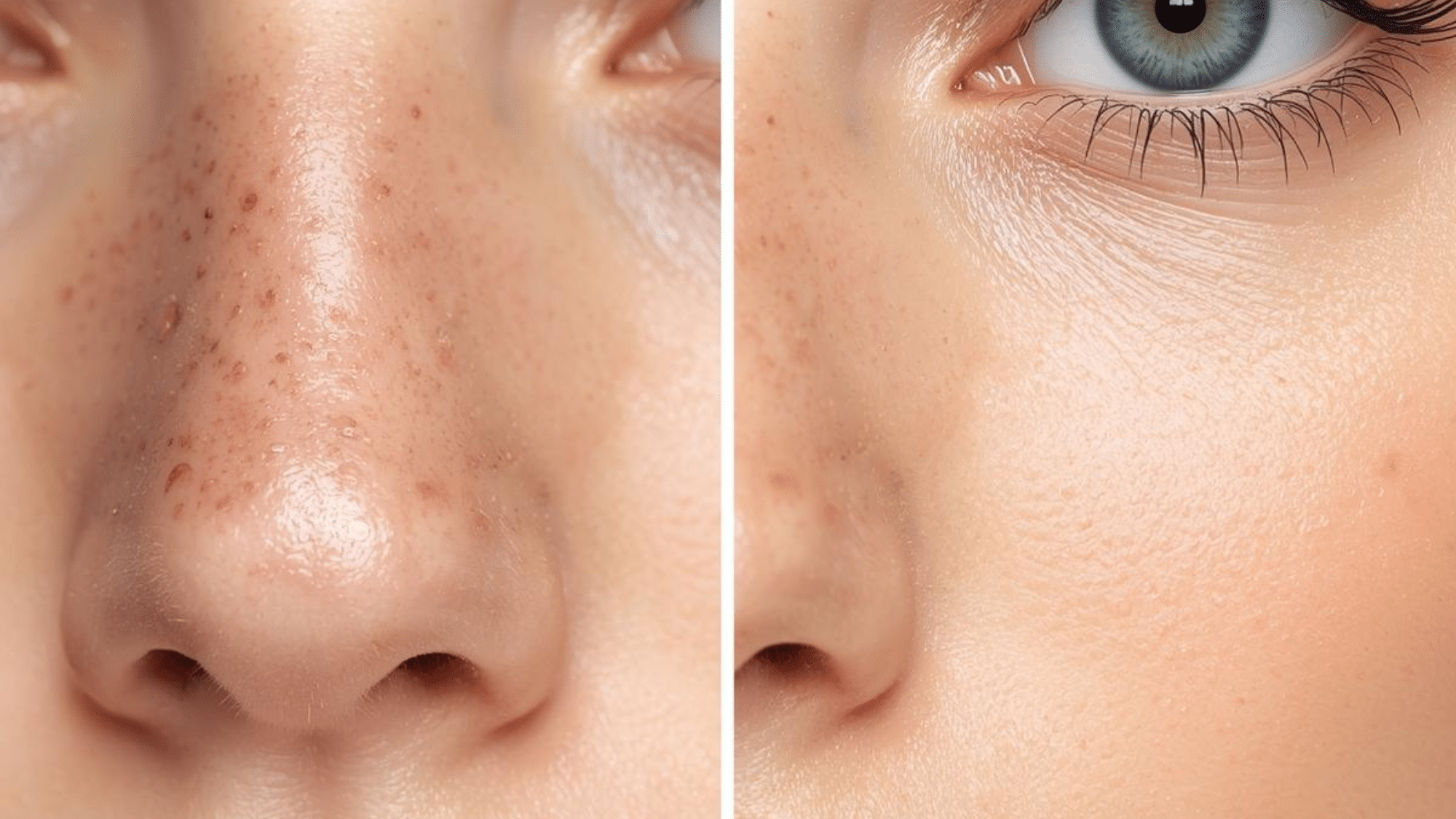
Understanding what salicylic acid actually does for your skin helps you stay motivated and set realistic expectations. From clearer pores to smoother texture, here are the specific improvements you can expect when using this ingredient correctly.
1. Clearer Pores
Salicylic acid removes the buildup that causes blackheads and whiteheads. You’ll notice smaller-looking pores and smoother texture within a few weeks.
Makeup applies more evenly when your pores are clean and refined.
2. Less Oil
It controls excess sebum production, so your face stays matte longer throughout the day. You’ll need less blotting and touch-ups.
Your skin feels fresher and more comfortable from morning to night.
3. Fewer Breakouts
Regular use prevents new pimples from forming while treating existing ones. Your skin stays clearer overall.
You’ll spend less time covering up blemishes and more time feeling confident.
4. Smoother Texture
Dead skin cells dissolve away, leaving your face feeling softer and looking more even. Rough patches smooth out over time.
Your other skincare products absorb better on smooth, exfoliated skin.
Common Side Effects and How to Fix Them

Salicylic acid can cause side effects like dryness, redness, or stinging if not used correctly. Knowing what to watch for and how to fix these issues quickly prevents them from becoming bigger problems. Here’s what might happen and exactly what to do about it.
1. Dryness and Flaking
You’ll notice white flakes around your nose and mouth, a tight feeling after washing, cakey makeup, rough texture, and uncomfortable pulling.
Immediate fixes:
Stop using salicylic acid for 2-3 days. Apply a rich moisturizer twice daily. Use a hydrating face mask if you have one. Add a facial oil on top of moisturizer at night.
2. Stinging or Burning
Mild tingling for 30 seconds is normal when starting, but stinging that lasts several minutes means you need to reduce frequency, and a burning sensation means you should stop immediately; your skin barrier is compromised.
Immediate fixes:
Take a complete break from salicylic acid for 5-7 days. Use only the gentlest products: basic cleanser, simple moisturizer, and sunscreen. No other actives or treatments during this time.
3. Redness
Slight pink tones right after application are normal, but redness lasting hours or days means irritation, an all-over flush means using too often, while red patches mean those areas are more sensitive.
Immediate fixes:
Apply a cool (not cold) compress for 5-10 minutes. Use a calming moisturizer with ingredients like aloe, green tea, or chamomile. Avoid hot water when washing your face. Skip makeup if possible to let skin breathe.
4. Increased Breakouts
Purging is normal in the first 2-4 weeks when salicylic acid brings deep clogs to the surface faster in your usual problem areas, but breakouts in new areas, painful cysts, or worsening after 4-6 weeks mean a bad reaction.
When to stop and get help: If breakouts continue getting worse after 6 weeks, stop using salicylic acid. See a dermatologist if you develop painful cysts, if acne spreads significantly, or if your skin isn’t improving at all.
Conclusion
Learning how to use salicylic acid on the face successfully comes down to four basics: start low, go slow, moisturize well, and wear sunscreen daily. Start today by choosing one product between 0.5% and 2%. Begin with just 2-3 nights per week. Focus on consistency over intensity.
Remember, building better skin takes time. Don’t rush or use too much at once. Choose quality products that work for your specific concerns.
Your skin will thank you for the patience. Stick with it, and you’ll see those salicylic acid before and after results you’re hoping for.
Frequently Asked Questions
Does it work for blackheads?
Yes, this is one of its primary uses. It gets into pores and dissolves buildup. Most people see improvement in 2-4 weeks.
Why Am I Getting Pimples After Using Salicylic Acid?
You’re experiencing purging, where the ingredient pushes existing clogs to the surface. This lasts 4-6 weeks.
Can I use salicylic acid every day?
Start with 2-3 times weekly. Some people eventually use it daily, but many do better with an application every other day. Listen to your skin.