


You walk into Aritzia, and everything feels expensive. The stores are gorgeous. The clothes look high-end. And the prices? Definitely not cheap. So why do people keep asking, “Is Aritzia fast fashion?”
Suppose you’ve been wondering if this popular Canadian brand is really any different from Zara or H&M; you’re not the only one.
We’ll break down what fast fashion actually means, how Aritzia stacks up, and what real shoppers are saying online.
The short answer: Aritzia usually isn’t described as ultra-fast fashion (like Shein), but many shoppers still consider it fast-fashion-adjacent.
But a lot of shoppers describe it as “premium fast fashion” because it releases frequent new arrivals, responds quickly to trends, and doesn’t disclose as much supply-chain detail as fully transparent brands.
What Counts as Fast Fashion?
The thing is, fast fashion isn’t just about low prices. It’s a whole business model built on speed, massive production, trend chasing, and keeping things hush-hush about how clothes are made.
A brand is usually considered fast fashion if it drops new styles constantly, produces huge amounts of clothing, copies trends super quickly, and doesn’t share much about its factories or workers.
And something people get wrong all the time: expensive doesn’t mean “not fast fashion.” A $100 dress can follow the same playbook as a $20 one. Price tags can be tricky like that.
So where does Aritzia fit? Let’s find out.
Why People Label Aritzia “Fast Fashion”
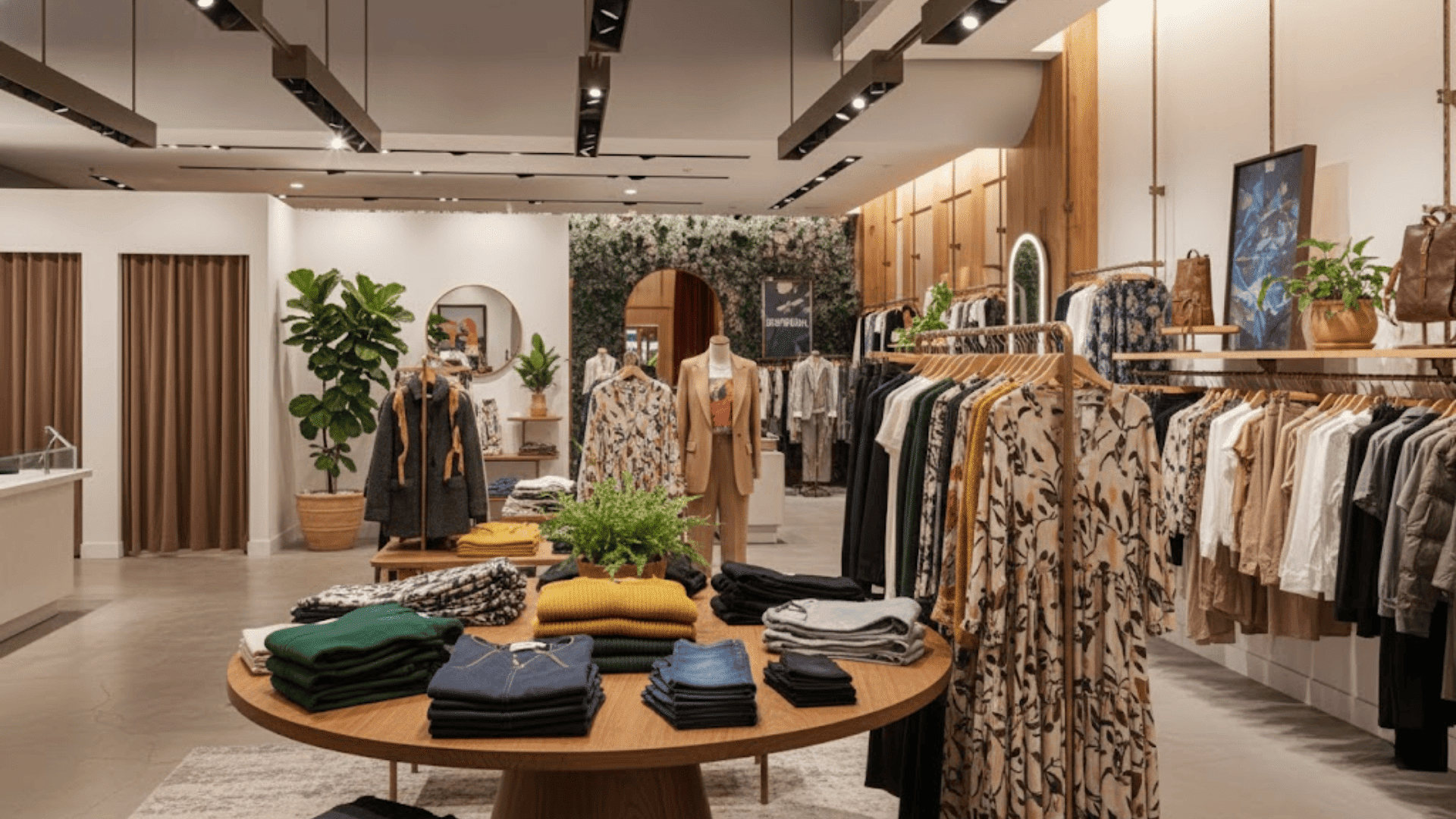
Many shoppers and fashion critics put Aritzia in the fast fashion category. While the brand markets itself as premium, several practices raise red flags for conscious consumers.
1. Constant New Arrivals Culture
Aritzia adds new arrivals frequently throughout the season. Their stores always have “something new” waiting for you.
This constant refresh is classic fast fashion behavior. This kind of constant refresh can encourage more frequent shopping.
2. Rapid Trend Responsiveness
When a new silhouette or color trend appears on social media, Aritzia often releases similar styles within the same season. Those “it” items you see influencers wearing? Aritzia’s typically right there with similar pieces.
3. High-Volume Retail Model
Aritzia carries tons of different products, and they’re constantly rotating styles. This can create a “buy it now or miss out” feeling for some shoppers, which may lead to buying more than planned.
4. Premium Pricing Without Premium Practices
Aritzia charges way more than Zara or H&M. A blouse might run you $80 to $150. But the thing is, higher prices don’t automatically mean better practices.
Sometimes pricing reflects branding and retail experience; it doesn’t automatically prove more transparent or ethical production.
5. Inconsistent Durability Across Products
This is where things get interesting. Some Aritzia pieces last forever. People swear by coats like the Super Puff. They hold up season after season. But other items? Not so much.
Some shoppers report knits that pill quickly and basics that feel thinner than expected. If quality feels inconsistent, it can lead to more replacements for some shoppers, one reason people associate it with fast-fashion dynamics.
6. Limited Supply Chain Transparency
Aritzia publishes ESG reporting and policy statements, but it shares less supplier-level detail than brands with public supplier lists, making it harder for shoppers to verify working conditions.
Good On You’s summary of Fashion Revolution’s Fashion Transparency Index 2023 places Aritzia in the 21–30% transparency band, which measures public disclosure, not verified factory conditions.
A low score doesn’t prove unethical practices; it mainly signals limited information for consumers assessing sourcing and labor standards.
What Makes Aritzia More Sustainable?
Okay, let’s be fair. Aritzia isn’t all bad. Some shoppers argue the brand is “more sustainable” than typical fast fashion. This is what they point to.
1. Extended Garment Lifespan
A lot of people buy Aritzia “staples” and wear them for years. Items like the Effortless Pants, Slouch Coat, and Super Puff jacket have super loyal fans who’ve worn them dozens, even hundreds, of times.
When you wear something that often, your cost-per-wear drops, which is better for your wallet and the planet.
2. Quality Construction Features
Some Aritzia staples are praised for fabric weight and tailoring details, but construction varies by item, so check fabric composition, lining, and care notes on each product page.
These little details make items easier to tailor and fix up. Quality construction helps clothes stick around longer.
3. ESG Reporting and Accountability
Aritzia puts out ESG (Environmental, Social, Governance) reports. Their 2024 report covers carbon emissions and sustainable materials.
In its FY2024 ESG report, Aritzia reports that 42% of the cotton in its 2023 collections (by weight) came from lower-impact sources (e.g., Better Cotton, organic, regenerative).
Examples the brand highlights include organic cotton, recycled polyester, and TENCEL™ Lyocell.
Note: Better Cotton is sourced via a mass-balance model, meaning it isn’t physically traceable to specific finished products.
4. Certified Materials to Consider
Check product pages for certified materials like responsible wool, organic cotton, or recycled fibers.
Aritzia says it has standards for animal-derived materials, and some products may use certified materials; check product pages for details.
5. A Balanced Perspective
“Sustainable” and “fast fashion” aren’t opposites. A brand can have some eco-friendly practices while still running a fast-fashion business model. Both things can be true at the same time.
What Shoppers Commonly Report

Curious what actual Aritzia customers think? Common themes shoppers mention in reviews and forums include the following. The feedback is definitely mixed.
- Great staples, worth it on sale: Shoppers love workwear, coats, and basics like Effortless Pants and Super Puff, especially during the Clientele Sale.
- Quality is inconsistent: Some items last years while others pill after one wash. Some shoppers report that quality feels less consistent than it used to, especially for certain fabrics like knits.
- It feels like fast fashion: Constant drops, influencer collabs, and “buy before it’s gone” pressure give fast-fashion vibes.
- Customer service is mixed: In-store staff get praise, but return policies and online support frustrate many shoppers.
- Secondhand is popular: Fans buy pre-owned on Poshmark and Depop. Items like the Super Puff hold resale value well.
Takeaway: Do your research, read reviews, and know which items are worth the investment before you buy.
How Does Aritzia Compare to Other Fast Fashion Brands?
Wondering how Aritzia measures up against brands like Shein, Zara, and H&M? This side-by-side comparison breaks down the key differences in speed, price, quality, and transparency.
| Factor | Shein | Zara / H&M | Aritzia |
|---|---|---|---|
| Newness | Extremely high (thousands/day) | High (frequent drops) | Medium–high (frequent new arrivals) |
| Price | Low | Low–mid | Mid–high |
| Positioning | Ultra-fast, trend-led | Mass market | “Everyday Luxury” (Aritzia Investors) |
| Quality | Low/variable | Variable | Variable (some staples praised) |
| Transparency | Low disclosure | Medium (varies) | FTI 2023: 21–30% band (Good On You; based on Fashion Revolution FTI) |
| Take-back / circularity | Limited/unclear | H&M garment collecting; Zara clothing donation/collection program | No widely advertised customer take-back program |
The bottom line is that it depends on what you’re buying and how you shop. Aritzia lands somewhere between traditional fast fashion and more responsible brands.
Is Aritzia a Luxury Brand?
Short answer: Nope. Aritzia isn’t a luxury brand, and honestly, they’re not really trying to be one.
Authentic luxury brands have heritage and craftsmanship built over decades, limited production runs, the finest materials, serious pricing power, and substantial resale value.
Think Chanel, Hermès, or Brunello Cucinelli. Aritzia fits better in the “premium” or “contemporary” category. It’s above fast fashion but below true luxury.
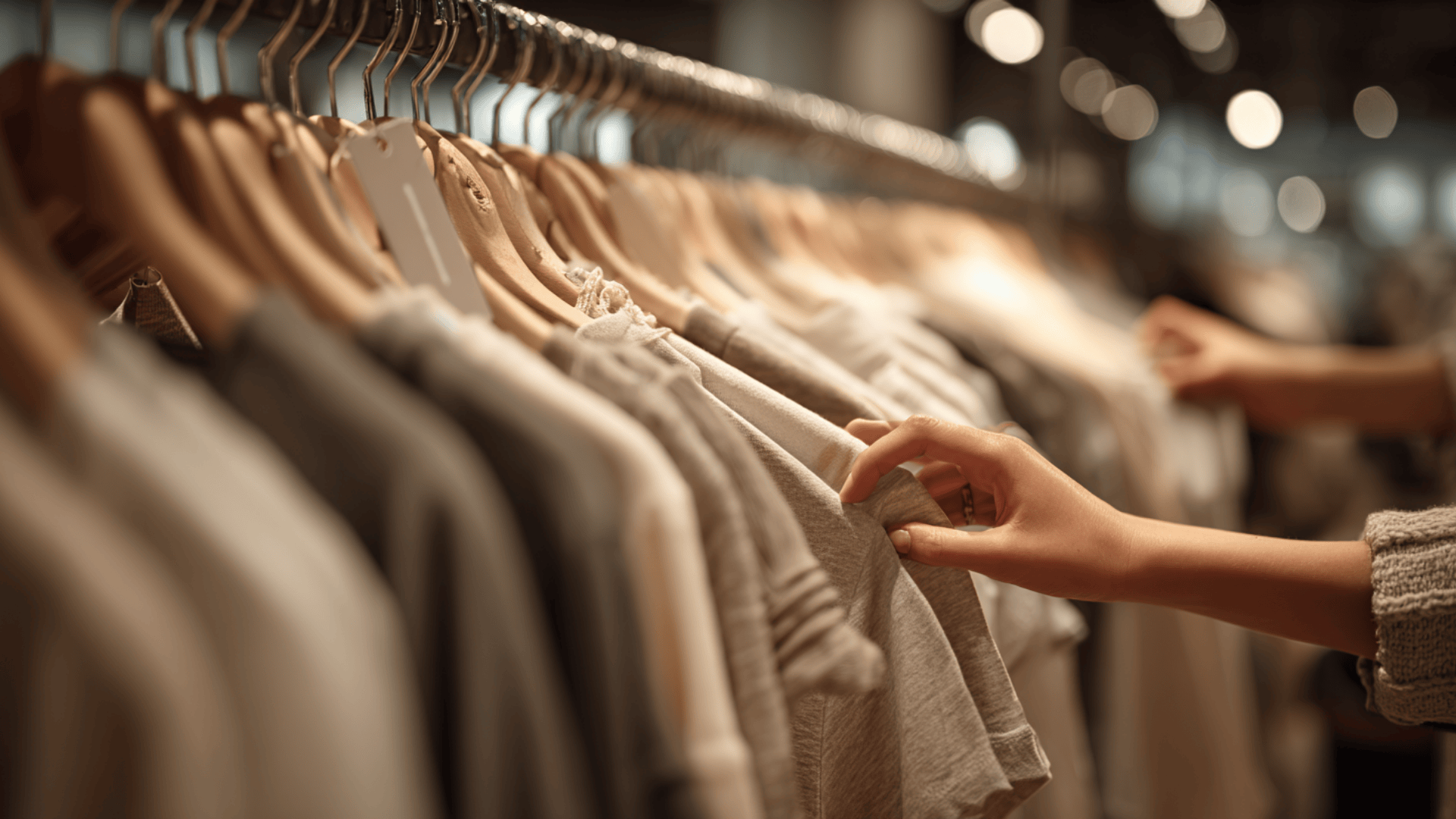
The brand calls itself “everyday luxury,” which is really more about the shopping experience than actual luxury production. So why the confusion? Aritzia stores look expensive.
The lighting, layout, and customer service all feel upscale. The styling and price tags create a luxury vibe even when the product isn’t technically luxury.
How to Shop Aritzia More Responsibly
No brand is perfect, but your shopping habits can make a real difference. If you shop at Aritzia or skip it entirely, these tips help you make smarter choices:
- Do the 30-wear test: Only buy if you’ll wear it at least 30 times.
- Go timeless over trendy: Classic silhouettes and neutral colors last longer in your closet.
- Pick durable fabrics: Avoid thin cotton blends that pill easily.
- Think cost-per-wear: A $200 coat worn 100 times beats a $50 coat worn five times.
- Buy secondhand first: Check Poshmark or Depop before buying new.
- Prevent returns: Read reviews and check measurements before checkout.
- Repair what you keep: Learn basic fixes like hemming, sewing buttons, and depilling.
At the end of the day, it’s not about being perfect. It’s about making more intentional choices every time you shop.
Note: This article is based on public brand disclosures, third-party transparency scoring, and shopper-shared experiences online. We can’t independently verify factory conditions.
Final Verdict
After looking at all the evidence, the verdict is clear: Aritzia is best described as “premium fast fashion” or “fast-fashion-adjacent.”
The brand follows a fast-fashion timeline with frequent new arrivals and trend-driven designs. Production scale and constant refreshes encourage overconsumption.
And transparency around factories, wages, and audits remains limited. That said, Aritzia does offer better durability than ultra-fast brands on certain items. Some pieces genuinely last for years with proper care.
The smartest approach? Buy secondhand when possible, focus on proven staples, wait for sales, and commit to wearing each item at least 30 times.
Want more sustainable fashion tips? Subscribe to our newsletter and shop smarter starting today!