


Is makeup bad for your skin? It’s a question that crosses every beauty lover’s mind when foundation feels heavy, or a breakout appears after a full glam day.
Some people swear their skin looks better with a break from cosmetics, while others notice no issues wearing products daily. Your daily routine, product choices, and removal habits all play crucial roles in how makeup affects your complexion.
Some cosmetics offer sun protection and hydration, while others may clog pores or cause irritation. Understanding how makeup affects your face helps you make smarter choices to keep your complexion clear and healthy.
Is Makeup Bad for Your Skin or Not?
Makeup itself isn’t harmful – problems usually come from how it’s applied, worn, and removed. When applied correctly and removed properly, most cosmetics are safe for daily wear.
The key is choosing products suited to your skin type and maintaining good hygiene habits.
However, problems arise when makeup is left on overnight, applied with dirty tools, or contains ingredients that irritate your specific skin. Quality matters too. Budget-friendly options can work well, but some cheaper formulas contain pore-clogging ingredients.
Most skin issues linked to makeup are caused by poor habits rather than the makeup itself. With smart choices and proper care, you can wear makeup without damaging your skin.
How Does Daily Makeup Wear Impact Your Skin?
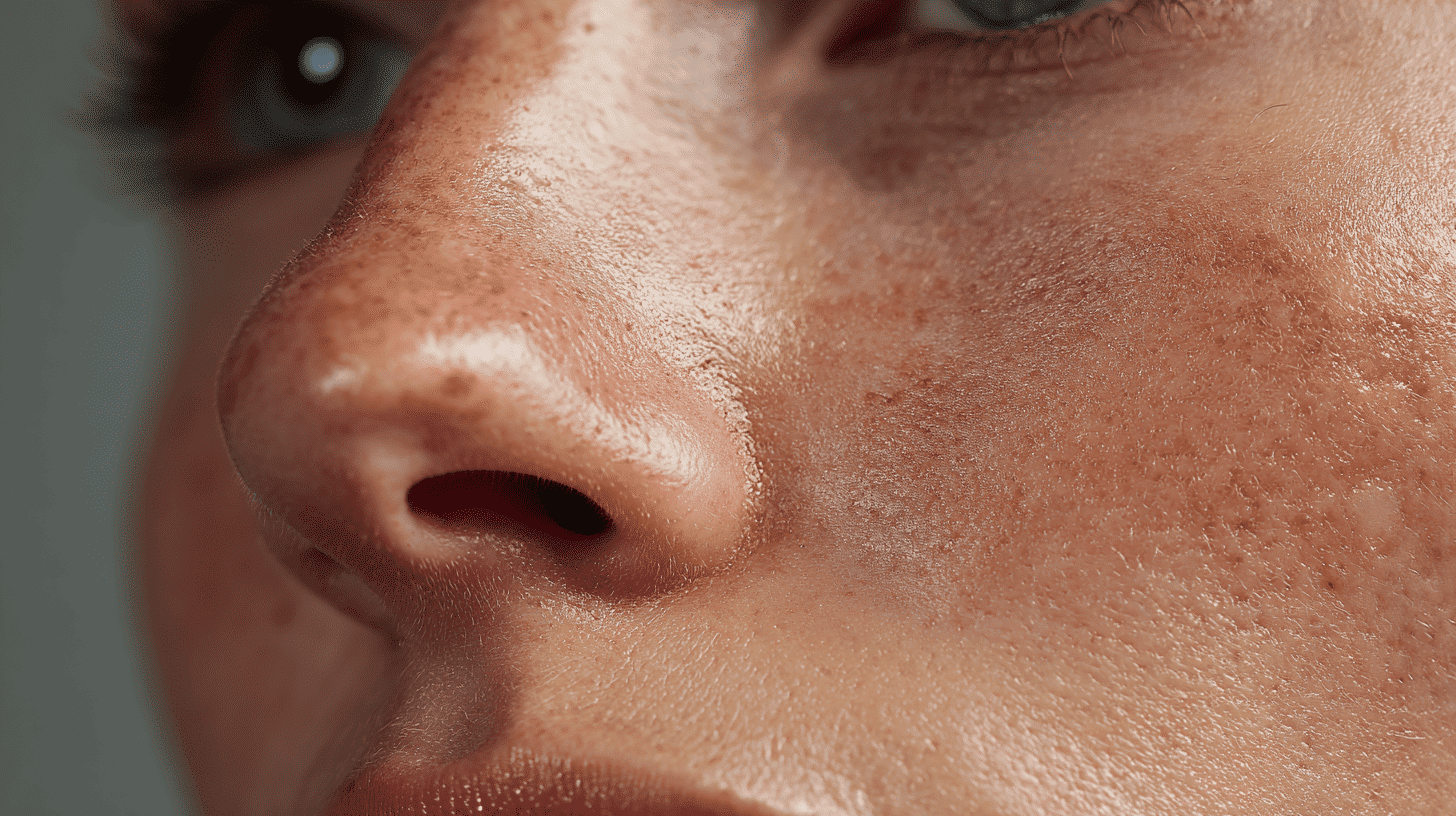
Your skin barrier acts as a protective shield, and makeup can weaken it if left on too long or removed harshly. Leaving makeup on for long hours can trap impurities on the skin’s surface.
This creates an environment where breakouts thrive. The impact varies by skin type. Oily skin tends to experience more clogged pores, while dry skin may become flakier from certain powders.
Sensitive skin reacts quickly to fragrances and preservatives in cosmetics. Proper removal with gentle cleansers helps maintain barrier health, preventing long-term damage from daily makeup wear.
When Makeup Helps Your Skin: Benefits You Didn’t Expect
Modern makeup does more than cover imperfections – it can support skin health when you choose the right products. Many formulas now include ingredients that protect and nourish your skin throughout the day.
- SPF Protection: Foundation and BB creams with SPF 30 or higher shield your face from harmful UV rays and premature aging.
- Hydration Boost: Tinted moisturizers contain hyaluronic acid and glycerin that keep skin plump and moisturized throughout the day.
- Barrier Support: Mineral makeup with zinc oxide creates a physical barrier against pollution and environmental stressors.
- Skin-Friendly Formulas: Non-comedogenic products won’t clog pores, allowing your skin to breathe while providing coverage.
- Routine Benefits: Regular makeup use encourages better skincare habits like cleansing twice daily and proper moisturizing.
Choose makeup that protects your skin by selecting non-comedogenic, oil-free products. Check ingredients for vitamins C and E, and match formulas to your skin type – lightweight for oily skin, creamy for dry skin.
Why Makeup Can Cause Breakouts and Clogged Pores?
Foundation and powder sit on your skin’s surface throughout the day, and without proper cleansing, makeup residue can build up inside pores. This blocks the natural flow of oil and traps dead skin cells, bacteria, and dirt underneath.
Over time, this buildup leads to blackheads, whiteheads, and inflamed pimples. There’s even a specific term for this: acne cosmetica, which refers to small bumps and breakouts caused directly by cosmetic use.
Heavy, oil-based formulas are the worst culprits, especially on naturally oily or combination skin. The longer makeup stays on your face, the higher your risk of clogged pores.
Thorough cleansing every night is essential to prevent these cosmetic-related breakouts.
How Makeup Can Irritate Your Skin and Cause Reactions?
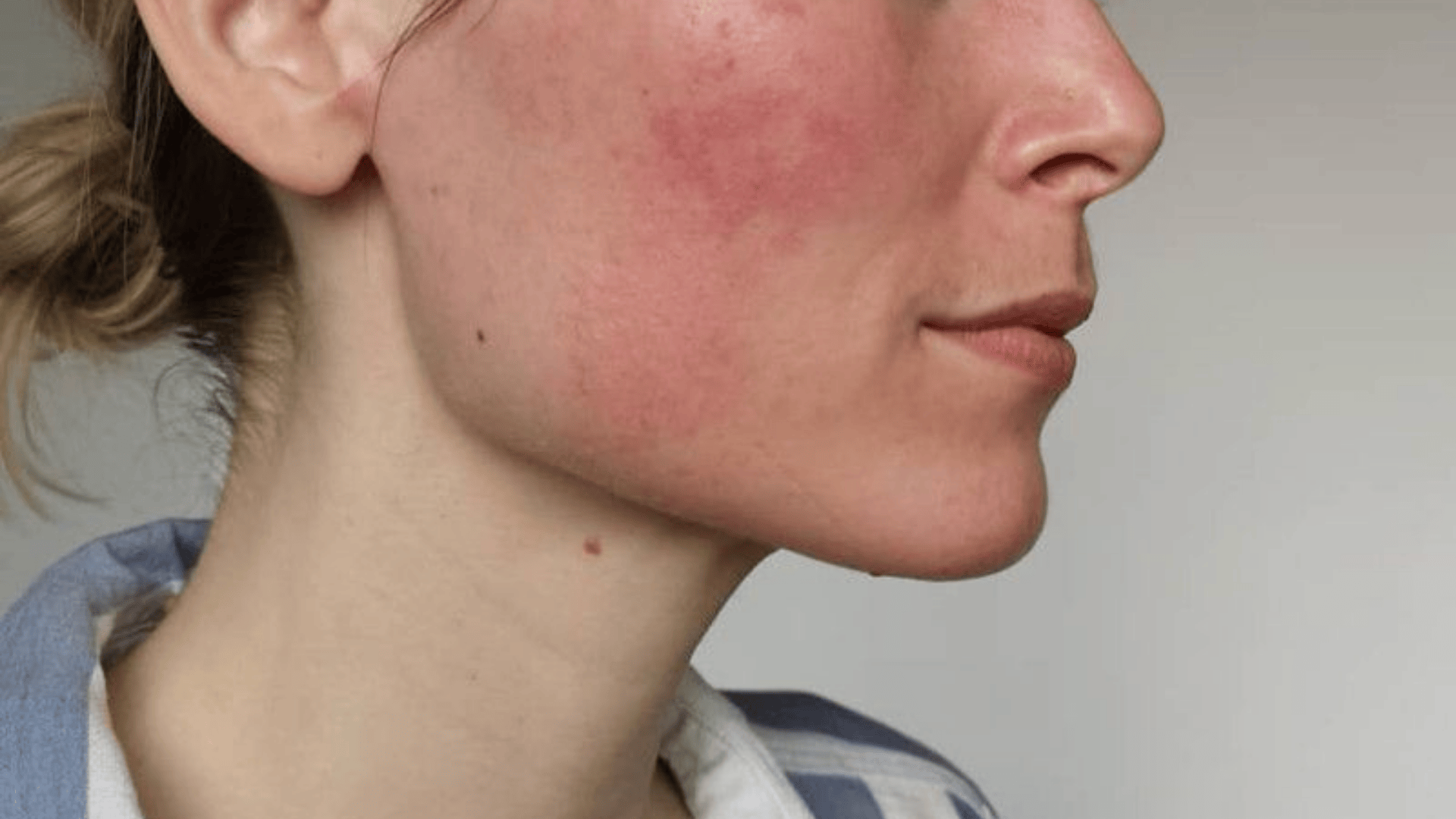
Some makeup ingredients trigger irritation, even in products marketed as gentle. Fragrances are common offenders – they make products smell pleasant but can inflame sensitive skin.
Preservatives like parabens extend shelf life but may cause reactions in certain people. Alcohol-based formulas dry out skin and disrupt its natural balance.
When your skin reacts to these ingredients, you’ll notice signs like itchiness, redness, or small rashes appearing where you applied the product. Contact dermatitis is the medical term for this type of reaction.
If you experience persistent irritation, switch to fragrance-free, hypoallergenic options. Always patch-test new products on your inner wrist before applying them to your face.
Eye Makeup Risks: Irritation & Bacterial Contamination
Eye makeup poses unique risks because the eye area is extremely sensitive and prone to infection. Mascara, eyeliner, and eyeshadow harbor bacteria that multiply quickly, causing styes, conjunctivitis, and painful irritation when they touch your eyes.
- Replace Mascara Every 3 Months: Bacteria grow rapidly in the moist tube, making old mascara a major infection risk.
- Never Share Eye Products: Sharing spreads bacteria and viruses between users, increasing the chances of eye infections.
- Avoid Applying Inside the Lash Line: Eyeliner placed too close to your eyeball can block oil glands and introduce bacteria.
- Remove Eye Makeup Before Bed: Sleeping with mascara traps debris against delicate eye tissue and clogs follicles.
- Toss Products After Eye Infections: If you had pink eye or a stye, throw away all eye makeup used during that time.
Keep applicators clean by washing brushes weekly with gentle soap. Store eye makeup in cool, dry places away from bathroom humidity. If a product changes smell, texture, or color, dispose of it immediately, regardless of age.
Makeup Mistakes That Are Secretly Harming Your Skin
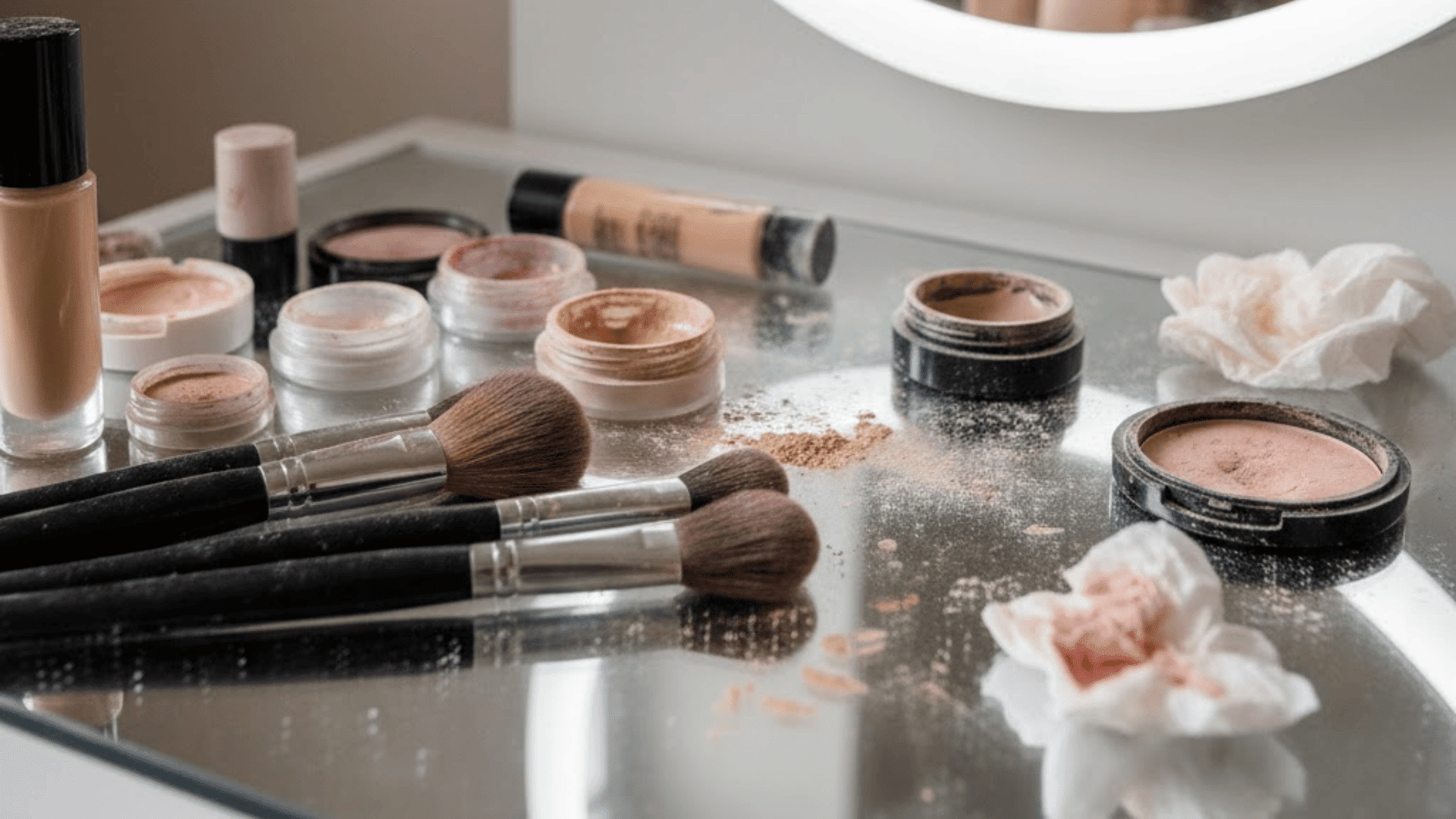
Even small makeup habits can affect your skin over time. Many people do not realize that common routines might cause breakouts, irritation, or clogged pores.
Paying attention to how you apply, remove, and store your makeup can help your skin stay healthier.
1. Sleeping With Makeup On
Sleeping without removing makeup can block your pores and cause breakouts. It also keeps dirt and bacteria on your skin, which may lead to irritation.
Eyes are especially vulnerable if mascara or eyeliner stays on overnight. A simple solution is to always remove all makeup with a gentle cleanser before bed, giving your skin time to breathe and repair naturally while you sleep.
2. Using Expired Products
Old makeup products can grow bacteria and may irritate the skin or cause infections. Mascara and liquid eyeliner are especially risky if used past their shelf life.
Expired makeup may lose consistency or change color. Checking expiration dates and replacing products regularly helps prevent breakouts and keeps your skin safe. Store them in a cool, dry place to maintain quality.
3. Not Cleaning Makeup Brushes
Unwashed tools can spread bacteria directly onto your skin, leading to pimples and irritation. Using the same brush repeatedly without washing allows oils, dead skin cells, and leftover makeup to build up.
Cleaning brushes at least once a week with mild soap and water helps prevent infections and ensures makeup applies smoothly. Clean tools are just as important as clean skin.
4. Applying Makeup on Wet Skin
Putting foundation or powder on damp or wet skin can clog pores and trap moisture, which may lead to breakouts. It can also make the makeup uneven and cause it to slide off during the day.
Make sure your face is fully dry after washing or applying moisturizer before adding makeup. This small step can make a big difference in both skin health and makeup finish.
5. Using Too Much Product
Layering too much foundation, powder, or concealer can suffocate your skin and block pores. Heavy makeup can trap oil and bacteria, causing pimples and irritation.
Less is usually better. Try using thinner layers and blending carefully to achieve coverage while letting your skin breathe. This approach also helps your makeup look natural and lasts longer without causing harm.
6. Ignoring the Neck and Jawline
Many people focus only on the face and forget to apply or blend makeup along the jawline and neck. This can create lines of trapped product that may clog pores and lead to uneven texture or breakouts.
Always blend foundation and powder slightly past the jaw and onto the neck. Proper blending protects the skin in those areas and gives a smooth, seamless finish.
7. Sharing Makeup with Others
Sharing makeup, especially lipsticks, eyeliners, and brushes, spreads bacteria and viruses. This can cause infections, cold sores, or pimples. Even if makeup looks clean, tiny germs can transfer easily.
Keep your products personal, and clean brushes if you accidentally share them. Avoiding shared use is a simple way to protect your skin from unnecessary breakouts or irritation.
Makeup-Free Days & Skin Recovery Tips
Giving your skin time without makeup supports natural repair and balance. Taking days off allows your pores to clear out buildup and lets your skin’s natural oils balance without interference from cosmetics.
- Schedule Makeup-Free Days Weekly: Give your skin at least one or two days each week to function without any products covering it.
- Cleanse Gently on Recovery Days: Use a mild cleanser to remove leftover residue without stripping your skin’s natural protective oils.
- Hydrate with Lightweight Moisturizer: Apply a simple, fragrance-free moisturizer to support your skin barrier while it repairs itself.
- Use Minimal Products: Stick to basics like sunscreen and moisturizer, avoiding heavy serums or treatments that might overwhelm recovering skin.
- Let Pores Breathe Overnight: After heavy makeup days, skip all products at night except a gentle cleanser to maximize recovery time.
After events or long periods of daily makeup, take a full weekend off. Your skin will look clearer and feel healthier. Notice how your complexion improves with breaks – fewer breakouts, less oiliness, and a more balanced texture.
The Bottom Line
So, is makeup bad for your skin? The answer depends entirely on your habits and choices. Poor hygiene, skipping cleansing routines, and using expired or irritating products create most cosmetic-related skin problems.
Your skin type, product selection, and removal methods all determine whether makeup helps or harms your complexion. Listen to what your skin tells you and adjust accordingly.
Small changes in your beauty routine can greatly improve skin health. What’s your biggest makeup concern? Share in the comments – I’d love to hear about your experiences and favorite skin-safe products!
Frequently Asked Questions (FAQs)
Can Makeup Cause Allergic Reactions Years After Starting To Use It?
Yes, new sensitivities can develop over time, even to products you’ve used safely before.
How Often Should I Replace Makeup Sponges For Safe Use?
Every 1-3 months, depending on use and cleanliness, to avoid bacterial buildup.
Can Using Makeup Primers Prevent Breakouts?
Primers can create a barrier and smooth texture, but non-comedogenic types are essential to avoid clogging pores.
Do Mineral Makeup Products Really Reduce Skin Irritation?
Yes, mineral makeup often contains fewer irritants and can be gentler on sensitive skin.