


Getting lip filler can be exciting, but swelling can feel worrying at first. Many people look in the mirror right after treatment and think, “Are my lips going to stay this big?”
The good news is that swelling is common, and it usually follows a clear pattern.
In this page, you will learn the lip filler swelling stages, what each stage can look and feel like, and what is normal during the lip filler healing process.
You will also learn simple aftercare tips and the warning signs that mean you should contact your injector.
Quick note: This is general information. Always follow your injector’s instructions, since they know your treatment details.
What Can You Expect on the Day of the Procedure?
On the day of your lip filler appointment, you’ll usually start with a short consultation to discuss your goals, shape, and how much volume you want.
Your injector may apply numbing cream, and many fillers also contain lidocaine to help reduce discomfort.
During the injections, you may feel small pinches and pressure, and the provider will often pause to check balance and symmetry.
Right after the procedure, your lips can look instantly fuller, but they may also start swelling quickly, so they can appear bigger than your final result.
Mild tenderness, redness, and tiny injection marks are normal on the same day.
Why Do Lips Swell After Fillers?
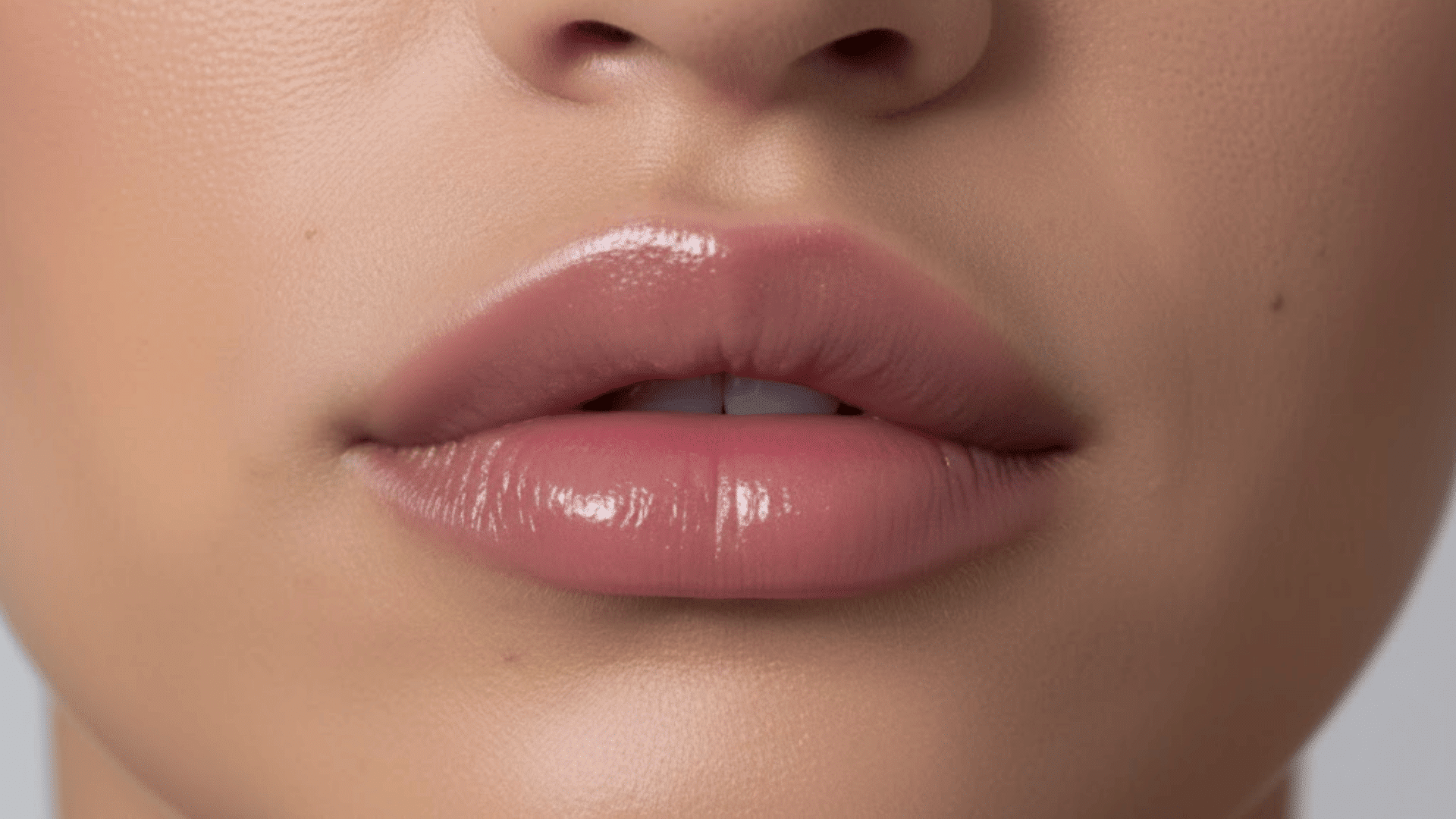
Lips swell after fillers because your body reacts to the tiny injections and the filler being placed under the skin.
Even when done gently, a needle or cannula can cause small amounts of tissue stress, and your body sends extra fluid to the area to help it heal.
Since lips have a lot of blood flow and are very sensitive, they often swell more than other areas. Swelling can look stronger if you get more filler, bruise easily, or are naturally prone to puffiness.
Things like alcohol, intense exercise, and heat soon after treatment can also make swelling worse for a short time.
Lip Filler Swelling Stages (Day-by-Day)
Below is a day-by-day look at common lip filler swelling stages. Everyone heals at a different pace, so use this as a general timeline, not a strict rule.
Stage 1: Immediately After
Right after your appointment, your lips may look bigger than you expected. This is normal early swelling mixed with the new filler. You might see tiny red spots, feel mild stinging, and notice a firm or tight feeling.
Try to stay calm and avoid touching your lips. Use a cool compress for short periods and keep your head up to help limit puffiness.
Stage 2: Swelling Builds and Peaks (Days 1 to 2)
From the first night through day two, swelling often rises and then reaches its peak. One side may puff up more, so your lips can look uneven, and tenderness is common when smiling or eating.
By 24 to 48 hours, lips may feel firmer, look extra full, and bruising can become more noticeable.
Keep things gentle: drink water, sleep with your head slightly raised, use cool compresses in short sessions, and avoid hard workouts, alcohol, heat, and lip pressure.
Stage 3: Early Settling (Days 3 to 5)
By days three to five, swelling typically starts to drop a little each day. Bruises may change colors and can look worse before they look better. You might also feel small bumps or notice slight texture changes as the filler settles.
This is often normal during healing. Keep your routine simple, stay hydrated, and be gentle with lip products. If you feel worried about a lump, check with your injector.
Stage 4: Visible Improvement (Days 5 to 7)
From days five to seven, many people see a big improvement. Swelling is much lower, tenderness fades, and the lip border looks more defined.
Your lips may still feel a little sensitive, but they usually look closer to what you expected. This is a good time to take photos and compare them to day one or two.
Keep avoiding rough pressure on the lips if they still feel sore.
Stage 5: Near-Final Results (Weeks 1 to 2)
During weeks one to two, your lips are often close to the final look. They usually feel softer, more comfortable, and more even. Any leftover bruising often fades, and small bumps may smooth out as the tissue relaxes.
Many clinics check results around the two-week mark, because swelling has mostly settled by then. If something still feels off, this is a good time to contact your injector.
Stage 6: Final Refinement (Weeks 2 to 4)
Between weeks two and four, the last bit of healing happens. Your lips continue to soften, and the shape can look more natural as the filler settles in. Tiny firm spots often calm down during this time.
By the end of week four, most people can judge their results clearly. If you are thinking about a touch-up, ask your injector when it makes sense for you.
What Else Is Normal Besides Swelling?
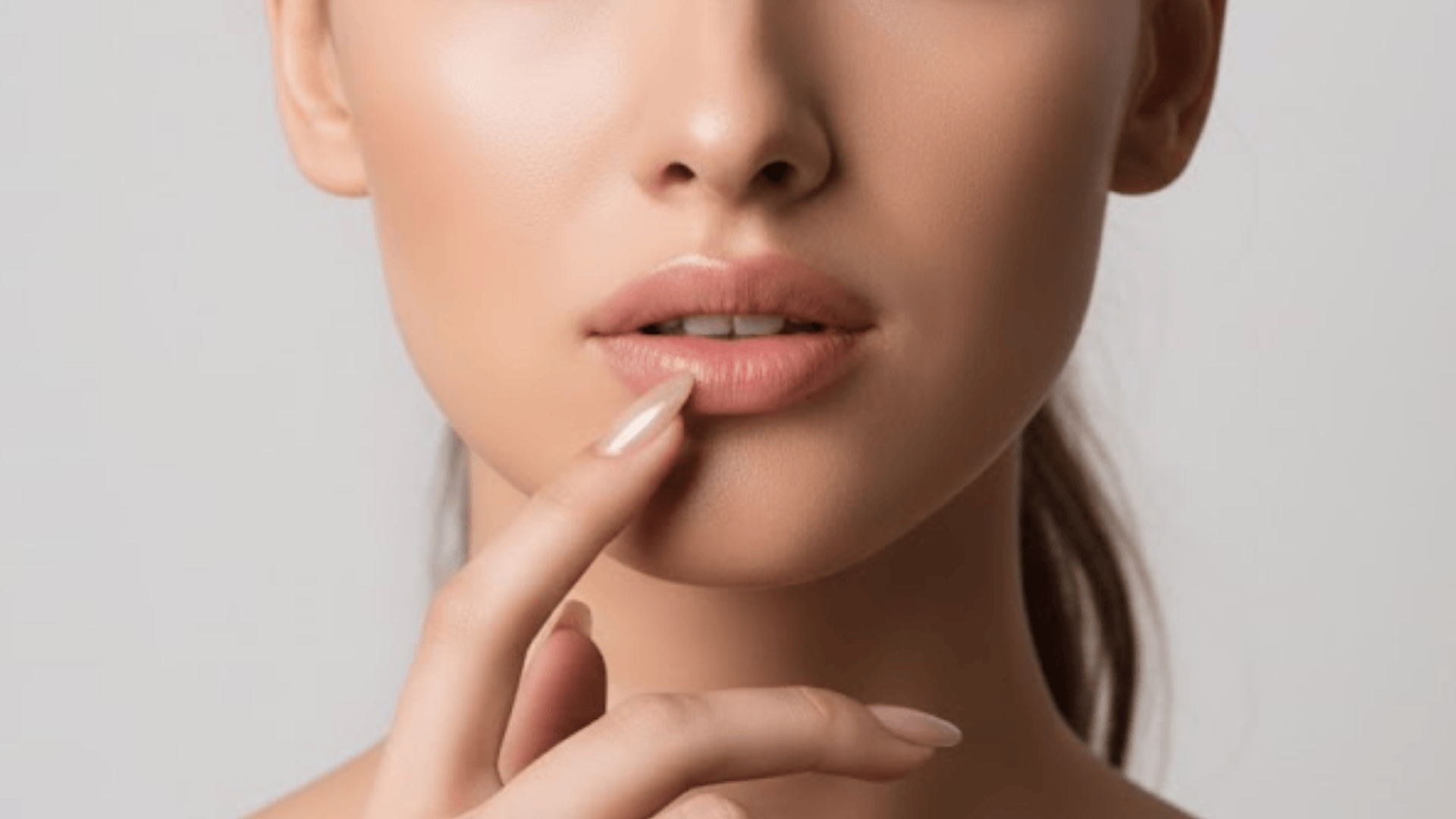
The lip filler healing process includes more than just swelling. It’s also normal to have mild bruising, tenderness, and small red dots where the injections were placed.
Your lips may feel tight, dry, or a little sore when you smile, eat, or talk for the first few days.
Some people notice small bumps or uneven spots, especially between days 2 and 5, as the filler settles and swelling goes down.
You may also see mild unevenness at first because one side can swell more than the other. In most cases, these changes improve as your lips heal.
Aftercare Tips to Reduce Swelling Faster (and What to Avoid)
Aftercare can make a big difference in how fast swelling calms down. These simple tips help you feel comfortable and protect your results during early healing.
- Use a cool compress for short sessions to help calm swelling (do not press hard).
- Drink plenty of water and keep meals lighter on salt for the first day or two.
- Sleep with your head slightly raised for 1 to 2 nights to reduce puffiness.
- Avoid alcohol and smoking or vaping for 24 to 48 hours, since they can worsen swelling and slow healing.
- Skip hard workouts and heavy heat (saunas, hot yoga, very hot showers) for 24 to 48 hours.
- Do not massage, rub, or press your lips unless your injector specifically tells you to.
Stick to these basics for the first one to two days, and always follow your injector’s instructions. When in doubt, ask your clinic instead of guessing.
When to Contact Your Injector?
Most swelling and bruising after lip filler is normal, but some signs need quick medical attention.
Contact your injector right away if you have severe pain that gets worse, not better, or if you notice white, gray, or very pale patches on your lips or skin.
These can be warning signs that blood flow may be affected. Also, reach out if you develop spreading redness, warmth, pus, or fever, which may point to infection.
Sudden strong swelling several days later can be a delayed reaction. If you have trouble breathing, hives, or swelling beyond the lips, seek emergency care immediately.
Tips for Better Results Long-Term
Long-term results are not only about the filler itself. Small choices during healing can help your lips settle better and look more even and natural.
- Try not to judge your lips in the first 48 hours, since swelling changes fast.
- Take progress photos: before, day 2, day 7, and day 14.
- Plan important events at least 2 weeks after your appointment.
- Keep your follow-up visit if your clinic schedules one.
- Be clear about your goals, such as subtle volume or a fuller look.
Give your lips time to settle before making decisions about touch-ups. If something feels off, contact your injector and ask what they recommend next.
Conclusion
The lip filler swelling stages can feel intense at first, especially in the first 48 hours. For most people, swelling starts to calm down after day three and looks much better by the end of week one.
The lip filler healing process can also include tenderness, mild bruising, and small bumps that often improve with time.
Give your lips at least two weeks to settle before judging the final look. If you notice severe pain, unusual color changes, or swelling that suddenly gets worse, contact your injector right away.
Want the safest, best-looking results? Book a consultation with a trusted injector and ask for a clear aftercare plan.
Frequently Asked Questions
How Long Do Lip Fillers Stay Swollen?
For many people, swelling is strongest in the first 2 to 3 days. It often improves a lot by days 5 to 7, and many feel close to final results by 2 weeks.
When Is Swelling the Worst After Lip Filler?
Swelling is often worst around 24 to 48 hours after treatment. This is why day two can look and feel intense.
Is It Normal for Lip Fillers to Look Uneven at First?
Yes. Swelling can be uneven, and one side may puff up more. This often improves as swelling goes down.
How Do I Know if My Swelling Is Abnormal?
If swelling gets worse after several days, comes with severe pain, strong color changes, fever, or spreading redness, contact your injector right away.