



Have you ever wondered how often you should get a pedicure to keep your feet looking great and feeling healthy?
Pedicures aren’t just about having polished toes; they’re a key part of proper foot care.
Regular pedicures help prevent dryness, cracked heels, and calluses, and reduce the risk of fungal infections. They also improve circulation and keep your feet feeling smooth and comfortable.
If you’re on your feet all day, love wearing sandals, or just want to keep your nails neat and healthy, knowing the right pedicure frequency can make a big difference.
Here you will see how often pedicure sessions are needed for various lifestyles and why both men and women benefit from regular foot care.
Why Regular Pedicures Matter for Your Foot Health
A pedicure is much more than painting your toenails. During a session, a technician cleans your feet, exfoliates dead skin, trims and shapes your nails, moisturizes your skin, and often includes a relaxing massage.
These steps work together to keep your feet healthy, soft, and comfortable.
Regular pedicures help prevent common issues like cracked heels, thick calluses, and ingrown toenails while improving blood circulation, especially beneficial if you spend long hours standing or sitting.
Keeping your nails clean and trimmed also reduces the risk of fungal infections and unpleasant odors.
Skipping foot care can lead to dryness, discomfort, and rough skin, making consistent pedicures essential for maintaining year-round foot health and appearance.
How Often You Should Get a Pedicure

Knowing how often you should get a pedicure depends on your lifestyle, foot condition, and daily activities. While a general rule of thumb is every four to six weeks, your ideal schedule may vary.
Here are four key factors that determine how often you need pedicure appointments and how to adjust your routine accordingly.
1. General Maintenance (Every 4–6 Weeks)
For most people, a pedicure every four to six weeks keeps feet clean, hydrated, and well-groomed. This schedule allows enough time for nails to grow and dead skin to accumulate without becoming problematic.
It’s ideal for those who want to maintain both appearance and foot health.
2. Dry or Cracked Feet (Every 2–3 Weeks)
If you struggle with dry, rough, or cracked heels, you’ll benefit from more frequent pedicures.
Regular exfoliation and moisturizing treatments every two to three weeks help repair damaged skin and prevent painful fissures. Consistency is key to keeping your feet soft and healthy.
3. Active Lifestyle or Athletes (Every 2–3 Weeks)
People who run, play sports, or spend long hours standing put extra pressure on their feet. This can lead to calluses, sweat buildup, and nail issues.
Scheduling pedicures every 2 to 3 weeks ensures proper cleaning, exfoliation, and helps prevent common athlete’s foot problems.
4. Minimal Foot Stress (Every 6–8 Weeks)
If your feet stay in good shape, and you mostly wear closed shoes and have a sedentary lifestyle, you can extend your pedicure visits to every 6 to 8 weeks.
Just remember to moisturize and lightly exfoliate at home to maintain results between appointments.
The right pedicure frequency isn’t one-size-fits-all. By paying attention to your skin condition, footwear, and activity level, you can create a schedule that keeps your feet healthy, comfortable, and looking great year-round.
Pedicure Frequency for Men vs. Women
Pedicure frequency can vary between men and women based on lifestyle, footwear, and personal care habits. While both benefit equally from regular foot care, their needs often differ slightly.
Here’s a concise comparison table showing how often pedicures are typically needed for men and women based on five key factors.
| Basis | Women | Men |
|---|---|---|
| Typical Frequency | Every 4 weeks to maintain polish, softness, and appearance. | Every 6 weeks, or 3–4 weeks for active or physically demanding lifestyles. |
| Footwear & Exposure | Open shoes or sandals expose feet, requiring more frequent care. | Closed shoes protect feet but can cause sweating and odor buildup. |
| Skin Type & Texture | Generally, softer skin benefits from light exfoliation. | Thicker skin and calluses need deeper exfoliation and treatment. |
| Primary Goals | Look upkeep, smooth heels, and neat nails. | Hygiene, comfort, and prevention of calluses or cracked heels. |
| Care Focus | Nail polish maintenance and hydration. | Deep cleaning, exfoliation, and odor control. |
No matter the gender, the ideal pedicure frequency depends on how much stress your feet endure. The goal is simple: clean, healthy, and comfortable feet that look and feel great year-round.
Signs You Need a Pedicure Sooner
Your feet often give subtle hints that it’s time for a pedicure before your next appointment. Ignoring these signs can lead to dryness, discomfort, or even infections.
By paying attention to what your feet are telling you, you can maintain healthy, smooth, and attractive feet all year round. Here are five clear signs that you need a pedicure sooner than planned.
1. Dry, Cracked, or Flaky Heels
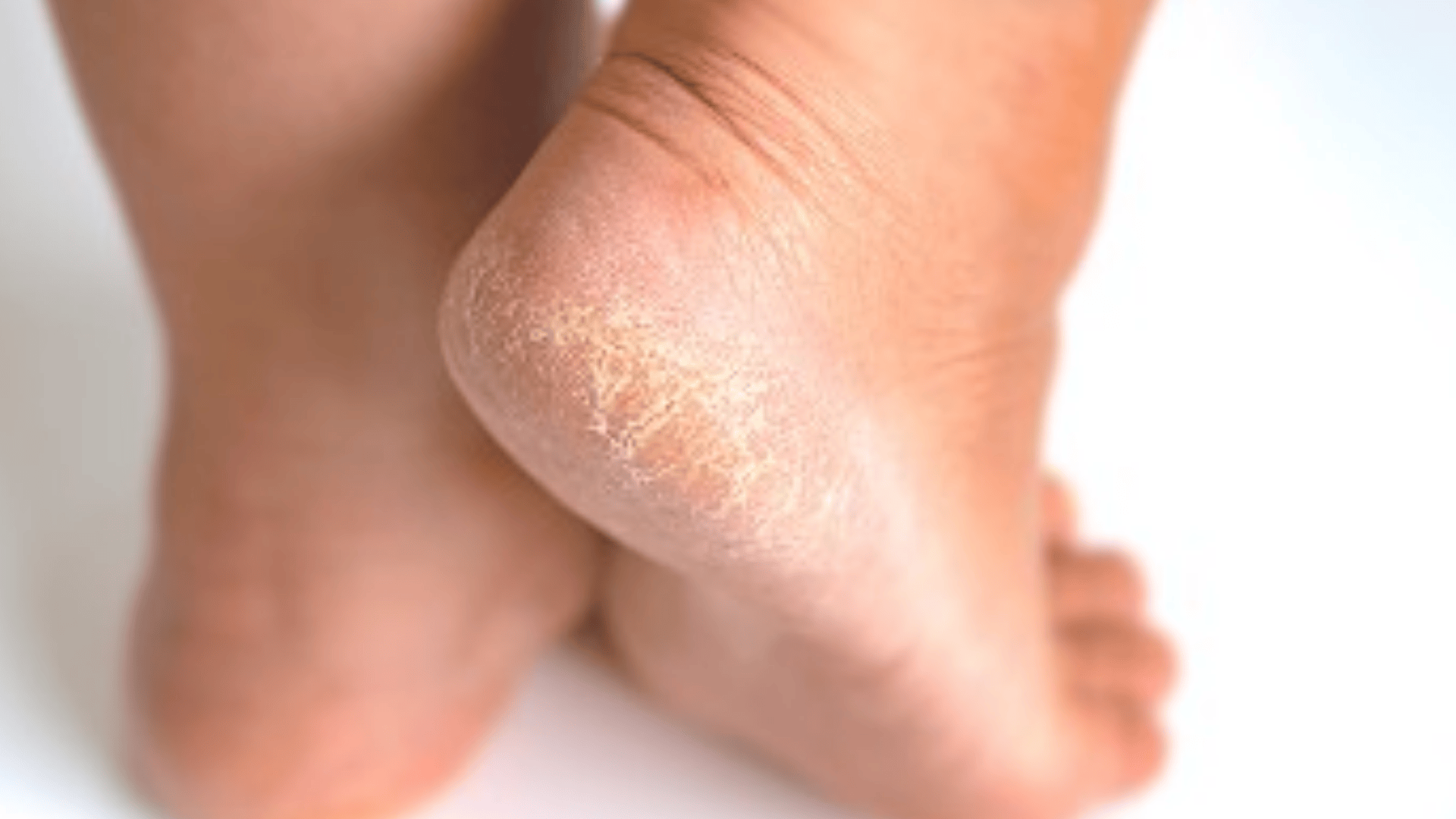
When your heels start feeling rough or develop small cracks, it’s a clear sign your feet need care. Dry skin can worsen quickly, leading to painful fissures that make walking uncomfortable.
A pedicure helps remove dead skin and deeply moisturize your heels, restoring softness and preventing further damage.
2. Discolored or Brittle Toenails
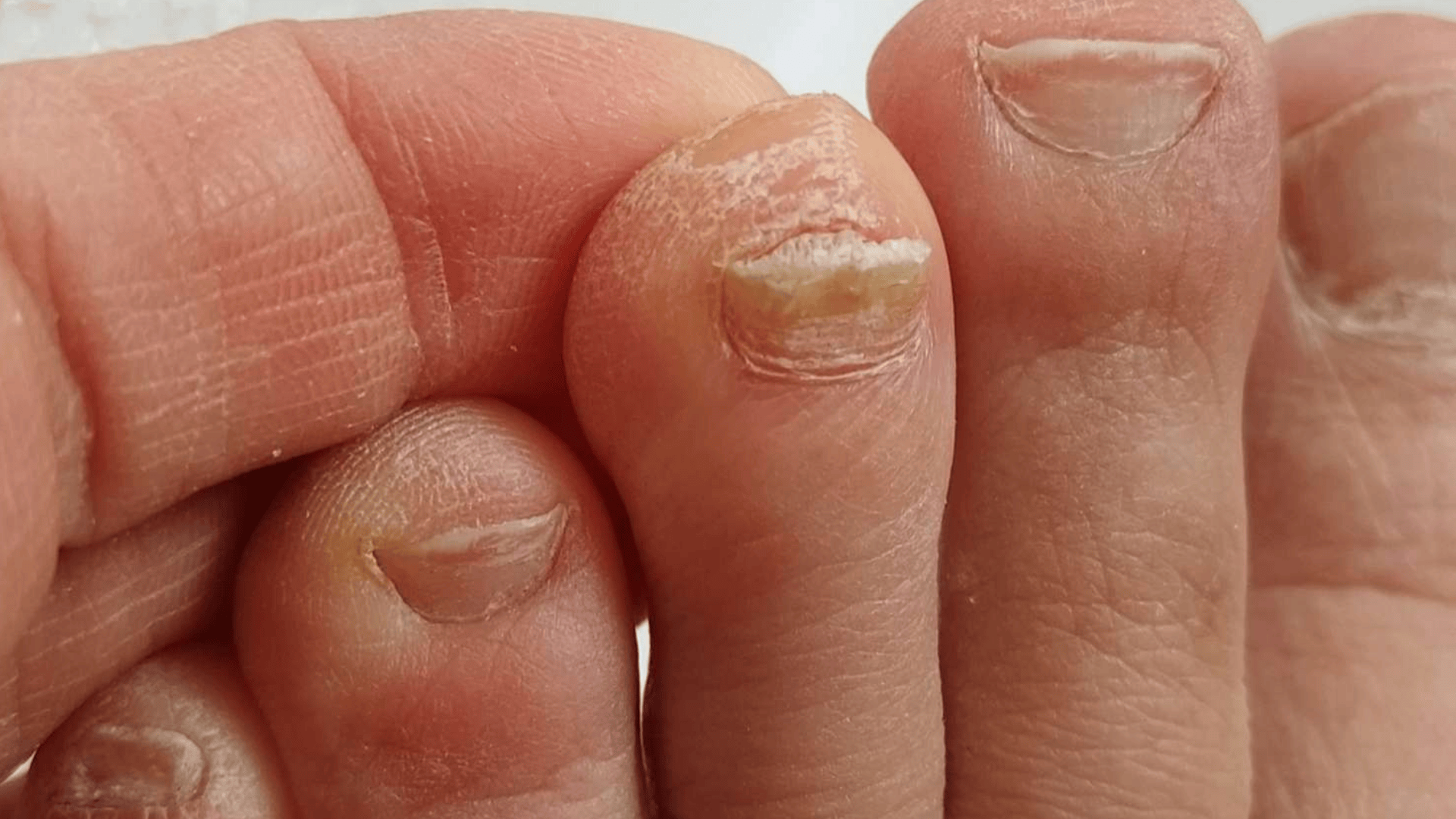
If your toenails look dull, yellow, or break easily, they need professional attention.
This could indicate fungal buildup or dehydration in the nail bed. Regular pedicures help clean, trim, and nourish your nails, keeping them healthy, strong, and naturally shiny.
3. Thick Calluses or Rough Patches
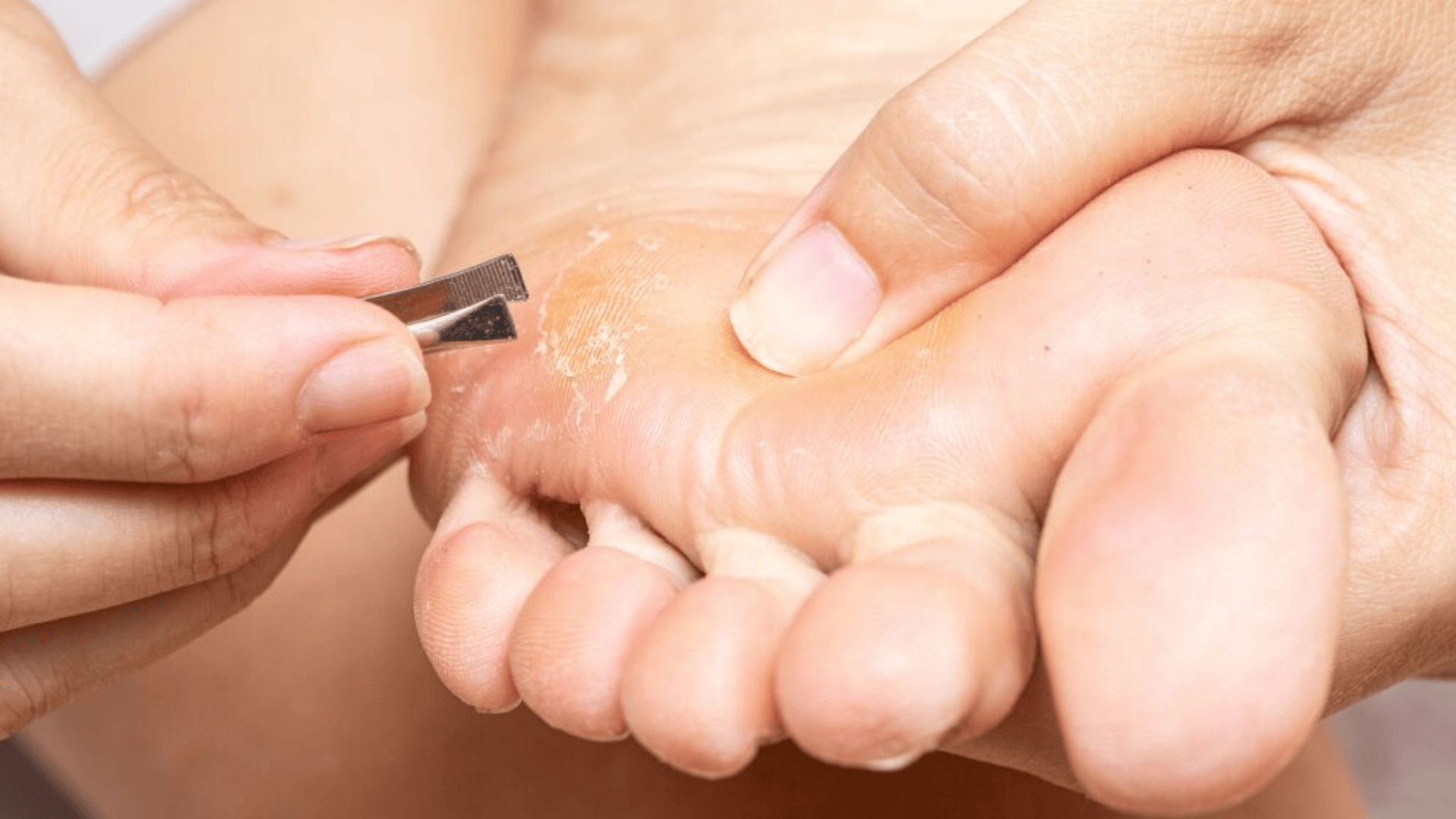
While mild calluses are normal, excessive buildup can cause discomfort and pressure while walking. Pedicures smooth out thickened skin through exfoliation and gentle buffing.
This not only improves appearance but also relieves tension and promotes comfort in your daily movements.
4. Chipped or Faded Nail Polish
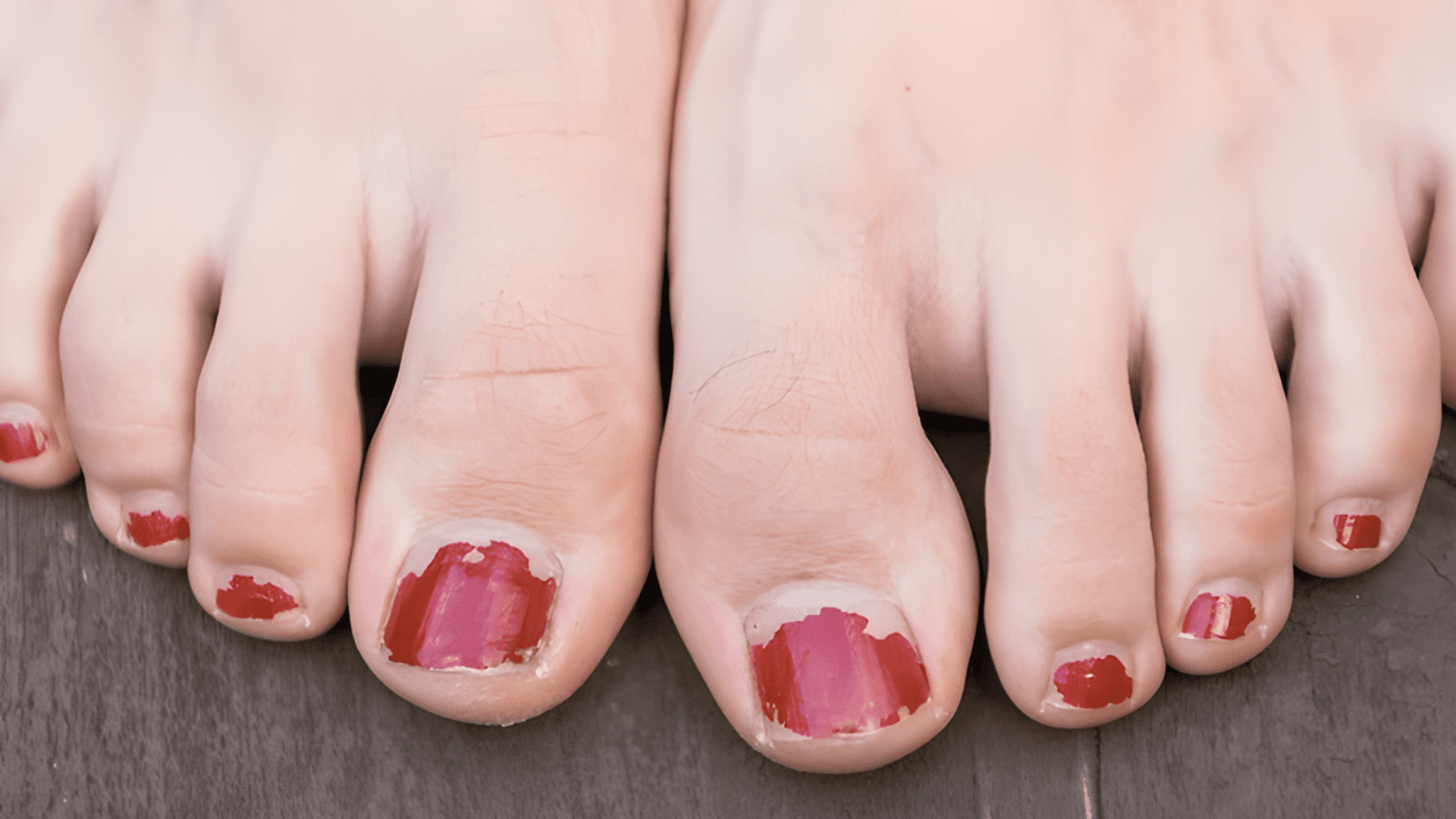
For those who wear nail polish, chipped or dull color signals it’s time for a refresh. Beyond looks, removing old polish allows your nails to breathe and prevents staining.
A fresh coat after proper nail care keeps your feet looking neat and well-groomed.
5. Unpleasant Odor or Sweaty Feet
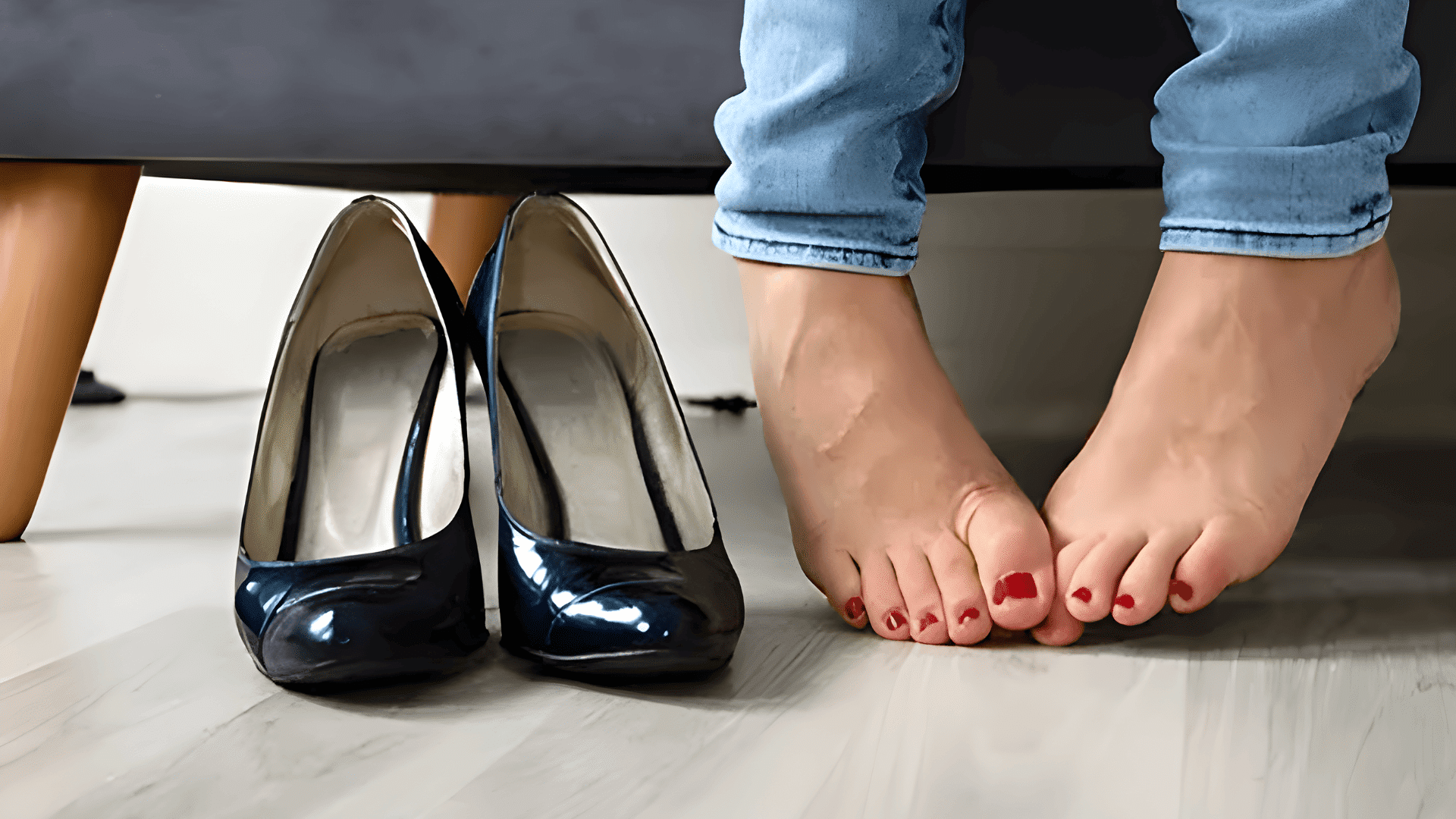
Persistent foot odor or excessive sweating can mean trapped bacteria or clogged pores. A professional pedicure cleans and sanitizes your feet, helping control odor and improve hygiene.
Combined with regular at-home care, it keeps your feet fresh and odor-free.
Regular pedicures, paired with daily moisturizing and gentle exfoliation, ensure your feet always look and feel their best.
Seasonal Considerations for Pedicure Scheduling
Different seasons affect your feet, so adjusting your pedicure schedule helps keep them healthy year-round. In summer, book pedicures every 3–4 weeks since heat, open shoes, and pool exposure dry out skin.
In winter, go every 5–6 weeks to combat dryness from cold weather and indoor heating. During spring and fall, a regular monthly schedule works best to maintain smooth, healthy feet.
Staying consistent with pedicures prevents dryness, cracks, and calluses, ensuring your feet stay comfortable and ready for any season, without the last-minute rush when sandal weather suddenly arrives.
Adapting your routine seasonally keeps your feet soft and beautiful year-round.
Tips to Make Your Pedicure Results Last Longer
Keeping your pedicure looking fresh doesn’t have to be hard. With a few simple habits, you can make your salon results last much longer and keep your feet feeling smooth and healthy.
- Moisturize Daily: Apply a rich foot cream before bed and wear cotton socks overnight for deep hydration.
- Wear Breathable Socks: Choose cotton or moisture-wicking materials to prevent sweating, odor, and fungal growth.
- Protect in Public Areas: Always use flip-flops or shower shoes in gyms, pools, or shared bathrooms to avoid infections.
- Nourish Cuticles: Use cuticle oil a few times a week and gently file nails to prevent snags or splits.
- Exfoliate Weekly: Use a mild scrub or pumice stone once a week to keep heels smooth between appointments.
Even with regular pedicures, what you do at home makes all the difference. A few minutes of daily care will help your feet stay soft, healthy, and beautifully maintained.
Professional vs. At-Home Pedicures
Both professional and at-home pedicures play important roles in foot care. Professional pedicures provide expert cleaning, callus removal, and nail care while letting you relax as a technician handles everything safely.
At-home pedicures are great for maintaining results between salon visits: soak, exfoliate, moisturize, and gently push cuticles.
The best routine combines both: schedule a professional pedicure every 4–6 weeks and do light at-home care weekly. This balance keeps your feet healthy, smooth, and beautiful while extending the results of each salon visit.
Even if you’re unsure how often you need a pedicure, alternating care ensures lasting comfort and freshness.
Wrapping It Up
Regular pedicures are more than a beauty treatment. They’re an investment in your comfort, health, and confidence.
While the general recommendation is to schedule a pedicure every four to six weeks, the right frequency for you depends on your lifestyle, foot condition, and personal needs.
Both men and women benefit from consistent foot care, though individual schedules may vary. Pay attention to what your feet are telling you.
Understanding how often you need pedicures for your specific situation means you can enjoy comfortable, healthy feet all year long.
If you prefer professional salon visits or at-home care, making foot health a priority ensures you’re always ready to step out with confidence.