

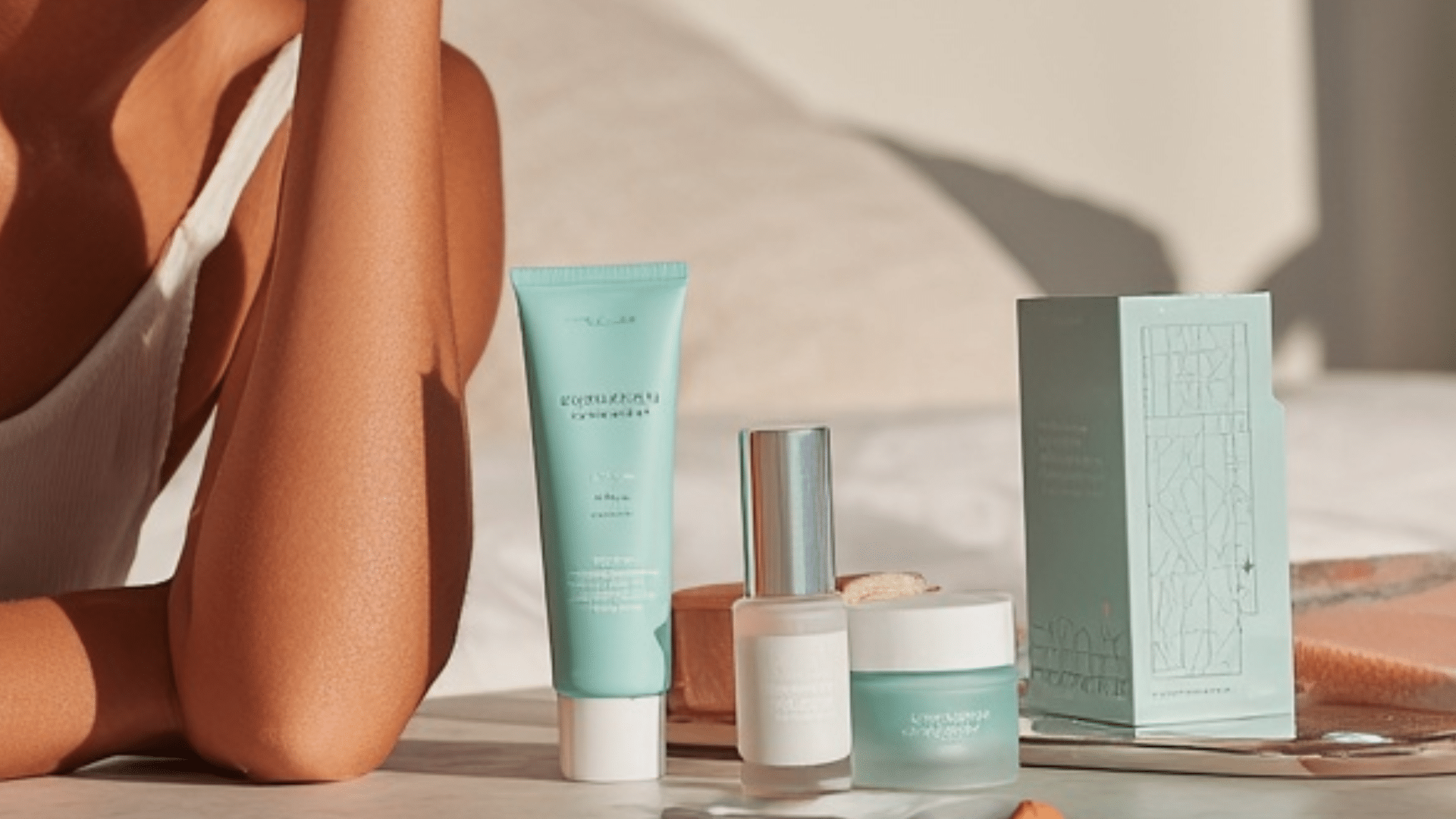

Standing in front of the mirror with both products in hand, it’s common to pause and wonder, “sunscreen or primer first?”
This simple step in a morning routine often causes more confusion than expected, especially for anyone trying to balance smooth makeup with reliable skin care.
Many people find themselves unsure which product to use first, and that hesitation can affect how each one performs throughout the day.
The order matters more than most realize, and understanding how these two essentials interact can shape both comfort and appearance.
Before making a choice, it helps to know what each product actually does and how they work together.
Should You Apply Primer Before or After Sunscreen?
The golden rule is simple: Sunscreen → Wait 2-5 minutes → Primer → Makeup.
Since primer is a makeup product, sunscreen should go on before it. This applies whether you’re using chemical sunscreen (which absorbs into skin) or mineral sunscreen (which sits on top).
Both types need to be applied directly to your skin, not over primer.
Dermatologists recommend applying sunscreen as the last step in your morning skincare routine, but before you begin applying any makeup.
Give your sunscreen a few minutes to set before adding primer. This prevents pilling and ensures your products layer smoothly.
Roles of Sunscreen and Primer
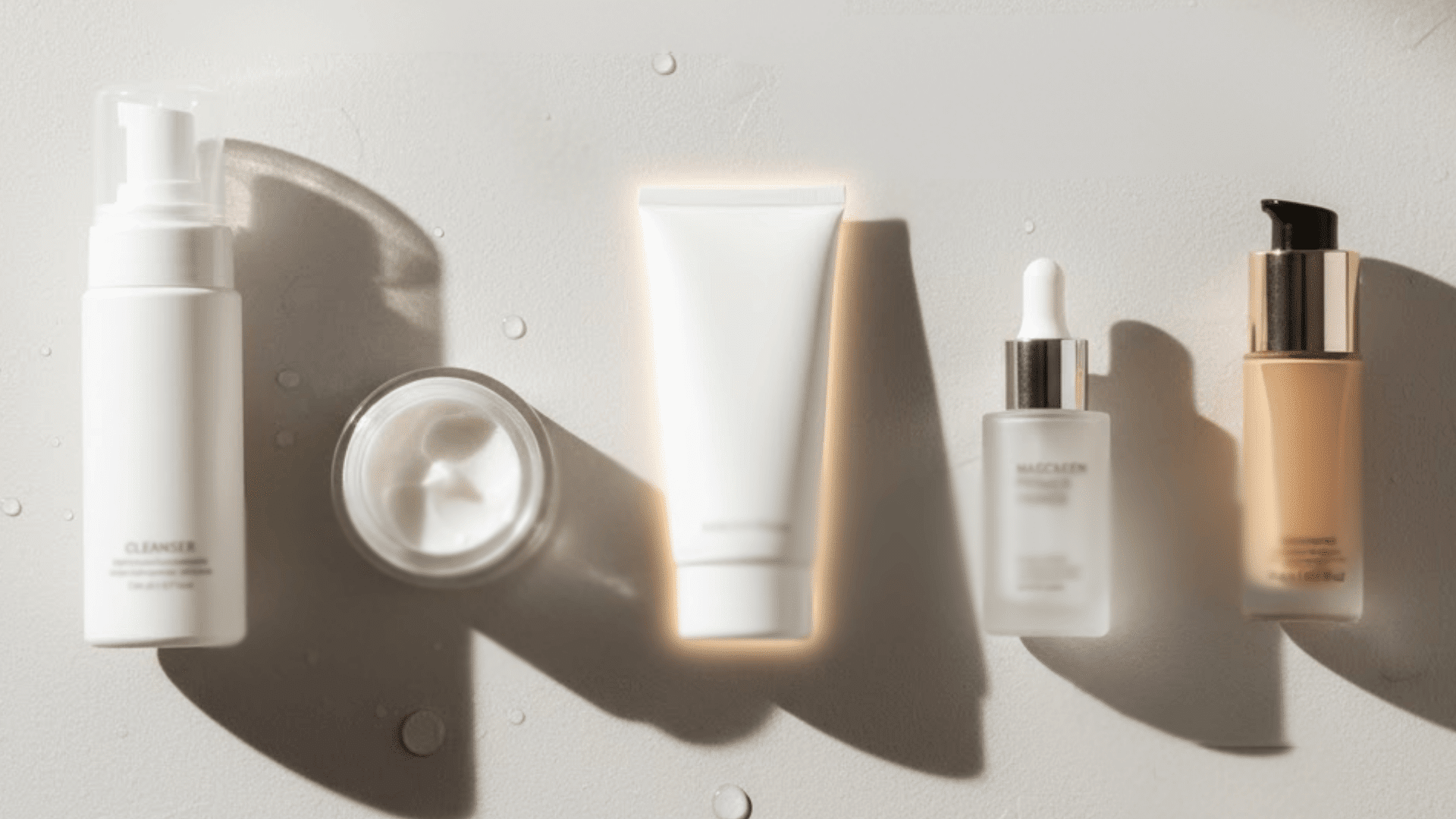
Choosing between sunscreen and primer first can be confusing, and understanding their roles helps create smoother makeup and better daily skin protection.
What Sunscreen Does
Sunscreen protects your skin from UVA and UVB radiation. UVB rays cause sunburn and play a key role in the development of skin cancer, while UVA rays cause skin damage that leads to tanning, aging, and wrinkles.
For sunscreen to work properly, it needs to be evenly applied and fully cover your skin.
There are three main types:
- Chemical sunscreens absorb UV rays and convert them to heat
- Mineral sunscreens (containing zinc oxide or titanium dioxide) sit on skin and reflect UV rays
- Hybrid sunscreens combine both types of protection
All three types should be applied before the primer to maintain their protective properties.
What Primer Does
Primer smooths your skin texture, fills in pores, reduces shine, and helps makeup last longer. It acts as a grip for your foundation and other makeup products.
Some primers blur imperfections, control oil, or add hydration, but they’re always cosmetic enhancers, not skincare treatments.
Because primer is designed to create a smooth base for makeup, it needs to sit on top of your skincare (including sunscreen) to work correctly.
Why the Right Application Order Matters
Sunscreen needs to come into direct contact with your skin to work effectively, creating an even shield against UV rays when applied at the end of your skincare routine.
If primer goes on first, it forms a barrier that prevents sunscreen from bonding properly, weakening its protection.
Sunscreen supports long-term skin health, while primer enhances makeup, and with one in five people in the U.S. developing skin cancer in their lifetime, the order matters.
Daily sunscreen use can lower the risk of squamous cell and melanoma cancers by up to 50%. Reversing the steps can also cause pilling, uneven texture, and shorter makeup wear.
The Ideal Product Layering Order
A well-layered routine helps your skincare work properly and keeps your makeup looking smooth and long-lasting.
Here’s the ideal morning sequence:
- Cleanser – Start with a clean base
- Toner or Essence (optional) – Add if this is part of your routine
- Serum – Apply any treatment serums
- Moisturizer – Hydrate and seal in previous products
- Sunscreen – Your non-negotiable sun protection
- Wait 2-5 minutes – Let sunscreen absorb
- Primer – Prep for makeup
- Foundation/Makeup – Complete your look
Waiting for your moisturizer and sunscreen to fully absorb before applying primer minimizes the chance of your foundation pilling.
This short pause makes a noticeable difference in how smoothly your makeup applies.
For best results, choose textures that work together. If you have oily skin, pair a gel or matte sunscreen with a mattifying primer.
Dry skin types can layer a hydrating sunscreen under a moisturizing primer.
What are SPF Primers and Their Work
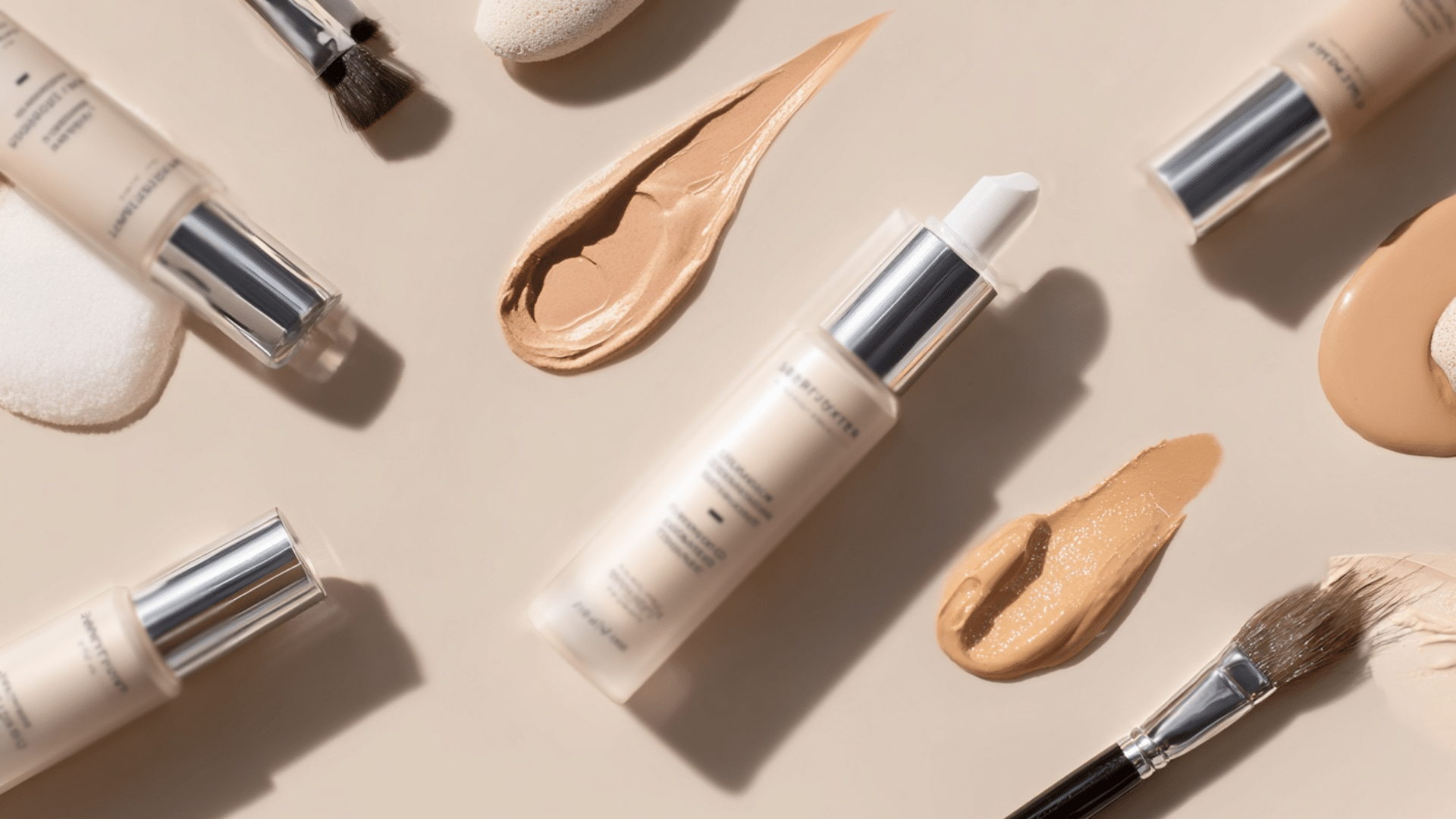
SPF primers are multitasking products that combine the smoothing, pore-blurring, and makeup-gripping benefits of a traditional primer with added sun protection.
They prep your skin for makeup while offering a light layer of UV defense, making them especially appealing for fast or minimal routines.
How they simplify your routine:
- Combine two steps: priming and sun protection, into one
- Reduce layering for a smoother makeup base
- Save time on busy mornings
- Add bonus UV protection when applied over regular sunscreen
Recommended SPF Primers:
- NYX Professional Makeup Blur Screen SPF 30 Primer: Budget-friendly, vegan, cruelty-free option with SPF 30.
- Laura Geller Spackle Skin Perfecting Primer SPF 30: Multi-tasking primer with broad spectrum SPF 30, smoothing and prepping for makeup while protecting.
However, most people don’t apply enough primer to get the full SPF level, so SPF primers work best as an add-on to sunscreen or for quick, low-exposure days, not as your main protection.
Sunscreens That Double as Makeup Primers
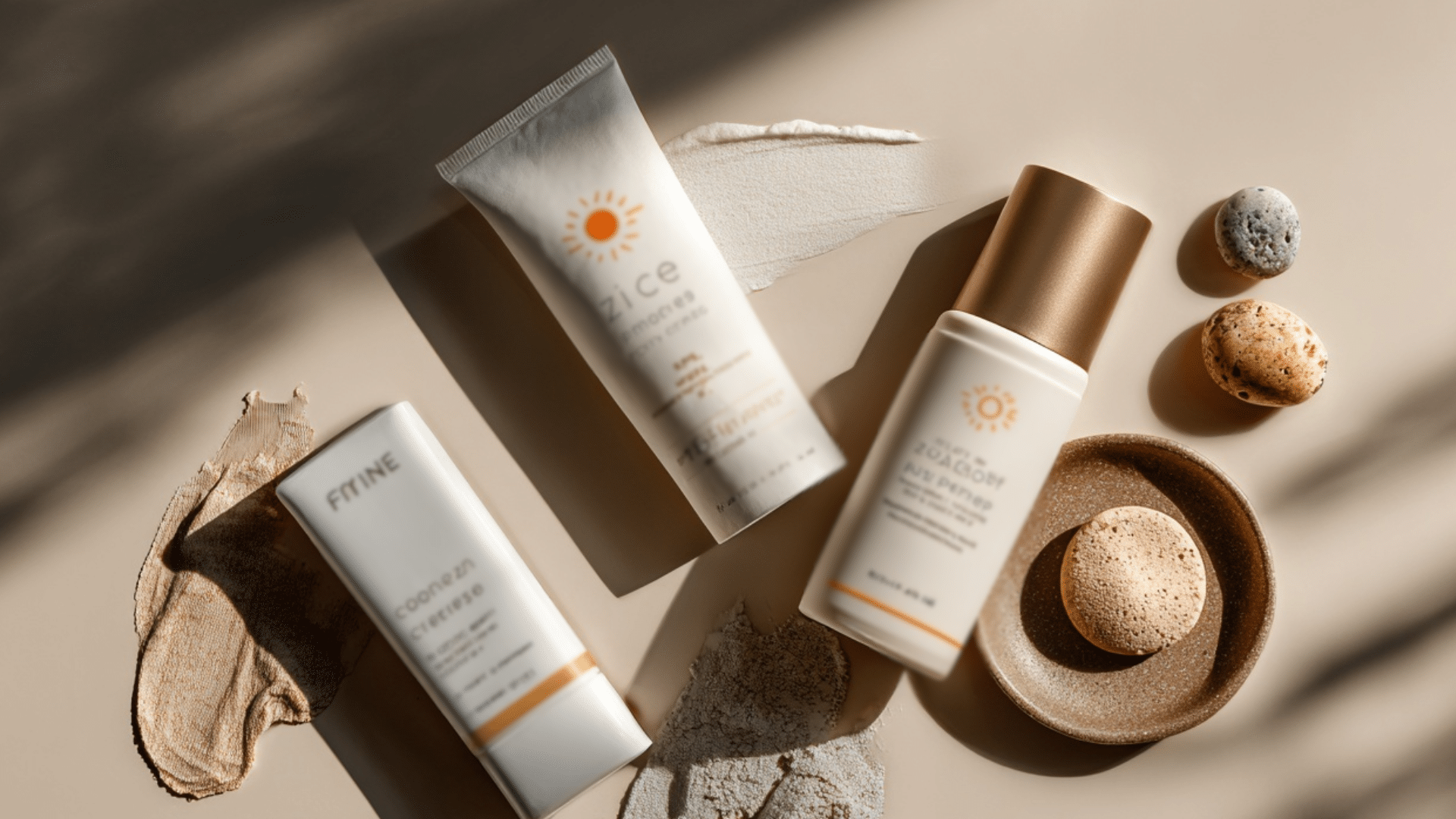
Many modern sunscreens now offer primer-like finishes that blur pores, mattify shine, or create a gripping base for makeup.
These multitasking products help create a smooth, even canvas while providing essential sun protection.
Makeup-Friendly Sunscreen Features:
- Silicone-based formulas that smooth skin texture
- Gel-matte finishes that control shine
- Lightweight Japanese or Korean sunscreens that absorb quickly
- Tinted sunscreens that even out skin tone
Recommended Sunscreens:
- Vacation Inc. Crystal Gel SPF 50: A lightweight gel sunscreen praised by editors for its invisible finish and compatibility with makeup
- EltaMD UV Clear SPF 46: Dermatologist-trusted formula that layers smoothly beneath makeup, great for sensitive or acne-prone skin.
- Supergoop! Unseen Sunscreen SPF 40: Popular makeup-friendly sunscreen with a clear, matte finish that doesn’t interfere with foundation.
If your sunscreen already provides a makeup-ready finish, you can skip primer and apply foundation directly over it.
Tips to Make Sunscreen Work With Your Makeup
Layering sunscreen with makeup can be tricky, but simple techniques can help you avoid pilling, patchiness, and uneven foundation throughout the day.
Follow these strategies to prevent common issues:
- Apply the right amount: Use 2 tablespoons of sunscreen, or roughly a shot glass, for your face and exposed skin. Under-applying weakens protection.
- Let sunscreen set completely: Wait 2–3 minutes before applying primer or foundation so the sunscreen can fully bond with your skin.
- Choose compatible formulas: Avoid pairing silicone-based products with water-based ones, as they may separate. Check product labels to ensure smooth layering.
- Pat, don’t rub: Tap primer over sunscreen gently to avoid disrupting the protective layer underneath.
- Reapply throughout the day: Refresh every two hours, especially outdoors. Use SPF setting sprays or powders for touch-ups over makeup.
- Never mix sunscreen and primer: Blending them reduces SPF strength—always apply each as its own layer.
With the right techniques, sunscreen becomes makeup-friendly, helping your foundation sit flawlessly while keeping your skin protected every single day.
Final Thoughts
The rule is straightforward: sunscreen first, primer second. This order ensures your skin receives full UV protection while creating the ideal base for smooth, long-lasting makeup.
Dermatologists recommend choosing a sunscreen with at least SPF 30, which can block around 97% of UVB rays and help prevent long-term skin damage.
If you prefer using a separate sunscreen and primer or a multitasking product, consistency is what matters most.
Make daily sun protection a habit, and your skin will benefit both now and in the future.
Frequently Asked Questions
Does Sunscreen Affect Makeup Longevity?
Properly applied sunscreen helps makeup last longer by creating a smooth, hydrated base underneath foundation.
Can I Apply Makeup Immediately After Sunscreen?
Waiting briefly improves texture; applying makeup instantly may cause slipping, streaking, or uneven product blending.
Should I Use a Different Sunscreen for Makeup Days?
Lightweight, fast-absorbing sunscreens work best under makeup, preventing heaviness and minimizing the risk of pilling.
Can Sunscreen Replace My Moisturizer Before Makeup?
Hydrating sunscreens can replace moisturizer if they provide enough moisture for your skin’s needs.