


Dark circles, fine lines, and hollow areas under the eyes can make you look tired and older than you feel.
If you’ve tried countless creams and treatments without success, you might want to learn about PRP under-eye treatment.
This regenerative therapy uses your body’s own healing properties to refresh and restore the skin beneath your eyes.
Unlike temporary solutions that sit on the skin’s surface, PRP works from within to trigger natural healing and rejuvenation.
The treatment has gained popularity among those seeking natural alternatives to surgery or synthetic fillers. Best of all, because it uses your own blood plasma, it offers a safe, biocompatible approach to under-eye rejuvenation.
What Is PRP Under Eye Treatment?
PRP stands for Platelet-Rich Plasma, a concentration of platelets derived from your own blood.
When used for under-eye PRP treatments, this golden-colored liquid contains growth factors that stimulate collagen production, improve skin texture, and reduce common signs of aging around the eyes.
The treatment involves drawing a small amount of your blood, processing it in a centrifuge to separate the plasma rich in platelets, then injecting this concentrated solution into the under-eye area.
Because it uses your own biological material, PRP carries minimal risk of allergic reactions or rejection.
How Does Under-Eye PRP Work?
The skin under your eyes is exceptionally thin, about 0.5 millimeters, compared to 2 millimeters on most of your face.
This area shows signs of aging earlier than other facial regions because it has fewer oil glands and collagen fibers.
PRP under-eye treatment addresses these concerns through natural regeneration. Platelets contain over 30 different growth factors that trigger your body’s healing response.
When injected beneath the eyes, these growth factors:
- Stimulate fibroblasts to produce new collagen and elastin
- Improve blood circulation in the treatment area
- Thicken the skin gradually over several weeks
- Reduce pigmentation by promoting healthy cell turnover
- Minimize fine lines and wrinkles through tissue regeneration
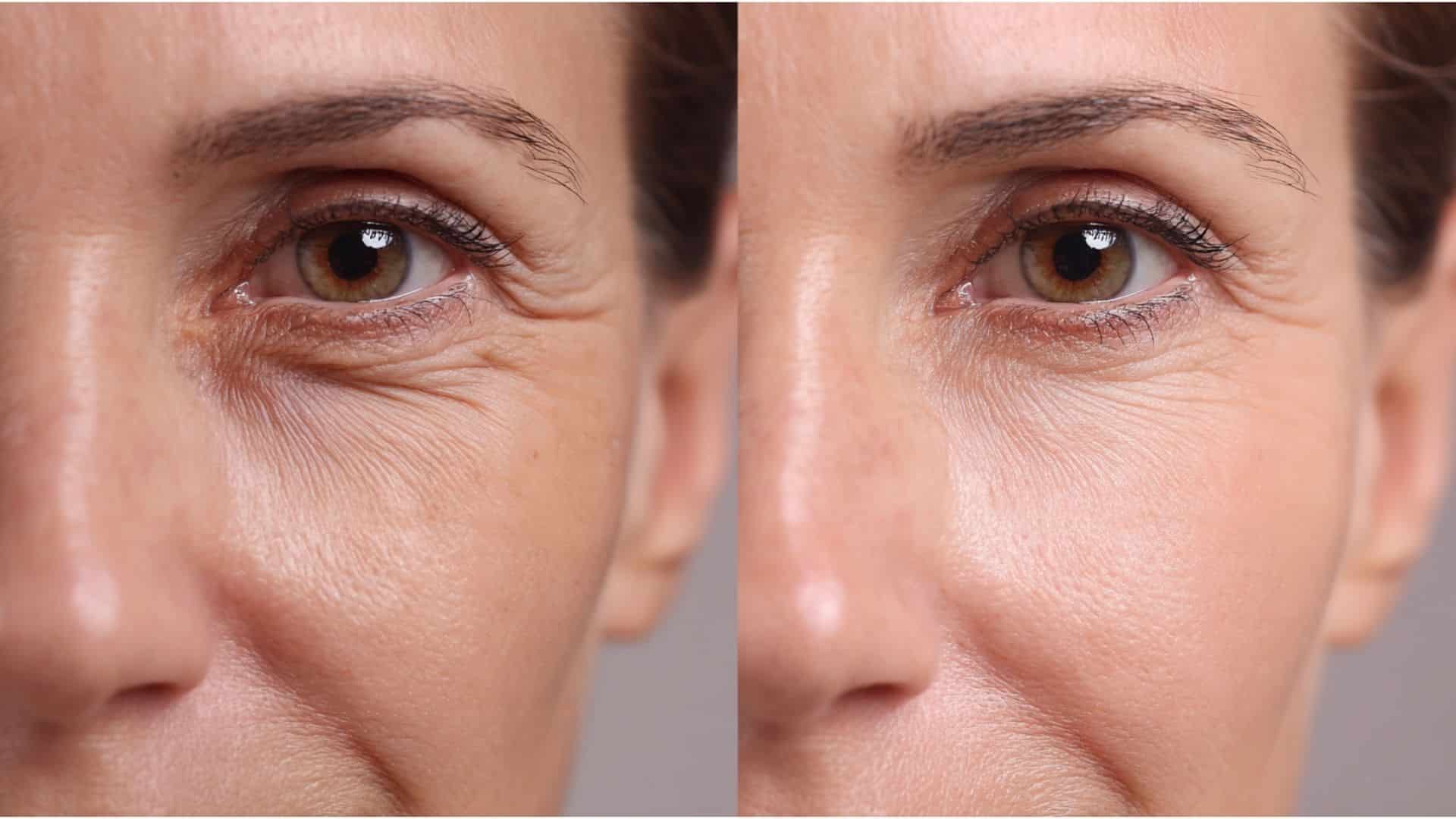
The results develop progressively as your body responds to the growth factors, with most people noticing improvements within four to six weeks after treatment.
Common Under-Eye Concerns That PRP Addresses
PRP under-eye treatment can help with several aesthetic issues that affect the lower eyelid area:
1. Dark Circles
Under-eye PRP can reduce the appearance of dark circles, especially those caused by thin skin that reveals underlying blood vessels.
The treatment thickens the skin and improves circulation, making darkness less visible.
2. Fine Lines and Wrinkles
The skin under your eyes develops lines from repeated facial expressions, sun exposure, and natural aging.
PRP stimulates collagen production to smooth these lines and prevent new ones from forming.
3. Hollowing and Volume Loss
As we age, fat pads under the eyes can shift or shrink, creating a hollow or sunken appearance.
While PRP doesn’t add volume like fillers do, it can improve skin quality and thickness in these areas.
4. Crepey Texture
Thin, crepey skin under the eyes responds well to PRP under-eye treatment because the growth factors encourage skin thickening and improved elasticity.
Over time, the skin becomes smoother and firmer. Patients often notice that the area looks healthier and more refreshed after a few treatment sessions.
5. Mild Under-Eye Bags
For bags caused by skin laxity rather than fat accumulation, PRP can help tighten the area slightly through collagen remodeling. As new collagen forms, the skin becomes tighter and more toned.
This gradual improvement helps reduce the appearance of mild puffiness. However, severe bags with excess fat may require other treatment options for the best results.
The PRP Under Eye Treatment Process
Understanding what happens during a PRP under-eye treatment helps you prepare and know what to expect.
- Consultation: Your provider will examine your under-eye area, discuss your concerns, and determine if you’re a good candidate for the procedure. They’ll review your medical history and any medications you take.
- Blood Draw: A small amount of blood is drawn from your arm, similar to a routine blood test. The amount needed is typically between 10 to 20 milliliters.
- PRP Preparation: Your blood is placed in a centrifuge that spins at high speed for about 10 to 15 minutes. This process separates the plasma, which contains concentrated platelets, from red and white blood cells.
- Numbing: Because the under-eye area is sensitive, your provider will apply a topical numbing cream about 20 to 30 minutes before injection. Some practitioners also use ice to minimize discomfort.
- Injection: Using a very fine needle, your provider carefully injects small amounts of PRP into multiple points around each eye. The entire injection process usually takes 10 to 15 minutes.
- Recovery: After treatment, you can expect some swelling, redness, and possibly minor bruising. These effects typically resolve within a few days.
Cost of PRP Under Eye Treatment
PRP under-eye treatment usually costs between $500 and $1,500 per session. The price depends on where you live, your doctor’s experience, and the clinic you choose.
Doctors in big cities and those with more experience usually charge more. Most people need two to three treatments at first, with each one about four to six weeks apart.
After that, you’ll likely want maintenance treatments every six to twelve months to keep your results looking fresh. Keep in mind that insurance won’t cover PRP since it’s a cosmetic treatment.
When you meet with your provider, ask if they offer package deals for multiple sessions, as buying several treatments together often costs less.
What Makes a Good Candidate for PRP Under-Eyes?
Most adults who want to address under-eye aging signs can consider PRP under-eye treatment. Ideal candidates include people who:
- Have mild to moderate dark circles, fine lines, or crepey skin
- Prefer natural treatments using their own biological material
- Want gradual, subtle improvements without downtime
- Have realistic expectations about the results
- They are generally in good health
However, PRP may not be suitable if you have certain blood disorders, active infections, skin conditions in the treatment area, or if you’re pregnant or nursing. Always discuss your complete medical history with your provider.
PRP Under Eye Treatment vs. Other Options
When you’re thinking about fixing under-eye problems, it’s helpful to understand how different options compare. Each treatment addresses specific issues, and the best choice depends on your individual needs and goals.
Below is a comparison of the most popular under-eye rejuvenation methods.
| Treatment | Best For | Key Differences |
| PRP Under Eyes | Skin quality, fine lines, and dark circles | Uses your own plasma to regenerate skin |
| Hyaluronic Filler | Deep hollows and volume loss | Adds volume but doesn’t improve skin health |
| Laser / Microneedling | Pigmentation and texture | Uses energy or microneedles to resurface skin |
| Topical Creams | Mild circles, prevention | Least invasive but least effective |
Potential Side Effects and Considerations
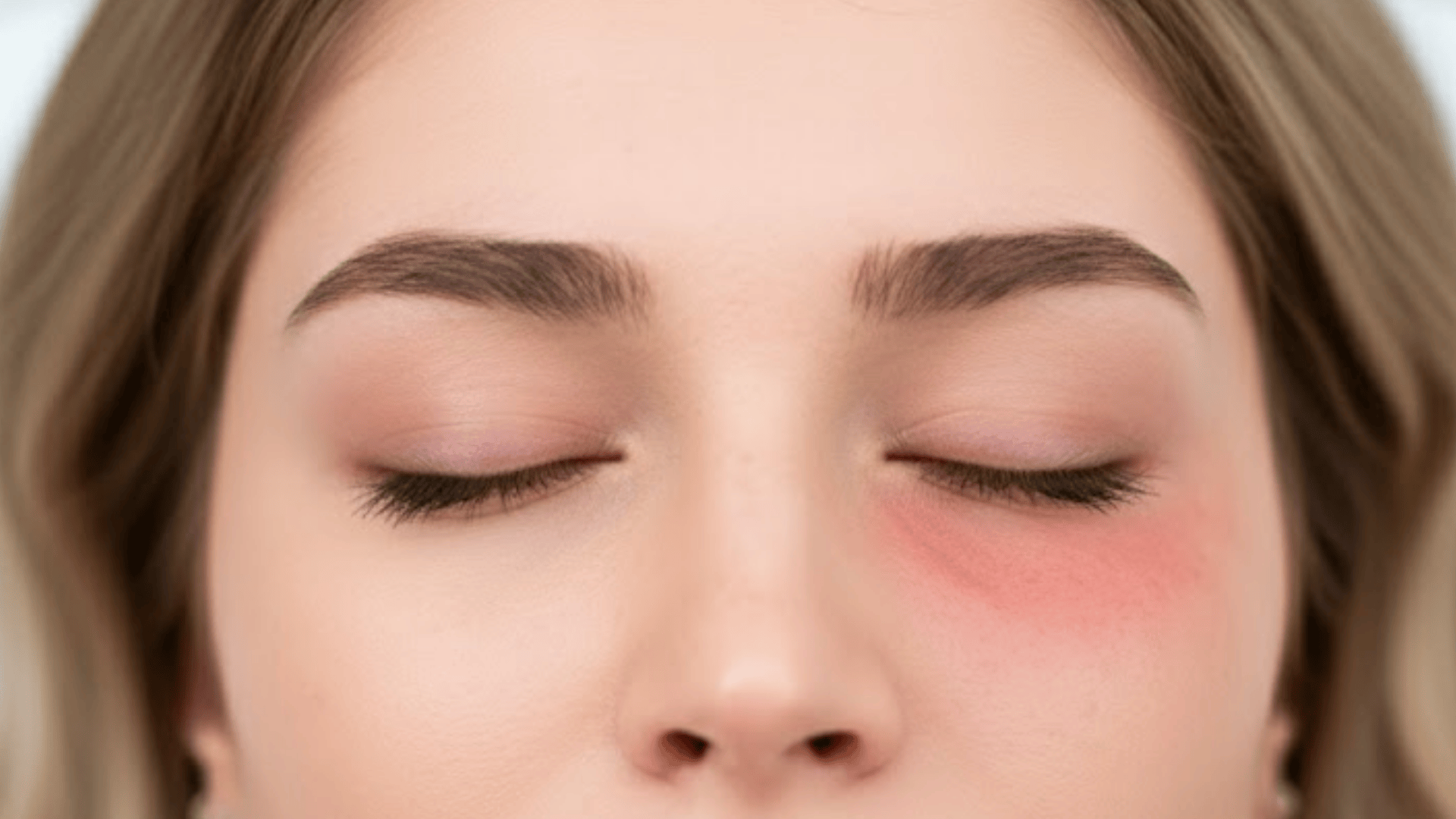
While PRP under-eye treatment is generally safe, being aware of potential side effects helps you make an informed decision:
- Common reactions include temporary swelling, bruising, redness, and tenderness at injection sites. These typically resolve within three to seven days.
- Rare complications might include infection, though this is uncommon because PRP uses your own blood. Some people experience temporary lumps or asymmetry that usually resolve as swelling decreases.
- Treatment discomfort is minimal due to the numbing effect, although you may feel pressure or slight pinching during the injections.
Maximizing Your PRP Under Eye Results
Following these guidelines can help optimize your under-eye PRP treatment outcomes:
- Before treatment, avoid blood-thinning medications and supplements, such as aspirin, ibuprofen, vitamin E, and fish oil, for at least one week if your doctor approves. Stay well-hydrated and get adequate sleep.
- After treatment, sleep with your head elevated for the first few nights to minimize swelling. Apply cold compresses gently to reduce inflammation. Avoid intense exercise, alcohol, and excessive sun exposure for at least 24 to 48 hours.
- Maintain healthy habits, including adequate hydration, quality sleep, sun protection, and a balanced diet rich in vitamins and antioxidants to support collagen production.
Is PRP Under Eye Treatment Right for You?
PRP under-eyes is one of today’s most natural and effective ways to refresh tired eyes without surgery or synthetic fillers.
By using your body’s own platelets, this treatment gradually rebuilds collagen, brightens the skin, and reduces fine lines for a fresher, more youthful look.
If you’re considering under-eye PRP, schedule a consultation with a licensed medical provider in your area to discuss your goals, skin type, and treatment plan.
With the right care, you’ll be well on your way to eyes that look more awake, rested, and radiant.