


If you’ve ever browsed a skincare aisle, you’ve probably noticed toners sitting between cleansers and moisturizers. But what does toner do for your face, exactly?
The quick answer: toner is a water-based liquid you apply right after cleansing. It helps sweep away leftover dirt and impurities, adds a boost of hydration, and preps your skin to absorb the products that follow.
New to skincare or looking to level up your routine, understanding toners can make a real difference.
We’ll cover what toners are, their key benefits, how to use them properly, and how to choose the perfect one for your skin type. Let’s get into it!
What Is a Face Toner?
A face toner is a water-based liquid you apply right after washing your face. It acts as a bridge between cleansing and moisturizing, giving your skin extra care before serums or creams.
You might have heard that toners are harsh. That was true years ago. Old-school astringents were loaded with alcohol and left skin feeling stripped and tight.
But modern toners are entirely different. Today’s formulas focus on hydrating, soothing, and nourishing. You’ll find gentle ingredients like aloe and hyaluronic acid instead.
So if you had a bad experience with toners before, it’s worth giving them another try.
What Are the Benefits of Toner?

So, what does toner do for your face? It actually does a lot more than you might think. Let’s look at the main benefits.
1. Removes Leftover Residue After Cleansing
Even after washing your face, some residue gets left behind. This includes traces of makeup, dirt, oil, and even your cleanser itself. A toner sweeps away these leftover impurities.
It gives your skin a clean base for the rest of your routine. After toner, your serum and moisturizer can be applied more smoothly, especially if the toner adds hydration.
2. Adds Hydration and Reduces Tightness
Many toners are packed with hydrating ingredients like hyaluronic acid, glycerin, and aloe vera. When you apply a hydrating toner, it delivers an instant layer of moisture to your skin.
This is especially helpful if your face feels tight or uncomfortable after cleansing. A good toner calms that dry, stretched feeling right away.
It plumps up your skin and leaves it feeling soft and refreshed. Hydrated skin also looks healthier, dewier, and more radiant overall.
3. Soothes Skin and Supports the Skin Barrier
Your skin has a protective layer called the skin barrier. It keeps moisture locked in and irritants out. When this barrier is damaged, your skin can become sensitive, red, or easily irritated.
Some toners are specifically designed to soothe and strengthen this barrier. They contain calming ingredients like centella asiatica, niacinamide, or oat extract.
These formulas help your skin stay resilient and healthy over time. They’re especially beneficial for anyone dealing with sensitive or reactive skin.
4. Helps Control Oil and Shine
If you struggle with oily skin, toner can become your best friend. Certain toners are explicitly formulated to manage excess oil production.
They help mattify your skin and reduce unwanted shine throughout the day. These formulas often contain ingredients like niacinamide, green tea, or salicylic acid.
They work to keep your pores clear and your complexion balanced. Just be careful not to over-strip your skin, as that can actually trigger more oil production.
5. Gently Exfoliates (AHA/BHA/PHA Toners)
Some toners contain gentle acids that exfoliate your skin. These include AHAs like glycolic and lactic acid, BHAs like salicylic acid, and PHAs like gluconolactone.
Exfoliating toners help dissolve and remove dead skin cells from the surface. This smooths your texture, fades dark spots, and reveals a brighter, more radiant glow.
They’re an excellent option for gentle exfoliation without harsh physical scrubs. If you use acid toners, wear sunscreen daily, and limit direct sun exposure.
Does Toner Shrink Pores or Balance pH?
Let’s bust a common toner myth: pores don’t open and close like doors, and no product can shrink them forever. But toner can make pores look smaller by reducing extra oil and smoothing texture.
You may also hear that toner ‘balances pH.’ This mattered more with harsh, old-style cleansers.
Many modern cleansers are gentler than older soaps, so toner isn’t always needed for pH, but it can still help with hydration and other goals.
That said, toners still deliver plenty of other valuable benefits worth adding to your routine.
How to Choose the Best Toner (By Skin Type)
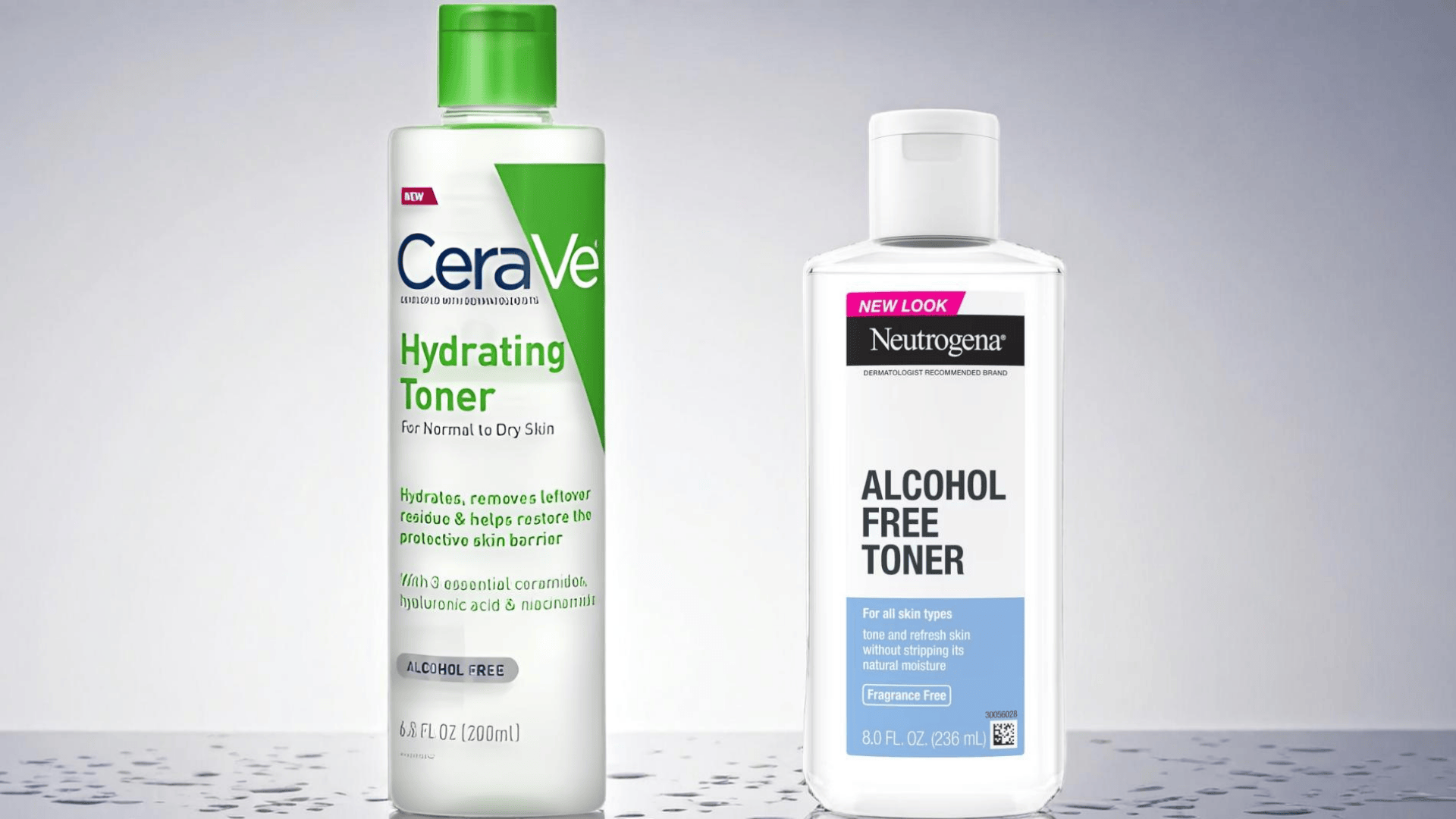
Choosing the right toner starts with understanding your skin type and goals. Different toners serve different purposes, so matching them to your needs is key.
1. Hydrating Toners (Best for Dry Skin)
These toners focus on adding moisture to your skin. They’re lightweight, refreshing, and perfect for dehydrated skin. Look for ingredients like hyaluronic acid, glycerin, and aloe.
Hydrating toners plump up your skin and create a smooth base for the rest of your skincare routine.
Recommendation:CeraVe Hydrating Toner
2. Exfoliating/Acid Toners (Best for Dull or Textured Skin)
These toners contain acids that gently remove dead skin cells. AHAs work on the skin’s surface for brightness. BHAs go deeper into pores to clear congestion.
PHAs are the gentlest option for sensitive skin. They help with texture, dullness, and clogged pores.
Recommendation:The Ordinary Glycolic Acid 7% Exfoliating Toner
3. Clarifying Toners (Best for Oily or Acne-Prone Skin)
Clarifying toners are designed for oily or acne-prone skin. They help control excess oil and keep pores clear throughout the day.
Many contain ingredients like salicylic acid or witch hazel. Use them carefully and avoid overuse to prevent drying out or irritating your skin.
Recommendation:Clean & Clear Essentials Oil-Free Acne Toner, Salicylic Acid
4. Soothing/Barrier Toners (Best for Sensitive Skin)
These toners calm and protect the skin. They’re ideal for sensitive, irritated, or compromised skin. Look for ingredients like centella, oat extract, or ceramides.
Soothing toners help strengthen your skin barrier, reduce redness, and keep your complexion balanced and comfortable all day.
Recommendation: SKIN1004 Madagascar Centella Toning Toner
5. For Combination Skin
You might need to mix it up. Use a hydrating toner on dry areas and a clarifying one on oily zones, or find a balanced formula that addresses both concerns.
Once you identify your skin type, picking the right toner becomes much easier. Start with one and adjust as your skin’s needs change.
Recommendation:Glow Recipe Watermelon Glow PHA + BHA Pore-Tight Toner
What Ingredients Should You Look for in Toners?
Choosing a toner is easier when you know what ingredients to look for. For hydration, pick toners with glycerin, hyaluronic acid, panthenol, aloe, or beta-glucan.
These draw water into the skin and lock in moisture. For soothing and barrier support, look for centella asiatica, allantoin, ceramides, colloidal oatmeal, or niacinamide.
If you need oil control or have acne-prone skin, salicylic acid, niacinamide, green tea, and zinc PCA work well. For gentle exfoliation and glow, try lactic acid, glycolic acid, or gluconolactone.
Be cautious with high alcohol content and heavy fragrance, as these can dry out or irritate your skin, especially if it’s sensitive.
Is Toner Necessary?
Toner isn’t necessary for everyone. If your routine already works, a simple cleanser, moisturizer, and sunscreen is enough for many people.
Toner can still be helpful if you want extra benefits like hydration, soothing care, gentle exfoliation, oil control, or smoother application of serums and creams.
However, some people should be careful. If you have very sensitive skin, rosacea, eczema, or a damaged skin barrier, avoid strong acid toners and alcohol-heavy formulas.
Start with a gentle, fragrance-free hydrating toner if you want to try one. If you feel stinging, burning, redness, or flaking, stop using it and switch to a milder option or skip toner.
Use Toner in Your Skincare Routine (Step-by-Step)
Using toner is simple once you know the correct order. Follow these steps to fit it into your routine:
- Cleanse. Start by washing your face with a gentle cleanser to remove dirt, oil, and makeup.
- Apply toner. Pour a small amount onto your palms or a cotton pad and gently pat or sweep it across your face.
- Apply serum. Follow with your serum to target specific skin concerns.
- Moisturize. Lock everything in with a moisturizer suited to your skin type.
- Sunscreen (AM only). In the morning, always finish with sunscreen to protect your skin.
Apply toner with your hands by patting gently, or use a cotton pad to sweep away residue. For extra hydration, layer two to three thin coats. Always wear sunscreen when using acid toners.
How Often Should You Use Face Toner?

How often you use toner depends on the type. Hydrating toners are usually fine to use daily, morning and night. Exfoliating acid toners should be introduced slowly.
Start with 2 nights a week for 2 to 3 weeks, then increase to 3 nights if your skin stays comfortable. Avoid using acid toners on the same night as retinol at first.
Clarifying toners vary by formula, so do not overuse them, or you may strip your skin. Watch for stinging, tightness, redness, or flaking and cut back if needed.
Common mistakes include over-exfoliating, using harsh alcohol-heavy toners, stacking too many actives, skipping moisturizer, and forgetting sunscreen, which is essential when using acids.
Conclusion
Toner is an optional skincare step, but it can be a helpful add-on if you want extra hydration, a calmer feel, or a smoother routine.
The best results come from picking a toner that matches your skin type and keeping things simple, especially if you use active ingredients.
Start slowly, watch how your skin reacts, and adjust the frequency if you notice dryness or irritation. When used the right way, toner can fit easily into your routine without making it complicated.
Want help choosing the right one? Check out our top toner picks for dry, oily, acne-prone, and sensitive skin, and find a formula that works well for you.