


I used to stand in front of my bathroom mirror every morning, holding a toner in one hand and a serum in the other, completely confused about which one to use first.
If you’ve ever felt the same way, you’re not alone. The question “toner or serum first?” is one of the most common skincare questions.
The order you apply your products really does matter for absorption and results. When you layer correctly, your skin can better absorb the good ingredients.
Today, I’m going to walk you through everything you need to know about using toner and serum in the right order.
I’ll explain the science behind it, share practical routines, and help you finally feel confident about your skincare steps.
What Is a Toner?
A toner is a liquid skincare product that you apply right after washing your face. Modern toners are not like the harsh, alcohol-based ones from years ago.
Today’s toners are designed to hydrate your skin, balance its pH, and prepare it to absorb the products that follow.
The main job of a toner is to prep your skin. Think of it as setting up a clean, damp surface that helps everything else sink in better.
Toners can also remove any leftover impurities after cleansing and boost your skin’s ability to absorb the treatments that follow.
How to Apply Toner
After cleansing, dispense a small amount of toner onto your palms or a cotton pad. Gently press or sweep it across your face and neck, avoiding harsh rubbing.
Allow it to lightly absorb, but keep the skin slightly damp. This hydrated base helps serums penetrate more effectively and prepares your skin for the next steps in your routine.
What Is a Serum?
A serum is a concentrated skincare treatment that targets specific skin concerns. Serums are packed with active ingredients that address issues like dryness, dark spots, wrinkles, and dullness.
They’re more powerful than regular moisturizers because they contain higher amounts of helpful ingredients.
Serums usually have a thicker texture than toners. They might feel like a gel or a slightly thick liquid, but they’re still lighter than moisturizers.
The key thing to know is that serums deliver concentrated treatments directly to your skin.
How to Apply Serum
Apply your serum while your skin is still slightly damp from toner for better absorption. Use 2–3 drops, then gently press them into your face and neck with your fingertips. Focus on areas with specific concerns.
Give it a minute to sink in fully before sealing everything with a moisturizer to lock in hydration and benefits.
Toner vs Serum: Key Differences You Should Know
Understanding the differences between toners and serums can help you remember why the order matters so much.
| Aspect | Toner | Serum |
|---|---|---|
| Texture | Water-like, very lightweight | Slightly thicker, gel or liquid |
| Purpose | Prep, hydrate, balance | Treatment and targeted repair |
| When to Use | After cleansing | After toner, before moisturizer |
| Product Strength | Mild, gentle | High concentration of actives |
| Absorption Role | Opens pathway | Delivers active results |
As you can see, toners and serums have different jobs in your routine. Toners are the prep team, getting your skin ready. Serums are the treatment team that fixes specific problems. They work together, but they need to be used in the right order to do their jobs well.
Toner or Serum First? What’s the Correct Order?
Let’s get straight to the answer: You should apply toner first, then serum second.
This order follows the “thin-to-thick” rule in skincare. Since toners are watery and serums are slightly thicker, toner comes first.
When you apply toner, it removes any remaining impurities and adds hydration, making your skin slightly damp. This damp surface helps serums penetrate deeper and work more effectively.
The toner opens up a pathway, and the serum delivers powerful active ingredients right where they need to go for better results.
How to Layer Toner and Serum Correctly
Now let’s talk about the exact steps you should follow. This routine works for both morning and evening, though you might use different products at different times of day.
Step-by-Step Application:
- Cleanser – Start with a clean face. Use a gentle cleanser and rinse well with lukewarm water.
- Toner – Pour a few drops of toner onto your hands or a cotton pad. Gently press it into your skin, covering your whole face and neck. Don’t rub hard, just pat it in softly.
- Serum – While your skin is still slightly damp from the toner, apply 2–3 drops of your serum. Use your fingertips to gently spread it across your face. You can use more than one serum if needed, but start with the thinnest one first.
- Moisturizer – After your serum has absorbed for a minute or two, apply your moisturizer. This seals everything in and adds an extra layer of hydration.
- SPF (AM only) – If it’s morning, finish with sunscreen. This is your final and most important step to protect your skin from sun damage.
Pro Tip: Apply your serum on damp skin from toner, not dry skin. When your skin is slightly moist, it acts like a sponge and helps pull active ingredients deeper for better results.
Why This Order Specifically? The Science Behind It
Understanding why toner comes before serum helps your skincare work better.
Toner cleans away any leftover dirt or oil after washing your face, creating a fresh surface so serum can soak in properly instead of sitting on top.
Toner also adds water to your skin, making it work like a sponge that soaks up the serum more easily. When your skin is damp and hydrated, serums work their best.
Using toner first helps those helpful serum ingredients like vitamin C and hyaluronic acid work better, so your skin gets the full benefits.
Day-to-Night Layering: Two Perfect Routines
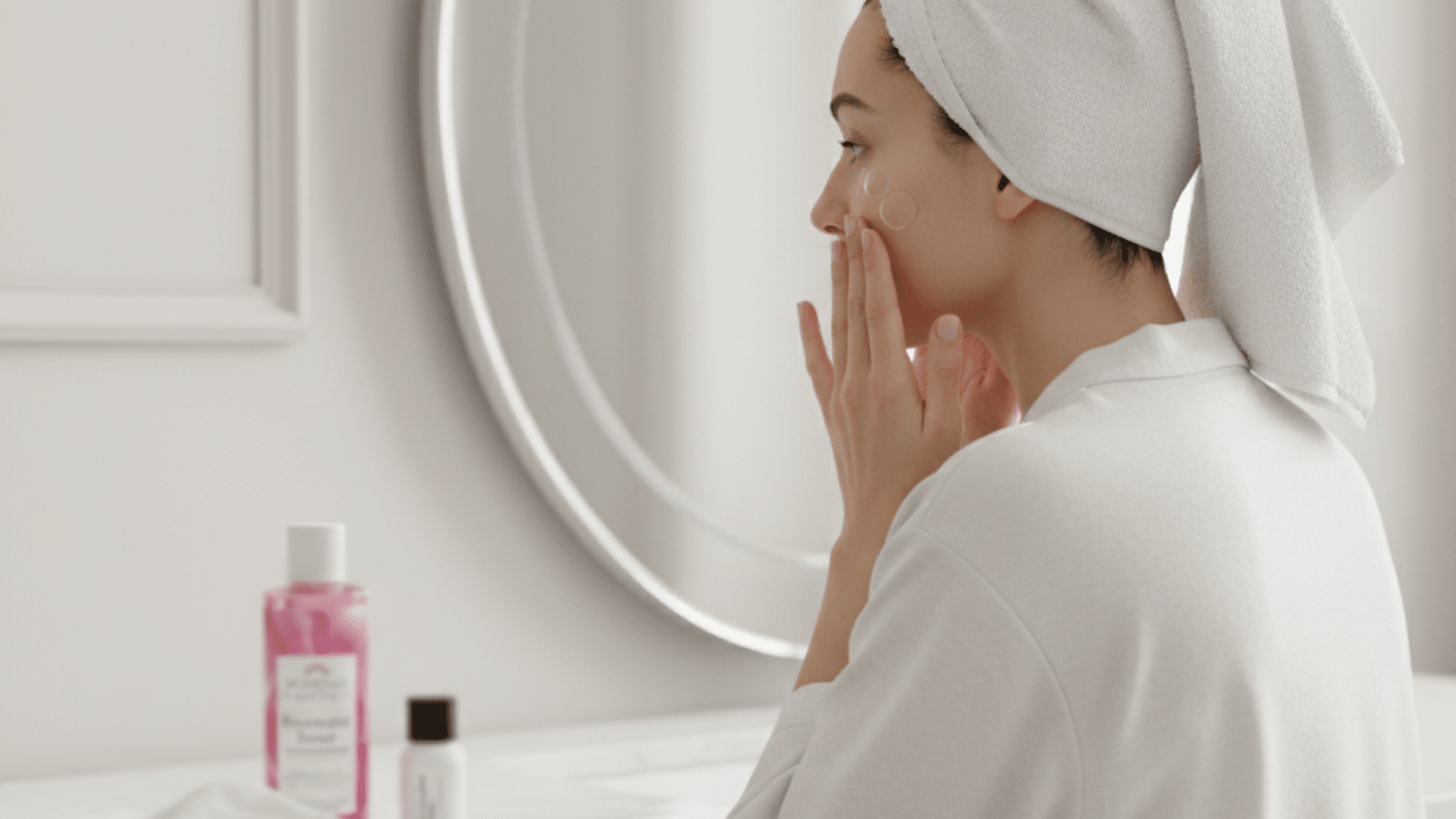
Having a clear routine for morning and night can make skincare so much easier. Here are two examples you can follow or adjust as needed.
Morning Routine (With Vitamin C)
Start your day with a routine that helps protect your skin from environmental damage. This AM lineup combines antioxidants and hydration for healthy, glowing skin.
- Cleanser – Wash away overnight oils and prepare fresh skin.
- Toner (optional but helpful for extra hydration) – Balances pH and preps for better absorption.
- Vitamin C serum – Brightens skin and protects against free radical damage.
- Hyaluronic acid serum – Locks in moisture and keeps skin plump all day.
- Niacinamide serum – Controls oil, minimizes pores, and evens skin tone.
- Moisturizer – Seals in all the active ingredients and adds hydration.
- SPF – Protects from UV damage and prevents premature aging.
This routine gives you a glowing, protected complexion that lasts all day.
Evening Routine (Hydration & Repair)
Your skin does most of its healing and repair work at night. This evening routine supports that natural process with deep hydration and barrier repair.
- Cleanser – Removes dirt, oil, and makeup for a clean base.
- Toner – Hydrates and gently removes dead skin cells.
- Hyaluronic acid serum – Delivers deep hydration while you sleep.
- Niacinamide serum – Repairs skin barrier and calms any irritation.
- Moisturizer – Locks in moisture and supports overnight skin repair.
Follow this routine consistently, and you’ll wake up with softer, more refreshed skin every morning.
Common Myths About Layering Toner & Serum
There’s a lot of confusing information out there about skincare. Let’s clear up some common myths.
| Myth | Fact |
|---|---|
| Order doesn’t matter as long as you use the products. | Order absolutely matters. Apply products from thinnest to thickest for proper absorption. Otherwise, thicker products block lighter ones from penetrating your skin. |
| Serums are too strong for daily use. | Most serums are designed for daily use when layered correctly. Just avoid mixing too many strong actives at once and start slowly if you’re a beginner. |
| You can’t mix niacinamide with vitamin C. | This outdated advice no longer applies. The modern formulas for both ingredients are stable and work well together in the same routine. |
| Hyaluronic acid exfoliates your skin. | Hyaluronic acid hydrates; it doesn’t exfoliate. It attracts and holds water to plump skin, unlike AHAs or BHAs that remove dead cells. |
Don’t let these myths hold you back from building an effective skincare routine. Understanding the truth helps you make better choices for your skin.
When NOT to Use Toner
While toner is helpful for most people, there are times when skipping it is the better choice. If you have sensitive skin or a compromised skin barrier, toner might cause more irritation than benefit.
Signs of a damaged barrier include redness, stinging, flaking, or extreme dryness. In these cases, focus on gentle, healing products until your skin recovers.
You should also skip toner if you’re already using strong active ingredients like retinoids or AHAs. These powerful treatments can make your skin more sensitive, and adding a toner might be too much for it to handle.
If you notice any burning, peeling, or discomfort, give your skin a break from toner and stick to simple cleansing, moisturizing, and sun protection instead.
How to Choose the Right Toner and Serum for Your Skin Type
Picking the right products for your skin type makes a huge difference in your results.
| Skin Type | Toner | Serum |
|---|---|---|
| Oily or Acne-Prone | Salicylic acid or witch hazel to control oil | Niacinamide or tea tree oil to reduce breakouts |
| Dry or Dehydrated | Hyaluronic acid or glycerin for moisture | Hyaluronic acid or ceramides to lock in hydration |
| Sensitive | Gentle, fragrance-free with centella or chamomile | Panthenol or aloe vera to calm redness |
| Combination | Balancing toner with light hydration | Niacinamide to balance dry and oily areas |
| Mature or Aging | Antioxidants or gentle exfoliants | Vitamin C, retinol, or peptides for firmness |
Start with one product at a time and see how your skin reacts before adding more to your routine.
Product Combinations That Should NOT Be Layered
Some skincare ingredients don’t work well together and can irritate or damage your skin. Avoid these common mistakes:
- Vitamin C + AHAs (at the same time) – Can cause redness, stinging, and irritation. Use vitamin C in the morning and AHAs at night.
- Retinol + Exfoliating Toners – Both can over-exfoliate, causing peeling, dryness, and sensitivity. Use retinol at night and skip exfoliating toners, or use them on alternate nights.
- Niacinamide + Vitamin C (high concentrations) – High concentrations may reduce effectiveness. Use one in the morning and one at night if unsure.
- Multiple Exfoliants Together – Never combine AHAs, BHAs, and physical scrubs. This damages your protective barrier. Stick to one exfoliant at a time.
- Retinol + Benzoyl Peroxide – Can cancel each other out or cause extreme dryness. Use benzoyl peroxide in the morning and retinol at night.
When introducing new products, do so slowly and one at a time. This helps you figure out what works and avoid damaging your skin with harsh combinations.
Recommended Serums & Toners
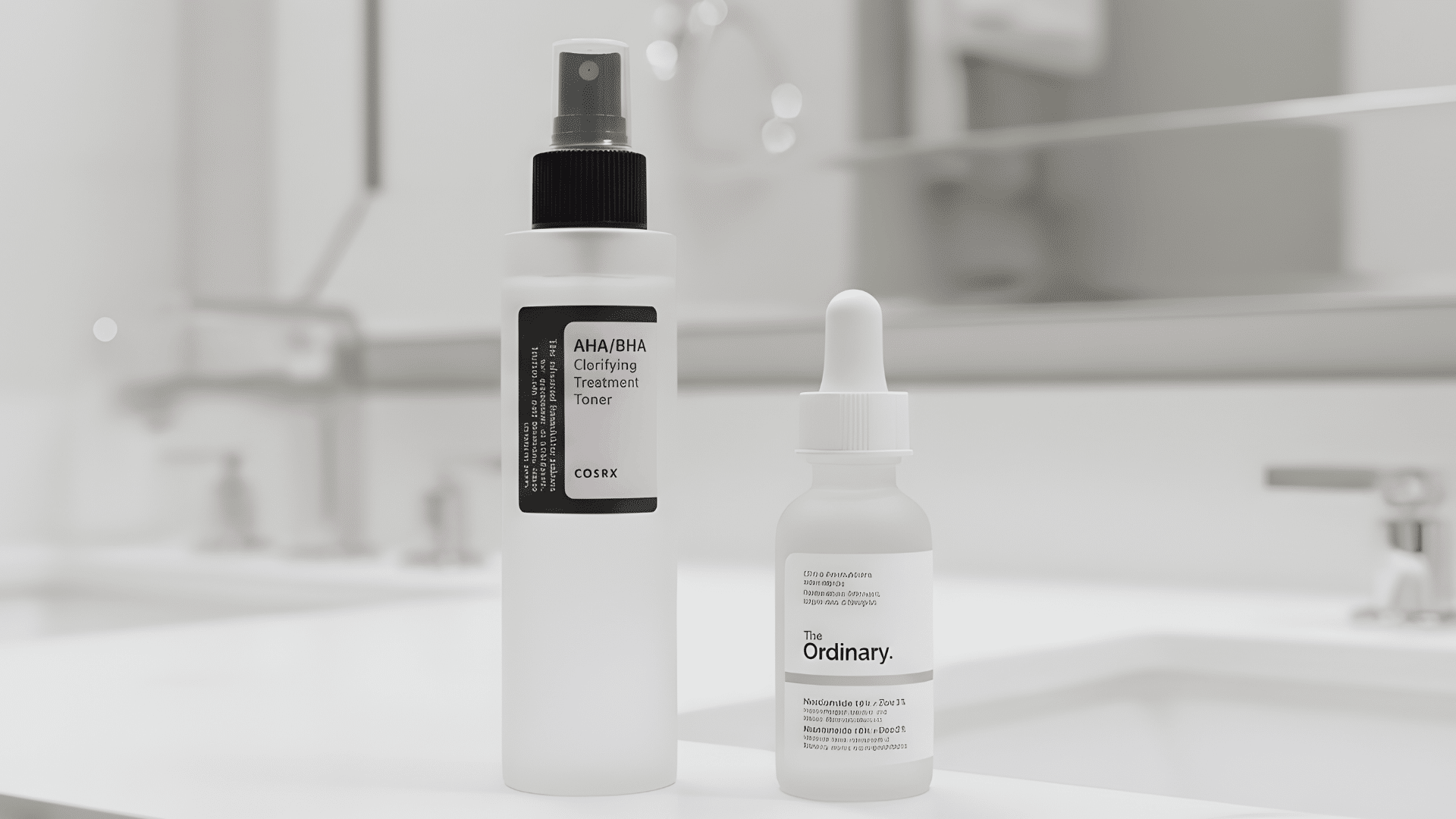
Here are some popular products that people love. These are affordable options that work well for most skin types.
Serum Options:
- The Ordinary Niacinamide 10% + Zinc 1% – Great for oil control and brightness
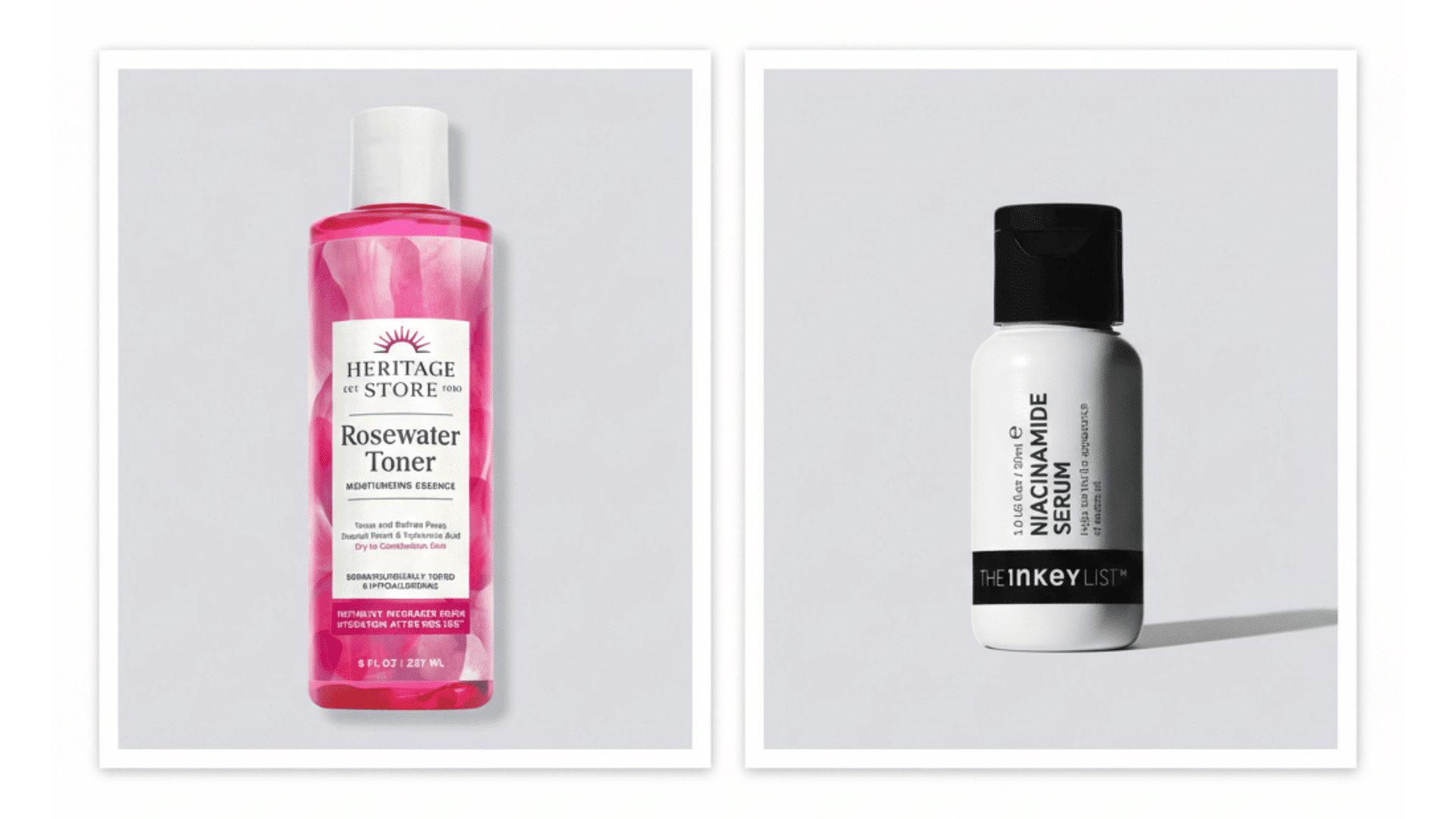
- The INKEY List Niacinamide 10% – Affordable and effective for beginners
Toner Options:
- Heritage Store Rosewater Facial Toner – Perfect for daily use on all skin types
- COSRX AHA/BHA Clarifying Treatment Toner – Use 2–3 times per week for gentle exfoliation
Remember, you don’t need expensive products to see results. These affordable options work just as well as luxury brands when used correctly.
Final Thought
Always use toner first, then apply your serum second. The thin-to-thick rule makes skincare simple.
Your toner hydrates and preps, your serum treats specific concerns, and your moisturizer seals everything in. When you follow this order, each product works at its best.
Remember, good skincare isn’t about having tons of products. It’s about consistently using the right ones in the right order.
Just stick to the basics: cleanse, tone, treat with serum, moisturize, and protect with SPF during the day.
I hope this guide cleared up your confusion about layering toner and serum. Start with these simple steps, be patient, and you’ll see results. Your skin will thank you!
Frequently Asked Questions
Do I Need Both Toner and Serum?
You don’t absolutely need both, but using them together gives better results. If you can only choose one, pick a serum because it has stronger active ingredients. But toner helps that serum work better.
Can I Mix Toner and Serum Together?
It’s better not to mix them. Apply them separately so each one can work properly. Mixing them might dilute the serum or alter the pH.
Can I Apply Makeup After Toner and Serum?
Yes, but wait a few minutes for everything to absorb. If you apply makeup on wet skin, it might slide around or look patchy. Give your skincare about 5 minutes to sink in, then apply primer and makeup.