


Summer hiking season calls for sunshine, scenic trails, and outfits that feel effortlessly cool.
The right look can set the tone for your entire experience, light, breathable, and stylish enough to boost your mood before you even hit the path.
Today’s hikers love pieces that keep the heat off, move easily with every step, and still look great in candid trail moments.
Think airy fabrics, flattering fits, and sun-smart choices that make long hours outside feel refreshing instead of overwhelming.
With the perfect balance of comfort and trend, stepping onto a warm-weather trail becomes an experience that feels exciting, confident, and completely your vibe.
Why Your Summer Hiking Outfit Matters
Hot-weather trails demand clothing that actively supports your body. The right pieces help regulate temperature, protect your skin, and keep you moving comfortably for hours.
Ill-fitting or heavy fabrics can trap heat, irritate the skin, and make every step feel harder than it should.
Smart summer hiking wear focuses on ventilation, quick-drying performance, and lightweight coverage that shields against intense sun.
Today’s outdoor apparel blends practicality with style, giving you options that feel good and function well.
Building a thoughtful, warm-weather outfit ensures you stay safe, energized, and fully able to enjoy the trail ahead.
Foundations of a Great Summer Hiking Outfit
A great summer hiking outfit keeps you cool, protected, and free to move by using breathable fabrics, sun protection, and a flexible construction.
- Breathability: Improves airflow and heat release, keeping your body cooler during intense sun exposure on warm trails.
- Moisture-Wicking: Pulls sweat away from skin to reduce irritation, maintain dryness, and support consistent temperature control.
- UV Protection: UPF fabrics and long sleeves shield skin while still allowing heat to escape naturally.
- Movement Freedom: Stretch fibers and ergonomic cuts help your body bend, climb, and step without restriction.
- Smart Layering: Lightweight overshirts or windbreakers add quick comfort when temperatures shift unexpectedly on higher peaks.
These simple foundations create a hiking outfit that stays cool, protective, and supportive, helping you confidently enjoy every warm-weather trail.
Trendy Summer Hiking Outfit Essentials
Now let’s get to the good stuff: the actual clothing pieces and accessories that will keep you comfortable, protected, and stylish on summer trails.
1. Moisture-Wicking Tank Tops
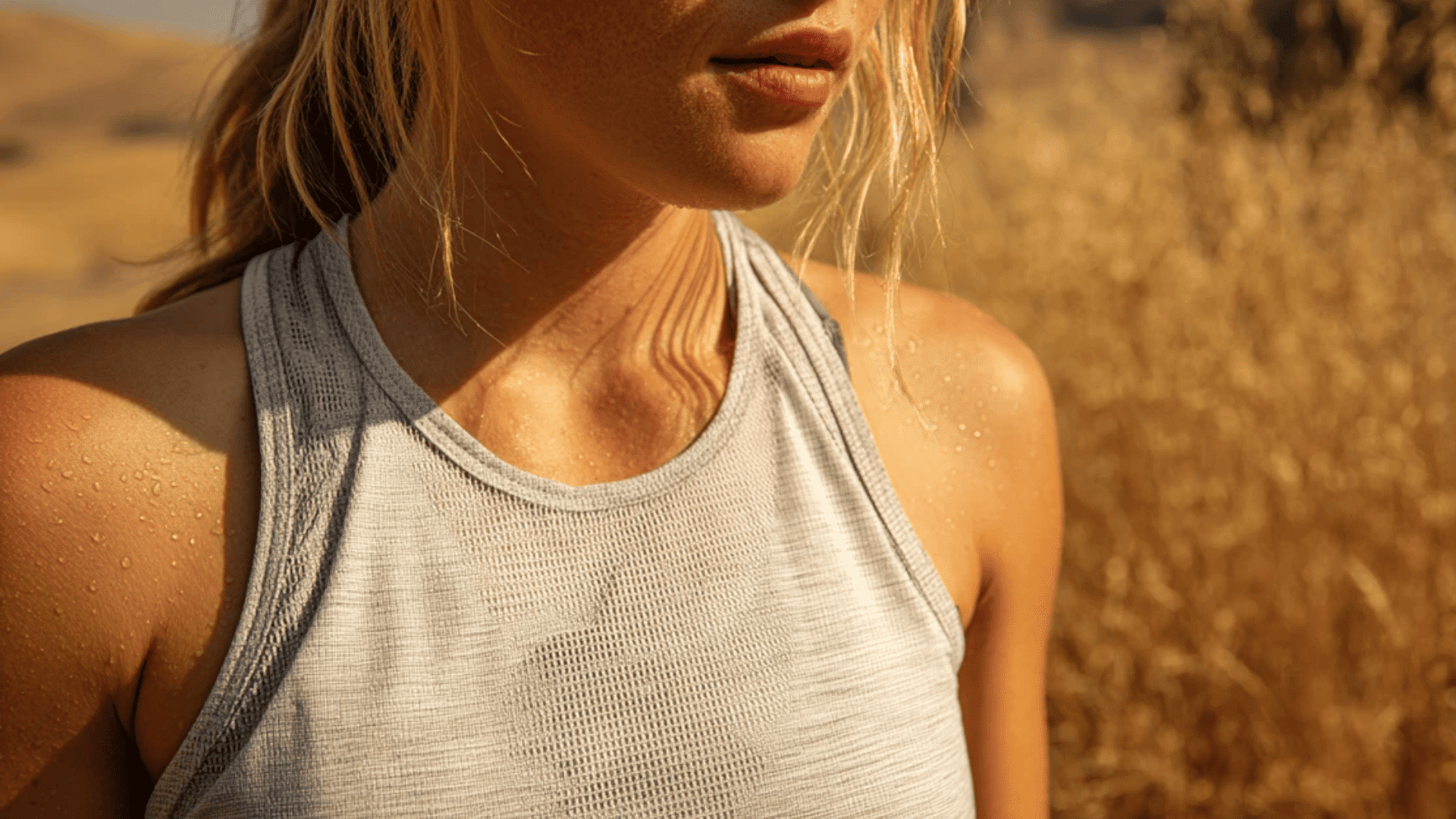
Lightweight tank tops in polyester or merino-blend fabrics offer maximum breathability on hot days. Look for racerback designs that won’t interfere with backpack straps and longer hemlines that prevent riding up during movement on trails.
Old Navy Women’s Cloudmotion Tank Top
2. Strappy or High-Support Sports Bras
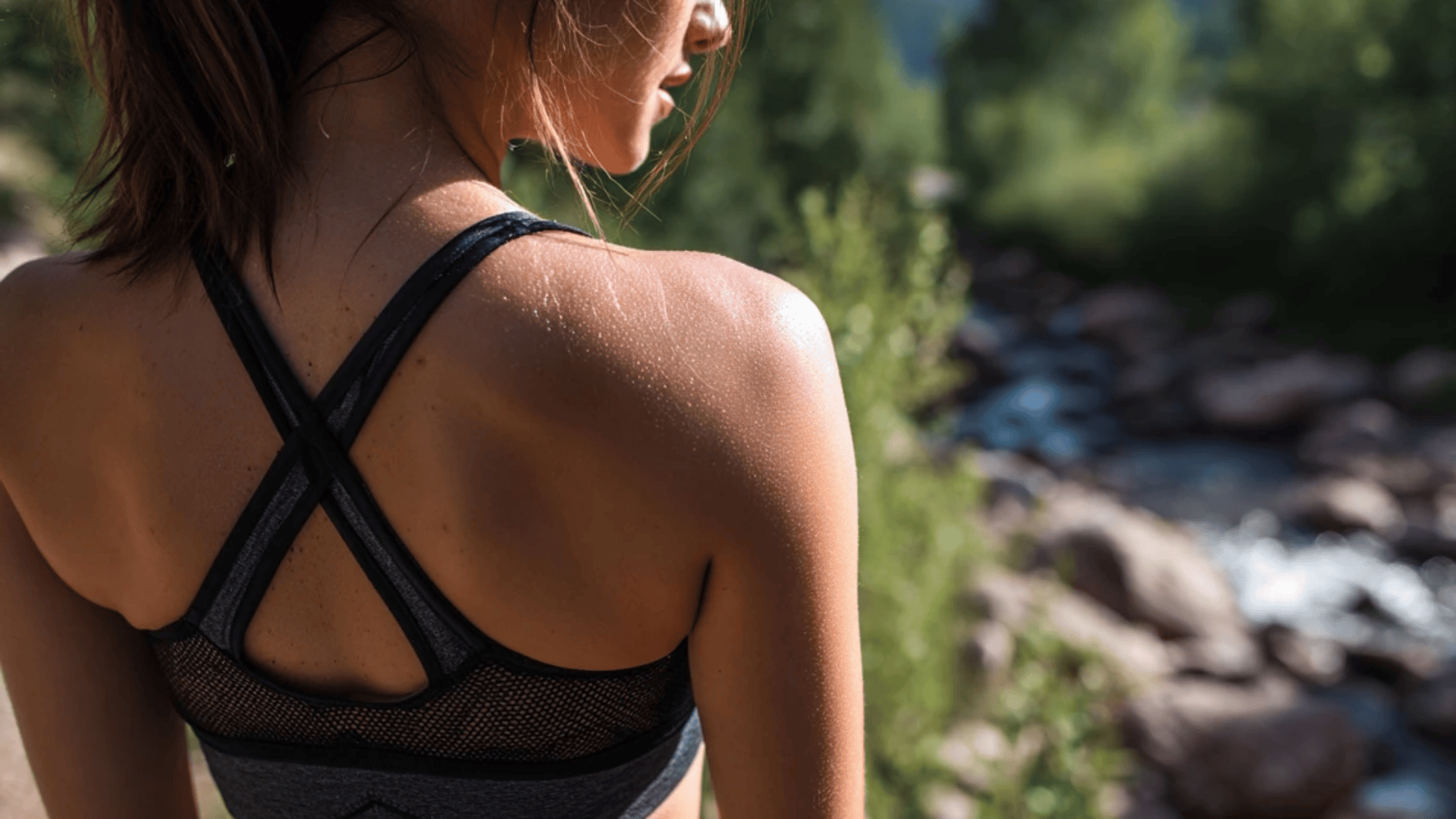
A good sports bra is non-negotiable for comfortable hiking. Choose moisture-wicking fabrics with mesh panels for enhanced breathability. The level of support depends on your size and the intensity of the terrain for optimal comfort throughout the hike.
Aerie Real Me Hold Up! Strappy Sports Bra
3. Cropped Active Tops
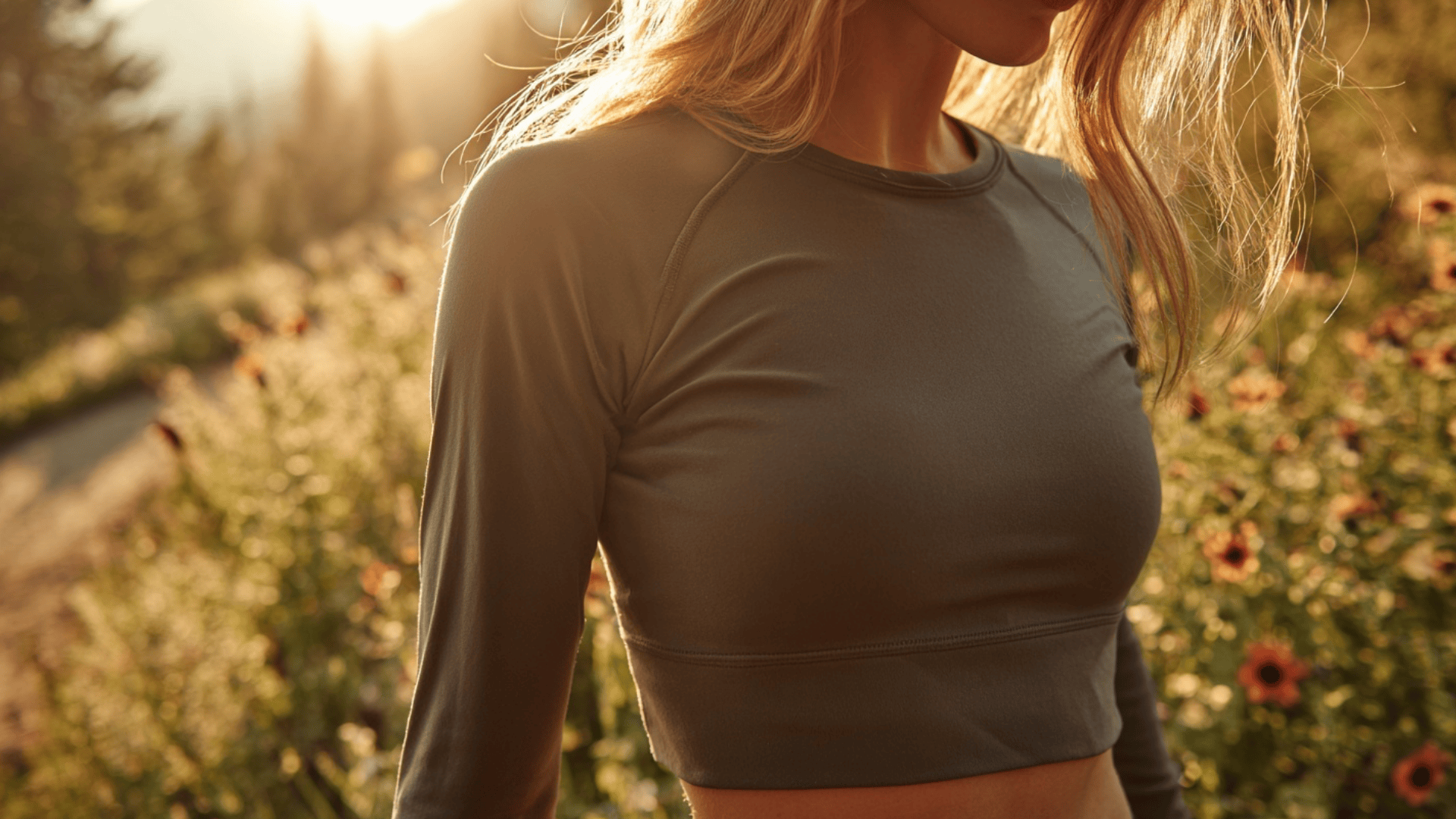
Cropped hiking tops have exploded in popularity, offering a modern silhouette while keeping you cool on summer trails. Look for styles with built-in bras for added support and fewer layers underneath, maximizing breathability during warm-weather hikes.
H&M Ladies Move Dry Move Sports Crop Top
4. Quick-Dry T-Shirts (Oversized or Fitted)
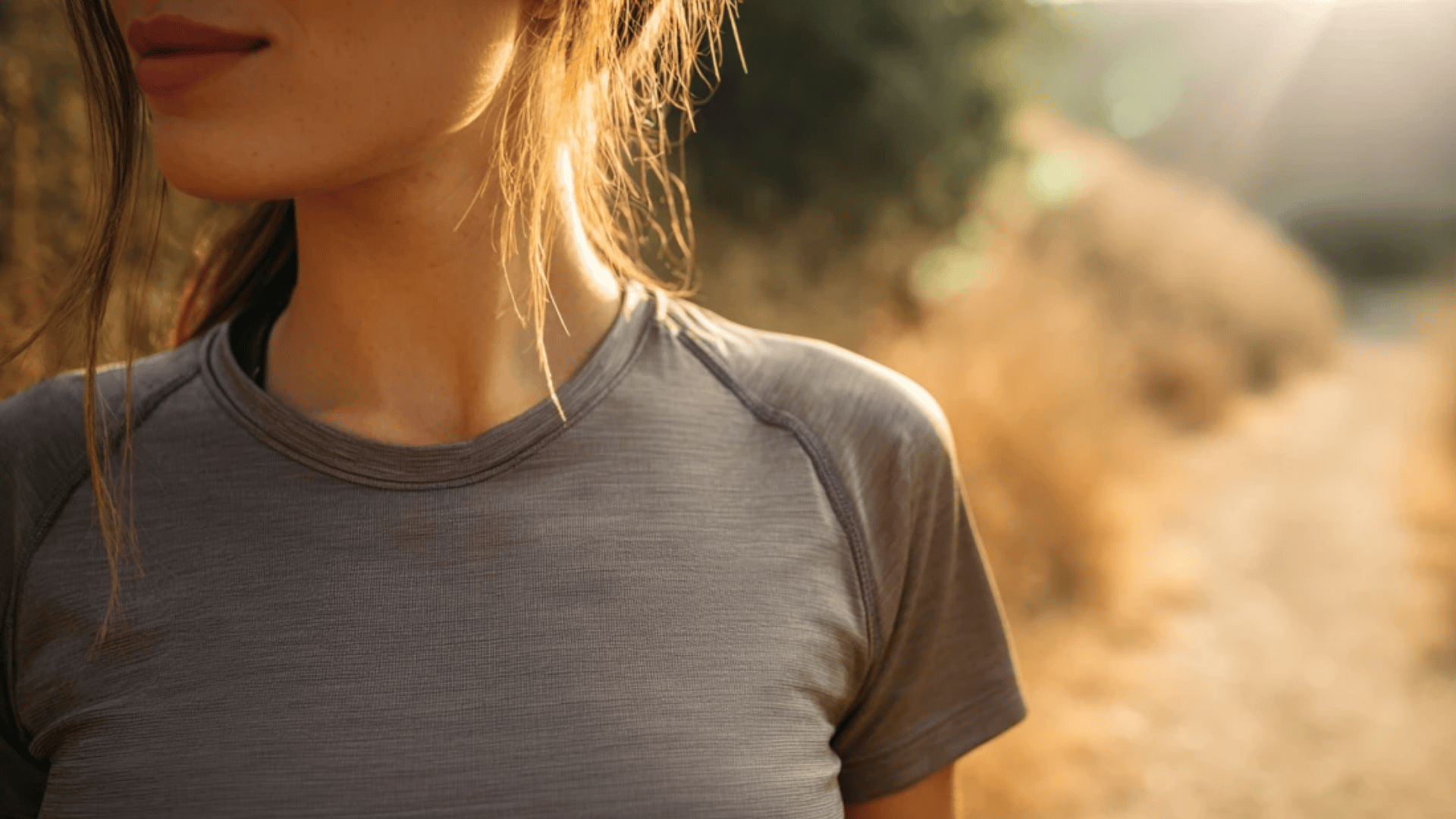
If you prefer a relaxed, oversized fit or a fitted style, quick-dry tees are hiking staples. Opt for those with UPF ratings for added sun protection. These versatile shirts work well for casual day hikes.
Nike Women’s One Classic Dri-FIT Short-Sleeve Top
5. High-Waisted Hiking Shorts
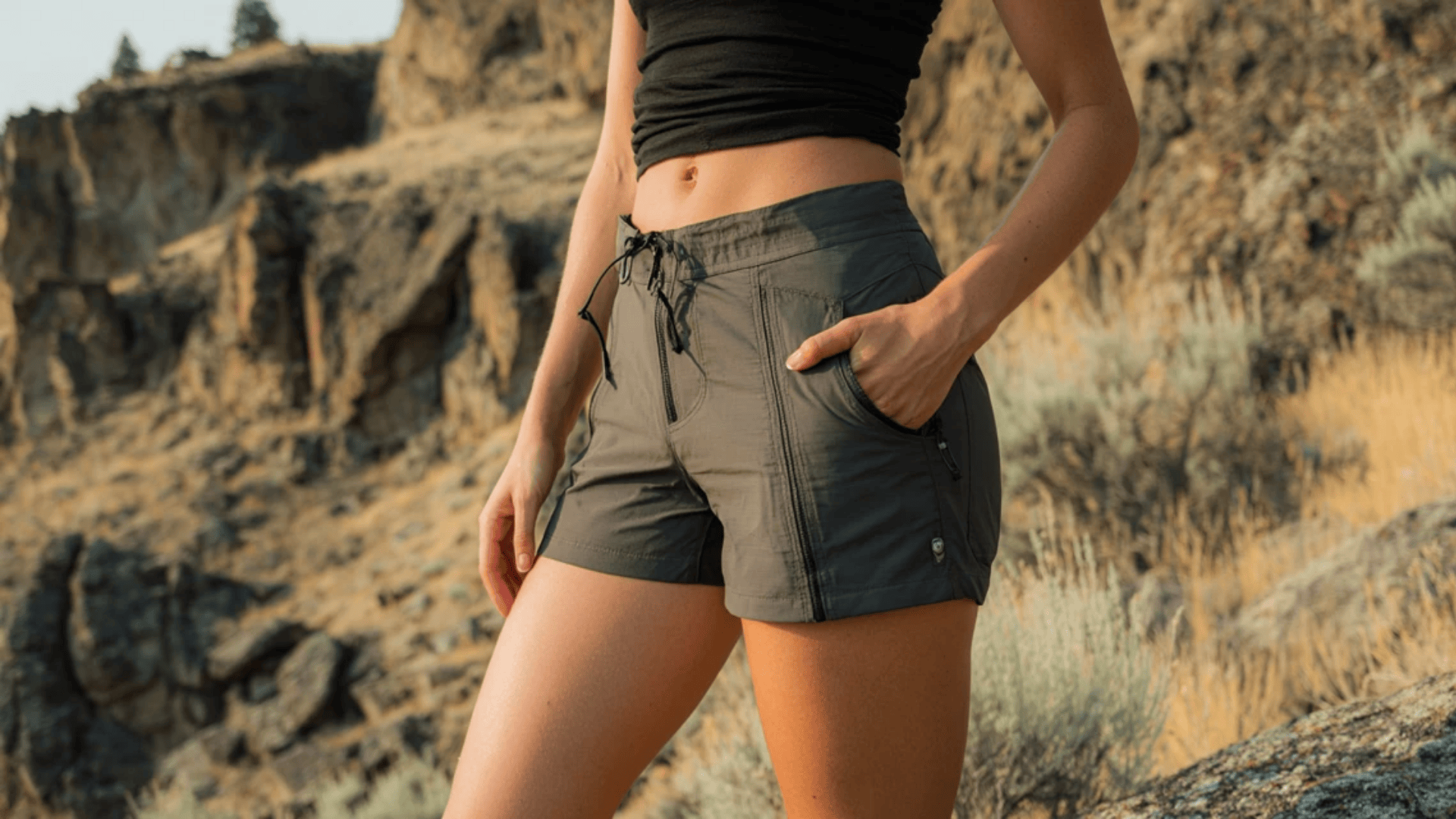
High-waisted shorts provide extra coverage and support while preventing uncomfortable gaps when you bend or stretch. Look for five to seven-inch inseams for optimal mobility. Zippered pockets securely hold small items like keys, cards, or energy gels.
Halara High Waisted Drawstring Hiking Shorts with Side Zipper Pockets
6. Compression or Biker Shorts
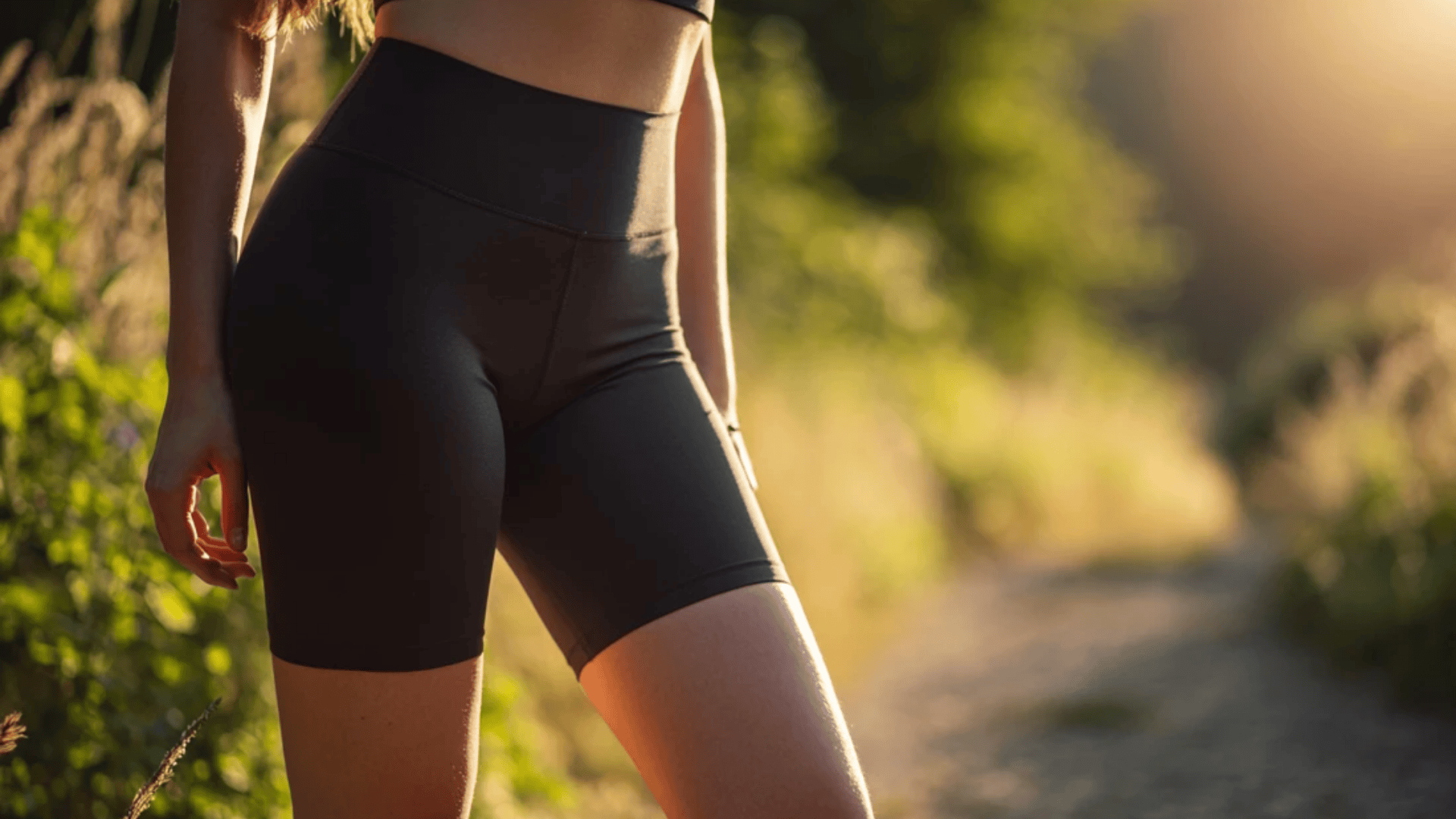
Biker-length compression shorts prevent chafing while providing muscle support on longer hikes through challenging terrain. They’re perfect for hot days when you want minimal coverage but maximum comfort. Many hikers wear these under skirts or dresses for versatility.
Old Navy Women’s High-Waisted 8-Inch Biker Shorts
7. Convertible/Roll-Up Trekking Pants
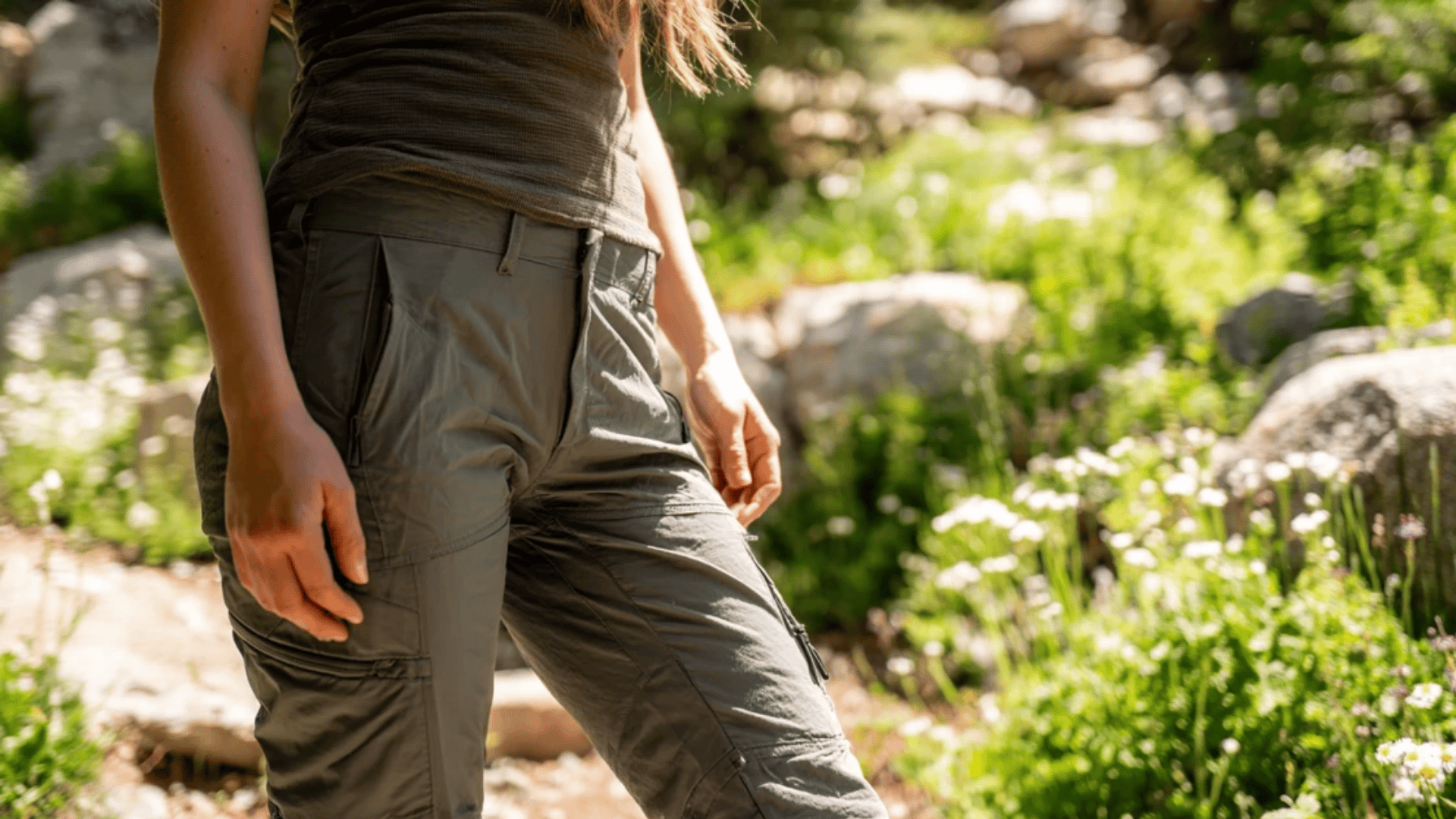
These versatile pants feature zip-off legs or roll-up capabilities, allowing you to adapt to changing temperatures throughout the day. Start your morning hike in long pants and switch to shorts as temperatures rise, given unpredictable weather.
KUHL Women’s Freeflex Roll-Up Pants
8. Lightweight Cargo Pants (Gorpcore Trend)
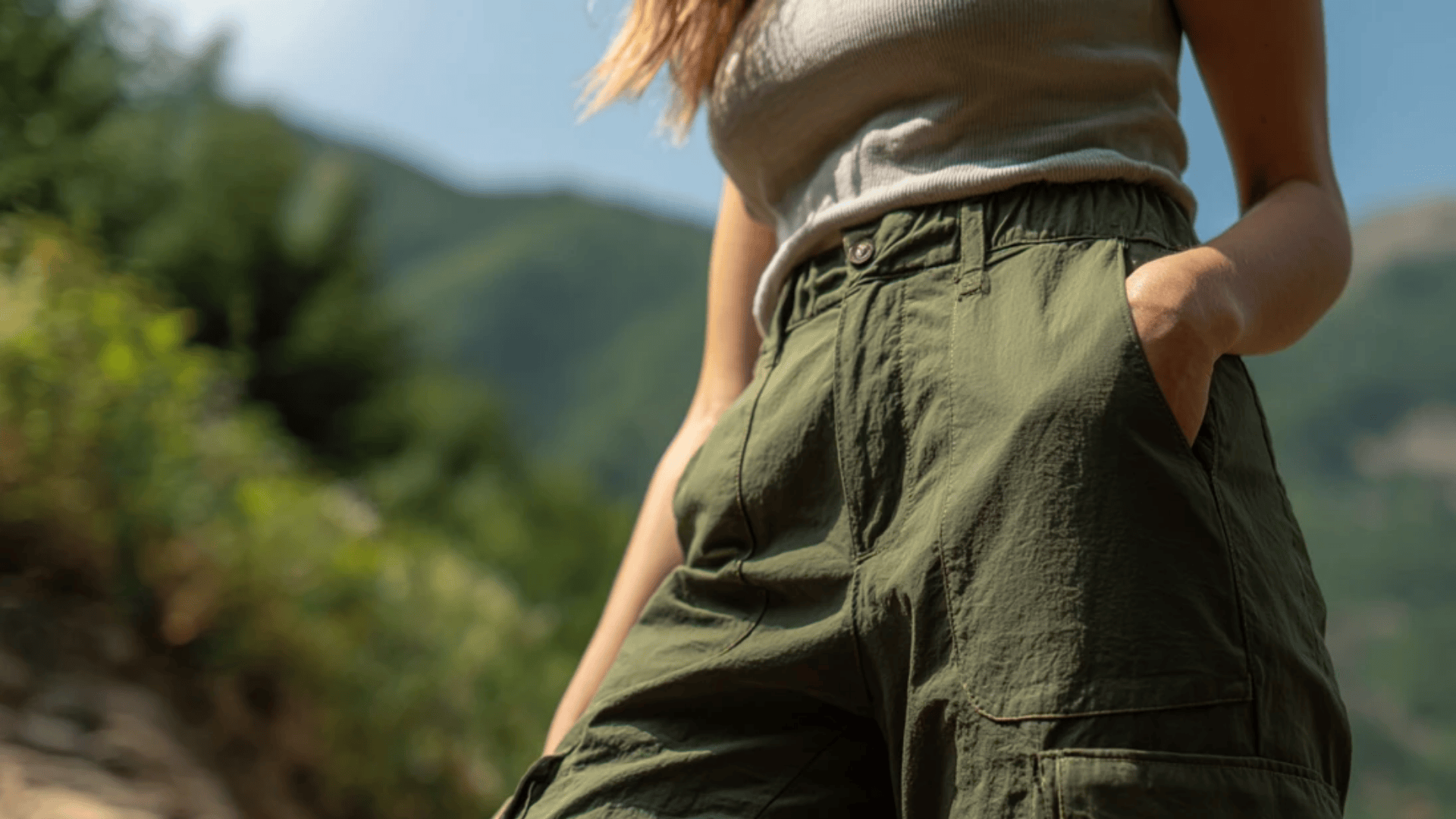
Modern cargo pants are lightweight, tapered, and feature multiple pockets without the bulk of traditional styles. They’re perfect for full leg coverage or extra storage for trail essentials. The contemporary fit makes these suitable for hiking and post-trail activities.
Steve Madden Duo Cargo Pant in Black
9. Stretch Hiking Leggings (Side-Pocket Style)
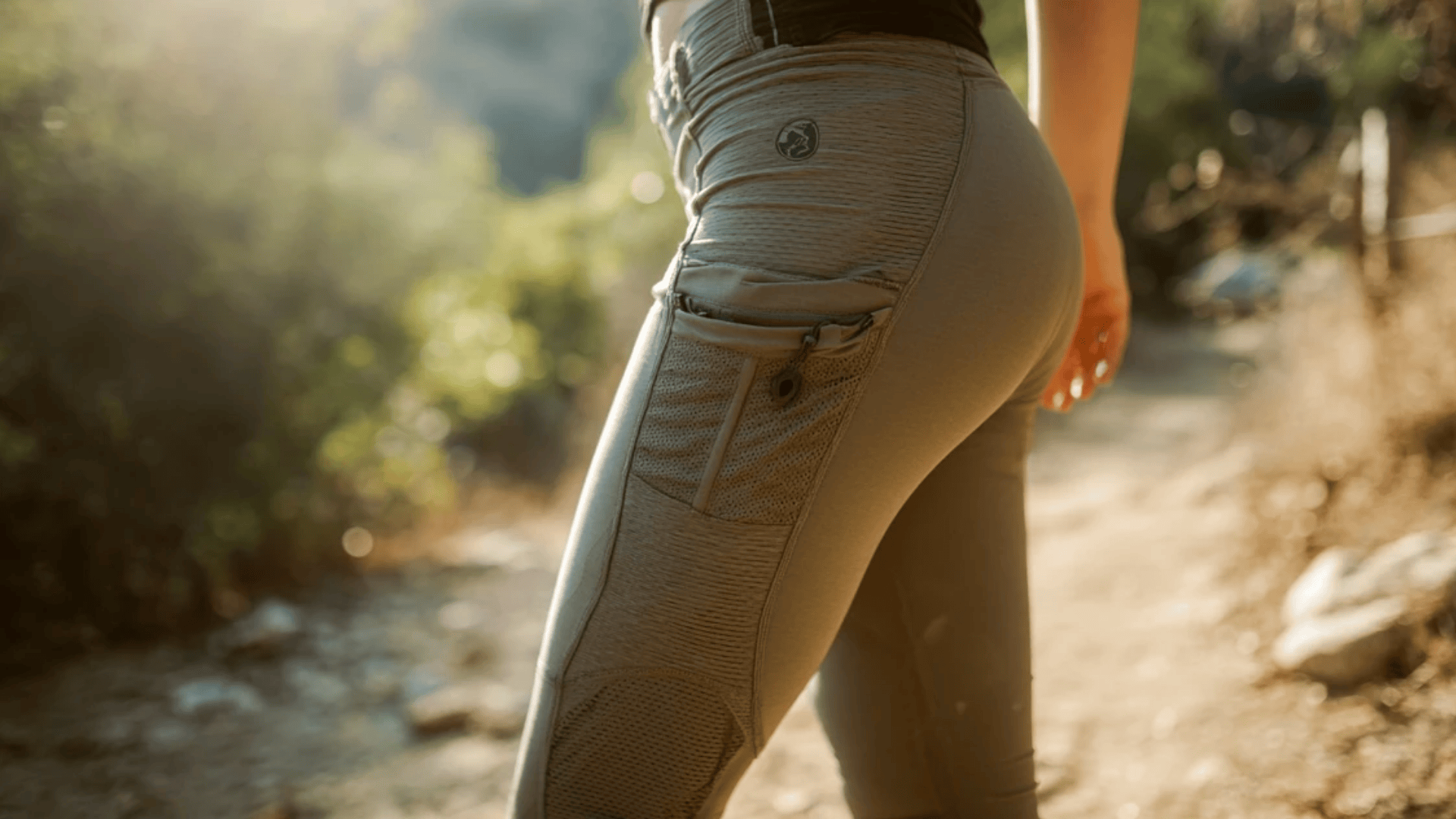
High-quality hiking leggings with strategically placed pockets offer athleisure comfort with trail durability. Look for thicker, durable leggings with reinforced seams and abrasion-resistant fabric. Side pockets provide convenient storage without bulk, keeping hands free for trekking poles.
Marika Riley Long Leggings with Side Pockets
10. UPF Sun Shirts
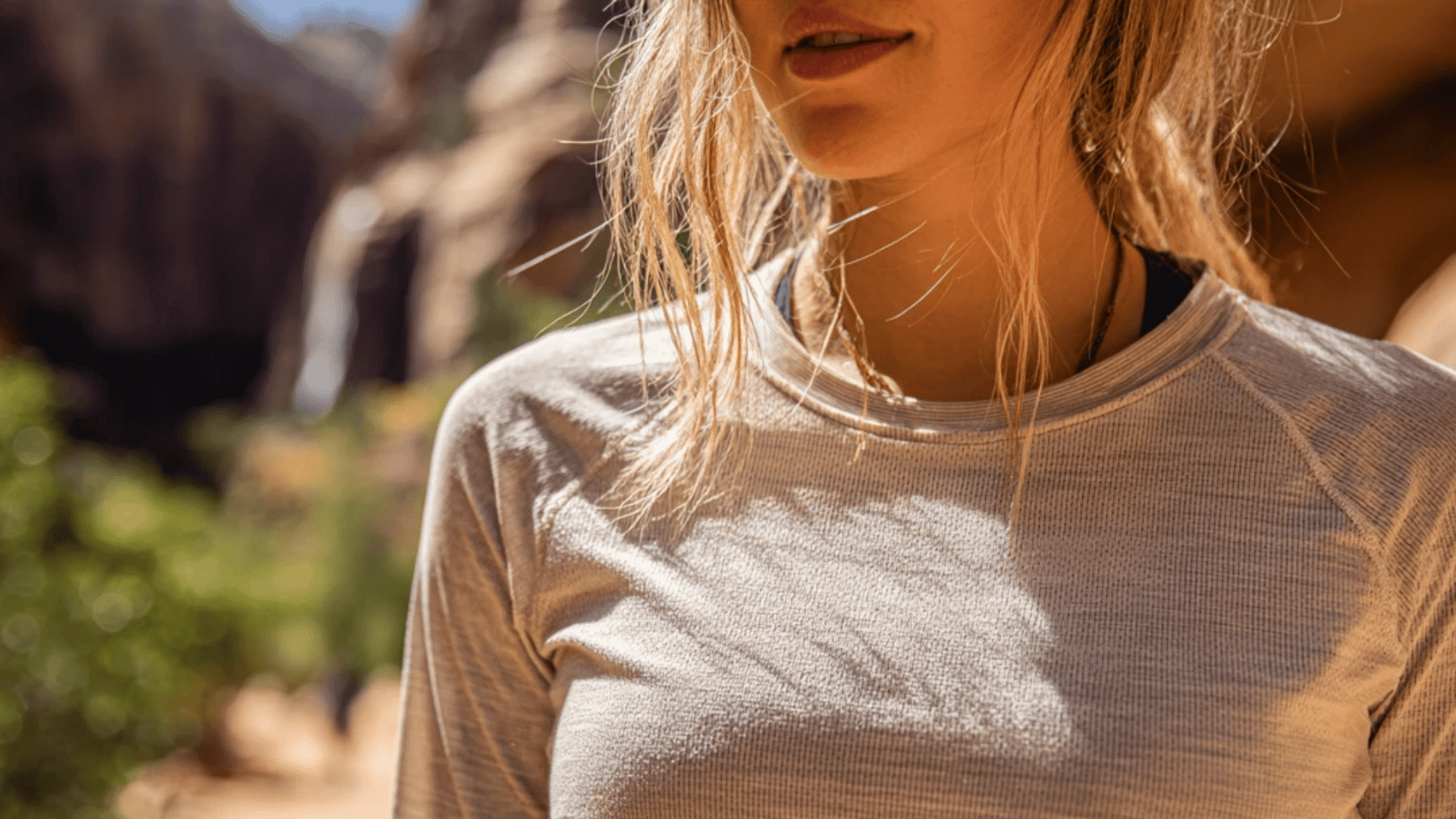
Long-sleeve sun shirts seem counterintuitive for summer, but they’re cooler than tank tops when sun exposure is intense. These shirts provide UPF protection while allowing maximum airflow. Hood designs offer additional neck and ear protection from ultraviolet rays.
Women’s Lands’ End SunShade UPF 50 Long Sleeve Relaxed Rash Guard
11. Ventilated Long-Sleeve Overshirts
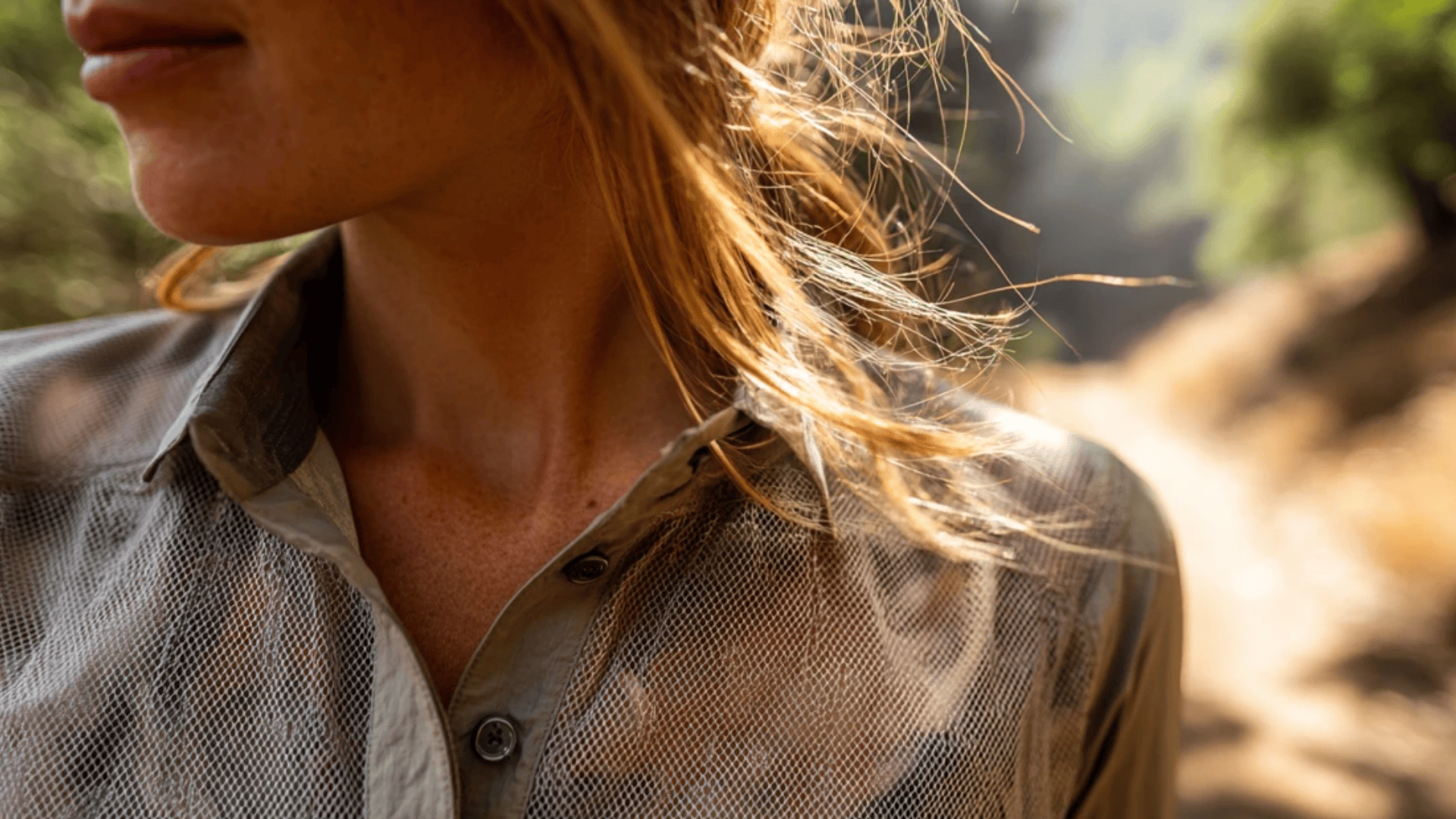
Lightweight button-up shirts with mesh ventilation panels provide easy temperature control throughout your hike. Roll up sleeves when warm, button up for sun protection, or tie around your waist. This layering piece adds versatility while maintaining breathability.
Columbia Women’s Silver Ridge Utility Long Sleeve Shirt
12. Lightweight Windbreaker Jacket
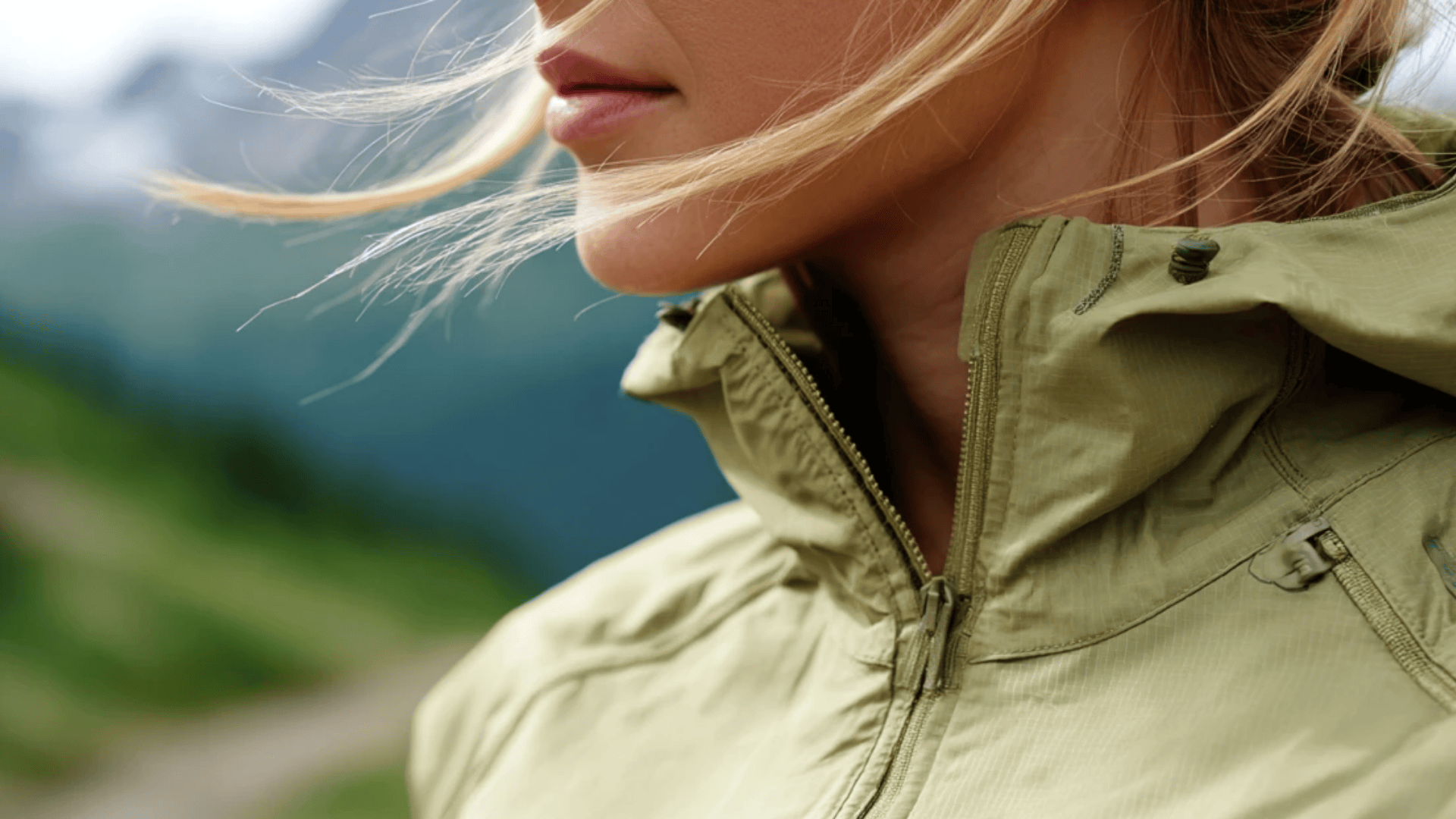
A packable windbreaker is essential for sudden weather changes or windy ridgelines during mountain hikes. Modern versions are lightweight and compress to the size of a water bottle. Look for breathable options with ventilation features that won’t trap moisture inside during movement.
L.L.Bean Women’s Light and Airy Windbreaker
13. Trail Sneakers (Chunky or Minimalist)
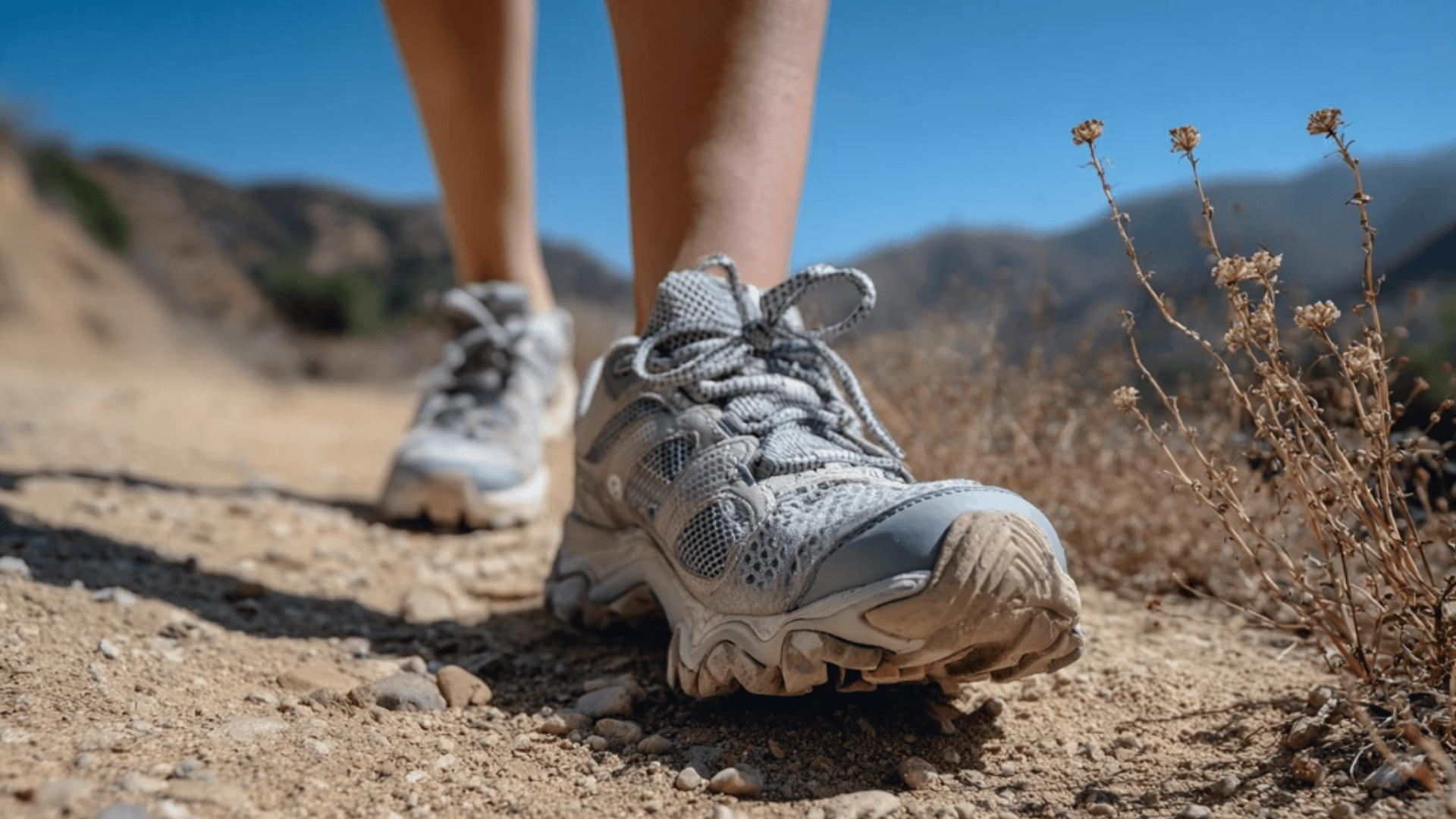
Trail running shoes offer lightweight comfort with adequate grip on varied terrain. The chunky sneaker trend meets functionality with cushioned midsoles and aggressive tread patterns. For less technical terrain, minimalist trail shoes provide excellent ground feel and natural movement agility.
Merrell Women’s Trail Glove 7 Shoes Green 9.5
14. Waterproof Hiking Shoes
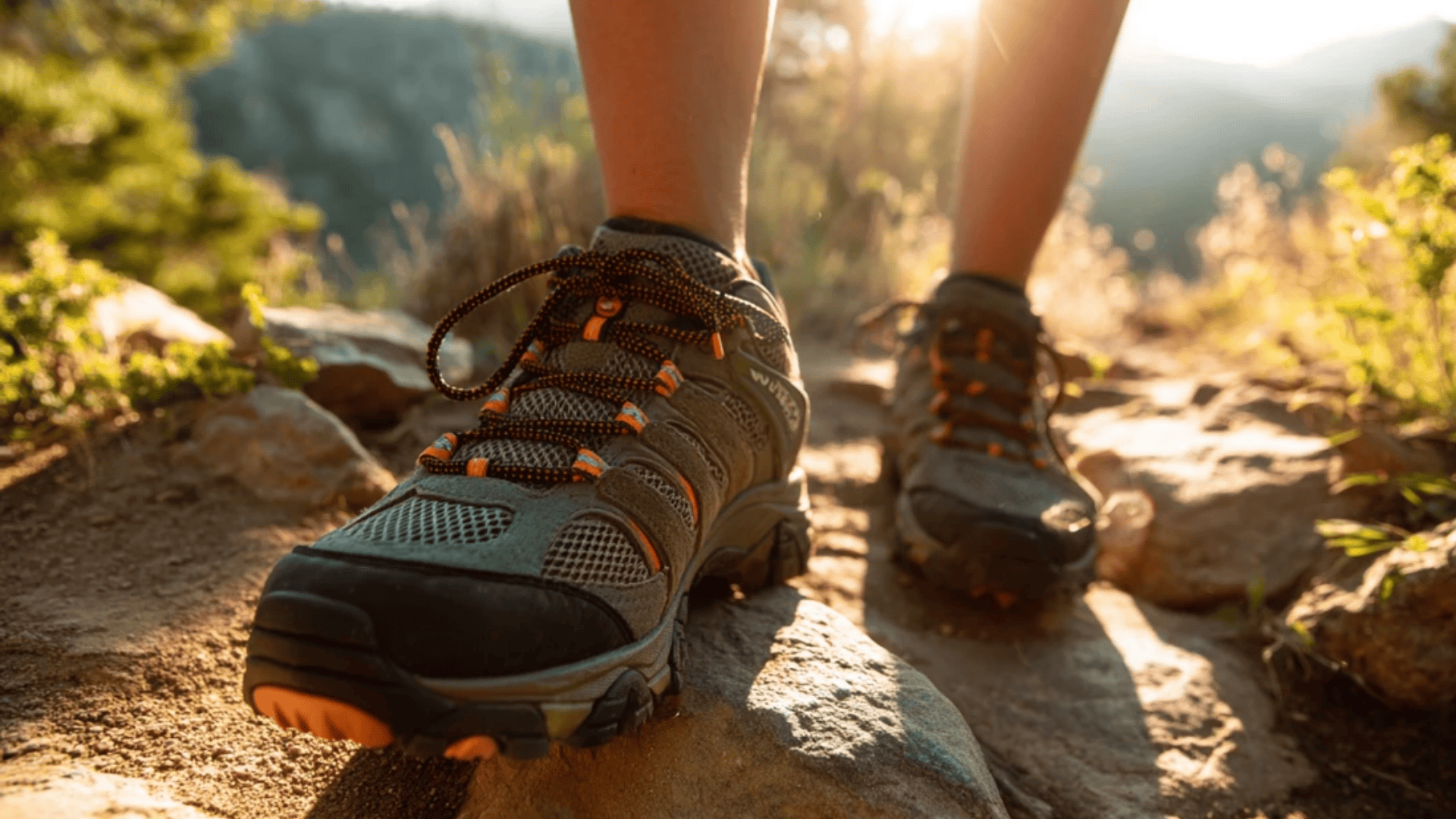
Traditional hiking shoes remain popular for ankle support and protection on rocky trails. Modern versions incorporate breathable mesh panels to prevent overheating while maintaining waterproof protection. These shoes offer durability and traction for challenging terrain while keeping feet comfortable throughout hikes.
Terrex Anylander Rain.Rdy Hiking Shoes
15. Performance Hiking Sandals (Strapped, Not Flip-Flops)
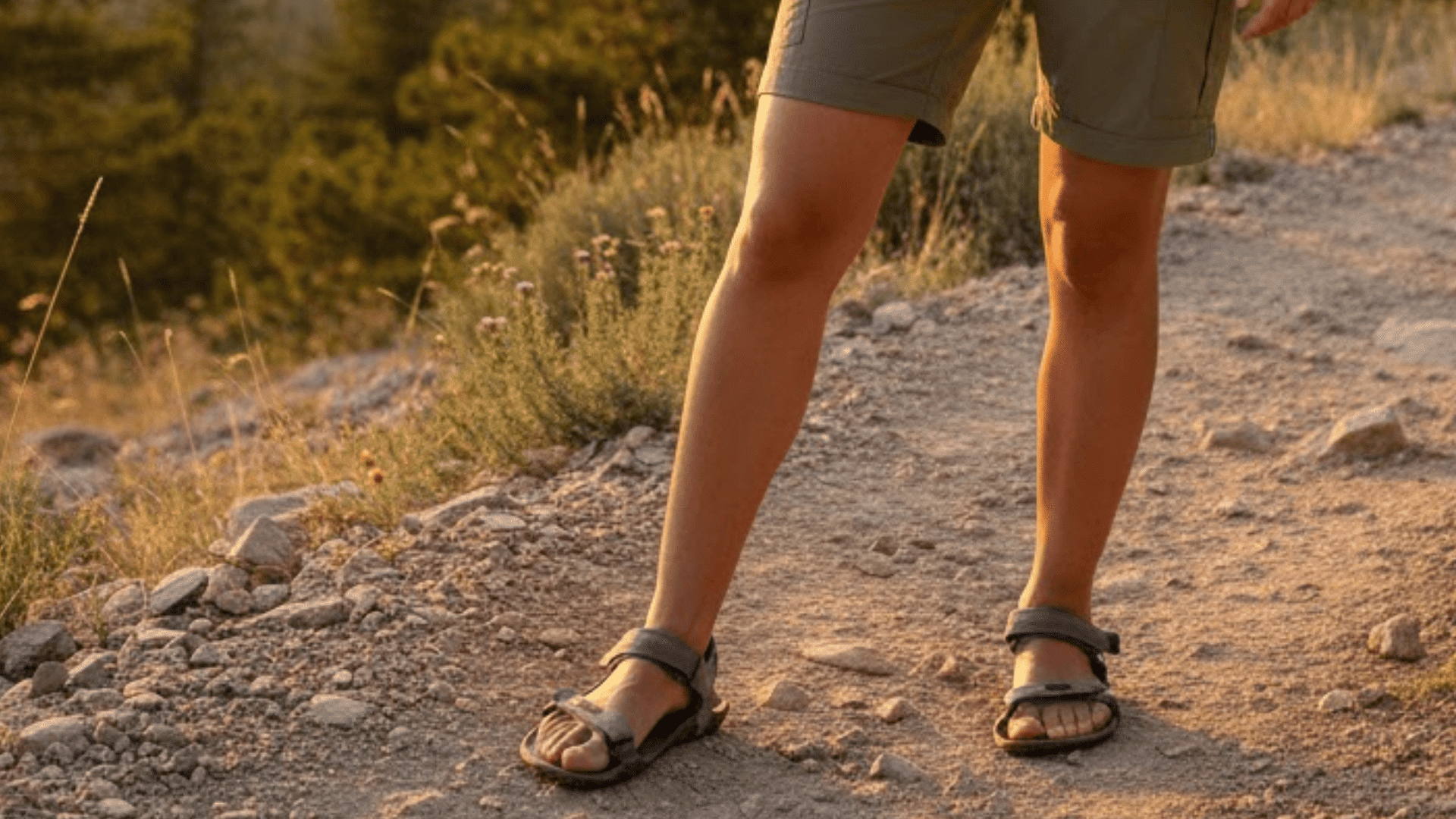
For water crossings or less technical trails, performance sandals provide traction and support without overheating. These features include adjustable straps, contoured footbeds, and aggressive treads suitable for terrain. Perfect for hot summer days when maximum ventilation is needed for the feet.
Forclaz Trek 500 Lightweight Packable Hiking Sandals
16. Wide-Brim Sun Hats
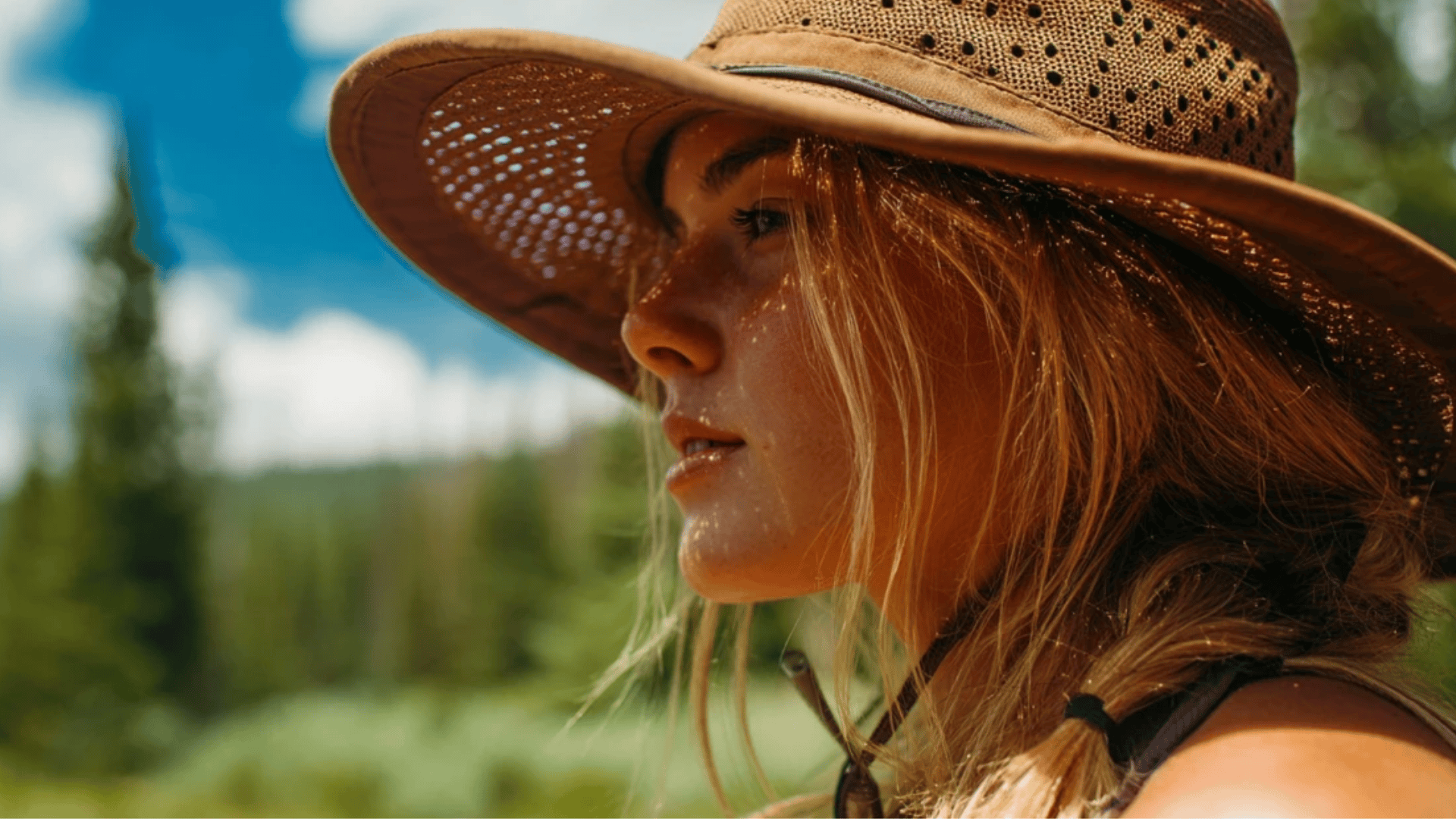
Wide-brim hats protect your face, neck, and ears from intense sun exposure during all-day hiking adventures. Look for options with chin straps to prevent them from blowing away on ridges. Breathable materials with ventilation holes allow heat to escape while providing shade.
Solbari Women’s Ultimate Wide Brim UPF 50+ Sun Hat
17. Polarized Sunglasses
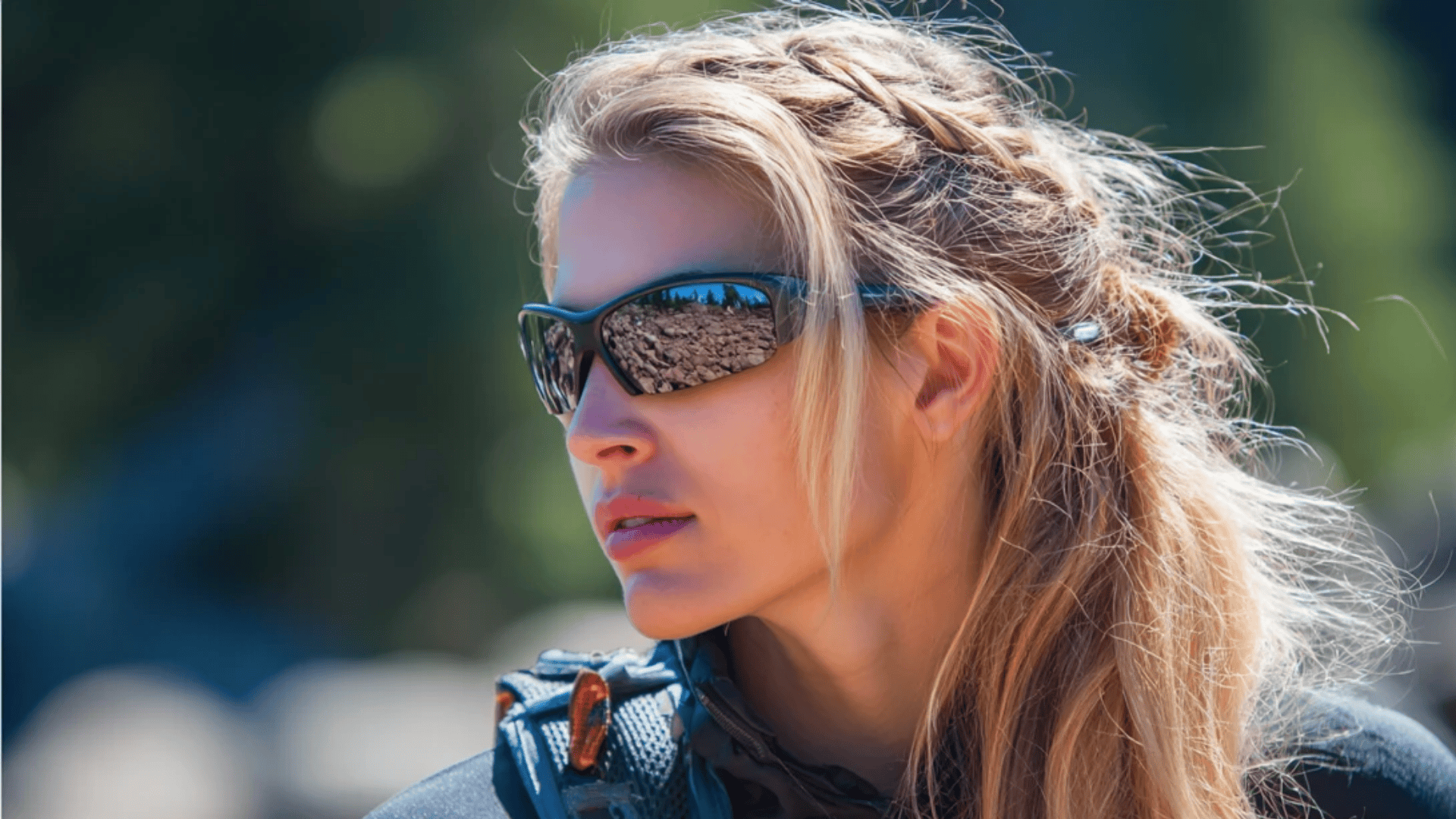
Quality sunglasses reduce glare and protect your eyes from harmful UV damage during bright outdoor conditions. Polarized lenses are helpful near water or snow, where reflection intensifies. Choose wraparound styles that offer side protection and stay secure during movement.
Best Fabrics for Hot Weather Hiking
Choosing smart fabrics keeps your body cooler, drier, and more comfortable during summer hikes, making every warm-weather trail easier to enjoy.
| Fabric | Why It’s Good |
|---|---|
| Polyester | Fast-drying, moisture-wicking, lightweight, durable. |
| Nylon | Strong, breathable, abrasion-resistant, quick-dry. |
| Merino Wool | Temperature-regulating, odor-resistant, moisture-wicking. |
| Spandex/Elastane | Adds essential stretch and mobility. |
| Bamboo | Soft, cool-feeling, breathable, odor-resistant. |
| Avoid Cotton | Absorbs sweat, dries slowly, and causes chafing. |
Picking breathable, quick-drying fabrics ensures comfort, prevents overheating, and supports safer, easier movement on every warm-weather hiking trail.
What to Avoid Wearing on Summer Hikes
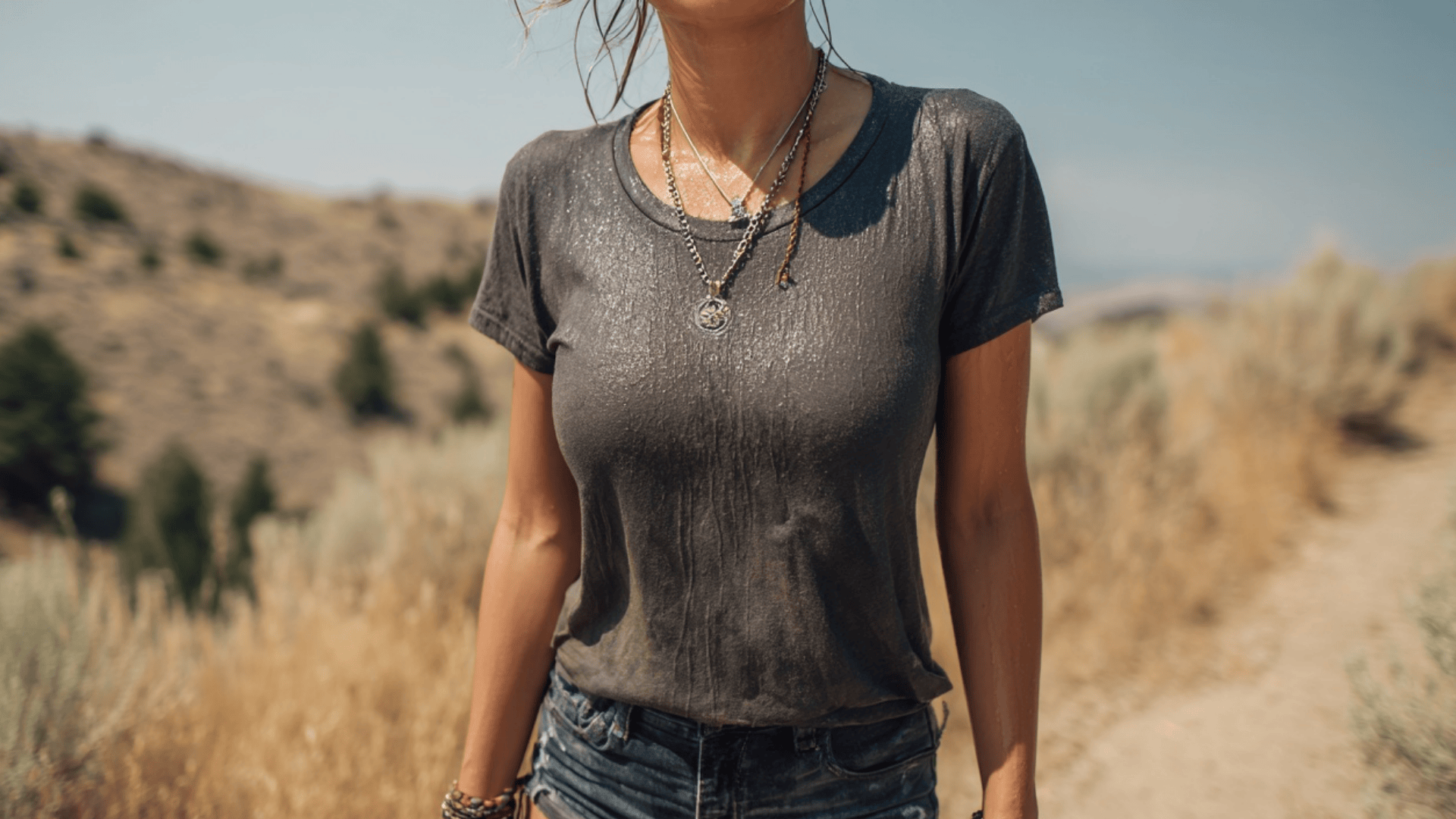
Avoiding the wrong clothing and gear keeps summer hikes cooler, safer, and far more comfortable, especially when temperatures rise and trails get demanding.
- Cotton Clothing: Holds moisture, dries slowly, becomes heavy, and increases the risk of chafing on hot, sweaty trails.
- Thick, Non-Stretch Fabrics: Restrict movement and trap heat, making long hikes uncomfortable and tiring.
- Dark, Heavy Colors: absorb sunlight and intensify warmth, increasing the risk of overheating during peak heat hours.
- Flip-Flops or Regular Sandals: Provide poor grip and stability, increasing the chances of slips or foot injuries on uneven terrain.
- Heavy Makeup or Oily Sunscreen: Melts with sweat, clogs pores, and can drip into eyes, causing irritation.
- Over-Accessorizing: Metal jewelry heats up, sticks to skin, and large pieces snag on clothing or branches.
Desiring lightweight and supportive gear while avoiding these mistakes ensures safer steps, cooler comfort, and smoother miles on every summer trail.
SPF vs UPF: Quick Comparison
Understanding SPF and UPF helps you choose reliable sun protection that keeps your skin safer, cooler, and better shielded during hot summer hikes.
| Point | SPF (Sunscreen) | UPF (Clothing) |
|---|---|---|
| What It Is | Sun Protection Factor | Ultraviolet Protection Factor |
| Ray Coverage | Mostly UVB | UVA + UVB |
| How It Protects | Applied to skin to absorb or reflect UV | Fabric blocks UV before reaching the skin |
| Longevity | Needs reapplication every two hours | Lasts all day unless the fabric weakens |
| Protection Strength | Depends on the correct and adequate application | UPF 50 blocks about 98% of UV rays |
Using UPF clothing for coverage and SPF on exposed skin creates stronger, longer-lasting sun safety for intense warm-weather outdoor adventures.
Hot Weather Hiking Safety Tips
Hot-weather hiking demands mindful preparation to stay cool, hydrated, and protected, ensuring every step on the trail remains safe and comfortable.
- Hydrate Consistently: Drink steadily before and during hikes; use electrolytes to replace minerals lost through sweat on hotter, longer routes.
- Hike in Cooler Hours: Start early or late to avoid intense midday heat and reduce strain from high sun exposure.
- Reapply Sunscreen Often: Refresh SPF every 2 hours, focusing on the ears, neck, the tops of the feet, and other easily missed spots.
- Wear Breathable Footwear: Choose mesh shoes and moisture-wicking socks; switch to fresh socks midway to keep feet cooler and drier.
- Pack Cooling Essentials: Carry cooling towels, mist spray, frozen water bottles, and light snacks that won’t melt in the heat.
- Rest in Shade: Take breaks under cover to lower body temperature and give your feet a chance to relax.
- Test Your Outfit First: Move, stretch, and walk in your chosen clothing to avoid discomfort or unexpected friction on the trail.
Following these simple heat-smart habits keeps your body protected, energy steady, and makes every hot-weather trail feel safer, cooler, and more enjoyable.
Final Thoughts
Summer trails bring a mix of heat, movement, and adventure, making your outfit an active part of the experience.
Choosing pieces that breathe well, protect your skin, and move easily helps you stay focused on the scenery instead of the discomfort.
Style naturally follows when your clothing supports your pace, confidence, and energy outdoors.
As you travel warm-weather paths, let your outfit reflect the ease and excitement of being outside rather than weighing you down.
Keep comfort close, stay sun-smart, and dress in ways that elevate every mile.
Ready to upgrade your hiking wardrobe? Start by assessing what you already own, identifying gaps in your gear, and prioritizing purchases based on your most frequent hiking conditions.
Your next great outdoor experience awaits!