


Sustainable fashion trends for 2027 are being shaped less by mood boards than by regulation, resale economics, and production math. The EU has already pushed textiles toward separate collection, extended producer responsibility, product transparency, and a ban on the destruction of unsold apparel by large companies, effective from July 19, 2026.
Copenhagen Fashion Week has required sustainability documentation from official schedule applicants since January 2023, and its framework continues to spread to other fashion cities. The industry is running out of places to hide dead stock. Good.
Regulation Is Taking the Front Row
Eco fashion 2027 will be judged as much on paperwork as on runway styling. The European Commission says large companies face rules against destroying unsold apparel, accessories, and footwear from July 19, 2026, while medium-sized companies are expected to follow in 2030.
The EU textile strategy also points toward digital product passports, repairability, recyclability, microplastic controls, and harmonized producer responsibility.
One small observation from the buyer side: brands that cannot explain fiber content, factory location, and end-of-life planning in a showroom now sound behind before the first model walks.
Circular Design Gets Less Romantic
Circular fashion used to be a soft phrase stitched onto press releases. By 2027, it will mean pattern cutting, modular trims, mono-material choices, repair access, take-back systems, and resale data that finance teams can actually read.
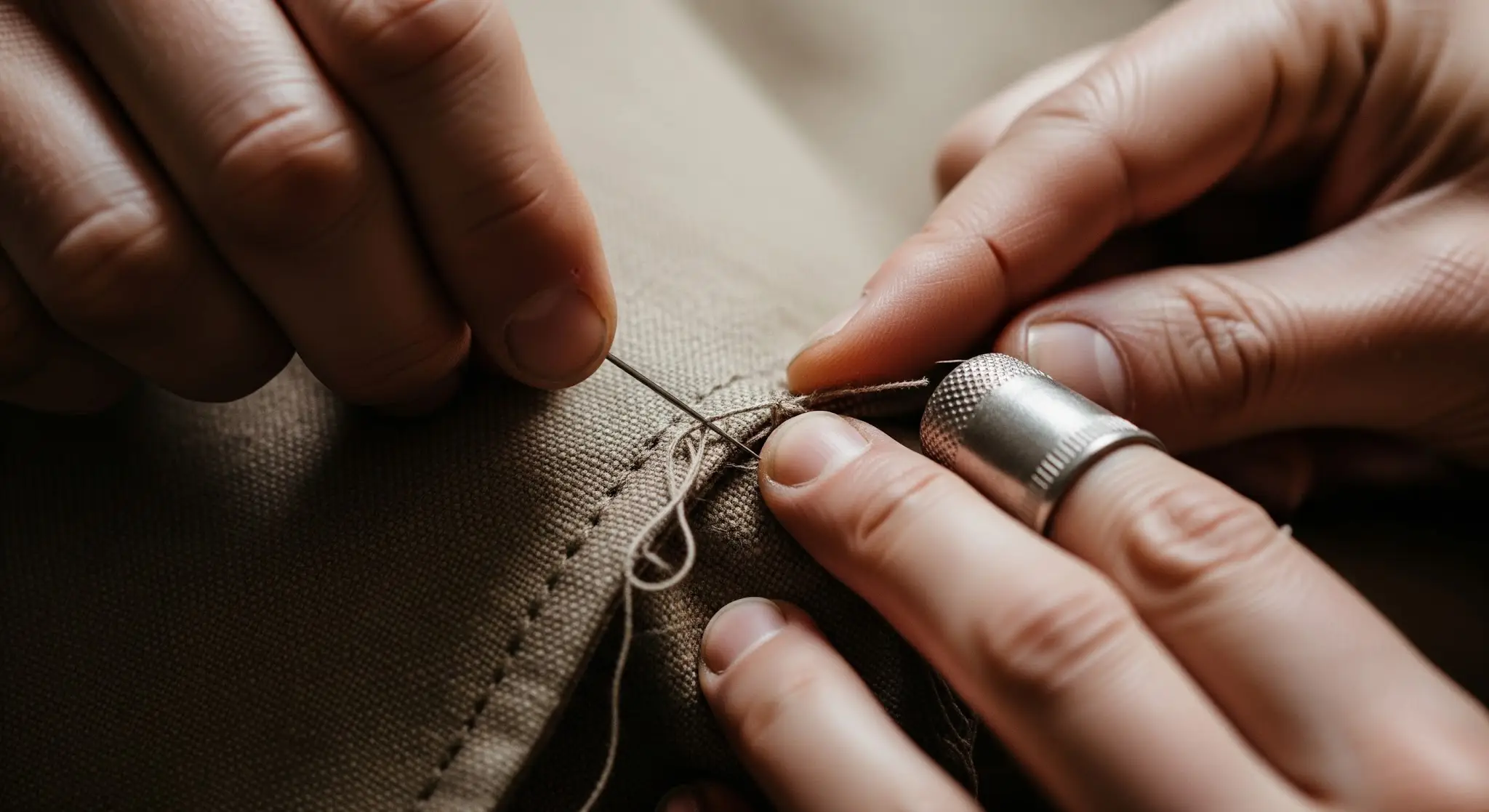
The strongest circular products will avoid glued mixed-material panels, novelty coatings, and hardware that makes recycling expensive. A coat designed for repair should have replaceable buttons, accessible seams, and lining that does not fail after a few wears. The small test is brutal: if a repair shop cannot fix it, a recycling facility will probably hate it.
The Digital Wardrobe Is Getting Noisier
Fashion consumption now sits alongside other mobile habits, from resale alerts to live streams to late-night entertainment. A shopper reading about online casino slots after browsing a resale platform is still dealing with the same interface questions that follow digital leisure: clear categories, visible rules, account settings, payment flow, and no hidden terms after the first tap. Casino products add risk because real-money slots need RTP, volatility notes, house-edge context, KYC, and bankroll tools placed where users can see them. Sustainable fashion apps face a different risk, but the UX lesson is clear: transparency should appear before checkout, not after the customer reaches out to support. A bad label is just another dark pattern.
Fashion Weeks Are Becoming Filters
Copenhagen’s influence is now measurable because its Sustainability Requirements framework is not a vague badge of honor; it is part of the application process for official show and presentation schedules. The British Fashion Council announced that it would roll the framework into BFC NEWGEN in 2025, with full implementation from January 2026.
A user searching for the MelBet app download android during a fashion-week livestream is participating in the same mobile stack that now hosts ticketing, show notes, betting markets, casino lobbies, brand drops, and payment tools.
For casino and betting products, Android access needs a clear install route, readable permissions, payment options, and account controls; fashion platforms need the same discipline around materials, shipping, returns, and repair. The next strong brand interface will not make sustainability feel like a separate PDF.
Resale Will Pressure Newness

Resale is no longer just a student budget trick or a vintage-store weekend. It pressures new collections because customers can compare a 2027 jacket to a 2017 one in 15 seconds, then judge the fabric, stitching, condition, and price without even hearing the campaign language.
Brands will respond with better archive management, authentication, repair partnerships, and fewer disposable capsule drops. The sharpest houses will treat old stock as inventory intelligence rather than embarrassment.
The Strongest Trend Is Subtraction
The most useful sustainable fashion trend for 2027 may be fewer products. Fewer fibers in one garment, fewer seasonal claims, fewer synthetic blends that shed microplastics, fewer props at shows, and fewer markdown piles that need legal disposal plans. A good garment will have a material story, a repair path, and a second owner in mind. The rest is styling.