

Fashion sustainability conversations often return to the same familiar topics. Denim production, synthetic fibers, overstock issues, textile waste. These are important, but they are also only part of the picture. There is another category that rarely gets the same attention, even though it quietly drives a large amount of consumption.
Occasionwear.
At first glance, it does not seem like a problem area. A dress for a wedding. Something new for a school dance. An outfit for graduation or a formal dinner. These moments feel personal, even meaningful, which makes the clothing feel justified almost automatically.
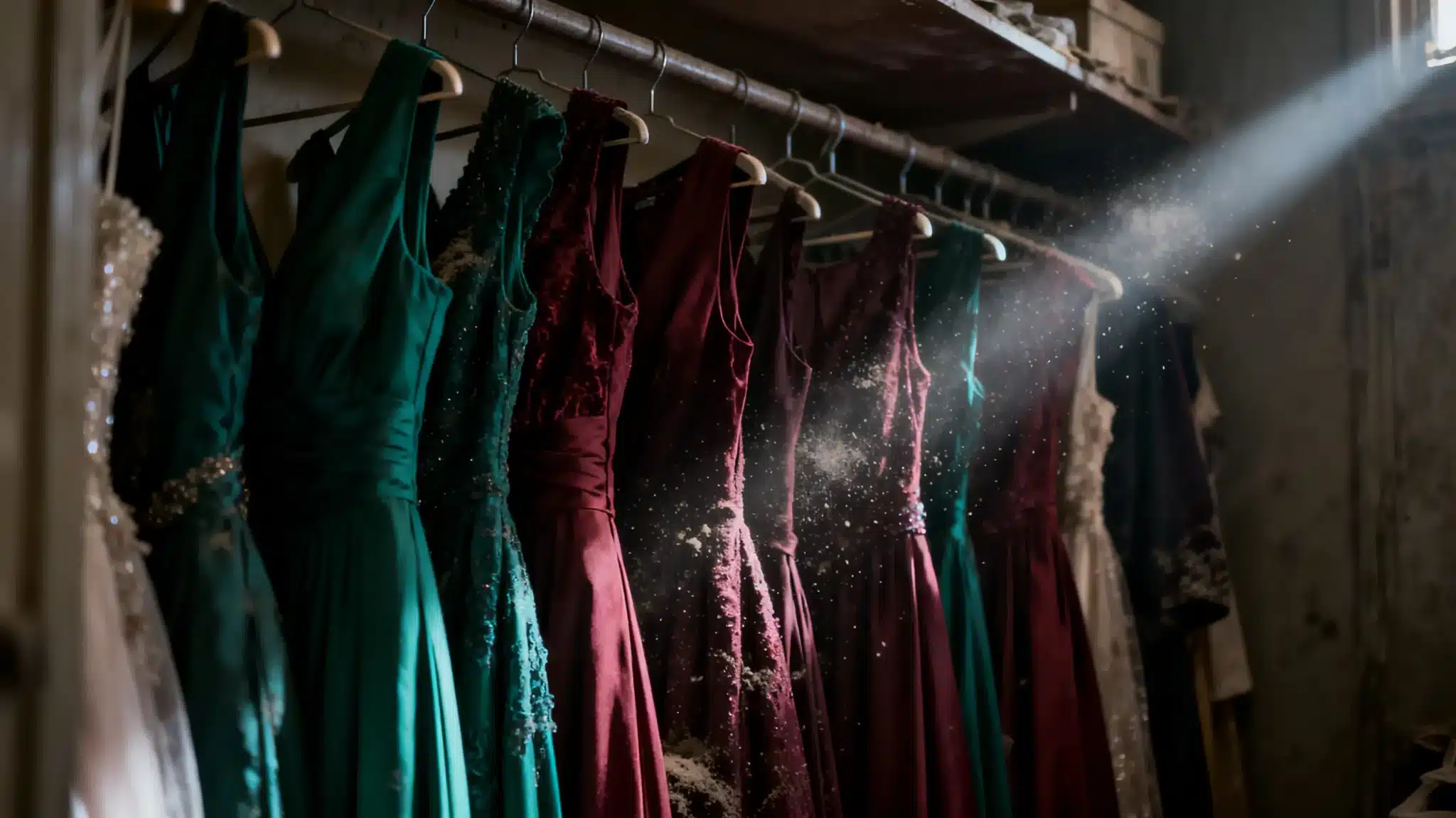
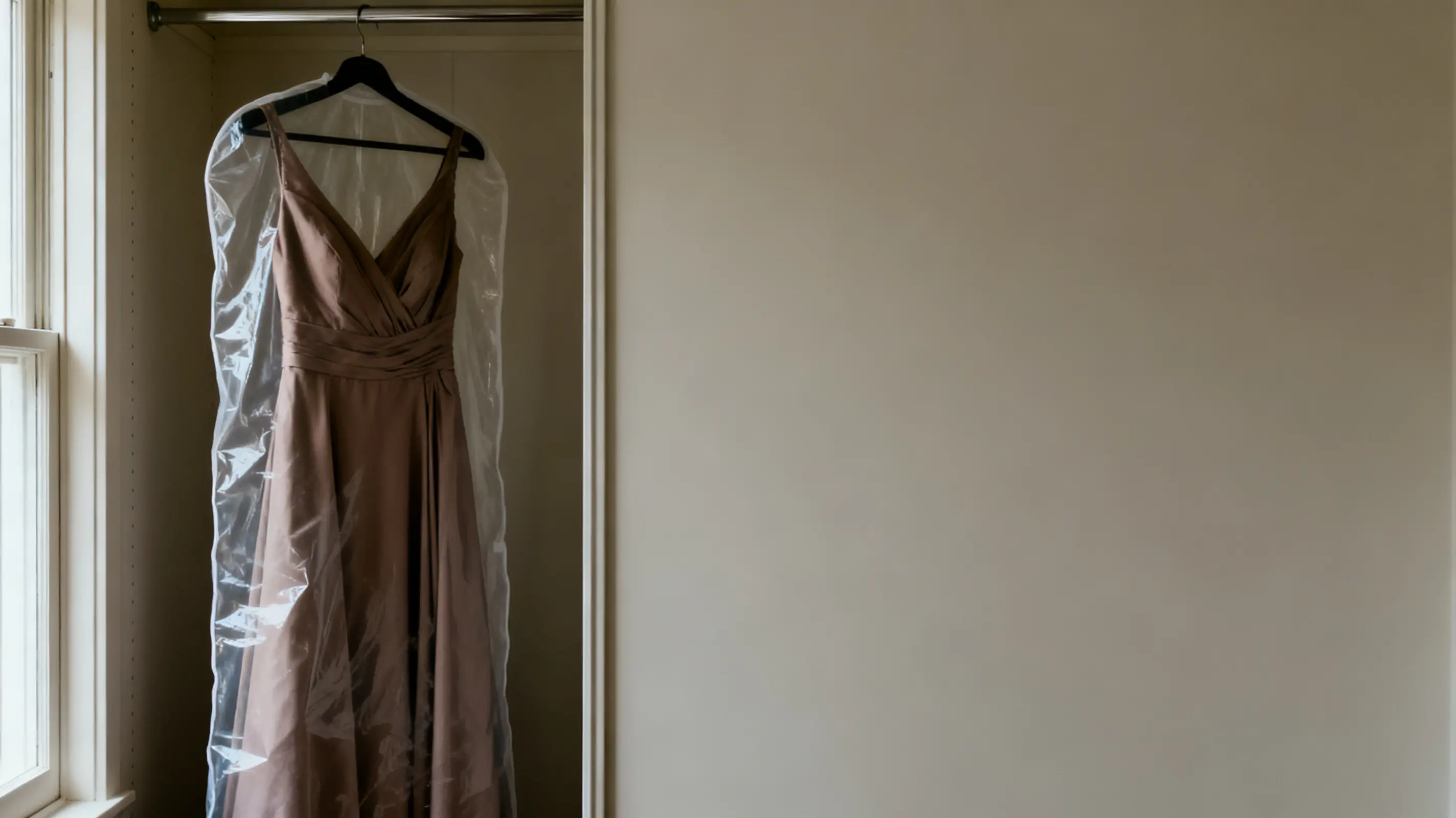
But if you zoom out, a different pattern starts to appear. These are garments often purchased for a single event, worn once or twice at most, then stored away or eventually resold. Not because they are worn out, but because the moment they were tied to has passed.
That is where occasionwear becomes less of a fashion category and more of a behavior pattern.
It is shaped by how we experience milestones, how we present ourselves socially, and how fashion marketing has evolved to sell moments rather than long term wardrobe thinking.
Why Occasionwear Sits in a Blind Spot
One reason occasionwear rarely gets attention in sustainability discussions is that it feels relatively small compared to everyday clothing. A T shirt worn every week clearly seems more impactful than a dress worn once.
But that comparison becomes less useful when you look at how consumption actually behaves in this category.
Event driven fashion has extremely high turnover. Weddings, school dances, graduations, holiday parties, formal events. Each one creates a reason to buy something new. Not always consciously, but often by default.
Even when people already own suitable clothing, there is a strong social and emotional push toward something new.
And unlike everyday basics that slowly wear out and get replaced naturally, occasionwear tends to have a very short active life followed by long periods of inactivity. It does not cycle out because it is used. It cycles out because the moment has passed.
This is where the pattern becomes clearer. Consumption is not driven by need. It is driven by frequency of events.
Sustainable fashion research has increasingly pointed out that impact reduction is not only about materials or production methods, but also about reducing unnecessary consumption and extending garment use. Even mainstream fashion coverage highlights how circular approaches such as rewearing, resale, and rental play a role in reducing textile waste and moving away from a purely linear system. InStyle has covered this shift, emphasizing how these behaviors are becoming central to conversations around responsible fashion consumption.
The Emotional Layer Behind It All
To understand why this pattern continues, it helps to step away from logic for a moment.
Occasionwear is not bought in the same mindset as everyday clothing. It is tied to emotional milestones. People want to feel confident, memorable, and appropriate for the moment they are stepping into.
That emotional weight changes how clothing is perceived.
There is also the social dimension. These events are often photographed, shared, and revisited later. Outfits become part of how the memory is stored. That naturally creates pressure to find something that feels special, distinct, and new.
In many cases, the decision is not about whether something looks good. It is about whether it feels worthy of the moment.
That is a subtle but important distinction. It means occasionwear is not just a product category. It is part of identity expression during specific moments in life.
And that makes it much harder to influence through rational sustainability arguments alone.
The Hidden Cost of Wearing Things Once
Even if each purchase feels small on its own, the environmental impact becomes more visible when the cycle repeats across millions of consumers.
Every garment carries a footprint before it is ever worn. Raw material sourcing, production, transportation, packaging, retail operations. All of it is embedded into that item from the start.
When a garment is worn only a few times, that entire footprint is effectively concentrated into a very small number of uses. The environmental cost per wear increases significantly.
Materials also matter here. Many occasionwear pieces rely on synthetic fabrics that contribute to microplastic pollution over time. Delicate garments often require dry cleaning, which adds additional chemical and water impacts into the lifecycle.
Resale markets do extend the lifespan of some items, but they do not eliminate the original production demand. They redistribute garments rather than reducing how many are created in the first place.
Why Younger Consumers Are Central to the Trend
Younger demographics play a major role in shaping occasionwear demand.
School events like homecoming, prom, and graduation are key drivers. These are highly visible, socially documented moments where appearance feels especially important.
They are also emotionally charged milestones. That combination of visibility and significance creates strong motivation to purchase something new.
Even when wardrobes are already full, the expectation of a new outfit remains strong.
This is where retail structure becomes relevant. For example, curated categories such as a hoco dress collection reflect how strongly fashion retail is organized around specific life moments rather than long term wardrobe building.
From a sustainability perspective, this raises a quiet but important question. Are we building wardrobes, or are we building one time experiences?
How Retailers Reinforce the Cycle
Retailers are not simply responding to demand. In many ways, they help shape it.
By organizing clothing into event based categories, they make it easier for consumers to mentally separate outfits by occasion. That structure is useful. It reduces friction and simplifies shopping.
But it also reinforces the idea that each event requires a new outfit.
Some brands are beginning to push in a slightly different direction. Encouraging rewearing, offering styling suggestions to refresh existing pieces, or focusing on quality and longevity rather than constant novelty.
Still, the dominant model remains centered on newness.
Circular Solutions and Their Limits
Rental platforms, resale markets, and clothing swaps are often presented as solutions to occasionwear waste.
And they do help. They extend the life of garments and reduce the need for new production in certain cases.
But they are not a complete replacement for ownership based consumption.
Rental depends on availability, fit, and user comfort. Some people simply do not want to rely on shared garments for meaningful events. Resale still depends on original overproduction. And swaps only work within limited social ecosystems.
So while circular models are part of the solution, they do not fully address the cultural expectation behind occasionwear.
Rethinking What Value Actually Means
A more meaningful shift might come from changing how value is defined in the first place.
Right now, value is often tied to novelty. A new dress for a new event feels like the correct choice because it creates a fresh experience.
But there are other ways to think about value.
Versatility. Reusability. Emotional attachment over time. The ability to style something differently across multiple moments.
A single garment that can adapt across events reduces pressure to continuously purchase new items, while still preserving the emotional role clothing plays in those moments.
Moving Toward More Conscious Occasion Dressing
None of this requires removing celebration from fashion. That is not realistic and not necessary.
Instead, the shift is more subtle.
Wearing pieces more than once without feeling it diminishes the moment. Choosing garments that can be reused in different contexts. Considering resale or rental when it makes sense. And slowly challenging the assumption that every event needs something new.
Fashion does not lose meaning when repetition enters the picture. In some cases, it becomes more intentional.
Because ultimately, sustainability in this space is not about reducing special moments. It is about reducing unnecessary clothing cycles attached to them.