



If you have ever walked out of a bleaching session with yellow or orange hair, you already know why toner exists. Hair toner is the step most people skip, but it really should not be.
It fixes unwanted warm tones, evens out color, and gives your hair that clean, polished finish. Whether you are going platinum blonde or just refreshing your highlights, knowing what toner does to hair can completely change how your color turns out.
Understanding how toner works and how to use it right makes all the difference between hair that looks off and hair that looks exactly the way you wanted.
What Hair Toner Is
At-home toners, glosses, and toning shampoos are semi-permanent, meaning they require no developer and sit on the surface of the hair.
Salon toners are demi-permanent and mixed with a low-volume developer, allowing the pigment to deposit deeper into the cuticle and last significantly longer.
Unlike hair dye, which lifts or deposits pigment deep into the hair, toner works on the outer layer to neutralize brassiness, yellow tones, or any unwanted warmth left after bleaching or lightening.
It is a great way to fine-tune your hair color without committing to a full dye job. One important thing to know is that toner does not work on unbleached or unlifted hair. The hair needs to be lightened first for toner to have any visible effect on the color.
For a closer look at how different toning methods compare, our guide to coloring methods and techniques covers it in more detail.
Types of Hair Toner
Different toners are made to fix different color problems. Purple toner cancels out yellow and brassy tones, blue toner targets orange and copper shades, and silver toner is used to achieve an icy or cool gray finish.
The type of toner you need often depends on your coloring method and technique. Toners also come in cream and liquid forms.
Cream toners are thicker and easier to apply at home, while liquid toners are often used in salons for more precise results.
Common Toner Colors and Their Effects
| Toner Color | Target Hair Issue | Resulting Tone |
|---|---|---|
| Purple | Yellow, brassy tones | Cool blonde, ash blonde |
| Blue | Orange, copper tones | Natural brown, cool brunette |
| Silver | Pale yellow, light brassiness | Icy blonde, silver gray |
| Green | Red tones | Neutral, natural-looking color |
| Red/Warm | Overly cool or ashy hair | Warm, golden tone |
Why Hair Needs Toner
After bleaching or coloring, hair rarely comes out looking perfectly neutral. Toner steps in to fix the tone, boost the color, and keep your hair looking polished and intentional rather than patchy or off.
Correcting Brassy or Yellow Tones
- Bleaching strips the hair of its natural pigment, often leaving behind warm yellow or orange undertones that were not part of the plan.
- Hair dye can also leave residual warmth, especially on darker hair that has been lifted multiple times.
- Toner neutralizes these unwanted tones by depositing cool or neutral pigment onto the hair shaft to balance the overall color.
Enhancing Hair Color
- Toner can refine blonde hair into a cooler ash shade, give brunettes a richer depth, or make pastel shades look more even and true.
- It adds a natural shine to the hair by smoothing the cuticle and making the color appear more polished and fresh.
- Whether you want a subtle shift or a more defined tone, toner gives you better control over your final hair color result.
Protecting Hair Quality
- Some toners are made with conditioning ingredients like keratin or argan oil that help keep hair soft and smooth during the toning process.
- Following the recommended application time is important because leaving toner on too long can cause the hair to go darker or take on an unwanted shade.
- Using a toner that suits your hair type and condition helps reduce the risk of dryness or damage while still delivering the color result you want.
How Toner Works
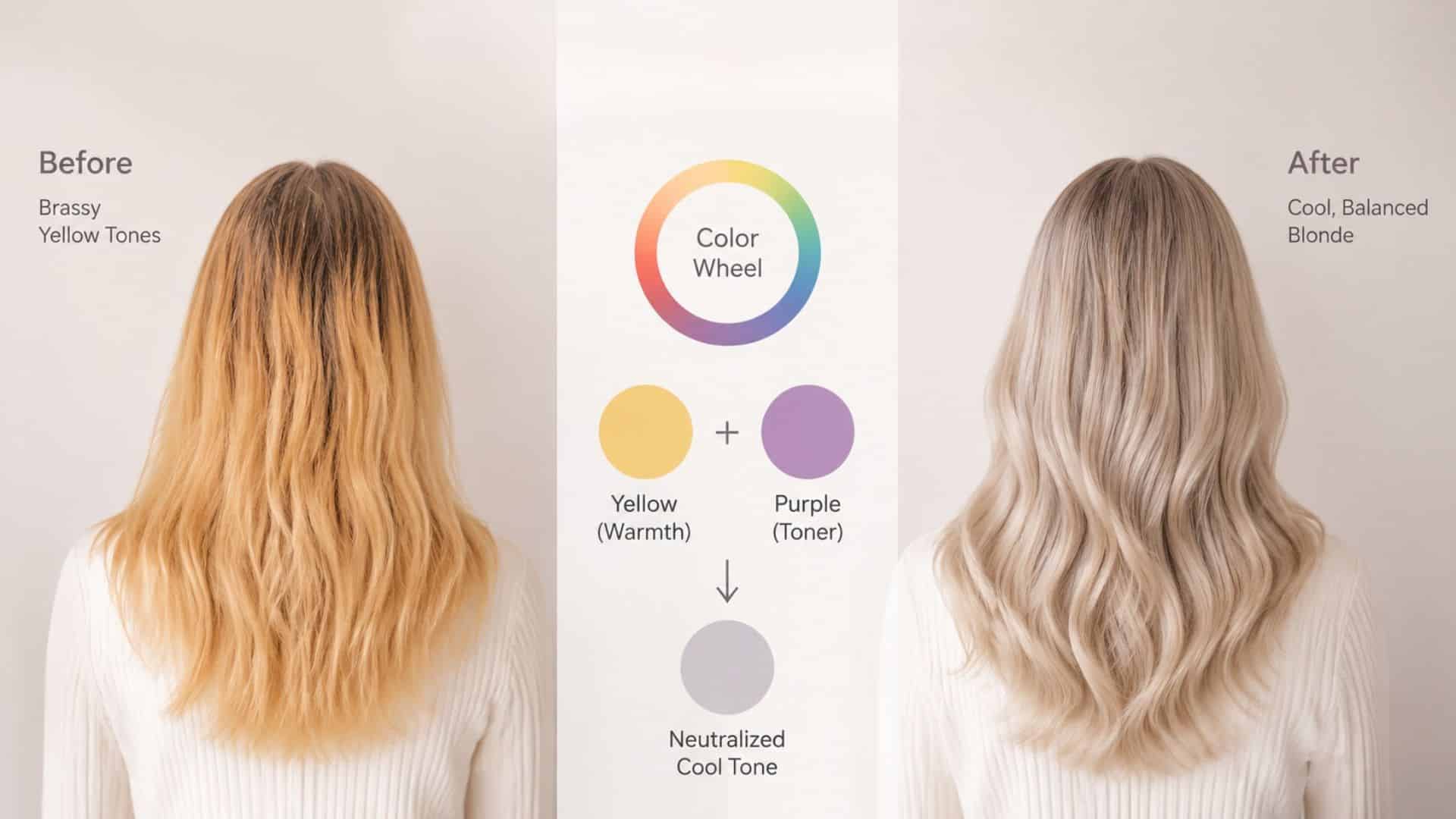
Toner does not work the same way as regular hair dye. It uses color theory to cancel out unwanted shades by depositing opposite tones onto the hair. Understanding how it works helps you get the result you are actually looking for.
The Science in Simple Terms
When you apply toner, it deposits small color pigment molecules onto the outer layer of the hair shaft.
These pigments interact with the existing color molecules already sitting in your hair and work to neutralize tones that sit opposite on the color wheel.
For example, purple pigment cancels yellow because they are directly opposite each other, which is why knowing what toner does to hair makes it easier to pick the right shade for your needs.
Expected Results
The results you get from toner depend on several factors, including how porous your hair is and what base color you are starting with.
Highly porous hair absorbs toner faster and more intensely, which can lead to a stronger or darker result than expected.
Hair that is only slightly warm may just need a subtle shift, while heavily bleached hair with strong orange tones will see a much more noticeable change after toning.
How to Tone Hair in a Few Simple Steps
Getting your hair toned is straightforward as long as you follow the right steps. With the correct toner, a little prep work, and some patience, you can get high-quality results without leaving your house.
Step 1: Preparing Your Hair
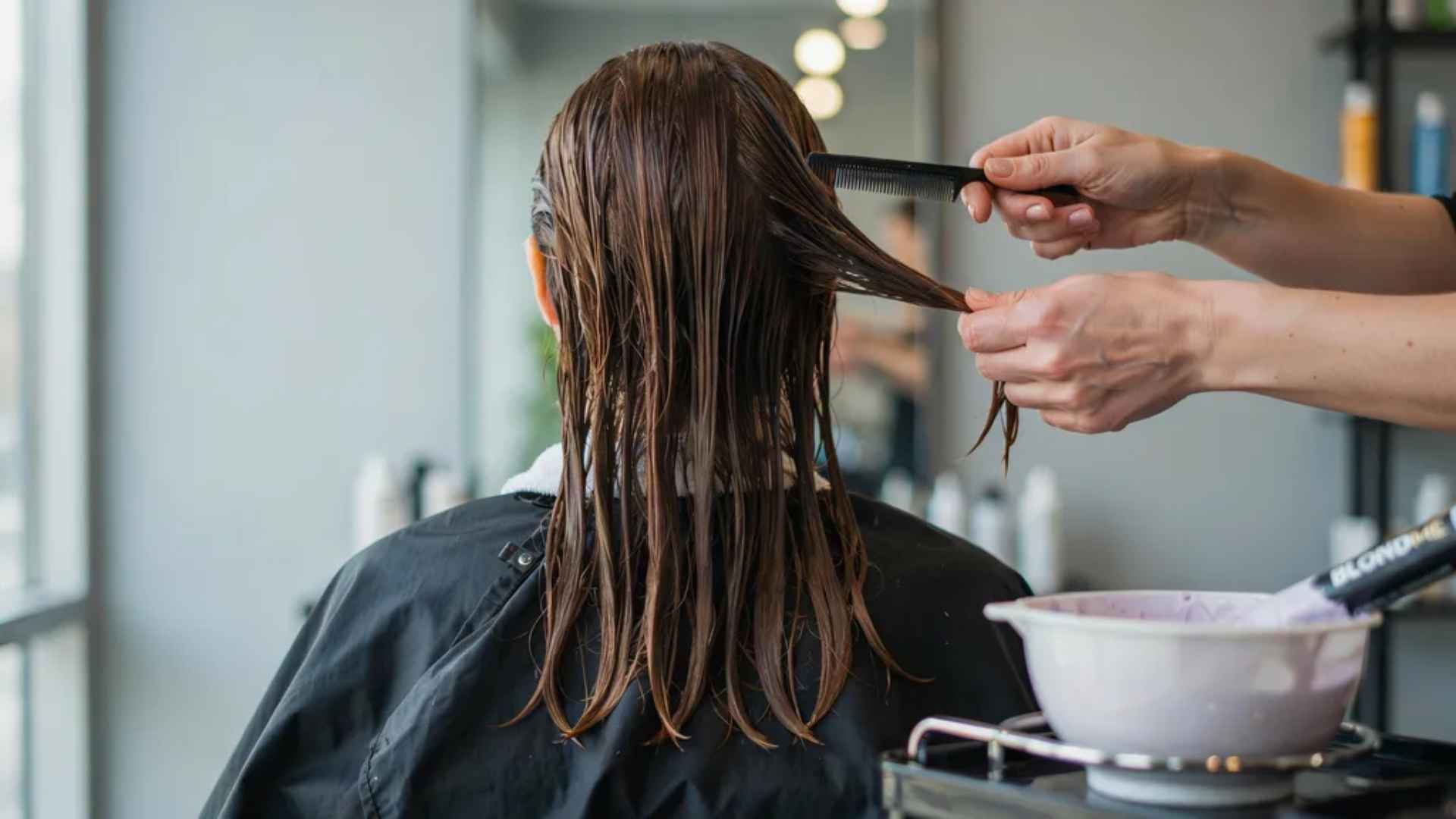
Getting your hair ready before applying toner is just as important as the toning itself. Proper preparation helps the toner absorb evenly and gives you a cleaner, more consistent result from root to end.
- Wash your hair with a gentle shampoo to remove dirt, oil, and product buildup. Skip the conditioner as it creates a barrier that blocks toner from absorbing properly.
- Towel dry your hair until it is slightly damp. Toner works best on damp hair, not soaking wet, so squeeze out any excess water before you begin.
- Do a strand test by applying toner to a small section first to see how the color develops on your hair before applying it to your whole head.
- Protect your skin by applying petroleum jelly along your hairline, ears, and neck to prevent the toner from staining your skin.
- Comb through your hair to remove any tangles so the toner can be applied smoothly and evenly across every section.
Step 2: Applying Toner Safely
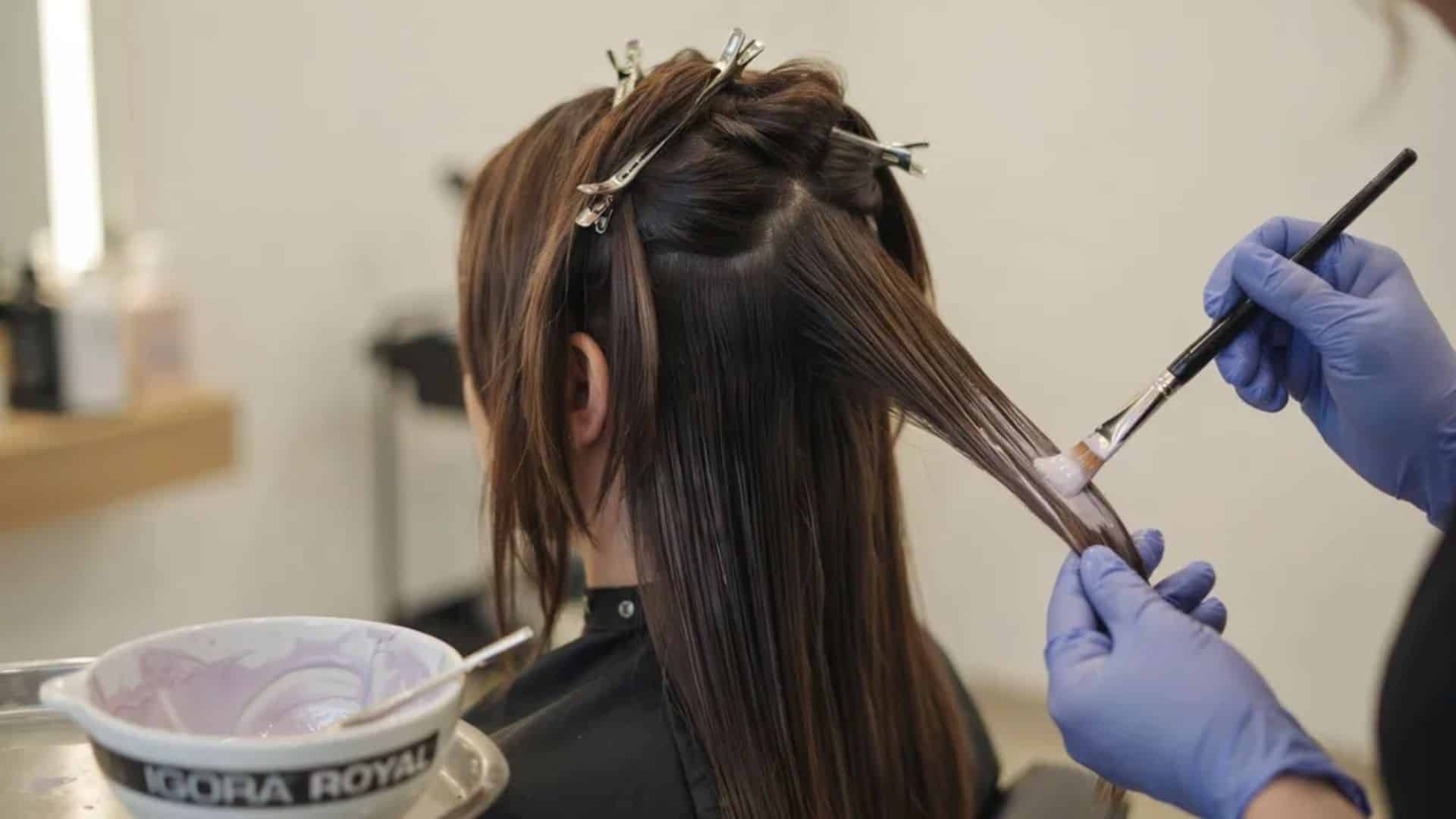
Once your hair is prepped, it is time to apply the toner. Working in sections and keeping track of processing time will help you avoid uneven results or over-toning.
- Mix the toner according to the instructions on the package. If you are using a salon-grade toner, mix it with a developer at a 1:2 ratio for the best color results.
- Divide your hair into 4 to 6 sections using clips so you can work through each part methodically without missing any spots.
- Apply toner evenly starting from the back and working toward the front, covering hair from roots to ends in each section.
- Monitor the processing time closely and check your hair every few minutes to ensure you are not leaving the toner on longer than recommended.
- Rinse with lukewarm water once your desired tone is achieved, making sure all the toner is fully washed out before moving on.
Step 3: Post-Toning Care

How you care for your hair after toning makes a big difference in how long the color lasts. A few simple steps right after the process can keep your tone looking fresh for weeks.
- Use a sulfate-free, color-safe shampoo to gently wash your hair after toning, so the color is preserved and does not fade too quickly.
- Apply a nourishing conditioner or hair mask right after rinsing to restore moisture and keep your hair feeling soft and healthy.
- Avoid heat styling for a day or two after toning to protect the tone and give your hair time to settle after the chemical process.
If you do need to style, following a heat-safe hair care routine helps preserve your tone for longer - Plan your re-toning schedule based on your hair type, as toner typically lasts 2 to 6 weeks, depending on porosity and color intensity.
Tips for Choosing the Right Toner
|
Signs You Need Hair Toner
Not every hair color problem needs a full dye job. Sometimes your hair is just off-tone, and a simple toning treatment is all it takes to bring everything back into balance.
Identify Brassiness: Brassiness is one of the most common signs your hair needs toner, with yellow, orange, or red tones appearing after bleaching or coloring.
Uneven Color: Uneven color with patches of different tones or mismatched highlights is another clear sign that a toning treatment could help even things out.
Dull or Flat Hair: Dull or flat hair that looks washed out and lacks shine is a strong sign that a fresh toner application is overdue.
Professional vs Home Toning
Choosing between a salon and doing it yourself comes down to your hair condition, experience level, and the result you are after. Both options have their place, but knowing the difference helps you make the right call before you start.
| Factor | Professional Toning | Home Toning |
|---|---|---|
| Cost | Higher cost but includes expert service | More budget-friendly with store-bought kits |
| Application | Even precise application by a trained professional | Uneven results possible without experience |
| Hair Assessment | The stylist checks porosity, damage, and base color first | No professional assessment before application |
| Risk of Damage | Lower risk with correct products and technique | Higher risk if instructions are not followed carefully |
| Results | Consistent, longer lasting, and more refined | Results vary depending on skill and the product used |
| When to Choose | Severely damaged hair, complex color corrections, first-time toning | Mild brassiness, touch-ups, or maintaining an existing tone |
See what the Quora community has to say about dying hair at home or getting a professional appointment arranged.
Common Mistakes to Avoid When Toning Hair
Toning hair may seem simple, but small errors can lead to major color problems. Knowing what to avoid before you start saves your hair from unnecessary damage and disappointing results.
- Leaving toner on too long can make your hair look overly gray or ashy, so always follow the timing instructions carefully.
- Choosing the wrong toner shade for your base color can worsen the result, so always match toner to the opposite color on the color wheel.
- Skipping a strand test before full application is never worth the risk as it shows how the toner will develop on your hair.
- Toning too often strips moisture and dulls your hair over time, so wait 4 to 6 weeks between toning sessions.
Conclusion
Toner is a small step that makes a big difference in your hair color results. From canceling brassiness to adding shine, it gives you far more control over how your final color looks.
Picking the right shade, following the timing, and taking care of your hair afterward are all it takes to get it right. Now that you know how toning works and what to watch out for, you are in a much better position to keep your hair color looking exactly the way you want it.
Frequently Asked Questions
What Does Toner Do to Hair?
Toner cancels unwanted warm or brassy tones and adjusts your hair color to a more neutral or cool shade.
How Long Does Hair Toner Last?
Toner typically lasts between two and six weeks, depending on your hair porosity and how often you wash it.
Can I Use Toner on Dry Hair?
Toner works best on damp hair as it absorbs more evenly and gives a more consistent color result.
How Often Should I Tone My Hair?
Most hair types can handle toning every four to six weeks without causing dryness or damage over time.
Does Toner Damage Your Hair?
Toner is generally gentle, but over-toning or leaving it on too long can cause dryness and dullness.