A new hair color can completely change how your hair looks, but the shade is only part of the equation. I have found that the application method often makes the biggest difference in the final result.
Some hair coloring techniques create soft, natural dimension, while others add bold contrast or a gradual color fade.
Understanding the most common methods can help you choose a look that matches your hair type, style preferences, and maintenance routine.
From balayage and highlights to ombre and color melting, each technique offers something different.
Why Does Hair Color Application Matter?
Hair coloring techniques are the methods stylists use to apply color to the hair. While many people focus on choosing a shade, the application technique plays a big role in the final result.
For example, two people can use the same hair color but get very different looks based on how and where the color is placed. Techniques such as balayage, highlights, and ombre create different levels of depth and contrast throughout the hair.
Color placement also affects how the color grows out over time and how often touch-ups are needed. Understanding these techniques can make it easier to choose a look that fits your style and maintenance needs.
Popular Hair Coloring Techniques and How They Work
Hair coloring techniques can create very different results, even when the same shade is used. Some methods add soft dimension, while others create stronger contrast or a gradual color change.
1. Balayage
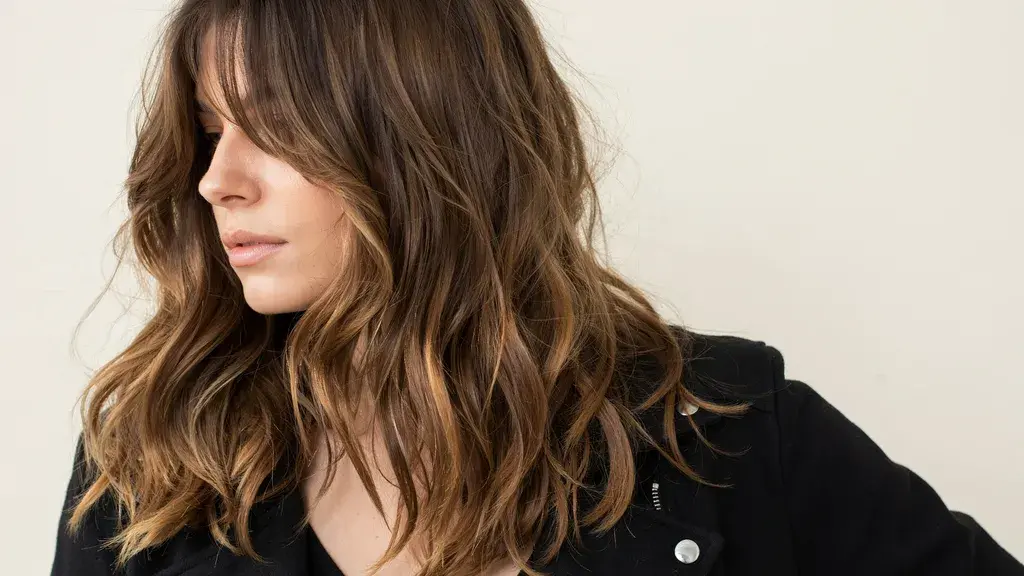
Balayage is a coloring technique that creates a soft, natural-looking blend from darker roots to lighter ends. It works well on most hair types and lengths, especially medium to long hair.
Since the color is blended smoothly, regrowth is less noticeable. Maintenance is generally low, making it a popular choice for people who prefer fewer salon visits.
How It’s Applied: Color is hand-painted onto selected sections of hair rather than placed in foils. The stylist focuses on the mid-lengths and ends to create a gradual, sun-kissed effect with soft transitions between shades.
2. Traditional Highlights
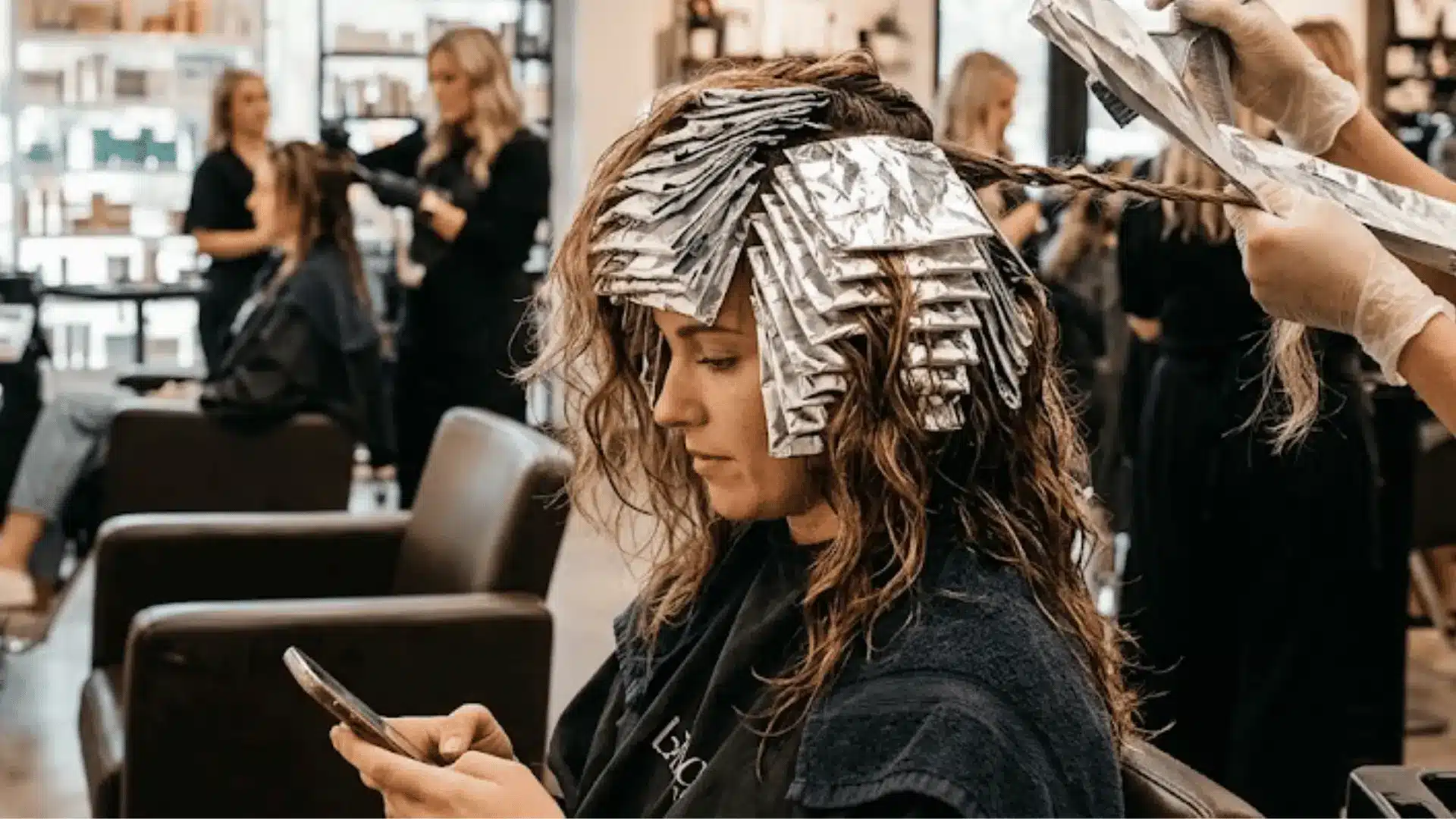
Traditional highlights involve lightening specific strands throughout the hair to add brightness and contrast. This technique works on most hair types and can make hair appear more dimensional.
Highlights can be subtle or bold depending on placement and color choice. Maintenance is moderate because visible root growth often requires regular touch-ups.
How It’s Applied: Small sections of hair are separated and wrapped in foils after color or lightener is applied. The foils help process the selected strands while keeping them separate from the rest of the hair.
3. Babylights
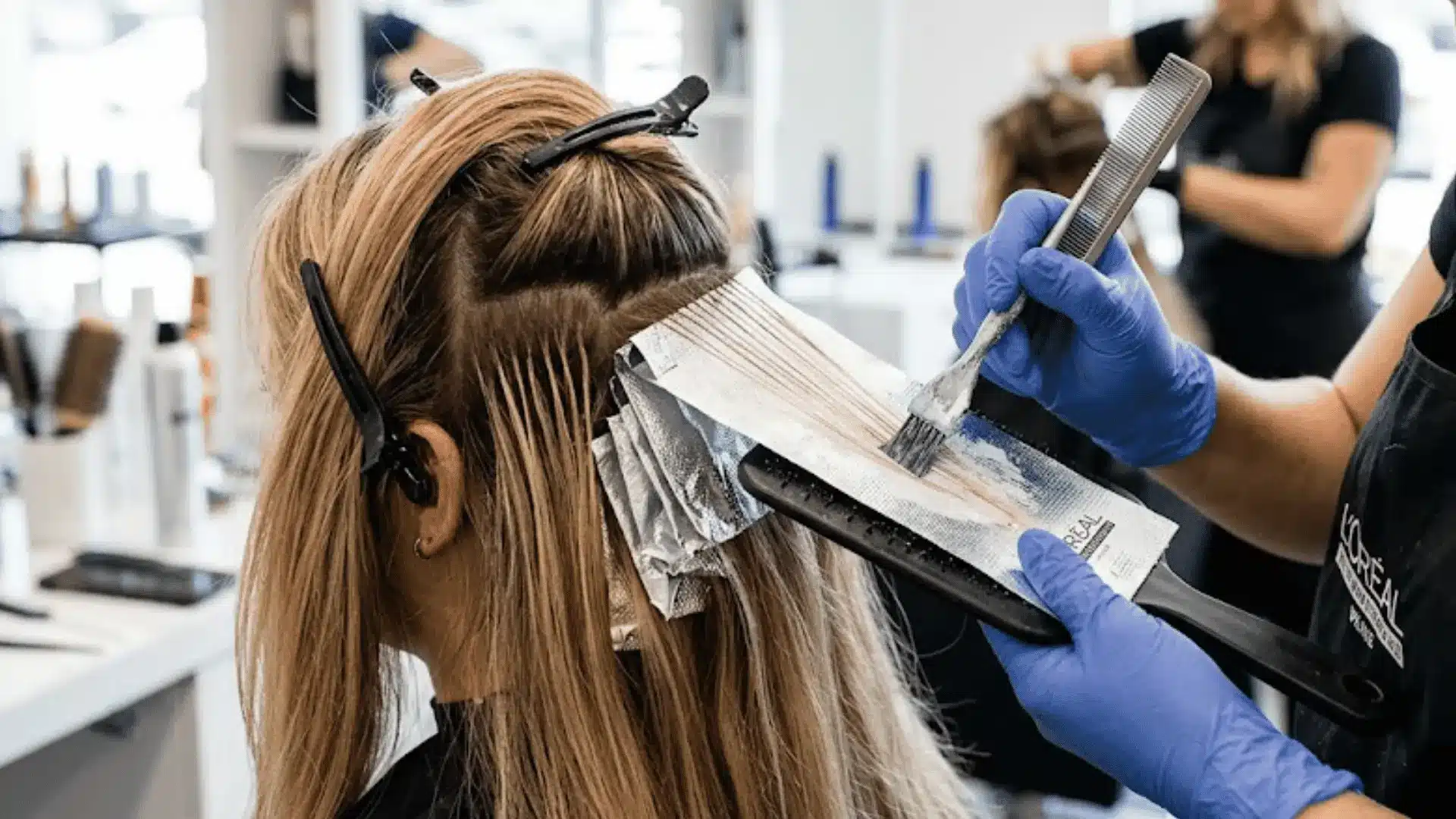
Babylights are very fine highlights designed to mimic the natural color variation often seen in children’s hair. They create a soft and natural appearance without strong contrast.
This technique works especially well on fine hair and people who want a subtle change. Maintenance is moderate to low because the highlights blend naturally with the base color.
How It’s Applied: The stylist takes very small sections of hair and applies lightener using fine foils. The tiny pieces are spread throughout the hair to create gentle brightness and a seamless finish.
4. Lowlights
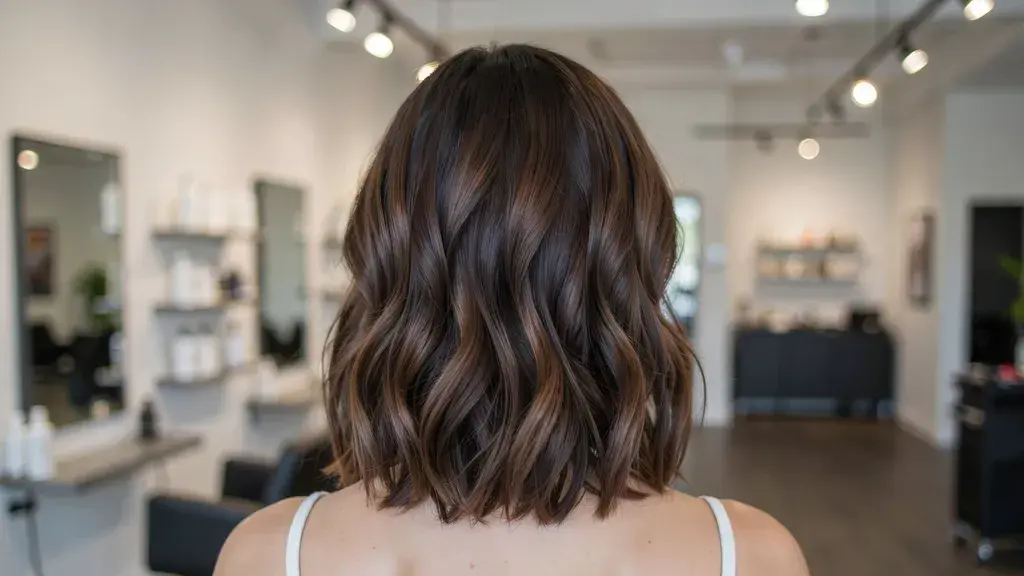
Lowlights add darker strands to the hair instead of lighter ones. They are often used to create depth, reduce excessive brightness, or add dimension to lighter hair colors.
This technique works well on blonde, highlighted, or color-treated hair. Maintenance is usually moderate because darker tones tend to blend naturally as hair grows.
How It’s Applied: Darker color is applied to selected sections throughout the hair. The strands may be wrapped in foils or colored individually to create contrast and a more balanced overall look.
5. Ombre
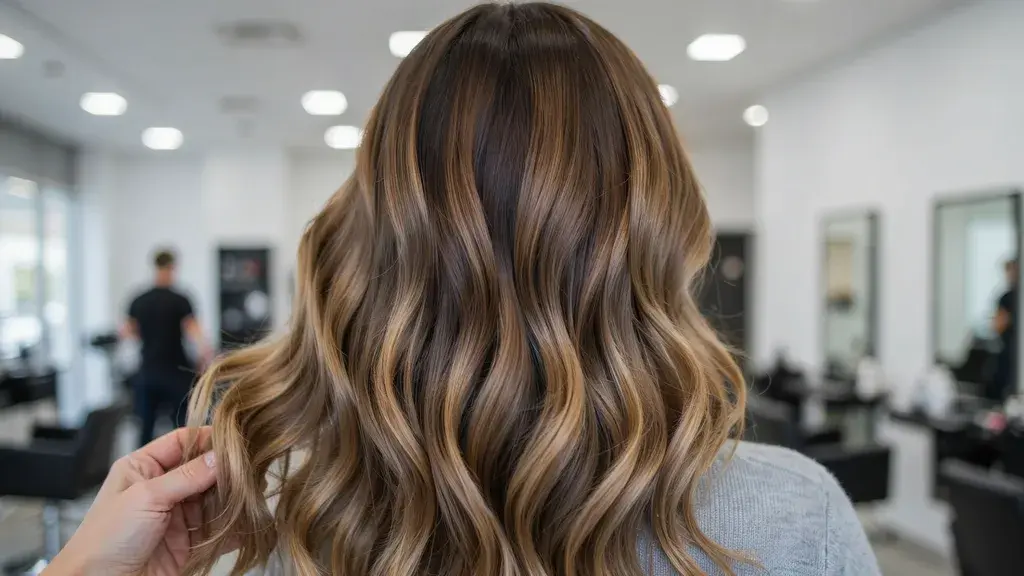
Ombre creates a noticeable transition from darker roots to lighter ends. The contrast can be dramatic or softer depending on the chosen colors.
This technique works best on medium to long hair, where the color shift can be clearly seen, especially on longer layered haircuts. Maintenance is generally low because the roots remain darker and grow out naturally.
How It’s Applied: The stylist gradually applies a lighter color from the middle of the hair toward the ends. The color is blended to create a smooth transition between the darker root area and lighter lengths.
6. Sombré
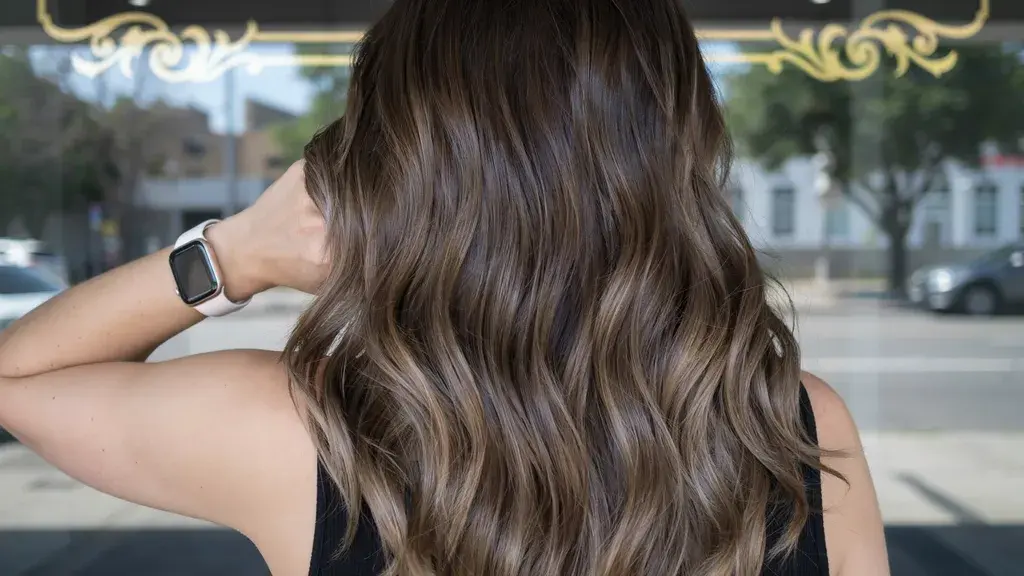
Sombré, short for “soft ombre,” creates a more gradual color transition than traditional ombre. Instead of a strong contrast, the shades blend smoothly from roots to ends. It works well on most hair types, especially medium to long hair.
Maintenance is low because the color grows out naturally and does not leave a noticeable root line.
How It’s Applied: The stylist blends lighter color through the mid-lengths and ends while keeping the transition soft and subtle. The goal is to create a natural shift between shades without harsh lines.
7. Foilyage
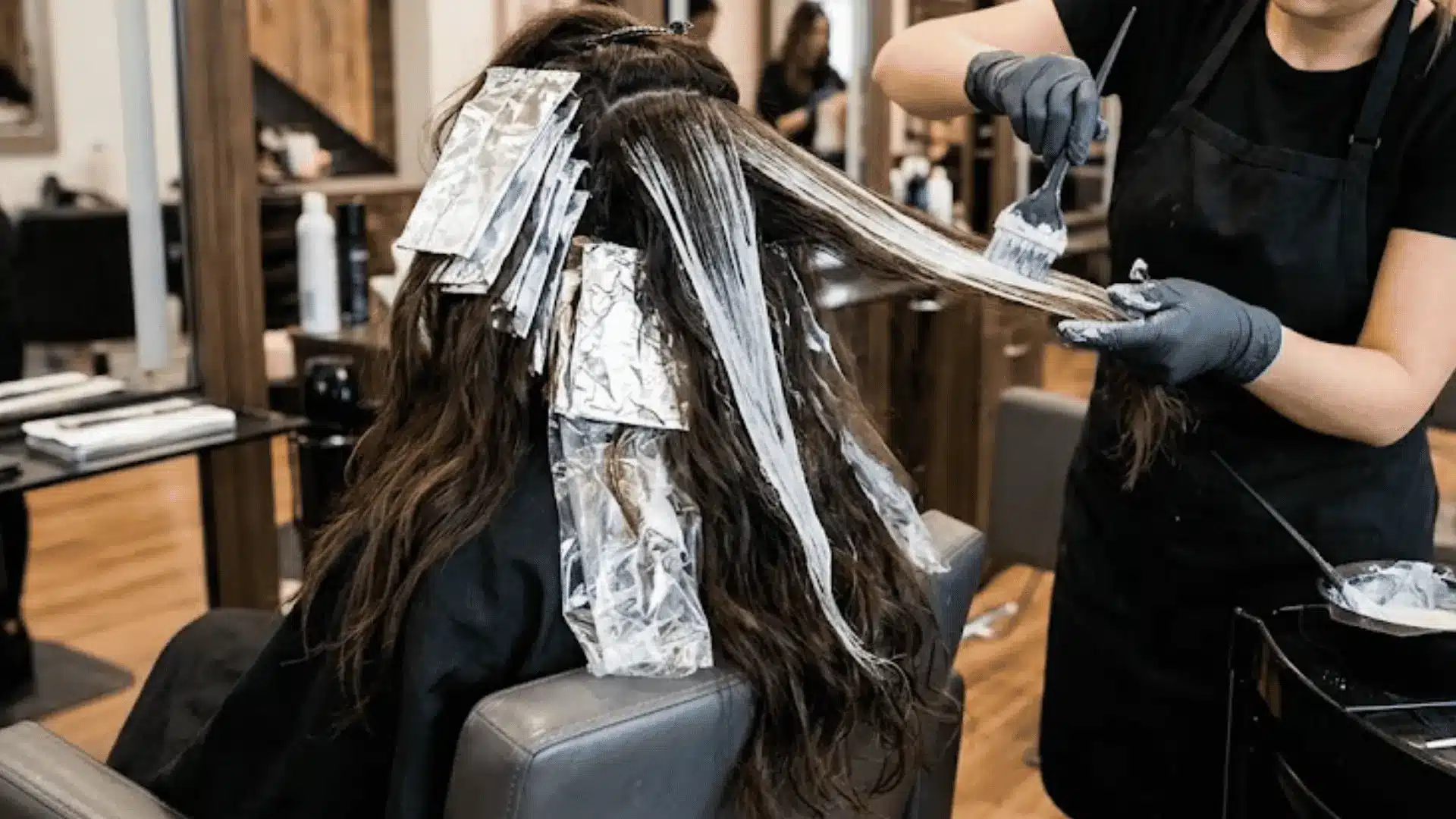
Foilyage combines balayage and foil highlighting techniques. It creates brighter results than traditional balayage while still maintaining a blended appearance.
This technique works well on darker hair and people who want more noticeable lightness. Maintenance is moderate, as brighter sections may require occasional toning and touch-ups.
How It’s Applied: Color is painted onto sections of hair, then the hair is wrapped in foil. The foils help the lightener process more effectively, creating extra lift while keeping the color placement soft and blended.
8. Color Melting
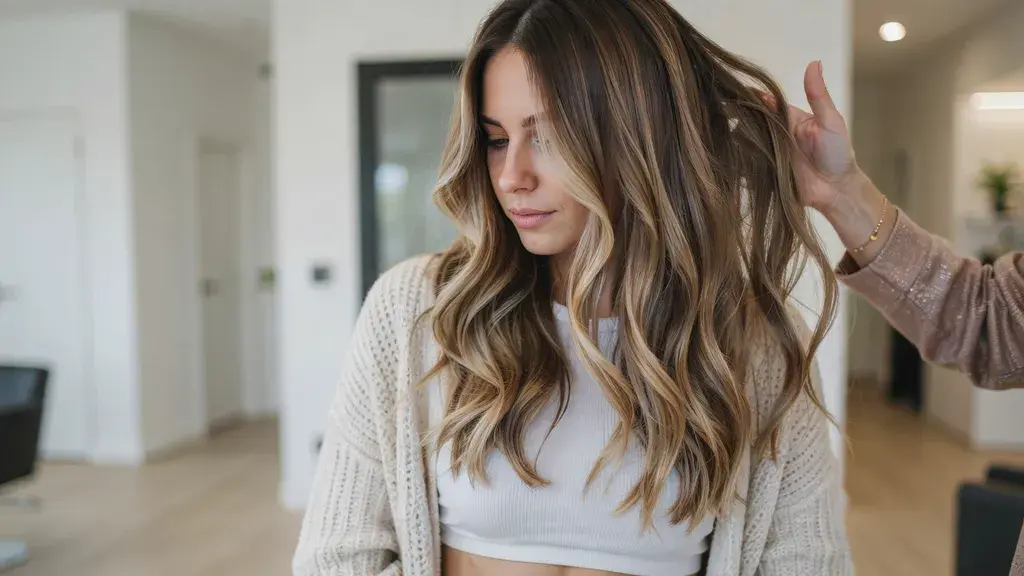
Color melting blends multiple shades together so there are no visible lines between colors. The result is a smooth flow from one tone to another. It works on many hair types and lengths, especially layered hair.
Maintenance is generally low because the blended colors create a softer grow-out pattern.
How It’s Applied: The stylist applies several shades and carefully blends them where they meet. This creates a seamless transition between colors, making the different tones appear naturally connected.
9. Root Smudge
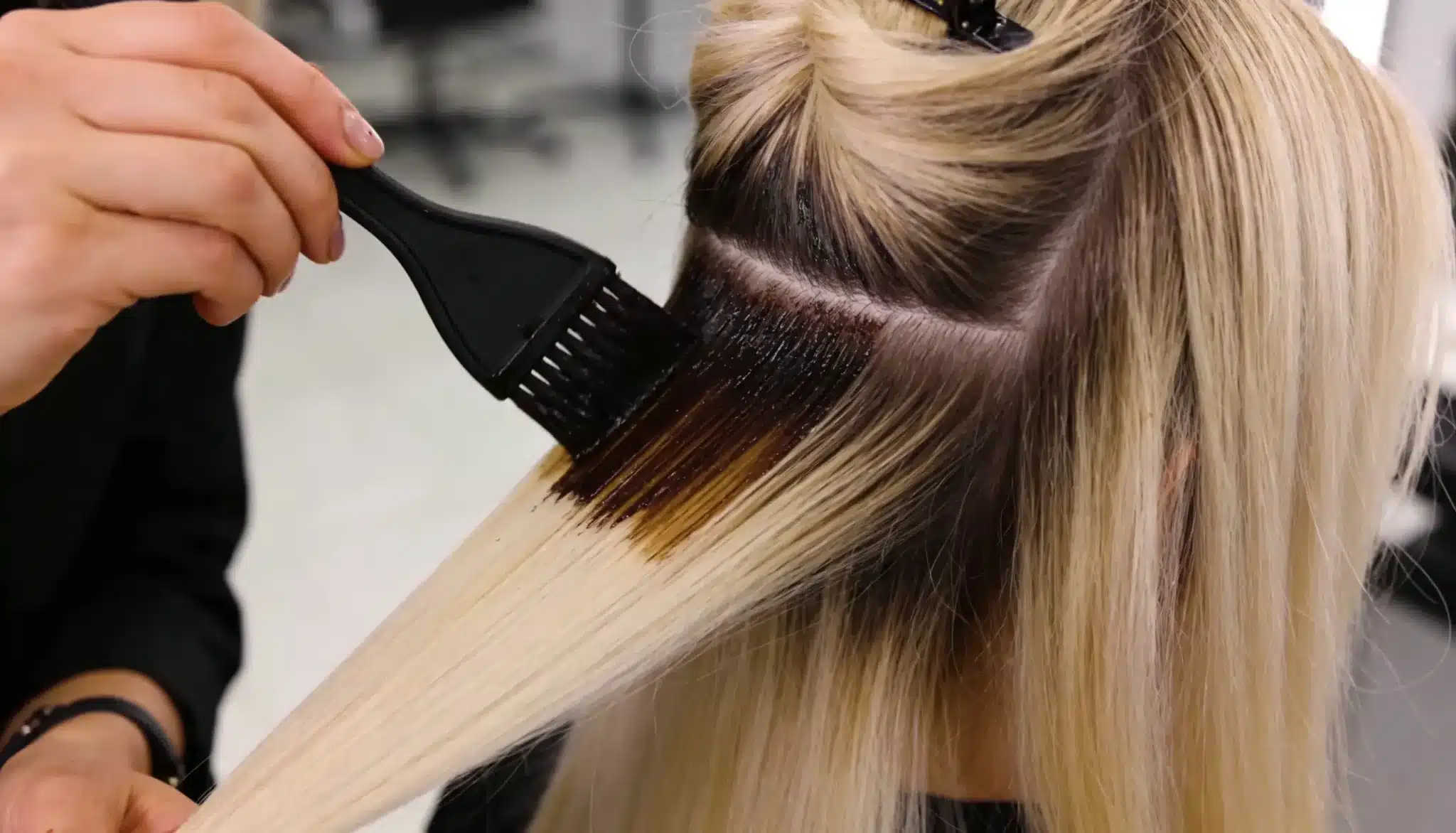
A root smudge softens the line between the roots and lighter sections of hair. It helps create a more natural look and reduces the appearance of harsh regrowth.
This technique works well on highlighted, balayaged, or blonde hair. Maintenance is low because root growth blends in more easily over time.
How It’s Applied: A color close to the natural root shade is applied and gently blended into the lighter hair below. This softens the contrast and creates a smoother transition between colors.
10. Shadow Root
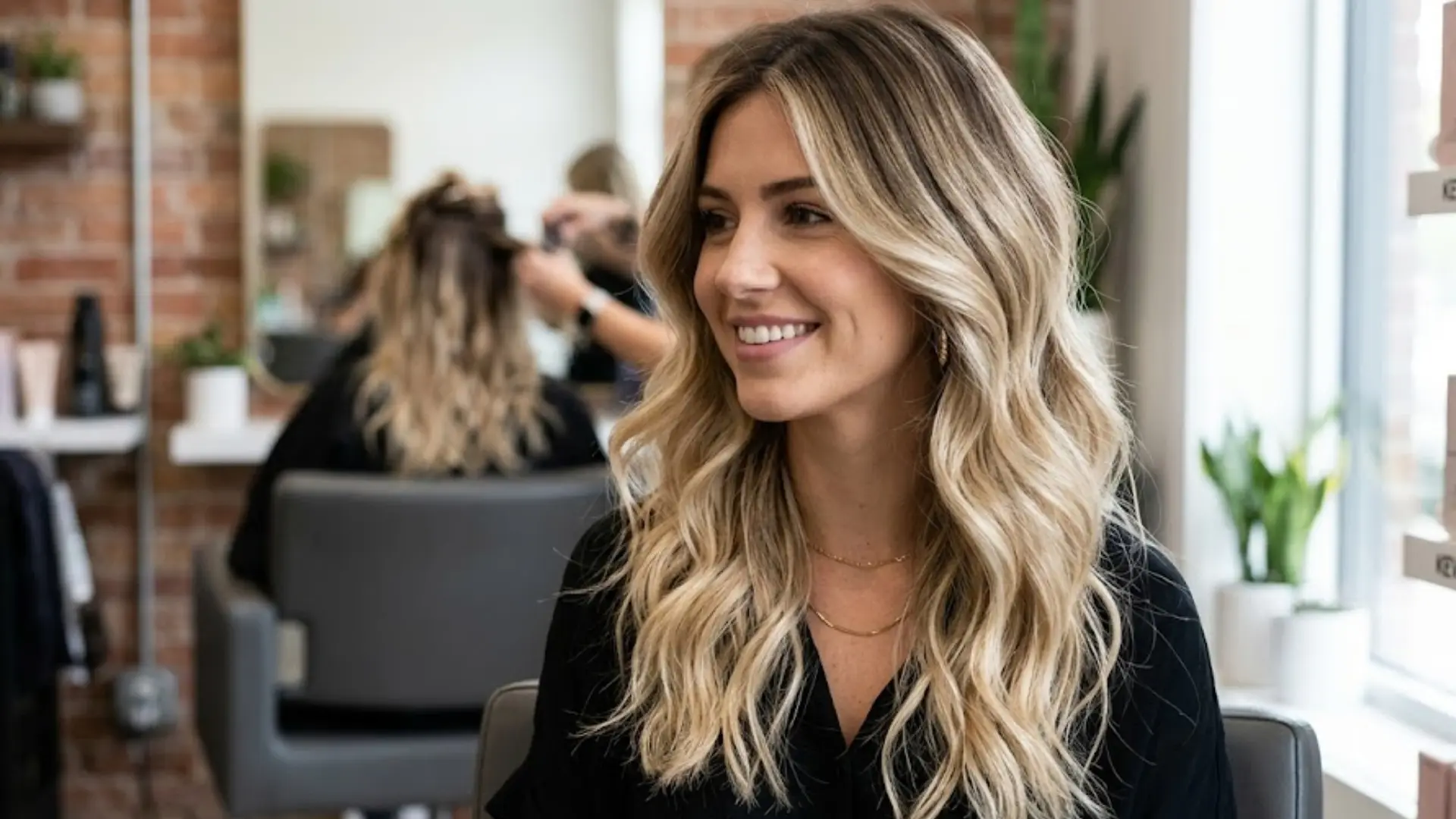
A shadow root keeps the root area intentionally darker than the rest of the hair. This adds depth and creates a natural-looking contrast with lighter lengths.
It works especially well on blonde and highlighted hair. Maintenance is low since the darker roots help disguise new hair growth between salon appointments.
How It’s Applied: The stylist applies a darker shade at the roots and blends it downward into the lighter sections. The result is a gradual fade rather than a sharp color difference.
11. Chunky Highlights
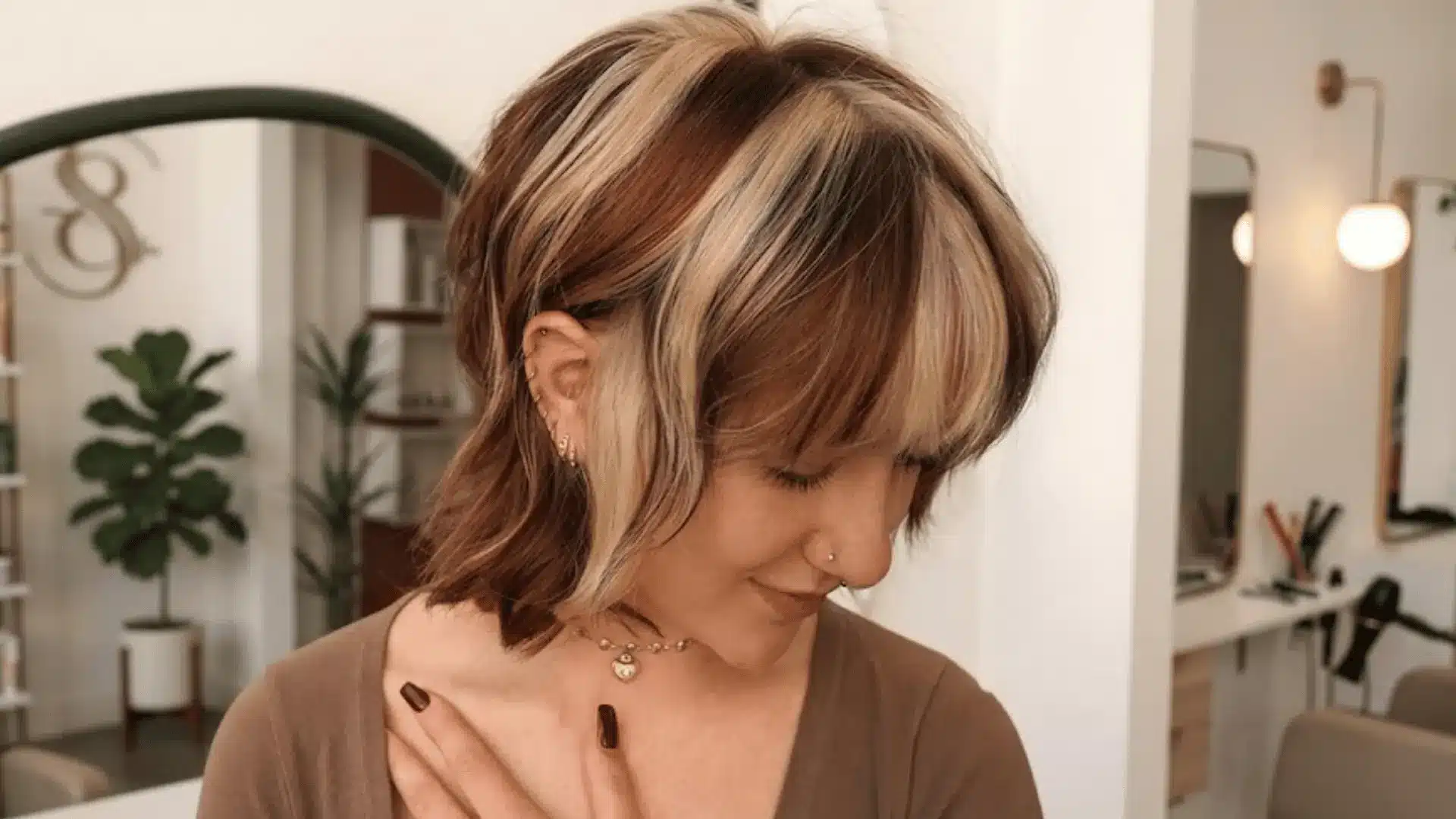
Chunky highlights use wider sections of lighter color to create a bold contrast against the base hair color. Unlike fine highlights, they are designed to stand out and be easily noticeable.
This technique works well on straight and medium-to-thick hair. Maintenance is moderate because root growth and color differences may become more visible over time.
How It’s Applied: Larger sections of hair are selected and lightened using foils. The wider placement creates distinct streaks throughout the hair, giving the color a stronger and more noticeable appearance.
12. Ribbon Highlights
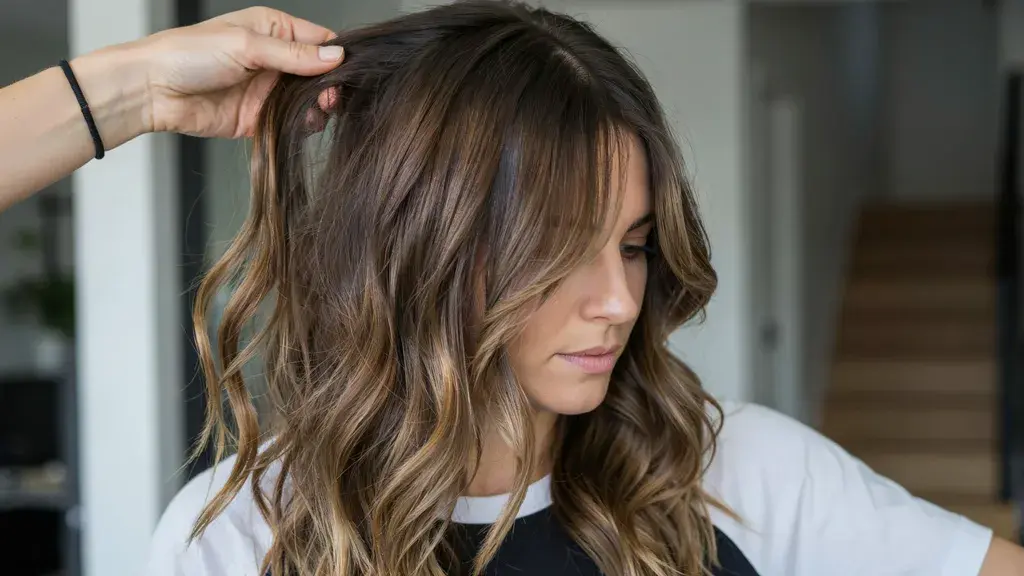
Ribbon highlights are wider than traditional highlights but more blended than chunky highlights. They create ribbons of brightness that flow through the hair, adding depth and movement.
This technique works particularly well on layered, wavy, and long hair. Maintenance is moderate since the highlights blend naturally but may still need occasional touch-ups.
How It’s Applied: The stylist places broader highlighted sections throughout the hair, focusing on areas that frame the face and add dimension. The color is blended to create visible yet natural-looking brightness.
13. Peekaboo Color
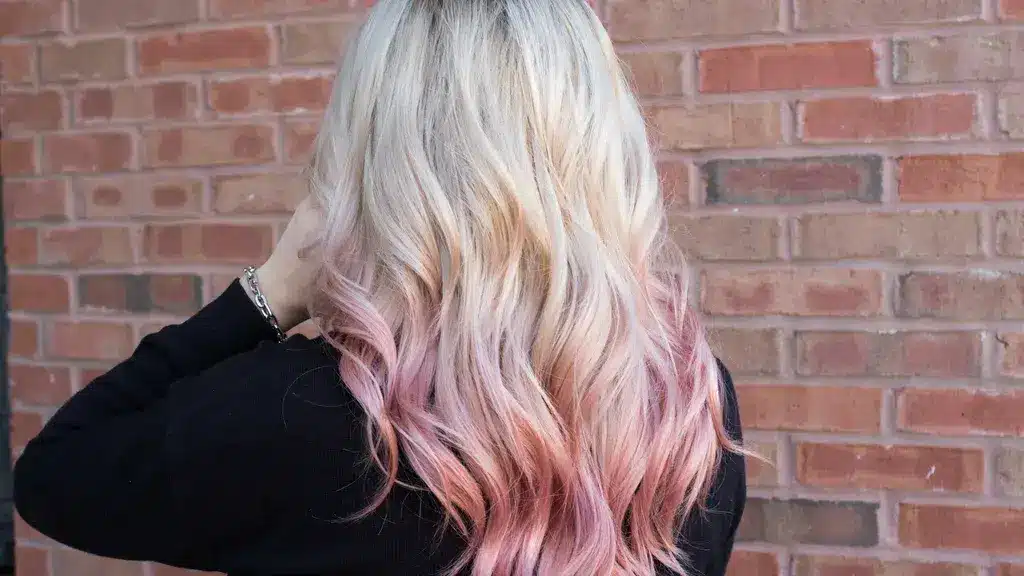
Peekaboo color places hidden sections of color underneath the top layers of hair. The color becomes visible when the hair moves, is styled, or is tied up.
This technique works on most hair types and lengths and can be subtle or bold. Maintenance varies depending on the color used and how often the hair is washed.
How It’s Applied: Color is applied to lower layers of the hair while the top layers remain mostly unchanged. This placement keeps the color partially hidden until the hair shifts or is styled differently.
Note: A few of these hair coloring techniques may appear similar, especially in photos. The biggest differences are often in how the color is applied, how noticeable the contrast is, and how the color grows out over time.
Types of Hair Color Used with Different Hair Coloring Techniques
Hair coloring techniques and hair color types work together to create the final result. While techniques determine how the color is applied, the type of hair color affects how long the results last and how much maintenance is needed.
| Type of Hair Color | Lasts For | Commonly Used With |
|---|---|---|
| Temporary | 1–2 washes | Peekaboo Color, Chunky Highlights |
| Semi-Permanent | 4–12 washes | Color Melting, Peekaboo Color, Ombre |
| Demi-Permanent | Up to 24 washes | Root Smudge, Shadow Root, Lowlights |
| Permanent | Until hair grows out | Highlights, Babylights, Balayage, Single-Process Color |
Choosing the right type of hair color is just as important as selecting the right technique. A temporary option may be best for trying a new look, while permanent color is often preferred for long-lasting results and gray coverage.
Hair Dye Styles Inspired by Modern Coloring Techniques
Hair color trends often build on classic coloring techniques such as balayage, highlights, and color melting. These popular hair dye styles focus on color placement, contrast, and dimension to create different effects.
1. Money Piece Highlights
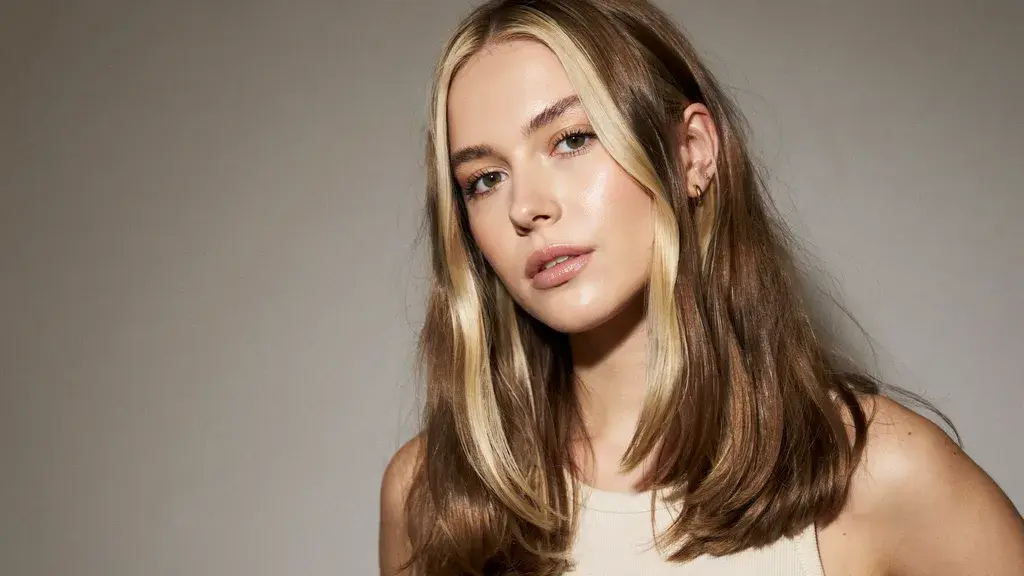
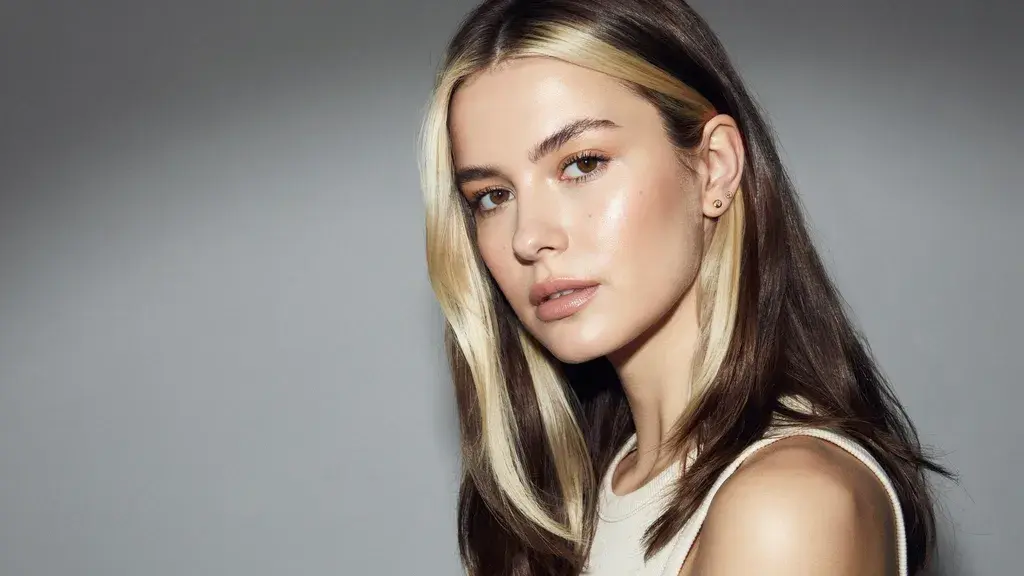
Money piece highlights are lighter sections placed around the front of the face to brighten facial features and add contrast without coloring the entire head, enhancing the effect of face-framing haircuts.
This style suits many hair colors, lengths, and textures. It is especially popular for people who want a noticeable change with less overall coloring. The most common techniques are traditional highlights and balayage.
2. Lived-In Blonde
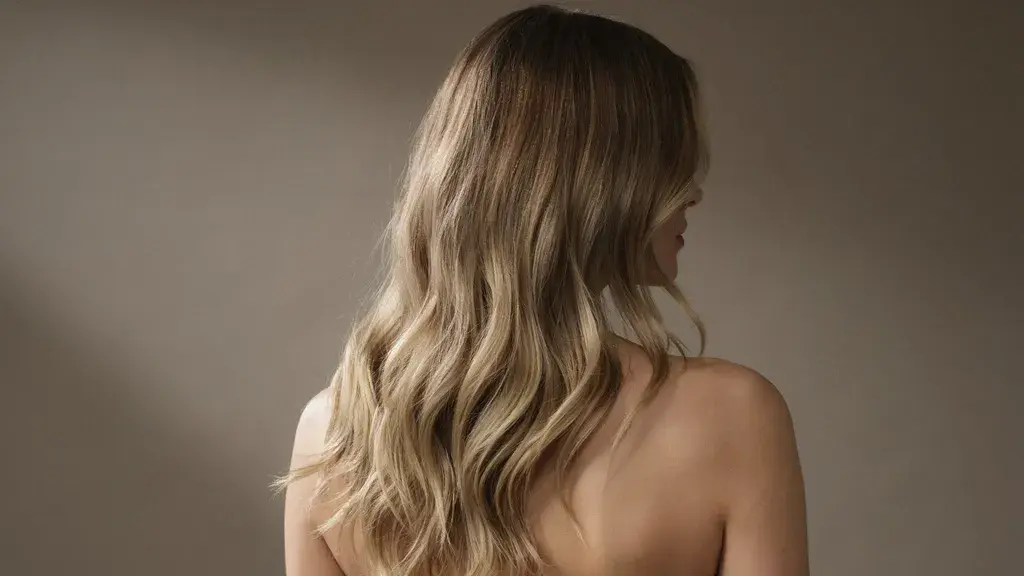
Lived-in blonde is designed to look natural and low-maintenance. It blends darker roots with lighter blonde tones throughout the hair, creating a soft grow-out pattern.
This style suits people who want blonde hair without frequent salon visits. It works well on medium to long hair. The techniques commonly used are balayage, root smudge, and shadow root.
3. Dimensional Brunette
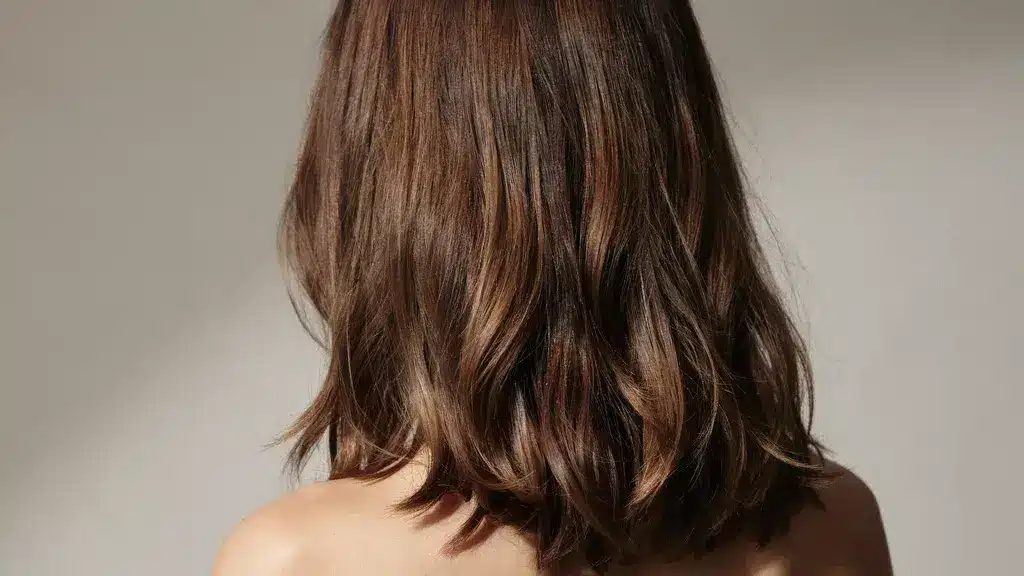
Dimensional brunette combines different shades of brown to create depth and movement throughout the hair. Instead of a flat color, the hair appears richer and more textured.
This style suits natural brunettes and people looking for subtle color changes. It works on most hair types and lengths. The techniques commonly used are lowlights, balayage, and color melting.
4. Reverse Balayage
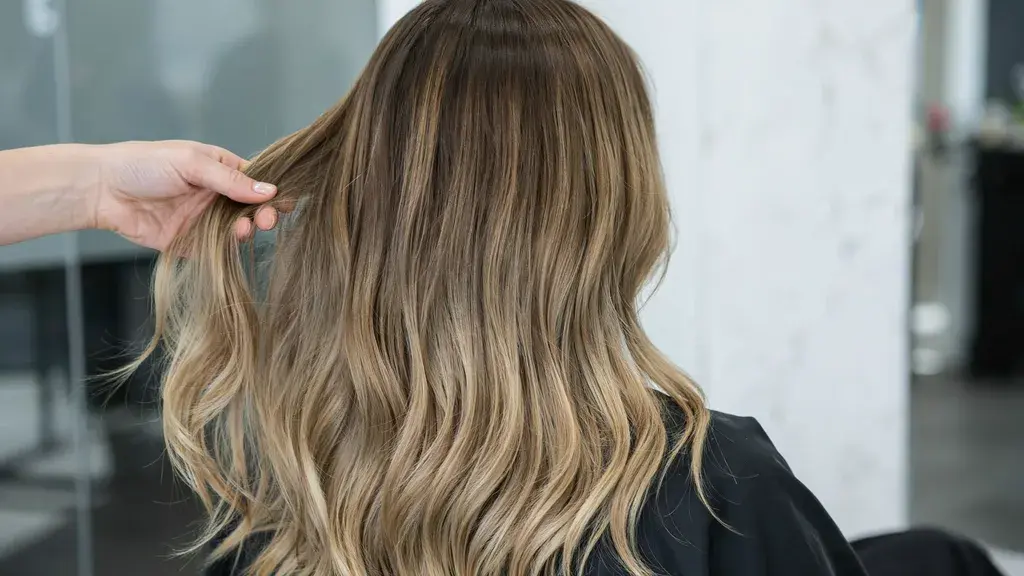
Reverse balayage adds darker tones to lighter hair instead of lightening darker hair. It helps create depth and can make overly blonde hair look more natural.
This style suits blondes who want a darker, lower-maintenance color. It also works well for transitioning away from heavy highlights. The techniques commonly used are balayage and lowlights.
5. Hidden Rainbow Color
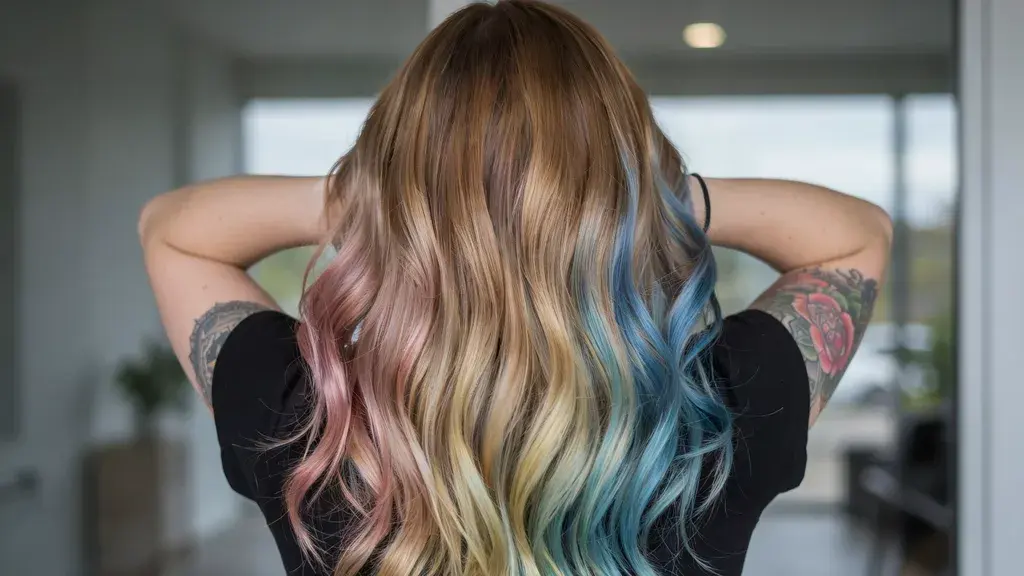
Hidden rainbow color places multiple bright shades underneath the top layers of hair. The colors stay mostly concealed until the hair moves or is styled in certain ways. This style suits people who want a bold color option that can still be covered when needed.
The technique most commonly used is peekaboo color.
How to Choose the Right Hair Coloring Technique for Your Hair?
The best hair coloring technique often depends on your hair type, natural color, and maintenance goals. Some techniques create more dimension, while others focus on blending or coverage.
- Fine Hair: Babylights and balayage can add depth and make fine hair appear fuller without creating harsh contrast.
- Thick or Curly Hair: Balayage, color melting, and ribbon highlights work well because they blend naturally and highlight the hair’s texture.
- Dark Hair: Ombre, foilyage and balayage can create noticeable dimension while maintaining a natural-looking base color.
- Blonde Hair: Root smudge, shadow root, and lowlights help add depth and make blonde hair easier to maintain.
- Gray Hair Coverage: Single-process color and traditional highlights are commonly used to cover gray strands while creating a balanced overall look.
No single technique works best for everyone. Factors such as hair texture, color goals, and how often you want touch-ups can help determine the right choice for your hair.
Final Thoughts
Hair coloring techniques do much more than change the color of your hair. They affect how the color is placed, how it grows out, and how much upkeep it requires.
From subtle options like babylights to bolder choices like peekaboo color, there is a technique for almost every style and hair type.
I hope this overview has made it easier to understand your options before your next salon appointment. Do you have a favorite hair coloring technique or one you would like to try?
Share your thoughts in the comments below.
Frequently Asked Questions
Why is the 72-Hour Rule Important After Getting My Hair Colored?
Color pigments need time to fully oxidize and bond inside the hair shaft. Washing within 72 hours rinses away excess pigment before it sets, causing the color to fade significantly faster than intended.
Why Does My Hair Color Fade So Quickly, and How Can I Stop It?
Color fades due to washing, heat styling, and sun exposure. To extend longevity, wash with cold water, use sulfate-free shampoos, and apply a color-depositing conditioner or gloss every few weeks.
How Should I Prepare My Hair Before an At-Home Color Application?
Apply color to dry, unwashed hair from the previous day. Natural oils protect your scalp. Avoid heavy conditioners or dry shampoo beforehand, as these create barriers that prevent even color absorption and lead to patchy results.