

The fade is more than just a haircut; it’s a statement of precision and confidence. Defined by its seamless transition from longer hair on top to shorter sides, the fade has become one of the most flexible styles for modern men.
If you prefer a clean professional look, a relaxed casual vibe, or a sharp street-inspired edge, your fade height determines the overall impression.
Low, mid, and high fades each create a unique balance of contrast and structure.
Understanding how each fade complements your face shape, hair texture, and lifestyle helps you choose a look that feels personal, enduring, and effortlessly stylish.
What Is a Fade?
A fade haircut is a gradual taper that blends longer hair on top into shorter sides and back, creating a smooth, clean transition. The terms low, mid, and high fade refer to where this blending starts on the head.
A low fade begins just above the ears for a subtle, classic look, a mid fade starts around the temples for balanced contrast, and a high fade begins near the crown for a bold, sharp appearance.
The height of the fade changes how defined and dramatic the style appears, how quickly it grows out, and how often it needs maintenance, making it essential to choose the perfect haircut.
Types of Fades and Their Key Characteristics
Each fade type creates a distinct look by changing where the blend starts, affecting the overall style, contrast, and maintenance needs.
1. Low Fade
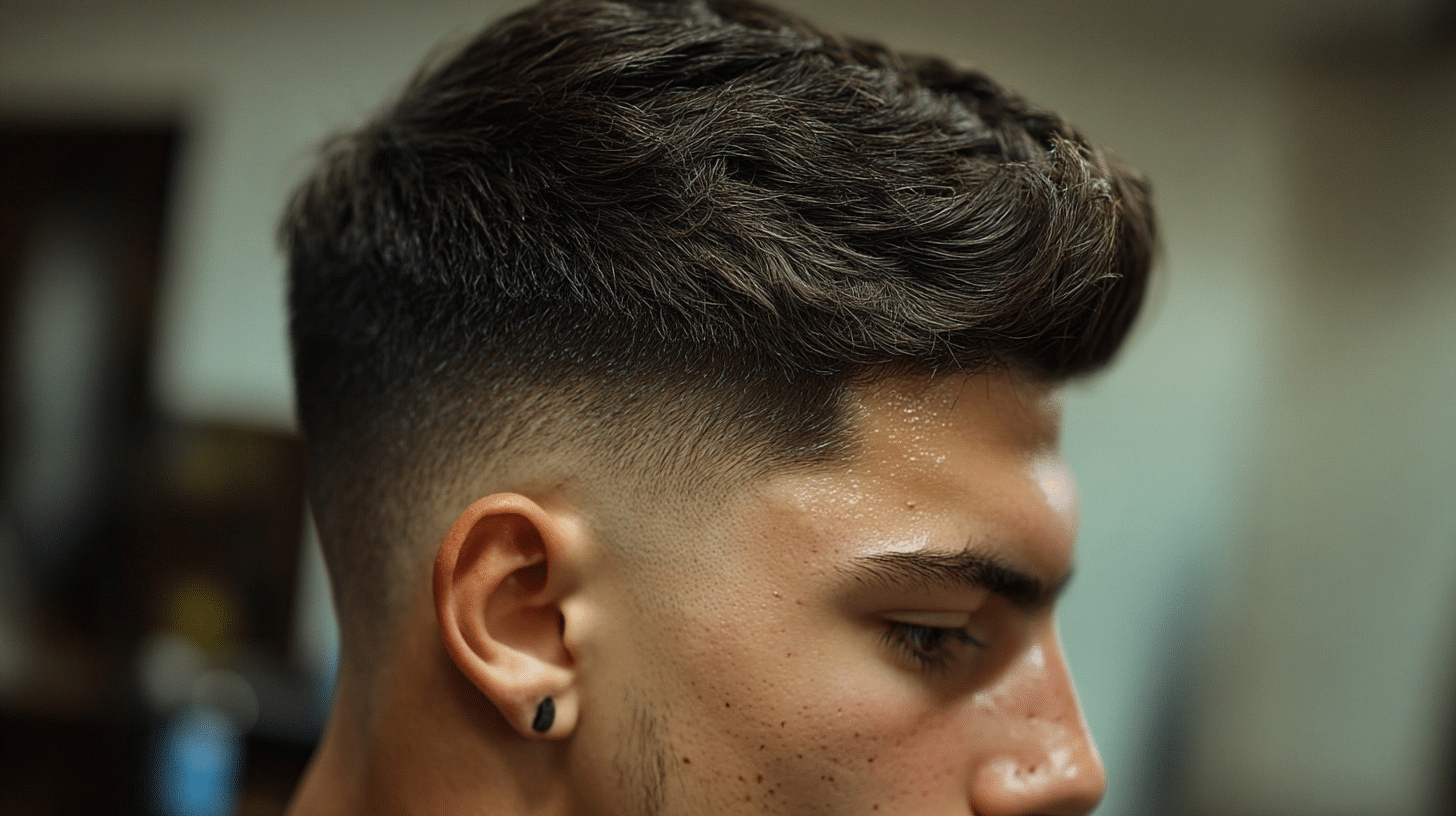
A low fade begins just above the ears and gradually blends upward, keeping more hair on the sides for a softer, natural look.
The low fade works well with longer tops, textured crops, or side parts, giving the haircut a polished and balanced appearance.
Because the fade starts lower, it grows out smoothly and requires less frequent maintenance, making it ideal for those who prefer a classic, understated finish that still looks polished.
2. Mid Fade
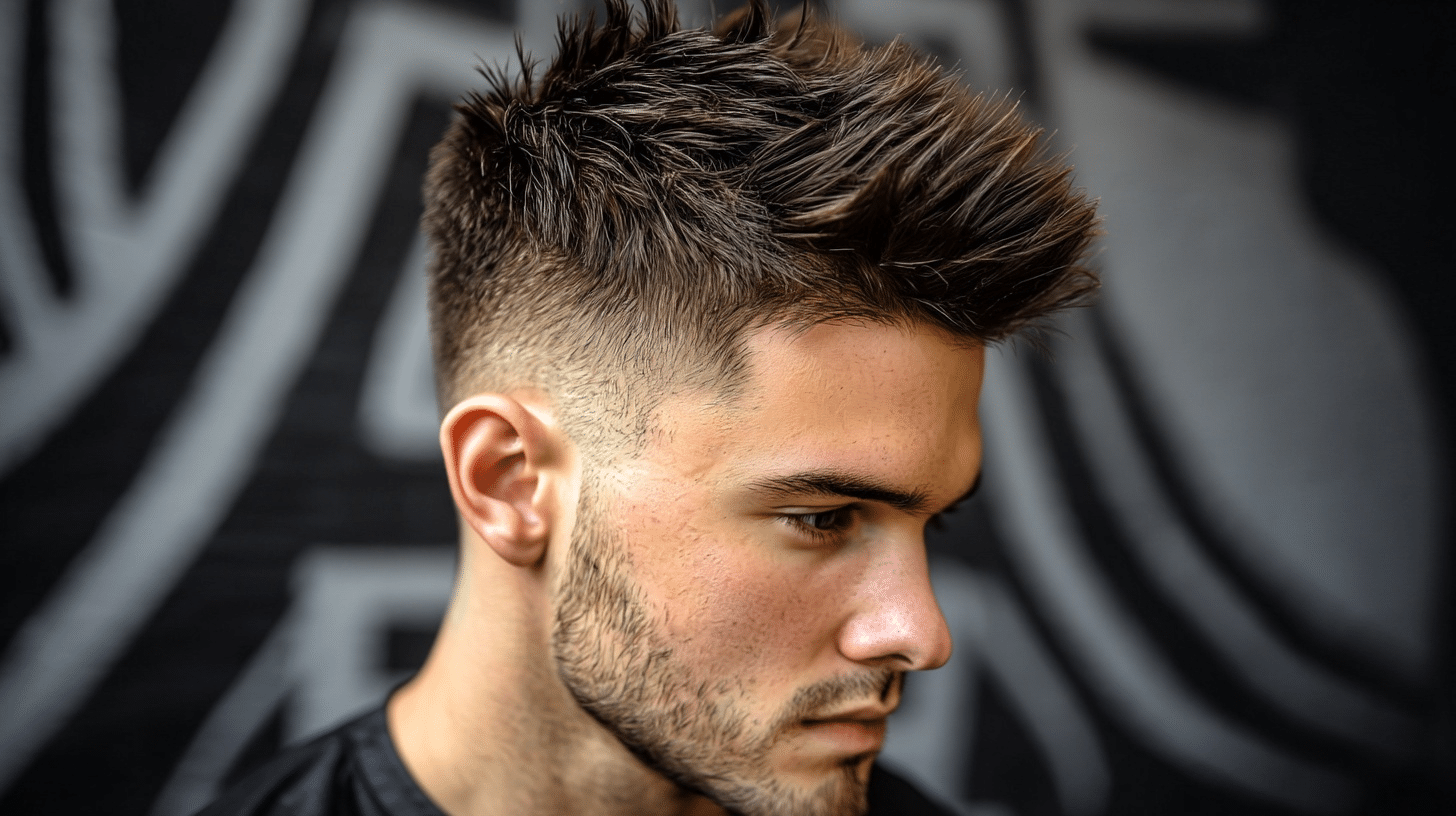
A mid fade starts around the temples, striking the perfect balance between subtle and bold. The blend begins higher than a low fade but lower than a high fade, offering a clean, adaptable look that suits almost any face shape or hair type.
This fade creates moderate contrast that defines the head’s natural structure without being too harsh.
The mid fade gives a stylish, modern edge while still maintaining an everyday-friendly, easy-to-manage appearance.
3. High Fade
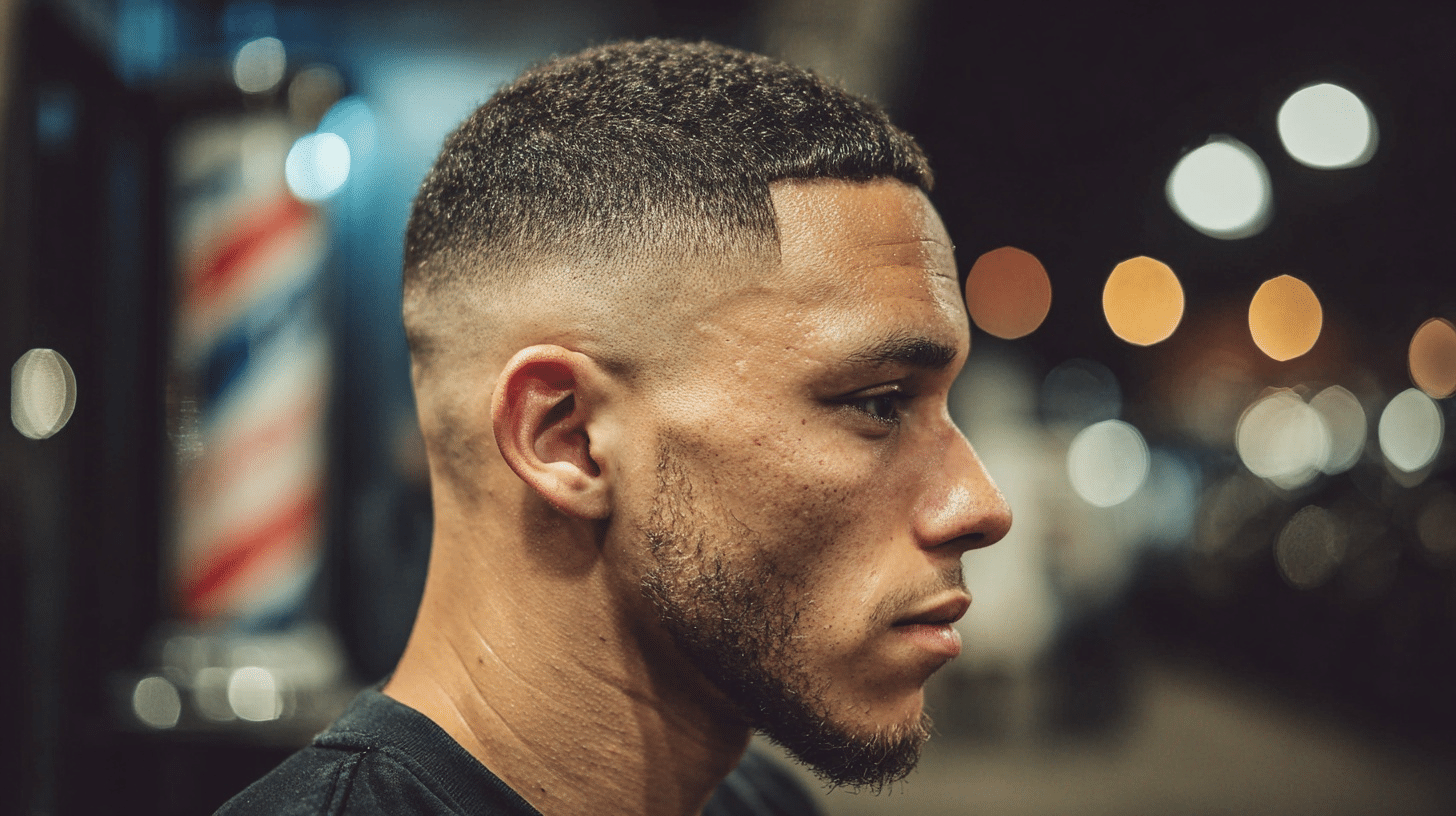
A high fade begins near the upper sides of the head, typically around the parietal ridge, and quickly transitions from very short or skin-level hair into longer lengths on top.
This creates a bold, high-contrast look that’s sharp, edgy, and attention-grabbing.
The high fade removes more hair from the sides and back, stressing facial features and giving a cleaner outline around the head.
Fade Comparison: Low vs Mid vs High
Each fade height creates a distinct level of contrast and character, shaping how bold, subtle, or balanced your haircut appears.
Use this comparison to find the fade that best suits your face shape, hair type, and maintenance preferences.
| FEATURE | LOW FADE | MID FADE | HIGH FADE |
|---|---|---|---|
| Start Height | Just above the ears | Around temples | Near crown |
| Contrast | Soft & subtle | Balanced | Sharp & bold |
| Look | Classic, natural | Flexible, modern | Edgy, high-impact |
| Best With | Longer tops | Most styles | Short tops |
| Hair Type | Straight, wavy, thick | All types | Straight, coarse |
| Face Shape | Oval, square, long | Round, oval, diamond | Round, square, heart |
| Upkeep | Low (every few weeks) | Medium (every 2 to 3 weeks) | High (every 1 to 2 weeks) |
| Pros | Clean, easy, classic | Adaptable & balanced | Strong contrast, defined |
| Cons | Less dramatic | Moderate upkeep | Grows out fast |
| Best For | Subtle, classic looks | Everyday flexibility | Bold, sharp styles |
Note: Start with a mid fade if you’re unsure, as it’s the most adaptable option, fitting nearly every face shape, hair type, and lifestyle.
Choosing the Right Fade for Your Hair and Lifestyle
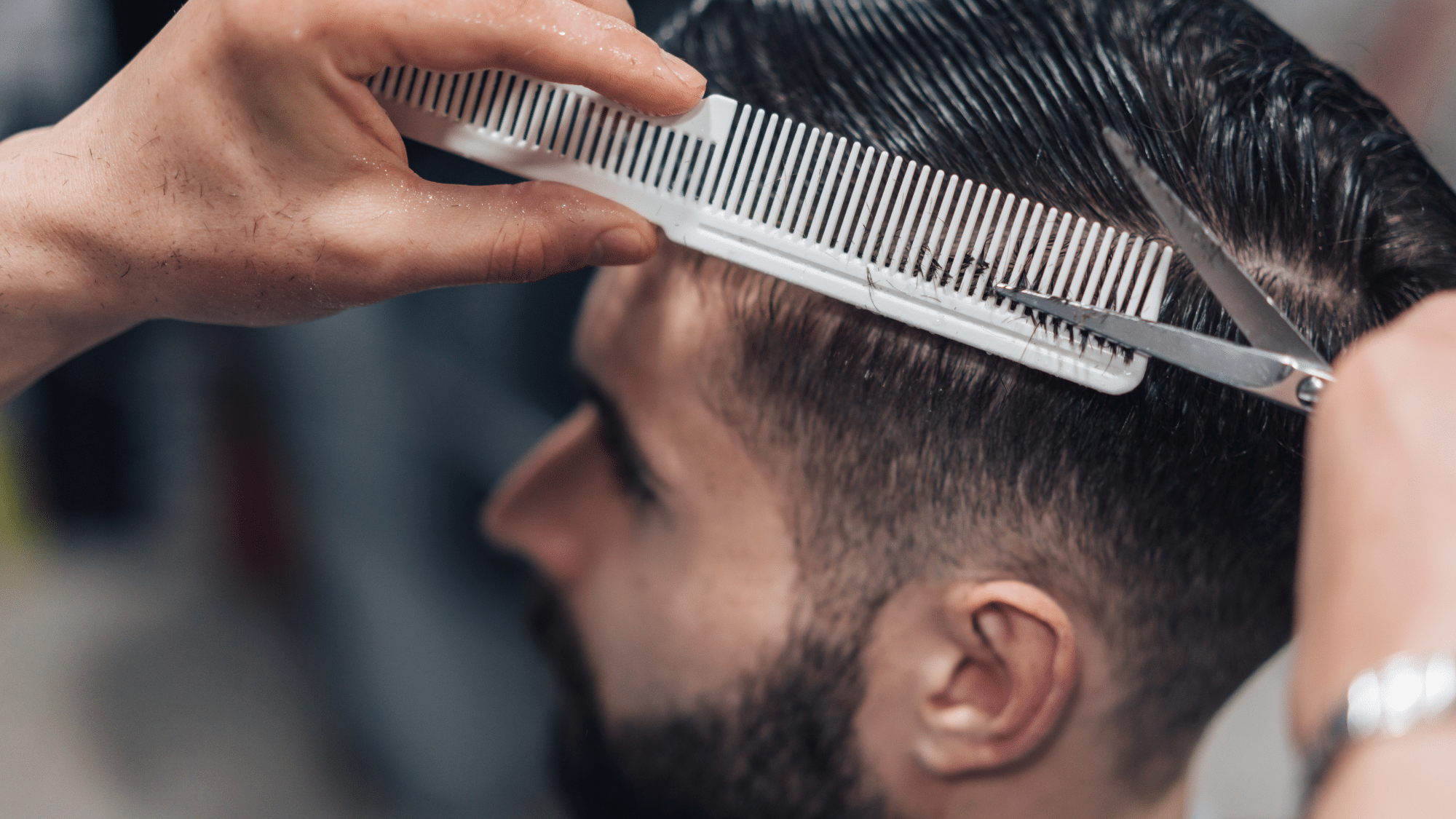
Finding your ideal fade isn’t just about trends; it’s about matching your face shape, hair texture, and routine to a style that feels effortless and looks balanced.
Expert insights from Barber’s Take, FadeHairstyle, and SnipGlow show that the right fade complements your natural features while fitting your upkeep preferences.
1. Face Shape Guide
Your face shape determines which fade height improves your proportions best.
- Round Face: Opt for a high fade to add height and sharper definition.
- Square Face: Choose a low or mid fade to soften angles without losing structure.
- Oval Face: Almost all fades work well, but a mid fade gives the most balanced look.
- Long / Rectangular Face: Go with a low fade to add width and prevent elongation.
- Heart Face: A mid fade balances a broad forehead with a narrower chin.
Tip: If you’re unsure of your face shape, start with a mid fade; it’s universally flattering and easy to adjust higher or lower later.
2. Hair Type and Texture Selection
Different hair textures react uniquely to fade heights. Use this table to find the fade that best complements your hair type.
| HAIR TYPE / TEXTURE | BEST FADE OPTION | WHY IT WORKS | STYLING TIP |
|---|---|---|---|
| Straight Hair | Mid or High Fade | Clean, precise lines show clearly on straight strands. | Use matte clay or pomade for hold and definition. |
| Wavy Hair | Low or Mid Fade | Keeps natural wave flow while adding shape. | Use sea salt spray or lightweight cream for texture. |
| Curly Hair | Low Fade | Maintains curl fullness and avoids harsh transitions. | Apply curl cream or conditioner for bounce and control. |
| Thick Hair | High Fade | Removes bulk and improves structure. | Use styling paste to manage volume and create texture. |
| Fine or Thin Hair | Mid Fade | Adds visual density and balanced proportions. | Use volumizing powder or mousse for lift and body. |
Quick Takeaway: Your hair’s texture defines how bold or subtle a fade appears. Straight and thick hair can carry sharper fades, while curly or wavy hair looks best with softer blends that preserve movement.
3. Lifestyle, Maintenance, and Regrowth
Your lifestyle dictates how often you can maintain your fade. A low fade requires minimal upkeep and is ideal for those who prefer fewer barber visits, typically every few weeks.
The mid fade offers balanced upkeep and needs trims every two to three weeks to stay neat. A high fade demands high maintenance and requires touch-ups every week or two for a crisp finish.
If you’re always on the go or prefer effortless grooming, stick to a low or mid fade. If you enjoy clean, sharp details and frequent grooming, a high fade fits best.
4. Top Length Interaction
The length of your top hair determines how the fade complements your overall look.
- Long Tops: Pair best with low or mid fades to maintain natural volume and proportion.
- Short Tops: Go for a high fade for a defined, athletic, and modern style.
- Medium Tops: Combine with a mid fade for maximum flexibility in styling, from messy textures to slick finishes.
Your perfect fade should highlight your features, match your hair’s natural behavior, and fit your daily habits; a balance of style and practicality that grows gracefully between trims.
Maintenance & Styling Tips
Keep your fade looking fresh and sharp with these essential care and styling strategies.
- Schedule regular touch-ups based on your fade height: every few weeks for a low fade, every two to three weeks for a mid fade, and every week or two for a high fade.
- Use matte clay or pomade for short styles, styling cream or paste for medium hair, and gel or high-hold pomade for longer looks.
- Apply curl cream or leave-in conditioner to curly or wavy hair to maintain definition and control.
- Blend regrowth by lightly trimming around the neckline and ears between barber visits.
- Brush sides downward daily to keep hair lying flat and maintain clean lines.
- Use adjustable clippers for at-home upkeep and touch-ups when needed.
- Moisturize your scalp after trimming to keep skin healthy and prevent irritation.
Consistent care keeps your fade crisp and polished between appointments.
Conclusion
Choosing the right fade turns your haircut into a signature look that reflects your personality and style.
From low fades that deliver subtle polish to high fades that stand out with bold contrast, each option brings its own charm and confidence.
The key is finding a fade that complements your face shape, hair type, and maintenance routine for a seamless, natural finish.
Keep your fade sharp with regular touch-ups and quality styling products to maintain its clean lines.
When you’re ready for an upgrade, take your favorite fade inspiration to your barber and let your next haircut redefine your look.