


Have you ever put oil in your hair and felt like it just… sat there? You’re not alone. If you have low porosity hair, most oils can feel way too heavy. They don’t sink in.
Instead, they leave your hair looking greasy and weighed down. No matter how little you use, your hair still feels coated and dull.
The thing is, it’s not your fault. And it’s not that oils don’t work for you. It’s simply that you’re using the wrong type. Low porosity hair needs special care, and that includes picking oils that actually absorb.
You’ll learn about the best oils for low porosity hair that truly work. We’ll cover lightweight options that sink in fast, heavy oils you should avoid, and easy routines you can start right away.
If you want more shine, less frizz, or softer hair, we’ve got you covered. Let’s find the perfect oil match for your hair!
What Is Low Porosity Hair?
Low porosity hair has tightly closed cuticles, like flat shingles on a roof. This means water and products struggle to get inside the hair strand. Instead, they sit on top.
That’s why many oils feel heavy and greasy on low porosity hair; they coat the surface instead of absorbing.
Common signs include water beading up on your hair, products sitting on strands, fast buildup, and hair taking forever to dry.
When you use the wrong oil, it can’t penetrate those sealed cuticles. Your hair ends up looking dull and feeling weighed down, even when it’s technically “moisturized.”
How to Choose Oils for Low Porosity Hair
Picking the right oil for low porosity hair is simple once you know what to look for. Focus on lightweight, fast-absorbing oils with a thin, almost watery texture.
These are often called “dry oils” because they sink in without leaving greasy residue. Match the oil to your specific goal, such as sealing moisture, adding shine, fighting frizz, or protecting ends.
The most important rule is to use small amounts on damp hair. Just 2-6 drops are usually enough. Apply oil to damp hair so it spreads evenly and helps seal in moisture.
Avoid heavy, thick oils that sit on top and cause buildup. When in doubt, start with less and add more only if needed.
Best Oils for Low Porosity Hair
Now for the good stuff! These are the best oils for low porosity hair that won’t weigh you down.
1) Grapeseed Oil
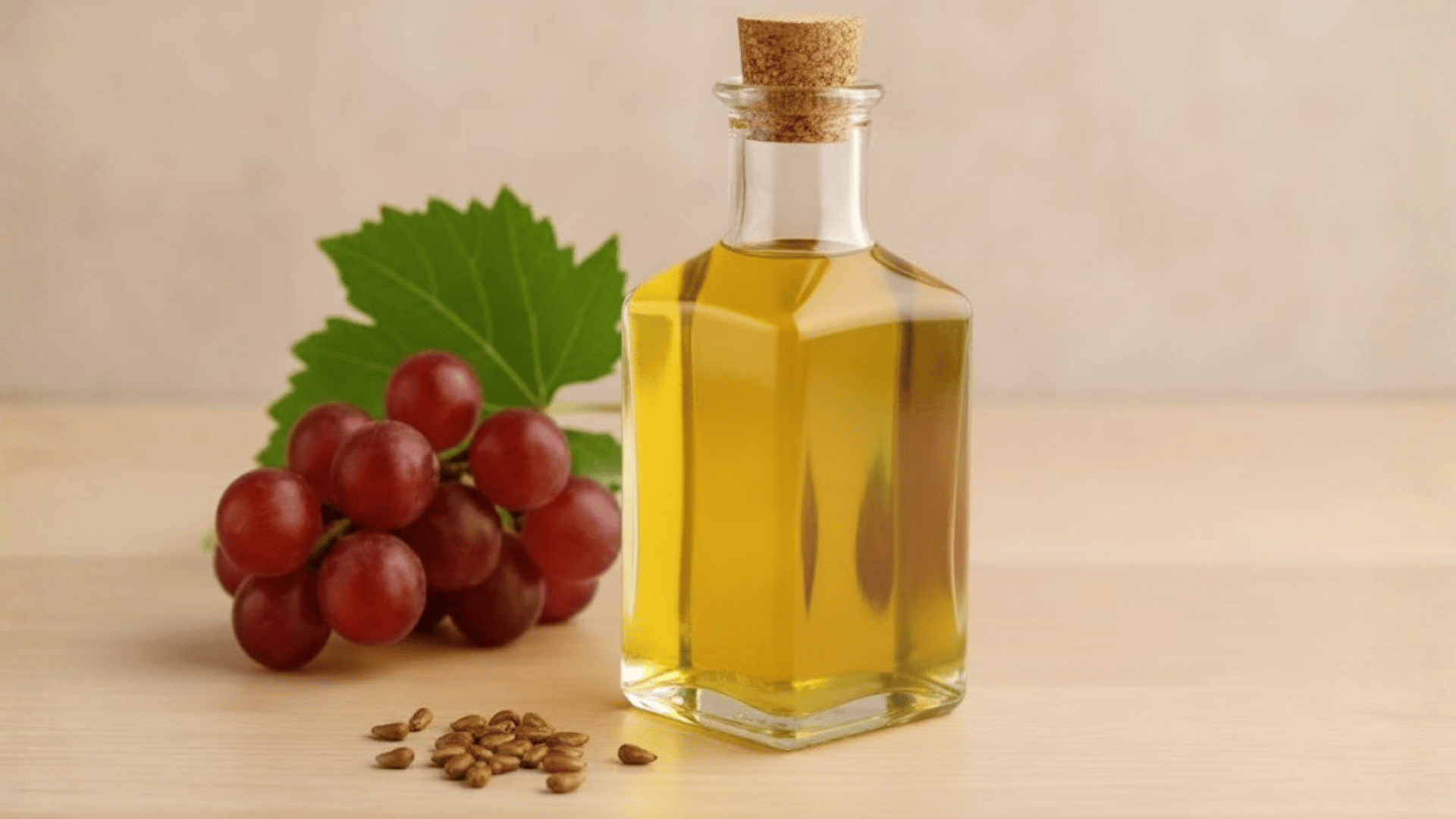
Best for: Lightweight sealing + shine
Feel: Very light, almost watery, absorbs quickly
What it’s rich in: Linoleic acid (omega-6), small amounts of vitamin E (tocopherols)
Grapeseed oil is a favorite among people with low porosity hair. It’s super lightweight and sinks into your strands without leaving any greasy residue behind.
This oil seals in moisture beautifully while adding a natural shine. It’s also packed with antioxidants that help protect your hair from damage.
How to use: Apply 2-3 drops to damp hair after your leave-in conditioner. Focus on mid-lengths and ends.
2) Argan Oil
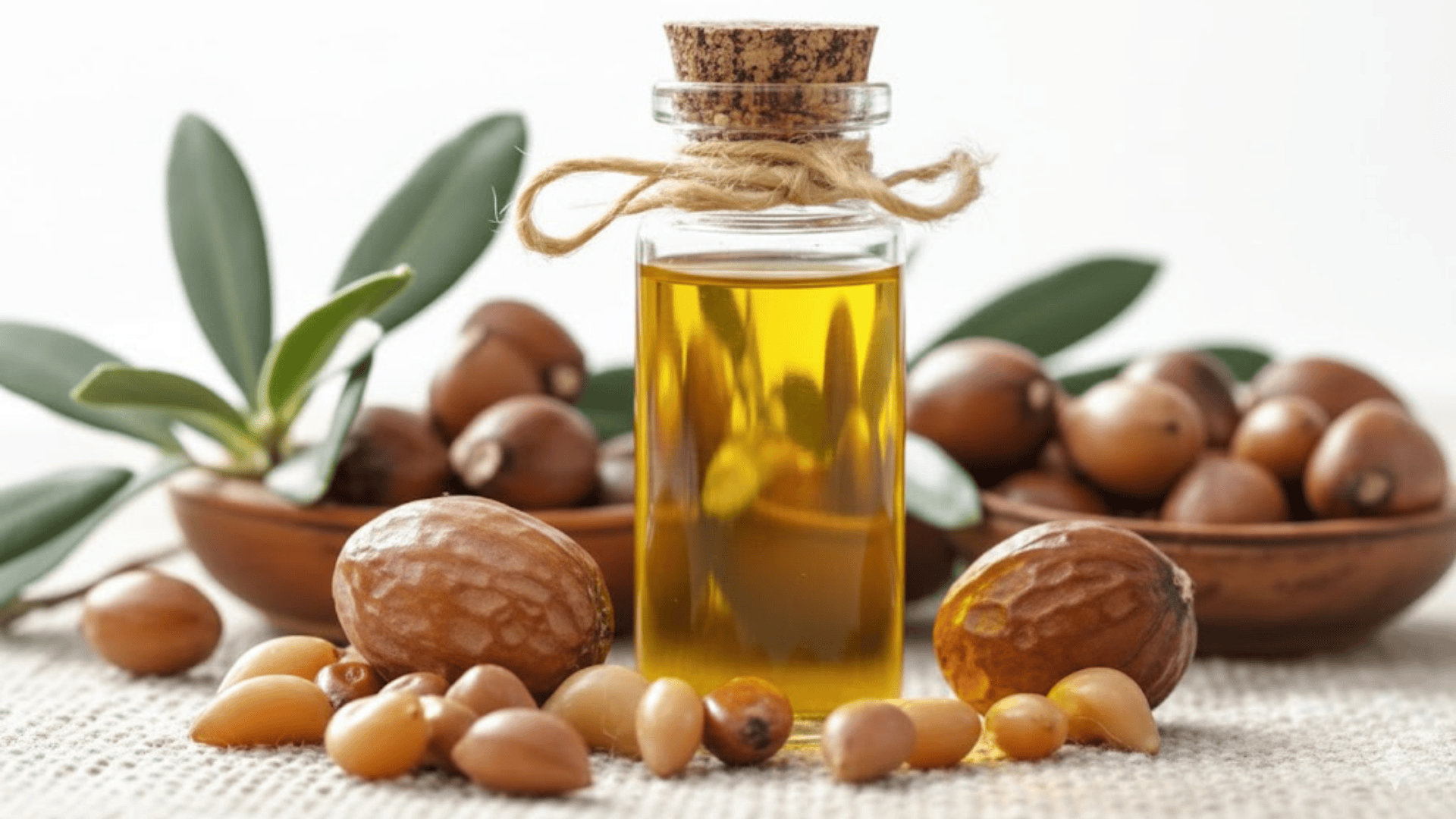
Best for: Smoothing + frizz control (tiny amounts)
Feel: Silky and smooth, medium-light weight
What it’s rich in: Oleic acid, linoleic acid, vitamin E, ferulic acid, squalene
Argan oil is known as “liquid gold” for a reason. It smooths down the hair cuticle and fights frizz like a champ. For low porosity hair, a tiny amount goes a long way.
It adds softness and shine without making your hair feel heavy or coated. Great for finishing touches.
How to use: Warm 1-2 drops between your palms. Smooth over frizzy areas or use as a finishing touch on dry hair.
3) Jojoba Oil
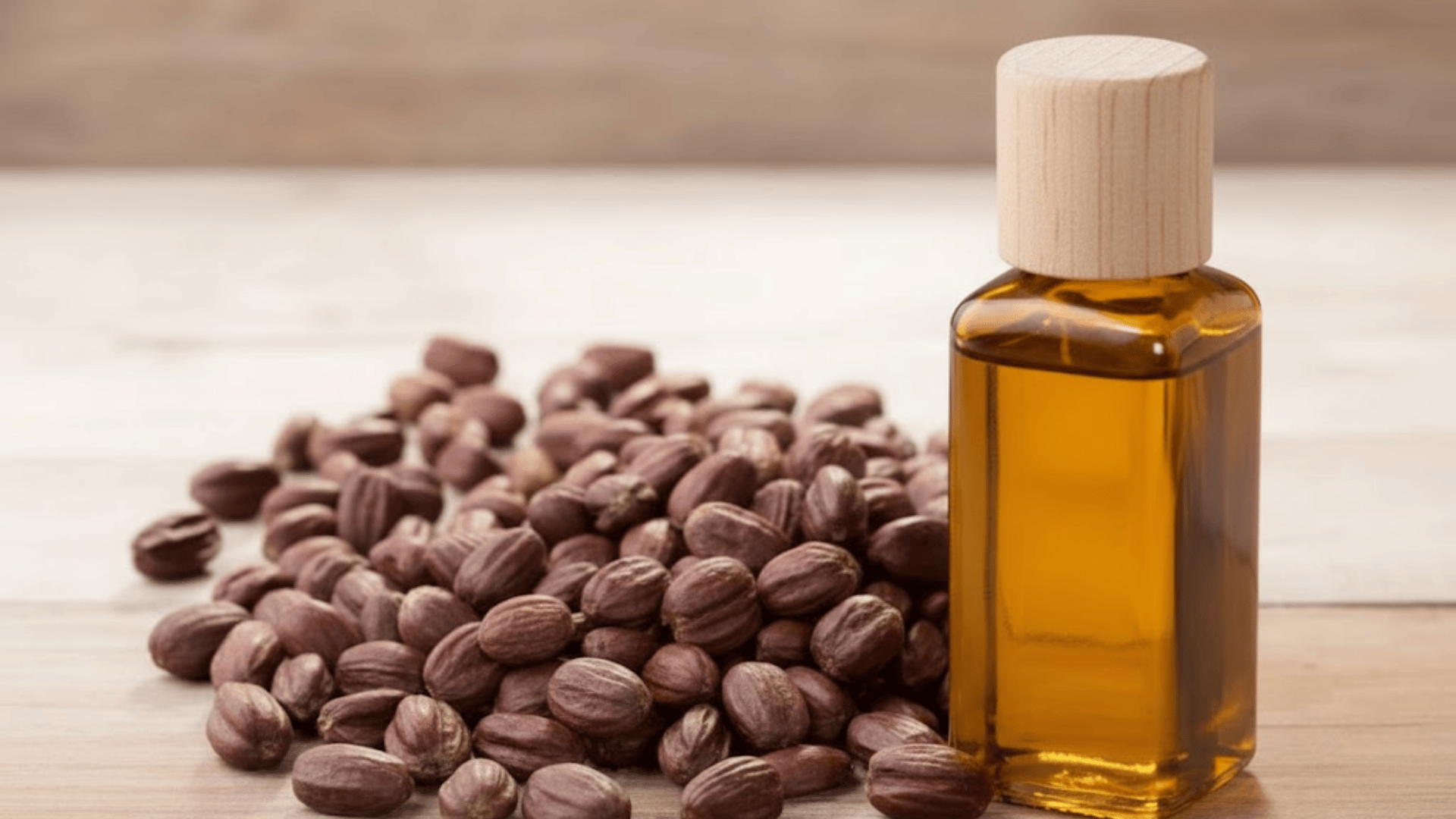
Best for: Scalp-friendly oiling + balanced feel
Feel: Very similar to your natural scalp oils, lightweight
What it’s rich in: Wax esters (jojoba is a liquid wax), vitamin E (small amounts)
Jojoba oil is unique because it’s actually a liquid wax, not a true oil. Its structure is very close to your scalp’s natural sebum.
This makes it perfect for scalp massages without causing buildup. It balances oil production and keeps both your scalp and hair feeling healthy and hydrated.
How to use: Massage a few drops into your scalp before wash day, or use on damp ends for softness.
4) Sweet Almond Oil
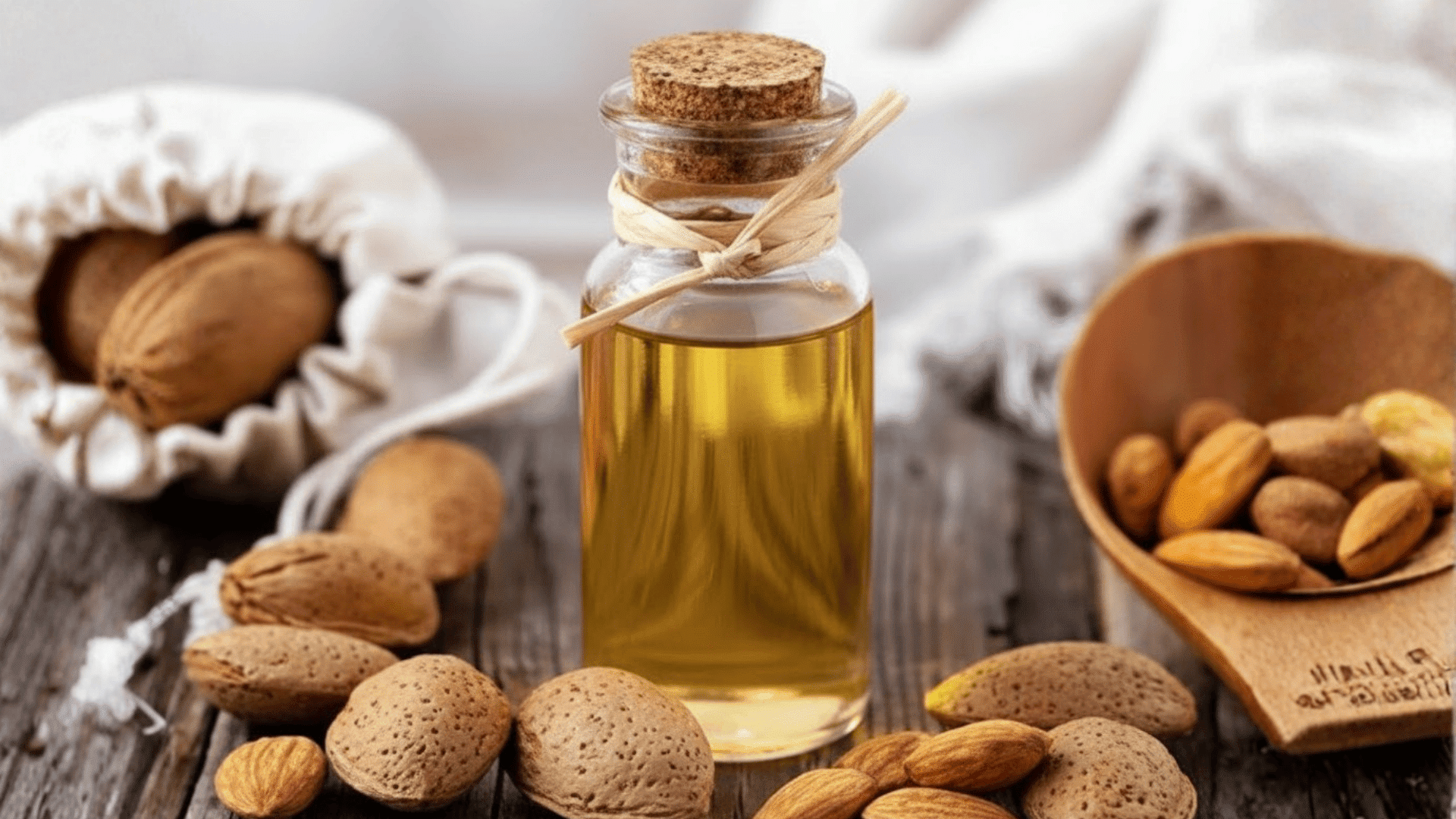
Best for: Softness + slip (detangling support)
Feel: Light and smooth, great for finger-detangling
What it’s rich in: Oleic acid, linoleic acid, vitamin E
Sweet almond oil is a gentle, nourishing option for low porosity hair. It provides amazing slip, making detangling so much easier.
This oil softens your strands without weighing them down. It also contains vitamins that help strengthen hair over time. Perfect for anyone who struggles with knots and tangles.
How to use: Add 3-4 drops to damp hair before detangling. It helps your fingers glide through knots.
5) Sunflower Oil
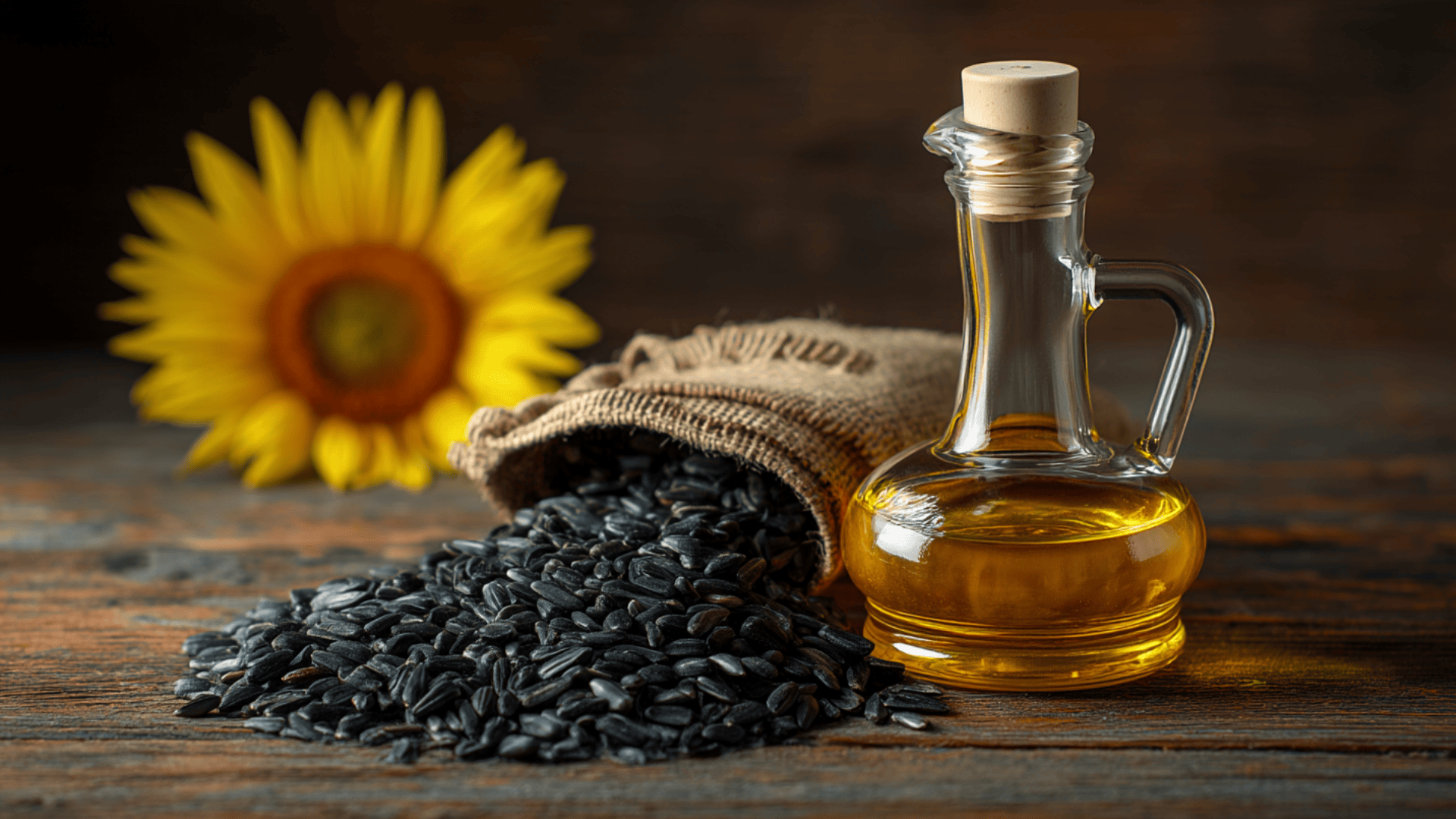
Best for: Budget-friendly, lightweight sealing
Feel: Light, non-greasy, easy to find at any grocery store
What it’s rich in: Linoleic acid, oleic acid, vitamin E (tocopherols)
Sunflower oil is an affordable gem that works great on low porosity hair. It’s lightweight, absorbs quickly, and helps seal in moisture after washing.
You can find it at any grocery store, making it super accessible. It also helps protect hair from environmental damage and keeps strands soft.
How to use: Use as your everyday sealing oil after washing. A little goes a long way.
6) Squalane
Best for: “Dry oil” finish, especially for fine hair
Feel: Ultra-light, disappears into hair almost instantly
What it’s rich in: Squalane (a stable, lightweight emollient)
Squalane is the ultimate “dry oil” for low porosity hair. It absorbs almost instantly and leaves zero greasy feeling behind. This makes it ideal for fine or thin hair that gets weighed down easily.
Squalane mimics your skin’s natural oils, so it feels incredibly natural. Your hair looks shiny but never oily.
How to use: Perfect for fine or thin low porosity hair. Apply 2-3 drops on damp or dry hair without any heavy feeling.
7) Baobab Oil
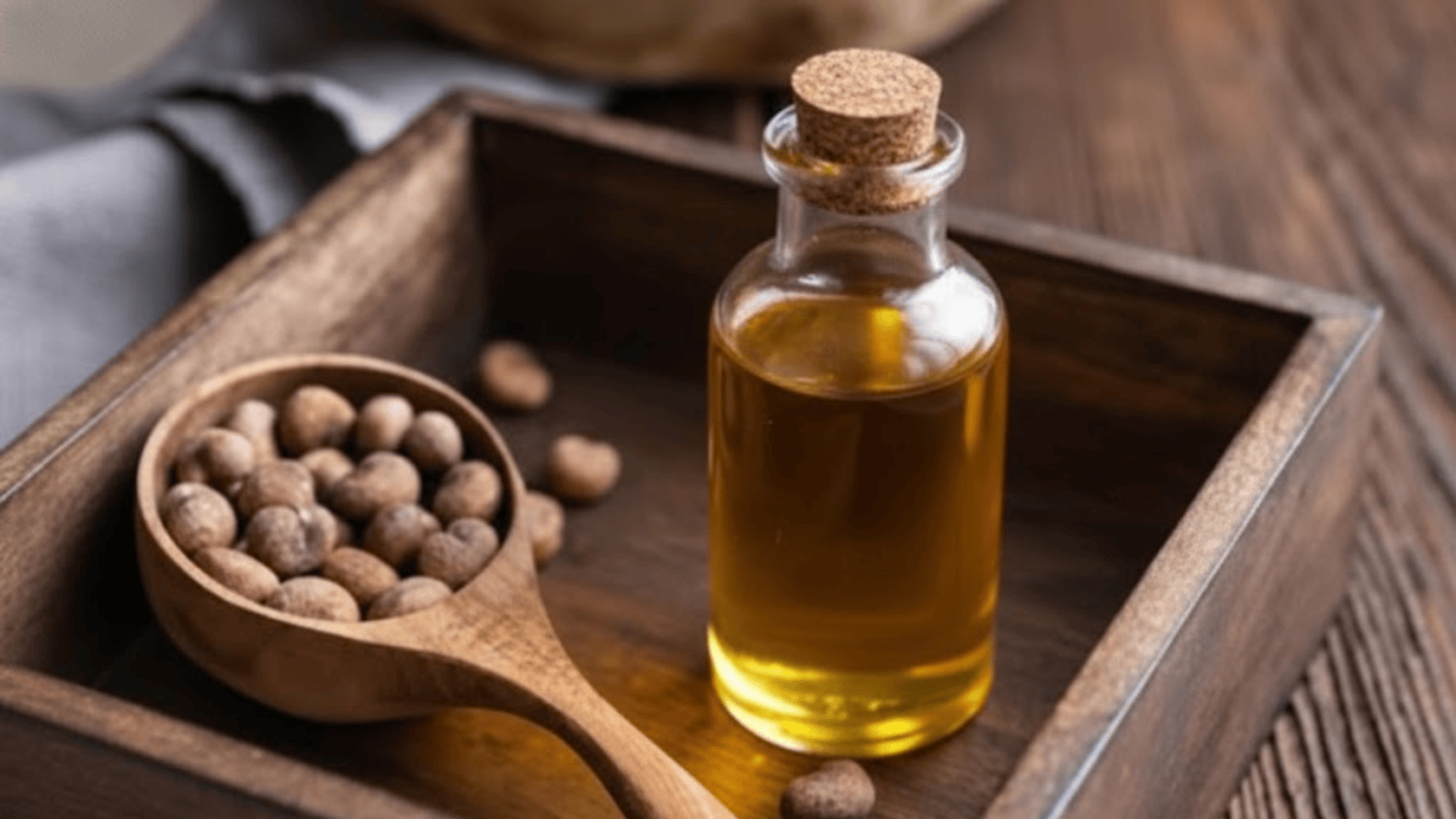
Best for: Softening + manageability without heavy coating
Feel: Light to medium, absorbs well
What it’s rich in: Palmitic acid, oleic acid, linoleic acid
Baobab oil comes from the African baobab tree and is loaded with nutrients. It softens hair and improves manageability without leaving a heavy coating.
This oil absorbs well into low porosity hair and helps with elasticity. It’s especially great for defined curls and twist-outs that need bounce and movement.
How to use: Work through damp hair to soften and add bounce. Great for twist-outs and braid-outs.
8) Kukui Nut Oil
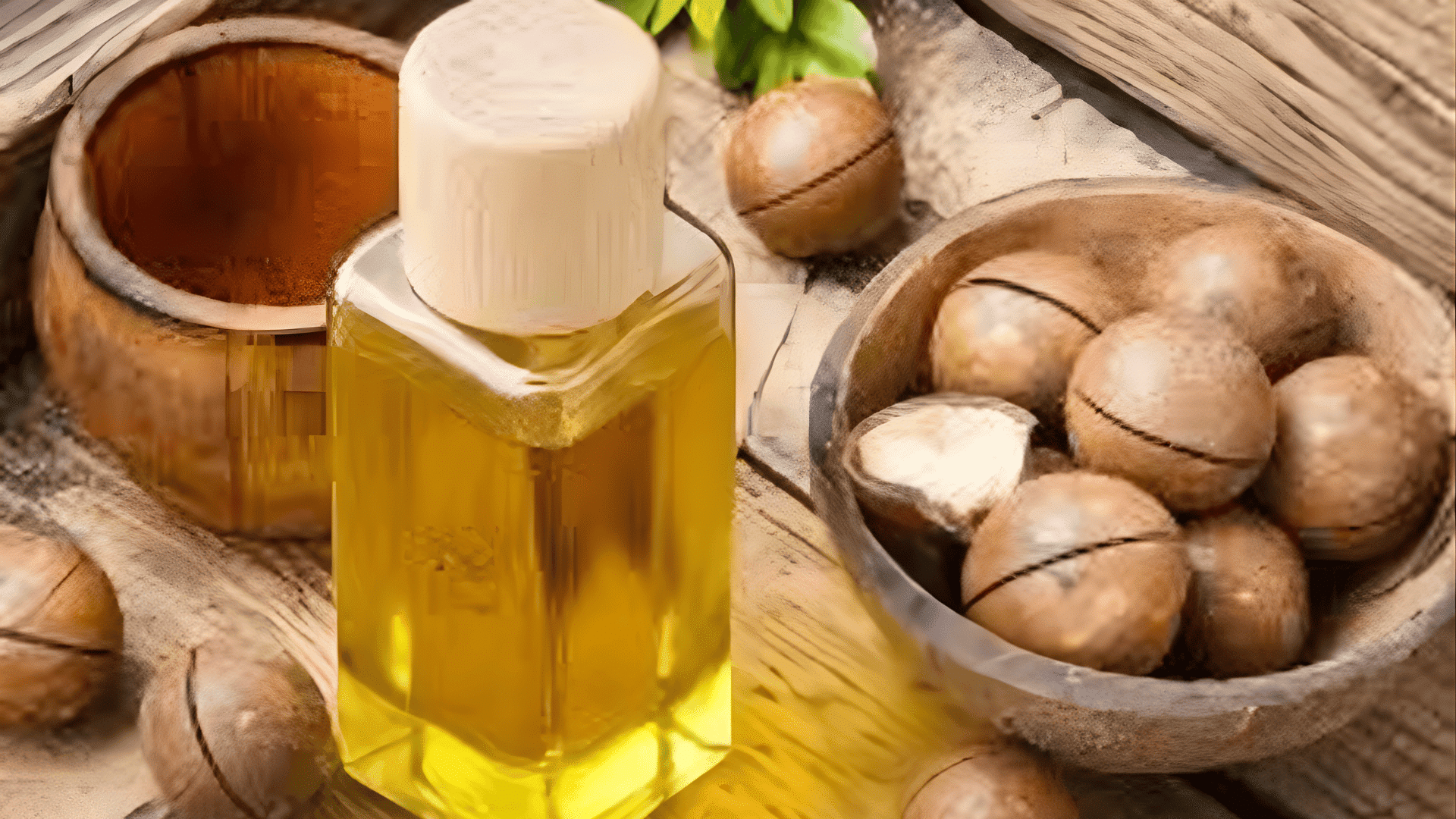
Best for: Fast absorption + softness
Feel: Very lightweight, sinks in quickly
What it’s rich in: Linoleic acid, alpha-linolenic acid (omega-3), oleic acid
Kukui nut oil is a Hawaiian treasure that absorbs quickly. It’s one of the lightest oils you can find, making it perfect for low porosity hair.
This oil softens strands and adds moisture without any heavy residue. It also helps soothe dry scalps and may help reduce dryness and improve shine.
How to use: Apply to damp ends or use for a light scalp massage. Won’t leave buildup.
9) Camellia (Tea Seed) Oil
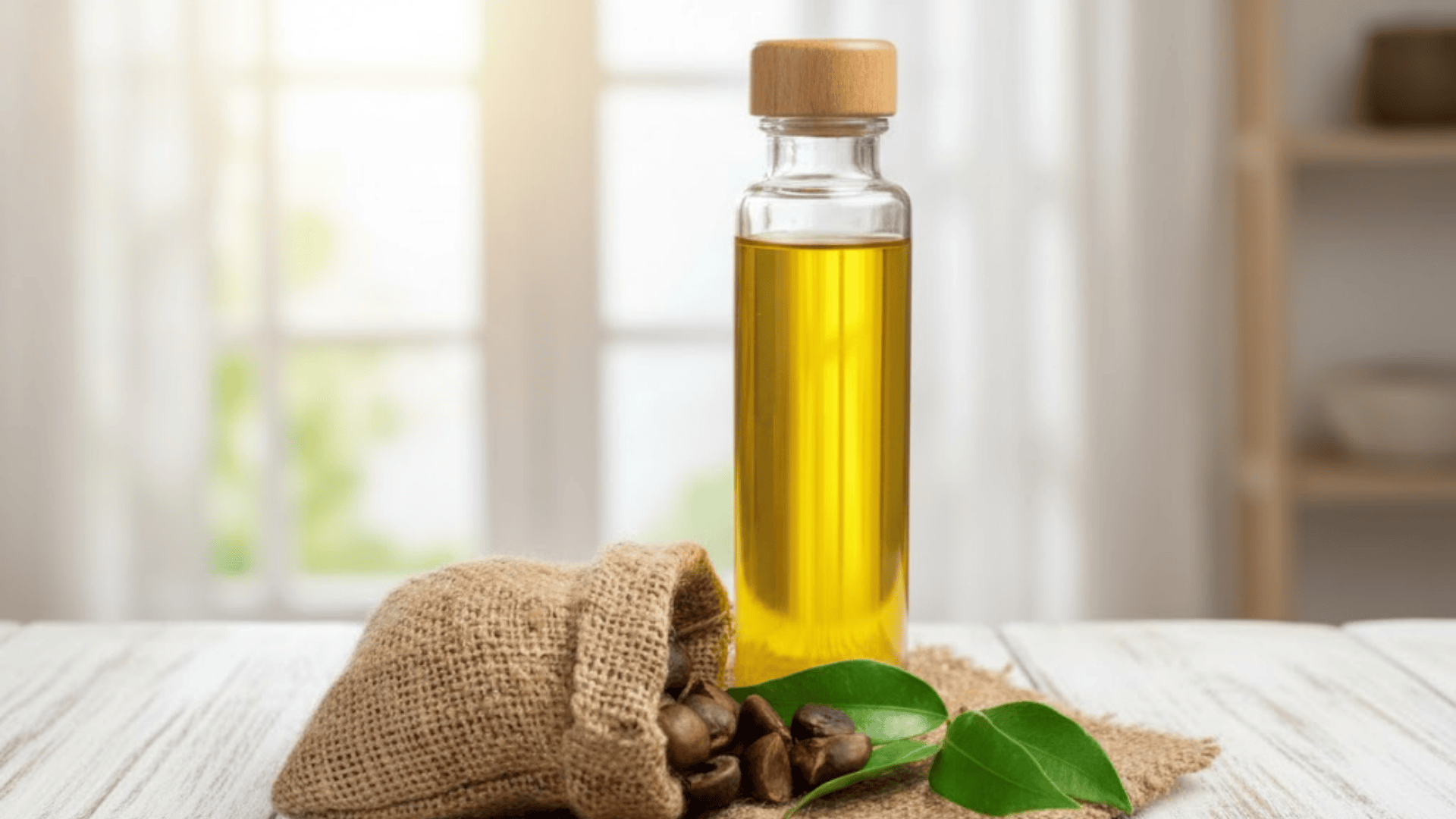
Best for: Glossy shine + smoothing flyaways
Feel: Silky, lightweight, gives a beautiful shine
What it’s rich in: Oleic acid, linoleic acid, vitamins A, B, D, E, polyphenols
Camellia oil has been used in Asia for centuries to achieve silky, shiny hair. It’s lightweight and gives your hair a gorgeous, glossy finish.
This oil smooths down flyaways and adds polish to any style. Many people find it absorbs well, which is a big win for low porosity types.
How to use: Smooth a tiny amount over finished styles to add gloss and tame flyaways.
10) Hemp Seed Oil
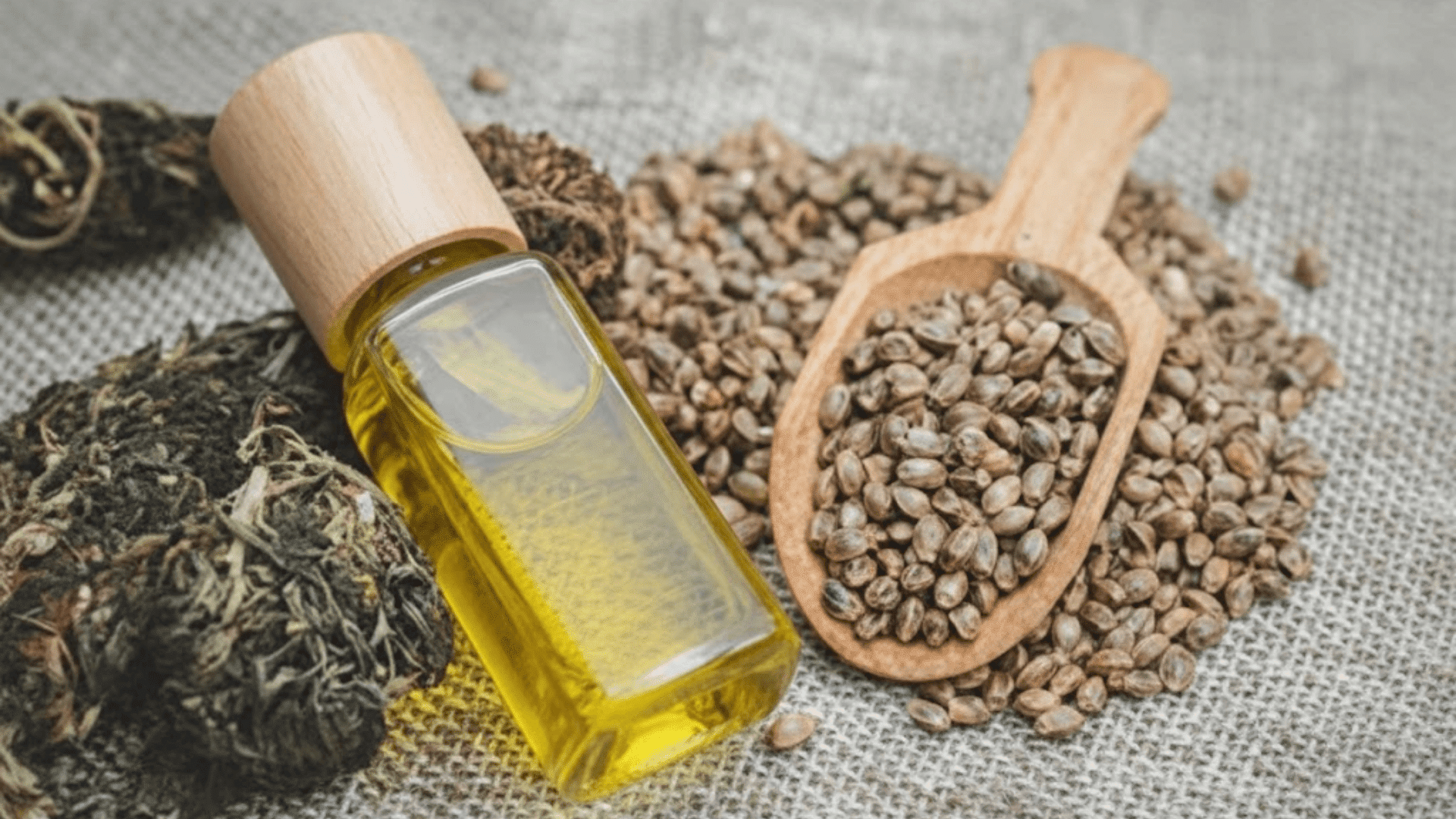
Best for: Lightweight sealing after leave-in
Feel: Light, absorbs quickly
What it’s rich in: Omega-3, omega-6, gamma-linolenic acid (GLA), vitamin E
Hemp seed oil is lightweight and full of essential fatty acids your hair loves. It feels lightweight for many people. If you’re prone to scalp buildup or bumps, patch test first.
This oil is great for sealing in moisture after applying your leave-in conditioner. It also helps strengthen hair and adds a healthy, natural shine.
How to use: Layer over your leave-in conditioner on wash day for sealed-in moisture.
11) Apricot Kernel Oil
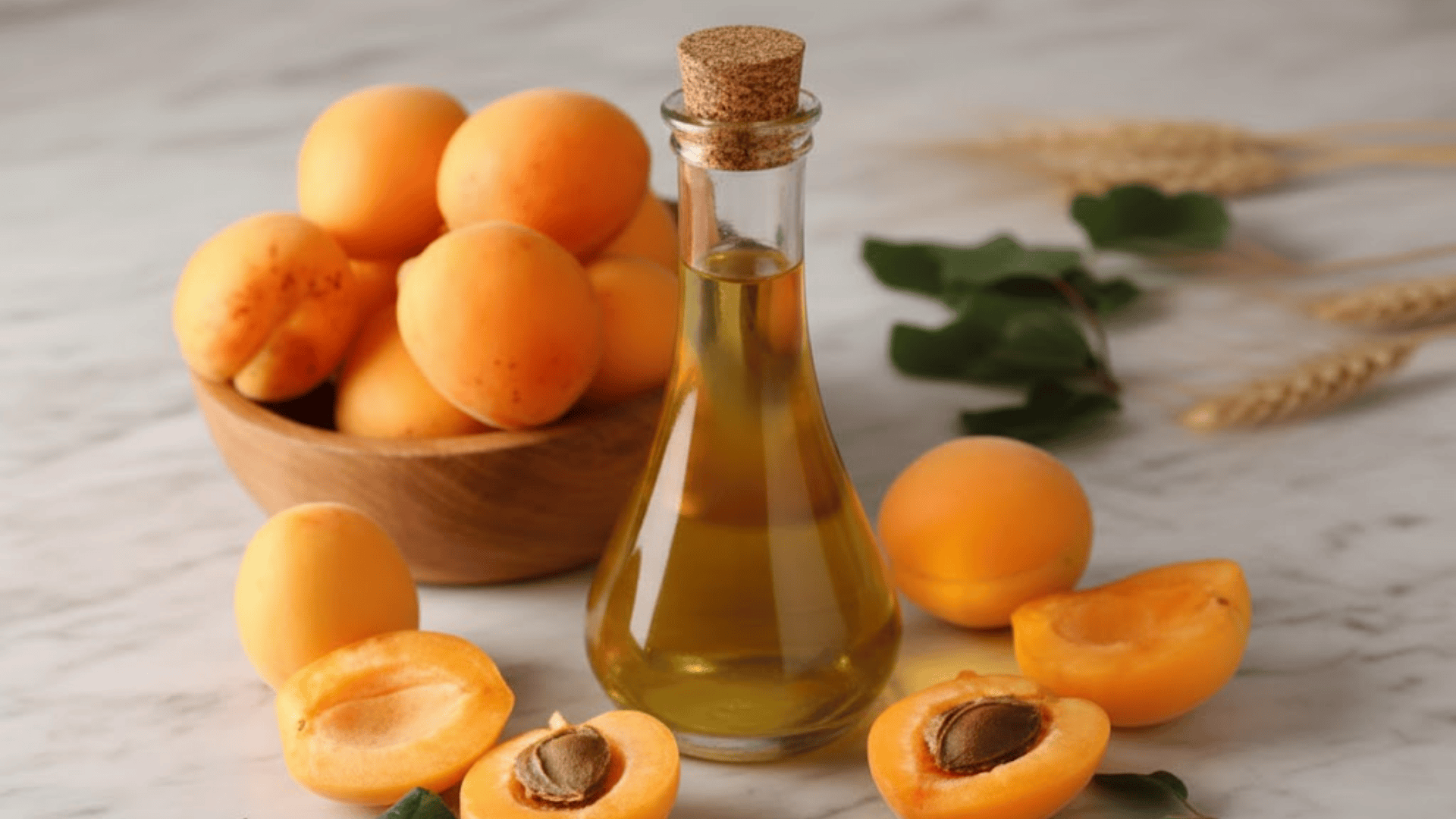
Best for: Softening + lightweight shine
Feel: Light, silky, spreads easily
What it’s rich in: Oleic acid, linoleic acid, vitamin E (tocopherols)
Apricot kernel oil is a gentle, lightweight oil that works well for low porosity hair when you use a small amount. It helps soften the hair and adds a natural shine without the greasy, heavy finish that thicker oils can cause.
How to use: Apply 2–3 drops to damp mid-lengths and ends after your leave-in. Great for smoothing dry ends.
12) Rice Bran Oil
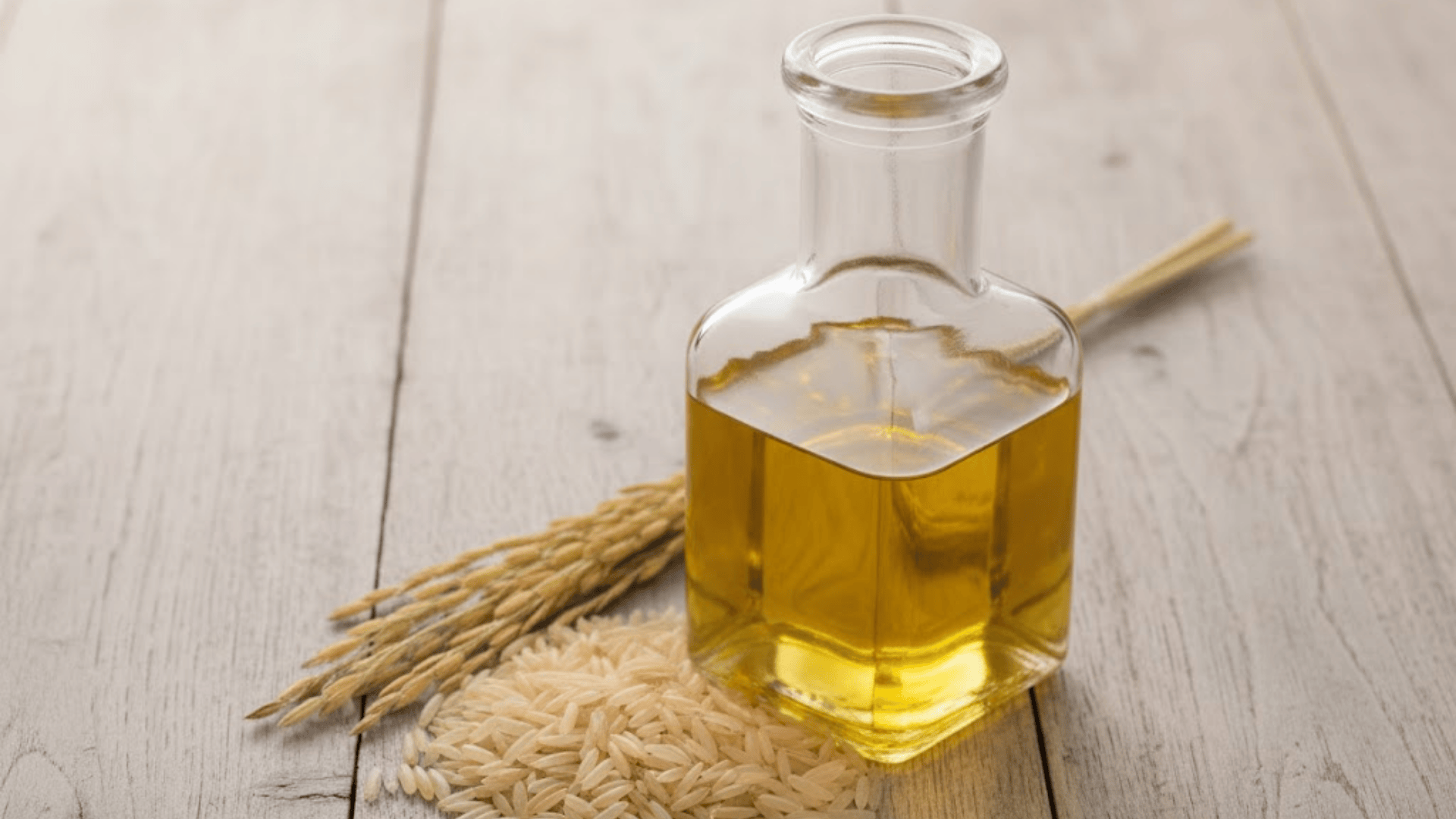
Best for: Sealing moisture + adding slip (light-to-medium)
Feel: Light to medium, smooth finish
What it’s rich in: Oleic acid, linoleic acid, vitamin E (tocopherols)
Rice bran oil is a nice option if super-light oils don’t feel “enough” for your hair. It’s still manageable for low porosity hair as long as you keep the amount small. It adds softness, helps reduce dryness, and gives a smooth finish.
How to use: Use 2–4 drops on damp hair (ends-first). If your hair gets weighed down easily, start with 2 drops only.
Product tip: If you prefer ready-made hair oils or serums, check the ingredient list. Look for products where these lightweight oils appear near the top. That means there’s more of the good stuff inside.
Oils that Low Porosity Hair Should Avoid
Not all oils work for low porosity hair. These three are the biggest troublemakers.
1) Castor Oil
Castor oil is extremely thick and sticky, making it a poor choice for low porosity hair. It can’t penetrate tightly closed cuticles, so it sits on top and creates a heavy coating.
This leads to dull, weighed-down hair. It’s also difficult to wash out thoroughly, often requiring multiple shampoo sessions.
2) Coconut Oil
Coconut oil can penetrate the hair, but many people with low porosity hair find it feels stiff, heavy, or buildup-prone as a leave-on.
If you want to use it, it often works better as a pre-wash treatment (pre-poo), then shampoo out.
3) Olive Oil
Olive oil is a kitchen staple, but it’s not great for low porosity hair. Its heavy, thick texture doesn’t absorb into tightly sealed cuticles.
Your hair quickly becomes limp, greasy, and lifeless. The residue also attracts dirt and dust, making your hair look dirty faster.
How to Use Oils on Low Porosity Hair Without Buildup
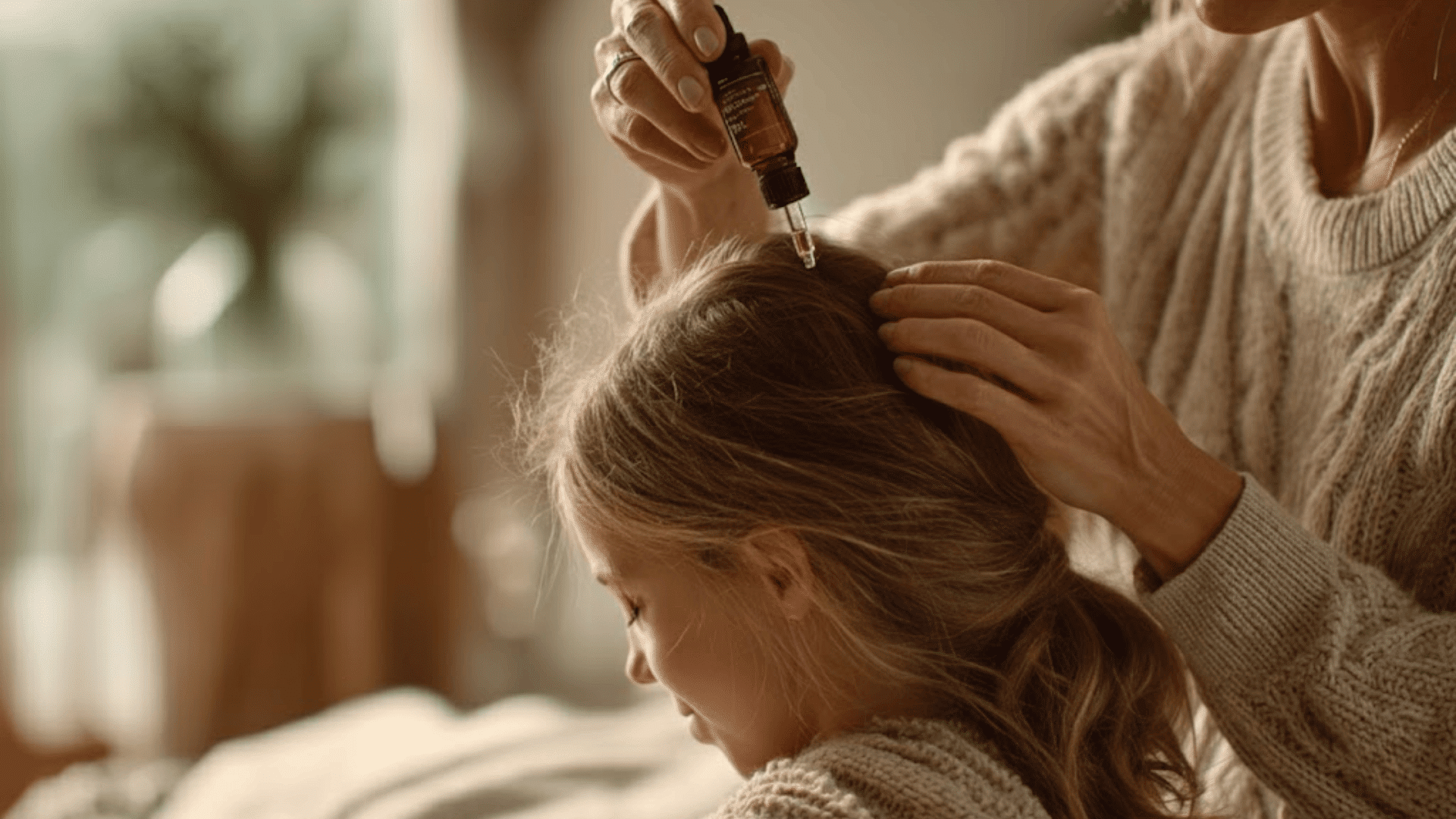
The secret to great results isn’t just which oil you choose, it’s how you apply it. Follow these simple steps to get the most out of your oils.
- Hydrate first: apply a water-based leave-in or conditioner on wash day.
- Seal second: Use 2–6 drops of oil on damp hair to lock in moisture.
- Avoid the roots: focus on mid-lengths and ends to reduce greasy buildup.
- Warm it in your palms: it helps spread the oil evenly.
- Optional heat: a warm towel or gentle steam for 10 minutes can help if your hair loves it.
- Clarify as needed: if hair starts feeling coated, use a clarifying shampoo occasionally.
Stick to these methods, and you’ll enjoy all the benefits of oils without the greasy, weighed-down feeling that low porosity hair often struggles with.
Shopping & Product Tips
Finding the best oils for low porosity hair is easier when you know what to look for. Before you head to the store or browse online, keep these helpful tips in mind.
- Check the labels: Look for words like “lightweight,” “dry oil,” “absorbs fast,” or “non-greasy” on packaging.
- Choose smart packaging: Prefer bottles with droppers or pumps so you can control precisely how much you use.
- Avoid over-layering: Don’t use multiple oily products at once, because serum plus butter plus oil is usually too much.
- Read ingredient lists: Make sure lightweight oils appear near the top of the list, not at the bottom.
- Clarify when needed: If buildup happens often, add a clarifying shampoo to your routine once or twice a month.
With these tips in mind, shopping for oils for low porosity hair becomes much easier. You’ll know exactly what to look for and what to skip!
Final Thoughts
Taking care of low porosity hair doesn’t have to be complicated. The key is choosing the right oils that actually work with your hair, not against it.
Stick with lightweight options like grapeseed, argan, jojoba, and squalane. These absorb quickly and won’t leave your hair feeling heavy or greasy.
Remember the golden rules: use small amounts, apply on damp hair, and avoid thick oils that cause buildup. Once you find the right oil and routine, your hair will feel softer, look shinier, and stay healthy.
Now it’s your turn to take action! Drop a comment below and share your hair type, biggest struggles, and hair goals.
We’d love to help you find the perfect oil and routine that works for you. Your best hair days are just ahead!