



If you have ever wondered why your hair takes forever to get wet or why products seem to sit on top instead of soaking in, you might have low porosity hair.
This hair type often makes product choices tricky, especially when it comes to oils. Many people wonder, is coconut oil good for low porosity hair, or does it make things worse?
Coconut oil is common in hair care, but it does not behave the same on every hair type.
Hence, we will explain what low porosity hair means, how coconut oil interacts with it, and when it can help or cause problems.
The goal is to help you make choices that actually suit your hair.
Understanding Low Porosity Hair
Low porosity hair has cuticles that stay tightly closed. You can think of each strand like a door that does not open easily.
When the door stays shut, water and hair products struggle to move inside. This is why low porosity hair often takes a long time to get fully wet and even longer to dry.
Sprays, creams, and oils may seem to sit on top instead of soaking in. Because moisture has trouble getting inside, buildup can happen quickly.
Hair may look smooth or shiny on the outside, but feel dry underneath. Low porosity hair usually does better with lighter products, gentle heat, and extra time to help moisture enter properly.
Is Coconut Oil Good for Low Porosity Hair
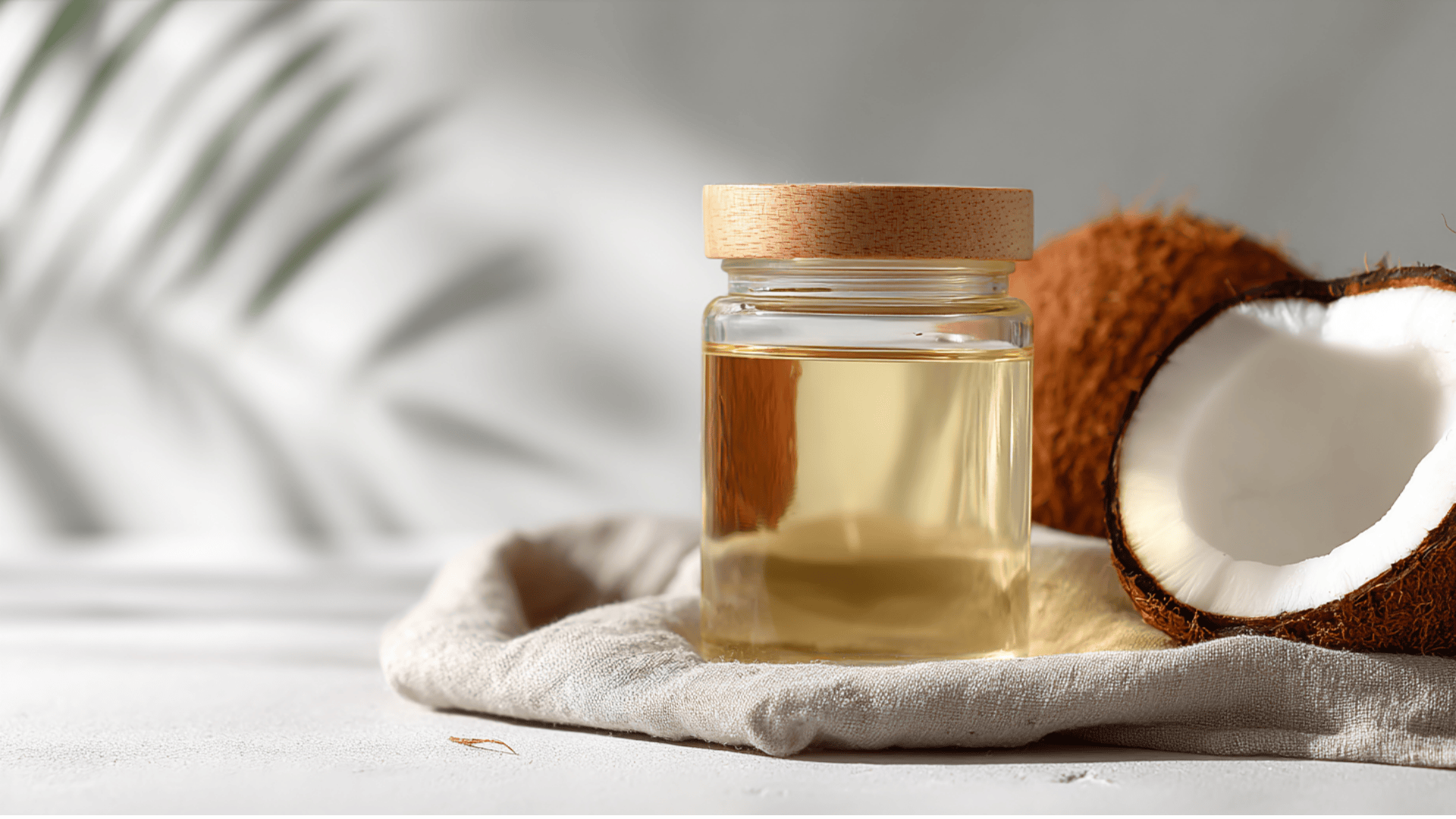
Coconut oil does not affect low porosity hair the same way for everyone. It has small molecules that can move into the hair strand more easily than many other oils.
While this may sound helpful, low porosity hair already struggles to let moisture in. For some people, coconut oil works well when used lightly and at the right time. For others, it creates a coating on the hair that keeps water out.
Instead of feeling soft, hair may feel stiff or dry. Results depend on how often coconut oil is used, how much is applied, and if it is used before washing, after washing, or mixed with other products in a routine.
Pros of Coconut Oil for Low Porosity Hair
Coconut oil can be helpful for low porosity hair when used in small amounts and at the right time. It may support strength and reduce damage, but results vary by routine.
1. Helps Reduce Protein Loss
Coconut oil’s small molecules penetrate better than heavier oils, but low porosity cuticles still resist penetration. This may help limit protein loss during washing and styling.
For low porosity hair, lighter use over time can support strength, especially when the oil is not layered with heavy creams or frequent product buildup.
2. Adds Surface Smoothness
When applied in very small amounts, coconut oil can help smooth the outer layer of low porosity hair. This may reduce rough texture and support shine.
Using too much can cause stiffness, so a light touch helps hair stay flexible and comfortable throughout the day without feeling coated or heavy.
3. Works Better with Warmth
Coconut oil may perform better for low porosity hair when warmth is present. Heat can help the cuticle relax slightly, allowing oils to spread more evenly.
Using coconut oil in warm conditions may prevent it from sitting stiffly on the hair surface and causing dryness over repeated daily use periods.
4. Seals in Moisture when Applied Correctly
When used after water-based products, coconut oil can help seal moisture inside low porosity strands. This creates a protective layer that prevents hydration from escaping too quickly.
Proper layering ensures hair stays moisturized longer between wash days, making it easier to maintain softness and manage styling needs effectively.
Cons of Coconut Oil for Low Porosity Hair

Coconut oil does not work the same for everyone with low porosity hair. While some see benefits, others notice dryness, stiffness, or buildup when it is used too often or without enough moisture support.
1. Can Block Moisture Entry
Low porosity hair already resists moisture, and coconut oil can increase that issue. When used often, it may sit on the surface and form a seal before water enters.
This prevents proper hydration and leaves hair feeling dry beneath the outer layer, even if it looks shiny or smooth.
2. May Cause Stiff or Hard Texture
Some people with low porosity hair notice stiffness after using coconut oil. This happens when oil enters the strand without enough water. Over time, hair may lose softness and flexibility.
Curls can feel rigid and harder to manage, especially during styling or daily movement throughout the day.
3. Can Cause Protein Overload
Coconut oil buildup mimics protein overload symptoms due to coating, not actual protein content. When combined with protein-rich products, hair may become brittle and prone to breakage.
This protein overload makes hair feel straw-like and fragile. The strand loses elasticity and becomes more vulnerable to damage during handling or styling activities.
4. Too Heavy for Fine Hair Strands
Fine low porosity hair struggles under the weight of coconut oil. Even small amounts can flatten roots and reduce volume significantly.
Hair appears limp and lifeless instead of bouncy. This heaviness makes styling difficult and reduces the natural movement that fine hair typically has when properly maintained.
5. Difficult to Wash out Completely
Coconut oil clings strongly to low porosity hair and doesn’t rinse away easily with regular shampoo alone. The tight cuticles that resist absorption also resist releasing the oil during washing.
This often requires clarifying shampoos or multiple wash cycles to remove all residue. Incomplete removal leads to continuous buildup that makes hair feel coated, dull, and harder to moisturize with each wash cycle.
How to Use Coconut Oil Safely on Low Porosity Hair
Using coconut oil as a pre shampoo treatment can work well for low porosity hair when done with care.
Begin with a small amount on dry or slightly damp hair, focusing on the mid lengths and ends instead of the scalp. This step helps reduce residue. After applying, cover hair with a shower cap or wrap it in a warm towel for twenty to thirty minutes.
Mild warmth helps the hair surface loosen slightly so the oil spreads evenly. Rinse and shampoo thoroughly to remove excess oil.
Finish with a lightweight conditioner to keep strands soft, flexible, and free from buildup without weighing hair down during regular wash days routines.
Lighter Oil Options for Low Porosity Hair
If coconut oil feels too heavy or leaves your hair stiff, lighter oils can be a better match. These options absorb more easily and help support moisture without sitting on the surface.
- Argan oil: It is lightweight and absorbs more easily into low porosity hair. It helps soften strands and add shine without causing buildup or making hair feel coated.
- Jojoba oil: Jojoba oil closely matches the natural oils produced by the scalp. This makes it gentle for low porosity hair and helpful for sealing moisture without blocking water from entering.
- Grapeseed oil: This oil has a thin texture that spreads easily through the hair. It helps seal in moisture while keeping hair light, smooth, and flexible throughout the day.
- Sweet almond oil: It adds slip and softness without weighing hair down. It works well for detangling and helps reduce dryness when used in small amounts.
- Aloe vera: Aloe vera is water-based and works well for low porosity hair that needs hydration. It helps add moisture without buildup and supports scalp comfort.
- Shea butter: It can work for low porosity hair when used sparingly and warmed before application. It helps seal moisture and protect strands, especially in dry conditions.
Tips to Moisturise and Care for Low Porosity Hair

Low porosity hair needs moisture that actually enters the strand, not just sits on top. These care tips help your hair accept and retain hydration while staying healthy and soft.
1. Use Gentle Warm Moisture
Warmth helps low porosity hair open its cuticles slightly. Before applying conditioner, use a warm towel or steam from the shower to relax the hair surface. This gentle heat makes it easier for water and treatments to enter the strand.
Avoid high heat, which can stress hair, and choose short, warm sessions for better moisture absorption.
2. Apply Products on Damp Hair
For low porosity hair, timing matters. Apply leave-in conditioners and moisturisers when hair is lightly damp, not dry.
This ensures water is already inside the strand when products are used. Think of it like sealing in a drink: water first, then the product to lock it in. This helps the hair stay soft longer.
3. Choose Lightweight Liquids
Heavy creams can sit on low porosity hair and weigh it down without hydrating. Pick products where water is near the top of the ingredient list.
Lightweight formulas absorb faster and prevent buildup on the strand surface. Lighter conditioners and sprays often spread more evenly and help hair feel hydrated rather than coated.
4. Try Occasional Clarifying
Because buildup is common with low porosity hair, using a mild clarifying rinse every few weeks can help. Clarifying removes layers of residue from products, oils, and minerals.
Clear hair is more ready to accept moisture and treatments. Avoid overdoing this, just a periodic reset can improve how other products perform.
5. Add a Hydrating Leave-In
A good leave-in conditioner can provide ongoing moisture between washes. Look for humectants like glycerin or aloe-based formulas that draw water into the hair. Apply on damp hair and follow with a light sealing step if needed.
This helps maintain softness and keeps strands less prone to feeling dry during the day.
6. Seal with Light Oils
After hydrating, seal in moisture with a lightweight oil like argan or jojoba. Apply only a small amount to avoid buildup. The oil acts like a lid on moisture already present inside the strand.
This step helps reduce frizz, add smoothness, and keep the hair feeling softer for longer without weight.
Final Thoughts
So, is coconut oil good for low porosity hair? It can be helpful when used with care and patience.
Coconut oil often works better as a pre wash option instead of an everyday step.
Low porosity hair prefers light moisture, clean strands, and proper timing. If coconut oil makes hair feel stiff, coated, or dry, switching to lighter oils may bring better comfort.
Always notice how your hair reacts after each use. Small changes in amount or timing can improve results.
With thoughtful use and simple routines, low porosity hair can remain soft, easy to manage, and healthy over time without extra buildup or frustration for daily comfort and confidence.