


Using conditioner sounds simple – apply, rinse, done. But if your hair still feels frizzy, flat, greasy, or rough after you condition, the issue is usually where you apply it, how wet your hair is, and how long you leave it on.
I’ll tell you how to apply hair conditioner the right way, plus the best conditioner product types (with links) for different hair types like fine hair, oily scalp, curls, coils, color-treated hair, and damaged hair.
I’ll also share practical tips you often see in honest hair discussions – things that actually change results.
What Hair Conditioner Does
Hair conditioner is made to soften and smooth the hair strand after cleansing. Shampoo can lift the hair cuticle (the outer layer) and remove oils, which may leave hair feeling rough or tangled.
Conditioner helps by coating the hair surface and improving “slip,” so strands glide past each other instead of snagging. That’s why hair often feels easier to detangle and looks less frizzy after conditioning.
Technique matters because placement affects results. If conditioner is applied too close to the scalp, it can mix with natural oils and weigh the roots down, making hair look flat or greasy.
When applied mainly to mid-lengths and ends, it targets the areas that need softness most without killing volume at the roots.
How To Apply Hair Conditioner (Step-By-Step)
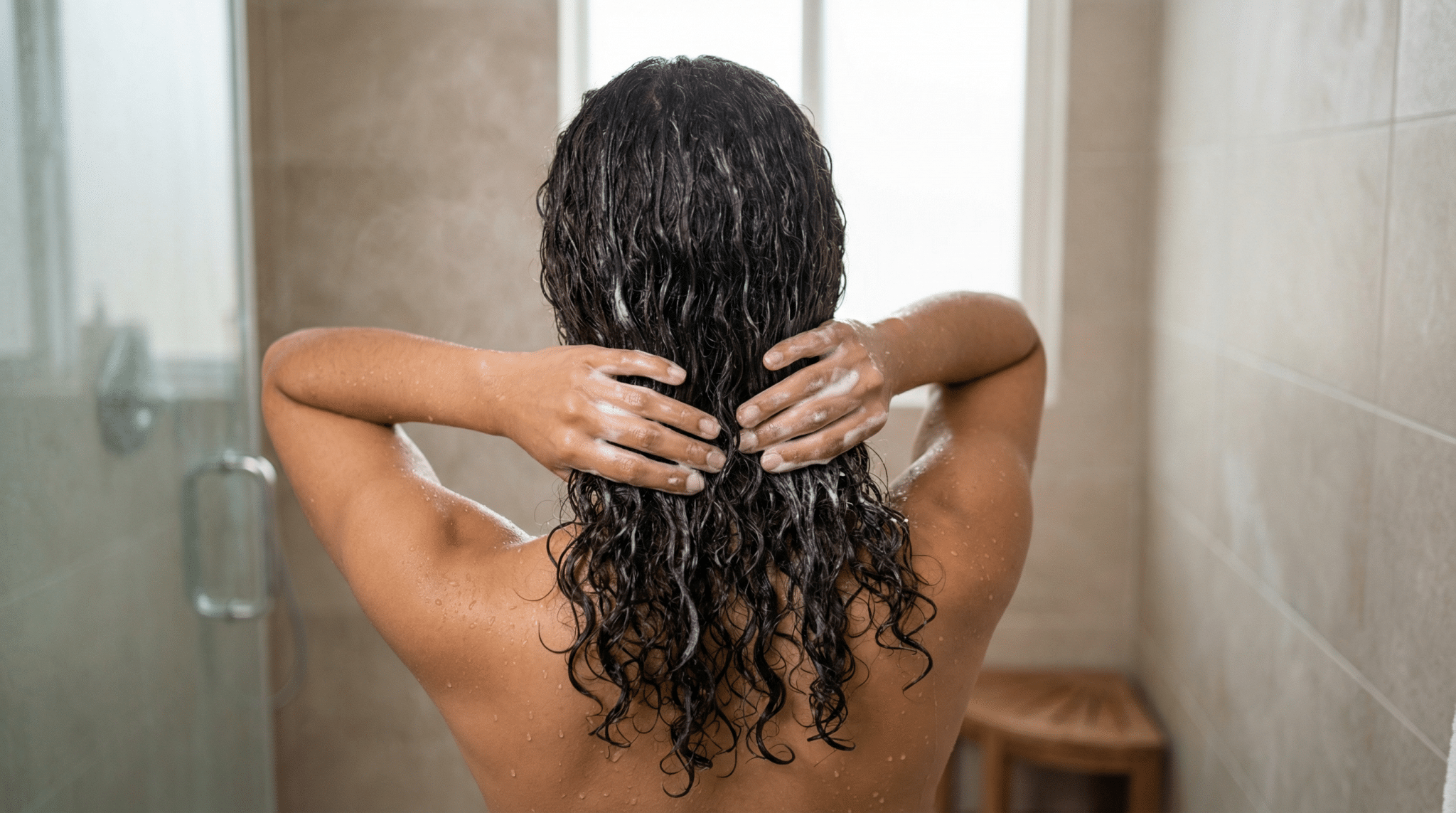
Conditioner works best when you treat it like a “lengths and ends” product, not a scalp product. The goal is to soften and smooth the parts of your hair that dry out fastest, then rinse in a way that matches your hair type so you don’t get greasiness or buildup.
1) Clean Your Scalp First
Shampoo is meant for the scalp, where oil, sweat, and product residue collect. If the scalp isn’t properly rinsed, conditioner can mix with leftover shampoo or oils and make hair feel heavy after it dries.
Massage shampoo into your roots with fingertips for about 30–60 seconds, then rinse thoroughly, especially around the crown and behind the ears.
Let the shampoo foam rinse through the lengths instead of scrubbing the ends, since the ends are older and more fragile.
2) Squeeze Out Excess Water
Conditioner needs to cling to the hair strand to smooth it. When hair is dripping wet, the conditioner gets watered down and slides off too quickly.
After rinsing shampoo, gently squeeze your hair once or twice. Your hair should feel wet and slippery, but not pouring water.
If your hair is thick, do this in sections so the middle layers aren’t still soaking.
3) Apply Conditioner From Mid-Lengths To Ends
Mid-lengths and ends usually need conditioner the most because they’ve had more wear from brushing, heat tools, sun, and friction from clothing.
Start around ear level and work down, coating the ends well. Avoid applying rinse-out conditioner directly to the scalp unless the product says it’s made for scalp use.
If you have oily roots and dry ends, keep conditioner on the lower half and focus most of it on the last few inches.
4) Spread Evenly And Detangle Gently
Uneven application is one of the main reasons people think conditioner “doesn’t work.” Use your fingers to rake through small sections so every strand gets a light, even coating.
If your hair tangles easily, detangle while the conditioner is in, starting at the ends and slowly working upward.
If needed, add a splash of water to your hands and smooth again to help the conditioner distribute through all layers.
5) Let It Sit, Then Rinse And Dry Correctly
Give conditioner 2–5 minutes to work. Fine hair often does well with 1–2 minutes to avoid heaviness, while thick, dry, curly, color-treated, or damaged hair usually benefits from 3–5 minutes.
Rinse until hair feels soft and smooth, not slippery like there’s a coating. Fine/oily hair should rinse thoroughly (especially top layers), while dry or curly/coily hair should rinse gently without rough scrubbing.
After the shower, press water out with a microfiber towel or soft T-shirt instead of rubbing to reduce frizz and breakage.
Hair Types And The Best Conditioner Products For Them
Choosing the best conditioner depends on your hair type and what you’re trying to fix. Below are product picks by hair type, with links so you can check ingredients, claims, and usage directions before buying.
Fine hair (Gets Flat Easily)
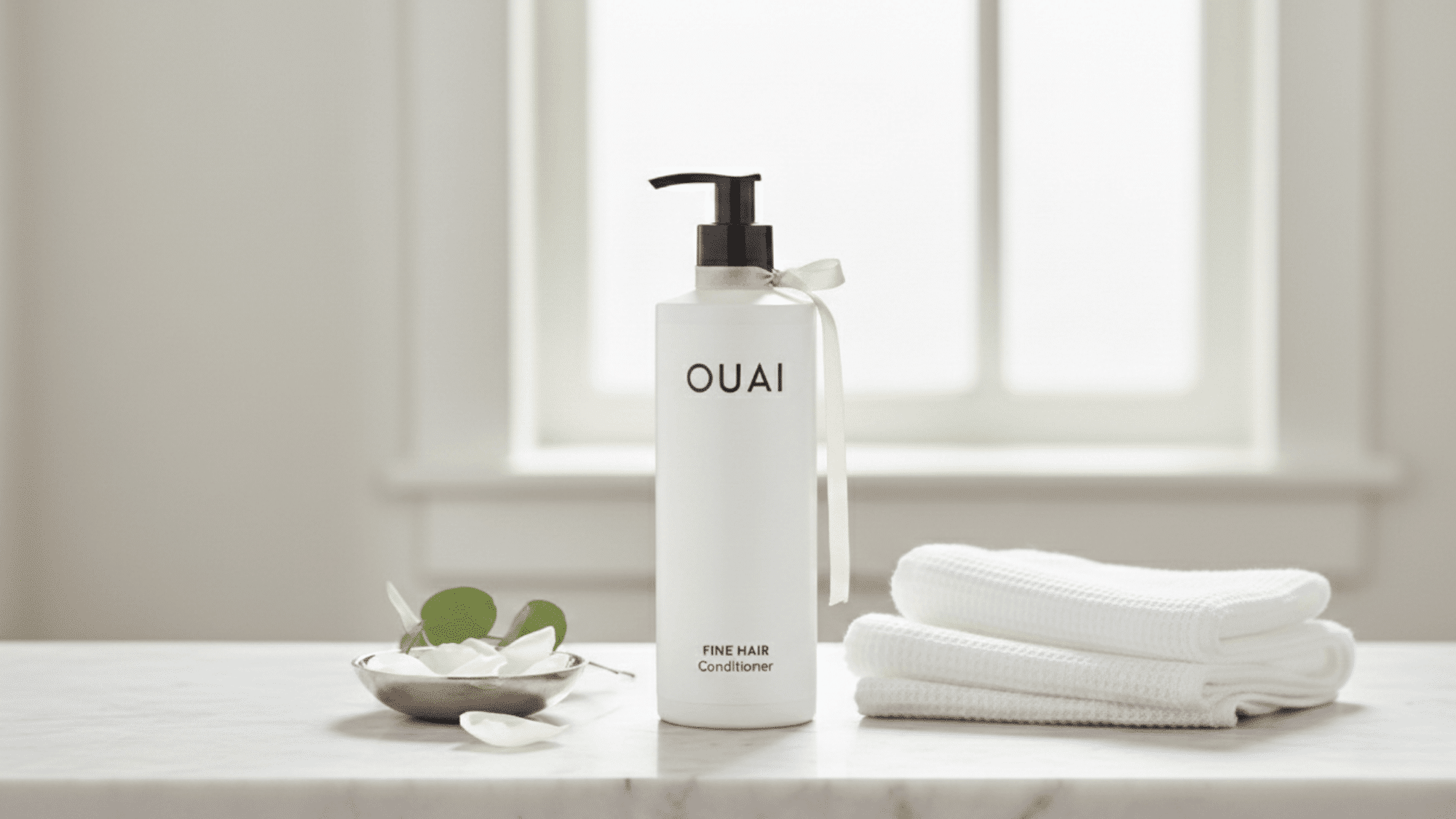
Fine strands get weighed down fast, so the goal is moisture + softness without a heavy finish. In general, look for “lightweight,” “volume,” or “fine hair” on the label, and avoid layering conditioner too close to the roots.
Product options:
Oily Scalp + Dry Ends
This is the “roots get greasy, ends feel rough” combo, so one product placement change can make a big difference.
If ends still feel dry, the fix usually isn’t more conditioner at the roots; it’s better coverage on the last few inches and a slightly longer leave-on time (closer to 3 minutes).
Product options:
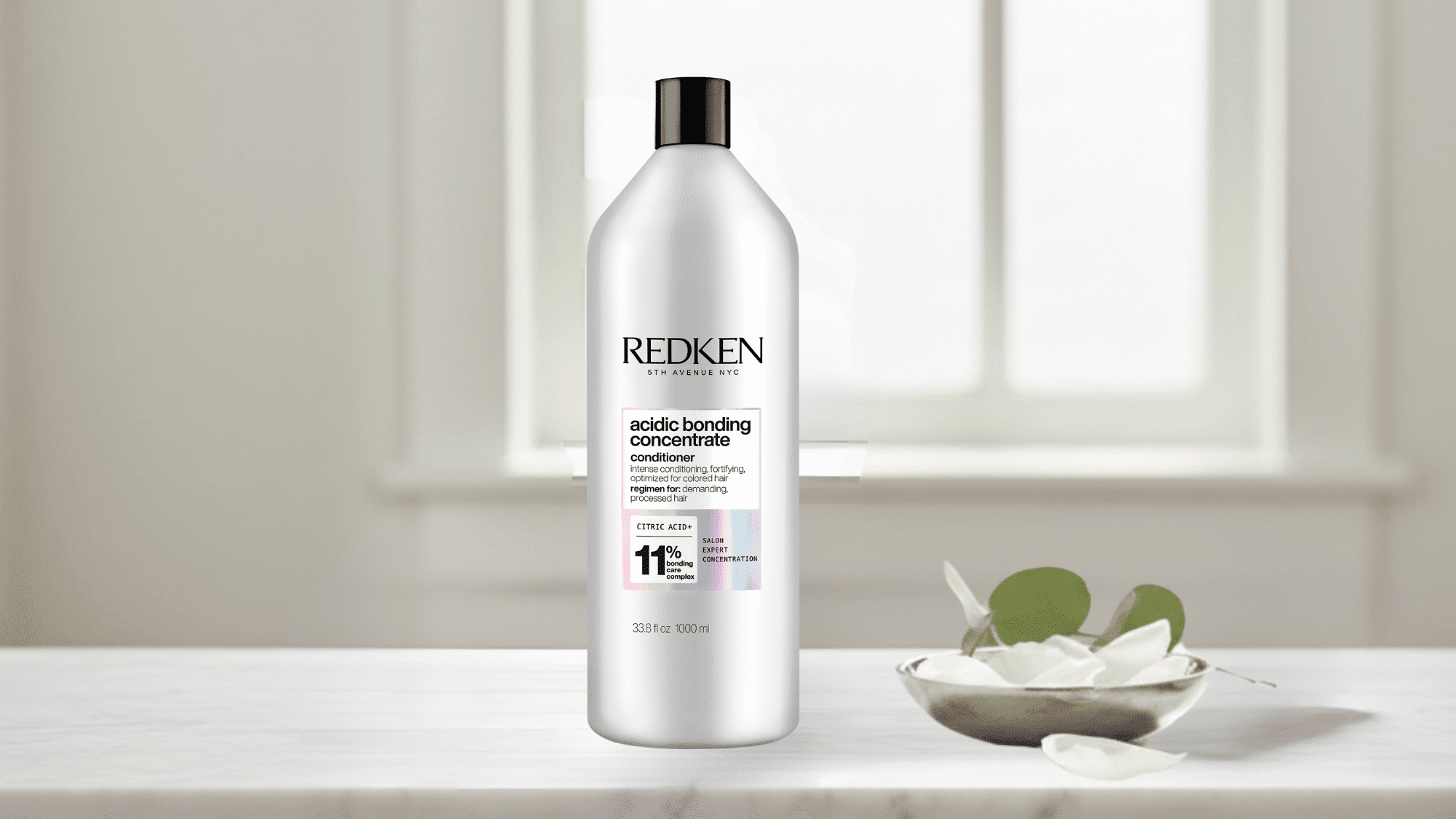
- Redken Acidic Bonding Concentrate Conditioner (repair + conditioning)
- Biolage Volume Bloom Conditioner
Wavy Hair (Frizz + Waves Losing Shape)
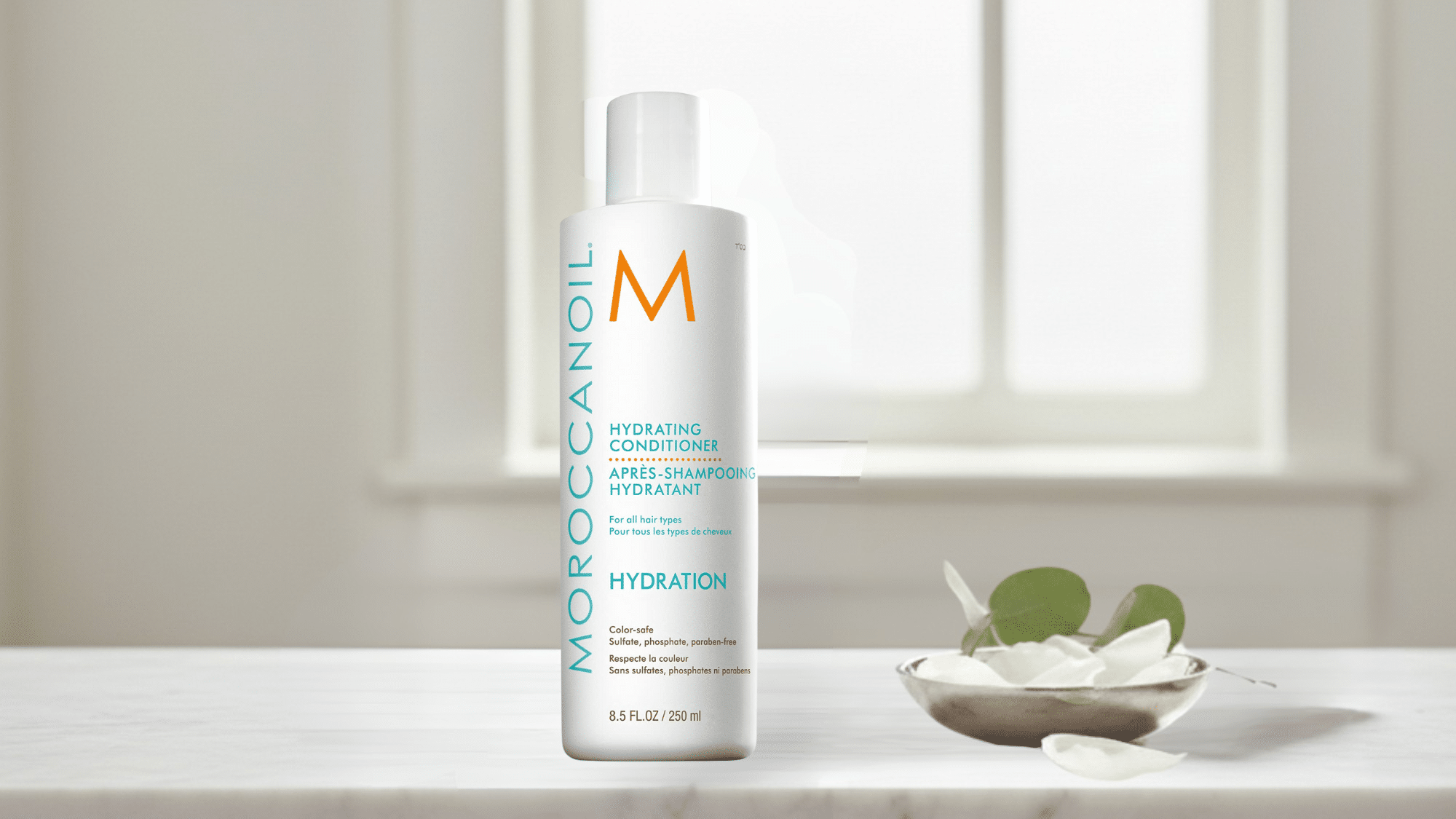
Waves often need balanced hydration: enough to reduce frizz, but not so rich that your pattern falls flat. Spread conditioner evenly through mid-lengths and ends, gently detangle with fingers, and rinse until hair feels soft but not coated.
Product options:
Curly Hair (Needs Slip For Detangling)
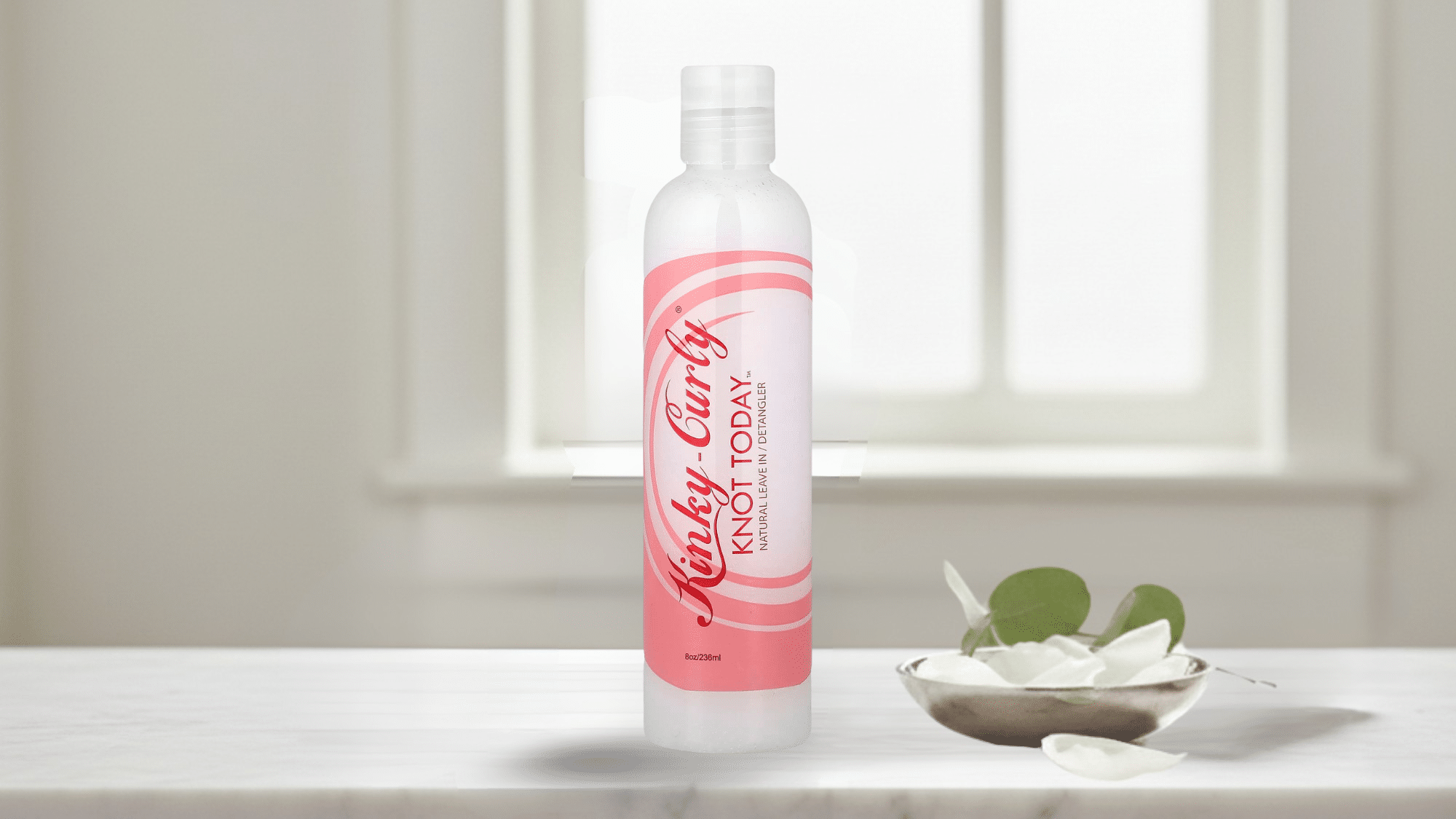
Curly hair benefits from conditioners that give “slip” (easy detangling) and help curls feel smoother. Many curl routines improve simply by taking time to distribute conditioner.
Product options:
-
Kinky-Curly Knot Today (can be used as rinse-out or leave-in depending on hair)
-
Davines OI ConditionerCoily hair (4A–4C, very dry ends)
Damaged, Bleached, Or Heat-Styled Hair
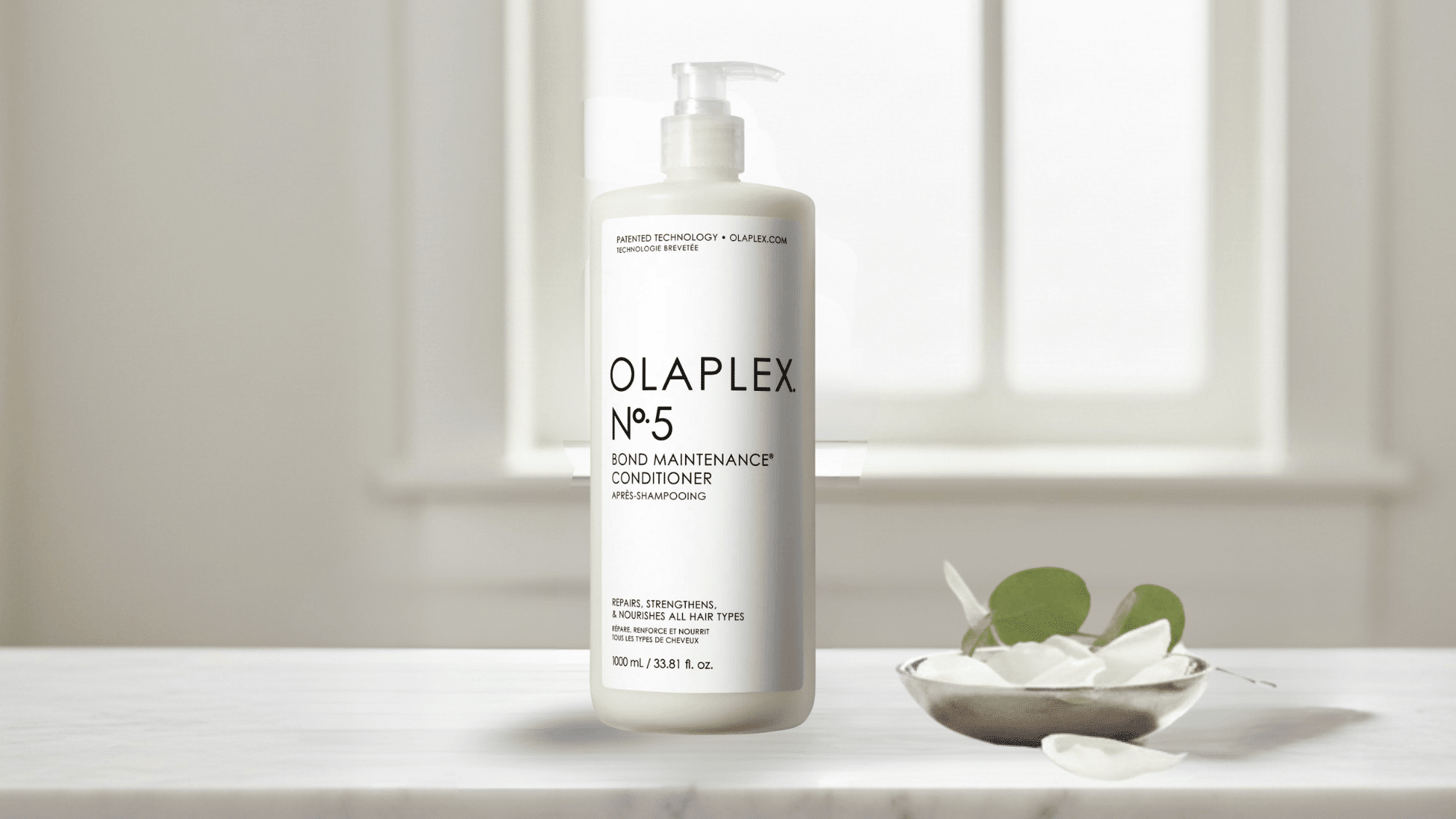
When hair is processed, it often feels rough, tangles easily, and snaps more during brushing. A repair-focused conditioner can help hair feel smoother and more manageable.
If hair starts feeling stiff, rotate with a more moisturizing conditioner rather than adding more “strength” products every wash.
Product options:
Color-Treated Hair
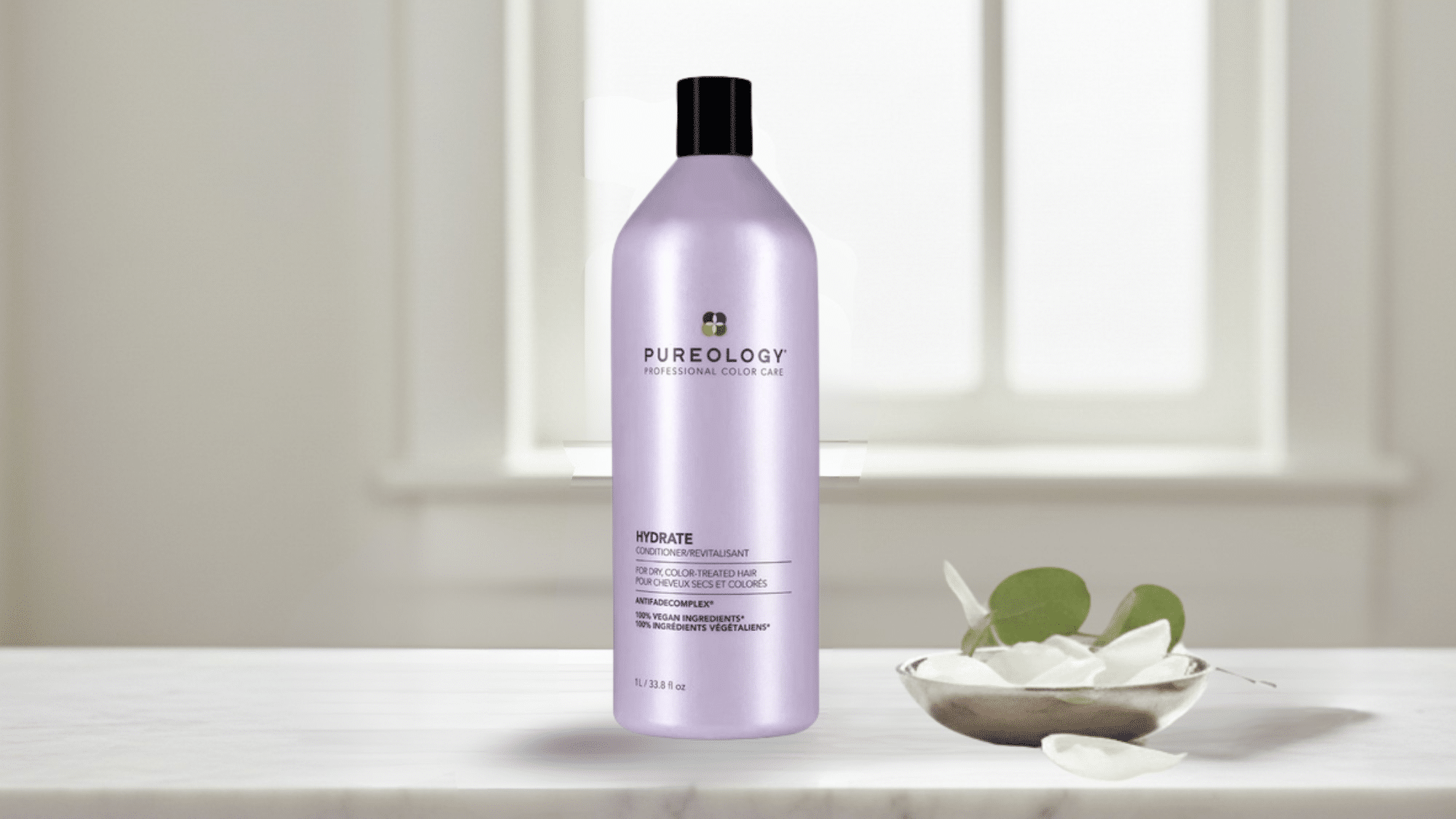
Color-treated hair often needs extra hydration because coloring can make the lengths feel drier over time. Using a color-safe conditioner helps keep hair softer, smoother, and easier to detangle, especially on the ends where damage shows first.
Product options:
Sensitive Scalp (Itchy Or Reactive)
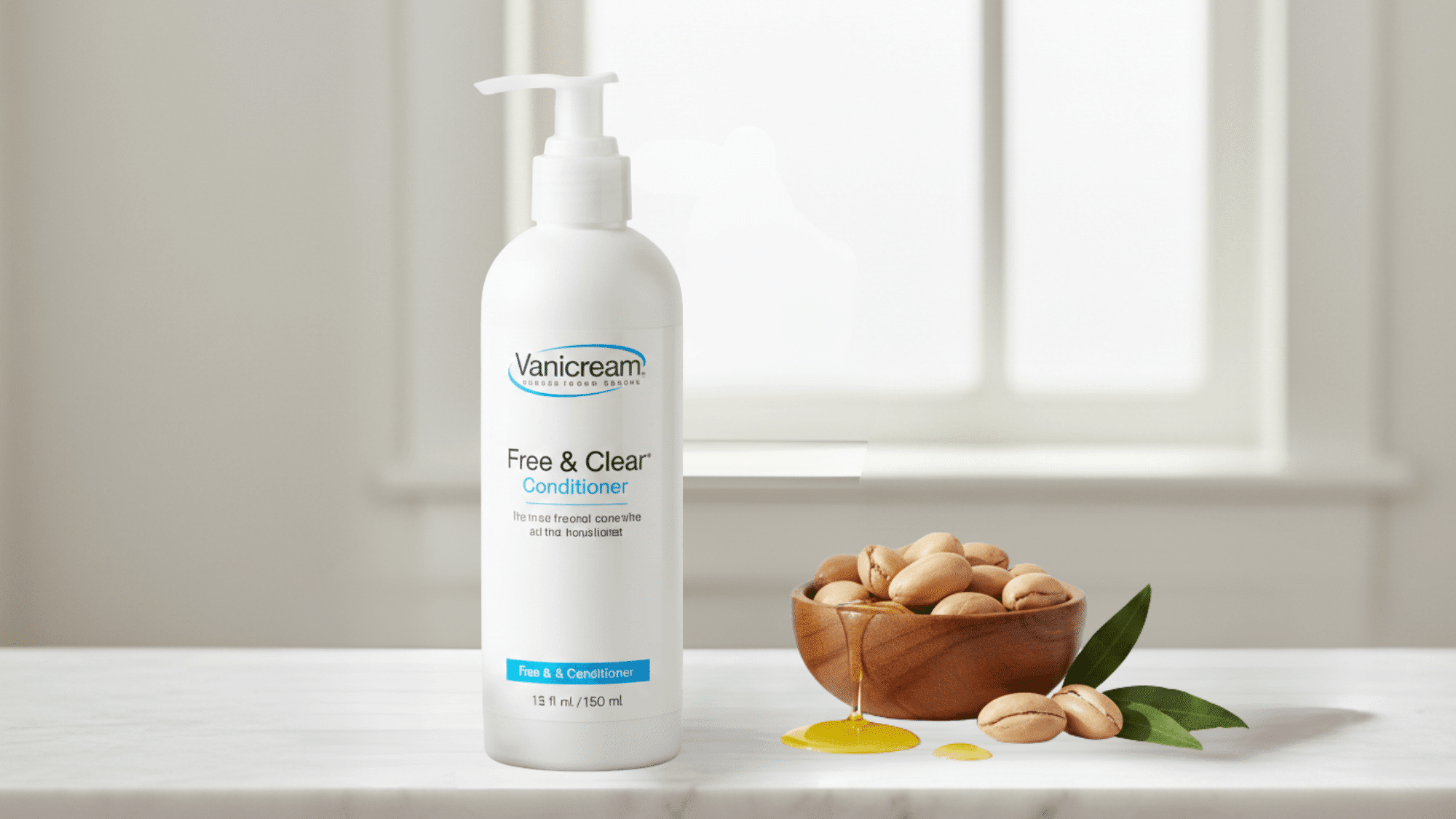
If your scalp reacts easily, a gentle, fragrance-free conditioner is usually the safest choice. Apply it only to the mid-lengths and ends, since the product sitting on the scalp can trigger itching or leave residue that feels uncomfortable later.
Product options:
If you wash daily, use a lightweight conditioner and keep it low on your hair. If you wash less often, you can still condition more often by rinsing and conditioning between shampoo days.
Quick Fixes For Common Conditioner Problems
- If hair feels greasy after conditioning, it’s usually because the conditioner went too close to the scalp, you used too much, or you didn’t rinse enough. Move it lower, reduce the amount, and rinse longer near the top layers.
- If hair feels waxy or coated, you may have buildup (or hard water issues). Try clarifying occasionally (not daily), then go back to a lighter conditioner.
- If ends still feel dry, leave conditioner on longer (3–5 minutes), make sure it’s spread evenly, and consider adding a weekly deep conditioner.
- If curls are still frizzy, apply in sections, add a little water to help spread, detangle gently, and avoid rough towel drying.
Conclusion
Once you get the method right, conditioner stops being hit-or-miss. The main things to remember are simple: squeeze out extra water first, apply conditioner from mid-lengths to ends (not your scalp), spread it evenly, give it a couple of minutes, and rinse in a way that matches your hair type.
When you do that, you’ll usually notice softer ends, fewer tangles, and less frizz – without the heavy, greasy feel.
Now I’d love to hear from you: What’s your hair type (delicate, wavy, curly, coily, color-treated, oily scalp, dry ends)? Drop it in the comments along with what conditioner you’re using right now.