



Car enthusiasts often fall into different categories: the F1 fans, the sportscar fanatics, and those who just like to hear the familiar sound of an engine revving in the distance. One thing that all car enthusiasts have in common is a shared admiration for classic cars, the models that continue to inspire collectors and industry experts, decades after their initial release. Classic cars aren’t just a vehicle, and they’re far more than the status symbol they’re often perceived to be.
Owning a classic car is a form of conservation work, whether you’re faithfully restoring a vintage Ford Zephyr or presenting your 1966 Aston Martin DB6 at car shows around the country. Just like in the world of fashion, these classic cars are inspiring a new type of sustainability, showing that quality brings longevity and a better return on investment.
Whether you’re buying a classic car or moving between states, you’ll inevitably need to use enclosed car transport at some stage in your journey as a classic car collector. Protecting your car is just as important as staying on top of regular maintenance. In this article, we’re exploring how classic cars are inspiring sustainable style and how preserving your vehicle is the key to protecting its legacy.
The Enduring Appeal of Timeless Classic Car Designs
Classic cars are just as stylish today as they were when they first hit the road, even if they’ve been around for over 50 years. It’s not just about the visual aesthetic of these cars. What makes classic cars so attractive to collectors, enthusiasts, and everyday people is their craftsmanship and innovation. Mid-century vintage cars changed the industry, introducing sculpted lines, long hoods, and bold color palettes that you’ll still find in parking lots today.
Classic vehicles, whether it’s a Porsche 911 or a Ford Anglia, represent a piece of car history. Storage and transportation are two things every car enthusiast has to consider before investing in a vintage car. Even if you’re planning to bring your classic car to shows or rent it out for events, you can expect it to spend more time in storage than on the road.
Cars are just like fashion with circular trends. Inevitably, what was once shrugged off as being ‘out of style’ will eventually end up back in vogue. This concept is true for both car designs and manufacturers, many of whom will often look back into their archives for inspiration when designing new models.
Sustainable Style Trends Inspired by Vintage Automobiles
Source: Josh Rinard via Unsplash
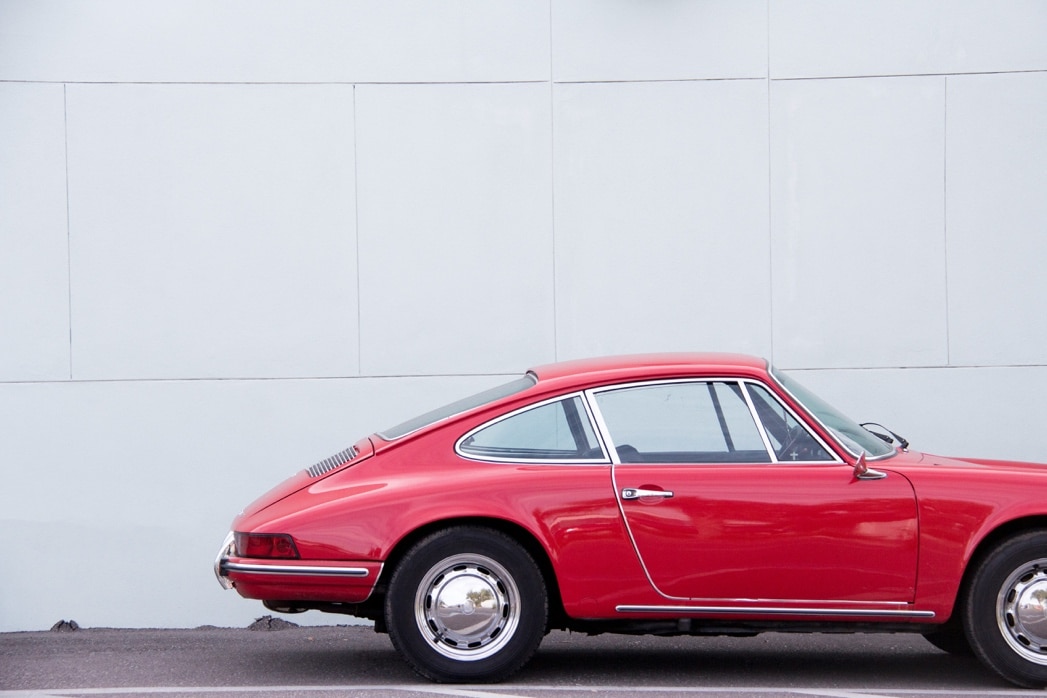
Vintage cars are inspiring sustainable style trends with brands like Singer reimagining the classic Porsche 964, while other manufacturers are returning to old-school materials, like leather and brushed metal, to make modern cars more durable. The earth-tone color palettes and handcrafted finishes that have become synonymous with luxury cars take their inspiration from vintage interiors, particularly those from the ‘60s and ‘70s.
While car enthusiasts can buy newer models that take inspiration from their older counterparts, many are still choosing to restore a classic car, rather than buy a new one. Many of these classic car owners prioritize sustainability without it being a core focus of their restoration strategy, including salvaging parts from scrap cars. Preservation is crucial for preserving the history and legacy of classic cars – and this goes hand-in-hand with sustainability.
Preserving Automotive Heritage: The Role of Enclosed Car Transport
You’re making a commitment when buying a classic car. Think of it like a historical artifact, but one that also serves a function. While it’s important to keep your vintage car stored safely, you don’t want to keep it locked up 365 days a year. Whether you’re bringing your car home after purchasing it or transporting it to a show, you’ll have to consider the impact of weather, long-distance mileage, and debris on your classic car. These situations can result in damage and problems that are significantly more expensive to fix for a vintage car than for a modern counterpart.
Enclosed car transport is the best way to safely move your vehicle, whether you’re only traveling a few hours or taking your classic vehicle across the country. It’s the go-to choice for car collectors and restoration companies that are relocating a vehicle to their home, an auction, or a car show. This type of car transportation protects the vehicle’s craftsmanship, reduces the risk of theft, and prevents weather damage.
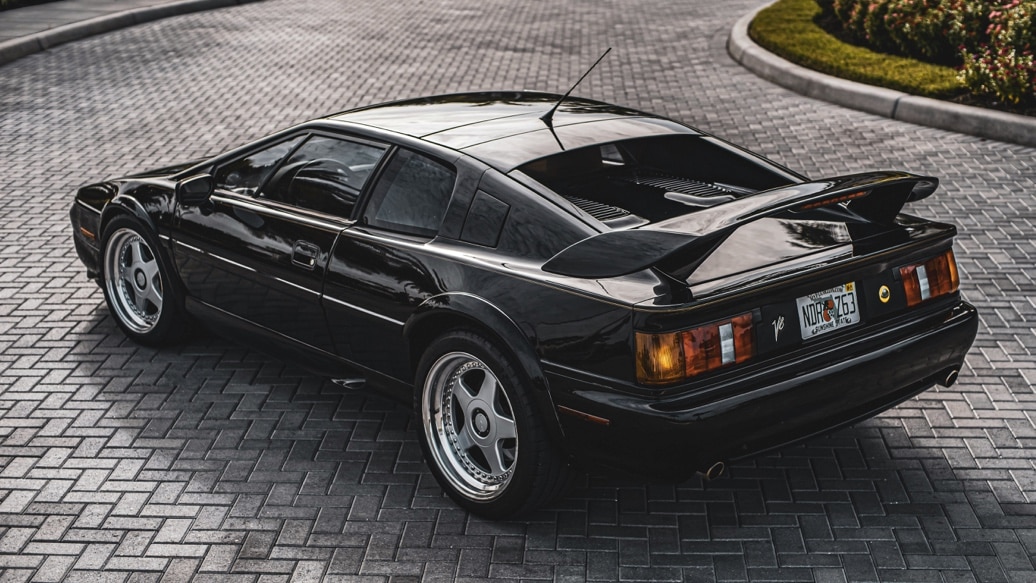
If you’re lucky enough to own a classic car like a Ford Mustang, Jaguar E-Type, or a Ferrari 250 GTO, then you’re the owner of a piece of art. These cars have left their mark on more than just the automotive industry, influencing modern fashion, pop music, and culture.
Iconic Classic Cars That Shaped Modern Fashion Aesthetics
Source: Freddy G via Unsplash
It’s easy to think that fashion and automobiles exist in two separate worlds, but you only have to tune into a Formula One race to realize that these two industries have forever been interlinked. Car manufacturers often choose designs that reflect their cultures, from the oversized American SUVs to the sleek European touring cars and the luxury sedans that have come to epitomize the concept of ‘quiet luxury’.
Fashion and automobiles have been influencing each other for decades. The same color palettes that you’ll see dominating the runways of New York and Milan inevitably become the hottest car colors of the year. Earth-tones and muted neutrals are currently just as popular in car showrooms as they are in department stores.
Iconic brands are no longer just existing within the world of six-figure cars. Legacy brands like Ferrari have launched their own clothing collections, leaning heavily into their iconic red aesthetic, while brands like Mercedes-Benz, Fiat, and Lamborghini have partnered with fashion houses and brands at almost every price point.
Classic cars often appear at fashion shows, collection unveilings, and store openings. Enclosed car transport is the safest way to move a high-value classic car, especially one that will be put on display and needs to be presented as cleanly as possible. It’s opportunities like this that allow the classic car community to continue influencing contemporary culture, art, and design.
How Classic Car Culture Influences Contemporary Sustainable Design
Social media is flooded with posts about classic cars, and it’s having a positive impact on contemporary design. Car restoration is all about repairing, repurposing, and improving the long-term value of vehicles. This appreciation for craftsmanship is also being reflected in the fashion industry as consumers search for pieces that offer a better “cost per wear”, prioritizing high-quality fabrics instead of fast fashion pieces.
Innovation isn’t just about creating something new, but also preserving world-class craftsmanship. Maintaining a classic car isn’t easy, and choosing a secure transportation method is one of the most important parts of preserving your vehicle. A vintage car, regardless of its model or age, deserves to be preserved and showcased for the next generation.