


Sustainable living is no longer a niche lifestyle—it’s becoming a systemic shift in how individuals, brands, and industries operate.
What makes the future particularly interesting is not just the rise of eco-conscious products, but the integration of sustainability into everyday decision-making: what we wear, how we sleep, and the micro-choices we make daily.
This shift is driven by three forces:
- Consumer awareness (buyers actively questioning sourcing and impact)
- Regulatory pressure (governments enforcing sustainability standards)
- Technological innovation (materials, supply chains, and circular systems)
Let’s break down how this transformation is unfolding across fashion, sleep, and everyday living—and what it means going forward.
Sustainable Sleep: The Overlooked Wellness Category
Sleep is emerging as a critical pillar of sustainability—not just for the planet, but for long-term human health.
The Hidden Environmental Cost of Sleep Products
- Traditional mattresses use petroleum-based foams
- Short product lifespans lead to landfill overflow
- Chemical treatments impact both health and environment
The Shift: Eco-Conscious Sleep Ecosystems
Key Innovations:
- Natural & Organic Materials
- Latex, organic cotton, wool
- Bamboo-based fabrics for bedding
- Durable Mattress Design
- Longer lifespan reduces replacement cycles
- Non-Toxic Manufacturing
- Low VOC (volatile organic compound) products improving indoor air quality
- Recyclable & Modular Mattresses
- Components that can be replaced instead of discarding the entire product
Why This Matters More Than Ever
Modern lifestyles are already compromising sleep quality through stress and digital overload. Sustainable sleep solutions address both:
- Environmental impact
- Physical recovery and long-term health
Future Outlook:
We’re moving toward “sleep ecosystems”—integrated solutions combining mattresses, bedding, air quality, and even sleep tech to optimize rest while minimizing environmental harm.
Sustainable Fashion: From Fast Trends to Circular Systems
The Problem with Traditional Fashion
The fashion industry has historically been one of the most resource-intensive sectors:
- High water consumption (especially cotton production)
- Synthetic fabrics contributing to microplastic pollution
- Overproduction driven by fast fashion cycles
The Shift: Circular & Conscious Fashion
The future of fashion is built on circularity and longevity, not disposability.
Key Trends Shaping the Future:
- Sustainable Materials
- Organic cotton, hemp, bamboo
- Recycled polyester and regenerated fibers
- Slow Fashion Movement
- Fewer, higher-quality purchases
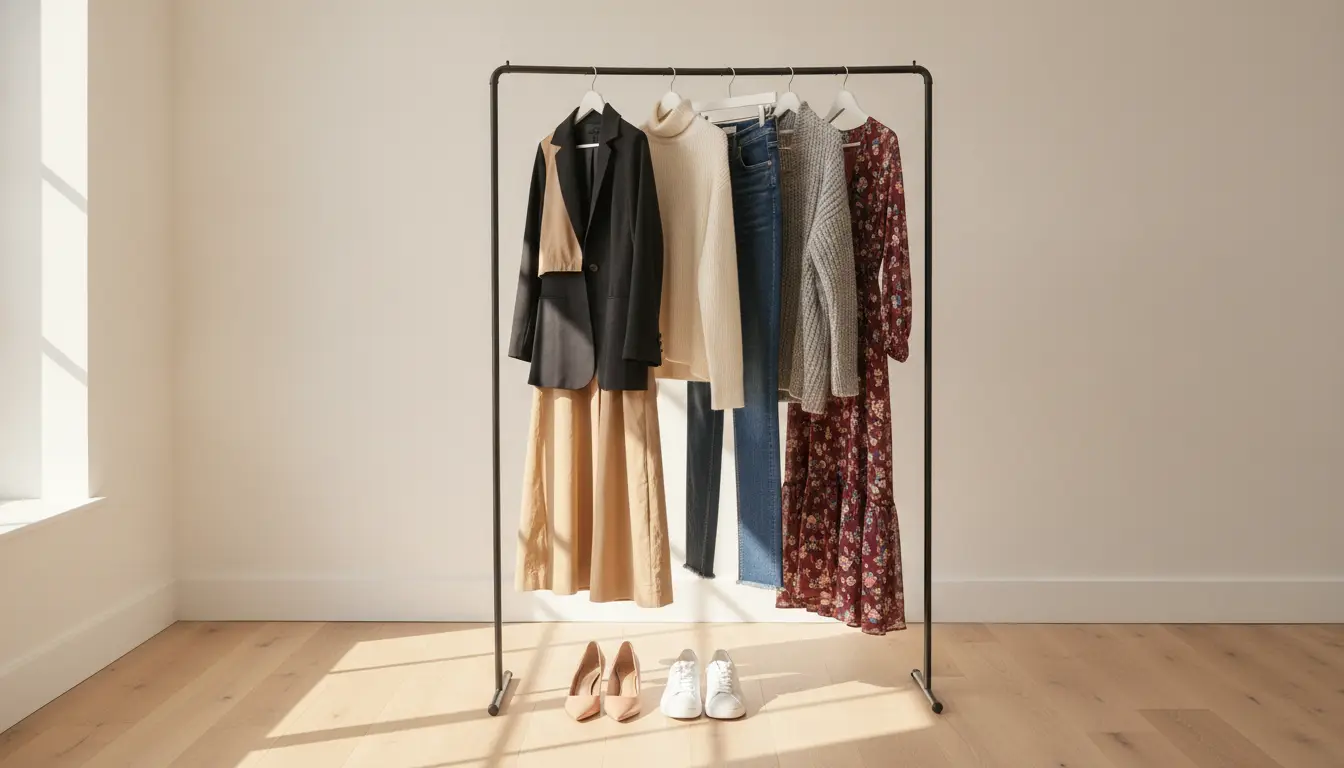
- Capsule wardrobes replacing trend-driven buying
- Resale & Rental Models
- Thrift marketplaces and clothing rental platforms are growing rapidly
- Transparent Supply Chains
- Brands are being forced to disclose sourcing, labor practices, and carbon footprints
What This Means for Consumers
Instead of asking “What’s trending?”, consumers are asking:
- How long will this last?
- What is it made of?
- Can it be reused or recycled?
Future Outlook:
Expect AI-driven personalization and on-demand manufacturing to reduce waste significantly—producing only what is actually needed.
Everyday Sustainable Choices: Small Decisions, Large Impact
Sustainability isn’t defined by big, one-time changes—it’s shaped by daily behavioral patterns.
High-Impact Everyday Shifts
1. Consumption Habits
- Buying less but choosing better
- Prioritizing durability over convenience
2. Waste Reduction
- Reusable products replacing single-use items
- Composting and recycling becoming normalized
3. Energy Efficiency
- Smart homes optimizing energy consumption
- Adoption of energy-efficient appliances
4. Conscious Food Choices
- Local sourcing reduces transportation emissions
- Plant-forward diets gaining traction
4. The Convergence: Where Fashion, Sleep & Lifestyle Meet
The future of sustainable living is not siloed—it’s interconnected.
Key Convergence Trends:
- Minimalism as a Core Philosophy
- Fewer possessions, higher quality
- Reduced mental clutter alongside environmental benefits
- Health + Sustainability Integration
- Products designed for both personal wellness and environmental impact
- Example: non-toxic bedding improving sleep and reducing chemical exposure
- Technology-Driven Sustainability
- AI optimizing supply chains
- Smart devices reducing household waste and energy use
- Circular Economy Expansion
- Products designed to be reused, repaired, or recycled
- Ownership models shifting toward access (rent, share, subscribe)
What Businesses Need to Understand (Critical Insight)
From a strategic standpoint—especially relevant to eCommerce, Amazon sellers, and product brands:
Sustainability is Now a Competitive Advantage
- Consumers are willing to pay more for eco-conscious products
- Transparency builds trust and brand loyalty
Greenwashing is a Risk
- Superficial sustainability claims can damage credibility
- Data-backed claims and certifications are becoming essential
Product Positioning is Evolving
Instead of:
“High quality product”
Brands must communicate:
“High quality, ethically sourced, environmentally responsible product”
Actionable Framework for Consumers
If we reduce this into a practical model, sustainable living comes down to three filters:
1. Before Buying
- Do I actually need this?
- Is there a sustainable alternative?
2. While Using
- Can I extend its lifespan?
- Can it serve multiple purposes?
3. After Use
- Can it be reused, repaired, or recycled?
Final Takeaway
The future of sustainable living is not about perfection—it’s about progressive optimization of everyday choices.
- Fashion is shifting from fast consumption to circular systems
- Sleep is evolving into a health-driven, eco-conscious category
- Daily habits are becoming the foundation of long-term environmental impact
The real transformation lies in alignment:
When personal well-being, environmental responsibility, and economic value intersect, sustainable living becomes the default—not the exception.